
Walking the grounds where pivotal moments in history unfolded offers a deep connection to the past. From the somber shores of D-Day to the enduring scars of World War I trenches, Europe’s battlefields convey powerful narratives of conflict, sacrifice, and resilience. Planning a journey to these significant sites requires careful consideration of logistics, the emotional weight of the locations, and the best ways to gain meaningful insights. This guide explores the best battlefield tours in Europe, focusing on immersive historical journeys that bring these crucial events to life. You’ll learn how to choose the right tour, what to expect at various historical sites, and how to deepen your understanding of the events that shaped the continent and the world.
Top 5 European Battlefield Tours for History Buffs
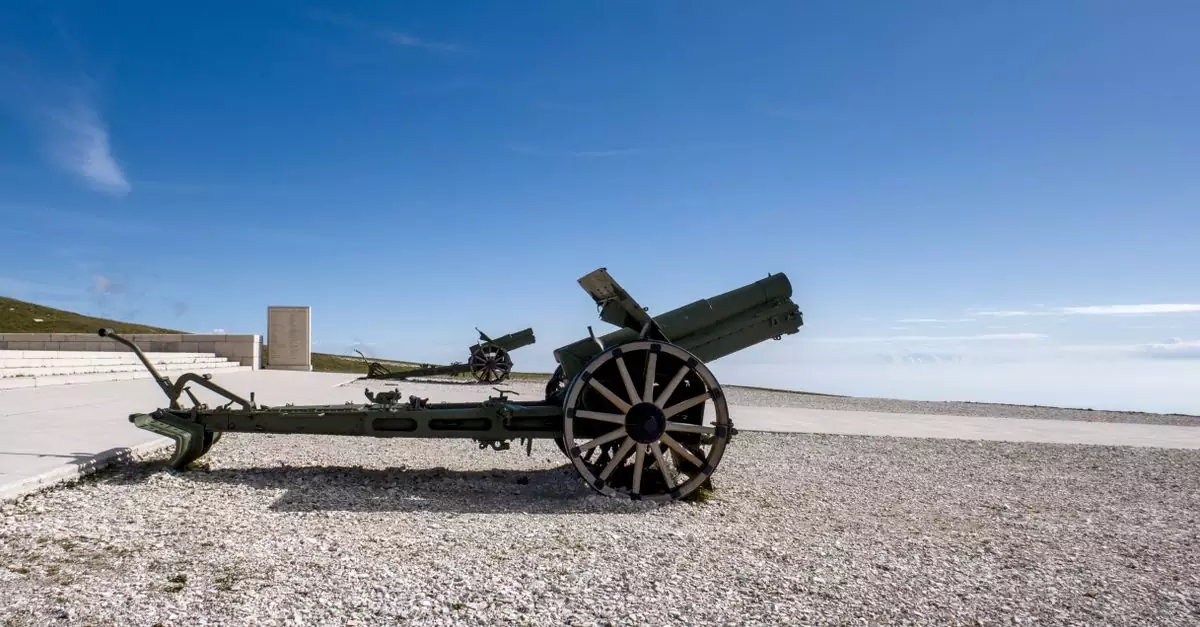
Understanding pivotal moments in European history often means walking the ground where they unfolded. From the trenches of World War I to the D-Day landings, these sites offer a profound connection to the past. Planning a trip focused on these historical battlefields involves logistics, the intensity of the sites, and the best ways to gain insight. This guide highlights five of the most impactful battlefield experiences across Europe.
D-Day Landing Beaches & Normandy’s WWII Sites
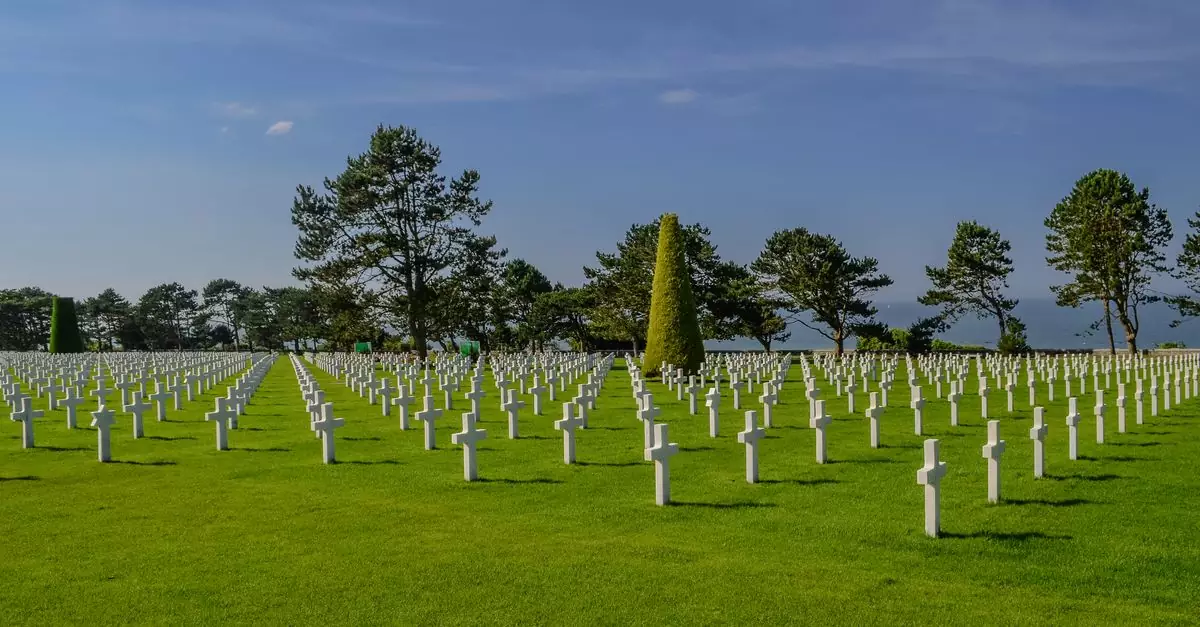
Normandy’s coastline is etched with the history of June 6, 1944. Visiting the D-Day landing beaches, including Omaha, Utah, Juno, Gold, and Sword, offers a somber yet vital experience. Beyond the beaches, sites like the American Cemetery at Colleville-sur-Mer, Pointe du Hoc, and the Caen Memorial Museum provide deeper context. Many tours focus on specific aspects of the campaign, from airborne landings to armored battles inland.
Travelers can choose between guided bus tours departing from Paris or basing themselves in a Norman town like Bayeux. Bayeux offers excellent accommodation options and serves as a convenient hub for exploring the region. The best time to visit is late spring or early autumn, avoiding peak summer crowds and enjoying milder weather. Be prepared for emotionally resonant visits; the scale of sacrifice is palpable.
The Somme and Verdun: WWI Trenches and Memorials
The Western Front of World War I is dramatically shaped by trench warfare. The Somme region in France is known for its preserved trenches, craters, and memorials, most notably the Thiepval Memorial to the Missing. Nearby, Verdun stands as a testament to one of the longest and bloodiest battles in history, with sites like the Douaumont Ossuary and the Verdun Citadels offering a stark look at the conflict’s brutality.
Organized tours from Paris are common, but for a more in-depth experience, consider staying in Amiens or Reims. These cities provide good access and a comfortable base. Many visitors find that renting a car offers the most flexibility to explore the scattered sites at their own pace. Visiting in April or October can create a reflective atmosphere without the summer tourist influx.
Battle of Waterloo: Napoleon’s Final Stand
Just south of Brussels lies the site of the Battle of Waterloo, where Napoleon Bonaparte’s reign ended in 1815. The battlefield is well-preserved, with key locations marked, including Hougoumont Farm and La Haye Sainte. The Lion Mound, an artificial hill built on the battlefield, offers panoramic views and houses a museum detailing the battle’s events.
Day trips from Brussels are easily arranged by train or car. For those interested in military history, the nearby town of Waterloo offers charming accommodations and local insights. The site is accessible year-round, though spring and summer provide the most pleasant conditions for walking the grounds. Interactive exhibits and reenactments, often held during summer weekends, can enhance the experience.
Gettysburg of Europe: The Austro-Prussian War in Bohemia
Often overlooked in broader European military history discussions, the Battle of Königgrätz (Hradec Králové) in Bohemia (modern-day Czech Republic) was a decisive clash in the 1866 Austro-Prussian War. This battle significantly altered the balance of power in Central Europe. The battlefield itself is subtler than the WWI sites, but markers and a memorial church provide important historical context.
For travelers interested in this specific conflict, basing oneself in Hradec Králové is recommended. The city offers a good starting point for exploring the battlefield and appreciating the surrounding Bohemian landscape. This destination is best suited for independent travelers or those on specialized historical tours, as large-scale public tours are less common. Late spring and early fall offer pleasant weather for outdoor exploration.
The Spanish Civil War Battlefields of Andalusia
Andalusia, Spain, was a significant theater during the Spanish Civil War (1936-1939). Sites around cities like Málaga and Granada bear the marks of this conflict. While not as overtly preserved as WWI trenches, understanding the historical context of towns and cities can reveal the war’s impact. Some tours focus on the Republican and Nationalist struggles in the region.
Travelers can base themselves in major Andalusian cities like Seville or Granada and arrange day trips. Renting a car is advisable for reaching smaller, more remote historical markers. The intense summer heat in Andalusia makes spring and autumn the most comfortable times to visit. This journey requires a deeper dive into research to fully appreciate the historical significance of the locations.
Planning Your European Battlefield Tour: Essential Considerations
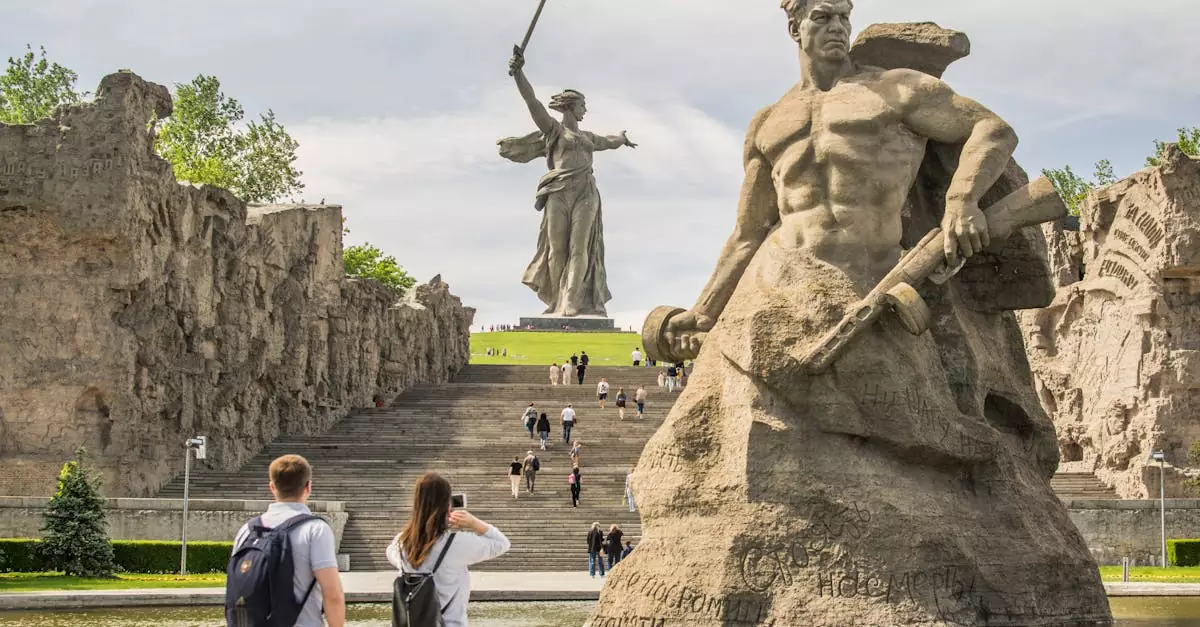
Embarking on a journey through Europe’s significant historical battlefields offers a profound connection to the past. To ensure your trip is both meaningful and manageable, careful planning is key. Understanding the best times to visit, how to navigate between sites, and managing your budget will significantly enhance your experience. These historical sites across Europe are spread out, making logistical considerations crucial for a comprehensive tour.
Best Time of Year for Battlefield Visits
The optimal time to visit European battlefields often depends on your tolerance for weather and crowds. Spring (April-May) and autumn (September-October) generally offer the most pleasant conditions. During these shoulder seasons, temperatures are mild, making outdoor exploration comfortable, and visitor numbers are typically lower than in peak summer.
- Spring: Wildflowers bloom across former fields of conflict, adding poignant beauty.
- Summer: While warmest, this is also the busiest period, with higher prices and more tourists at popular sites.
- Autumn: Fall foliage can provide a dramatic backdrop, and harvest festivals may coincide with your visit.
- Winter: Cold weather and shorter daylight hours can limit exploration, though you’ll encounter the fewest crowds and potentially lower accommodation costs.
Consider specific regional climates. For example, Northern European sites might be best visited from late spring through early autumn, while Mediterranean regions can be explored more comfortably in spring and fall.
Navigating Europe: Transportation Options for Tour Goers
Getting to and between European battlefields involves several transportation choices. For international travel, flying into major hubs like London, Paris, or Berlin is common. From there, a mix of trains, buses, and rental cars will serve you best.
| Transportation Mode | Best For | Pros | Cons |
|---|---|---|---|
| Trains | Inter-city travel, comfortable journeys | Efficient, scenic, extensive network, environmentally friendly | Can be expensive if booked last minute, some routes require changes |
| Buses | Budget travel, reaching smaller towns | Cost-effective, wide coverage | Slower, less comfortable for long distances, limited luggage space |
| Rental Cars | Flexibility, remote sites, group travel | Freedom to explore at your own pace, access to less-served areas | Parking can be difficult/expensive, navigating foreign roads |
| Flights | Long distances between countries | Fastest for crossing large geographical areas | Airport transfers, security checks, environmental impact |
Many historical sites are accessible via public transport from nearby cities, but for deeper exploration of dispersed battlefields like those in Normandy or Flanders, a rental car offers unparalleled freedom. Booking train tickets in advance, especially for high-speed routes, can lead to significant savings.
Budgeting for Your Historical Expedition
The cost of a European battlefield tour varies widely based on your travel style, duration, and the specific regions you visit. A realistic budget should account for transportation, accommodation, food, entrance fees, and guided tours.
A mid-range traveler might expect to spend anywhere from €100 to €200 per person per day. This covers comfortable, mid-tier accommodations, regular meals at local restaurants, train travel, and admission to key attractions. Budget travelers could aim for €50-€100 per day by utilizing hostels or budget guesthouses, self-catering some meals, and relying on buses or slower train services. Luxury travelers could easily spend upwards of €300+ per day for premium accommodations, fine dining, and private guided experiences.
Consider that countries like Switzerland and Norway tend to be more expensive than Eastern European nations like Poland or the Czech Republic. Entrance fees for major museums and preserved sites can add up; purchasing multi-site passes where available can offer value. Guided tours, while an added expense, often provide invaluable historical context and insights that enrich the battlefield experience significantly. Researching specific site costs and local living expenses for your chosen destinations will help refine your budget.
Immersive Battlefield Experiences: What to Expect
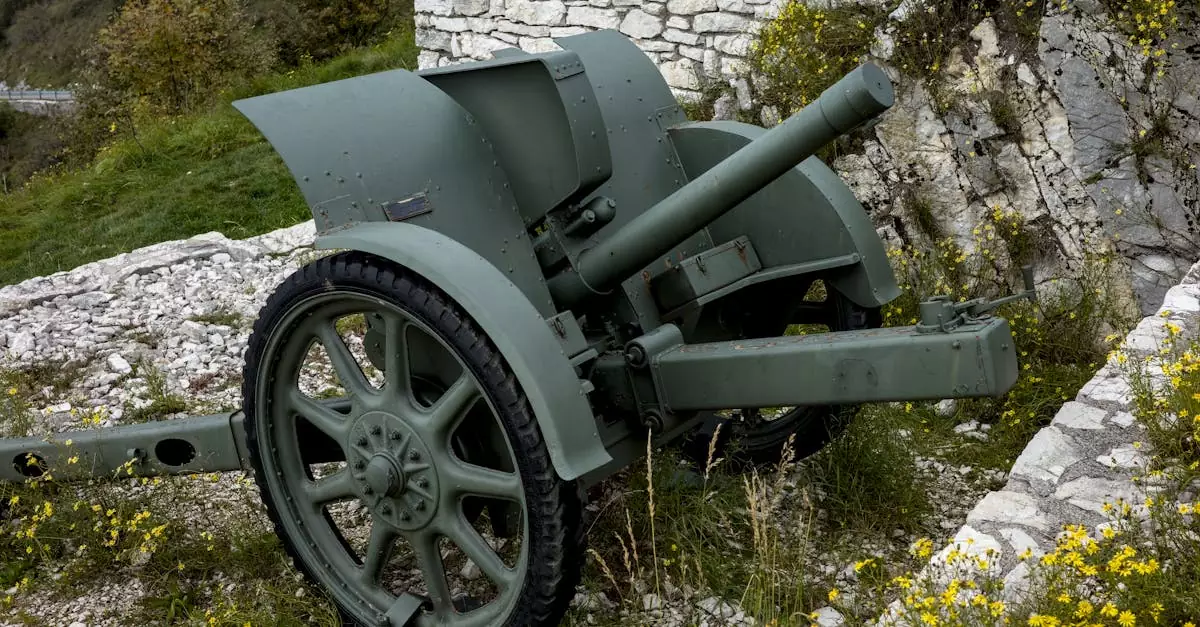
Embarking on a journey to Europe’s historic battlefields offers a profound connection to the past. These tours go beyond simple sightseeing, aiming to provide a tangible sense of the events that shaped Europe. Expect to encounter deeply moving sites, often with expert guides who bring the human stories of conflict to life. The best battlefield tours in Europe are characterized by their ability to educate, evoke emotion, and offer practical insights into the realities of war.
Guided Tours vs. Self-Guided Exploration
Choosing between a guided tour and independent exploration depends on your preferred travel style and depth of engagement. Guided tours, led by knowledgeable historians or local experts, offer curated narratives and often grant access to restricted areas or specialized viewpoints. They are excellent for understanding complex historical contexts and ensuring you don’t miss crucial details. Many operators specialize in specific conflicts, like World War I or World War II, providing in-depth thematic experiences.
Self-guided exploration offers maximum flexibility, allowing you to set your own pace and focus on areas of personal interest. This approach requires more pre-trip research to identify key locations, understand transportation options, and gather historical information. While potentially more budget-friendly, it demands a greater investment of time in planning and interpretation on the ground. For those new to battlefield history, a guided tour provides a solid foundation before venturing out independently.
Visiting Overlooked WWI Sites in the Balkans
While the Western Front often dominates discussions of World War I, the Balkans played a crucial and brutal role in igniting and sustaining the conflict. Regions like Serbia, with sites such as the Cer Mountain battlefield, and the Isonzo Front in Slovenia, offer stark reminders of the immense human cost. These locations are less frequented than their Western European counterparts, providing a more contemplative and less crowded experience.
Visiting these sites often involves navigating more rugged terrain and less developed tourist infrastructure. Transportation might require rental cars or local buses, and accommodations can be simpler guesthouses rather than large hotels. However, the historical significance and raw emotional impact of these less-explored battlefields are undeniable, offering a unique perspective on the Great War’s global reach.
Understanding the Role of Modern Technology in Tours
Contemporary battlefield tours increasingly integrate technology to enhance the visitor experience. Augmented reality (AR) apps can overlay historical images and information onto the current landscape, showing how a trench or a shelled village might have looked during battle. Virtual reality (VR) experiences, sometimes available at visitor centers, can offer immersive simulations of key moments.
GPS-enabled audio guides provide context as you walk through a site, offering personal accounts and strategic explanations. Many tour operators now offer digital resources, including interactive maps and historical documents, accessible via smartphones or tablets. This technological integration can deepen understanding and make complex historical events more accessible, especially for younger generations or those who benefit from visual and interactive learning.
Experiencing Living History at Reenactment Events
Living history events offer a unique, hands-on way to connect with the past. These meticulously organized reenactments bring together enthusiasts who dress in period-accurate uniforms, use replica equipment, and recreate historical scenarios, from skirmishes to encampments. Attending such an event provides a visceral sense of the sights, sounds, and atmosphere of a bygone era.
These events are often held at historical sites or dedicated venues across Europe, typically during the warmer months. They provide opportunities to interact with reenactors, ask questions, and witness historical drills and tactics firsthand. While not a direct battlefield tour, they offer a powerful, albeit staged, glimpse into the soldier’s experience and the daily life surrounding military campaigns. Researching local event calendars is key to catching these immersive spectacles.
Choosing the Right Battlefield Tour Company
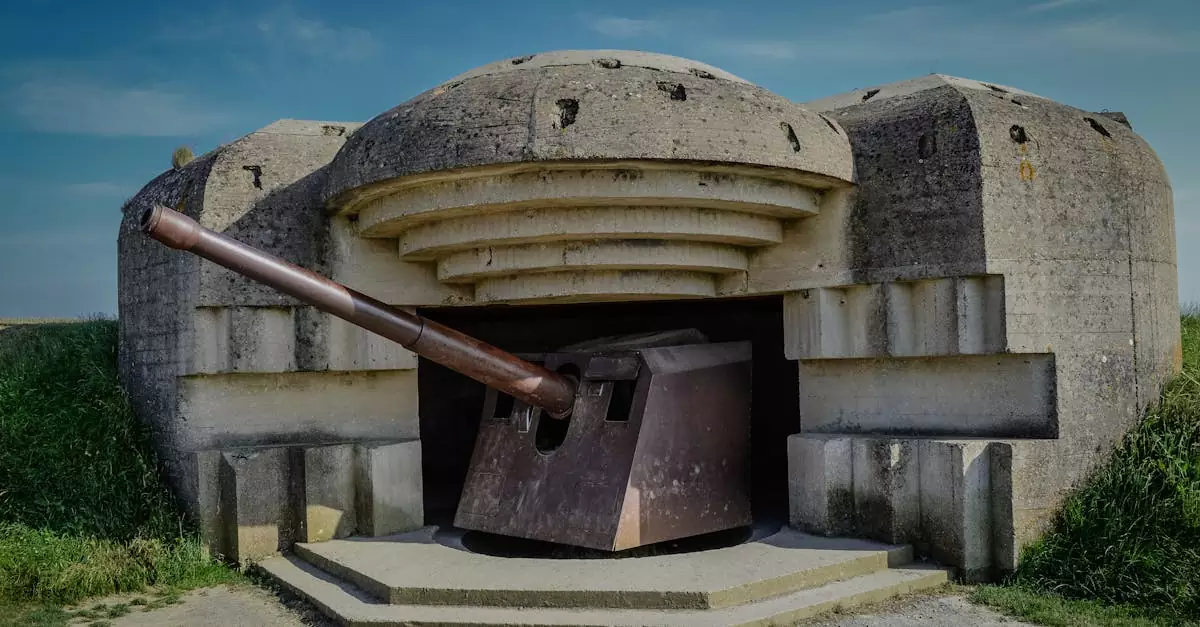
Selecting the right company for your historical journey through Europe’s battlefields is crucial for an enriching experience. The best battlefield tours in Europe go beyond simple sightseeing, offering deep historical context, expert guidance, and logistical smoothness. Consider these factors to ensure your chosen tour aligns with your expectations and provides genuine insight into pivotal moments in history.
Vetting Tour Operators for Authenticity and Expertise
When researching companies offering tours of European battlefields, look for those committed to historical accuracy and in-depth knowledge. Reputable operators often employ guides who are historians, academics, or have extensive personal research experience in the specific conflicts they cover. Check for credentials, read reviews specifically mentioning guide expertise, and examine sample itineraries for the level of detail provided. A good company will offer more than just a chronological retelling of events; they should bring the human stories and strategic nuances to life.
For example, companies specializing in the World War I Western Front might highlight guides with PhDs in military history or those who have authored books on the subject. Similarly, tours focused on the D-Day landings in Normandy should feature guides intimately familiar with the specific landing beaches, troop movements, and local geography as it was in 1944. Authentic experiences often involve visiting lesser-known sites alongside major landmarks, providing a more comprehensive understanding.
Specialized Tours: Focusing on Specific Conflicts or Eras
Many tour operators offer specialized journeys, allowing travelers to delve deeply into particular conflicts or historical periods. This approach is ideal if you have a specific interest, such as the Napoleonic Wars, the American Civil War battlefields (though primarily in the US, some European connections exist through mercenary forces or specific campaigns), or the extensive campaigns of World War II. Specialized tours often attract like-minded travelers and provide a more focused and in-depth narrative.
Consider a tour that concentrates solely on the Verdun battlefield, known for its brutal trench warfare, or one dedicated to the Battle of Waterloo, a pivotal moment in European history. These focused tours allow for a more granular examination of tactics, weaponry, and the daily lives of soldiers. If your interest is broader, look for companies that offer multi-conflict tours, but ensure they have the expertise to transition effectively between different historical contexts.
Small Group vs. Large Group Tour Dynamics
The size of your tour group can significantly impact your experience. Small group tours, typically ranging from 6 to 16 participants, often provide a more intimate and interactive atmosphere. This allows for more personalized attention from the guide, easier movement through sometimes crowded or sensitive sites, and greater flexibility for spontaneous discussions or questions.
Large group tours, while sometimes more budget-friendly, can feel impersonal. Navigating popular sites with a large group can be challenging, and the pace might be slower or less adaptable to individual interests. For battlefield tours, where detailed explanations and quiet reflection can be important, a smaller group often enhances the immersive quality.
Here’s a brief comparison of group dynamics:
| Feature | Small Group Tours | Large Group Tours |
|---|---|---|
| Guide Interaction | High, personalized | Limited, general |
| Pace | Flexible, adaptable | Fixed, potentially rushed |
| Site Access | Easier, less intrusive | Can be challenging, more disruptive |
| Traveler Focus | Deeper engagement, discussions | Broader overview, less depth |
| Cost | Generally higher | Often more budget-friendly |
When making your choice, consider your preferred learning style and how you best absorb historical information. For a truly immersive historical journey through the best battlefield tours in Europe, a smaller, more focused group often yields the most profound results.
Beyond the Front Lines: Local Culture and Cuisine Near Battlefields
While the historical significance of Europe’s battlefields is undeniable, a truly immersive journey extends beyond the trenches and monuments. Engaging with the local culture and savoring regional cuisine offers a richer understanding of the places where history unfolded. These experiences provide a welcome contrast to the solemnity of battlefield visits and connect travelers with the enduring spirit of the communities that inhabit these landscapes.
Discovering French Cuisine in Normandy
Normandy, forever linked to the D-Day landings, offers a culinary landscape as rich and layered as its history. After a day spent contemplating the sacrifices at Omaha Beach or the Airborne Museum in Sainte-Mère-Église, travelers can indulge in the region’s renowned specialties. Look for fresh seafood, particularly oysters and scallops, pulled straight from the English Channel. Norman cuisine is also famous for its dairy products; savor creamy Camembert cheese or indulge in dishes enriched with local butter and cream.
The region’s apple orchards yield excellent cider and Calvados, a potent apple brandy. Enjoying a glass of either with a traditional meal, perhaps a hearty cassoulet or moules marinières, provides a delicious insight into French provincial life. Many charming restaurants and auberges dot the countryside, offering authentic flavors and a warm welcome. Consider booking a table in advance, especially during peak tourist season, to secure a spot at popular establishments.
Sampling Belgian Beers and Chocolates
The battlefields of Flanders, including sites like the Menin Gate in Ypres and the Passchendaele Memorial Museum, draw many visitors seeking to understand World War I’s impact. Beyond the poignant memorials, Belgium offers a world-class gastronomic experience. The country is celebrated for its diverse range of beers, from crisp lagers to complex Trappist ales. Local pubs and breweries near these historic sites often offer tasting flights, allowing visitors to sample the breadth of Belgian brewing traditions.
No visit to Belgium is complete without indulging in its world-famous chocolates. Many chocolatiers in towns like Bruges and Ghent, accessible from the Flanders battlefields, offer artisanal creations. Pairing a rich Belgian chocolate with a robust beer is a delightful way to unwind after a day of reflection. For those interested in the brewing process, some breweries offer tours that provide a fascinating glimpse into the making of these iconic beverages.
Exploring Czech Gastronomy near Königgrätz
The area around Hradec Králové, site of the pivotal 1866 Battle of Königgrätz, offers a journey into Bohemian history and culinary traditions. After exploring the battlefield memorials and the local museum dedicated to the Austro-Prussian War, travelers can delve into Czech gastronomy. Hearty, traditional dishes are the hallmark of this region. Expect generous portions of dishes like svíčková (marinated sirloin with cream sauce and dumplings) or guláš (a rich goulash).
Czech beer, of course, is a national treasure, and you’ll find excellent local brews in pubs and restaurants throughout the Hradec Králové region. Many establishments also offer a range of local wines. For a sweet treat, try trdelník, a spit-cake often coated in sugar and nuts, widely available from street vendors. Engaging with local communities often means dining in smaller, family-run restaurants where the food is prepared with pride and tradition.
Engaging with Local Communities Post-Tour
The most impactful historical journeys often involve more than just visiting sites; they involve connecting with the people who live there. After spending time at significant European battlefields, seeking out local experiences can deepen your understanding and appreciation. This might involve attending a local festival, visiting a farmers’ market, or simply striking up a conversation with a shopkeeper. These interactions offer a human perspective on the enduring legacy of historical events.
Many tour operators now incorporate opportunities for cultural immersion, such as cooking classes or visits to local artisans. For independent travelers, looking for accommodations in smaller towns or villages near major battlefields can provide more authentic interactions than staying in larger tourist hubs. Learning a few basic phrases in the local language can also foster positive connections. Remember that these communities have their own vibrant present, shaped by, but not solely defined by, their historical past.
Frequently Asked Questions About European Battlefield Tours
What is the average cost of a battlefield tour in Europe?
The cost of European battlefield tours varies significantly based on duration, inclusions, and the specific historical sites visited. Shorter day trips from major cities might range from €50 to €150 per person, often covering transportation and a guide. Multi-day tours, especially those including accommodations, meals, and expert lectures, can cost anywhere from €500 to €2,500 or more for a week-long immersive experience. Booking in advance can sometimes secure better rates, especially during peak travel seasons.
Are battlefield tours suitable for families with children?
Many battlefield tours can be suitable for families, but suitability depends on the age and maturity of the children, as well as the specific tour’s focus. Some tours are designed with younger audiences in mind, using storytelling and interactive elements to engage them. However, many sites deal with sensitive and somber historical events, which might be more appropriate for older children and teenagers who can grasp the historical context. It’s advisable to research the tour’s content and consult with the tour operator regarding age recommendations. Visiting sites like the D-Day beaches in Normandy or the Somme battlefields offers historical lessons that can be powerful for all ages when approached thoughtfully.
What should I pack for a battlefield tour?
Packing for a battlefield tour requires practicality and preparedness for varied weather conditions across Europe. Comfortable, sturdy walking shoes are essential, as you’ll likely cover a lot of ground on uneven terrain. Layered clothing is recommended, including waterproof outerwear, as rain is common in many parts of the continent. Don’t forget sun protection like a hat and sunscreen, even on cloudy days. A small backpack for water, snacks, a camera, and personal items is also useful. Consider bringing a notebook and pen to jot down observations or historical facts.
How physically demanding are these tours?
The physical demands of battlefield tours can range from minimal to considerable. Many tours involve walking across open fields, climbing gentle slopes, and navigating uneven historical terrain, which requires a moderate level of fitness. Some tours might involve descending into trenches or exploring underground tunnels, which can be more strenuous and may have accessibility limitations. It’s important to check the tour description for any specific physical requirements or limitations. For those with mobility concerns, opting for tours that focus on accessible museums or visitor centers, or those with private transport options between key points, can be a better choice.