England offers a wealth of captivating destinations perfect for a day trip, providing a refreshing escape from the urban energy of cities like London. Discovering the best day trips in England means uncovering charming villages, historic sites, and stunning natural landscapes that showcase the country’s diverse character. This guide will help you plan unforgettable excursions, whether you’re seeking the dramatic cliffs of the coast, the timeless elegance of Roman and Georgian cities, or inspiration from literary landscapes. You’ll learn about accessible destinations, what makes each unique, and practical tips for making the most of your time away. Prepare to explore beyond the familiar and find your perfect English adventure.
Coastal Escapes: Seaside Charm and Salty Air
England’s coastline offers a refreshing contrast to its bustling cities, providing a diverse range of seaside experiences. From lively piers to rugged cliffs, these destinations deliver a breath of fresh air and a glimpse into various facets of British culture. Planning a day trip to the coast requires considering travel time, especially from London, but the rewards are well worth the journey.
Exploring Brighton’s Iconic Pier and Lanes
Brighton is a perennial favorite for a day trip, easily accessible by train from London in under two hours. The city’s vibrant atmosphere is immediately apparent upon arrival. The iconic Brighton Pier, with its amusement arcades and traditional seaside attractions, is a must-visit, offering lively entertainment and panoramic views of the English Channel.
Beyond the pier, the Lanes present a labyrinth of narrow streets packed with independent boutiques, antique shops, and quirky cafes. This area is a treasure trove for those seeking unique souvenirs or a leisurely browse. For lunch, consider sampling fresh seafood from one of the many stalls along the seafront or trying a classic Brighton “rock” candy.
Getting to Brighton:
Regular train services run from London Victoria and London Bridge. The journey typically takes around an hour and a half. Driving is also an option, though parking in Brighton can be challenging and expensive.
Discovering the Jurassic Coast: Fossil Hunting in Dorset
For a more rugged and geologically fascinating day trip, the Jurassic Coast in Dorset is unparalleled. This UNESCO World Heritage Site stretches for 95 miles and is renowned for its stunning cliffs, rock formations, and significant fossil discoveries. Key locations like Lyme Regis and Charmouth are excellent starting points for fossil hunting.
Armed with a fossil-hunting guide and a keen eye, visitors can search for ammonites and belemnites embedded in the shingle beaches. Always check tide times and weather conditions before heading out, as the coastline can be hazardous. Proper footwear is essential for navigating the uneven terrain.
Fossil Hunting Tips:
- Best Time to Visit: After storms or high tides, as they can uncover new fossils.
- What to Bring: A hammer and chisel (check local regulations for collecting), a sturdy bag for finds, and waterproof clothing.
- Safety: Be aware of cliff erosion and falling rocks. Never climb unstable cliffs.
A Day in Whitby: Dracula’s Haunt and Fish & Chips
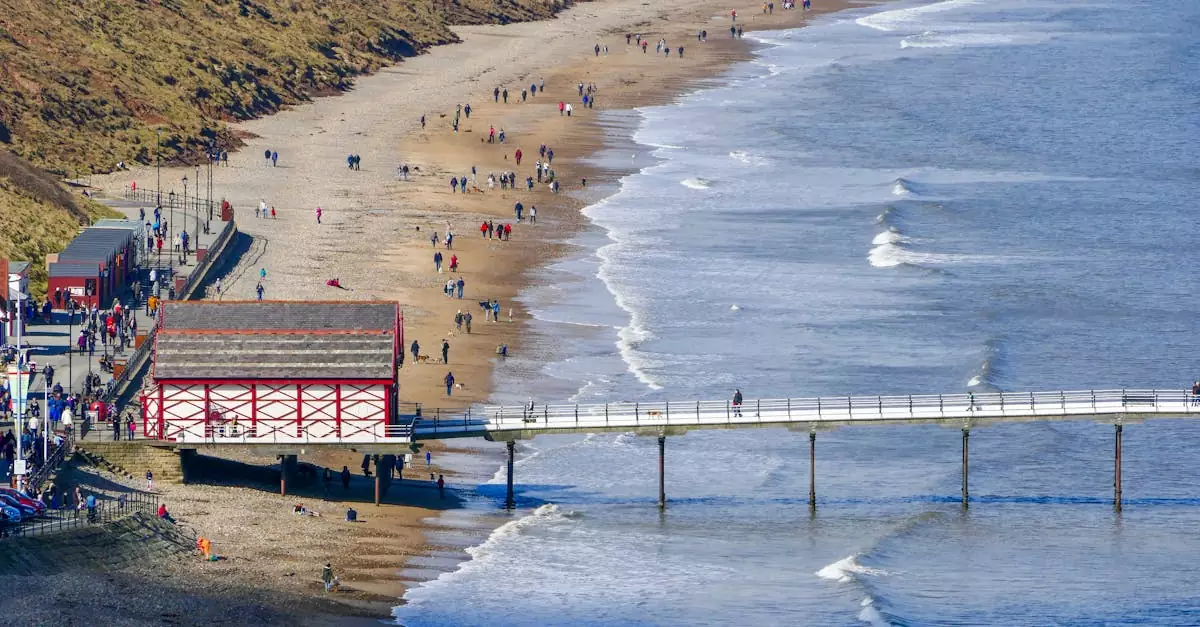
Whitby, a charming fishing town on the North Yorkshire coast, offers a unique blend of history, dramatic scenery, and culinary delights. The town is famously associated with Bram Stoker’s Dracula, and the imposing Whitby Abbey ruins, perched high on the East Cliff, certainly evoke a gothic atmosphere. Climbing the 199 steps to reach the abbey is a rewarding experience, offering breathtaking views.
No visit to Whitby is complete without indulging in its world-famous fish and chips. Numerous restaurants and takeaways serve up freshly caught haddock or cod, battered and fried to perfection. Exploring the narrow, winding streets of the old town, with its independent shops and maritime heritage, provides a delightful afternoon.
Whitby’s Maritime Charm:
The town’s harbor is still active with fishing boats, adding to its authentic atmosphere. Consider a short boat trip from the harbor for a different perspective of the coastline. The Captain Cook Memorial Museum offers insights into the life of the famous explorer, who spent time in Whitby as an apprentice.
Historic Cities: Stepping Back in Time
England is rich with cities that offer a tangible connection to centuries past. For travelers looking to escape the modern pace of London, these historic destinations provide a captivating glimpse into different eras, from Roman occupation to the grandeur of Georgian England.
Bath’s Roman Baths and Georgian Architecture
Bath, a UNESCO World Heritage site, is a must-visit for anyone interested in Roman history and elegant architecture. The remarkably preserved Roman Baths complex offers fascinating insights into ancient bathing culture. Imagine the Romans relaxing in these very thermal waters over two millennia ago.
Beyond the baths, the city itself is a masterpiece of Georgian design. The Royal Crescent, a sweeping crescent of 30 terraced houses, and the elegant Assembly Rooms are prime examples of the refined aesthetic that defines Bath. Walking these streets feels like stepping onto a film set, with honey-colored stone buildings lining every avenue.
Getting to Bath:
Bath is easily accessible from London by train, with frequent services from London Paddington taking around 1.5 hours. Driving is also an option, though parking within the city center can be challenging and expensive. Consider using the Park & Ride facilities if arriving by car.
Visitor Tip: Book tickets for the Roman Baths in advance, especially during peak season, to avoid long queues. Consider purchasing a combined ticket that includes entry to the nearby Georgian Garden for a comprehensive experience.
Oxford’s Dreaming Spires: University Colleges and Libraries
Oxford, often called the “City of Dreaming Spires,” is synonymous with academic excellence and stunning medieval and Renaissance architecture. Home to the oldest university in the English-speaking world, its colleges are not just educational institutions but also historical monuments. Wandering through the quadrangles of Christ Church, Magdalen, or New College offers a unique perspective on centuries of learning and tradition.
The Bodleian Library, one of the oldest libraries in Europe, is another highlight. While access to the main reading rooms is restricted, guided tours offer a glimpse into its magnificent spaces, including the iconic Radcliffe Camera. For panoramic views of the city’s spires, climb the tower of St. Mary the Virgin church.
Traveler Insight: Many colleges offer tours that delve into their history and architecture. Look for guided walking tours that combine college visits with key city landmarks for a well-rounded introduction to Oxford.
Budgeting for Oxford:
Entry fees for some colleges can add up. A day ticket for several attractions or a guided tour might offer better value. Food options range from affordable student cafes to more upscale restaurants, allowing for flexibility in spending.
Exploring the Medieval Walls of Chester
Chester offers a distinct medieval charm, most notably showcased by its remarkably intact city walls. These walls, the most complete in Britain, encircle the city and provide a fantastic elevated walk, offering unique views of the city’s distinctive black-and-white Tudor-style architecture, known as “The Rows.” Walking the full circuit takes about two hours and provides a comprehensive overview of Chester’s layout and history.
Below the walls, The Rows themselves are a unique feature, comprising a series of two-tiered medieval shops and galleries. This distinctive shopping gallery system is found nowhere else in England. The city’s cathedral, with its impressive fan vaulting, and the Roman amphitheater further enhance Chester’s historical appeal.
Logistics for Chester:
Chester is well-connected by train, with direct services from London Euston taking around 2 hours and 15 minutes. The city center is compact and highly walkable, making it easy to get around on foot once you arrive.
Best Time to Visit:
While Chester is enjoyable year-round, spring and early autumn offer pleasant weather for exploring the walls and streets without the peak summer crowds. Winter can be atmospheric but requires warmer clothing for outdoor exploration.
Literary & Artistic Pilgrimages: Following Famous Footsteps

England’s landscapes have long inspired writers and artists, offering a unique opportunity for travelers to walk in the footsteps of literary giants. These destinations provide a tangible connection to the authors and movements that have shaped global literature and art, making them rewarding day trips for anyone with an appreciation for culture.
Jane Austen’s Bath and Chawton Cottage
For lovers of classic English literature, a journey to Bath offers a direct link to Jane Austen’s life and works. The elegant Georgian city, with its honey-colored stone architecture and grand crescents, served as the backdrop for two of her novels, Northanger Abbey and Persuasion. Stroll through the Assembly Rooms, where Austen’s characters would have socialized, and imagine the balls and conversations that filled her pages. The Jane Austen Centre provides deeper insights into her life and writing.
While Bath immerses you in the setting of Austen’s later novels, a visit to Chawton Cottage in Hampshire offers a glimpse into her more personal life. This was Austen’s home for the last eight years of her life, where she wrote or revised all six of her major novels, including Pride and Prejudice and Emma. The cottage is preserved much as it was during her time, allowing visitors to see her writing desk and gain an intimate understanding of her creative environment.
Getting There:
- Bath: Easily accessible by train from London Paddington (approx. 1.5 hours). Driving is possible but parking in the city center can be challenging.
- Chawton Cottage: Best reached by car from London or other parts of Hampshire. The nearest train stations are Alton or Liss, requiring a taxi or bus connection.
The Bronte Sisters’ Haworth Parsonage
The windswept moors of Yorkshire provide a dramatic and evocative setting for the Bronte sisters’ enduring legacy. Haworth, a village nestled in the Brontë Country, is dominated by the Parsonage Museum, the former home of Charlotte, Emily, and Anne Brontë. Here, they penned some of the most celebrated novels in English literature, including Jane Eyre, Wuthering Heights, and Agnes Grey.
Visiting the Parsonage allows you to see the rooms where these literary masterpieces were conceived, along with personal belongings and manuscripts. Afterward, venture out onto the moors that so profoundly influenced their writing. The rugged landscape, with its dramatic skies and heather-covered hills, feels almost like a character in itself, as depicted in their novels. Walking trails allow you to retrace the steps of the Brontë family and experience the very environment that fueled their imaginations.
Traveler Tip: Wear sturdy walking shoes and dress in layers, as the Yorkshire weather can be unpredictable. The moors are vast, so consider a guided walk or a well-marked trail if you’re not an experienced hiker.
Shakespeare’s Birthplace in Stratford-upon-Avon
Stratford-upon-Avon is an essential pilgrimage for anyone interested in the works of William Shakespeare. The town is remarkably well-preserved, offering multiple sites connected to the Bard’s life. The most significant is Shakespeare’s Birthplace on Henley Street, a Tudor-era house where he was born and spent his childhood.
Inside, costumed guides bring the 16th-century home to life, offering insights into the domestic life of the Shakespeare family. Beyond his birthplace, you can also visit Hall’s Croft, the Jacobean home of his daughter Susanna and her husband, Dr. John Hall; Anne Hathaway’s Cottage, the picturesque farmhouse where Shakespeare’s wife grew up; and Mary Arden’s Farm, the childhood home of his mother. A visit to Holy Trinity Church, where Shakespeare is buried, offers a solemn conclusion to a day dedicated to the world’s greatest playwright.
Logistics:
Stratford-upon-Avon is a popular day trip destination from London, accessible by train (requiring a change, often at Leamington Spa) or coach. Driving is also a viable option, with several car parks available in the town. Many visitors opt for organized tours from London, which can simplify transportation logistics.
Countryside Adventures: Rolling Hills and Quaint Villages

Escaping the urban sprawl of London opens up a world of stunning natural beauty and charming rural life. England’s countryside offers a refreshing change of pace, with picturesque landscapes, historic market towns, and ample opportunities for outdoor pursuits. These destinations provide some of the best day trips in England for those seeking tranquility and a glimpse into traditional British life.
A Weekend in the Cotswolds: Bourton-on-the-Water and Stow-on-the-Wold
The Cotswolds Area of Outstanding Natural Beauty is synonymous with honey-colored stone villages and rolling hills. Bourton-on-the-Water, often called the “Venice of the Cotswolds,” features the River Windrush flowing through its center, crossed by low stone bridges. It’s a delightful place for a gentle stroll, with tea rooms and independent shops lining the water.
Nearby, Stow-on-the-Wold offers a different charm. This historic market town sits on a hill and is known for its ancient market square, antique shops, and the iconic St. Edward’s Church with its yew-tree-flanked door. It’s a fantastic spot to soak in the atmosphere of a traditional English market town.
Getting there:
Trains run from London Paddington to Moreton-in-Marsh, which serves as a gateway to the northern Cotswolds. From there, local buses or taxis can connect you to Bourton-on-the-Water and Stow-on-the-Wold. Driving offers more flexibility for exploring the wider region.
Traveler Tip: Consider visiting on a weekday to avoid the busiest crowds, especially in Bourton-on-the-Water during peak season.
Hiking in the Peak District National Park
For those who love to stretch their legs amidst dramatic scenery, the Peak District National Park is an exceptional choice. This vast park, straddling the border between Derbyshire, Staffordshire, Cheshire, and Yorkshire, boasts dramatic gritstone edges, sweeping moorlands, and deep valleys. Popular hiking areas include the Dark Peak with its rugged terrain and the White Peak known for its rolling hills and limestone dales.
Routes like the Dovedale Stepping Stones offer a scenic, albeit sometimes busy, walk through a beautiful limestone valley. For a more challenging hike, consider tackling Kinder Scout, the highest point in the Peak District, which offers panoramic views on a clear day. Remember to pack appropriate gear, as weather can change rapidly.
Logistics:
Major towns like Buxton and Bakewell are good bases for exploring. Regular train services connect to Buxton from Manchester and other cities. Buses operate within the park, but services can be infrequent, making a car advantageous for comprehensive exploration.
Budget Considerations:
Entrance to the national park is free. Costs will primarily be for transportation, food, and any accommodation if staying overnight.
Exploring the New Forest: Ponies and Ancient Woodlands
The New Forest in Hampshire offers a unique blend of ancient woodland, heathland, and a coastline dotted with charming villages. Its most famous inhabitants are the free-roaming New Forest ponies, which are a common sight grazing by the roadside and in open spaces. Walking or cycling through the shaded forest paths, especially in areas like Brockenhurst or Lyndhurst, is a quintessential experience.
Beyond the woodlands, explore coastal towns like Lymington for a taste of seaside life or visit Beaulieu, home to the National Motor Museum and historic village. The landscape here is gentler than the Peak District, making it accessible for a wider range of visitors.
Timing:
Spring and autumn offer beautiful colors and fewer crowds. Summer can be busy, especially on weekends.
Getting around:
Trains run to stations like Brockenhurst and Sway. Driving is highly recommended for navigating the dispersed attractions and smaller hamlets within the New Forest. Be mindful of the ponies and other wildlife on the roads.
How to Plan Your Perfect English Day Trip?

Planning a day trip from London or another major hub in England requires a bit of foresight to maximize your time and enjoyment. Considering factors like the best season for your visit, how you’ll travel, and what to pack can make all the difference. This section provides practical advice to help you craft an unforgettable excursion.
Best Times to Visit England for Day Trips
England’s weather is famously changeable, but certain times of year offer distinct advantages for day-tripping.
- Spring (April-May): Witness the countryside burst into bloom. Days are getting longer, and while showers are common, you’ll often find pleasant sunshine. This is a great time for garden visits and exploring historic towns before the summer crowds arrive.
- Summer (June-August): The warmest months offer the longest daylight hours, ideal for maximizing your exploration. Expect the busiest tourist periods, especially in popular coastal towns and attractions. Booking transport and attractions in advance is highly recommended.
- Autumn (September-October): Experience the beauty of autumn foliage, particularly in rural areas and national parks. The crowds thin out, and the crisp air can be invigorating for walking tours. Prices for accommodation and transport may also begin to decrease.
- Winter (November-March): While colder and with shorter daylight hours, winter offers a quieter experience. Many historic houses and castles remain open, often with festive decorations. Be prepared for potential travel disruptions due to weather, and check opening times as some attractions may have reduced hours.
Getting Around: Train, Car, or Coach for Day Trips
England boasts a well-developed transportation network, offering several convenient ways to embark on your day trip. Each option has its benefits depending on your destination and preferences.
The train network is often the most efficient and stress-free way to travel between major towns and cities. Companies like National Rail connect most parts of the country, and booking tickets in advance can lead to significant savings. For example, a fast train journey to Bath from London Paddington takes just over an hour.
Hiring a car provides the most flexibility, allowing you to reach more remote villages and scenic routes that public transport might miss. However, be prepared for driving on the left, narrow country lanes, and the cost of fuel and parking, which can be substantial in popular areas.
Coaches (buses) offer a more budget-friendly alternative, with companies like National Express and Megabus covering extensive routes. Journeys can be longer than by train, but they are often significantly cheaper, making them a good option for cost-conscious travelers.
Here’s a quick comparison:
| Transport Mode | Pros | Cons | Best For |
|---|---|---|---|
| Train | Fast, comfortable, city-center to city-center | Can be expensive if not booked in advance | Major cities, towns, and well-connected areas |
| Car | Flexibility, access to rural areas | Parking, narrow roads, driving on the left | Remote villages, scenic drives, customized routes |
| Coach | Affordable, extensive network | Slower, can be less comfortable than trains | Budget travelers, reaching less accessible towns |
Packing Essentials for an English Day Trip
To ensure a comfortable and prepared day out, consider these essential items:
- Waterproof Jacket: Even in summer, a sudden shower is always a possibility in England. A lightweight, packable waterproof jacket is invaluable.
- Comfortable Walking Shoes: You’ll likely be doing a lot of walking, whether exploring city streets, country paths, or castle grounds. Sturdy, broken-in footwear is a must.
- Layers of Clothing: Temperatures can fluctuate throughout the day. Packing layers, such as a t-shirt, a jumper or fleece, and your waterproof outer layer, allows you to adapt easily.
- Small Backpack: To carry your essentials, snacks, a water bottle, and any souvenirs.
- Portable Power Bank: For keeping your phone charged, especially if you’re relying on it for navigation or taking photos.
- Snacks and Water Bottle: While you can buy refreshments, having your own can save money and time, especially in more rural locations.
- Map or Offline Navigation: While mobile signal is generally good, it’s wise to have a backup, especially if venturing into areas with patchy reception. Many travel apps offer offline map downloads.
- Camera: To capture the beautiful sights and memories of your English adventure.
- Travel Adapter (if applicable): If you are coming from outside the UK, remember that England uses Type G plugs.
Frequently Asked Questions About England Day Trips
Are day trips from London easy to do?
Yes, day trips from London are remarkably straightforward, primarily due to the UK’s excellent public transportation network. Frequent train services connect the capital to many historic towns and natural attractions within a couple of hours. Many popular destinations are also accessible via organized coach tours, which can simplify logistics for travelers unfamiliar with navigating local transport.
For those comfortable driving, renting a car offers flexibility, though parking in popular tourist spots can be challenging and expensive. The M-road network is generally efficient, but traffic can be a factor, especially during peak travel times.
What are the most popular day trips in England?
Several destinations consistently rank as the most popular day trips in England, offering a diverse range of experiences.
- Windsor Castle: The oldest and largest inhabited castle in the world, a royal residence for over 900 years. It’s easily reachable by train from London Paddington or Waterloo.
- Bath: Famous for its Roman Baths and Georgian architecture, Bath offers a glimpse into Roman Britain and elegant 18th-century society. It’s about a 1.5-hour train ride from London Paddington.
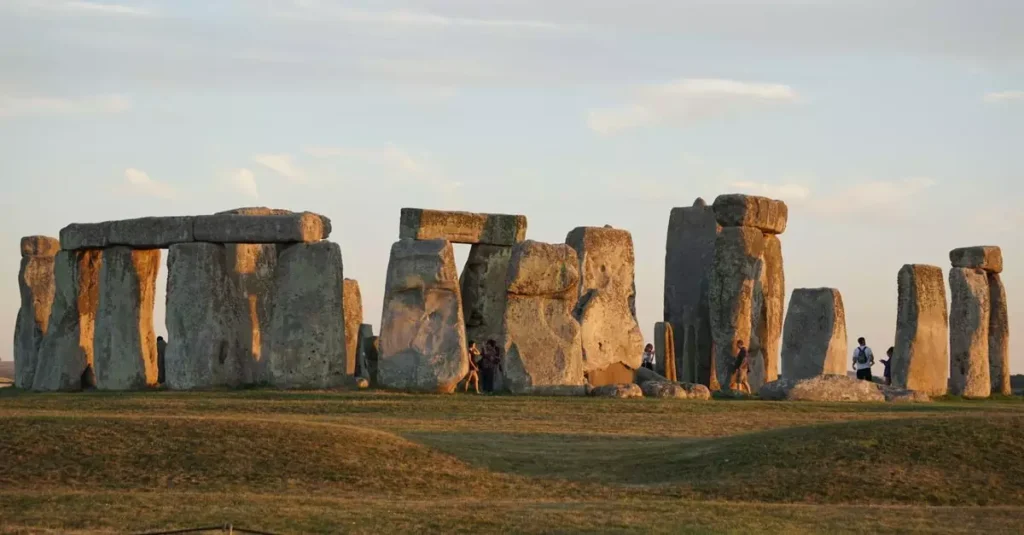
- Stonehenge: The iconic prehistoric monument shrouded in mystery. Access is typically via a train to Salisbury followed by a bus or taxi.
- Oxford and Cambridge: These historic university cities boast stunning architecture, famous colleges, and punting opportunities on their rivers. Both are well-connected by train and coach services from London.
- The Cotswolds: A region of picturesque villages with honey-colored stone cottages. While charming, it’s best explored with a car or via a guided tour due to the scattered nature of its villages.
These locations provide a good mix of history, culture, and scenic beauty, making them ideal for a short escape from the city.
Can I visit multiple places in one day trip in England?
Visiting multiple distinct locations in a single day trip from London can be ambitious and may feel rushed, depending on the destinations chosen and their proximity. For instance, combining Oxford and the Cotswolds is feasible if you have a car and focus on just one or two Cotswolds villages.
However, attempting to combine far-flung places like Windsor Castle and Stonehenge in one day is generally not recommended. Travel time between them, plus time spent at each site, would make for a very long and tiring day. It’s often more rewarding to focus on one primary destination or a cluster of closely situated sites.
For those keen on seeing more, consider a guided tour specifically designed to cover two nearby locations. These tours are structured to maximize time efficiency, though they still involve significant travel.