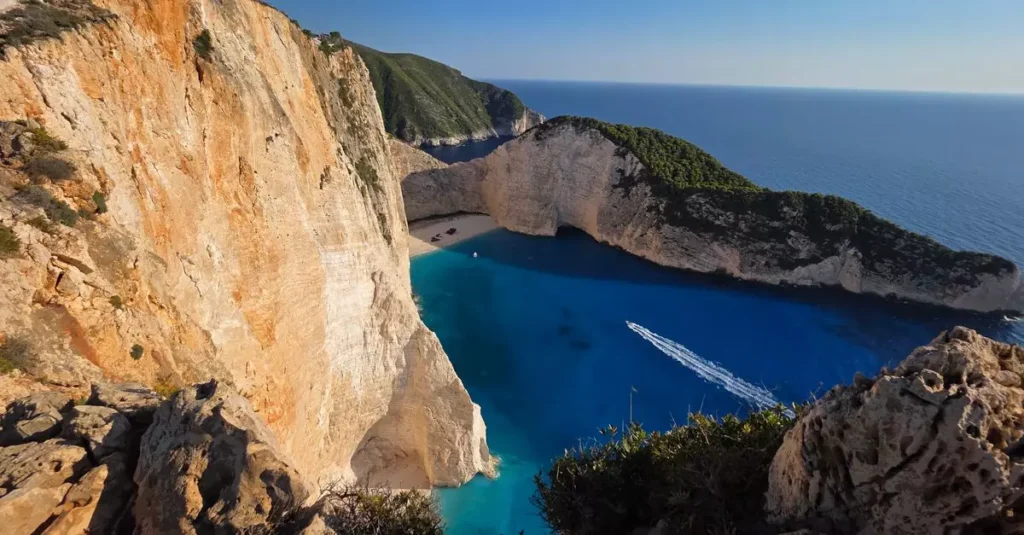
Dreaming of escaping to your own private paradise without the hassle of international travel? The UK offers a remarkable selection of stunning islands, each providing a unique blend of tranquility and adventure. Exploring the best island getaways UK has to offer means discovering an archipelago that ranges from the dramatic, mist-shrouded landscapes of Scotland’s remote isles to the sun-drenched, subtropical beaches of the southwest. This guide will help you navigate these enchanting destinations, highlighting what makes each one special. You’ll learn about the best times to visit, how to get there, and the unforgettable activities that await, ensuring your next island escape is tailored to your desires.
Top UK Island Destinations for Every Traveler

Choosing the best island getaways in the UK involves looking beyond the obvious and exploring a diverse archipelago that caters to everyone—from hikers and families to culture enthusiasts and those seeking peace. Understanding the unique appeal of each location can help you tailor your trip for the perfect island adventure.
Isle of Skye: Dramatic Landscapes and Fairy Pools
The Isle of Skye, Scotland’s second-largest island, is a must-visit for its breathtaking beauty. Its rugged terrain, shaped by ancient geology, attracts photographers and outdoor adventurers alike. Key attractions include the otherworldly Quiraing landslip, the iconic Old Man of Storr, and the enchanting Fairy Pools, where crystal-clear waters cascade over rocks.
To get to Skye, drive over the Skye Bridge from Kyle of Lochalsh or take a ferry from Mallaig to Armadale. The journey itself is scenic, revealing glimpses of the Scottish Highlands. Accommodation ranges from cozy B&Bs in Portree, the island’s main town, to remote self-catering cottages. Advance booking is essential, especially during peak summer months. Hiking boots are crucial for navigating the often muddy trails.
Isles of Scilly: Subtropical Paradise Off Cornwall
For a taste of the Mediterranean without leaving the UK, the Isles of Scilly, located just 28 miles off the Cornish coast, offer a unique subtropical climate. These five inhabited islands—St Mary’s, Tresco, St Martin’s, Bryher, and St Agnes—feature white sandy beaches, turquoise waters, and lush gardens thriving in the mild air.
Travelers can reach St Mary’s, the largest island, by ferry from Penzance or a short flight from Exeter or Newquay. Inter-island travel is via small boat, known as the “Scillonian ferry,” which adds to the charm. Tresco Abbey Garden is a world-renowned attraction, showcasing plants from around the globe. Budget-wise, the Isles of Scilly can be pricier than mainland Cornwall due to transport costs and limited accommodation, but the serene atmosphere and stunning scenery often justify the expense.
Outer Hebrides: Wild Beauty and Gaelic Culture
Stretching along the Atlantic edge of Scotland, the Outer Hebrides comprise a chain of islands including Lewis and Harris, North Uist, South Uist, and Barra. This remote archipelago is a haven for those seeking solitude, dramatic coastlines, and a deep connection to Gaelic culture. Expect vast sandy beaches, machair (coastal grassland), and a rich history, evident in ancient standing stones like those at Callanish.
Access is primarily via ferry from mainland Scotland, with routes serving Uig, Ullapool, and Oban. Flights are also available to Stornoway on Lewis and Barra. The islands offer a slower pace of life, with opportunities for birdwatching, sea kayaking, and exploring traditional crofting communities. Accommodation includes hotels, guesthouses, and numerous self-catering options, often with breathtaking sea views. Renting a car is advisable to fully appreciate the spread-out nature of these islands.
Isle of Wight: Family Fun and Coastal Charm
The Isle of Wight, a short ferry ride from the south coast of England, is a popular destination known for its family-friendly attractions and diverse landscapes. From the iconic chalk cliffs of the Needles to the sandy beaches of Shanklin and Sandown, the island offers a classic British seaside experience. It also boasts a rich maritime history, particularly in Cowes, a renowned sailing center.
Numerous ferry services operate from Southampton, Portsmouth, and Lymington, making it easily accessible for day trips or longer stays. The island has a good public transport network, but a car can provide more flexibility. Accommodation options are plentiful, ranging from large family hotels to charming rural cottages. The Isle of Wight is especially vibrant during summer months, with events and festivals enhancing its appeal.
Planning Your UK Island Escape: When to Go and How to Get There
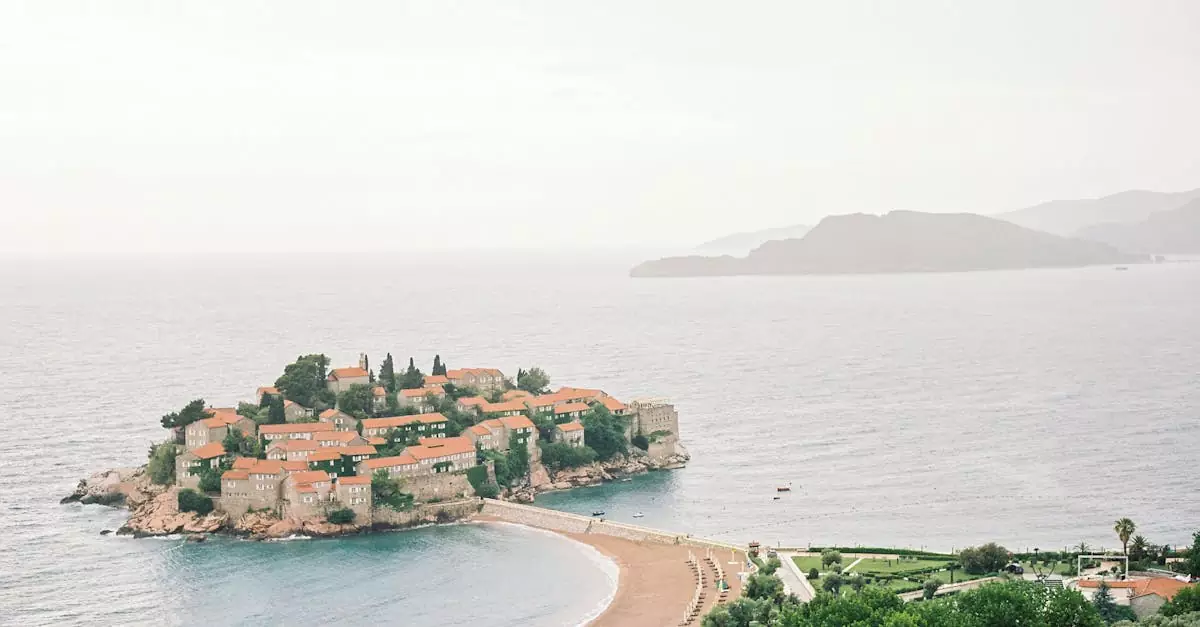
Choosing the right time and mode of transport can significantly enhance your experience when seeking the best island getaways in the UK. The British Isles offer diverse climates and accessibility options, making careful planning essential for a smooth journey.
Best Time to Visit UK Islands for Sunshine and Fewer Crowds
The peak summer months, from July to August, generally provide the warmest weather and longest daylight hours across most UK islands. This is when you’re most likely to enjoy sunshine, ideal for coastal walks and outdoor activities. However, this period coincides with school holidays, meaning popular destinations can become crowded and accommodation prices may rise.
For a balance of pleasant weather and fewer visitors, consider visiting in late spring (May to June) or early autumn (September). During these shoulder seasons, you can often find milder temperatures, beautiful scenery, and a more tranquil atmosphere. Spring brings blooming wildflowers to islands like the Isles of Scilly, while autumn offers dramatic coastal colors. Winter can be atmospheric, particularly in the Scottish Highlands, but be prepared for shorter days, colder weather, and potential transport disruptions.
Getting to the Islands: Ferry vs. Flight Options
Reaching UK islands typically involves either a ferry or a flight, depending on the island’s location and size. Major ferry operators like CalMac serve the Scottish islands, while Wightlink and Red Funnel connect the mainland to the Isle of Wight. Brittany Ferries also operates routes to islands off the south coast of England.
Ferries often provide a more scenic and relaxed journey, allowing you to bring your car and enjoy views of the coastline. However, they can be slower and more susceptible to weather delays. Flights, though quicker, are not available for all islands and may require traveling to a mainland airport first. For example, reaching the Isles of Scilly involves a flight from Land’s End or Newquay, or a longer ferry journey from Penzance.
Consider the following when deciding:
- Cost: Flights can sometimes be pricier, especially when booked last minute, but ferry crossings for vehicles can also add up.
- Time: For distant islands, flying is significantly faster.
- Luggage: Ferries generally have more generous luggage allowances than budget airlines.
- Experience: The ferry journey itself can be a highlight, offering unique perspectives of the sea and approaching land.
Navigating the Isles: Car Hire and Public Transport
Once you arrive on an island, your options for getting around will vary. Some larger islands, such as the Isle of Wight or parts of the Scottish mainland islands like Skye, have good road networks and offer car hire services. Having a car provides flexibility for reaching remote beaches and scenic viewpoints.
However, many smaller islands are best explored on foot or by bicycle. Islands like the Isles of Scilly are largely car-free, with local buses and taxis available, or you can enjoy walking between villages and beaches. Public transport on many islands is less frequent than on the mainland, so checking timetables in advance is crucial. For instance, bus services on the Outer Hebrides operate on set routes and schedules that require careful planning for day trips.
- Car Hire: Available on larger islands; book in advance, especially during peak season.
- Buses: Services vary widely; check local operators’ websites for routes and times.
- Cycling: An excellent option for smaller, flatter islands; bike hire is often available.
- Walking: Many islands offer stunning coastal paths and trails perfect for day hikes.
When planning your travel, factor in the logistics of moving between different locations on the island. For the most comprehensive list of ferry and flight options, consult official tourism websites for the specific region you intend to visit.
Crafting the Perfect Itinerary for Your Island Adventure
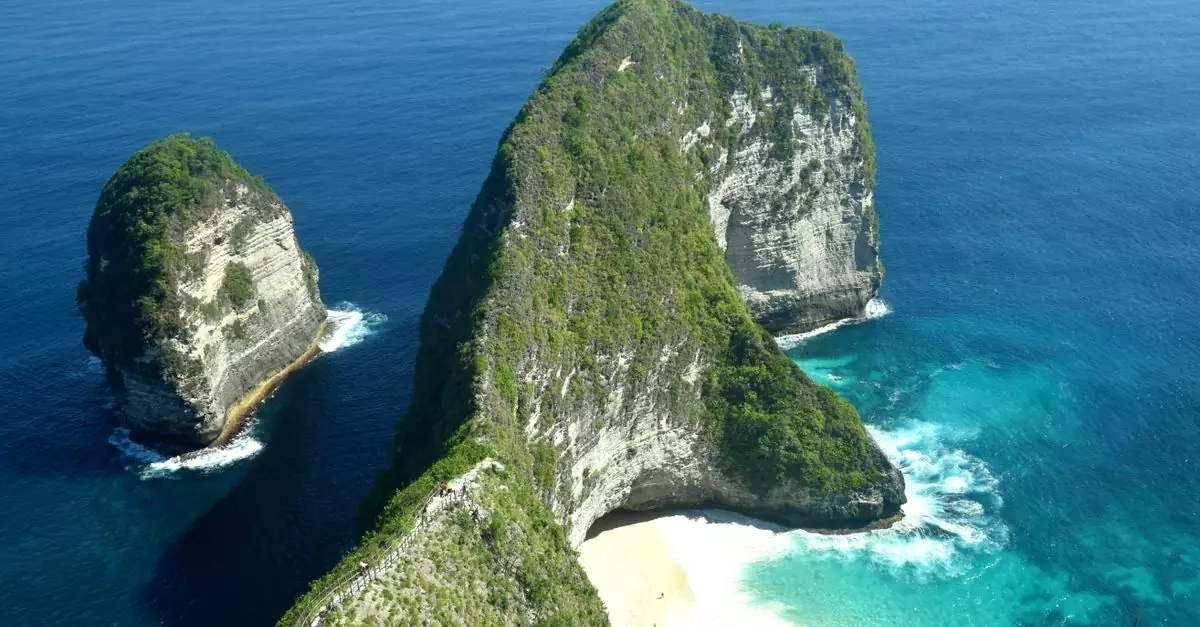
Planning a trip to the UK’s islands requires thoughtful consideration of travel time, desired experiences, and the unique character of each destination. Whether you seek dramatic landscapes, serene beaches, or a deep dive into history, tailoring your itinerary ensures you make the most of your island getaway.
A 3-Day Isle of Skye Highlights Itinerary
For a short but impactful visit to the Isle of Skye, focus on its most iconic natural wonders. Arrive in Portree, the island’s main town, and use it as your base.
Day 1: Begin with the Trotternish Peninsula. Hike the Old Man of Storr for breathtaking views, followed by the Kilt Rock and Mealt Falls viewpoint. End the day at the Quiraing, a landslip offering otherworldly scenery.
Day 2: Head west to explore the Cuillin Mountains. Consider a moderate walk around the Fairy Pools, known for their crystal-clear blue waters. In the afternoon, drive to Neist Point Lighthouse for dramatic cliffside vistas and potential wildlife sightings.
Day 3: Journey south to Dunvegan Castle, the ancestral home of the Clan MacLeod. Afterward, explore the Talisker Distillery for a taste of local whisky before departing.
Getting around Skye is best done by car, as public transport is limited. Booking accommodation in advance, especially during peak season, is crucial.
A Week Exploring the Isles of Scilly: Beaches and Boat Trips
The Isles of Scilly, an archipelago off Cornwall’s coast, offer a relaxed pace focused on stunning beaches and marine life. A week allows for island hopping and soaking in the subtropical atmosphere.
Day 1-2 (St. Mary’s): Arrive by ferry or plane to St. Mary’s, the largest island. Settle in, explore Hugh Town, and visit Star Castle. Take a boat trip to the nearby island of Tresco, renowned for its Abbey Gardens and beautiful beaches like Pentle Bay.
Day 3-4 (St. Agnes & Gugh): Travel to St. Agnes, a small island connected to Gugh by a sandbar at low tide. Enjoy coastal walks, visit the iconic Beacon Hill, and perhaps spot seals. This is a great spot for birdwatching.
Day 5-6 (Bryher or Tresco): Choose to spend more time on Tresco, or venture to Bryher, the smallest inhabited island, known for its rugged coastline and dramatic Hell Bay. Kayaking and paddleboarding are popular activities here.
Day 7 (St. Mary’s): Return to St. Mary’s for any last-minute souvenir shopping or a final stroll along the coast before your departure.
Inter-island travel is primarily by small boat services, which are weather-dependent. Consider purchasing an island hopping ticket for flexibility.
Experiencing the Outer Hebrides: Lewis and Harris in 5 Days
The Outer Hebrides, particularly the islands of Lewis and Harris, offer a unique blend of ancient history, Gaelic culture, and rugged coastal beauty. A 5-day itinerary can cover the highlights.
Day 1 (Stornoway & North Lewis): Arrive in Stornoway, Lewis’s main town. Visit the historic Lews Castle and then head north to explore the Callanish Standing Stones, an ancient marvel. Continue to the Gearrannan Blackhouse Village to experience traditional Hebridean life.
Day 2 (West Harris & Beaches): Drive south to Harris. Explore stunning white-sand beaches like Luskentyre and Seilebost, often compared to Caribbean shores. The landscape here is more mountainous and dramatic.
Day 3 (South Harris & Rodel): Discover more of South Harris, visiting the Harris Tweed weavers and the historic church at Rodel. Enjoy the panoramic views from this southern tip of the island.
Day 4 (Uig & Bernera): Explore the Uig district in Lewis, known for its scenic bays. Visit the Isle of Bernera, connected by bridge, and learn about its fascinating history.
Day 5 (Stornoway & Departure): Spend your final morning in Stornoway, perhaps visiting the An Lanntair arts centre, before your departure.
Getting to Lewis and Harris typically involves a ferry from the Scottish mainland (e.g., Ullapool to Stornoway) or a flight to Stornoway Airport. Renting a car is essential for navigating these islands. The weather can be unpredictable, so pack layers and waterproofs.
What Unique Activities Await on the UK’s Best Islands?
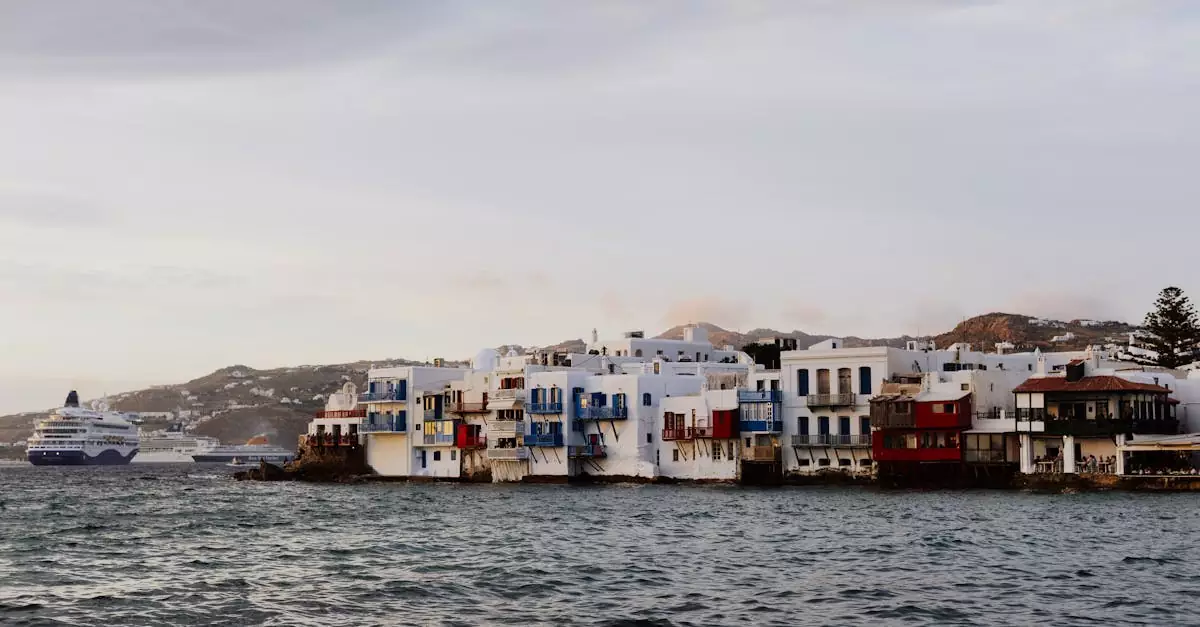
The UK’s diverse islands offer a remarkable range of experiences, from rugged wilderness adventures to tranquil beach escapes. Choosing the best island getaway depends on your interests, whether it’s challenging hikes, vibrant water sports, or cultural explorations. Each destination provides a distinct flavor of island life.
Hiking and Wildlife Watching in the Scottish Isles
For nature enthusiasts, the Scottish Isles present unparalleled opportunities for hiking and wildlife spotting. The Shetland Islands, for instance, are a haven for birdwatchers, with puffins, gannets, and Arctic terns flocking to dramatic cliff faces during breeding season. Hiking trails crisscross landscapes of peat bogs and coastal heath, offering breathtaking views of the North Atlantic.
Further south, the Isle of Skye captivates with its dramatic geological formations. The Quiraing and the Old Man of Storr provide challenging yet rewarding treks through a landscape sculpted by ancient volcanic activity. Keep an eye out for red deer roaming the hillsides. Traveling to the Scottish Isles often involves ferries from mainland Scotland, and it’s advisable to book transport and accommodation in advance, especially during the peak summer months of July and August.
Water Sports and Coastal Walks on the Isle of Wight
The Isle of Wight, easily accessible by ferry from the south coast of England, is a popular choice for families and active travelers. Its sheltered bays and dynamic coastline make it an ideal spot for water sports, including kayaking, paddleboarding, and sailing. Cowes, known for its sailing heritage, hosts major regattas throughout the summer.
Beyond the water, the island features an extensive network of coastal paths, part of the Isle of Wight Coastal Path. These walks offer stunning sea views, passing by iconic landmarks like The Needles. Exploring these paths can be done at your own pace, with options ranging from short strolls to more demanding hikes. The island’s mild climate makes it an attractive destination from spring through autumn, with summer providing the warmest weather.
Exploring Ancient Sites and Local Crafts in the Outer Hebrides
The Outer Hebrides, a chain of islands off Scotland’s northwest coast, offer a journey back in time. Here, ancient history is palpable, with Neolithic standing stones like those at Callanish on the Isle of Lewis predating Stonehenge. Walking among these ancient monuments evokes a profound sense of connection to the past.
Beyond historical sites, the islands are renowned for their traditional crafts. Harris Tweed, woven on traditional looms in the homes of islanders, is a world-famous product. Visitors can tour weaving sheds, learn about the intricate process, and purchase authentic tweed. The remote nature of the Outer Hebrides means travel requires careful planning, often involving flights or longer ferry journeys. The cultural immersion here is deep, with Gaelic still spoken by many residents, adding to the unique atmosphere.
Relaxing on Pristine Beaches in the Isles of Scilly
For a taste of a warmer climate and idyllic beaches, the Isles of Scilly, located off the coast of Cornwall, are a standout option. This archipelago of over 50 islands boasts white sandy beaches and crystal-clear turquoise waters that can rival more tropical destinations. St. Agnes and Bryher offer particularly stunning coastal scenery and secluded coves.
Activities here center around relaxation and enjoying the natural beauty. Boat trips between the islands are a common way to discover hidden beaches. Snorkeling and sea kayaking are popular in the calmer waters. The Isles of Scilly are best visited from late spring to early autumn for the warmest weather and longest daylight hours. Access is via ferry from Penzance or by small plane from Land’s End or Newquay.
| Island Group | Key Activities | Best Time to Visit | Typical Budget (per day) | Travel Time from London |
|---|---|---|---|---|
| Scottish Isles | Hiking, wildlife watching, photography | May-September | £100-£200 | 8-12+ hours |
| Isle of Wight | Water sports, coastal walks, family attractions | April-October | £80-£150 | 2-3 hours |
| Outer Hebrides | Ancient sites, crafts, remote landscapes, hiking | May-September | £120-£220 | 10-14+ hours |
| Isles of Scilly | Beaches, relaxation, boat trips, water sports | May-September | £150-£250 | 5-7 hours |
Savoring Local Flavors: Island Food and Drink Experiences

The United Kingdom’s islands present a rich tapestry of culinary traditions, deeply connected to the land and sea. From Scotland’s rugged coastlines to the sun-drenched shores of the Isles of Scilly, travelers can embark on a delicious journey, sampling unique flavors and local specialties. Planning your trip around these gastronomic highlights can greatly enhance your island getaway.
Fresh Seafood Delights Across the UK Islands
Seafood is a star attraction on most UK islands, thanks to their proximity to pristine waters. Expect to find exceptionally fresh catches, prepared with simple elegance or traditional flair. On the Scottish islands, particularly the Inner and Outer Hebrides, savor langoustines, plump scallops, and world-class salmon. Many small fishing villages feature local eateries where you can enjoy fish and chips made with the day’s catch, often served with panoramic sea views.
In the southwest, islands like the Isles of Scilly offer a slightly different marine bounty. Here, crab and lobster are particularly prized, often featured in local cafés and restaurants. Look for crab sandwiches or rich lobster bisque. The clarity of surrounding waters contributes to the exceptional quality and delicate flavor of the shellfish. Summer months generally provide the widest selection of seasonal seafood.
Sampling Local Ales and Whiskies
Beyond seafood, island spirits and brews offer another taste of local identity. Scotland’s islands are renowned for their whisky distilleries. Islands such as Islay, Skye, and Mull each have distinct whisky-making traditions, resulting in a diverse range of single malts. Distillery tours and tastings are popular activities, providing insight into the craft and a chance to savor complex, peaty, or maritime-influenced drams. Many pubs on these islands also stock a wide selection of local ales.
Further south, islands like the Isle of Wight and the Channel Islands may not have a whisky heritage, but they feature vibrant craft beer scenes. Local breweries are increasingly popular, producing a range of ales and lagers that reflect the island character. Seek out a pint of “Island Best” or a seasonal brew at a traditional pub. Some warmer southern islands are also beginning to produce wine, although it remains a niche offering.
Must-Try Traditional Island Dishes
Each island community has developed its own signature dishes, often born out of necessity and local produce. On the Scottish islands, don’t miss Cullen Skink, a hearty smoked haddock soup, or foraged seaweed, a surprisingly delicious and nutritious ingredient found in various dishes. Haggis, neeps, and tatties, while a national dish, often have special island preparations. For a sweet treat, look for shortbread or oatcakes, perfect accompaniments to local cheese.
The Isles of Scilly have their own unique specialties. Cornish pasties, while originating from the mainland, are a staple, and you’ll find excellent versions here. For something truly local, try “Starry Gazey Pie,” a savory fish pie with fish heads poking out of the crust. While it might sound unusual, it’s a delicious and historic dish. Many islands also excel at baking with local ingredients, so keep an eye out for fruit crumbles and traditional cakes.
| Island Group | Signature Seafood | Local Drinks | Traditional Dishes |
|---|---|---|---|
| Scottish Isles | Langoustines, Salmon | Single Malt Whisky, Ales | Cullen Skink, Haggis, Oatcakes |
| Isles of Scilly | Crab, Lobster | Local Ales, Cider | Cornish Pasties, Starry Gazey Pie |
| Isle of Wight | Mussels, Oysters | Craft Ales, Local Cider | Wight Crystal Ice Cream, Seafood Pies |
| Outer Hebrides | Mackerel, Herring | Island Ales, Gin | Black Pudding, Tablet (confectionery) |
Frequently Asked Questions About UK Island Holidays
What are the most budget-friendly island getaways in the UK?
For travelers on a budget, consider islands with accessible transport links and a variety of self-catering or budget accommodations. The Isle of Wight, for instance, offers numerous campsites and B&Bs, and its proximity to the mainland keeps ferry costs manageable. Similarly, parts of the Scottish mainland coast, like the Ardnamurchan Peninsula, provide access to smaller, less-visited islands that often have more affordable local pubs and guesthouses than their more famous counterparts.
Are UK islands suitable for family holidays?
Many UK islands are excellent destinations for families. The Isle of Wight is particularly well-equipped with family-friendly attractions, from theme parks to sandy beaches. The Isles of Scilly, with their mild climate and safe, shallow waters, are also a hit with younger children. For families seeking wildlife encounters and outdoor adventures, islands like Mull in Scotland offer boat trips to see seals, dolphins, and puffins, alongside opportunities for walking and exploring historical sites.
What should I pack for a trip to a remote UK island?
Packing for a remote UK island requires preparation for changeable weather, even in summer. Essential items include waterproof and windproof outerwear, sturdy walking boots, and layers of clothing. Don’t forget insect repellent, especially for islands in Scotland during warmer months, as midges can be prevalent. If you plan on hiking, a basic first-aid kit and a map and compass are advisable, as mobile signal can be unreliable. Consider bringing a good book, as evenings can be quiet.