Europe’s islands are home to some of the most breathtaking coastal landscapes, offering everything from secluded coves to expansive, sun-drenched shores. If you’re dreaming of turquoise waters, soft sands, and dramatic cliffside views, discovering the best island beaches in Europe is a perfect starting point for your next adventure. This guide will take you beyond typical tourist trails to explore a curated selection of these idyllic destinations. You’ll learn about iconic spots that consistently rank among the continent’s finest, as well as hidden gems that provide a more tranquil escape. We’ll delve into what makes each beach special, how to get there, and the best times to visit, offering practical insights to help you plan your unforgettable island beach getaway.
Top Picks for Europe’s Best Island Beaches
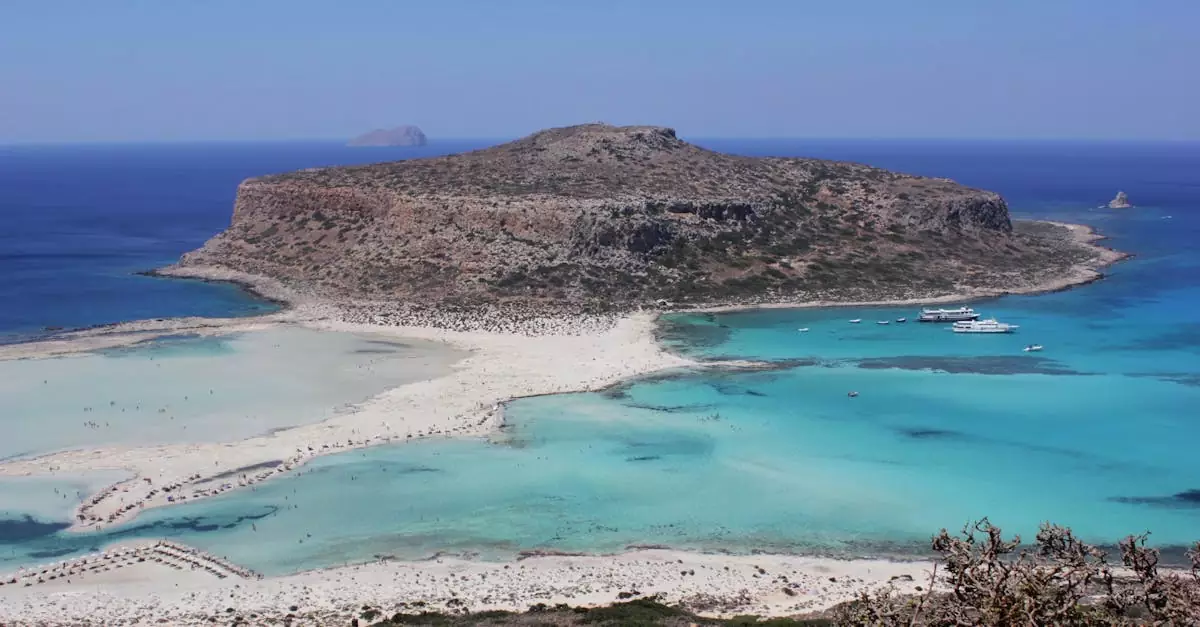
Europe boasts incredible coastal diversity, and its islands offer some of the most sought-after beach experiences. From dramatic landscapes to serene stretches, these destinations consistently rank among the continent’s best. Planning a trip to find the best island beaches in Europe requires considering unique access, seasonal crowds, and the specific atmosphere each location provides.
Navagio Beach, Zakynthos, Greece: The Iconic Shipwreck Cove
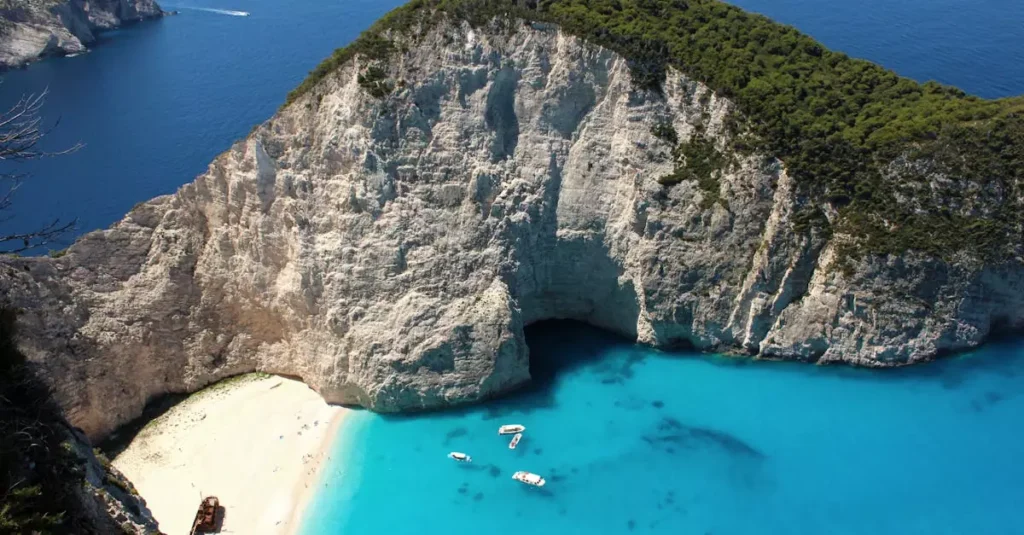
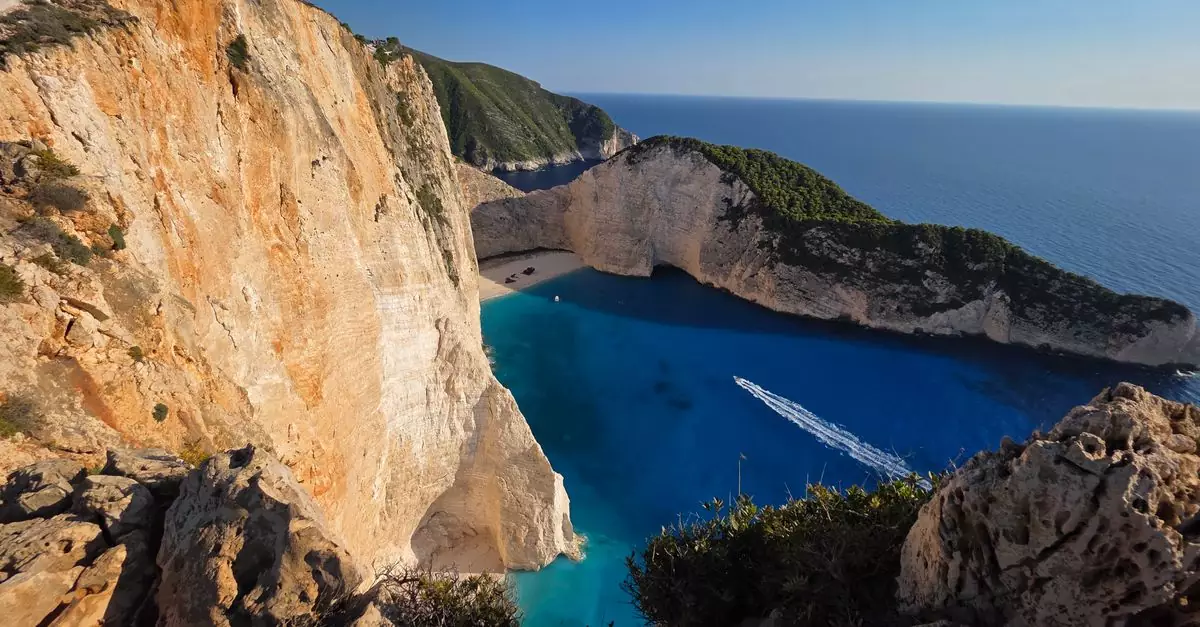
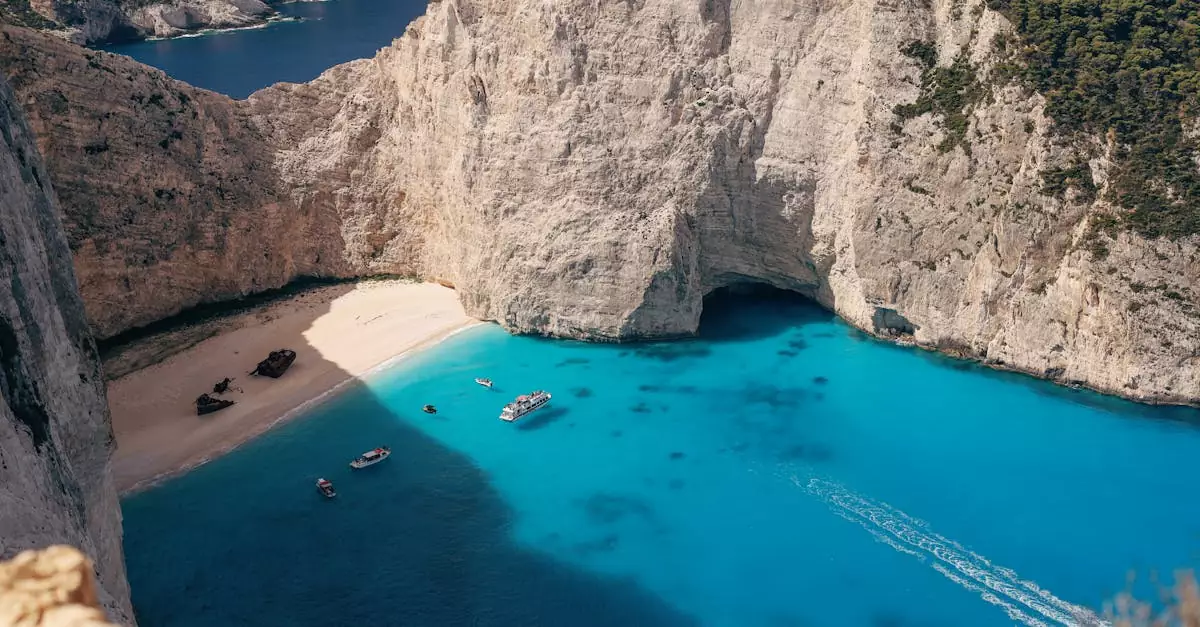
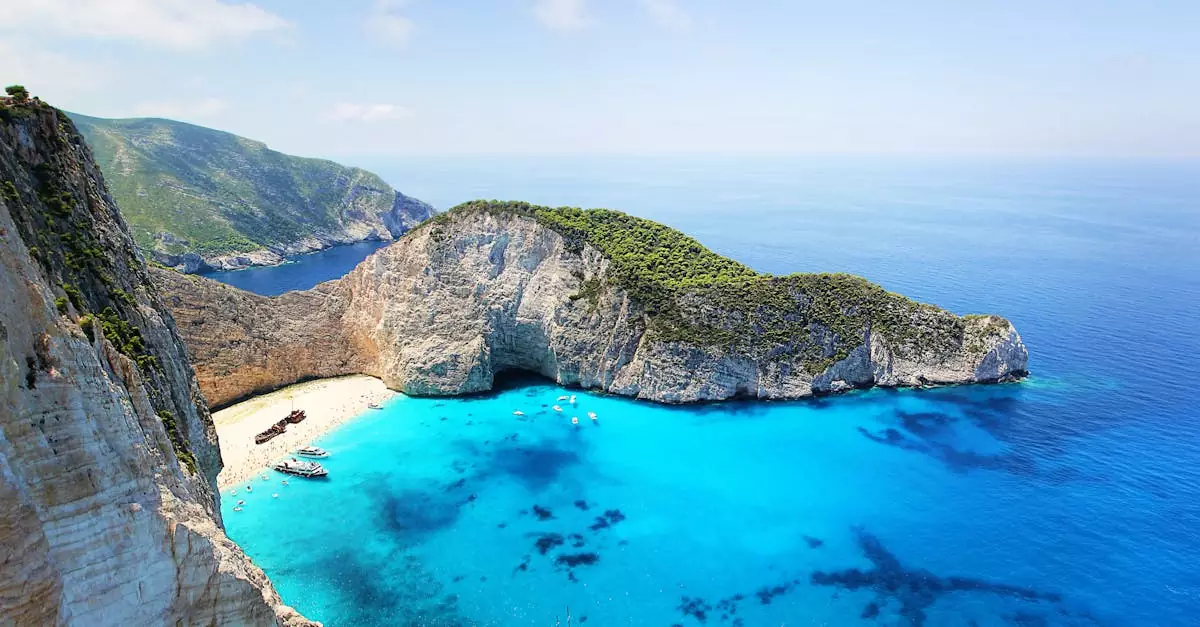
Navagio Beach, often called Shipwreck Beach, is arguably Greece’s most photographed coastal spot. Its striking white pebbles are framed by towering limestone cliffs, creating a dramatic amphitheater effect. The turquoise waters are exceptionally clear, contrasting with the rusty hulk of the MV Panagiotis shipwreck, which ran aground here in 1980.
Access to Navagio is exclusively by boat. Numerous tour operators depart daily from the northern and eastern coasts of Zakynthos, with Porto Vromi and Agios Nikolaos being popular departure points. While the beach is stunning, it can become very crowded, especially during peak season (July and August). For a less congested experience, consider visiting early in the morning or late in the afternoon. Boat tours often include stops at the nearby Blue Caves, adding to the day’s adventure.
| Departure Point | Travel Time (approx.) | Cost (round trip, approx.) |
|---|---|---|
| Porto Vromi | 20 minutes | €20 – €30 |
| Agios Nikolaos | 30 minutes | €25 – €35 |
| Zakynthos Town Marina | 1 hour | €30 – €40 |
Spiaggia dei Conigli, Lampedusa, Italy: Mediterranean Paradise
Spiaggia dei Conigli (Rabbit Beach) on Lampedusa, south of Sicily, is a perennial contender for Europe’s best beaches. This protected marine area is renowned for its powdery white sand, shallow crystalline waters, and abundant marine life. The bay is sheltered, providing calm seas ideal for swimming and snorkeling.
Getting to Lampedusa involves flying from major Italian cities like Rome, Milan, or Palermo. Once on the island, Spiaggia dei Conigli is accessible via a scenic walking path from the parking area, about a 20-minute stroll. Due to its protected status and popularity, visitor numbers are limited during certain times, and access may be restricted to preserve the delicate ecosystem, particularly during the sea turtle nesting season (May to October). Visiting outside of July and August offers a more tranquil experience.
Praia da Marinha, Algarve, Portugal: Golden Cliffs and Azure Waters
While not on an island, Praia da Marinha on Portugal’s Algarve coast is often cited among Europe’s top beaches and offers an island-like feel with its dramatic, isolated beauty. Characterized by stunning golden limestone cliffs, sea stacks, and arches carved by erosion, the vibrant azure water is perfect for swimming and exploring the underwater world.
Praia da Marinha is accessible by car, with parking available near the clifftop. A steep staircase leads down to the beach. The beach is relatively wide and long, providing ample space even during busier periods. For a different perspective, consider a boat tour along the coast to see the famous Benagil Cave and other grottos. The best time to visit is typically late spring or early autumn to avoid the summer heat and crowds.
Elafonissi Beach, Crete, Greece: Pink Sand and Crystal Clear Seas
Elafonissi Beach on the southwestern tip of Crete offers a unique experience with its distinctive pink sand. The sand gets its color from crushed seashells, creating a soft, rosy hue that contrasts beautifully with the shallow, turquoise waters. The beach is actually a small islet connected to the mainland by a shallow sandbar, which can be waded across at low tide.
Reaching Elafonissi involves a drive from Chania or Rethymno, approximately 1.5 to 2 hours. There is ample parking available, but it fills up quickly in peak season. Elafonissi is a protected nature reserve, and its shallow, calm waters make it incredibly safe for families. For a more secluded feel, walk across the sandbar to the islet, where you can find smaller coves. Visiting in June or September offers pleasant weather with fewer visitors than the height of summer.
Beyond the Crowds: Hidden Gem Island Beaches in Europe
Europe boasts a remarkable array of island coastlines, and some of the most memorable spots offer a sense of seclusion. Moving beyond well-trodden paths reveals coves and shores where natural beauty takes center stage. These destinations require a bit more effort to reach, rewarding visitors with tranquility and stunning vistas.
Cala Macarella and Macarelleta, Menorca, Spain: Secluded Balearic Beauty
Menorca, the quieter sister island in Spain’s Balearics, is home to Cala Macarella and its smaller neighbor, Cala Macarelleta. These adjacent coves are postcard-perfect, featuring fine white sand, turquoise waters so clear you can see fish darting below, and dramatic limestone cliffs dotted with pine trees. Getting here involves a scenic walk from a designated parking area or a seasonal bus service, which helps preserve the natural environment. During peak summer, reaching them early in the day is advisable to secure a good spot.
The waters are exceptionally calm, making them fantastic for swimming and snorkeling. Pack your own refreshments and snacks, as facilities are minimal to maintain the pristine condition of the beaches. Exploring the small cave formations along the coastline adds an element of adventure.
Zlatni Rat Beach, Brač, Croatia: A Shifting Golden Horn
Known locally as Zlatni Rat (Golden Horn), this unique beach on the island of Brač is a geological marvel. It’s a spit of fine, golden gravel that extends into the Adriatic Sea, its shape and position subtly changing with the currents and winds. The beach is backed by a pine forest, offering welcome shade, and the water is a brilliant shade of azure.
While the tip of the horn can be busy, the beach is long enough to find quieter stretches, especially if you walk further from the main access points. The island of Brač is accessible via ferry from Split, and Zlatni Rat is a short bus ride or a pleasant walk from the town of Bol. The consistent breezes make it a popular spot for windsurfing and kitesurfing.
Falesia Beach, Algarve, Portugal: Dramatic Red Cliffs and Long Stretches
Though not strictly an island beach, Falesia Beach on the Algarve coast is often grouped with island experiences due to its dramatic, isolated feel. It stretches for over six kilometers, backed by striking ochre and red sandstone cliffs that create a stunning natural backdrop. The fine golden sand is perfect for long walks, and the Atlantic waves offer a refreshing dip.
Access is typically via staircases descending from the cliff tops, which can help deter large crowds. The beach is divided into sections, with the eastern part near the village of Açoteias generally being more tranquil. Visiting outside of July and August provides a more relaxed atmosphere, with pleasant temperatures for exploration.
Playa de Ses Illetes, Formentera, Spain: Caribbean Vibes in the Med
Formentera, a small island south of Ibiza, is famous for its pristine beaches, and Playa de Ses Illetes stands out. This narrow strip boasts powdery white sand and shallow, crystal-clear waters that shimmer in shades of turquoise and emerald, evoking a Caribbean sensibility. Its location within the Ses Salines Natural Park means it’s exceptionally well-preserved.
Getting to Formentera requires a ferry from Ibiza, followed by a local bus, taxi, or rental scooter to reach Ses Illetes. Due to its protected status and popularity, there’s an entrance fee for vehicles and a limit on visitor numbers during peak times, emphasizing its exclusivity. The calm, shallow waters are ideal for families and offer excellent snorkeling opportunities.
Planning Your European Island Beach Getaway: What Travelers Need to Know
Choosing the best island beaches in Europe involves more than just picking a sunny spot. Understanding the nuances of travel to these idyllic locations will help you craft a memorable and stress-free vacation. From the best times to visit for ideal weather to navigating flights and ferries, this guide covers essential planning points for your island escape.
Best Time to Visit Europe’s Island Beaches for Optimal Weather
The ideal time to experience Europe’s best island beaches largely depends on your tolerance for heat and crowds. For many, the sweet spot is late spring (May to June) or early autumn (September to October). During these shoulder seasons, you’ll find pleasant temperatures, fewer tourists, and often lower prices compared to the peak summer months of July and August.
Summer offers the warmest seas and longest daylight hours, making it perfect for swimming and sunbathing. However, popular islands can become very crowded, and accommodation prices soar. If you prefer quieter shores and more temperate weather, consider venturing out during the shoulder periods.
| Month | Average Temperature (°C) | Sea Temperature (°C) | Crowd Levels |
|---|---|---|---|
| May | 18-24 | 17-20 | Moderate |
| June | 22-28 | 20-23 | High |
| July | 25-30 | 22-25 | Peak |
| August | 25-30 | 23-26 | Peak |
| September | 20-26 | 21-24 | High |
| October | 16-22 | 19-22 | Moderate |
Note: Temperatures are approximate and can vary by specific island and region.
Getting There: Flights and Ferries to European Islands
Reaching Europe’s island paradises typically involves a combination of flights and ferries. Most major islands have airports served by international carriers, especially during peak season. For smaller islands or those within archipelagos, ferries are an essential and often scenic mode of transport.
Booking flights in advance is crucial, particularly if you’re traveling during summer. Airlines like Ryanair, easyJet, and Wizz Air offer budget-friendly options for travel within Europe, while national carriers often provide more direct routes.
Ferries connect mainland Europe to islands and link islands within an archipelago. Companies like Grimaldi Lines, Minoan Lines, and local operators provide services. It’s advisable to book ferry tickets ahead of time, especially for longer routes or if you plan to bring a vehicle. Check schedules carefully, as they can change seasonally.
Consider the logistics of your journey. If you’re island hopping, factor in travel time between destinations. Some journeys might require an overnight ferry, which can save on accommodation costs.
Island Hopping Itineraries: Combining Multiple Beach Destinations
Creating an island hopping itinerary allows you to experience the diverse beauty of Europe’s coastal regions. The Greek Islands, for instance, offer a classic island-hopping experience, with the Cyclades (Santorini, Mykonos, Naxos) being a popular choice. You can easily travel between these islands via short ferry rides.
Alternatively, consider the Croatian coast, where islands like Hvar, Brač, and Korčula are accessible by ferry from Split or Dubrovnik. Each island offers a distinct atmosphere, from lively nightlife to secluded coves.
When planning your route, group islands geographically to minimize travel time and costs. A sample itinerary could focus on the Balearic Islands in Spain (Mallorca, Menorca, Ibiza) or the Italian coast, visiting islands like Sardinia, Sicily, or the Aeolian Islands. Researching ferry routes and schedules between your chosen islands is vital for crafting an efficient and enjoyable trip.
Exploring Specific Island Beach Regions
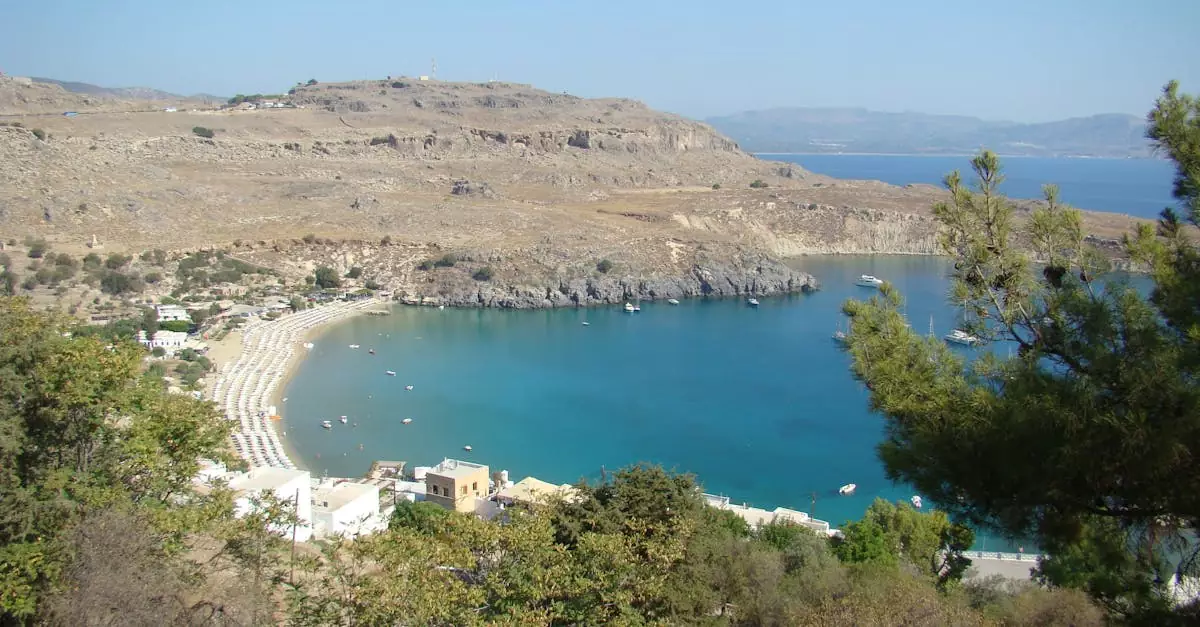
Europe’s coastline is a tapestry of islands, each offering a unique interpretation of the perfect beach. From the dramatic volcanic landscapes of the Aegean to the sun-drenched coves of the Mediterranean, these island archipelagos promise diverse coastal experiences for every traveler. Understanding the nuances of each region can help narrow down your search for the best island beaches in Europe.
Ionian Islands, Greece: Turquoise Waters and Volcanic Sands
The Ionian Islands, a cluster of emerald gems off Greece’s western coast, are renowned for their striking natural beauty. Here, you’ll find beaches characterized by impossibly clear turquoise waters, often framed by dramatic white cliffs or lush green hillsides. Many of these islands boast beaches with unique volcanic sand, ranging from soft white to dramatic black, creating a stunning contrast with the azure sea.
When planning a visit, consider that the peak season, July and August, brings warm weather and lively crowds, making it ideal for those seeking a vibrant atmosphere. However, shoulder seasons like May, June, September, and October offer pleasant temperatures with fewer visitors, perfect for a more relaxed experience. Getting between islands is often done via ferry, with regular connections from mainland ports like Patras and Igoumenitsa, as well as inter-island routes.
Accommodation options range from charming boutique hotels in traditional villages to family-run guesthouses and secluded villas. Budget travelers can find affordable options away from the most popular tourist hubs, while luxury seekers will discover exquisite resorts. Safety is generally high across the Ionian Islands, with typical precautions against petty theft in crowded areas being sufficient.
Ionian Islands Beach Highlights:
- Navagio Beach (Shipwreck Beach), Zakynthos: Famous for its iconic shipwreck and breathtaking cliffs, accessible only by boat.
- Myrtos Beach, Kefalonia: A vast expanse of white pebbles and dazzling turquoise water, often cited as one of Greece’s most beautiful.
- Porto Katsiki, Lefkada: A stunning cove with dramatic cliffs and crystal-clear waters, easily reachable by car and a short walk down stairs.
Balearic Islands, Spain: Diverse Coastal Experiences
The Balearic Islands, situated in the western Mediterranean, offer a remarkable variety of beach types and island vibes. Mallorca, the largest island, presents a spectrum from bustling resort towns with expansive sandy shores to secluded calas (coves) accessible only by hiking or boat. Menorca is known for its unspoiled natural beauty and pristine, often undeveloped beaches. Ibiza, while famous for its nightlife, also hides tranquil bays and family-friendly stretches of sand. Formentera boasts Caribbean-like white sands and shallow, turquoise waters.
Transportation within the Balearics is efficient, with good ferry links between the islands and frequent flights connecting them to mainland Spain and other European cities. Renting a car is highly recommended for exploring Mallorca and Menorca to access hidden beaches and scenic drives. Ibiza and Formentera are more compact, with scooter or car rentals being popular choices.
The best time to visit depends on your priorities. Summer (June-August) offers hot, sunny weather perfect for swimming and sunbathing, but also the largest crowds and highest prices. The shoulder months of May, September, and early October provide warm temperatures, fewer tourists, and more reasonable rates.
Balearic Islands Comparison:
| Island | Vibe | Beach Type | Best For |
|---|---|---|---|
| Mallorca | Diverse (resorts to quiet coves) | Long sandy stretches, hidden rocky calas | Variety, family trips, hiking |
| Menorca | Natural, tranquil, family-friendly | Pristine, undeveloped sandy coves | Relaxation, nature, walking |
| Ibiza | Lively, chic, but also serene | Sandy bays, rocky coves, lively beach clubs | Nightlife, beautiful beaches, yoga retreats |
| Formentera | Laid-back, bohemian, Caribbean feel | White sandy beaches, shallow turquoise waters | Pure relaxation, swimming, cycling |
Dalmatian Coast, Croatia: Adriatic Jewels and Pebble Shores
Croatia’s Dalmatian Coast, dotted with over a thousand islands, offers a captivating island beach experience. Unlike the sandy expanses common in other parts of Europe, many of the most beautiful beaches here feature smooth white pebbles, polished by the crystal-clear Adriatic Sea. The water is exceptionally clear, offering excellent visibility for swimming and snorkeling.
Major islands like Hvar, Brač, and Korčula are easily accessible by ferry from coastal cities such as Split and Dubrovnik. These islands boast a mix of popular, easily accessible beaches and more remote, secluded bays. For those seeking a more untouched experience, islands like Vis or the Kornati National Park offer dramatic, rugged coastlines and pristine waters, though access might require private boat hire.
The best time to visit the Dalmatian Coast for beach holidays is from May to September. July and August are the hottest and busiest months. For a balance of good weather and fewer crowds, consider late May, June, or September. The pebble beaches are generally very clean, and the water quality is consistently excellent, making it a safe and enjoyable destination for swimmers.
Dalmatian Coast Beach Considerations:
- Zlatni Rat (Golden Horn), Brač: A unique, tongue-shaped pebble beach that changes shape with the tides and winds.
- Stiniva Cove, Vis: A stunning, secluded cove accessible by a steep path or by boat, known for its dramatic cliff enclosure.
- Sakarun Beach, Dugi Otok: A rare sandy beach on the Dalmatian coast, with shallow, calm, turquoise waters ideal for families.
These island regions represent just a fraction of the incredible coastal offerings in Europe. Each archipelago provides distinct landscapes, atmospheres, and activities, ensuring that your search for the ideal European island beach leads to unforgettable memories.
What to Pack for Your European Island Beach Vacation
Preparing for a European island beach getaway involves more than just swimwear. Understanding the local climate and terrain will help you pack efficiently, ensuring comfort whether you’re lounging on white sands or navigating coastal paths. Consider the specific activities you have planned, from snorkeling in crystal-clear waters to exploring charming villages.
Essential Beachwear and Sun Protection
High SPF sunscreen is essential for protecting your skin against the Mediterranean or Atlantic sun. Pack a wide-brimmed hat and UV-protective sunglasses for optimal defense. Lightweight, breathable clothing like linen shirts and cotton dresses are ideal for staying cool. Don’t forget a reusable water bottle to stay hydrated and minimize plastic waste, a growing concern on many sensitive island ecosystems.
Footwear for Rocky Coves and Sandy Stretches
The best island beaches in Europe often require a bit of exploration. Pack comfortable, water-resistant sandals or flip-flops for easy wear on sandy shores and quick dips. For islands with rugged coastlines or pebble beaches, sturdy walking sandals or water shoes provide better grip and protection. If you plan on hiking to secluded coves, a pair of closed-toe walking shoes or light hiking boots will be invaluable.
Photography Gear for Capturing Island Beauty
To capture the stunning scenery of Europe’s best island beaches, consider bringing a waterproof camera or a reliable smartphone with a waterproof case. A portable power bank is essential for keeping your devices charged throughout long days of sightseeing and photography. For dramatic landscape shots, a small, lightweight tripod can significantly improve image quality, especially during sunrise or sunset.
Frequently Asked Questions About Europe’s Best Island Beaches
Are most European island beaches sandy or pebbly?
The type of beach you’ll encounter across Europe’s islands varies significantly by region. The Mediterranean boasts numerous expansive sandy shores, particularly in places like the Balearic Islands of Spain or the Greek Cyclades. However, many islands, especially those with dramatic volcanic origins like the Azores or parts of Italy, feature stunning pebble or black sand beaches. It’s wise to check specific beach descriptions for the island you plan to visit.
What is the cheapest time to visit Europe’s island beaches?
To find budget-friendly options for visiting Europe’s island destinations, aim for the shoulder seasons. Late spring (May to early June) and early autumn (September to October) often provide pleasant weather without the peak summer crowds and prices. Traveling outside of July and August can lead to significant savings on flights and accommodations.
Consider these shoulder season advantages:
- Lower Accommodation Costs: Hotels and rental properties typically reduce their rates.
- Fewer Crowds: Enjoy a more relaxed experience on beaches and at popular attractions.
- Pleasant Weather: Temperatures are usually warm enough for swimming and sunbathing, but less intense than mid-summer.
- Easier Transportation: Flights and ferries may be more readily available and less expensive.
Which European islands offer the best beaches for families?
Several European islands are well-suited for family vacations, offering calm waters, soft sand, and amenities. The Algarve coast of Portugal, while technically mainland, has islands like Ilha de Tavira with family-friendly beaches. In Greece, Crete and Rhodes have numerous bays with shallow, clear waters. For families seeking a blend of beach time and activities, islands like Mallorca in Spain, with its numerous family resorts and accessible coves, are excellent choices.
Are there any European island beaches known for watersports?
Absolutely. Many European islands are havens for watersports enthusiasts. The Canary Islands, particularly Fuerteventura and Lanzarote, are renowned for their consistent winds, making them prime spots for windsurfing and kitesurfing. In Croatia, islands like Brač and Hvar offer opportunities for sailing, kayaking, and paddleboarding in their clear Adriatic waters. For diving and snorkeling, islands like Malta and Cyprus provide excellent visibility and diverse marine life.