France’s culinary reputation often evokes images of haute cuisine and Michelin-starred establishments. However, the true essence of French gastronomy resides in its regional specialties, vibrant markets, and the joy of a well-prepared local dish. To savor the best local food experiences in France, look beyond fine dining and immerse yourself in the country’s rich culinary traditions.
This guide will take you on a delicious journey, exploring the unique flavors from Normandy to Provence. You’ll learn how to navigate lively food markets like a local, understand essential French meal etiquette, and uncover must-try dishes that embody the authentic spirit of French cuisine. Get ready to taste your way through France, discovering culinary treasures in charming bistros, bustling squares, and picturesque countryside settings.
Discover Authentic French Cuisine: Where to Find the Best Local Food Experiences in France
France’s culinary reputation often evokes images of haute cuisine and Michelin-starred establishments. However, the true essence of French gastronomy resides in its regional specialties, vibrant markets, and the joy of a well-prepared local dish. To savor the best local food experiences in France, look beyond fine dining and immerse yourself in the country’s rich culinary traditions.
Exploring Regional Specialties: From Normandy’s Cider to Provence’s Olive Oil
Each region of France boasts unique ingredients and culinary heritage shaped by geography, climate, and history. Normandy, for example, is synonymous with rich dairy products, apples, and seafood. Here, you can enjoy creamy Camembert cheese, savory crêpes, and the region’s signature cider and Calvados, an apple brandy. A visit to a local farm or a quaint crêperie offers an authentic taste of this northwestern province.
Moving south, Provence presents a sun-drenched palette of flavors. Olive oil, garlic, tomatoes, and herbs like thyme and rosemary form the backbone of its cuisine. Consider vibrant ratatouille, delicate tapenades, and fragrant bouillabaisse, a hearty fish stew originating from Marseille. Seek out small producers for exceptional olive oils and enjoy meals al fresco in charming village squares.
Further afield, the Alsace region, influenced by Germanic cuisine, features hearty dishes like choucroute garnie (sauerkraut with various meats) and tarte flambée, a thin, crispy flatbread often topped with cream, onions, and lardons. The Loire Valley, known for its châteaux, also offers exquisite goat cheeses and fresh river fish. Experiencing these regional dishes in their native settings is key to understanding the diversity of French food.
The Charm of French Markets: A Gastronomic Adventure
French markets are vibrant social hubs and essential destinations for anyone seeking authentic culinary experiences. From the grand Marché des Enfants Rouges in Paris to weekly village markets scattered across the countryside, these lively spaces provide a sensory overload of sights, smells, and tastes.
Here, you can sample artisanal cheeses, cured meats, freshly baked bread, and seasonal fruits and vegetables directly from the producers. Many markets also feature food stalls where you can enjoy a simple, delicious meal on the spot. Imagine savoring a perfectly grilled sardine with a squeeze of lemon or a generous portion of paella prepared before your eyes. These informal culinary encounters are often the most memorable.
Tips for Navigating French Markets:
- Go early: The best produce and the liveliest atmosphere are usually found in the morning.
- Bring cash: While some vendors accept cards, many prefer cash.
- Engage with vendors: Don’t hesitate to ask questions about their products; they are usually passionate and happy to share their knowledge.
- Taste before you buy: Many cheese and charcuterie vendors offer samples.
Understanding French Meal Etiquette: Savoir-Faire for Food Lovers
Appreciating French cuisine involves understanding local customs surrounding meals. The French generally take their meals seriously, viewing them as important social occasions rather than quick refuels. This respect for food and company is reflected in their dining etiquette.
A typical French meal often includes several courses, starting with an aperitif, followed by an appetizer (entrée), a main course (plat principal), cheese, and finally dessert. Bread is usually served throughout the meal and is typically placed on the table, not on a separate plate. It’s customary to tear off pieces of bread rather than cut them with a knife.
When dining, keep your hands visible on the table, but avoid resting your elbows on it. It’s polite to wait for everyone to be served before you begin eating. If offered cheese, it’s usually served after the main course and before dessert. When enjoying wine, a simple nod or a “Santé!” (Cheers!) is appropriate. Understanding these nuances can significantly enhance your dining experiences across Europe.
Must-Try Dishes for an Unforgettable French Food Journey
Embarking on a culinary adventure in France means going beyond the well-trodden paths of fine dining. The true heart of French cuisine lies in its regional specialties, dishes that tell stories of local produce, history, and tradition. To truly experience the best local food in France, seek out these authentic flavors.
Iconic Regional Delicacies: Coq au Vin, Bouillabaisse, and Tarte Tatin
France’s culinary map is dotted with iconic dishes, each a testament to its diverse regions. In Burgundy, Coq au Vin offers a rich, slow-cooked chicken stew infused with red wine, lardons, and mushrooms. This hearty dish is best enjoyed in a rustic countryside bistro. Further south, Marseille is synonymous with Bouillabaisse, a fragrant fish stew brimming with Mediterranean seafood and seasoned with saffron and herbs. Ordering this requires an appreciation for fresh catches and a willingness to savor complex broths. For a sweet finale that transcends regional boundaries, Tarte Tatin, the famously caramelized upside-down apple tart, provides a delightful contrast of textures and flavors. Its origins are often debated, but its deliciousness is undisputed.
Hidden Gems: Exploring Lesser-Known Regional Specialties
While the famous dishes deserve their accolades, the most rewarding experiences often come from venturing off the beaten path. In Alsace, for instance, Choucroute Garnie is a must-try, featuring a generous platter of sauerkraut served with various pork cuts and sausages. It’s a robust dish that perfectly embodies the hearty spirit of the region. In the Auvergne region, don’t miss Aligot, a creamy blend of mashed potatoes, garlic, and local cheese like Tomme fraîche. It’s a comforting dish often served with grilled meats. These lesser-known specialties offer a deeper understanding of France’s diverse gastronomic landscape and are often more budget-friendly than their internationally famous counterparts.
Sweet Endings: Must-Sample French Pastries and Desserts
No exploration of French food is complete without indulging in its world-renowned patisserie. While Tarte Tatin is a classic, there are countless other sweet delights to discover. In Paris, a Mille-feuille from a reputable boulangerie offers a delicate balance of crisp puff pastry and smooth crème pâtissière. For a taste of regional tradition, seek out Canelés from Bordeaux, small, caramelized pastries with a custardy interior and a dark, chewy crust. Even a simple Crème brûlée, with its crackling sugar topping, is a masterclass in texture and flavor when made with quality ingredients. Trying these desserts in their regions of origin often provides the most authentic experience, showcasing local techniques and seasonal variations.
Beyond Paris: Uncovering Culinary Treasures in France’s Rural Regions
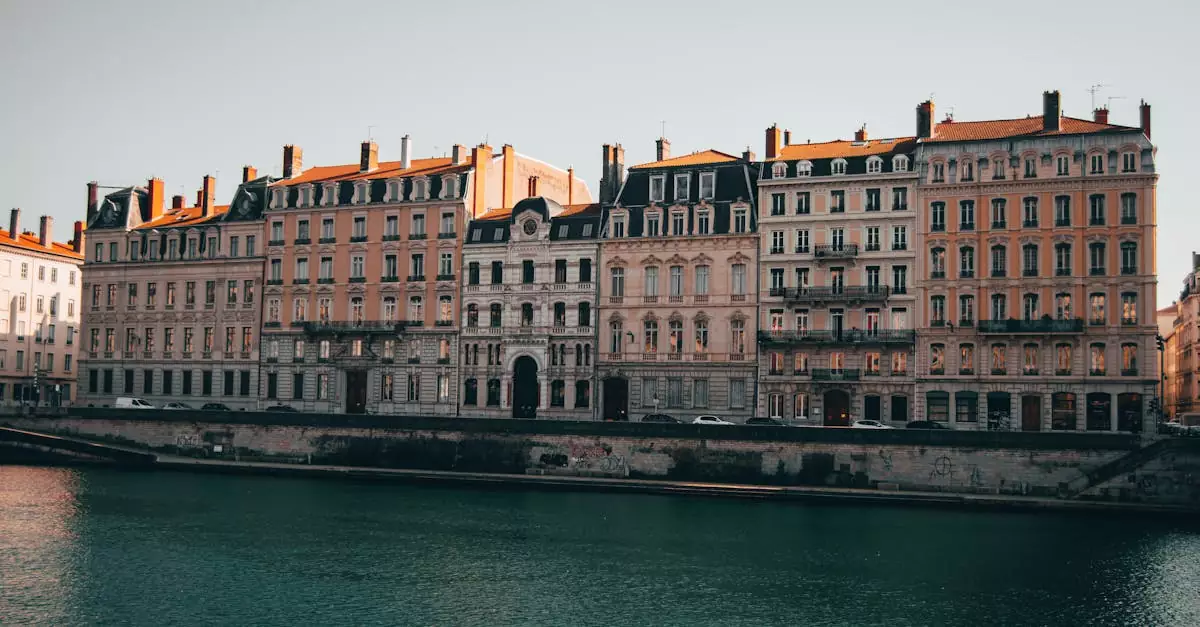
While Paris boasts an impressive array of fine dining, the heart of French gastronomy often beats strongest in its diverse rural regions. Venturing beyond the capital reveals a tapestry of local specialties, deeply rooted in tradition and shaped by the landscape. These areas offer authentic culinary experiences that are both accessible and rewarding for any food lover. Discovering these regional flavors is key to understanding the breadth of France’s culinary heritage.
Alsace’s Hearty Flavors: Choucroute Garnie and Flammekueche
Alsace, nestled on the border with Germany, presents a distinct culinary identity characterized by hearty, comforting dishes. The region’s signature dish, choucroute garnie, is a generous platter of sauerkraut slow-cooked with various sausages, smoked meats, and potatoes. It’s a substantial meal, perfect for warming up after a day of exploring picturesque villages like Colmar or Strasbourg.
Another Alsatian staple is flammekueche (or tarte flambée in French), a thin, unleavened flatbread topped with crème fraîche, onions, and lardons. It’s often served as an appetizer or a light meal, and its simple yet delicious combination of flavors makes it a crowd-pleaser. Many traditional winstubs (wine taverns) in Alsace offer an authentic setting to enjoy these dishes, often paired with local Riesling or Gewürztraminer wines. Visiting during the autumn harvest season offers the added bonus of fresh produce and vibrant local markets.
Brittany’s Seafood Delights: Galettes and Crêpes by the Coast
Brittany, with its rugged coastline and strong maritime heritage, is a paradise for seafood enthusiasts and lovers of simple, delicious fare. The region is famed for its crêpes and galettes, savory buckwheat pancakes traditionally filled with ham, cheese, and eggs. You can find these everywhere, from bustling seaside towns like Saint-Malo to charming inland villages.
Beyond these iconic dishes, Brittany excels in its fresh seafood. Enjoy oysters harvested from the Bay of Quiberon or sample moules marinières (mussels steamed in white wine) at a harborside restaurant. Don’t miss the opportunity to try kouign-amann, a rich, buttery, caramelized pastry that is a true indulgence. The best time to visit for a culinary focus is during the summer months when local produce is at its peak and outdoor dining is a delight. Getting around Brittany is easiest with a rental car, allowing you to reach more secluded coastal spots and smaller villages.
Lyon’s Gastronomic Heritage: The Capital of French Cuisine
Lyon has long held the title of the gastronomic capital of France, and for good reason. The city is a haven for food lovers, boasting an exceptional concentration of bouchons – traditional Lyonnaise eateries serving robust, authentic cuisine. These family-run establishments offer a glimpse into the region’s culinary soul, with dishes like quenelles de brochet (pike dumplings in a creamy sauce) and salade Lyonnaise (frisée lettuce with bacon, croutons, and a poached egg).
Exploring local markets, such as Les Halles de Lyon Paul Bocuse, is a must. This indoor market is a temple to gastronomy, featuring a dazzling array of regional produce, cheeses, charcuterie, and pastries from some of the city’s most renowned artisans. For travelers seeking a truly immersive food experience, consider a cooking class focused on Lyonnaise specialties. The city is well-connected by train, making it an accessible destination for a weekend getaway centered on its culinary offerings.
How Can I Experience Local Food in France on a Budget?
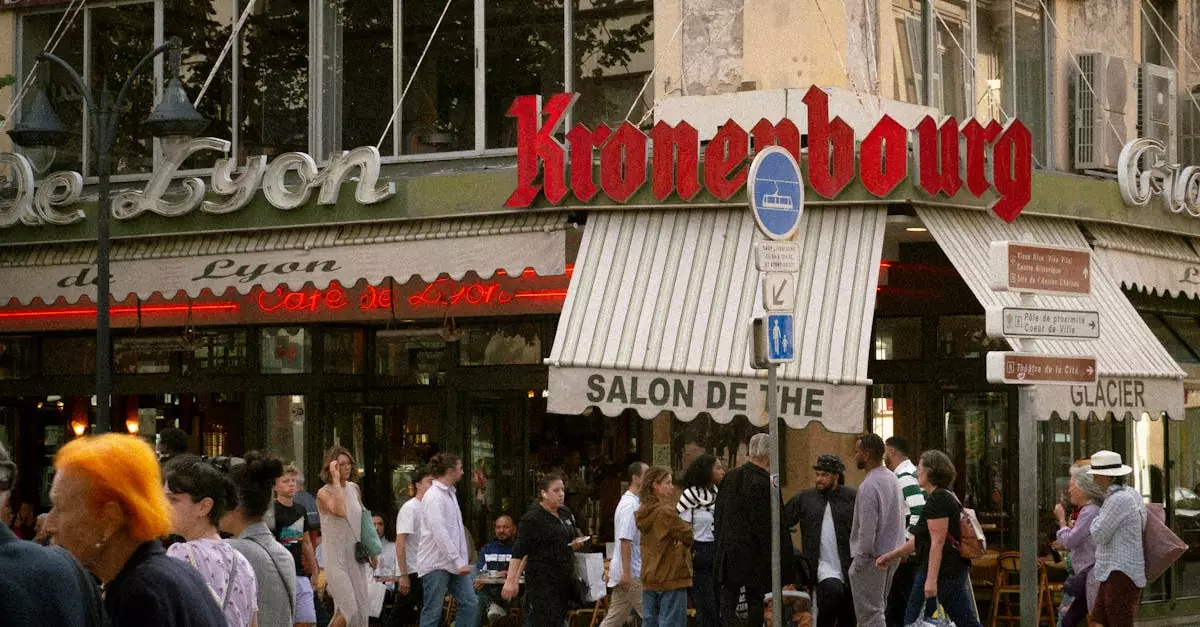
Experiencing the best local food in France doesn’t require a hefty budget or a reservation at a three-Michelin-starred establishment. Authentic culinary delights are readily available in everyday settings, offering a true taste of French life without breaking the bank. Focusing on specific types of establishments and local markets can unlock incredible value and flavor.
Affordable Eats: Boulangeries, Bistros, and Local Cafés
Boulangeries are your first stop for budget-friendly, delicious French food. Beyond the famous croissants and pain au chocolat, these bakeries offer savory options like quiches, tartines, and sandwiches (jambon-beurre being a classic). Many also sell simple pastries and small cakes that make for a sweet afternoon treat.
Local bistros and brasseries, especially those a few blocks away from major tourist attractions, often provide excellent value. Look for a “formule” or “menu du jour,” a fixed-price meal typically including an appetizer and a main course or a main course and dessert. These daily specials highlight seasonal ingredients and are a fantastic way to sample regional specialties at a reasonable cost. Don’t overlook small neighborhood cafés either; they often serve simple, hearty dishes like croque monsieur, omelets, and hearty salads that are both filling and affordable.
Maximizing Value at French Food Markets
French food markets, or marchés, are vibrant hubs of local produce, artisanal products, and ready-to-eat snacks. Visiting a market is a sensory experience and a smart strategy for budget dining. You can assemble a picnic lunch with fresh bread, local cheeses, cured meats, ripe fruits, and perhaps some olives or pâté.
Many market stalls also offer prepared foods like rotisserie chicken, savory crêpes, or regional specialties that can be enjoyed on the spot. This approach allows you to curate your own meal, controlling both the cost and the quality. It’s also an excellent opportunity to interact with local vendors and learn about the ingredients. Markets are typically held on specific days of the week, so check local listings for the best options in any given town.
Budget-Friendly Wine Pairings for Every Meal
Enjoying French wine doesn’t have to be an expensive affair. Many local wines, particularly those from less-hyped regions or smaller producers, offer exceptional quality for their price. When dining at bistros, ask for the house wine (vin de la maison), often served in carafes, which is usually a good value and pairs well with the restaurant’s cuisine.
For market picnics or simple meals from a boulangerie, consider picking up a bottle of local wine from a small supermarket or a dedicated wine shop (caviste). Regions like Languedoc-Roussillon in the south or the Loire Valley offer many excellent and affordable choices. A crisp Sancerre can accompany a goat cheese salad, while a fruity Beaujolais pairs delightfully with charcuterie. Even a simple table wine can elevate a humble meal into a memorable French culinary experience.
Planning Your French Foodie Itinerary: A Region-by-Region Guide
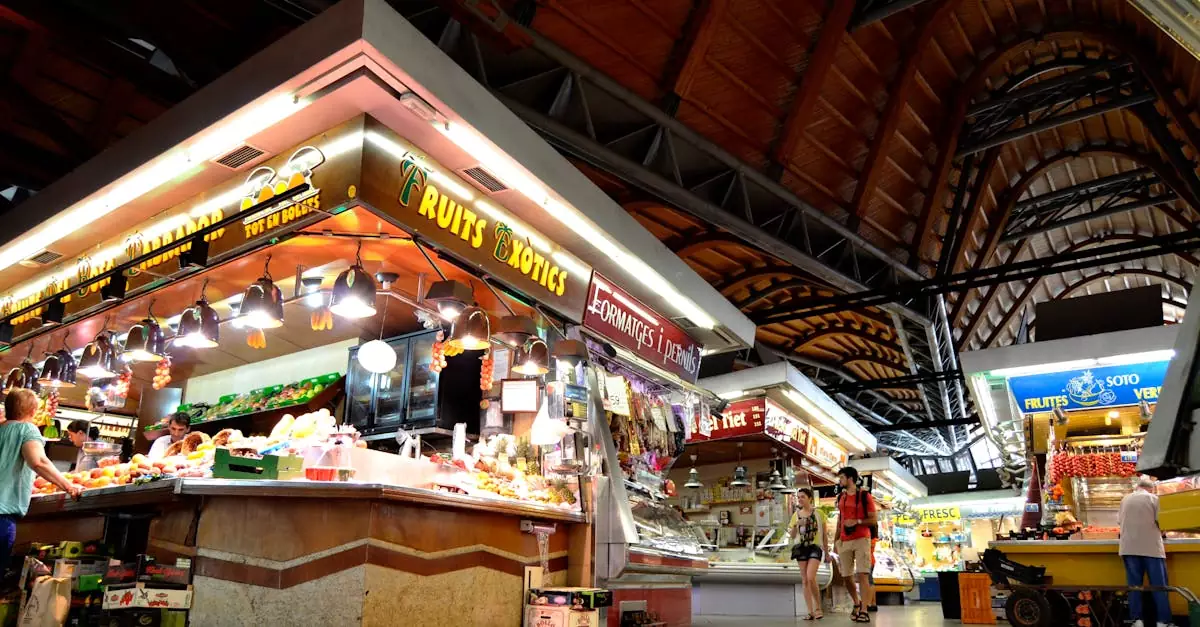
France’s culinary landscape is as diverse as its geography, offering a tapestry of flavors that extend far beyond its renowned fine dining establishments. To truly experience the best local food experiences France has to offer, consider a regional approach. Each area boasts unique specialties, traditions, and seasonal ingredients that define its gastronomic identity. Planning your trip around these distinct culinary hubs will ensure a richer, more authentic journey.
A Week in Provence: Markets, Vineyards, and Mediterranean Flavors
Provence, in the south of France, is a sensory delight, especially for food lovers. The region’s sun-drenched climate yields vibrant produce, from ripe tomatoes and fragrant herbs to plump olives and sweet melons. A week here allows ample time to immerse yourself in the local food culture.
Start your days at bustling Provençal markets like those in Aix-en-Provence or L’Isle-sur-la-Sorgue. These vibrant hubs are the heart of local life, offering everything from artisanal cheeses and cured meats to freshly baked bread and local honey. Engage with vendors, sample regional products, and gather ingredients for a picnic lunch.
Beyond the markets, the vineyards of the Côtes du Rhône and Provence offer tasting opportunities paired with regional delicacies. Consider a guided tour that includes a visit to a local farm or olive oil producer. For a true taste of the Mediterranean, seek out seafood restaurants along the coast in towns like Cassis or Bandol. Dishes featuring fresh fish, mussels, and sea urchins are staples.
Logistics & Tips for Provence:
- Best Time to Visit: Spring (April-June) for wildflowers and mild weather, or early autumn (September-October) for harvest season and fewer crowds. Summer can be very hot.
- Getting Around: Renting a car is highly recommended for flexibility, especially for visiting smaller villages and vineyards. Public transport between larger towns is available but limited for rural exploration.
- Accommodation: Options range from charming guesthouses (chambres d’hôtes) in the countryside to boutique hotels in historic city centers.
- Budget: Provence can be moderately expensive, particularly in popular tourist areas. Markets offer budget-friendly food options.
Exploring Normandy: Cider Route and Coastal Cuisine
Normandy, in northern France, presents a distinct culinary profile shaped by its lush pastures and extensive coastline. This region is synonymous with rich dairy products, apples, and fresh seafood.
The “Route du Cidre” is a must for any visitor. This scenic drive winds through picturesque villages, dotted with apple orchards and producers of cider, Calvados (apple brandy), and Pommeau. Stop at local farms for tastings and to learn about traditional production methods. Don’t miss trying regional specialties like tripes à la mode de Caen or moules marinières (mussels cooked in white wine).
Along the coast, towns like Honfleur, Deauville, and Étretat offer excellent seafood. Enjoy freshly shucked oysters, scallops, and grilled fish. The Bayeux region is also known for its excellent butter and cream, which feature prominently in many Norman dishes. A visit to a local fromagerie to sample cheeses like Camembert, Livarot, and Pont-l’Évêque is essential.
Normandy Culinary Highlights:
- Cider & Calvados: Sample a variety of apple-based beverages.
- Seafood: Fresh oysters, mussels, and fish are abundant.
- Dairy Products: Renowned for butter, cream, and artisanal cheeses.
- Apple-based Desserts: Tarte Tatin and apple crumble are local favorites.
A Gastronomic Tour of the Loire Valley: Wine and Local Produce
The Loire Valley, famous for its magnificent châteaux, is also a treasure trove of culinary delights, particularly its wines and fresh produce. The fertile lands along the Loire River produce a wide array of fruits, vegetables, and exceptional wines.
Focus on the region’s renowned wines, from the crisp whites of Sancerre and Pouilly-Fumé to the light-bodied reds of Chinon and Bourgueil. Many wineries offer tours and tastings, often accompanied by local charcuterie and cheeses. Consider visiting a goat cheese farm in the Loire to taste crottin de Chavignol or selles-sur-cher.
The valley’s abundant gardens supply markets with seasonal produce. Look for asparagus in spring, berries in summer, and mushrooms in autumn. Many restaurants pride themselves on using locally sourced ingredients, creating dishes that highlight the freshness and quality of regional products. Don’t overlook the freshwater fish from the Loire River, such as pike and perch, often prepared with simple yet elegant sauces.
Loire Valley Food & Drink:
- Wines: Diverse selection of white, rosé, and red wines.
- Goat Cheese: Famous for its delicate and flavorful varieties.
- Fresh Produce: Seasonal fruits and vegetables are a highlight.
- River Fish: Locally caught freshwater fish prepared with regional flair.
Each of these regions offers a distinct pathway to discovering the best local food experiences in France. By focusing on specific areas, you can tailor an itinerary that aligns with your culinary interests and travel style, ensuring a truly unforgettable gastronomic adventure.
Frequently Asked Questions About Local Food Experiences in France
What are the essential French foods to try for first-time visitors?
For a true taste of France, focus on regional specialties. In Paris, don’t miss a classic croissant or pain au chocolat from a local boulangerie, and sample escargots if you’re adventurous. In Lyon, often called the gastronomic capital, try quenelles de brochet (pike dumplings) or salade Lyonnaise. Along the coast, fresh seafood like oysters in Brittany or bouillabaisse in Marseille are must-tries. A simple baguette with good cheese and charcuterie offers an authentic and delicious experience accessible across the country.
Are there specific food tours or cooking classes recommended in France?
Yes, France offers a wealth of culinary experiences. Many cities, including Paris, Lyon, and Bordeaux, have excellent guided food tours that focus on local markets, bakeries, and specialty shops. These tours often provide tasting opportunities and insights into regional food history. For hands-on learning, consider a cooking class. Options range from mastering classic French pastries to preparing regional dishes. Research classes in advance, as some are quite popular, especially those focusing on specific techniques or ingredients.
What are common tourist traps to avoid when seeking local food in France?
Be wary of restaurants with overly aggressive touts outside, menus poorly translated into multiple languages, or those located directly on the most heavily trafficked tourist squares. These often indicate a focus on volume over quality and authenticity. Instead, look for establishments filled with locals, check online reviews for consistent praise of food quality and atmosphere, and don’t hesitate to ask hotel concierges or shopkeepers for their personal recommendations. Exploring smaller side streets can often lead to more genuine culinary discoveries than sticking to the main tourist arteries.