Sofia, Bulgaria’s vibrant capital, presents a captivating blend of ancient history, rich culture, and a thriving modern scene. From the grandeur of its iconic cathedrals to the echoes of Roman times beneath its streets, the city promises an unforgettable journey. This guide will help you discover the best Sofia Bulgaria things to do, ensuring you experience the heart of this Eastern European gem.
You’ll learn about must-see historical landmarks, delve into the city’s thriving art scene, savor authentic Bulgarian flavors, and explore the stunning natural beauty surrounding the capital. Whether you’re planning a short city break or a more extensive exploration, this comprehensive overview will equip you with everything you need to make the most of your visit. Prepare to be enchanted by Sofia’s unique charm and discover why it deserves a spot on your travel list.
Discover Sofia’s Historic Heart: Must-See Landmarks
Sofia invites visitors to step back in time with its rich historical tapestry. The city center is a compact treasure trove, making it easy to experience centuries of history on foot. Exploring these central landmarks offers a deep dive into the city’s past and present.
Wander Through the Ancient Serdica Complex
Beneath Sofia’s modern streets lies the remarkably preserved Ancient Serdica Complex. This archaeological site showcases Roman ruins, including streets, public buildings, and early Christian basilicas dating back to the 4th century. Excavated primarily during subway construction, it provides a fascinating glimpse into the city’s earliest urban life.
You can stroll among the ruins, with elevated walkways offering clear views of the layout. The complex is easily accessible from the Serdika Metro Station, making it a convenient first stop for many visitors. Allow at least an hour to appreciate the scale and historical significance of these ancient foundations.
Marvel at the Alexander Nevsky Cathedral’s Grandeur
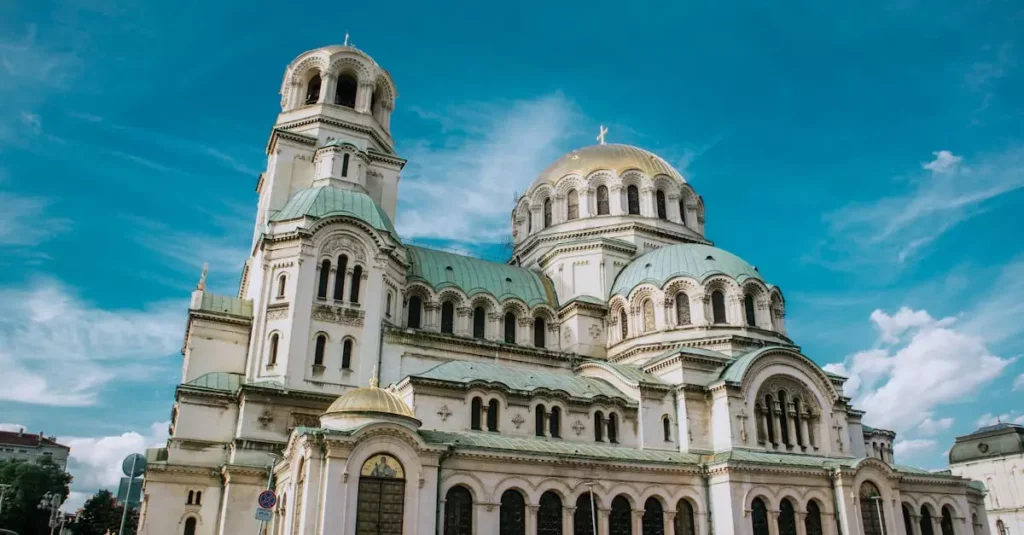
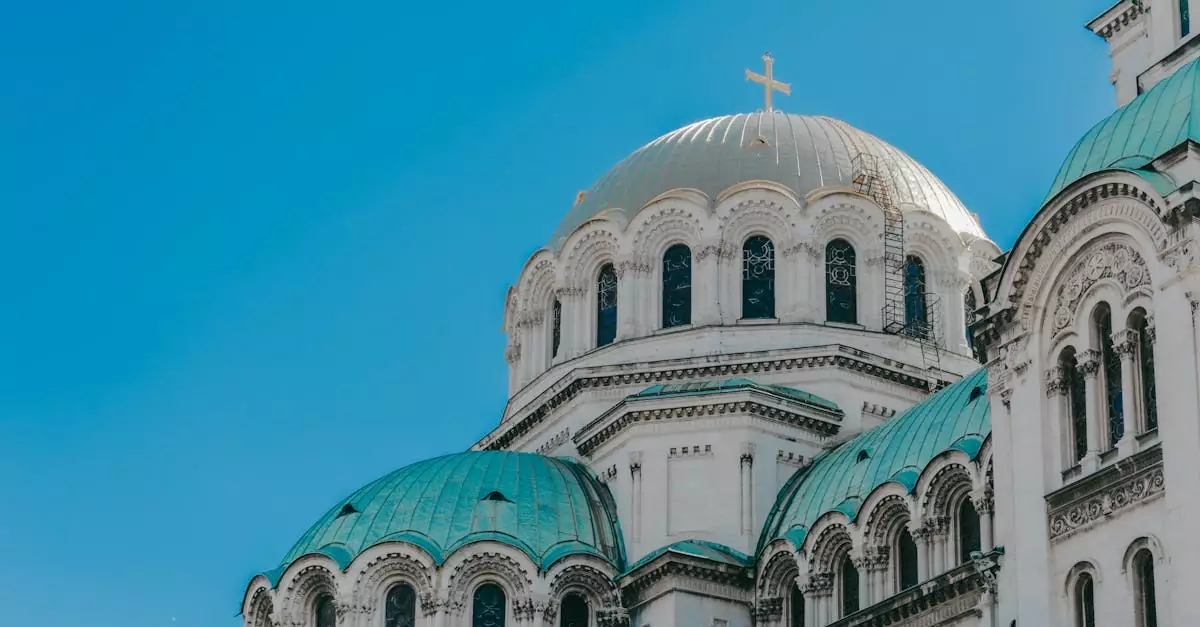
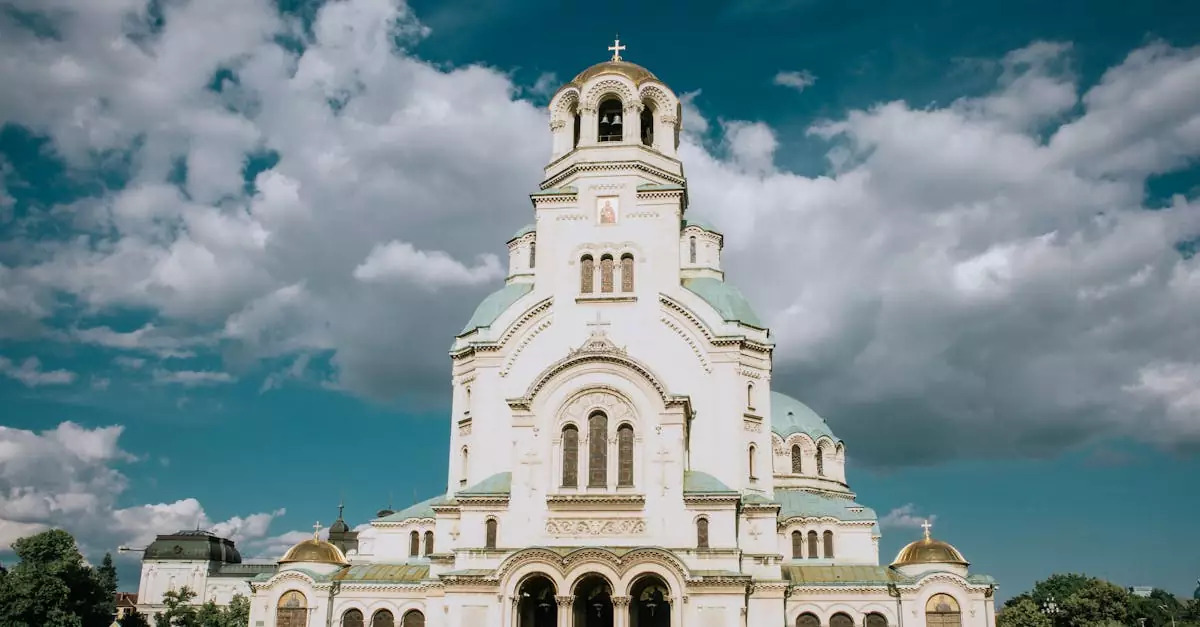
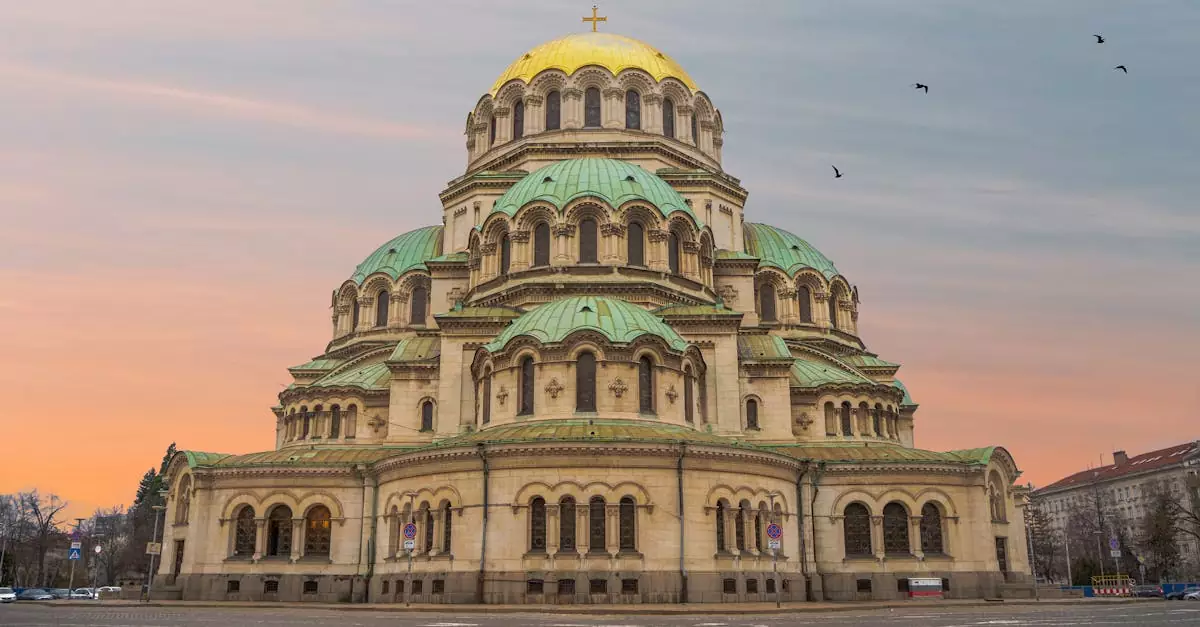
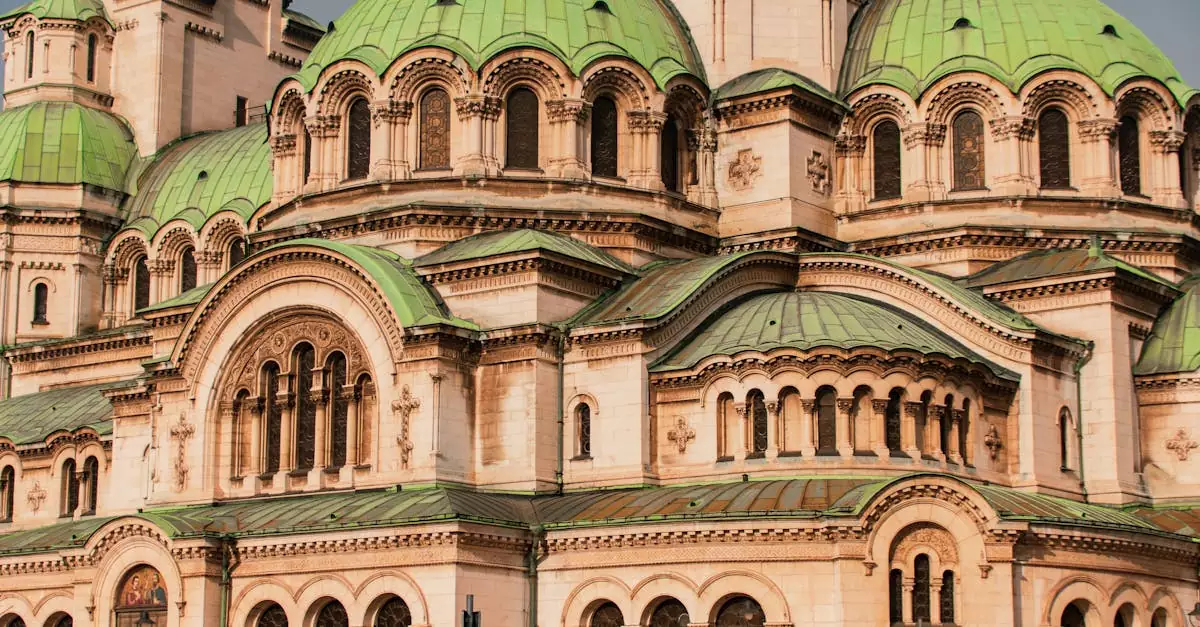
Dominating Sofia’s skyline, the Alexander Nevsky Cathedral is an iconic symbol of Bulgaria and a masterpiece of Neo-Byzantine architecture. Completed in 1912, its stunning golden domes and intricate facade are a sight to behold, both inside and out. The interior is adorned with opulent frescoes and religious artwork.
As one of the largest cathedrals in the world, it can hold up to 5,000 people. Its sheer scale and detailed craftsmanship are truly impressive. Visiting in the morning or late afternoon often offers the best light for photography. The area around the cathedral is also a pleasant spot for a stroll, with street vendors often selling traditional crafts and souvenirs.
Explore the Rotunda of St. George: A Millennium of History
The Rotunda of St. George is Sofia’s oldest building, with origins dating back to the 4th century Roman era. This small, circular brick church has witnessed the city’s transformation through Roman, Byzantine, Bulgarian, and Ottoman rule. Its interior walls are covered with remarkably preserved medieval frescoes, some dating back to the 10th century.
Nestled within the courtyard of the Presidential Palace, the Rotunda offers a unique historical experience. You can see layers of paintings from different eras, illustrating its long and varied history. The surrounding area provides a quiet respite from the bustling city, serving as a testament to Sofia’s enduring past.
Visit the Ivan Vazov National Theatre for a Cultural Evening
The Ivan Vazov National Theatre is not only a stunning architectural landmark but also the center of Bulgaria’s performing arts. Built in the early 20th century in a Viennese Secession style, its elegant facade and beautiful garden make it a popular spot for locals and tourists alike. Even if you don’t attend a performance, the building’s exterior is worth admiring.
Consider booking tickets for a play or opera if you’re looking for a sophisticated evening. Performances are often in Bulgarian, but the grandeur of the theater itself provides a memorable experience. The nearby City Garden is a lovely place to relax before or after your visit, offering a pleasant atmosphere and views of the theatre.
Immerse Yourself in Sofia’s Vibrant Culture and Art Scene
Sofia’s cultural landscape offers a compelling mix of historical grandeur and contemporary creativity, providing ample opportunities for art lovers and culture seekers. From grand architectural statements to intimate galleries, the city pulses with artistic energy. Engaging with Sofia Bulgaria things to do often means diving into its rich artistic heritage and modern expressions.
Experience the National Palace of Culture (NDK) Buzz
The National Palace of Culture (NDK) is more than just a venue; it’s a central hub for events, exhibitions, and public life in Sofia. This imposing socialist-era structure hosts a variety of international and national festivals, concerts, and conferences throughout the year. Even if no specific event is scheduled, the surrounding park and pedestrian zones are popular spots for locals to gather, relax, and enjoy street performers. Visiting the NDK offers a glimpse into contemporary Bulgarian social life and large-scale cultural happenings.
Delve into Bulgarian Art at the National Art Gallery
For a comprehensive overview of Bulgarian artistic achievement, the National Art Gallery is an essential stop. Housed in the former Royal Palace, its extensive collection spans medieval icons to 20th-century masterpieces. You can trace the evolution of Bulgarian art, from religious frescoes and intricate wood carvings to vibrant landscapes and portraits of national revival artists. Allow at least two to three hours to fully appreciate the depth of the collection and understand the nation’s artistic narrative.
Discover Contemporary Creations at the Sofia Art Gallery
Located near the National Art Gallery, the Sofia Art Gallery focuses on modern and contemporary Bulgarian art. This institution showcases works from the late 20th century to the present day, highlighting emerging artists and current trends. It’s a dynamic space that often features temporary exhibitions, making each visit a potentially unique experience. The gallery provides a valuable counterpoint to the historical collections, offering insights into the evolving artistic dialogue within Bulgaria.
Find Unique Souvenirs at the Central Market Hall (Halite)
The Central Market Hall, known locally as “Halite,” is a stunning architectural landmark that also serves as a vibrant marketplace. Beyond fresh produce and local delicacies, it houses numerous stalls selling traditional Bulgarian crafts, ceramics, textiles, and artisan foods. It’s an excellent place to find authentic souvenirs that reflect Bulgarian culture, from hand-painted ceramics to rose oil products and woven goods. The bustling atmosphere and ornate ironwork ceiling make it a delightful place to wander and shop for unique mementos of your Sofia Bulgaria trip.
Experience Authentic Bulgarian Flavors: Sofia’s Culinary Delights
Sofia’s food scene offers a hearty and flavorful introduction to Bulgarian cuisine, a delightful blend of Balkan, Mediterranean, and Eastern European influences. Exploring local eateries is as essential to understanding the city as visiting its historical sites. From traditional taverns to bustling markets, a culinary journey through Sofia reveals comforting dishes and vibrant local life.
Savor Traditional Dishes at a ‘Mehana’
No visit to Sofia is complete without dining at a mehana, a traditional Bulgarian tavern. These establishments are characterized by rustic decor, often featuring wood carvings, traditional textiles, and live folk music. Here, you can sample classic dishes like kavarma (slow-cooked meat and vegetables), shopska salata (a refreshing salad of tomatoes, cucumbers, peppers, and grated sirene cheese), and grilled meats. Portions are typically generous, and the atmosphere is warm and convivial, offering a genuine taste of Bulgarian hospitality. For an authentic experience, look for mehanas slightly off the main tourist paths.
Taste ‘Banitsa’ from a Local Bakery
For a quick, delicious, and budget-friendly bite, seek out banitsa. This ubiquitous pastry is made from layers of filo dough filled with whisked eggs, sirene cheese, and yogurt, then baked until golden brown. You’ll find it in nearly every bakery and even some small shops across Sofia. While the classic cheese filling is most common, variations with spinach, pumpkin, or even sweet fillings like apple and cinnamon are also available. Enjoying a warm slice of banitsa with a glass of ayran (a salty yogurt drink) is a quintessential Sofia breakfast or snack.
Enjoy Fresh Produce at the Zhenski Pazar Market
The Zhenski Pazar (Women’s Market) is Sofia’s largest and most vibrant outdoor market, offering a sensory feast. It’s the perfect place to experience the local rhythm and sample fresh, seasonal produce. Stalls overflow with colorful fruits, vegetables, fragrant herbs, local cheeses, honey, and spices. Beyond produce, you can find traditional Bulgarian crafts, clothing, and household items. Visiting the market provides a fantastic opportunity to interact with local vendors, practice a few Bulgarian phrases, and perhaps pick up some edible souvenirs. The market is busiest in the morning, offering the freshest selection.
Sample Bulgarian Wines at a Local Bar
Bulgaria has a long and rich winemaking tradition, producing excellent quality wines that are often overlooked. Sofia boasts several wine bars and specialized shops where you can sample indigenous grape varietals like Mavrud, Gamza, and Melnik. These wines often offer complex flavors at reasonable prices compared to their Western European counterparts. A local wine bar provides a relaxed setting to learn about Bulgarian viticulture from knowledgeable staff and discover new favorite vintages. Many bars offer tasting flights, allowing you to sample a variety of regional wines.
Escape the City: Day Trips and Nature Near Sofia
While Sofia itself offers a wealth of historical and cultural attractions, venturing beyond the city limits reveals Bulgaria’s stunning natural beauty and significant heritage sites. These excursions provide a refreshing contrast to urban exploration and are easily accessible from the capital. Planning a day trip can enrich your Sofia experience, offering diverse landscapes and iconic landmarks.
Hike the Vitosha Mountain Trails for Panoramic Views
Dominating Sofia’s skyline, Vitosha Mountain is a natural playground for outdoor enthusiasts. Just a short bus or taxi ride from the city center, it offers a network of hiking trails catering to all fitness levels. From gentle strolls through pine forests to more challenging ascents, the rewards are consistently breathtaking.
The most popular destination is Cherni Vrah, Vitosha’s highest peak. Reaching it provides unparalleled panoramic views of Sofia and the surrounding valleys. In winter, Vitosha transforms into a ski resort, offering another way to enjoy its slopes. Remember to check the weather forecast before heading up, as conditions can change rapidly.
Visit the UNESCO World Heritage Site of Boyana Church
A true gem just outside Sofia, Boyana Church is a must-visit for its exceptional medieval frescoes. This small Eastern Orthodox church, recognized by UNESCO, is renowned for its remarkably preserved murals dating back to the 13th century. These artworks are considered masterpieces of European medieval painting.
The church is divided into three parts, each showcasing distinct artistic periods. The most significant frescoes are in the church’s main section, depicting vibrant scenes and portraits with a realism that was groundbreaking for its time. Access to the interior is carefully managed to protect the delicate artwork, so be prepared for a potential short wait.
Explore the Rila Monastery: A Spiritual Journey
No trip to Sofia is complete without a visit to the Rila Monastery, a breathtaking testament to Bulgarian spirituality and art. Situated in the Rila Mountains, this UNESCO World Heritage site is the largest and most famous Eastern Orthodox monastery in Bulgaria. It’s about a two-hour journey by car or bus from Sofia.
The monastery complex is a stunning ensemble of architecture, with colorful striped arches, intricate wood carvings, and vibrant frescoes adorning the main church. The serene atmosphere and sheer beauty of the setting make it a profoundly moving experience. Allow at least half a day to fully appreciate its grandeur and historical significance.
Discover the Seven Rila Lakes for Stunning Scenery
For hikers and nature lovers, the Seven Rila Lakes offer some of the most spectacular natural scenery in Bulgaria. Located higher in the Rila Mountains, this glacial lake system is a popular destination for day trips, though it requires a full day and good physical condition. A chairlift from Pionerska hut can take you closer to the starting point of the hiking trails.
Each lake has a unique name reflecting its shape or characteristics, such as “The Tear,” “The Eye,” and “The Kidney.” The trails connecting the lakes are well-marked, but the altitude can be challenging. The best time to visit is during the summer months (July and August) when the weather is most favorable and the lakes are typically free of ice. The views from the higher vantage points are truly unforgettable.
Navigating Sofia: Getting Around and Local Tips
Planning your Sofia Bulgaria trip involves understanding how to move around the city and what local customs to be aware of. This section provides practical advice to help you navigate Sofia efficiently and comfortably, ensuring a smoother travel experience.
Mastering Sofia’s Public Transportation System (Metro, Trams, Buses)
Sofia boasts a well-connected and affordable public transport network. The metro is the most efficient way to cover longer distances, with three lines connecting key areas of the city, including the airport. Trams and buses fill in the gaps, reaching many neighborhoods not served by the metro.
- Tickets: Purchase tickets from kiosks or machines at metro stations, or from drivers on buses and trams (though this is less common and sometimes more expensive). Validate your ticket immediately upon boarding.
- Fares: A single journey ticket is very inexpensive, making it a budget-friendly option. Multi-day passes are also available for frequent travelers.
- Apps: Consider downloading a Sofia public transport app for real-time schedules and route planning.
Navigating Sofia’s public transport is straightforward once you understand the system. It’s a great way to experience the city like a local and save money compared to taxis.
Walking Tours: Exploring Sofia’s Neighborhoods on Foot
Sofia’s compact city center is remarkably walkable, with many of its main attractions clustered together. Joining a free walking tour is an excellent introduction to the city, offering historical context and local insights from knowledgeable guides. These tours often cover the key landmarks around Largo, including the Presidency, the ruins of Serdica, and the Banya Bashi Mosque.
Beyond the central area, exploring neighborhoods like the artistic and bohemian Vitosha Boulevard or the more residential areas on foot allows for spontaneous discoveries. Wear comfortable shoes, as cobblestone streets are common in older districts.
Best Time to Visit Sofia for Pleasant Weather and Fewer Crowds
The ideal time to visit Sofia Bulgaria depends on your preferences for weather and crowd levels.
- Spring (April-May): Mild temperatures and blooming parks make this a lovely time to visit. Crowds are generally smaller than in peak summer.
- Summer (June-August): This is the warmest period, perfect for outdoor activities and enjoying alfresco dining. However, it’s also the busiest tourist season.
- Autumn (September-October): Fall offers pleasant, crisp weather and beautiful autumnal colors, especially in the surrounding mountains. It’s a good shoulder season with fewer tourists.
- Winter (November-March): Sofia experiences cold temperatures and snow, making it suitable for winter sports enthusiasts visiting nearby Vitosha Mountain. The city is less crowded, offering a more tranquil experience.
| Season | Avg. Temperature (°C) | Crowd Level | Notes |
|---|---|---|---|
| Spring | 10-20 | Low-Medium | Blooming flowers, pleasant weather |
| Summer | 20-30 | High | Warmest, ideal for outdoor activities |
| Autumn | 10-20 | Medium | Colorful foliage, fewer tourists |
| Winter | -5-5 | Low | Snow, winter sports opportunities |
Understanding Bulgarian Currency and Tipping Etiquette
The official currency in Sofia, and throughout Bulgaria, is the Bulgarian Lev (BGN). While many places accept card payments, it’s wise to carry some cash, especially for smaller shops, markets, or public transport tickets bought directly from drivers. ATMs are widely available.
Tipping in Sofia is appreciated but not always mandatory in the same way as in some Western European countries.
- Restaurants: A tip of 5-10% is customary for good service in restaurants. Rounding up the bill is also common.
- Taxis: Tipping taxi drivers isn’t strictly necessary, but if they provide exceptional service, a small tip or rounding up the fare is a nice gesture.
- Hotels: For hotel staff like porters or housekeeping, a small tip (a few Lev) is appropriate.
Understanding these local practices will enhance your interactions and make your visit to Sofia Bulgaria more seamless.
Frequently Asked Questions About Visiting Sofia
Is Sofia safe for tourists?
Sofia is generally considered a very safe city for tourists. Petty crime like pickpocketing can occur in crowded areas, particularly around public transport hubs and popular attractions. It’s wise to remain aware of your surroundings and keep valuables secure, as you would in any major European capital. Violent crime against tourists is rare.
What are some hidden gems in Sofia?
Beyond the well-trodden paths, Sofia offers several less-obvious delights. The National Palace of Culture’s surrounding park is a popular local spot for relaxation and people-watching, often hosting outdoor events. For a unique artistic experience, seek out the Ivan Vazov National Library, an architectural gem with a serene interior. Another local favorite is the charming “Street of Crafts” (Улица Самоводска чаршия), where artisans display and sell handmade goods. Exploring the smaller, pedestrianized side streets off Vitosha Boulevard also reveals charming cafes and independent boutiques.
How many days are recommended to see Sofia?
To get a good feel for Sofia and visit its main attractions, a minimum of two to three full days is recommended. This allows time to explore the historic center, visit key museums like the National History Museum, and perhaps take a half-day trip to the Boyana Church, a UNESCO World Heritage site. Adding an extra day would provide a more relaxed pace and allow for deeper dives into local culture, including exploring more neighborhoods or enjoying extended time in Vitosha Mountain.
What’s the best way to experience Sofia on a budget?
Experiencing Sofia on a budget is quite achievable. Many of the city’s most impressive sights, like the Alexander Nevsky Cathedral and the St. George Rotunda, are free to admire from the outside and even to enter. Walking is the best way to get around the compact city center, saving on transportation costs. Look for local “mehana” (traditional taverns) for affordable and authentic Bulgarian cuisine, often offering hearty meals at lower prices than restaurants on the main tourist streets. Utilizing public transport, such as the efficient metro system, is also very cost-effective for longer distances. Consider visiting during the shoulder seasons (spring or autumn) for potentially lower accommodation prices.