Exploring Europe on foot offers a uniquely intimate way to connect with its rich history and vibrant culture. For travelers who prefer to wander rather than rush, certain cities stand out as pedestrian paradises. These destinations prioritize walkability, preserving historic cores and creating environments where discovery happens at a leisurely pace. If you’re planning a trip where the journey is as important as the destination, identifying which cities facilitate exploration on foot is essential.
This guide will help you discover the best walkable European cities, detailing what makes them ideal for strolling and highlighting specific neighborhoods and routes that promise unforgettable experiences. You’ll learn about the unique charm of their pedestrian-friendly areas, practical tips for navigating them, and insights into the best times to visit for optimal walking weather. Prepare to uncover hidden gems and soak in the authentic atmosphere of Europe, one step at a time.
Why Choose One of the Best Walkable European Cities?
Opting for a city where you can comfortably explore on foot transforms your travel experience. Walking allows for a deeper connection with your surroundings, revealing a place’s character in ways faster modes of transport often miss. The best walkable European cities invite you to slow down and absorb the local atmosphere.
Experiencing Authentic Culture on Foot
Prioritizing a city’s walkability grants you direct access to its living culture. Sidewalk cafés, bustling local markets, and quiet residential streets become accessible without needing a car or public transport. This immersion is crucial for understanding the nuances of European life, from daily routines to the architectural evolution of neighborhoods. You can stumble upon small artisan shops, hear street musicians, or simply observe local interactions, all contributing to a richer, more authentic journey.
The Environmental Benefits of City Walking
Walking through European cities also aligns with sustainable travel practices. Reducing reliance on cars or frequent public transport significantly lowers your carbon footprint. Many of these destinations actively promote pedestrian-friendly zones and limit vehicle traffic in historic centers. Embracing walking is a simple yet impactful way to contribute positively to the environment while you travel across Europe.
Uncovering Hidden Gems in European Neighborhoods
The true magic of walkable cities lies in their ability to surprise you. Away from the main tourist thoroughfares, you’ll discover charming squares, lesser-known museums, and unique architectural details that are easily overlooked. Wandering through a historic district without a strict itinerary allows for serendipitous encounters with the city’s soul. For instance, in Prague, stepping off the main path from Charles Bridge can lead you to quiet courtyards and traditional pubs frequented by locals. Similarly, the labyrinthine streets of Venice offer endless opportunities to find secluded canals and picturesque bridges that aren’t in any guidebook. These discoveries are the hallmarks of a truly memorable trip, made possible by the simple act of putting one foot in front of the other.
Top Picks for Strolling: Our 2026 Ranking of Walkable European Capitals
Navigating Europe on foot offers an unparalleled way to absorb its rich history and vibrant culture. For travelers prioritizing pedestrian-friendly exploration, certain cities shine. These destinations have meticulously preserved their historic cores, fostering environments where walking is not just feasible but the most rewarding way to travel. Our 2026 ranking highlights cities that excel in offering immersive, walkable experiences, allowing you to truly connect with the urban landscape.
Lisbon’s Historic Alfama District: A Maze of Charm
Lisbon’s Alfama district is a captivating labyrinth of narrow, winding streets that beckon exploration. This historic neighborhood, the city’s oldest, offers a glimpse into traditional Portuguese life. As you ascend its hills, you’ll discover hidden miradouros (viewpoints) offering panoramic vistas of the Tagus River and terracotta rooftops. Expect uneven cobblestones and steep inclines; comfortable footwear is essential. Public transport options within Alfama are limited, emphasizing the importance of walking.
Consider visiting in late spring or early autumn for pleasant weather, avoiding the summer heat and crowds. The São Jorge Castle, perched at the district’s highest point, provides a rewarding destination after a leisurely climb. Be aware of your surroundings, as in any busy urban area, and keep valuables secure.
Prague’s Old Town Square to Charles Bridge: A Fairytale Walk
The walk from Prague’s Old Town Square across the Charles Bridge is a journey through a living fairytale. Old Town Square itself is a spectacle, featuring the Astronomical Clock and Gothic architecture. From there, a short stroll leads to the iconic Charles Bridge, adorned with Baroque statues and offering breathtaking views of Prague Castle. This route is exceptionally popular, so for a more serene experience, consider an early morning or late evening walk.
Prague’s historic center is largely pedestrianized, making it incredibly walkable. Trams and the metro are efficient for reaching the outskirts, but the core is best enjoyed on foot. The terrain is generally flat around the square and across the bridge, with some gentle slopes leading up to the castle.
Florence’s Renaissance Heart: Ponte Vecchio and Beyond
Florence rewards a slow pace, with its Renaissance masterpieces easily accessible on foot. The Arno River, spanned by historic bridges like the Ponte Vecchio, forms a central artery for exploration. Walking from the Duomo to the Uffizi Gallery and then across Ponte Vecchio to the Oltrarno district provides a concentrated dose of art, history, and local artisan shops.
The city center is compact and largely flat, making it one of the most pleasant European cities to navigate on foot. Public transport is minimal within the historic core, as most attractions are within easy walking distance of each other. Comfortable shoes are a must for navigating the cobblestone streets.
Amsterdam’s Canal Ring: Picturesque Waterways and Bridges
Amsterdam’s Canal Ring, a UNESCO World Heritage site, offers a unique and picturesque walking experience. The network of canals, lined with gabled houses and crossed by numerous bridges, creates an endlessly charming environment. Wandering through neighborhoods like the Jordaan allows for spontaneous discoveries of boutique shops, cozy cafés, and houseboats.
While cycling is famously popular, walking provides a more intimate connection with the city’s intricate waterways. The terrain is exceptionally flat, making it accessible for most travelers. Be mindful of cyclists, as they have priority on many paths. The best times to walk are during the shoulder seasons, spring and fall, when the weather is mild and the crowds are thinner.
| City | Best Time to Walk | Terrain | Key Feature |
|---|---|---|---|
| Lisbon | Spring, Fall | Hilly, cobblestone | Alfama District |
| Prague | Early Morning/Late Evening | Mostly flat, cobblestone | Old Town Square, Charles Bridge |
| Florence | Year-round | Flat, cobblestone | Renaissance architecture |
| Amsterdam | Spring, Fall | Flat | Canal Ring, bridges |
Beyond the Capitals: Lesser-Known Walkable European Destinations
While major cities like Paris and Rome often steal the spotlight, Europe boasts a wealth of smaller, incredibly walkable destinations that offer a more intimate and often authentic travel experience. These cities prioritize pedestrian access, allowing you to immerse yourself in their charm without relying heavily on public transport. Discovering these hidden gems reveals a different side of European travel, characterized by winding lanes, historic squares, and a slower pace of life.
Bruges, Belgium: Medieval Canals and Cobblestone Streets
Bruges, often called the “Venice of the North,” is a fairy-tale city where history feels alive. Its compact medieval core is a UNESCO World Heritage site, best navigated on foot. Wander along the Markt and Burg squares, admire the towering Belfry, and cross countless picturesque bridges spanning its serene canals. The entire historic center is remarkably flat and accessible, making it one of the most pleasant walkable European cities for leisurely exploration.
Getting around Bruges is simple once you arrive. Most visitors stay within the historic center, which is easily walkable from the train station (about a 15-20 minute stroll). Accommodation options range from charming boutique hotels in historic buildings to more modern guesthouses. Be prepared for cobblestone streets, which can be uneven, so comfortable footwear is essential. While the city is small, allowing you to see many sights in a day or two, its beauty invites a slower pace. Consider visiting outside peak summer months to enjoy a more tranquil atmosphere.
Siena, Italy: A Tuscan Hill Town’s Pedestrian Paradise
Nestled in the heart of Tuscany, Siena offers a captivating medieval atmosphere with its striking red-brick architecture and the magnificent Piazza del Campo, one of Europe’s greatest medieval squares. The city is built on three hills, meaning there are some inclines, but the main historic center is largely pedestrianized. Exploring Siena on foot means getting lost in its narrow, winding streets, discovering hidden courtyards, and soaking in the vibrant Tuscan culture.
Siena is a fantastic destination for those who appreciate history and Italian cuisine. The city is remarkably compact, and its pedestrian zones make it easy to access its main attractions, including the Duomo di Siena. While there are some hills, the experience of walking through its ancient contrade (neighborhoods) is unparalleled. It’s a destination that rewards slow travel and encourages you to linger. Consider visiting during the Palio horse race in July or August for a unique, though crowded, cultural immersion, or opt for the shoulder seasons for a more relaxed visit.
Krakow’s Kazimierz District: Jewish Heritage and Bohemian Vibes
While Krakow itself is a highly walkable city, its historic Kazimierz district offers a unique pedestrian experience. Once a separate town, Kazimierz is rich in Jewish history and culture, now brimming with trendy cafés, art galleries, and atmospheric synagogues. Its grid-like street plan, though charmingly irregular in places, makes it easy to navigate on foot. The district has a distinct bohemian feel, inviting you to wander its streets and absorb its vibrant energy.
Kazimierz is easily accessible from Krakow’s Main Market Square, a short walk or a quick tram ride away. The district is relatively flat, making it comfortable for extended strolls. You can spend hours here simply soaking in the atmosphere, visiting historical sites like the Old Synagogue and the Remuh Cemetery, or enjoying the lively nightlife. It’s a district that has transformed significantly over the past few decades, offering a compelling blend of history and contemporary culture. The best time to visit is spring or autumn when the weather is pleasant for walking and the crowds are thinner.
How to Navigate and Enjoy Europe’s Most Walkable Cities
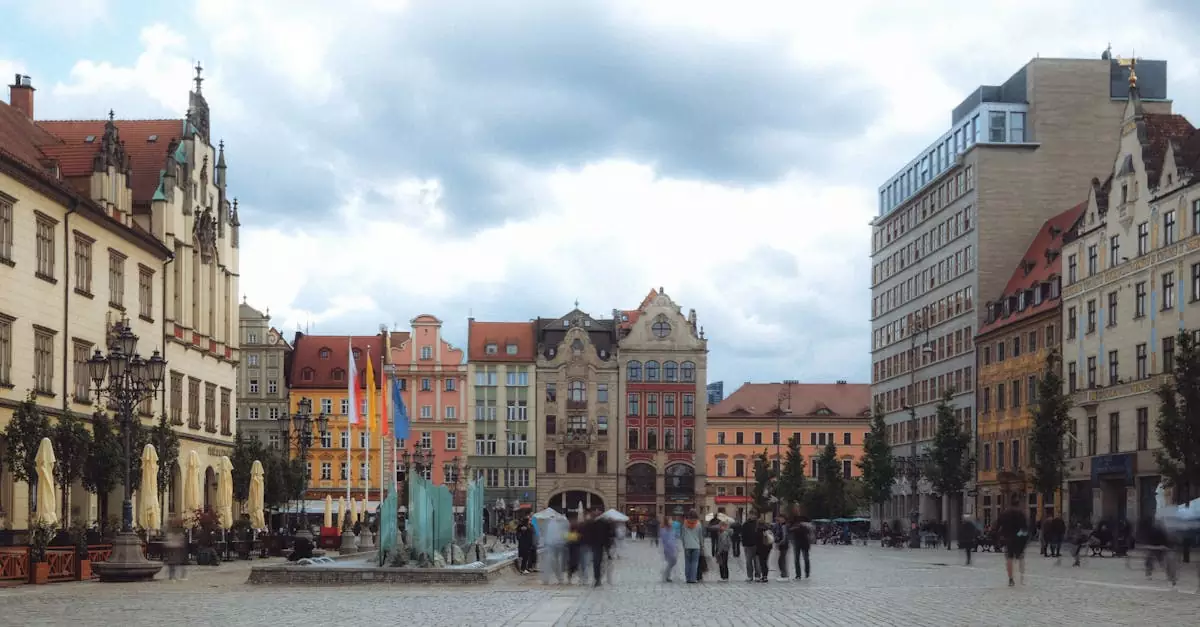
When planning a trip focused on pedestrian exploration, understanding local transit systems and packing strategically can significantly enhance your experience. Europe’s cities, renowned for their compact historic centers, often blend efficient public transport with charming, walkable neighborhoods. Mastering these elements ensures you can cover more ground and savor the details of each destination.
Mastering Public Transport for Extended Strolls
While many of the best walkable European cities invite you to wander on foot, public transportation is invaluable for covering longer distances or reaching areas slightly outside the immediate city center. Major cities like Paris and Rome boast extensive metro, tram, and bus networks. Purchasing multi-day passes or contactless travel cards can offer cost savings and convenience. Consider the ease of navigating the London Underground, which connects diverse neighborhoods efficiently. Researching the specific ticketing systems before you arrive will save time and money, allowing for more spontaneous detours.
Essential Packing for City Walking Adventures
Comfortable footwear is essential for any trip centered around walking. Invest in well-broken-in walking shoes or sturdy sneakers to prevent blisters and foot fatigue, especially on cobblestone streets common in historic districts. Layers are also key; European weather can be unpredictable, so packing a light, waterproof jacket and versatile clothing items allows you to adapt to changing conditions. A small, comfortable backpack or crossbody bag is ideal for carrying essentials like a water bottle, snacks, a portable charger, and a city map.
Best Time to Visit for Pleasant Walking Weather
The shoulder seasons, spring (April-May) and autumn (September-October), generally offer the most pleasant weather for exploring Europe’s walkable cities on foot. During these months, temperatures are typically mild, crowds are smaller than in peak summer, and the natural scenery, from blooming flowers to autumn foliage, adds to the visual appeal. Summer can be quite warm, making midday walks less comfortable, while winter offers fewer daylight hours and colder temperatures, though it can be a magical time for holiday markets and fewer tourists.
| Season | Average Temperature (°C) | Pros for Walking | Cons for Walking |
|---|---|---|---|
| Spring | 10-18°C | Mild weather, blooming nature, fewer crowds | Occasional rain showers |
| Summer | 20-30°C+ | Long daylight hours, vibrant atmosphere | High temperatures, peak tourist season, higher prices |
| Autumn | 10-18°C | Crisp air, beautiful foliage, harvest festivals | Shorter daylight hours, increasing chance of rain |
| Winter | 0-8°C | Festive holiday atmosphere, very few tourists | Cold temperatures, limited daylight, potential snow/ice |
Understanding the climate for your chosen destination, whether it’s the sun-drenched streets of Lisbon or the charming alleys of Prague, will help you pack appropriately and plan your days for maximum enjoyment.
Planning Your Walkable European City Itinerary
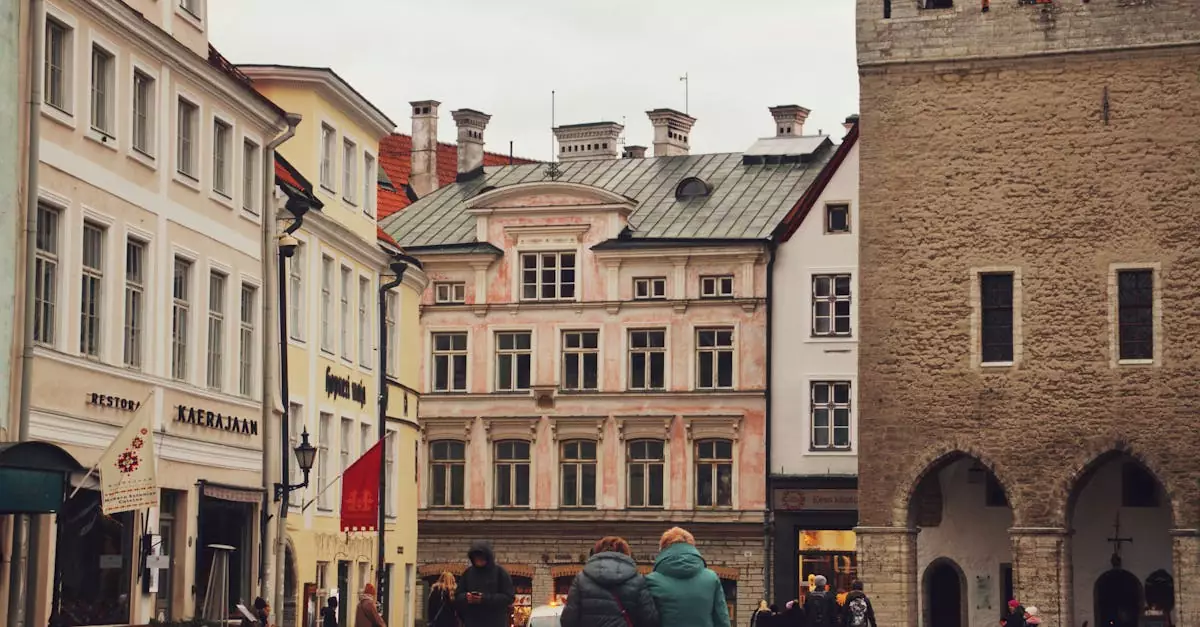
When planning a European adventure focused on foot exploration, strategic itinerary design is crucial. The best walkable European cities offer dense historical centers, efficient public transport for longer distances, and a wealth of attractions within easy reach. Tailoring your days to maximize walking time ensures you absorb the unique atmosphere of each locale.
Crafting a 3-Day Lisbon Walking Tour
Lisbon’s hilly terrain presents a unique walking challenge, but the rewards are immense. A 3-day itinerary can comfortably cover its most charming neighborhoods. Begin in Alfama, the city’s oldest district, with its labyrinthine streets and Fado houses. Dedicate a full morning to getting lost here, perhaps visiting the Lisbon Cathedral and São Jorge Castle for panoramic views.
The next day could focus on Baixa and Chiado. These districts are flatter and more grand, featuring Praça do Comércio and the Santa Justa Lift. Enjoy a leisurely stroll through the grid-like streets of Baixa, browsing shops and enjoying coffee. In the afternoon, head to Belém to see the Jerónimos Monastery and Belém Tower, though this may require a short tram or bus ride.
For your final day, consider exploring the trendy Bairro Alto and Príncipe Real areas, known for their vibrant street art and boutique shops. These neighborhoods are best explored in the late afternoon and evening, culminating in dinner and perhaps some live Fado music. Lisbon’s extensive tram system, particularly Tram 28, can help with the steeper inclines, but much of its magic is best discovered on foot.
A 4-Day Prague Itinerary Focused on Foot Exploration
Prague is a dream for walkers, with its compact Old Town and Lesser Town (Malá Strana) offering a high concentration of sights. A 4-day trip allows for a relaxed pace and deeper immersion. Start with Prague Castle and St. Vitus Cathedral on day one. While the castle complex is extensive, you can spend hours wandering its courtyards and enjoying the breathtaking views over the city.
Day two should be dedicated to the Old Town Square, including the Astronomical Clock and Týn Church. Walk across the iconic Charles Bridge, taking in the statues and street performers. The Jewish Quarter, with its historic synagogues and cemetery, is also easily accessible from here and warrants several hours of exploration.
The third day can be spent exploring Malá Strana more thoroughly, venturing into its hidden gardens and quiet alleyways. Climb Petřín Hill for stunning vistas and a peaceful escape. For your final day, consider a walk across the Vltava River to the New Town (Nové Město) to see Wenceslas Square and the Dancing House, or take a longer walk to Vyšehrad, a historic fort offering a less crowded but equally impressive historical experience. Prague’s public transport is excellent, but the core historical areas are best appreciated by foot.
Maximizing Your Time in Florence on Foot: A 2-Day Plan
Florence is undeniably one of the best walkable European cities, with its Renaissance treasures clustered so closely. A 2-day plan requires efficiency but is entirely feasible. Begin your first day at the Duomo complex, climbing Brunelleschi’s Dome or Giotto’s Campanile for unparalleled city views. Afterwards, explore Piazza della Signoria and the Palazzo Vecchio, followed by a visit to the Uffizi Gallery, which requires pre-booked tickets to save time.
The second day can focus on crossing the Arno River to the Oltrarno district. Here, you can visit the Pitti Palace and the Boboli Gardens. Wander through the artisan workshops and discover local crafts. A walk up to Piazzale Michelangelo offers the quintessential panoramic view of Florence, especially beautiful at sunset. Consider a visit to the Accademia Gallery to see Michelangelo’s David; again, booking in advance is crucial. Florence’s compact nature means most key attractions are within a comfortable walking distance, making it ideal for a short, active trip.
| City | Best For Walking | Terrain | Public Transport | Notes |
|---|---|---|---|---|
| Lisbon | Moderate | Hilly | Excellent tram/bus | Steep climbs, rewarding views |
| Prague | Excellent | Mostly Flat | Good metro/tram | Compact Old Town, easily navigable |
| Florence | Excellent | Mostly Flat | Limited needed | Dense historical center |
Frequently Asked Questions About Exploring Walkable European Cities
Are European cities generally safe for solo walkers?
Many European cities are remarkably safe for solo walkers, especially during daylight hours. Cities like Copenhagen and Amsterdam are known for their low crime rates and well-lit, pedestrian-friendly streets. However, as with any urban environment, it’s wise to remain aware of your surroundings, particularly in crowded tourist areas or late at night. Stick to well-trafficked routes and avoid displaying valuables openly.
What are the best local foods to try when walking through these cities?
Embarking on a walking tour is an excellent opportunity to sample local culinary delights. In Paris, seek out a freshly baked croissant from a boulangerie or a classic crêpe from a street vendor. Rome offers irresistible gelato and supplì (fried rice balls) from local shops. For a taste of Portugal, try a warm pastel de nata from a Lisbon bakery. Many cities have vibrant food markets where you can find regional specialties and artisanal products.
What budget should I consider for a walkable city trip?
The budget for a walkable city trip in Europe can vary significantly. Western European capitals like Paris and London tend to be more expensive, with daily costs potentially ranging from €100-€200 per person, covering accommodation, food, and activities. Cities in Southern or Eastern Europe, such as Lisbon, Prague, or Budapest, can offer a more budget-friendly experience, with daily expenses potentially falling between €60-€120.
Here’s a general budget comparison for a 3-day trip per person:
| City Type | Daily Budget (EUR) | Accommodation (EUR/night) | Food (EUR/day) | Activities (EUR/day) |
|---|---|---|---|---|
| Western European | 100-200 | 60-120 | 30-50 | 20-50 |
| Southern/Eastern | 60-120 | 30-70 | 20-40 | 10-30 |
These figures are estimates and can be adjusted based on travel style and choices. Opting for self-catering accommodation or enjoying picnics can significantly reduce food costs. Many of Europe’s most walkable cities are also rich in free attractions like parks and historic neighborhoods.