Normandy’s coastline is home to some of Europe’s most striking natural formations, with the chalk cliffs of Étretat standing out as a masterpiece. This comprehensive Étretat Cliffs France guide will help you navigate and appreciate these breathtaking wonders. You’ll discover the best viewpoints for iconic sights like the Falaise d’Aval, renowned for its famous arch and needle, as well as the Falaise d’Amont, which offers sweeping panoramas. We’ll also provide practical advice on how to get there, the ideal times to visit for optimal photography and fewer crowds, and essential tips for hiking the coastal paths. Prepare to explore the unique beauty of Étretat, from its geological marvels to its charming local culture.
Experiencing the Iconic Étretat Cliffs: A Visual Journey
The Normandy coastline features some of Europe’s most dramatic natural formations, with the chalk cliffs of Étretat as its crown jewel. This Étretat Cliffs France guide focuses on must-see viewpoints and formations that make your visit unforgettable. Planning your exploration around these key sights will enhance your experience of this stunning natural wonder.
Admiring the Falaise d’Aval and L’Aiguille
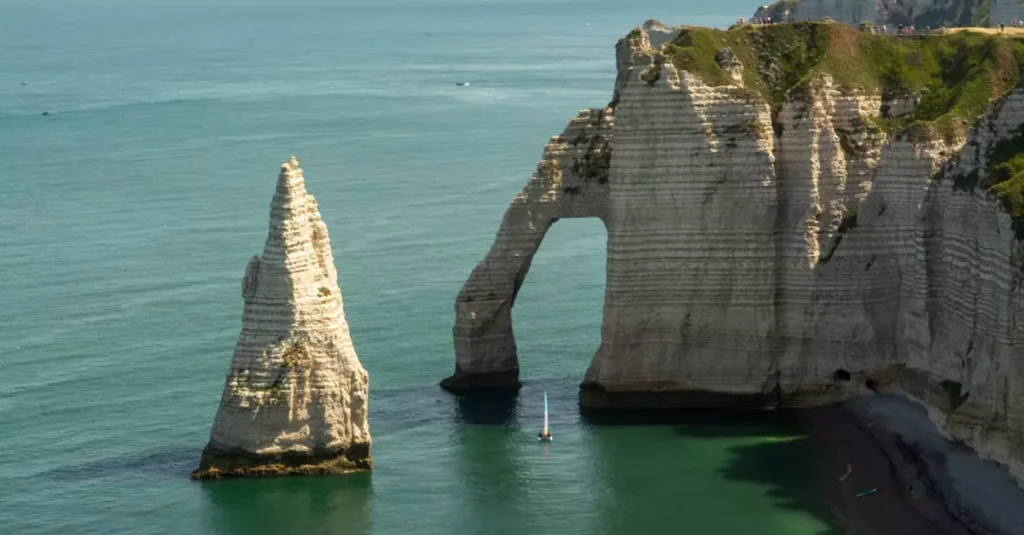
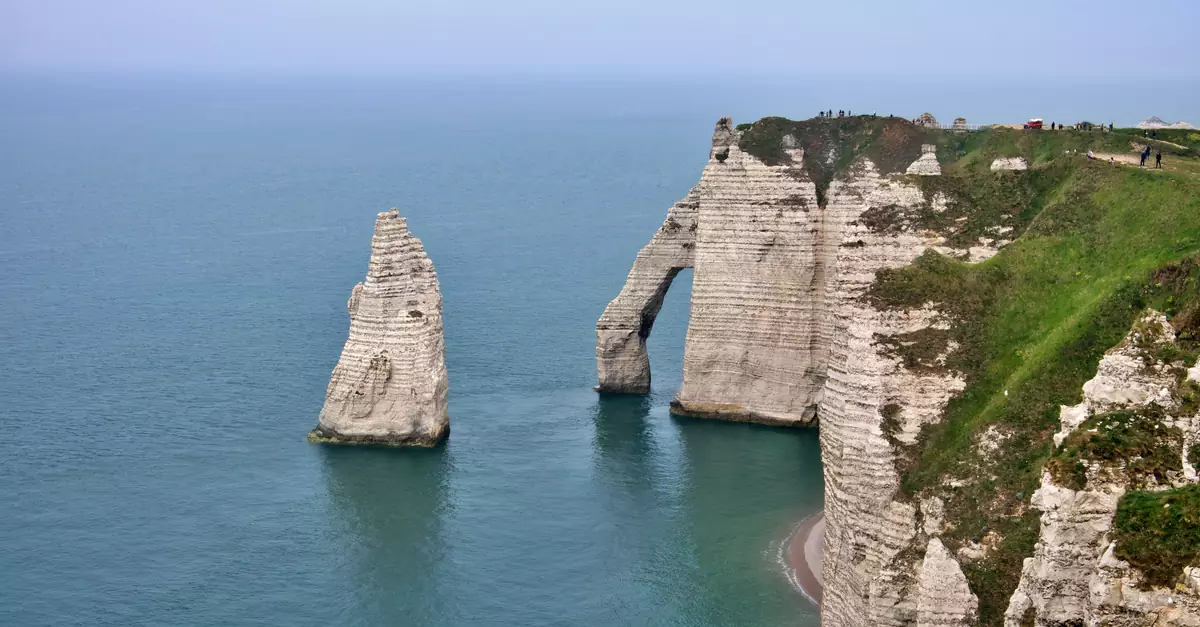
The Falaise d’Aval, or Downstream Cliff, is arguably the most photographed feature of Étretat. Its impressive natural arch, sculpted by the relentless sea, attracts visitors from across Europe. Standing at the cliff edge, you can admire the immense scale of the arch and the iconic “Aiguille” (Needle), a slender rock spire rising dramatically from the sea. For optimal views, head towards the western end of the beach or the promenade. The tide significantly impacts the view; at low tide, you can approach the base of the formations for a fresh perspective on their grandeur.
Exploring the Falaise d’Amont and Notre-Dame de la Garde Chapel
Across the bay from the Falaise d’Aval lies the Falaise d’Amont, or Upstream Cliff. This cliff provides a panoramic vista of the entire coastline, including the Falaise d’Aval and L’Aiguille. A short, well-maintained path leads to the summit, where the charming Notre-Dame de la Garde Chapel stands. Rebuilt after World War II, this small, white chapel offers a picturesque foreground to the breathtaking scenery. The climb is relatively easy and rewards visitors with expansive views, especially captivating during sunrise or sunset. From this vantage point, you can truly appreciate the scale of the cliffs and the vastness of the English Channel.
Discovering the Manneporte Arch
The Manneporte is another colossal natural arch, even larger than the one at Falaise d’Aval, located further west along the coastline. Reaching it requires a more substantial walk or a dedicated viewpoint. From the town’s main viewpoint, the Manneporte appears as a giant, dark opening in the cliff face. For those interested in hiking, trails extend along the cliff tops, offering progressively better views of this immense rock formation. Be sure to wear sturdy footwear as the paths can be uneven. The sheer size of the Manneporte is awe-inspiring, showcasing the erosive power of the sea over millennia.
Best Times to Visit Étretat Cliffs for Perfect Photos
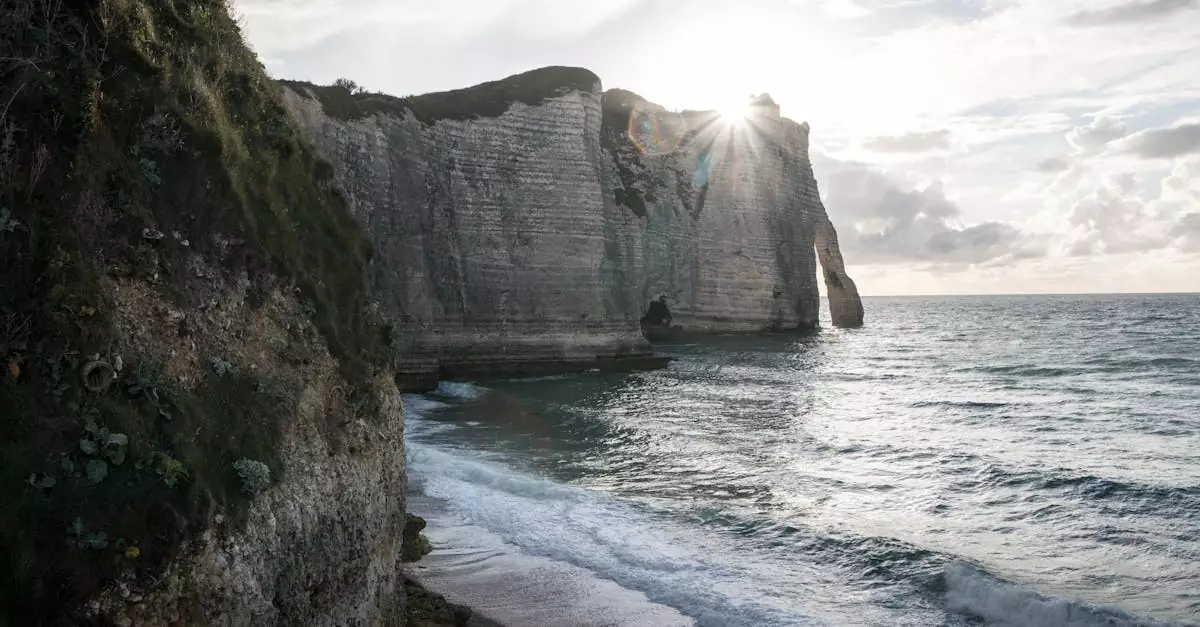
Capturing the iconic white chalk cliffs of Étretat requires careful planning, particularly if dramatic photographs are your goal. The best light and fewer crowds will significantly enhance your experience. This guide offers insights into timing your visit for optimal views and memorable shots of these Normandy wonders.
Sunrise and Sunset Viewing Spots at Étretat
For photographers and early risers, sunrise over the English Channel at Étretat presents a serene and beautifully lit spectacle. The Falaise d’Amont, on the eastern side of the town, provides excellent vantage points as the sun climbs over the horizon, casting a warm glow on the Aval cliff and its famous arch. Sunset is equally stunning, with the western cliffs, including the Falaise d’Aval and the Needle, bathed in golden light. The Chemin des Douaniers (Customs Officers’ Path) offers elevated perspectives for both sunrise and sunset. Arriving at least 30 minutes before the actual sunrise or sunset allows you time to find a good spot and set up your equipment.
Navigating Étretat’s Weather: Spring vs. Summer vs. Autumn
The weather in Étretat can be variable year-round, influencing both the visual appeal of the cliffs and visitor comfort.
| Season | Average Temperature (°C) | Precipitation | Windiness | Photography Notes |
|---|---|---|---|---|
| Spring | 8-15 | Moderate | Moderate | Soft light, fewer crowds, blooming wildflowers |
| Summer | 15-22 | Low | Moderate | Bright light, can be hazy, peak tourist season |
| Autumn | 10-17 | Moderate | Moderate | Rich colors, dramatic skies, decreasing crowds |
Spring (April-May) often brings soft light ideal for photography, fewer tourists than summer, and landscapes dotted with wildflowers. However, rain showers may occur. Summer (June-August) generally offers the most pleasant weather for exploring, with longer daylight hours. Be prepared for bright, harsh light during midday, which can be challenging for photography, along with significant crowds. Autumn (September-October) can be a fantastic time, featuring dramatic skies, changing foliage, and a noticeable drop in visitor numbers. The sea may also be more active, adding drama to the coastal scenery.
Avoiding Crowds: Off-Season Travel to Étretat
To experience the majesty of the Étretat cliffs with a sense of tranquility, consider visiting during the shoulder seasons or off-season. Late spring (May) and early autumn (September and early October) offer a good balance between decent weather and manageable crowds. Visiting on a weekday, especially outside French school holidays, will also significantly reduce the number of people you encounter. For an even more secluded experience, consider a winter visit (November-March). While the weather will be cooler and potentially wetter, the dramatic, windswept atmosphere can be incredibly photogenic, and you’ll likely have the viewpoints almost to yourself. Remember to check the opening times for local attractions and restaurants, as some may have reduced hours or be closed during the low season.
How to Get to the Étretat Cliffs from Paris and Nearby
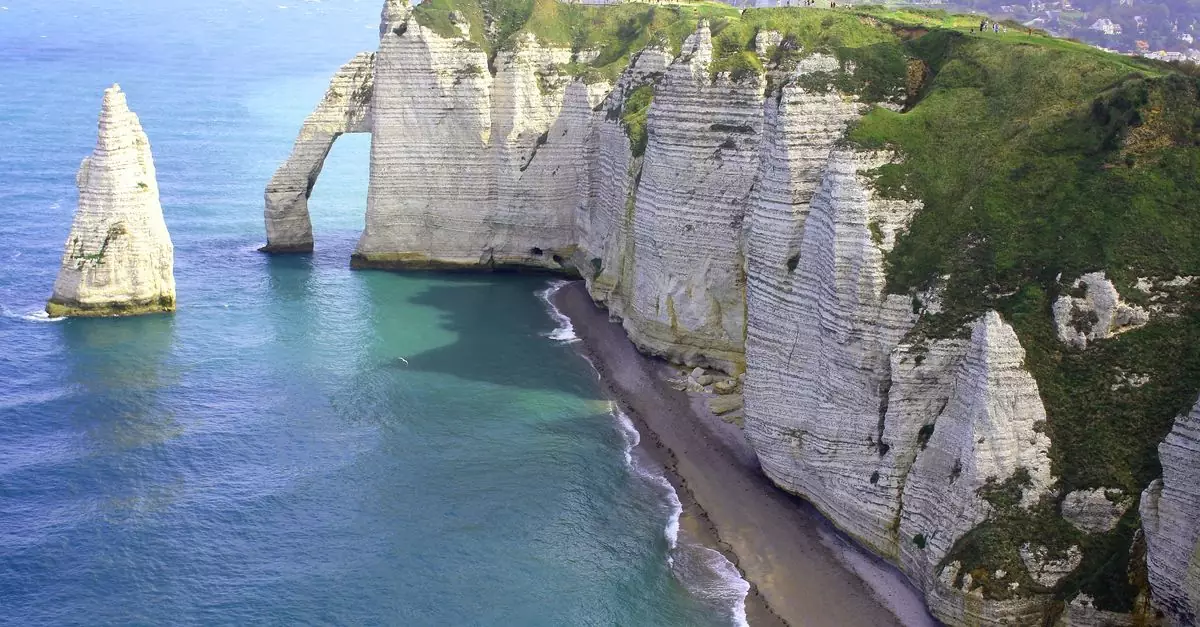
Reaching the dramatic white cliffs of Étretat in Normandy is straightforward, whether you’re starting from the French capital or another point in the region. Understanding transport options will help you plan your visit efficiently. The most common routes involve a combination of trains and buses or a direct car journey.
Train Travel Options to Étretat
The most convenient way to travel to Étretat by train from Paris is to head towards Le Havre. Direct trains from Paris Saint-Lazare station to Le Havre take approximately 2 to 2.5 hours. Upon arriving in Le Havre, you’ll need to switch to a local bus service for the final leg to Étretat.
From Le Havre’s train station, the LER bus line (operated by the regional transport network) provides regular connections to Étretat. The bus journey typically takes around 45 minutes to an hour, depending on traffic. It’s advisable to check the latest LER bus schedules in advance, as they can vary seasonally. This combination of train and bus is popular for travelers who prefer not to drive.
Driving Routes to Étretat: Parking and Road Conditions
Driving offers the most flexibility for reaching the Étretat cliffs, especially if you plan to explore more of the Normandy coast. The journey from Paris to Étretat by car is roughly 200-220 kilometers (about 125-135 miles) and usually takes around 2.5 to 3 hours, depending on traffic conditions leaving Paris.
The primary route involves taking the A13 motorway towards Rouen, then continuing on the A29 towards Le Havre. From Le Havre, follow signs for Étretat. Road conditions are generally excellent, with well-maintained motorways and secondary roads.
Parking in Étretat can be challenging, particularly during peak tourist season (summer months and weekends). There are several paid parking lots located near the town center and the seafront. Expect to pay a few euros per hour or a fixed daily rate. Arriving early in the morning or later in the afternoon can help you secure a spot more easily. Consider parking slightly further from the main attractions and enjoying a short walk into the town.
Bus Services Connecting to Étretat
While direct long-distance bus services from Paris to Étretat are less common than train options, regional bus networks provide crucial connections. The LER bus line is the primary public transport link from Le Havre to Étretat.
For those traveling from other towns in Normandy, it’s worth checking regional bus timetables. Some services might connect larger towns like Rouen or Fécamp to Étretat, though these often require transfers. Booking bus tickets in advance is generally recommended, especially for popular routes or during busy travel periods. This approach can sometimes be a more budget-friendly alternative to train travel.
Planning Your Étretat Itinerary: Must-Do Activities
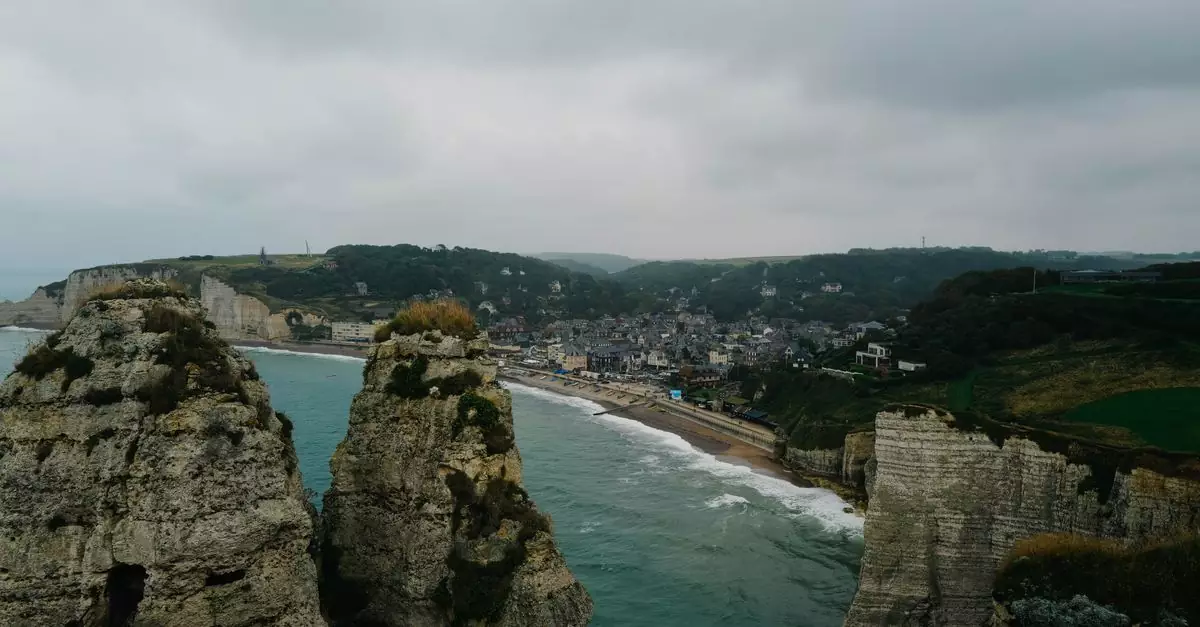
When visiting the dramatic chalk cliffs of Normandy, crafting an itinerary that captures their essence is key. Étretat offers a blend of natural beauty and charming village life, making it a rewarding stop for any traveler. This guide focuses on maximizing your experience of the famous cliffs and the surrounding area.
Hiking the Coastal Paths Above the Cliffs
The most iconic views of the Étretat cliffs are undoubtedly from the top. Well-maintained coastal paths, known as GR (Grande Randonnée) routes, provide breathtaking perspectives. The path leading north from the town grants access to the Falaise d’Aval, home to the famous “Needle” (L’Aiguille) rock formation, and the Falaise d’Amont, topped by a chapel.
Allow at least two to three hours for a leisurely hike, including time for photography and simply soaking in the scenery. The terrain can be uneven, so sturdy walking shoes are essential. Be mindful of cliff edges, especially in windy conditions, and always stay on marked trails. The views are particularly stunning during sunrise and sunset, painting the white cliffs in warm hues.
Exploring the Gardens of Étretat (Jardins d’Étretat)
Perched on the cliffside overlooking the sea, the Jardins d’Étretat offer a unique artistic and botanical experience. Designed by landscape artist Alexandre Grivko, these gardens blend contemporary sculptures with meticulously curated flora, all set against the dramatic backdrop of the English Channel. It’s a modern contrast to the ancient cliffs.
Wander through themed areas like the “Garden of the Dancers” or the “Avalanche Garden.” Interactive installations and whimsical sculptures add an element of surprise around every corner. The gardens are accessible year-round, though spring and summer offer the most vibrant blooms. Budget around 1.5 to 2 hours for a thorough visit. Tickets can be purchased on-site or in advance.
Boat Tours for Unique Cliff Vistas
While hiking offers panoramic views, a boat tour provides an entirely different perspective of the Étretat cliffs. Several local operators offer excursions from Étretat’s small harbor, allowing you to see the arches and rock formations from sea level. This is the best way to appreciate the scale and grandeur of the natural arches, like the Porte d’Aval, and the iconic Aiguille.
Tours typically last between 45 minutes to an hour. Depending on the sea conditions and the tour operator, you might even be able to enter some of the sea caves. It’s advisable to book your boat trip in advance, especially during peak season (summer holidays and weekends), as tours can fill up quickly. Pack a waterproof jacket, as sea spray is common.
Day Trip Options from Étretat: Honfleur and Fécamp
Étretat’s location in Normandy makes it a convenient base for exploring other regional gems. A short drive inland or along the coast opens up possibilities for extended exploration.
Honfleur is a picturesque harbor town known for its well-preserved old port, narrow streets, and artistic heritage. It’s an ideal destination for a leisurely afternoon, featuring numerous art galleries and seafood restaurants. The drive from Étretat to Honfleur takes approximately 45 minutes to an hour.
Fécamp, located just a few kilometers north of Étretat, offers a more industrial yet historically rich experience. It’s famous for its Palais Bénédictine, a stunning Art Nouveau building housing a distillery and museum dedicated to the renowned Bénédictine liqueur. Fécamp also boasts a significant fishing port and a large beach.
Here’s a brief comparison for planning day trips:
| Destination | Distance from Étretat | Travel Time (approx.) | Highlights | Vibe |
|---|---|---|---|---|
| Honfleur | 30 km (19 miles) | 45-60 minutes | Old port, art galleries, charming streets | Picturesque, Artistic |
| Fécamp | 10 km (6 miles) | 15-20 minutes | Palais Bénédictine, fishing port, historical sites | Historic, Industrial |
Local Flavors: What to Eat in Étretat
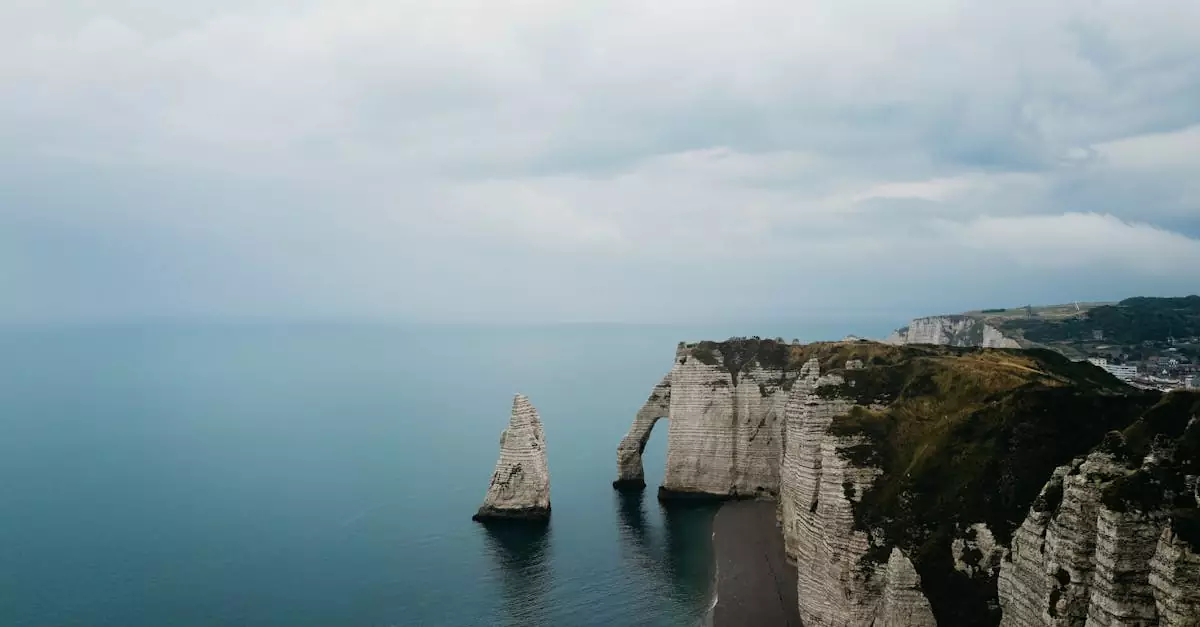
When visiting the dramatic coastline of Étretat, indulging in the local culinary scene is essential. Normandy is renowned for its rich agricultural produce and proximity to the sea, offering visitors a delightful array of flavors. This guide to local food in Étretat will help you navigate the region’s best tastes.
Savoring Fresh Seafood and Oysters
The proximity of Étretat to the English Channel means that fresh seafood is a staple here. Look for restaurants serving locally caught fish, often prepared simply to highlight their natural flavors. Mussels, typically served in a creamy white wine sauce (moules marinières), are a popular and delicious choice.
For a true taste of the Normandy coast, be sure to try the oysters. The region is famous for its high-quality oysters, particularly those from the nearby Bay of Veys. Enjoy them raw with a squeeze of lemon or a splash of mignonette sauce. Many seaside eateries offer platters of fresh shellfish, providing a wonderful way to sample the ocean’s bounty.
Discovering Normandy’s Cider and Cheese
Normandy is one of France’s premier dairy regions, and its cheeses are world-renowned. Camembert, Livarot, and Pont-l’Évêque are must-tries for any cheese enthusiast. These rich, creamy cheeses often feature on cheese boards or in local dishes. Pair them with a glass of crisp Norman cider.
Cider production is deeply ingrained in Norman culture. Instead of wine, locals often enjoy cider, ranging from dry and tart to sweet and fruity. It’s the perfect accompaniment to the region’s hearty cuisine and a refreshing beverage on a sunny afternoon. For a non-alcoholic option, try a glass of sparkling apple juice made from local apples.
Recommended Cafes and Restaurants Near the Cliffs
While the dramatic views of the Étretat cliffs are the main draw, enjoying a meal with a view enhances the experience. Many restaurants are situated along the waterfront or offer terraces overlooking the sea, providing a scenic backdrop to your dining.
For casual dining, seek out brasseries that offer traditional French fare. You can find excellent crepes, both savory (galettes) and sweet, which are a quick and satisfying option. For a more refined experience, consider restaurants focusing on seasonal produce and seafood. Booking in advance is advisable, especially during peak tourist seasons, to secure a table with a view.
Here are a few types of dining experiences you might encounter:
| Dining Type | Typical Offerings | Price Range (per person) |
|---|---|---|
| Brasserie | Crepes, salads, simple seafood, local dishes | €15 – €30 |
| Seafood Restaurant | Oysters, mussels, fresh fish, shellfish platters | €25 – €50 |
| Traditional Bistro | Regional specialties, cheese, charcuterie, cider | €20 – €40 |
When planning your meals, remember that lunch is often the main meal of the day in France, typically served between 12 PM and 2 PM, while dinner usually begins from 7 PM onwards. Many establishments may close between lunch and dinner service.
Frequently Asked Questions About Visiting Étretat Cliffs
Are the Étretat Cliffs free to visit?
Yes, the natural beauty of the Étretat Cliffs in Normandy is free to access. You can walk along the cliff tops and enjoy the iconic rock formations, like the Falaise d’Aval with its arch and needle, without any entry fee.
What are the best walking trails on the cliffs?
The most popular walking routes follow the GR 21 coastal path. You can start from the town of Étretat and head west towards the Falaise d’Aval and its famous rock arch. For different perspectives, walk east towards the Falaise d’Amont.
A recommended loop is to ascend the Falaise d’Aval, walk along the cliff top for stunning views, and then descend back towards the town. For a more extensive hike, continue along the GR 21 towards the village of Tilleul. Be prepared for some inclines and uneven terrain.
Can you swim near the Étretat Cliffs?
Swimming directly at the base of the cliffs is generally not recommended due to strong currents and large pebbles on the beach, making entry and exit difficult. The main beach in Étretat is a pebble beach, popular for sunbathing and enjoying the scenery, but not ideal for swimming.
If you’re looking for swimming opportunities in the region, consider visiting a sandy beach in a nearby coastal town.
What should I pack for a visit to Étretat?
Packing appropriately will enhance your experience of visiting the Étretat Cliffs. Comfortable walking shoes are essential, as you’ll likely be traversing uneven coastal paths. Bring layers, as the weather on the Normandy coast can change quickly.
A windproof and waterproof jacket is advisable, even on sunny days, due to the sea breeze. Don’t forget sunscreen, a hat, and sunglasses, as the sun can be strong, especially reflecting off the water. A bottle of water and snacks are also good to have, particularly for longer walks. For photography enthusiasts, ensure your camera or phone is fully charged.