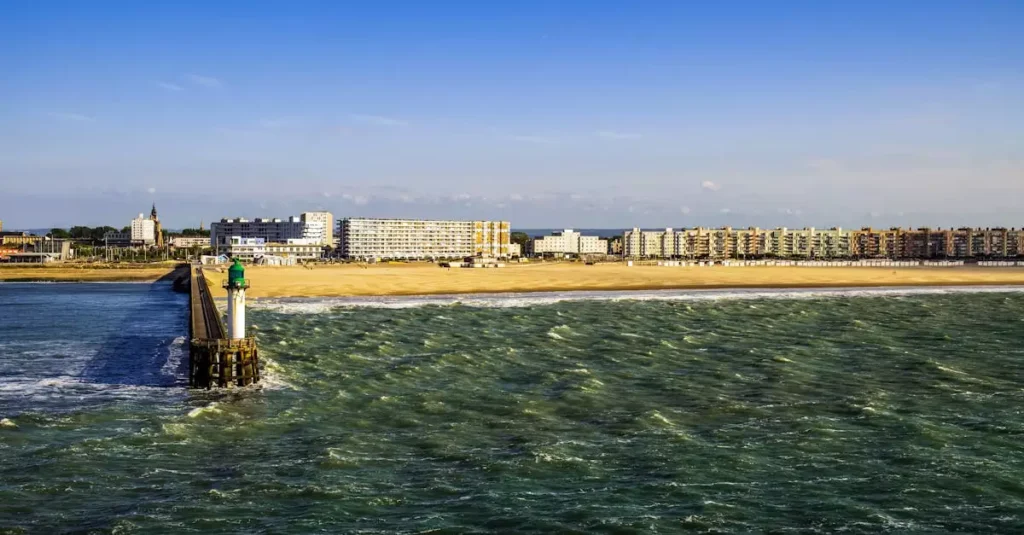
France’s coastline is a treasure trove of diverse landscapes and rich history, from the sun-drenched glamour of the Mediterranean to the rugged beauty of the Atlantic. If you’re dreaming of salty air, charming harbors, and unforgettable seaside experiences, exploring the best coastal cities in France should be at the top of your list. This guide will take you through these captivating destinations, revealing their unique charms and practical travel tips. You’ll discover what makes each region special, from the historic ramparts of Saint-Malo to the vibrant promenades of Nice and the surfing waves of Biarritz. Prepare to be inspired as we uncover the quintessential French coastal getaway.
Why Choose France’s Coastal Cities for Your Next Getaway?
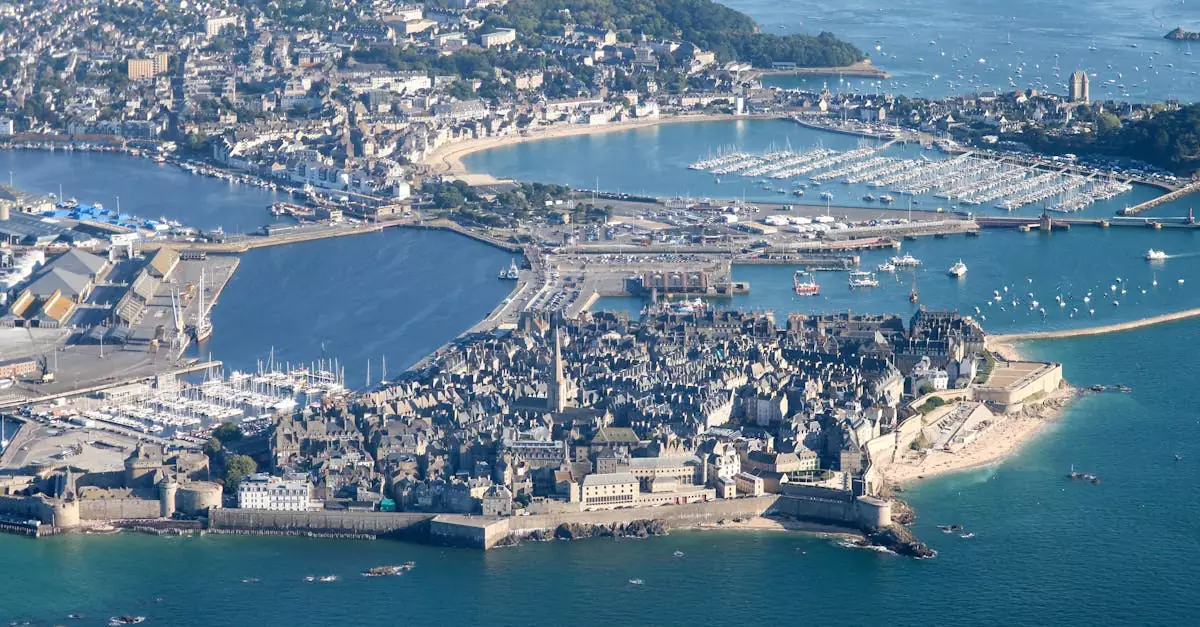
France’s coastline offers a captivating diversity, blending natural beauty with deep cultural heritage. Whether you seek relaxation on sandy beaches, exploration of ancient ports, or immersion in regional traditions, France’s best coastal cities deliver compelling experiences.
The Allure of French Riviera’s Glamour
The Côte d’Azur, or French Riviera, is synonymous with luxury, sunshine, and vibrant blue waters. Cities like Nice, Cannes, and Saint-Tropez attract visitors with elegant promenades, high-end boutiques, and lively nightlife. Beyond the glitz, charming old towns with narrow, winding streets and colorful markets await. The region’s mild climate makes it a popular destination year-round, although summer brings peak crowds and prices. Getting around the Riviera is relatively easy via train, connecting major towns along the coast.
Brittany’s Rugged Beauty and Maritime Heritage
Brittany’s coastline presents a starkly different yet equally enchanting picture. With dramatic cliffs, granite islands, and picturesque fishing villages, it offers a unique charm. Saint-Malo, a walled port city, gives visitors a sense of stepping back in time, its ramparts providing stunning views of the English Channel. Further south, the Pink Granite Coast (Côte de Granit Rose) is a geological marvel. Brittany’s maritime history is evident in its seafaring traditions and delicious seafood. The weather can be more unpredictable than in the south, with cooler summers and a chance of rain, making spring and early autumn pleasant times to visit without the summer rush.
Normandy’s Historic D-Day Beaches and Seaside Towns
Normandy’s coast is steeped in history, particularly its role in World War II. The D-Day landing beaches serve as poignant sites of remembrance, while towns like Honfleur and Deauville offer classic French seaside charm. Honfleur, with its picturesque old harbor, has inspired artists for centuries, whereas Deauville exudes a refined Belle Époque atmosphere with grand hotels and a casino. Normandy’s climate is temperate, featuring warm, sunny summers and mild winters, though coastal winds can be brisk. Traveling by car provides the most flexibility to explore this varied coastline.
The Undiscovered Charm of the Atlantic Coast
France’s Atlantic coast, stretching from Brittany to the Spanish border, offers a laid-back experience, often less crowded. Cities like La Rochelle boast a stunning harbor and a well-preserved old town, while Biarritz in the Basque Country is famous for its surfing beaches and elegant architecture. Further south, the Arcachon Bay region is known for its oyster farms and the impressive Dune du Pilat. This coastline generally enjoys a milder oceanic climate, making it ideal for summer holidays or early autumn escapes. It’s a fantastic region for those seeking a more authentic French coastal experience away from the main tourist trails.
Top Coastal Cities in France for Unforgettable Beach Vacations
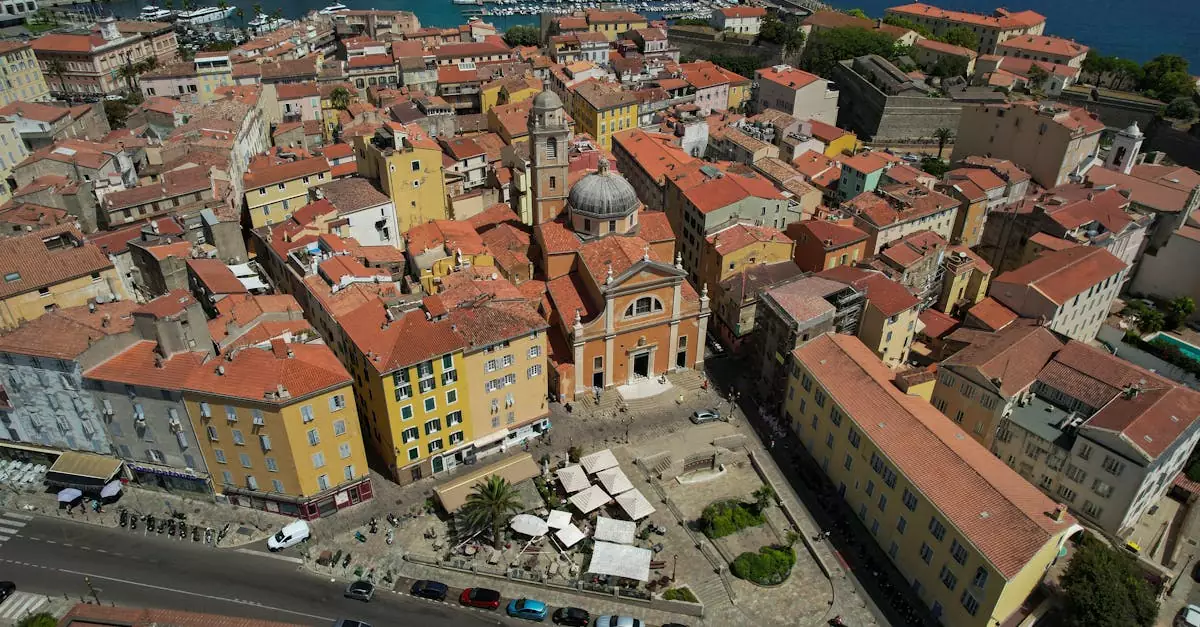
France’s stunning coastline offers a diverse range of experiences, from the glamorous French Riviera to the rugged Atlantic shores. Choosing the best coastal cities for a memorable trip depends on your priorities—be it vibrant nightlife, serene beaches, or rich cultural heritage. Here’s a look at some premier French seaside destinations catering to various travel styles.
Saint-Tropez: Jet-Set Glamour and Golden Beaches
Once a quiet fishing village, Saint-Tropez transformed into a playground for the rich and famous in the 1950s and 60s. Today, it retains its allure with designer boutiques, exclusive beach clubs, and a lively harbor filled with yachts. Beyond the glitz, the town offers beautiful sandy beaches like Pampelonne, renowned for its crystal-clear waters.
Getting to Saint-Tropez requires planning. The nearest major airport is Nice Côte d’Azur Airport (NCE), about a 90-minute to 2-hour drive away, depending on traffic. Alternatively, visitors can take a train to Saint-Raphaël and then a bus or ferry. During peak season, traffic can be challenging, so a ferry from Saint-Raphaël or Nice may be a more pleasant option. Accommodation ranges from luxurious villas to charming boutique hotels, but booking well in advance is essential, especially between June and August.
Cannes: Film Festival Vibes and Mediterranean Bliss
Famous for its annual film festival, Cannes exudes sophistication and glamour. The Boulevard de la Croisette, a palm-lined promenade, stretches along the bay, featuring high-end shops, grand hotels, and public beaches. While private beaches offer exclusivity, public stretches provide ample space for sunbathing and enjoying the Mediterranean Sea.
Cannes is easily accessible, with Nice Côte d’Azur Airport (NCE) being the closest international gateway. From the airport, you can take a direct train or a taxi to Cannes, a journey of about 30-40 minutes. The city itself is very walkable, especially around La Croisette and the old town, Le Suquet. Visiting in May during the film festival offers a unique buzz, though it means higher prices and larger crowds. Budget travelers might find more affordable options slightly away from the main promenade.
Nice: Promenade des Anglais and Vibrant Culture
Nice, the capital of the French Riviera, offers a compelling blend of Italianate architecture, a bustling old town (Vieux Nice), and the iconic Promenade des Anglais. This wide, pedestrianized walkway runs alongside the pebble beach, providing stunning views of the Baie des Anges. Unlike the sandy beaches of Saint-Tropez or Cannes, Nice’s beaches are pebbly, keeping the water exceptionally clear.
Nice is a major transport hub, with its international airport (NCE) located just a few kilometers from the city center. Public transport, including trams and buses, is efficient and affordable, making it easy to get around. Vieux Nice is a labyrinth of narrow streets filled with colorful markets, artisan shops, and traditional Niçoise restaurants serving local specialties like socca and salade niçoise. The city’s cultural offerings are rich, with numerous museums and art galleries, making it a great base for exploring other towns on the Riviera.
Biarritz: Surfing Paradise and Basque Charm
On the Atlantic coast, Biarritz presents a captivating French coastal experience. This elegant resort town, once a favorite of European royalty, is now a world-renowned surfing destination. Its wide, sandy beaches, like Grande Plage and Côte des Basques, attract surfers of all levels, while dramatic cliffs and the iconic Rocher de la Vierge offer breathtaking vistas.
Biarritz is served by Biarritz Pays Basque Airport (BIQ), with connections to major French and European cities. From the airport, it’s a short taxi or bus ride to the town center. The city has a distinct Basque identity, evident in its architecture, cuisine, and lively atmosphere, offering a more relaxed vibe compared to Riviera cities. For surfers, the best conditions are typically found in autumn and spring, while summer provides warmer weather for those who prefer to relax on the sand. Biarritz is also a gateway to exploring the wider Basque Country, including nearby Saint-Jean-de-Luz and the Spanish border.
| Destination | Beach Type | Vibe | Accessibility (from major airport) | Best For |
|---|---|---|---|---|
| Saint-Tropez | Sandy | Glamorous, Lively | 90-120 min (NCE) | Beach clubs, luxury, celebrity spotting |
| Cannes | Sandy (private) | Sophisticated, Chic | 30-40 min (NCE) | Film festival, high-end shopping, promenade |
| Nice | Pebbly | Vibrant, Cultural | 10-20 min (NCE) | City life, culture, scenic promenade |
| Biarritz | Sandy | Relaxed, Sporty | 10-20 min (BIQ) | Surfing, Basque culture, Atlantic scenery |
Exploring Historic Ports and Artistic Enclaves
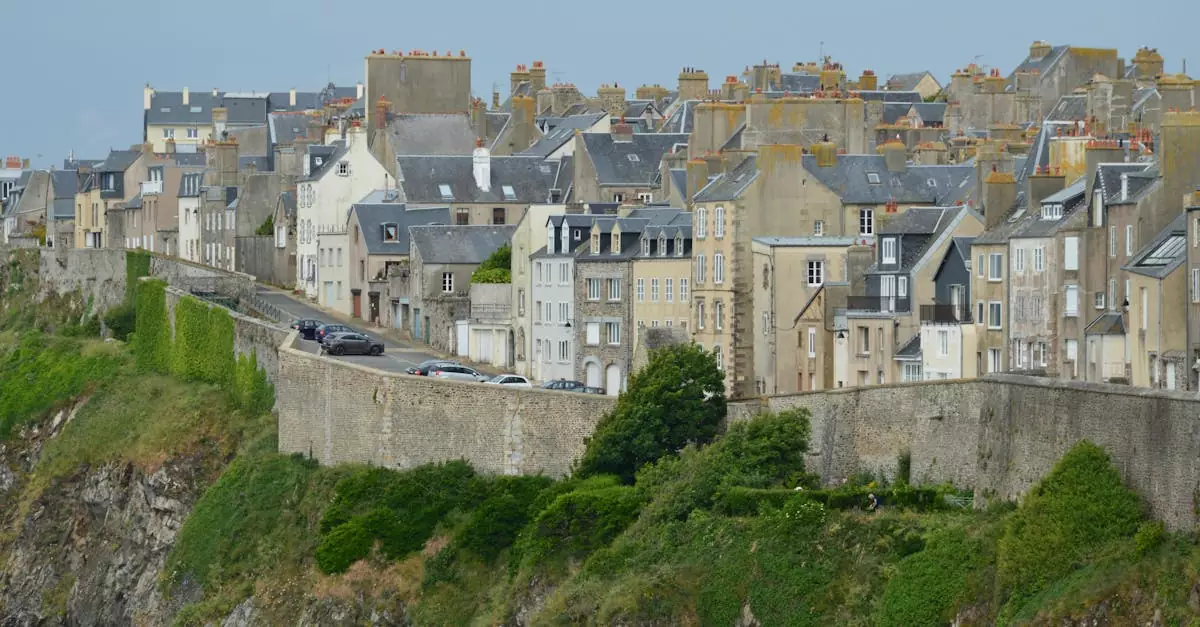
France boasts a remarkable array of coastal cities, each offering a unique blend of history, culture, and natural beauty. From the rugged shores of Brittany to the sun-drenched Mediterranean coast, these destinations provide captivating experiences for every traveler.
Saint-Malo: The Walled City of Corsairs in Brittany
Perched on a granite island in Brittany, Saint-Malo is a fortified city with a rich past as a base for privateers, or corsairs. Walking along its ramparts offers stunning views of the English Channel and surrounding islands. The historic intra-muros (within the walls) district features narrow streets, charming squares, and stone buildings.
Getting to Saint-Malo is straightforward. The nearest major airport is Rennes (RNS), about an hour’s drive away, or you can take a direct train from Paris Montparnasse to Saint-Malo station, a journey of about 2.5 hours. Within the city, exploration is best done on foot, as the historic center is largely pedestrianized. Consider visiting during the summer for the warmest weather, though spring and autumn offer fewer crowds.
Honfleur: Impressionist Art and Picturesque Harbor
Nestled on the estuary of the Seine River in Normandy, Honfleur captivates with its charming Vieux Bassin (Old Harbor), lined with tall, narrow houses. This picturesque setting has inspired many Impressionist painters, including Claude Monet and Eugène Boudin. The Sainte-Catherine church, built entirely of wood by shipwrights, is another significant landmark.
Honfleur is accessible by car, about a 2.5-hour drive from Paris. The closest train station is Deauville-Trouville, requiring a short bus or taxi ride to Honfleur. Its compact size makes it highly walkable, allowing visitors to discover its artistic heritage and enjoy the vibrant atmosphere of cafés and galleries. The city is delightful year-round, but spring and early autumn provide pleasant weather for strolling without the peak summer crowds.
La Rochelle: The Huguenot City with Towers and Islands
La Rochelle, on the Atlantic coast, is renowned for its historic harbor flanked by three medieval towers that once guarded the port entrance. This vibrant city has a strong Huguenot heritage, evident in its architecture and history. Beyond the city, the Île de Ré and Île d’Oléron offer beautiful beaches, charming villages, and opportunities for cycling and relaxation.
Travelers can reach La Rochelle by train from Paris, with direct TGV services taking around 3 hours. The city center is very walkable, and renting a bicycle is a popular and practical option for exploring the nearby islands. La Rochelle enjoys a mild climate, making it a pleasant destination in spring, summer, and early autumn.
Marseille: Vieux Port and Mediterranean Grit
As France’s second-largest city and its oldest, Marseille offers a dynamic Mediterranean experience centered around the bustling Vieux Port (Old Port). The city is a melting pot of cultures, with a raw, authentic energy. Beyond the harbor, the Basilique Notre-Dame de la Garde offers panoramic views, and the Calanques National Park provides stunning natural landscapes just a short trip away.
Marseille Provence Airport (MRS) serves as a major international gateway. The city has an extensive public transport system, including metro, trams, and buses, making navigation easy. While the Vieux Port area is lively and generally safe, it’s advisable to be aware of your surroundings, particularly in less touristy neighborhoods. Summer is hot and busy, while spring and autumn offer more comfortable temperatures for exploring this vibrant port city.
| City | Region | Key Attraction | Best Time to Visit | Transportation Ease |
|---|---|---|---|---|
| Saint-Malo | Brittany | Walled City, Ramparts | May-September | Train, Car |
| Honfleur | Normandy | Old Harbor, Impressionist Art | April-October | Car, Bus |
| La Rochelle | Nouvelle-Aquitaine | Medieval Towers, Île de Ré | May-September | Train, Bicycle |
| Marseille | Provence | Vieux Port, Calanques | April-October | Plane, Public Transit |
What’s the Best Time to Visit France’s Coastal Gems?
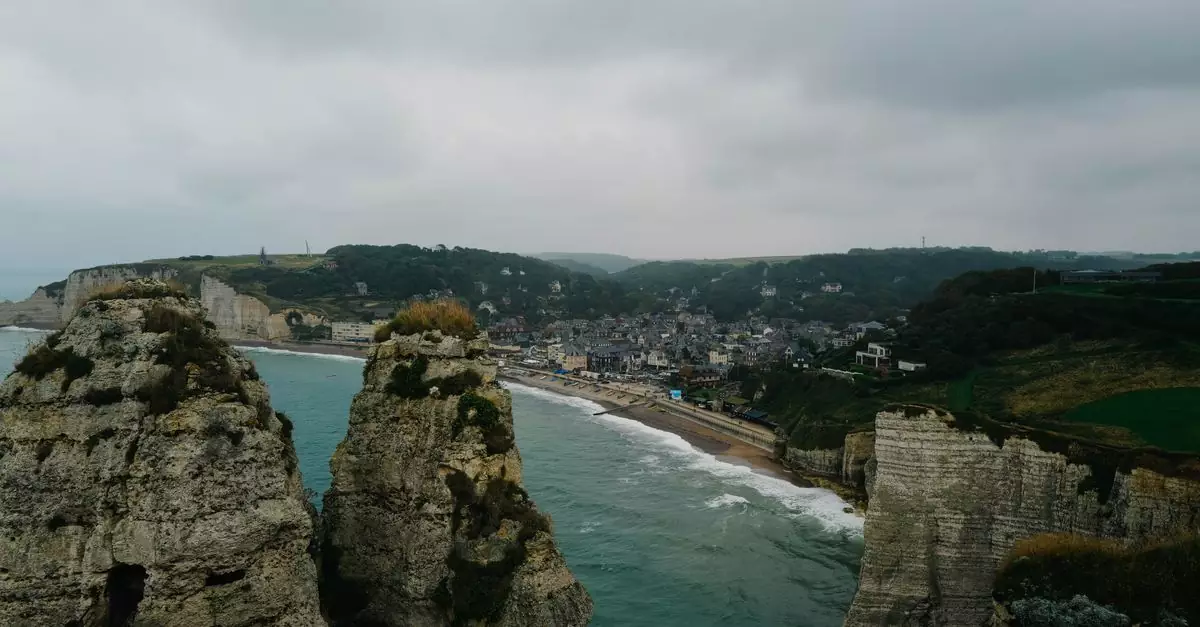
Choosing the right time to visit France’s stunning coastlines can significantly shape your experience. From bustling summer beaches to the quiet charm of the off-season, each period offers a distinct atmosphere and set of advantages for exploring these coastal cities.
Summer Crowds and Ideal Beach Weather (June-August)
The summer months, from June through August, provide the warmest temperatures and the most sunshine, making them perfect for beach lovers and those seeking classic seaside holidays. This is peak season across the French Riviera, Brittany, and the Normandy coast. Expect vibrant atmospheres in towns like Nice, Saint-Tropez, and Saint-Malo, with lively promenades and bustling markets. However, this popularity brings larger crowds and higher prices for accommodations and flights, so booking well in advance is essential. Beach activities, water sports, and outdoor festivals are at their peak, offering a full spectrum of summer entertainment.
Shoulder Season Advantages: Spring and Autumn (April-May, September-October)
For a more relaxed and often more affordable trip, consider visiting during the shoulder seasons of spring (April-May) or autumn (September-October). During these months, the weather is generally pleasant, with fewer tourists and more competitive pricing. Coastal towns like Honfleur or Cassis retain their charm without the intense summer crowds. Spring brings blooming wildflowers and vibrant energy, while autumn offers beautiful foliage and crisp days perfect for coastal walks and wine tasting in regions like the Languedoc coast. These periods are excellent for cultural exploration and enjoying the natural beauty at a more leisurely pace.
Winter Escapes: Cozy Towns and Off-Season Charm
Winter (November-March) transforms France’s coastal cities into quiet, intimate destinations. While beach weather is unlikely, the appeal shifts to cozy cafes, historical exploration, and experiencing local life away from tourist throngs. Cities like Biarritz offer dramatic winter waves for surfers, while the ports of Brittany showcase stark, beautiful maritime landscapes. Accommodation prices are at their lowest, allowing you to enjoy attractions with a more authentic feel. This season suits travelers seeking tranquility, dramatic scenery, and a deeper dive into regional culture.
Getting Around: Transportation Options for French Coastal Cities
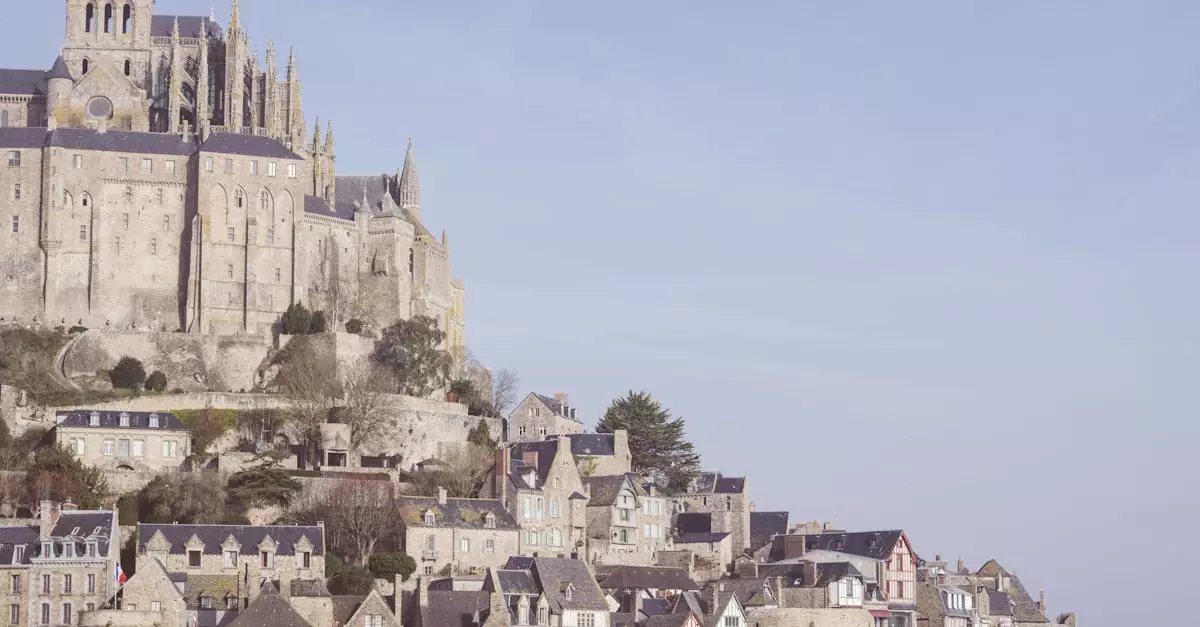
France’s diverse coastline offers a wealth of experiences, and reaching these charming ports and sun-drenched beaches is straightforward with various transportation options. Whether you prefer the efficiency of high-speed rail, the freedom of a road trip, or the convenience of local transit, planning your journey to the best coastal cities in France is an integral part of the adventure.
Navigating by Train: TGV and Regional Lines
The French national railway network, SNCF, provides an excellent way to travel between major coastal hubs and connect to smaller towns. High-speed TGV trains link cities like Paris to destinations such as Nice on the French Riviera or Bordeaux, with onward connections to coastal resorts. For localized travel, regional trains (TER) are invaluable, offering frequent departures and an intimate view of the landscapes. Booking tickets in advance, especially for TGV routes during peak season, is highly recommended to secure the best fares and ensure availability. Consider a France Rail Pass if you plan extensive travel across multiple regions.
Driving the Coastline: Scenic Routes and Car Rentals
Renting a car offers unparalleled flexibility for those wishing to explore the French coast at their own pace. Major airports and city centers have numerous car rental agencies. Driving allows for spontaneous detours to discover hidden coves, picturesque villages, and panoramic viewpoints that might be missed by public transport. Key scenic routes include the D-Day beaches in Normandy, the Corniche roads of the Côte d’Azur, and the winding paths of Brittany. Be aware of tolls on major highways (autoroutes) and varying parking availability in popular seaside towns, particularly during summer months.
Local Transport: Buses, Trams, and Ferries
Once you arrive in a coastal city, local public transportation makes getting around easy and affordable. Most larger towns and cities, such as Marseille, Nice, and Nantes, have comprehensive bus networks. Many also feature efficient tram systems, which are particularly useful for navigating urban centers and reaching waterfront areas. For destinations that require crossing bays, local ferries provide vital links, such as those operating from Toulon to the Îles d’Hyères or from Marseille to the Frioul Islands. Purchasing day passes or multi-trip tickets can offer cost savings for frequent use.
Flying into Key Coastal Airports
For travelers coming from further afield or looking to save time, flying into one of France’s coastal airports is a practical option. Major international gateways like Nice Côte d’Azur Airport (NCE) serve the glamorous French Riviera, while others like Nantes Atlantique Airport (NTE) or Bordeaux–Mérignac Airport (BOD) provide access to the Atlantic coast. Smaller regional airports along the coastline are often served by domestic flights or budget airlines. Upon arrival, airport shuttles, taxis, or rental cars are readily available to transport you to your accommodation or the city center.
Frequently Asked Questions About France’s Best Coastal Cities
What are the safest coastal cities in France for tourists?
Generally, France’s coastal cities are very safe for tourists. Major destinations like Nice, Cannes, and Saint-Malo have well-established tourism infrastructure and a visible police presence in popular areas. Petty theft can occur in crowded tourist spots, so it’s wise to remain aware of your surroundings, especially in markets or on public transport. Smaller towns and villages along the coast often feel even more secure due to their intimate community atmosphere. When visiting, sticking to well-lit and populated areas after dark is a standard precaution.
Which coastal cities are best for families with young children?
Several French coastal destinations cater well to families. Towns with gentle, sandy beaches and calm waters are ideal. Arcachon in Nouvelle-Aquitaine is an excellent example, featuring a wide, shallow bay and family-friendly activities like boat trips to the Dune of Pilat. The beaches around Royan on the Côte de Beauté also provide safe swimming conditions. For a classic resort feel with plenty of entertainment options, consider towns on the Côte d’Azur, though these can be busier and more expensive. Look for accommodations offering family suites or apartments for added convenience.
Can I find affordable accommodation in popular French coastal destinations?
Finding affordable accommodation in France’s best coastal cities depends heavily on timing and location. The Côte d’Azur (French Riviera) is notoriously expensive, especially during peak summer months (July and August). For more budget-friendly options, consider visiting during the shoulder seasons – spring (April-June) or autumn (September-October). Exploring towns slightly inland from the main beachfront or opting for vacation rentals instead of hotels can significantly reduce costs. Destinations like La Rochelle or cities in Brittany often offer better value than their southern counterparts.
Here’s a general comparison of accommodation costs:
| Region | Peak Season (July-Aug) | Shoulder Season (Apr-Jun, Sep-Oct) | Budget Tips |
|---|---|---|---|
| Côte d’Azur | $$$$ | $$$ | Stay further inland, book well in advance |
| Brittany | $$ | $ | Look for gîtes (holiday cottages), self-catering |
| Nouvelle-Aquitaine | $$ | $ | Consider apartments, explore smaller towns |
What unique local dishes should I try in each region?
Each coastal region of France boasts distinct culinary specialties.
- Brittany: Known for crêpes and galettes (savory buckwheat crêpes). Fresh seafood, particularly oysters from Cancale, and the traditional Kouign-amann, a rich, buttery pastry, are must-tries.
- Normandy: Renowned for its apples, leading to delicious cider and Calvados (apple brandy). Seafood is abundant, with mussels (moules marinières) and scallops being popular choices. Don’t miss Camembert cheese, a local staple.
- Nouvelle-Aquitaine: A seafood lover’s paradise, especially around Arcachon Bay, known for its oysters. You’ll also find excellent fish dishes and regional specialties like poulet basquaise.
- Côte d’Azur: Influenced by Mediterranean flavors, expect dishes like Salade Niçoise, Ratatouille, and Socca (a chickpea flour pancake). Fresh fish, grilled with herbs and olive oil, is a must-try.