Europe offers an unparalleled richness for travelers seeking vibrant artistic experiences and captivating sounds. If you’re dreaming of a journey filled with melody and creativity, discovering the best music and culture destinations in Europe is your first step. This guide will take you through cities where history whispers from ancient concert halls, modern beats pulse through lively districts, and artistic traditions flourish.
You’ll learn about iconic cultural hubs and hidden gems, immersing yourself in everything from classical opera and soulful Fado to electrifying electronic music and traditional folk performances. We’ll explore the unique atmosphere of each city, providing insights into what makes them stand out for music lovers and culture enthusiasts alike. Prepare to plan an unforgettable itinerary that resonates with the soul of Europe.
Discover Europe’s Premier Music & Culture Hubs
Europe pulsates with a rich tapestry of sounds and artistic expression, offering travelers an immersive journey through centuries of creativity. For those seeking the best music and culture destinations in Europe, the continent delivers unparalleled experiences, from avant-garde electronic beats to the timeless elegance of classical compositions and the passionate rhythms of traditional arts. Planning your itinerary around these vibrant cities ensures a deep dive into the continent’s soul.
Berlin: A Melting Pot of Electronic Music and Avant-Garde Art
Berlin stands as a global epicenter for electronic music and a thriving hub for contemporary art. Its post-reunification energy fueled a creative explosion, attracting artists, musicians, and free spirits. The city’s legendary techno clubs, like Berghain and Tresor, are institutions, offering marathon dance sessions that define the genre. Beyond the nightlife, Berlin’s cultural landscape is remarkably diverse. Numerous galleries showcase cutting-edge visual art, while experimental theater and performance art thrive in intimate venues across neighborhoods like Kreuzberg and Neukölln.
Getting around Berlin is straightforward, thanks to its extensive public transportation network, including the U-Bahn (subway), S-Bahn (urban rail), trams, and buses. Purchasing a day ticket or a multi-day pass is a cost-effective way to explore different districts. Accommodations range from budget-friendly hostels in vibrant areas to stylish boutique hotels and serviced apartments. Safety is generally high, but like any major city, exercising standard precautions is advisable, especially in crowded nightlife areas.
Vienna: Imperial Grandeur Meets Classical Music Heritage
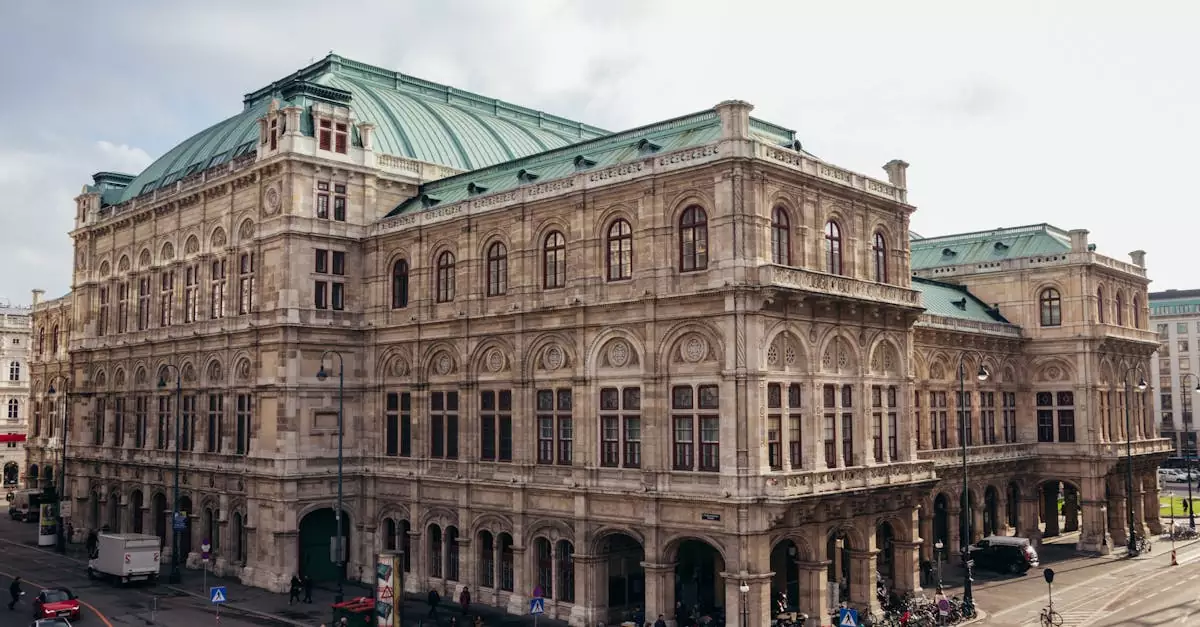
Vienna, the former imperial capital, resonates with the grandeur of its Habsburg past and a rich legacy in classical music. This city is synonymous with composers like Mozart, Beethoven, and Strauss, whose music continues to be celebrated in its magnificent concert halls. Attending a performance at the Vienna State Opera or the Musikverein, home of the Vienna Philharmonic, is essential for any music lover. The city also boasts world-class museums, opulent palaces like Schönbrunn and the Hofburg, and a café culture that has inspired artists and intellectuals for generations.
For travelers, Vienna offers excellent public transport, primarily its efficient subway (U-Bahn) and tram system. Consider purchasing a Vienna Pass for access to attractions and public transport. Accommodations cater to various budgets, with elegant historic hotels near the city center and modern options in developing districts. The city is known for its safety and cleanliness, making it a comfortable destination for solo travelers and families alike.
Seville: Flamenco Rhythms and Andalusian Artistic Traditions
Seville, the heart of Andalusia, captivates with its passionate flamenco performances, Moorish architecture, and vibrant street life. As the birthplace of flamenco, the city offers authentic experiences in intimate tablaos where dancers, singers, and guitarists pour their souls into every note and movement. Exploring the Alcázar of Seville, a stunning royal palace, and the Plaza de España provides a glimpse into the region’s rich artistic heritage, blending Islamic, Gothic, and Renaissance influences. The city’s lively tapas culture is an integral part of its social and cultural fabric, inviting visitors to savor local flavors in bustling bars.
Navigating Seville is best done on foot, as many of its charming attractions are concentrated in the historic Santa Cruz quarter. For longer distances, the city has a reliable bus system and a small metro line. Accommodations range from traditional boutique hotels in historic buildings to modern apartments. Seville is generally safe, though pickpocketing can occur in crowded tourist areas, particularly around major attractions. Visiting during spring or autumn offers pleasant weather for enjoying outdoor cultural events and exploring the city’s beauty.
Immerse Yourself in Local Music Scenes Beyond the Mainstream
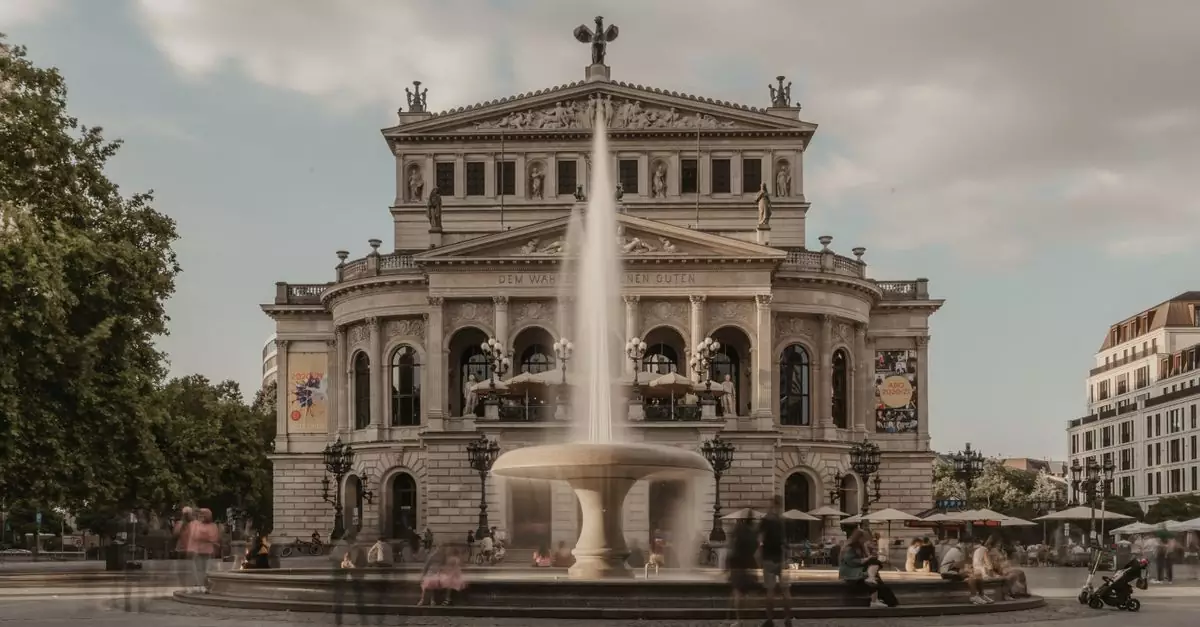
While grand opera houses and iconic rock festivals draw crowds, Europe’s most authentic musical experiences often lie in intimate, historically rich venues. For travelers seeking the best music and culture destinations in Europe, venturing beyond the well-trodden path reveals vibrant local scenes deeply connected to their heritage. Here, a single melody can tell a thousand stories, and the atmosphere is as captivating as the performance itself.
Lisbon’s Fado Houses in Alfama District
Lisbon’s Alfama district, a maze of narrow cobblestone streets, is the heartland of Fado music. This soulful genre, characterized by mournful melodies and poignant lyrics, originated in the city’s working-class neighborhoods. Visiting a traditional Fado house, or casa de fados, offers an unparalleled cultural immersion. These intimate venues, often family-run, serve traditional Portuguese cuisine and wine, creating a warm, communal atmosphere.
Performances typically begin late in the evening, after dinner service, with singers, known as fadistas, accompanied by Portuguese guitarists. The raw emotion conveyed by the fadistas is palpable, often leaving audiences spellbound. While some larger establishments cater to tourists, seeking out smaller, less advertised venues can provide a more authentic experience. Look for places where locals gather, often indicated by word-of-mouth or subtle signage.
Practical Tips for Fado in Alfama:
- Timing: Most Fado houses open for dinner around 8 PM, with performances starting around 10 PM and continuing into the early hours.
- Budget: Expect to pay €30-€60 per person, often including dinner and a drink. Some venues have a cover charge instead of a set menu.
- Reservations: Highly recommended, especially for popular venues, to secure a good spot.
Budapest’s Ruin Bars and Live Music Venues
Budapest has carved out a unique niche in the European nightlife scene with its innovative “ruin bars.” These eclectic establishments are set up in abandoned buildings, courtyards, and old factories, each with its distinct character and artistic flair. Beyond their visual appeal, many ruin bars host live music, ranging from jazz and blues to indie rock and electronic sets, making them vibrant hubs for discovering local talent.
Szimpla Kert, arguably the most famous ruin bar, often features live bands in its courtyard. Other venues like the Instant-Fogas complex offer multiple stages and rooms, showcasing a diverse array of musical acts. The atmosphere in these spaces is unpretentious and energetic, attracting a mix of locals and international visitors. It’s a fantastic way to experience Budapest’s contemporary culture while enjoying its burgeoning music scene.
Budapest Live Music Scene Snapshot:
| Venue Type | Music Genres Featured | Typical Atmosphere | Price Range (per person) |
|---|---|---|---|
| Ruin Bars | Indie, Electronic, Jazz, Local Bands | Bohemian, Energetic | €10-€30 (drinks/cover) |
| Jazz Clubs | Jazz, Blues, Funk | Intimate, Sophisticated | €15-€40 (entry/drinks) |
| Alternative Venues | Rock, Punk, Experimental | Gritty, Underground | €10-€25 (entry/drinks) |
Krakow’s Kazimierz Jewish Quarter Music and History
Krakow’s historic Kazimierz district, once the center of Jewish life in the city, is a poignant area that resonates with music and memory. Following centuries of vibrant Jewish culture, the quarter experienced devastation during World War II. Today, Kazimierz is a thriving hub where history is palpable, and music plays a vital role in its revival.
Numerous venues in Kazimierz offer live Klezmer music, the traditional Ashkenazi Jewish folk music known for its energetic and often melancholic melodies. Performances can be found in intimate restaurants, small bars, and cultural festivals. Attending a Klezmer concert here is not just a musical experience; it’s a journey through centuries of history and resilience. Beyond Klezmer, the district also hosts jazz clubs and contemporary music performances, reflecting the area’s dynamic cultural landscape.
Experiencing Kazimierz’s Soundscape:
- Klezmer Performances: Look for venues advertising “Klezmer music” or “Jewish music.” Many restaurants offer dinner with live music.
- Cultural Events: Check local listings for festivals or special events that often feature diverse musical performances.
- Atmosphere: Kazimierz is highly walkable, with many historic synagogues, charming cafes, and unique shops to discover between musical interludes.
What Are the Best Times to Experience Europe’s Cultural Festivals?
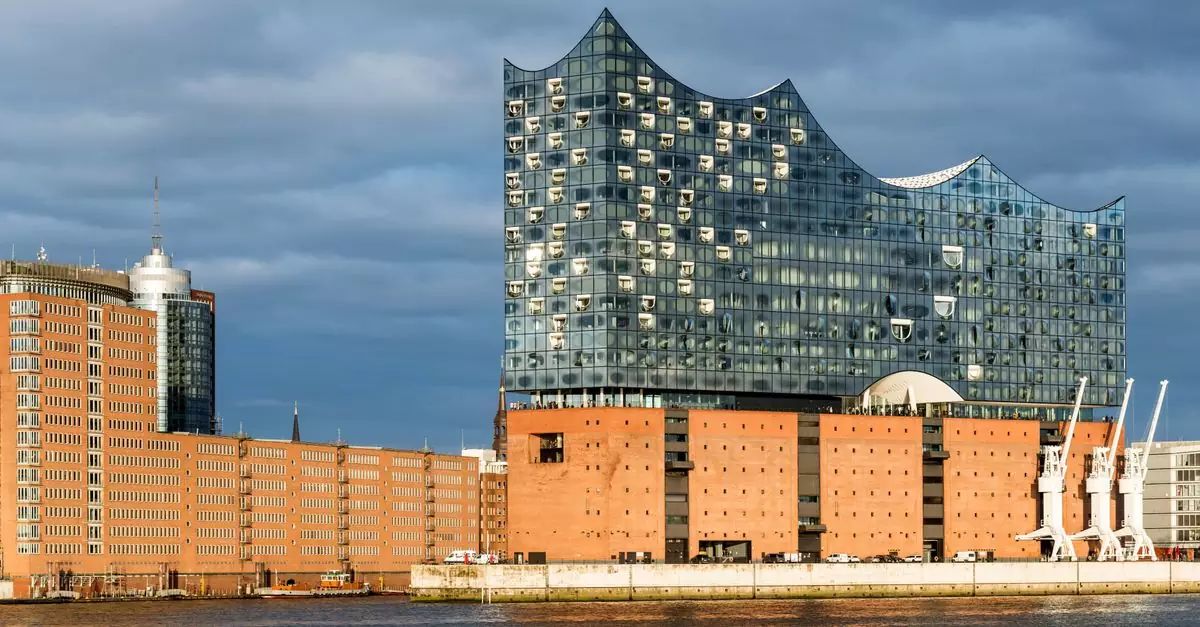
Timing your visit to Europe can dramatically enhance your cultural and musical experiences. Each season brings a unique array of events, from thundering summer music festivals to intimate winter holiday concerts. Understanding these seasonal offerings helps travelers plan around the best music and culture destinations in Europe and their vibrant event calendars.
Summer Music Festivals: From Glastonbury to Sziget
Summer is peak festival season across Europe, with major music events drawing hundreds of thousands. From late June through August, you can find everything from multi-genre mega-festivals to niche electronic or folk gatherings. Glastonbury in the UK, Sziget in Budapest, and Primavera Sound in Barcelona are just a few examples of the large-scale events that define the European summer music scene.
These festivals often require booking tickets and accommodation months in advance. Transportation to festival sites can involve trains, buses, or dedicated shuttle services, depending on the location. While the weather is generally warm, packing for rain is always advisable, especially for outdoor camping festivals. Budgeting for festival tickets, travel, food, and on-site expenses is crucial.
Spring & Autumn for Opera and Classical Performances
As the summer crowds dissipate, spring and autumn offer a more refined cultural experience, particularly for opera and classical music enthusiasts. Cities like Vienna, Salzburg, and Milan come alive with their respective opera seasons, often launching in September or October and running through spring. Many historic concert halls, such as the Musikverein in Vienna or La Scala in Milan, host world-class orchestras and soloists during these shoulder seasons.
These periods are also excellent for visiting smaller towns and cities that might be overshadowed during peak summer. The weather is typically mild, making it pleasant for exploring historical sites and attending performances. Booking tickets for popular opera or classical concerts should be done well in advance, especially for renowned venues or specific performances.
| City | Spring (Mar-May) | Autumn (Sep-Nov) |
|---|---|---|
| Vienna | Vienna State Opera, classical recitals | Vienna Philharmonic, New Year’s Concert prep |
| Salzburg | Easter Festival, chamber music | Salzburg Festival (late summer overlap), opera |
| Milan | La Scala season continues, smaller venues active | La Scala season begins, orchestral concerts |
| Paris | Opéra Garnier, Orchestre de Paris | Opéra Bastille, various classical series |
Winter Markets and Holiday Music Traditions
Winter in Europe transforms many cities into festive wonderlands, complete with Christmas markets and seasonal music. From late November through December, towns and cities across Germany, Austria, and Alsace in France are famous for their Christkindlmarkts, often accompanied by carols and brass band performances. Many European cities also host special holiday concerts in churches and concert halls.
Attending a Christmas market concert or a performance of Handel’s Messiah can be a magical experience. The weather will be cold, so warm clothing is essential. While many markets are free to enter, specific ticketed concerts will require advance booking. This season offers a more intimate cultural immersion, often focusing on traditional folk and religious music.
Navigating Your Cultural Journey: Transportation & Itinerary Tips
Planning a multi-city European music and culture tour requires strategic thinking about how to move between destinations and structure your time. Efficient transportation is key to maximizing your experience without feeling rushed.
High-Speed Rail for Efficient City Hopping
For many of the best music and culture destinations in Europe, the train network offers a comfortable and scenic way to travel. High-speed rail lines connect major cities like Paris, Brussels, Amsterdam, and Berlin, allowing you to cover significant distances in just a few hours. Trains often arrive directly in city centers, saving you time and money on airport transfers. Booking tickets in advance, especially for popular routes, can secure better prices and ensure availability. Consider purchasing a rail pass if you plan on making multiple train journeys across different countries.
Budget Airlines for Reaching Further Destinations
When your itinerary includes cities that are geographically further apart or not well-connected by rail, budget airlines can be a cost-effective option. Carriers like Ryanair, EasyJet, and Wizz Air offer extensive networks across the continent. However, be mindful of their strict baggage policies and the fact that many budget airports are located outside city centers, requiring additional time and expense for transfers. Always factor in the total cost and travel time, including getting to and from airports, when comparing flights with train travel.
Crafting a 7-Day Music Lover’s Itinerary: Berlin to Prague
A fantastic 7-day itinerary focusing on vibrant music scenes and rich cultural heritage could start in Berlin and end in Prague.
Day 1-3: Berlin, Germany
Begin your trip in Berlin, a city renowned for its diverse musical landscape, from classical opera houses to underground techno clubs. Spend your days visiting museums like the Pergamon Museum or exploring the East Side Gallery. Evenings can be dedicated to catching a performance at the Berlin Philharmonic or experiencing the legendary nightlife.Day 4-5: Dresden, Germany
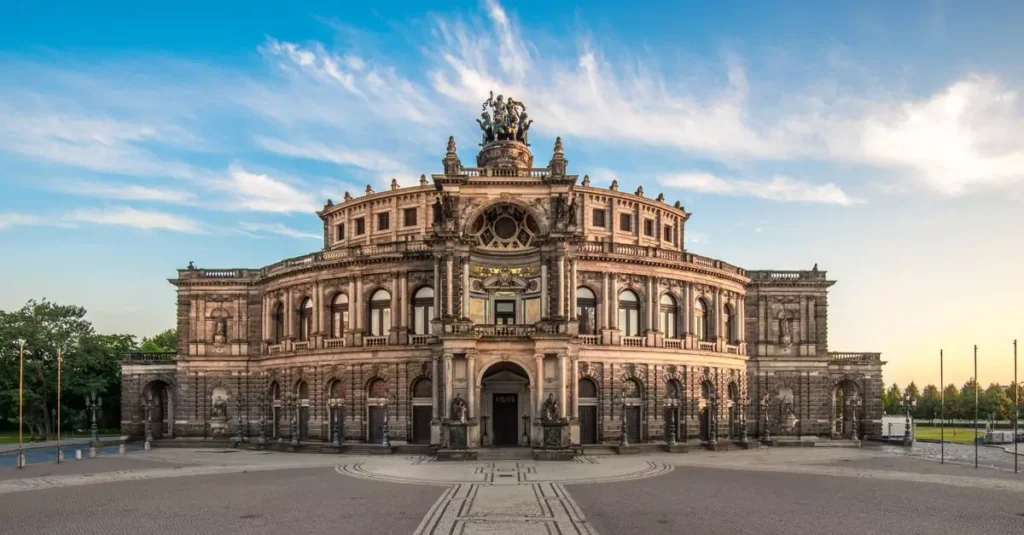
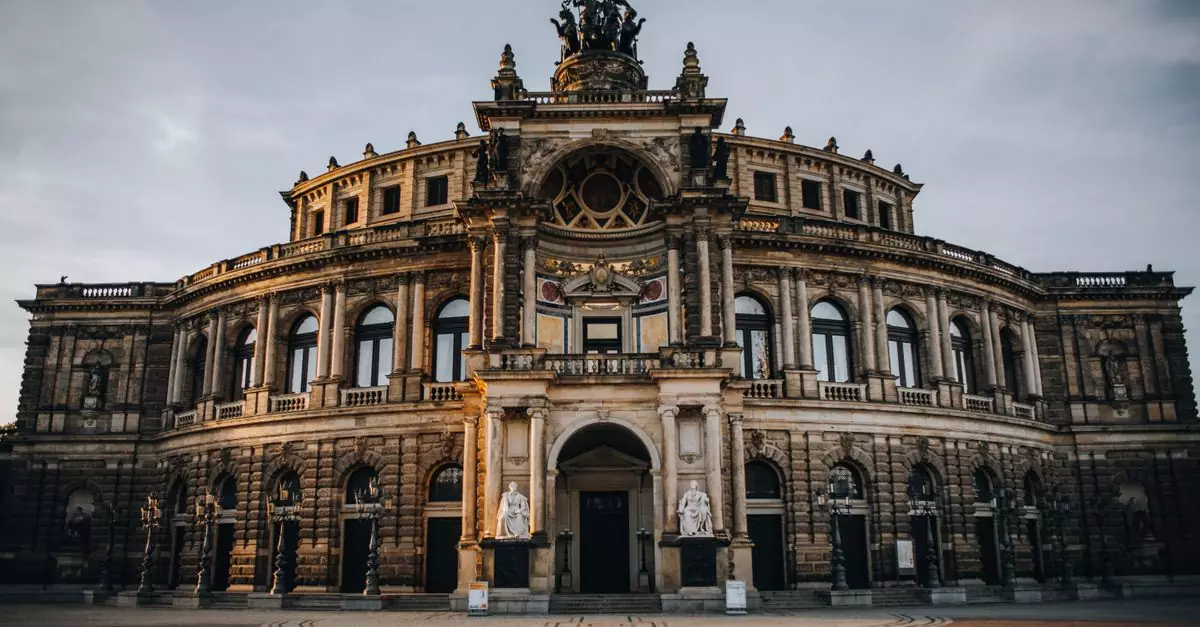
Take a scenic train ride from Berlin to Dresden, often called the “Florence on the Elbe.” This city boasts stunning Baroque architecture, including the Frauenkirche and the Zwinger Palace. Dresden also has a strong classical music tradition, with the Semperoper being a must-visit for opera and ballet enthusiasts.Day 6-7: Prague, Czech Republic
Conclude your journey in Prague, a city where history and music intertwine. Wander through the Old Town Square, cross the iconic Charles Bridge, and visit Prague Castle. Prague offers a rich classical music scene, with numerous concerts held in historic churches and concert halls. You can also find lively jazz clubs and folk music venues.
This route is well-served by both rail and bus connections, making it a practical and rewarding cultural exploration.
Exploring Neighborhoods Rich in Art and Local Flavor
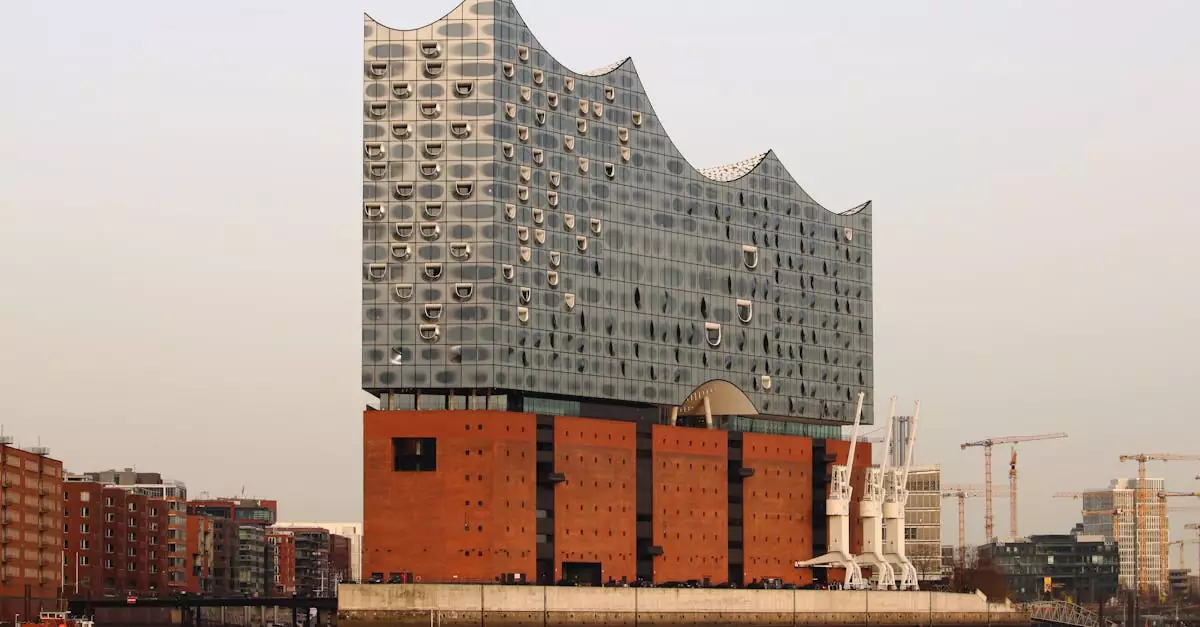
Beyond the grand landmarks, Europe’s soul often resides in its distinct neighborhoods. These areas offer deeper immersion into local life, a chance to stumble upon hidden artistic enclaves, and authentic culinary experiences that define a city’s character. For travelers seeking the best music and culture destinations in Europe, focusing on these vibrant districts provides a more intimate and rewarding journey.
Montmartre, Paris: Artistic History and Hidden Cafes
Perched on a hill overlooking Paris, Montmartre is synonymous with artistic heritage. Once home to Impressionist painters and bohemian writers, its winding cobblestone streets still echo with creative energy. The Sacré-Cœur Basilica offers breathtaking city views, but the real magic lies in exploring smaller squares like Place du Tertre, where artists set up their easels.
Wandering through Montmartre reveals charming cafes, independent galleries, and small theaters that preserve the area’s artistic spirit. It’s a place to get lost, discover quirky boutiques, and enjoy a coffee while soaking in the atmosphere that inspired Picasso and Toulouse-Lautrec. The neighborhood retains a village-like feel, a stark contrast to the grandeur of central Paris.
- Getting There: Metro lines 2 and 12 stop at Anvers and Abbesses respectively, both offering easy access to the heart of Montmartre. The Montmartre Funicular also provides a convenient ride up the hill.
- Best Time to Visit: Spring and early autumn offer pleasant weather for walking, though the area is lively year-round. Weekdays are generally less crowded than weekends.
- Local Tip: Seek out the lesser-known streets away from the main tourist paths for more authentic bakeries and artisan shops.
Gràcia, Barcelona: Bohemian Vibes and Independent Boutiques
Gràcia offers a refreshing departure from Barcelona’s bustling Gothic Quarter. This formerly independent town, now a distinct neighborhood, retains a strong sense of community and a distinctly bohemian character. Its many small plazas, like Plaça del Sol and Plaça de la Vila de Gràcia, serve as the neighborhood’s living rooms, filled with cafes, bars, and local chatter.
The streets of Gràcia are lined with independent boutiques, vintage stores, and artisan workshops, making it a fantastic spot for unique shopping finds. You’ll also discover a vibrant culinary scene, from traditional tapas bars to innovative restaurants. Gràcia’s cultural pulse is palpable, especially during its lively summer festivals.
- Transportation: The L3 (Green Line) metro with stops at Fontana or Lesseps is the most direct way to reach Gràcia. It’s also a walkable area once you arrive.
- Budget Considerations: While Gràcia has upscale options, it generally offers more affordable dining and shopping compared to more central tourist zones in Barcelona.
- Local Insight: Gràcia is particularly famous for its annual street festival in August, when residents decorate their streets with elaborate, themed displays.
Trastevere, Rome: Authentic Cuisine and Lively Piazzas
Across the Tiber River, Trastevere presents a picture-perfect Roman experience. This historic neighborhood is characterized by its narrow, ivy-clad alleyways, terracotta-hued buildings, and a lively atmosphere that comes alive in the evenings. It’s a district where locals and visitors mingle in its many trattorias and bustling piazzas.
Trastevere is renowned for its authentic Roman cuisine. From classic cacio e pepe to supplì, the food here is hearty and delicious. Piazza di Santa Maria in Trastevere, with its beautiful basilica, is a central hub for evening gatherings. Exploring its side streets reveals artisan shops and small churches that offer moments of quiet contemplation amidst the energy.
- Logistics: Trastevere is easily accessible by tram (line 8) or bus. It’s also a very walkable neighborhood, with many attractions located within a short distance of each other.
- Safety: While generally safe and vibrant, be mindful of your belongings in crowded piazzas, especially at night, as you would in any popular European district.
- Accommodation: Staying in Trastevere puts you in the heart of the action, with charming guesthouses and boutique hotels available, though booking in advance is recommended.
Frequently Asked Questions About Music and Culture Travel in Europe
What’s the average budget for a cultural trip to Europe?
Budgeting for a European cultural journey depends heavily on your travel style and destination choices. Major Western European capitals like Paris or London generally require a higher daily spend than cities in Eastern or Southern Europe. Expect to budget anywhere from €75 to €200 per person per day, covering accommodation, food, transport, and activities. This range can fluctuate based on whether you opt for luxury hotels or budget hostels, fine dining or local eateries, and pre-booked tours versus independent exploration. Planning your itinerary around free cultural events or off-season travel can significantly reduce costs.
Are these destinations safe for solo travelers interested in music?
Most of the best music and culture destinations in Europe are very safe for solo travelers. Cities like Vienna, known for its classical heritage, and Amsterdam, with its vibrant jazz scene, consistently rank high for safety. As with any urban environment, it’s wise to be aware of your surroundings, especially in crowded tourist areas or at night. Keeping valuables secure and sticking to well-lit, populated streets are standard precautions. Many travelers find solo exploration in these cultural hubs empowering and enjoyable.
What local foods should I try in each cultural hotspot?
Each European cultural hotspot offers unique culinary experiences. In Vienna, don’t miss Wiener Schnitzel and Sachertorte, best enjoyed in a traditional Kaffeehaus. Amsterdam’s culinary scene includes stroopwafels and rijsttafel, a Dutch-Indonesian feast. For a taste of Spanish culture, try tapas and paella in cities like Barcelona or Madrid, often accompanied by live flamenco music. Exploring local markets is a fantastic way to sample regional specialties and understand the local food culture.