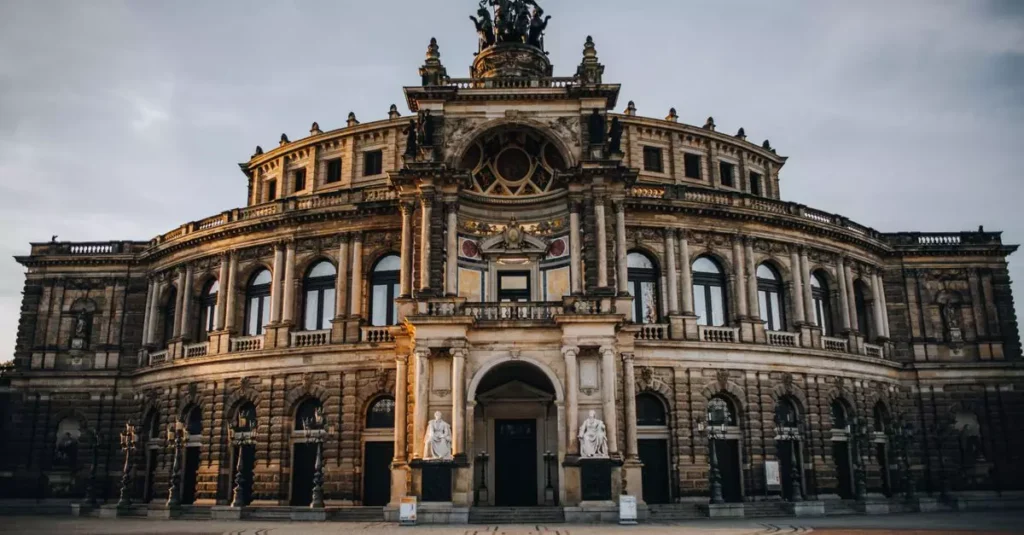
For those who find magic in soaring arias and dramatic overtures, Europe offers a symphony of unforgettable experiences. This guide delves into the best opera cities in Europe, revealing destinations where a passion for music is woven into the very fabric of each city. You’ll discover iconic opera houses that have graced stages for centuries, along with hidden gems and practical tips for enjoying world-class performances.
We’ll explore the imperial grandeur of Vienna, the timeless elegance of Milan’s La Scala, and the contrasting styles of Paris’s historic Palais Garnier and modern Opéra Bastille. Beyond these titans, we uncover budget-friendly havens in Prague and Budapest, along with the passionate traditions of Southern Italy in Rome and Naples. Prepare to immerse yourself in the melodies and masterpieces that define Europe’s vibrant operatic landscape.
Vienna: The Imperial Capital of Classical Music
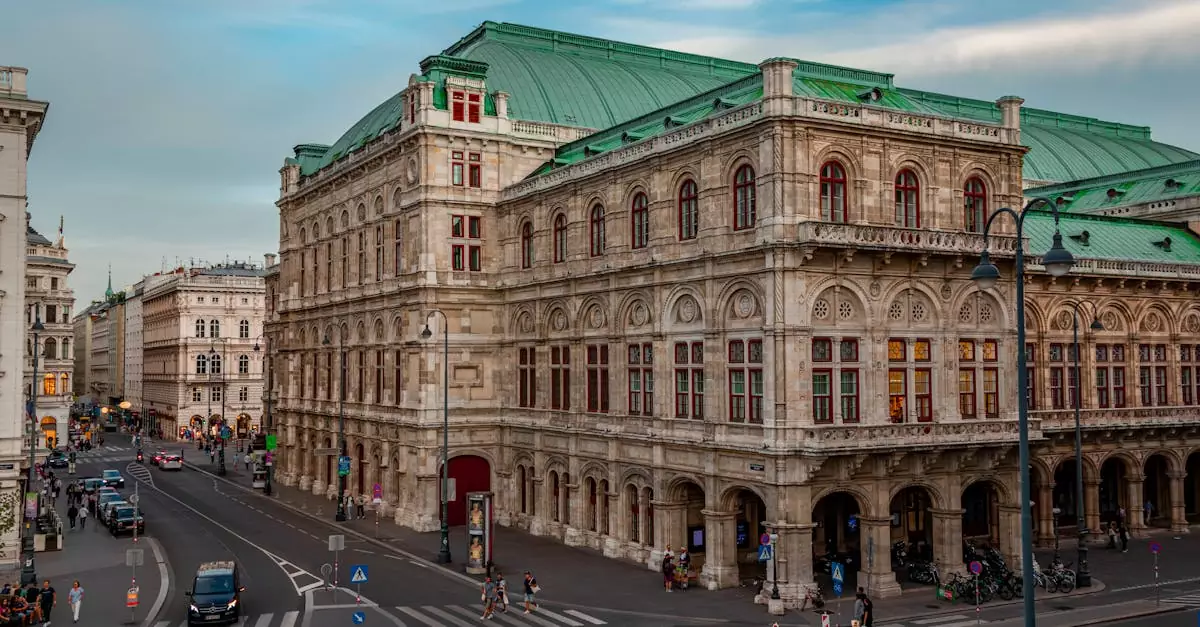
Vienna is a paramount destination for opera enthusiasts, where musical history is actively lived. Its imperial past has cultivated a deep appreciation for the performing arts, particularly opera and classical music. This rich heritage makes it one of the best opera cities in Europe, offering consistently high standards of performance and a wealth of historical sites linked to its musical giants.
Experience a Performance at the Vienna State Opera
Attending a performance at the Vienna State Opera (Wiener Staatsoper) is a quintessential Viennese experience. This magnificent opera house, a neo-Renaissance masterpiece, hosts an astonishing number of performances each season, often featuring a different opera or ballet nearly every night. For budget-conscious travelers, standing room tickets offer a remarkably affordable way to witness world-class productions, typically released a few hours before the performance. Arriving early is advisable.
The sheer volume of productions means there’s always something to see, from beloved classics to contemporary works. The theater’s opulent interiors and stunning acoustics enhance the experience. Booking tickets in advance is recommended, especially for popular performances or premieres, although the standing room option provides flexibility.
- Ticket Purchase: Online in advance, or standing room tickets released daily.
- Budget Tip: Standing room tickets can cost as little as €10.
- Dress Code: Smart casual is appropriate for seated tickets, while standing room is less strictly enforced.
Explore the Historic Musikverein and Konzerthaus
Beyond the State Opera, Vienna boasts other significant venues that contribute to its status as a leading city for classical music. The Musikverein, famous for its Golden Hall, is home to the Vienna Philharmonic Orchestra and is renowned for its perfect acoustics, making it a dream venue for any classical music lover. The Konzerthaus, another architectural gem, hosts a diverse range of concerts, from orchestral performances to chamber music and recitals.
These institutions offer a more intimate concert experience compared to the grand opera house and are vital hubs for Viennese musical life, presenting a continuous schedule of concerts throughout the year. Visiting these venues, even without attending a performance, provides a tangible connection to the city’s musical soul. Guided tours delve into their history and architectural significance.
Discover Mozart and Strauss’s Vienna
Vienna’s musical legacy is inextricably linked to its most famous composers, particularly Wolfgang Amadeus Mozart and the Strauss family. You can trace their footsteps through the city, visiting residences and significant landmarks. Mozart’s apartment in the Domgasse, known as the “Figarohaus,” offers a glimpse into his life during his most productive years in Vienna.
The city’s embrace of Strauss is evident in its numerous Strauss concerts, often featuring the waltz, a genre he masterfully popularized. These concerts, frequently held in historic palaces, provide a delightful introduction to Viennese musical traditions. For a deeper dive, consider visiting the Central Cemetery (Zentralfriedhof), where the graves of Beethoven, Brahms, Schubert, and Johann Strauss are located, alongside a memorial to Mozart. Exploring these sites offers profound insights into the artistic environment that nurtured such extraordinary talent.
Milan: La Scala’s Enduring Legacy and Lombardy’s Melodrama
Milan stands as a titan among Europe’s opera cities, its heart beating in rhythm with the legendary Teatro alla Scala. For centuries, La Scala has been the stage for world premieres and the proving ground for operatic legends. Attending a performance here is more than just a night out; it’s an immersion into a rich cultural tapestry woven with dramatic scores and unparalleled vocal artistry.
Attending a Show at Teatro alla Scala
Securing tickets for a performance at La Scala requires planning, especially for popular productions. The opera season typically runs from December to October, with a summer break. Booking well in advance—often six months or more—is advisable for prime seats. For a more spontaneous experience, a limited number of standing-room tickets, known as “loggione,” are usually released on the day of the performance. These offer an affordable way to experience the magic, but require arriving early and standing for the duration.
The dress code at La Scala leans towards elegant attire. While formal wear isn’t strictly mandatory for all performances, many patrons opt for smart dresses, suits, or at least smart casual wear, particularly for opening nights or gala events. Arriving at least 30 minutes before the curtain rises allows time to soak in the opulent atmosphere of the theatre’s foyer and auditorium. The nearest metro station, Duomo (M1 and M3 lines), provides easy access from most parts of the city.
Beyond La Scala: Smaller Opera Houses in Milan
While La Scala dominates the Milanese opera scene, the city offers other venues for operatic experiences. Smaller theaters and cultural centers occasionally host opera productions, often featuring emerging artists or more experimental programming. These can provide a more intimate setting and a different perspective on the art form. Keep an eye on local listings for venues like the Piccolo Teatro or the Blue Note Milano, which sometimes feature operatic or vocal performances.
These alternative venues can be particularly appealing for travelers seeking less formal or more budget-friendly options. They often showcase the vibrant, evolving nature of opera within Italy. Checking the websites of Milan’s cultural institutions or local event guides a few weeks before your visit is the best way to discover these hidden gems.
Opera-Inspired Culinary Delights in Milan
Milan’s connection to opera extends beyond the stage, influencing its culinary landscape. The city is renowned for its sophisticated dining, and many restaurants offer an ambiance that complements the operatic experience. After a performance at La Scala, consider a late dinner in the Brera district, known for its charming trattorias and upscale eateries.
Dishes that reflect Lombardy’s rich gastronomic heritage are a must-try. Look for regional specialties such as Risotto alla Milanese, a creamy saffron-infused rice dish, or Cotoletta alla Milanese, a breaded veal cutlet. Pairing these with a glass of Franciacorta, a sparkling wine from the nearby region, can elevate the meal into a truly memorable occasion. For a pre-opera aperitivo, many bars around the Duomo offer sophisticated cocktails and light bites, setting the perfect tone for an evening of musical splendor.
Paris: From Palais Garnier’s Grandeur to Opéra Bastille’s Modernity
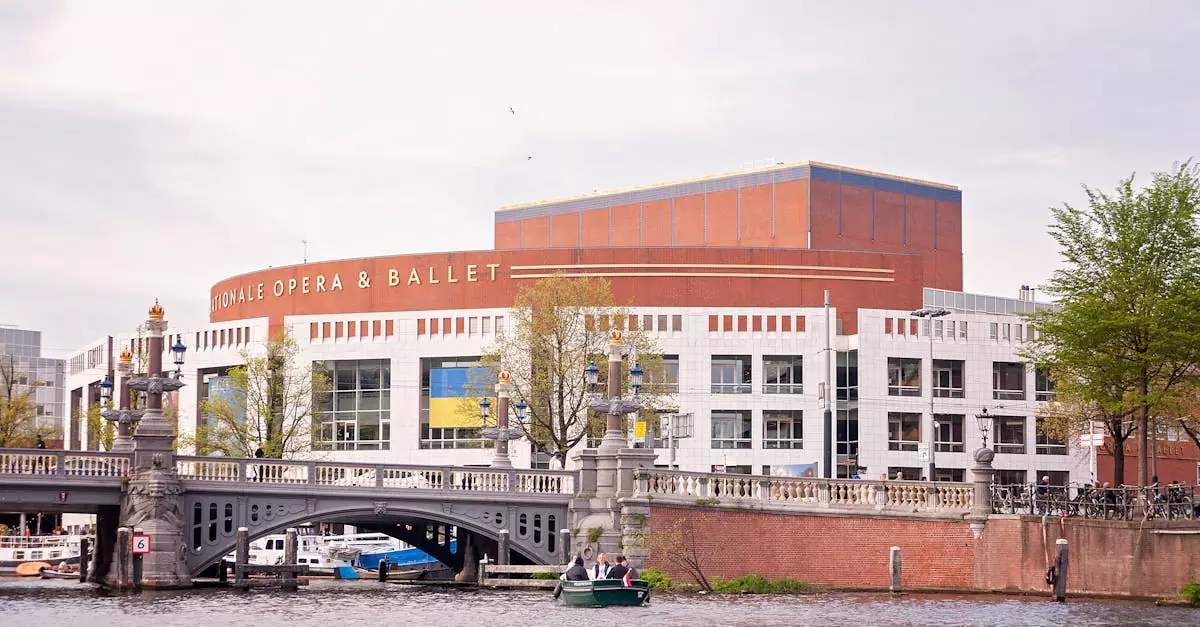
Paris stands as a colossus among Europe’s opera cities, offering a dualistic experience that caters to both lovers of historic splendor and admirers of contemporary design. The city’s commitment to the performing arts is evident in its iconic opera houses, each with a distinct character and rich artistic heritage. Planning a visit to experience Parisian opera involves understanding the unique offerings of its main venues and exploring the broader cultural landscape for more intimate encounters.
A Night at the Opulent Palais Garnier
Stepping into the Palais Garnier is like entering a gilded dream. This masterpiece of 19th-century architecture, commissioned by Napoleon III, is renowned for its lavish interiors, including a grand staircase, opulent foyers, and a ceiling famously painted by Marc Chagall. Attending a performance here is as much about the visual spectacle as it is about the music. The acoustics are exceptional, and the sheer magnificence of the auditorium creates an unforgettable atmosphere.
Tickets for performances at the Palais Garnier can vary significantly depending on seat location and the production’s prominence. Booking well in advance is crucial, especially for popular ballets and operas. Consider arriving early to explore the public areas of the opera house, which are often open for visitors even outside of performance times. The nearest Métro stations are Opéra (Lines 3, 7, 8) and Chaussée d’Antin – La Fayette (Lines 2, 7, 9).
Modern Marvels at Opéra Bastille
In contrast to the historic grandeur of Palais Garnier, the Opéra Bastille represents Paris’s commitment to modern opera and ballet. Opened in 1989, this striking contemporary structure, designed by Carlos Ott, features a minimalist aesthetic with vast glass facades and a dramatic, sweeping auditorium. It was conceived to make opera more accessible and to house larger-scale productions.
The Opéra Bastille hosts a diverse repertoire, often featuring innovative staging and a focus on contemporary works alongside classics. Its modern facilities offer excellent sightlines and acoustics, providing a different but equally compelling operatic experience. Performances here tend to be slightly more affordable than at the Palais Garnier, making it an attractive option for budget-conscious travelers. The venue is easily accessible via the Bastille Métro station, serving Lines 1, 5, and 8.
Discovering Paris’s Intimate Opera Venues
Beyond the two major state-funded opera houses, Paris boasts a vibrant scene of smaller theaters and concert halls that present opera and classical music in more intimate settings. Venues like the Théâtre des Champs-Élysées, Théâtre du Châtelet, and Salle Pleyel often host chamber opera, recitals, and concerts by renowned artists. These smaller performances can offer a more personal connection to the music and a chance to discover emerging talent.
Exploring these alternative venues is rewarding for those seeking a less formal or more niche operatic experience. They provide a different perspective on the city’s musical life and are often located in charming neighborhoods, allowing for an evening of culture followed by a stroll through Parisian streets. Checking the schedules of these various theaters in advance is recommended, as their programming can be varied and seasonal. Many are within walking distance of Métro stations, making them easy to reach.
Which European Cities Offer the Most Affordable Opera Tickets?
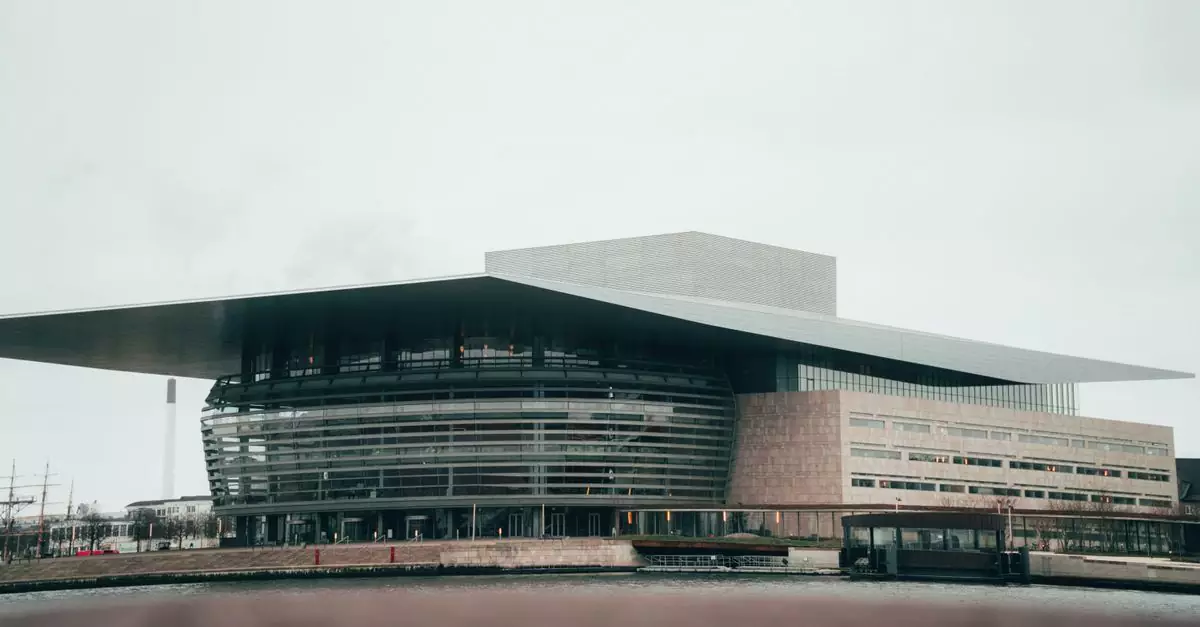
While grand opera houses in Western Europe often command premium prices, several Central European cities provide exceptional operatic experiences without breaking the bank. These destinations are among the best opera cities in Europe for budget-conscious travelers seeking world-class performances.
Budget-Friendly Opera Experiences in Prague
Prague offers a surprisingly accessible opera scene, especially considering its rich musical heritage. The Estates Theatre, where Mozart himself conducted, and the National Theatre regularly feature performances. Tickets can often be found for a fraction of the cost compared to those in London or Paris.
Many visitors find that booking tickets a few weeks in advance, especially for less-famous productions or during shoulder seasons, yields the best prices. Consider seats in the upper galleries for significant savings, offering a good vantage point without the premium price tag. Attending a matinee performance can also sometimes be more affordable than an evening show.
Affordable Performances in Budapest
Budapest stands out as another gem among the best opera cities in Europe for affordability. The magnificent Hungarian State Opera House, though a stunning architectural marvel, offers tickets that are remarkably reasonable. The quality of the productions remains exceptionally high, featuring renowned singers and orchestras.
For those looking to find deals on opera tickets across Europe, Budapest is a prime example. Prices can vary significantly based on the opera and seating location. Checking the official venue website regularly, particularly outside of peak tourist season, is key to securing good value. Last-minute ticket availability is less common for major performances, so planning ahead is advisable.
Finding Deals on Opera Tickets Across Europe
Securing affordable opera tickets across Europe involves a strategic approach. Beyond Prague and Budapest, cities like Warsaw and even some venues in Vienna can offer more budget-friendly options than their more famous counterparts. Researching smaller, regional opera houses can also uncover hidden treasures and lower prices.
Here’s a quick comparison of typical ticket price ranges for standing room or upper-tier seats in select European cities (prices are approximate and subject to change):
| City | Venue Example | Avg. Price Range (EUR) | Notes |
|---|---|---|---|
| Prague | Estates Theatre | €20 – €60 | Good value, historical setting |
| Budapest | Hungarian State Opera | €25 – €70 | High quality, stunning architecture |
| Vienna | Volksoper (less formal) | €30 – €80 | More accessible than the State Opera |
| Berlin | Komische Oper | €35 – €90 | Modern productions, diverse repertoire |
| Paris | Opéra Bastille | €50 – €120 | Can find deals for less popular shows |
When searching for deals on opera tickets across Europe, always check the official ticketing websites of the opera houses directly. Third-party resellers often add significant markups. Consider purchasing a “standing ticket” if available; these are usually the cheapest option and offer an authentic, albeit less comfortable, opera-going experience. Traveling during the off-season, typically from November to March (excluding holidays), can also lead to lower ticket prices and accommodation costs.
Rome and Naples: Southern Italy’s Passionate Operatic Traditions
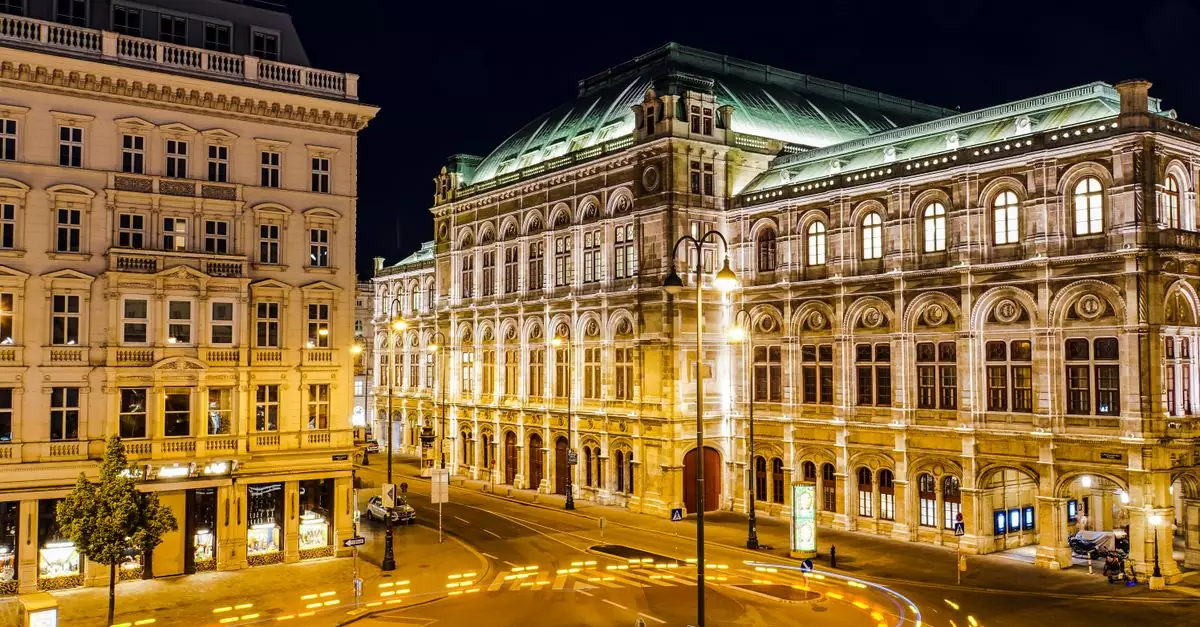
Southern Italy pulsates with a rich operatic heritage, blending grand spectacle with raw, emotional performance. Rome and Naples, two of the region’s most iconic cities, offer distinct yet equally captivating encounters with this art form. Traveling between them is straightforward, allowing you to experience the diverse operatic landscapes of this vibrant part of Europe.
Teatro dell’Opera di Roma: A Roman Spectacle
The Teatro dell’Opera di Roma, established in 1880, stands as a testament to Italy’s enduring love for opera. Its opulent interiors and impressive stage have hosted legendary performers and premiered significant works. The season typically runs from autumn through spring, offering a robust schedule of both classic masterpieces and contemporary productions.
Attending a performance here is a full sensory experience. The theater, with its gilded decorations and plush seating, evokes an era of grand artistic endeavors. Beyond the main stage, the opera house sometimes hosts intimate concerts or recitals in smaller venues, providing diverse ways to engage with the music. Booking tickets in advance is advisable, especially for popular performances, as the Teatro dell’Opera di Roma attracts a discerning international audience.
The Historic Teatro di San Carlo in Naples
Naples boasts the Teatro di San Carlo, one of the oldest continuously active opera houses in the world, dating back to 1737. Its sheer history is palpable from the moment you step inside. This grand theater has been a crucible for Neapolitan opera and a launching pad for many operatic careers.
The San Carlo’s season also spans from fall to spring, showcasing a repertoire that often emphasizes the Italian bel canto tradition. The acoustics are renowned, offering an unparalleled listening experience. While Rome offers grandiosity, Naples provides a more intimate, historically steeped connection to opera’s roots. The city’s passionate spirit is often reflected in its operatic performances, delivering an intensity that resonates long after the final curtain.
Exploring Opera History in the Eternal City and Bay of Naples
Understanding the historical context enriches any operatic journey. Rome, as the capital of Italy, has always been a center for the arts, and its opera house reflects this. From the papal courts to the modern era, musical performance has been integral to Roman cultural life.
Naples, with the Teatro di San Carlo at its heart, was a powerhouse of opera in the 18th and 19th centuries. Composers like Rossini and Bellini premiered works here, solidifying its reputation. Exploring the surrounding region, perhaps with a day trip to Pompeii or Herculaneum, offers a broader perspective on the historical backdrop against which this music evolved.
Traveler Tips for Southern Italy Opera:
- Best Time to Visit: September to May offers the full opera season. Summer months may have limited performances, often outdoors.
- Getting Around: High-speed trains connect Rome and Naples efficiently, making a multi-city opera trip feasible. Within each city, public transport and taxis are readily available.
- Ticket Booking: Purchase tickets online directly from the opera house websites well in advance for the best selection and prices.
- Dress Code: While formal attire is not strictly required for most performances, smart casual is recommended, especially for the orchestra stalls.
Frequently Asked Questions About Visiting Europe’s Best Opera Cities
What is the best time of year to visit Europe for opera?
The opera season in Europe generally runs from September through June. Many major houses offer their most prestigious performances and new productions during the autumn and winter months. However, summer also presents opportunities, especially at open-air festivals like the Arena di Verona Opera Festival. For the widest selection and the highest likelihood of seeing renowned artists, aim for the period between October and April. Consider checking specific theater schedules well in advance, as popular performances can sell out quickly.
How do I book opera tickets in advance?
Booking opera tickets in advance is highly recommended, especially for performances at renowned venues or by famous singers. Most opera houses have official websites where you can purchase tickets directly. Many also partner with reputable ticketing platforms. For popular productions, booking several months ahead is often necessary. Some theaters offer tiered pricing, with premium seats being the most expensive. Consider subscribing to newsletters from your favorite opera houses to receive alerts about upcoming seasons and early booking opportunities.
What are some common tourist mistakes to avoid when attending opera in Europe?
A common mistake is underestimating the dress code. While not every performance requires formal attire, many opera-goers dress smartly, especially for premieres or special events. Aim for smart casual at a minimum; a jacket for men and a dress or elegant separates for women are often appropriate. Another pitfall is arriving late; latecomers are typically not admitted until the first intermission to avoid disrupting the performance. Familiarize yourself with the opera’s plot beforehand, if possible, as librettos are usually in the original language and supertitles may not always be available or easy to follow. Finally, be aware of photography and recording policies, as unauthorized use can lead to removal from the venue.