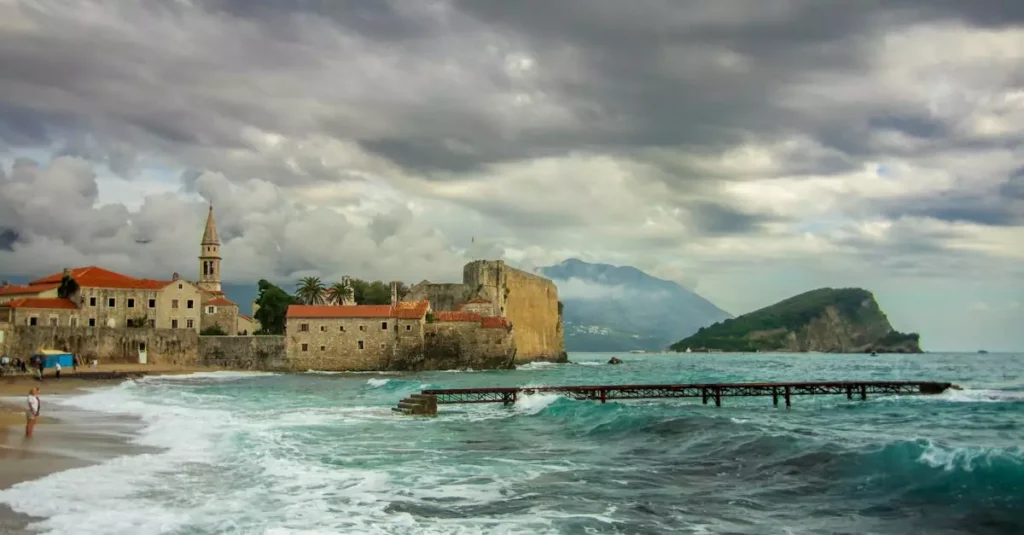
Europe offers a captivating blend of sun-drenched coastlines and rich historical tapestries, making the best cultural beach towns in Europe a perfect blend of history and seaside charm. For travelers seeking more than just sand and sea, these unique destinations provide a deep dive into centuries of art, architecture, and local traditions, all near the continent’s sparkling waters.
This article will guide you through some of Europe’s most enchanting coastal gems. Discover towns where ancient ruins meet the ocean, where artistic legacies thrive in charming villages, and where vibrant local cultures coexist with beautiful beaches. Prepare to explore destinations that offer a multifaceted European vacation, merging relaxation with enriching historical discovery.
Top Cultural Beach Towns in Southern Europe for History Buffs
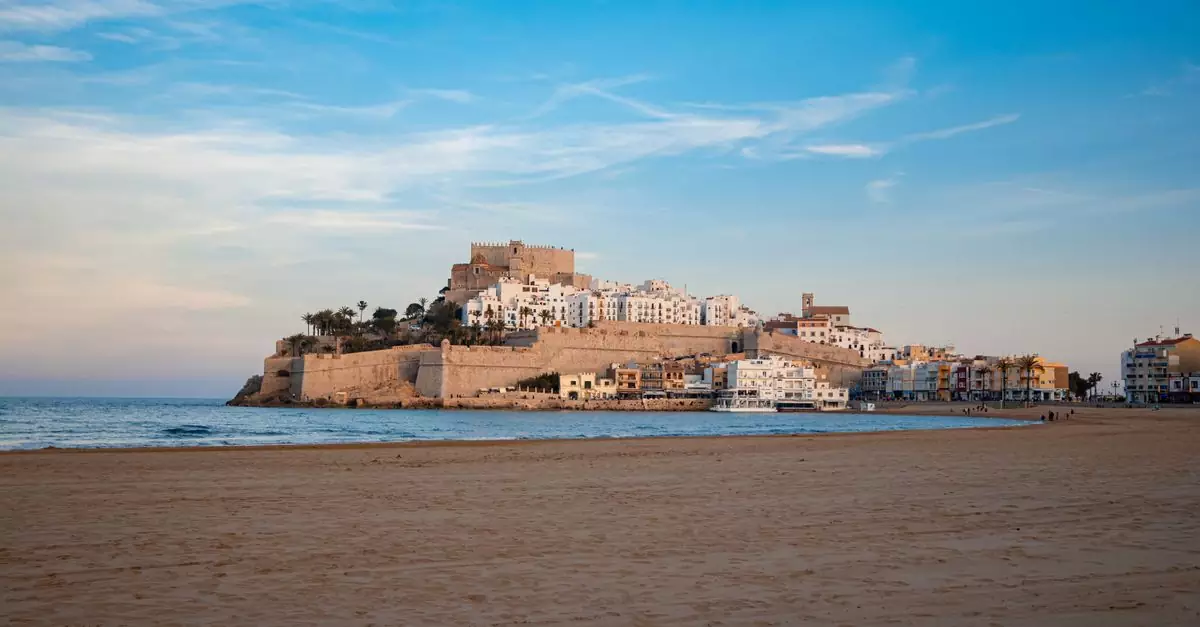
Southern Europe features a captivating mix of sun-drenched coastlines and rich historical narratives. For those seeking more than just sand and sea, these cultural beach towns offer a deep dive into centuries of history, art, and architecture, all within easy reach of the Mediterranean’s sparkling waters.
Otranto, Italy: Byzantine Beauty and Adriatic Charm
Otranto, on the southeastern tip of Italy’s Salento peninsula, boasts a history as vibrant as its turquoise waters. This ancient port city, facing the Strait of Otranto, has served as a strategic gateway between the Adriatic and Ionian seas for millennia, drawing a diverse array of conquerors and cultures. Its most striking feature is the magnificent Otranto Cathedral, a 12th-century Romanesque masterpiece. Inside, visitors can admire a stunning 12th-century mosaic floor depicting the Tree of Life, an awe-inspiring work of art that spans the entire nave.
Beyond the cathedral, Otranto’s Aragonese Castle stands as a testament to its defensive past, offering panoramic views of the coastline. The old town is a maze of narrow, whitewashed streets that lead to charming piazzas and small shops selling local crafts and delicious Puglian specialties. The surrounding beaches, such as Baia dei Turchi, feature pristine sands and clear waters, ideal for a refreshing dip after a day of historical exploration. Visiting during the shoulder seasons, from April to June or September to October, provides pleasant weather and fewer crowds.
Cadaqués, Spain: Dalí’s Inspiration on the Costa Brava
Nestled on a rocky inlet of the Cap de Creus peninsula, Cadaqués is a picturesque fishing village that inspired Surrealist artist Salvador Dalí. Its whitewashed houses cascade down to a bay dotted with colorful fishing boats, creating an artistic charm. Dalí’s former home, now the Dalí House-Museum, offers intimate insights into his life and creative process, located in nearby Portlligat, just a short walk or drive from Cadaqués.
The town’s isolation has preserved its traditional character. As you wander its steep, cobbled streets, you’ll discover art galleries, boutiques, and excellent seafood restaurants. The rugged coastline of Cap de Creus Natural Park provides stunning hiking opportunities, with dramatic cliffs and hidden coves. Cadaqués is best enjoyed in late spring or early autumn when the Mediterranean climate is mild, and the summer tourist influx has subsided. Accessing Cadaqués involves navigating winding roads, making a car convenient, though buses connect it to larger towns like Figueres.
Chania, Crete: Venetian Harbors and Minoan Echoes
Chania, the second-largest city on the Greek island of Crete, captivates with its blend of Venetian, Ottoman, and Greek influences. Its most iconic landmark is the Venetian Harbor, a beautifully preserved waterfront lined with colorful buildings, historic lighthouses, and charming tavernas. The harbor’s origins date back to the 14th century when the Venetians fortified the city, with remnants of their architecture visible throughout the old town.
The narrow, winding alleys of the old Venetian quarter lead to hidden courtyards, artisan workshops, and ancient churches. Chania also offers proximity to significant Minoan archaeological sites, such as the ancient city of Knossos, a day trip away, providing insight into one of Europe’s earliest advanced civilizations. For beach lovers, the sandy shores of Nea Chora are within walking distance of the city center, while the world-renowned beaches of Elafonissi and Balos are accessible via day trips. The best time to visit Chania is from April to June or September to October for ideal weather and fewer crowds than the peak summer months.
Exploring the Artistic Soul of France’s Cultural Coastal Gems
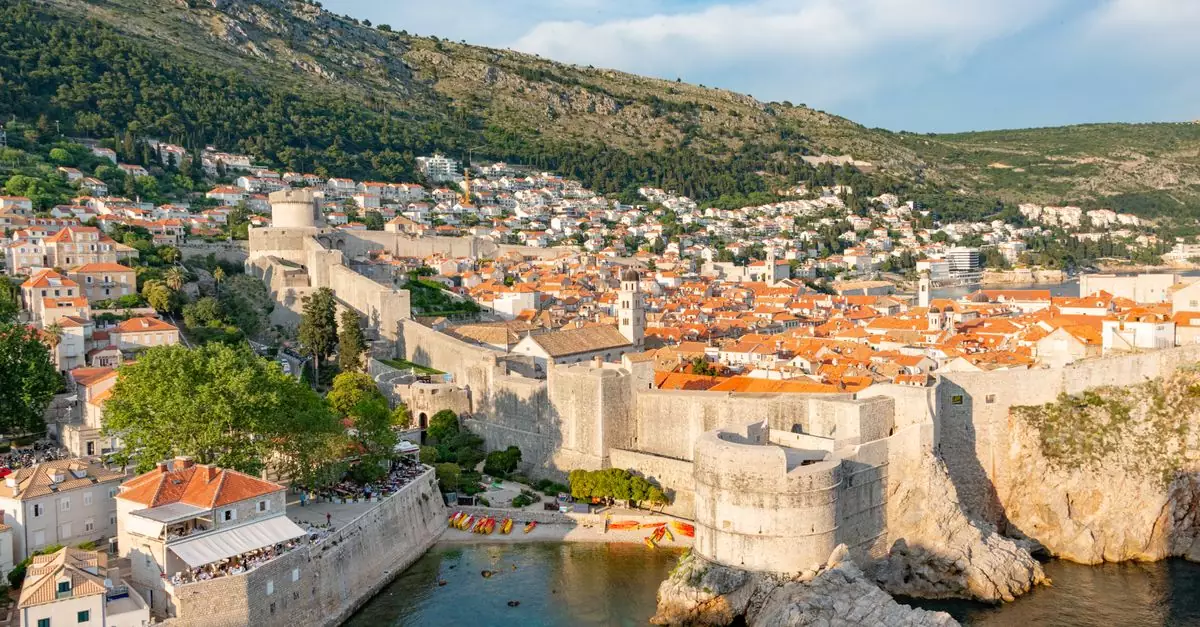
France’s coastline presents a compelling mix of seaside charm and deep historical roots, making it an excellent destination for those seeking more than just a beach holiday. From fortified cities to artist havens, these towns provide a rich cultural tapestry alongside their natural beauty.
Saint-Malo, Brittany: Corsairs, Ramparts, and Tidal Tales
Saint-Malo in Brittany is a city reborn from its dramatic past. Once a stronghold for privateers, or corsairs, its fortified old town, known as the Intra-Muros, stands proudly against the Atlantic. Walking along the ramparts offers panoramic views of the sea and surrounding islands.
The city’s history is palpable in its granite buildings and narrow streets. Visitors can explore this maritime heritage at the Musée d’Histoire, detailing Saint-Malo’s role in exploration and trade. The dramatic tidal range here is one of the largest in Europe, creating a unique natural spectacle that influences the city’s rhythm.
Getting to Saint-Malo:
- By Train: Direct TGV services run from Paris Montparnasse to Saint-Malo, taking approximately 2.5 to 3 hours.
- By Car: Accessible via major French highways, with parking available outside the city walls.
Timing Your Visit:
Summer (June-August) offers the warmest weather for beach activities, but spring (April-May) and autumn (September-October) provide a more tranquil experience with fewer crowds and pleasant temperatures for sightseeing.
Collioure, Occitanie: Fauvism’s Muse and Catalan Flavors
Nestled on the Mediterranean coast near the Spanish border, Collioure is a picturesque town that captivated artists like Matisse and Derain, becoming a birthplace of Fauvism. Its vibrant colors, steep streets, and iconic church overlooking the bay inspired generations of painters.
Today, Collioure retains its artistic spirit, with numerous galleries and studios throughout the town. The Château Royal, a former royal palace and military fortress, dominates the harbor. The town’s Catalan heritage is evident in its architecture, cuisine, and the lively atmosphere of its weekly market.
Culinary Delights:
Collioure is renowned for its anchovies, prepared in various traditional ways. Enjoy fresh seafood and local wines at waterfront restaurants.
Traveler Tip: Wear comfortable shoes for navigating the steep, cobblestone streets.
Île de Ré: Chic Island Life and Historic Lighthouses
Île de Ré, off the coast of La Rochelle, offers a relaxed, sophisticated coastal experience. Connected to the mainland by a toll bridge, this island is characterized by whitewashed villages, pine forests, and extensive cycling paths.
The island’s charm lies in its unhurried pace and natural beauty. Villages like Saint-Martin-de-Ré, a UNESCO World Heritage site, boast fortified walls and a bustling harbor. Historic lighthouses, such as the Phare des Baleines, provide stunning views. Cycling is the preferred mode of transport, allowing easy access to beaches and hidden coves.
Accommodation Options:
- Hotels: Range from boutique to luxury.
- Gîtes: Self-catering cottages are popular.
- Campsites: Several well-equipped sites are available.
Budget Considerations:
Île de Ré can be a more expensive destination, particularly during peak summer season. Visiting in the shoulder months can offer better value.
Beyond the Shoreline: Uncovering Ancient Sites Near Europe’s Cultural Beaches
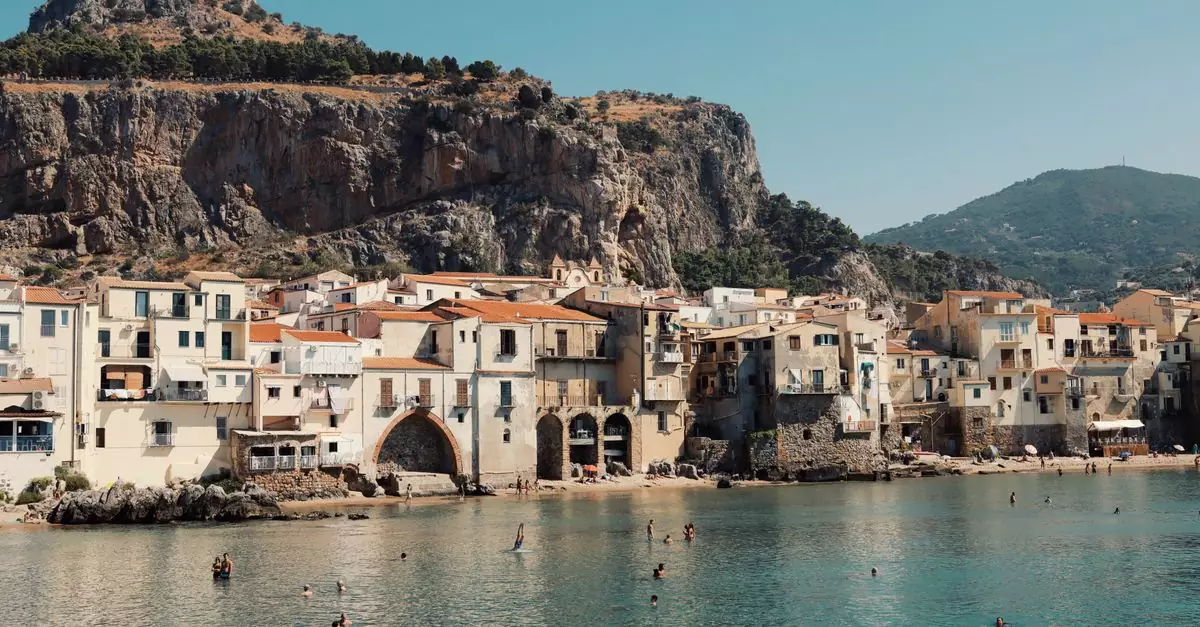
While the allure of sun-drenched shores is undeniable, many of Europe’s charming coastal destinations offer a rich tapestry of history just a stone’s throw away. Traveling to these locations allows you to combine relaxation with a deep dive into ancient civilizations, creating a truly multifaceted European vacation. From Roman villas to Bronze Age settlements, these seaside areas serve as gateways to the continent’s past.
Day Trips from Algarve’s Cultural Coast to Roman Ruins
The Algarve region in southern Portugal, renowned for its dramatic cliffs and golden beaches, also boasts a fascinating Roman heritage. A short drive inland from popular towns like Lagos or Tavira reveals remnants of Roman occupation. The most significant site is the Roman ruins of Milreu, located near Estói. Here, you can wander through the remains of a Roman villa, complete with a well-preserved mosaic floor depicting marine deities.
Reaching Milreu is straightforward. Renting a car is the most convenient option, offering flexibility to explore the surrounding countryside. Public transport is limited, so a car is highly recommended for a day trip. Allow at least half a day to fully appreciate the site and its small museum.
Exploring Neolithic Villages Near Malta’s Seaside Towns
Malta, an island nation in the Mediterranean, is a treasure trove of prehistoric sites, many of which are easily accessible from its coastal towns. The Maltese archipelago is home to some of the oldest free-standing stone structures in the world, predating even Stonehenge. Towns like Marsaxlokk, with its picturesque fishing harbor, provide a charming base for exploring these ancient wonders.
The Ġgantija Temples on the island of Gozo are a must-see. These megalithic structures are over 5,500 years old and offer a profound glimpse into Neolithic life. Getting to Gozo involves a ferry from Malta, a journey that takes about 30 minutes. Once on Gozo, local buses or taxis can take you to the temples.
For those staying on mainland Malta, the Ħaġar Qim and Mnajdra Temples are dramatically situated on a clifftop overlooking the sea, offering stunning views alongside their historical significance. These sites are accessible by bus and are well worth the visit for their scale and the mystery surrounding their construction.
Ancient Theaters Accessible from Greece’s Island Beaches
Greece, the cradle of Western civilization, offers countless opportunities to blend beach life with historical immersion, especially on its numerous islands. Many of these islands were significant centers during antiquity, and their ancient theaters are often remarkably well-preserved and located in breathtaking spots.
On Crete, the largest Greek island, enjoy the beaches near Chania or Rethymno and then visit the ancient city of Apollonia. While not a theater, it offers insights into ancient urban life. For a more theatrical experience, consider visiting the island of Rhodes. The ancient stadium and Odeon in Rhodes Town are impressive remnants from Roman times, located not far from the island’s popular beaches.
For travelers seeking an authentic experience, the island of Delos, a UNESCO World Heritage site and a short boat trip from Mykonos, is an archaeological wonderland. While not a beach town itself, its proximity to the vibrant island of Mykonos allows for a day trip to explore its ancient theater, temples, and houses, offering an unparalleled journey back in time. The best time to visit these sites is typically spring or autumn, avoiding the intense summer heat and crowds.
When is the Best Time to Visit Europe’s Cultural Beach Towns?
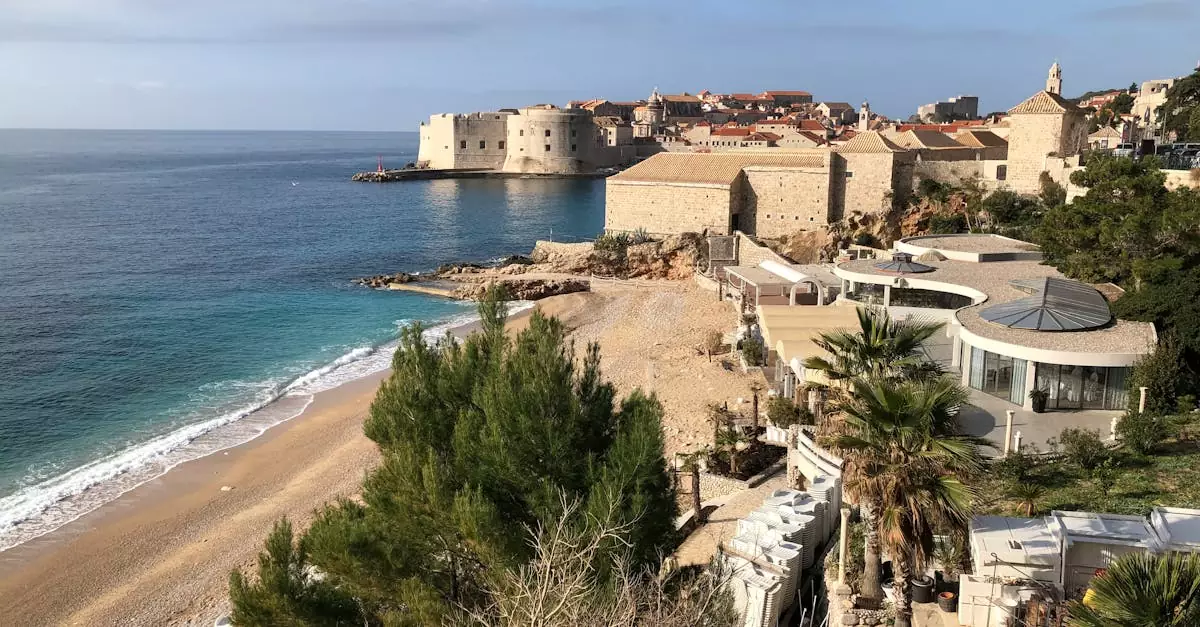
Choosing the right time to visit Europe’s coastal gems significantly impacts your experience, from the weather and crowds to prices and available activities. The best cultural beach towns in Europe offer distinct charms throughout the year, catering to different traveler preferences. Consider your priorities regarding sunshine, historical immersion, and budget when planning your trip.
Shoulder Season Advantages: April-May and September-October
The shoulder seasons, encompassing spring (April-May) and autumn (September-October), often present the most balanced experience for visiting the best cultural beach towns. During these months, the weather is typically pleasant, with warm, sunny days ideal for sightseeing and enjoying the coast without the intense heat of midsummer. You’ll find fewer crowds at popular historical sites and beaches, leading to a more relaxed atmosphere and potentially lower accommodation prices.
This timing is excellent for those who prioritize comfortable exploration of ancient ruins, charming old towns, and local museums. For instance, visiting a town like Split, Croatia in September allows you to explore Diocletian’s Palace with ease, while still enjoying warm Adriatic waters. Similarly, towns along the Amalfi Coast in Italy are less congested in May, making a scenic drive or a hike along the Path of the Gods more enjoyable.
Summer Peak: July-August for Sun Seekers and Festivals
July and August represent the peak summer season across much of Europe, bringing the warmest weather and the liveliest atmosphere to its cultural beach towns. If your primary goal is to soak up the sun, swim in crystal-clear waters, and experience vibrant local festivals and nightlife, this is the time to go. Many coastal resorts and towns are at their most energetic, with bustling promenades, lively beach clubs, and abundant water sports opportunities.
However, this popularity comes with significant trade-offs. Expect larger crowds at major attractions and along the shorelines, which can necessitate booking accommodations and popular tours well in advance. Prices for flights and hotels also tend to be at their highest during these two months. Towns like San Sebastián, Spain come alive with events like the Tamborrada in January, but summer brings a different kind of energy with beach festivals and outdoor concerts. For those seeking a lively, sun-drenched holiday, the summer peak delivers, but preparation is key.
Navigating Off-Season: November-March for Quiet Exploration
The off-season, from November to March, offers a dramatically different, yet rewarding, experience for visiting Europe’s cultural beach towns. During these months, the weather is cooler, and many tourist-focused establishments may have reduced hours or be closed altogether. This period is ideal for travelers seeking a quiet, introspective journey, focusing purely on the historical and cultural aspects of a destination without the distractions of beach crowds.
You’ll find the lowest prices for accommodations and fewer tourists at museums, archaeological sites, and historical centers. This allows for a more intimate connection with the local culture and a chance to see how these towns function outside the tourist season. For example, exploring the Roman ruins in Pula, Croatia in February offers a serene experience, allowing you to appreciate the amphitheater without the summer throngs. While swimming might be out of the question for most, the unique atmosphere and significant cost savings make the off-season a compelling choice for dedicated history buffs and budget-conscious travelers.
Savoring Local Flavors: Culinary Delights in Europe’s Beach Towns
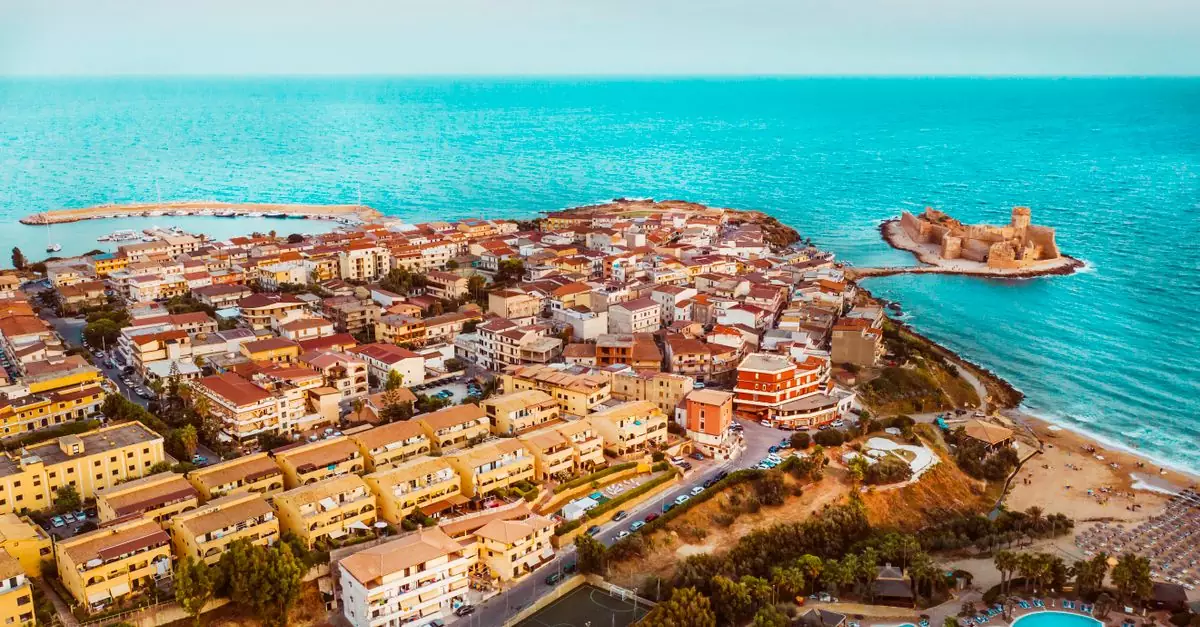
The appeal of Europe’s coastal destinations extends far beyond sun-drenched shores and historical sites. A significant part of the allure lies in the vibrant culinary scenes, where fresh, local ingredients are transformed into unforgettable dishes. From the simplest grilled catch to elaborate regional specialties, these towns offer a true taste of Mediterranean and Atlantic life.
Fresh Seafood Paella in Spanish Coastal Villages
Along Spain’s extensive coastline, particularly in regions like Valencia and Andalusia, the quintessential dish to seek out is paella. While often associated with the city of Valencia itself, many smaller coastal villages serve up authentic versions. The key is the use of incredibly fresh seafood, often caught that very morning. Look for paellas brimming with mussels, clams, prawns, and sometimes even chunks of local fish, all cooked with saffron-infused rice, tomatoes, and a hint of paprika.
Dining al fresco with a view of the sea is an essential part of the experience. Many chiringuitos (beach bars) and local restaurants pride themselves on family recipes passed down through generations. For the best paella, aim for towns where fishing remains a central part of the local economy. The timing for enjoying this dish is typically lunch, especially on weekends, when families gather to share this communal feast.
Olive Oil and Mediterranean Cuisine in Italian Riviera Towns
The Italian Riviera, or Liguria, offers a distinct culinary landscape shaped by its proximity to the sea and fertile hillsides. Here, the focus is on simple, high-quality ingredients, with olive oil taking center stage. Towns like Cinque Terre and the surrounding coastal areas are renowned for their pesto Genovese, made with fragrant basil, pine nuts, garlic, Parmesan cheese, Pecorino Sardo, and, of course, local Ligurian olive oil.
Beyond pesto, expect an abundance of fresh seafood, including anchovies (acciughe), often served marinated or fried. Focaccia, another Ligurian specialty, is a perfect accompaniment to any meal, especially when drizzled with more of that excellent olive oil. Local wines, such as Vermentino and Pigato, are crisp and pair beautifully with the seafood. Exploring these coastal towns means embracing a cuisine that is both healthy and incredibly flavorful, reflecting the bounty of the Mediterranean.
Regional Wines and Coastal Gastronomy in Portugal
Portugal’s diverse coastline presents a rich tapestry of flavors, heavily influenced by the Atlantic Ocean and its historical maritime trade. In towns along the Algarve or the Silver Coast, grilled sardines (sardinhas assadas) are a summer staple, celebrated with local festivals. Bacalhau, or salted cod, is prepared in countless regional variations, showcasing its versatility.
The country’s wine culture is equally impressive. While Port wine from the Douro Valley is famous, don’t overlook the crisp Vinho Verde from the north or the robust reds from the Alentejo region, which pair wonderfully with hearty seafood stews like Cataplana. Many coastal towns boast excellent restaurants that focus on seasonal catches, often served with simple sides like boiled potatoes and fresh salads. Visiting during the shoulder seasons, like spring or early autumn, can offer a more authentic culinary experience with fewer crowds.
Frequently Asked Questions About Europe’s Cultural Beach Destinations
What are the most family-friendly cultural beach towns in Europe?
Several European coastal towns offer a rich blend of history and family activities. Consider towns like Cádiz, Spain, known for its ancient Phoenician roots and accessible beaches. Families often appreciate the shallow waters and the city’s compact, walkable historic center. Another excellent option is Pula, Croatia, which boasts a remarkably well-preserved Roman amphitheater that captivates children and adults alike. The nearby islands offer further opportunities for family excursions.
How can I travel between these cultural beach towns affordably?
Traveling between Europe’s cultural beach towns can be surprisingly economical with smart planning. Budget airlines offer frequent flights connecting major cities, often at competitive prices, especially when booked in advance. For shorter distances or more scenic routes, consider European train travel. Rail networks are extensive and comfortable, though sometimes pricier than flights. Overnight trains can save on accommodation costs. Buses also provide a very budget-friendly option for intercity travel, though journeys can be longer.
Here’s a quick look at common transport methods:
| Transportation Type | Typical Cost Range (per hour) | Travel Time Factor | Comfort Level |
|---|---|---|---|
| Budget Flights | €20 – €100+ | Fastest | Moderate |
| Trains | €15 – €60+ | Moderate | High |
| Buses | €5 – €25+ | Slowest | Basic |
Are these towns safe for solo female travelers?
Generally, most cultural beach towns across Europe are considered safe for solo female travelers. Cities like Lisbon, Portugal, with its vibrant atmosphere and well-trafficked tourist areas, offer a good sense of security. Even smaller towns tend to have low crime rates. As with any travel, it’s wise to exercise common sense: be aware of your surroundings, avoid walking alone in poorly lit areas late at night, and keep valuables secure. Researching specific neighborhoods for accommodation can also enhance your sense of safety.