Seville’s tapas scene is not just a way to eat; it’s an integral part of the city’s social fabric. To truly experience Seville, immerse yourself in its vibrant tradition of small plates and convivial gatherings. This culinary journey offers a delicious insight into Andalusian life, where sharing food and conversation is as significant as the dishes themselves.
In this guide, you’ll learn about the essence of authentic Seville tapas culture, from its history and social rituals to the best neighborhoods for an unforgettable crawl. We’ll delve into must-try dishes, from classic Salmorejo to succulent Gambas al Ajillo, and provide practical tips on timing, budgeting, and ordering like a local. Prepare for a flavorful adventure through the heart of Andalusia.
Understanding the Heart of Seville Tapas Culture

Seville’s tapas scene is a vital aspect of the city’s social life. To truly engage with Seville, you must embrace its lively tradition of small plates and friendly gatherings. This culinary journey offers a delicious glimpse into Andalusian culture.
What Exactly is a Tapa in Seville?
In Seville, a tapa is traditionally a small portion of food, often served free with a drink, especially during lunchtime. While this “free tapa” tradition persists in some older, local bars, it’s now common for tapas to be ordered and paid for separately. These bite-sized dishes range from simple olives or slices of tortilla española to more elaborate creations featuring local ingredients like Iberian ham, fresh seafood, or slow-cooked meats. Variety and sharing are key; ordering several different tapas allows you to sample a wide range of flavors.
The Social Ritual: How Sevillanos Enjoy Tapas
Tapas in Seville are inherently social. Locals often move from one bar to another, standing at the counter with a drink and a tapa or two before heading to the next spot. This practice, known as “tapeo,” fosters socializing and enjoying the evening’s culinary offerings without the commitment of a long sit-down meal. Bars are often bustling, filled with chatter and the clinking of glasses. Don’t be intimidated by the crowds; it’s part of the authentic experience. Embrace the lively atmosphere, order a drink, and try a few dishes.
A Brief History of Seville’s Tapas Tradition
The origins of tapas are steeped in legend, with many stories tracing the practice back to ancient Spain. One popular tale suggests that King Alfonso X of Castile mandated that taverns serve small portions of food with wine to prevent drunkenness. Another theory links the name “tapa” (meaning “lid” or “cover”) to the practice of placing a small slice of bread or ham over a wine glass to keep out dust or insects. Regardless of its exact origins, the tradition of serving small bites with drinks has evolved significantly, becoming a sophisticated culinary art form in cities like Seville, blending history with modern gastronomic innovation.
Navigating Seville’s Best Tapas Neighborhoods
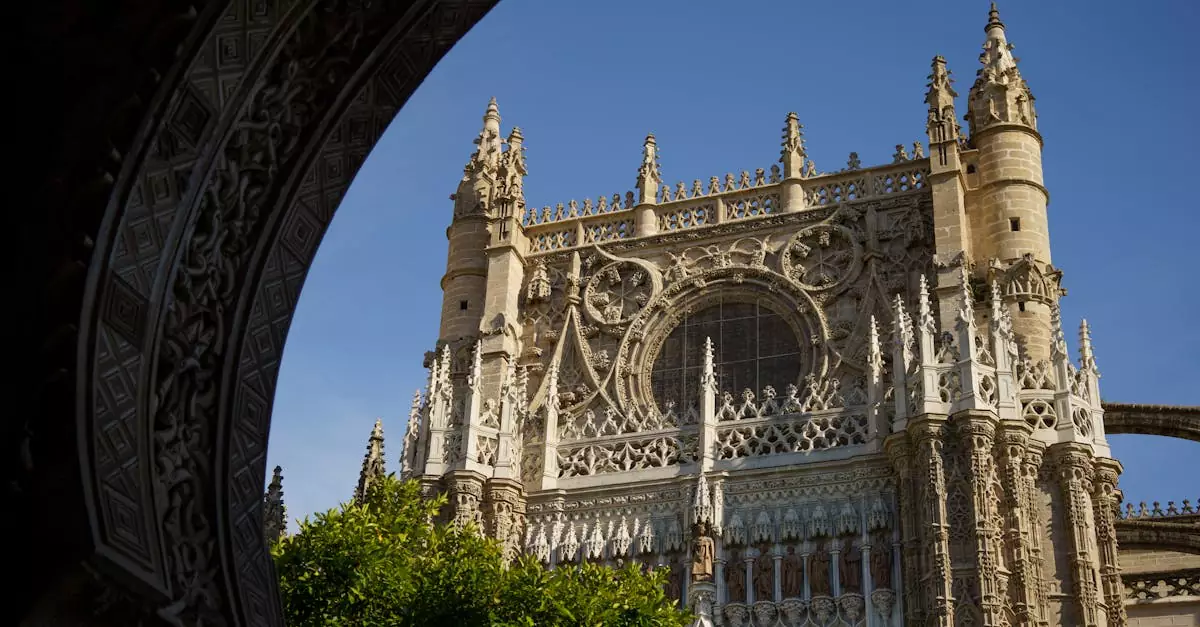
Seville’s tapas scene is a vibrant tapestry woven through its diverse neighborhoods. Each area offers a distinct atmosphere and culinary focus, making it a joy to wander and discover new favorites. Understanding the character of different districts can help you tailor your tapas crawl to your preferences, whether you seek historic authenticity or contemporary flair.
Triana: Flamenco, Ceramics, and Authentic Tapas Bars
Across the Guadalquivir River, Triana is a neighborhood rich in tradition, known for its flamenco heritage and artisanal ceramics. Its tapas bars often reflect this soulful character, providing a more local and less tourist-centric experience. Expect classic Andalusian dishes served in lively, unpretentious settings. Many establishments have been family-run for generations, preserving authentic recipes.
When visiting Triana, consider timing your visit to coincide with an evening flamenco performance, as many tapas bars are located near performance venues. The neighborhood is easily accessible by foot from the city center via the Puente de Triana (Isabel II Bridge). It’s a great place to sample espinacas con garbanzos (spinach with chickpeas) or pescaíto frito (fried fish).
Santa Cruz: Historic Charm and Classic Sevillano Flavors
The former Jewish quarter, Barrio Santa Cruz, is Seville’s most iconic historic district, characterized by its labyrinthine alleys, flower-filled patios, and whitewashed buildings. This area is packed with traditional tapas bars, many housed in ancient buildings that echo tales of Seville’s past. It’s a quintessential spot for experiencing classic sevillano flavors.
While it can get crowded, especially during peak tourist season, Santa Cruz offers an unforgettable ambiance. Start your tapas journey here to soak in the historic atmosphere before venturing to other districts. Look for bars serving jamón ibérico, tortilla española, and salmorejo (a thicker, richer version of gazpacho). Navigating the narrow streets is best done on foot.
El Arenal: Waterfront Views and Modern Tapas Creations
El Arenal, situated along the Guadalquivir River near the bullring and the Torre del Oro, offers a blend of history and modernity. This district boasts a selection of tapas bars ranging from traditional establishments to contemporary venues experimenting with innovative dishes. The waterfront location provides a picturesque backdrop for enjoying your meal.
This neighborhood is ideal for those who appreciate a scenic setting alongside their tapas. It’s also convenient for exploring other attractions like the Maestranza bullring. Many bars here offer a refined take on tapas, incorporating fresh seafood and creative presentations. Consider trying gambas al ajillo (garlic shrimp) or a modern interpretation of a classic dish.
Macarena: Local Haunts and Unpretentious Bites
For a glimpse into everyday Sevillian life, head to the Macarena district. Named after the Basilica de la Macarena, this area is less frequented by tourists and offers a more authentic, local tapas experience. You’ll find genuine neighborhood bars where locals gather for their daily tapas rituals, often at more affordable prices.
Macarena is the place for unpretentious, hearty, and delicious food. It’s an excellent spot to practice your Spanish and immerse yourself in the local culture. Look for bars serving regional specialties and enjoy the relaxed, friendly atmosphere. Getting to Macarena is straightforward via public transport or a moderate walk from the city center.
Must-Try Tapas Dishes in Seville
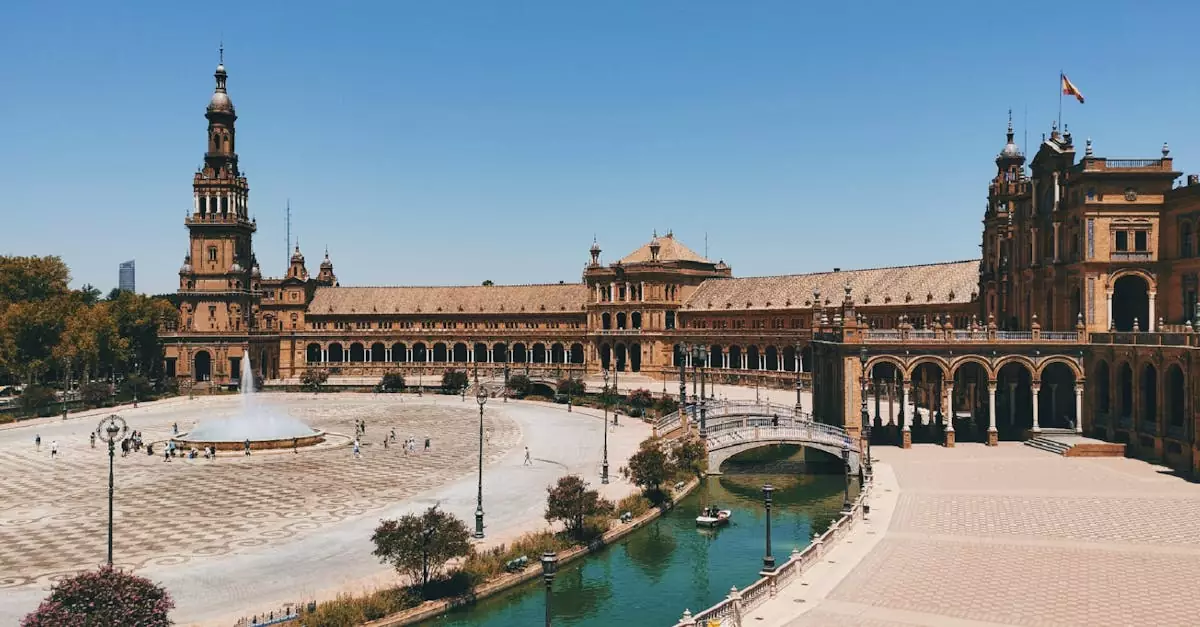
The heart of Seville’s culinary scene beats in its vibrant tapas bars. Engaging with the local Seville tapas culture means diving into a world of small, flavorful dishes that are as much about socializing as they are about taste. These bite-sized creations offer a delicious way to sample a wide array of Andalusian flavors without committing to a full meal.
Essential Sevillano Tapas: From Salmorejo to Espinacas con Garbanzos
When exploring the tapas bars of Seville, certain dishes stand out as must-tries. Salmorejo, a thick, cold tomato soup often garnished with hard-boiled egg and jamón, is a refreshing starter, especially during warmer months. It’s a testament to the region’s reliance on fresh produce and simple, effective preparation.
Another essential dish is Espinacas con Garbanzos, a hearty combination of spinach and chickpeas simmered with garlic, cumin, and a hint of paprika. This vegetarian staple is surprisingly rich and satisfying, showcasing how humble ingredients can be transformed into something truly special. Many bars offer these as media raciones (half portions) or raciones (full portions) alongside the traditional tapas size.
Seafood Delights: Gambas al Ajillo and Pescaíto Frito
Seville’s proximity to the coast means seafood plays a significant role in its tapas offerings. Gambas al Ajillo (garlic shrimp) is a classic that never disappoints. Succulent shrimp are sautéed in olive oil with generous amounts of garlic and a touch of chili, served sizzling in a small clay dish. It’s best enjoyed with crusty bread for soaking up the flavorful oil.
For a taste of the sea, don’t miss Pescaíto Frito, a mixed platter of lightly floured and deep-fried small fish and seafood. This can include everything from anchovies and sardines to squid rings and small prawns. The key is the crisp, light batter and the freshness of the catch. It’s a delightful, if sometimes messy, indulgence.
Meat Lover’s Favorites: Solomillo al Whisky and Carrillada
Meat dishes are central to the Sevillano tapas experience. Solomillo al Whisky features tender pieces of pork loin, often seared and then simmered in a rich, creamy whisky sauce. The sauce is typically savory with a subtle sweetness, making it a popular choice.
Equally beloved is Carrillada, or pork cheek. This cut is slow-cooked until incredibly tender, usually in a red wine or savory broth. The meat melts in your mouth, and the sauce is deeply flavorful, often served with a side of potatoes or bread. These dishes exemplify the slow-cooking traditions found throughout Andalusia.
Sweet Endings: Postres Sevillanos to Savor
While tapas are primarily savory, some establishments offer small sweet bites to conclude your culinary journey. Traditional postres Sevillanos might include items like Torrijas (Spanish-style French toast, especially popular during Easter) or Pestiños (fried pastries drizzled with honey).
However, many dedicated tapas bars focus solely on savory offerings, so it’s common to move to a separate pastry shop or café for dessert. If you’re looking for a sweet finish, seek out local bakeries or pastelerías for authentic Andalusian sweets. Enjoying a tarta de Santiago (almond cake) or a simple magdalena (muffin) can be a delightful way to round off your evening.
Planning Your Seville Tapas Crawl: Tips for a Delicious Experience
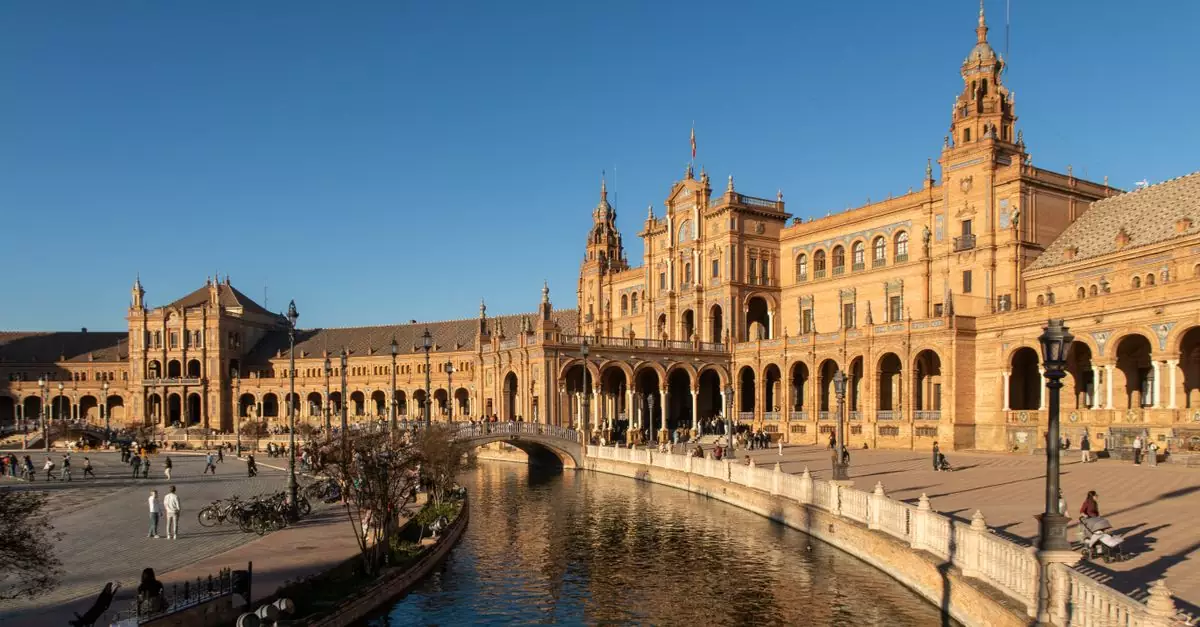
Embarking on a tapas crawl in Seville is essential for experiencing the city’s vibrant culinary scene. It’s more than just eating; it’s a social ritual that unfolds throughout the evening. To make the most of your gastronomic adventure, a little planning goes a long way.
Best Time of Day for Tapas Hopping in Seville
Tapas in Seville are typically enjoyed in the early evening, starting around 8 PM and continuing into the late hours. Many bars begin serving tapas shortly after closing their kitchens for lunch, around 7:30 PM, but the real buzz starts later. Locals often engage in a tapeo – moving from one bar to another – making the late evening the most dynamic time.
Keep in mind that popular spots can become quite crowded after 9 PM, especially on weekends. If you prefer a more relaxed atmosphere or want to secure a coveted spot at the bar, aim to start your tapas journey between 8:00 PM and 8:30 PM. This timing allows you to enjoy the initial wave of activity before the peak rush.
Budgeting for Your Seville Tapas Adventure
Tapas offer a fantastic way to sample a variety of dishes without committing to a full meal at each establishment, making them budget-friendly. Prices per tapa generally range from €2 to €5, with a drink (a small beer, wine, or soft drink) typically costing around €1.50 to €3.
A reasonable budget for a fulfilling tapas experience for one person might be €20-€30, allowing for 4-6 tapas and a couple of drinks. This can vary significantly depending on the type of bar and the specific dishes you choose. Upscale or modern tapas bars may have higher prices than traditional establishments.
Here’s a rough breakdown of typical costs:
| Item | Average Price Range |
|---|---|
| Tapa | €2.00 – €5.00 |
| Small Beer (caña) | €1.50 – €3.00 |
| Glass of Wine | €2.00 – €4.00 |
| Soft Drink | €1.50 – €3.00 |
| Full Meal (approx.) | €20.00 – €30.00 |
Ordering Like a Local: Essential Spanish Phrases for Tapas
While many bartenders in tourist-heavy areas speak some English, knowing a few basic Spanish phrases will enhance your experience and is greatly appreciated by locals. It demonstrates respect for the culture and can lead to more authentic interactions.
- “Una caña, por favor.” (A small beer, please.)
- “Una copa de vino tinto/blanco, por favor.” (A glass of red/white wine, please.)
- “Para comer…” (To eat…) – Use this before listing your tapa choices.
- “¿Qué tapas tenéis hoy?” (What tapas do you have today?) – Useful if there isn’t a visible menu.
- “La cuenta, por favor.” (The bill, please.)
Don’t hesitate to point to what looks good on the bar or ask for recommendations. Phrases like “¿Me recomiendas algo?” (Can you recommend something?) are always welcome.
Understanding Tapas Etiquette: What to Do and What Not to Do
Navigating the lively tapas bar environment is part of the fun. Understanding a few unwritten rules can help you blend in and enjoy the authentic experience.
- Stand at the bar: In traditional tapas bars, the best spot is often at the counter. This is where you’ll order, eat, and mingle. If seating is available, you might be charged more for table service.
- Be patient: Bars can get crowded. Wait for the bartender’s attention, but be ready to order when they approach. Don’t be afraid to make eye contact.
- Don’t order too much at once: Tapas are meant to be savored over time. Order a few at a time, and then reorder as you go.
- Keep it brief: While friendly, bartenders are busy. Be decisive with your order.
- Watch where you stand: Avoid blocking the main pathways or the bar itself, especially if you’re not ordering immediately.
- Pay at the end: Unless you’re only having one drink and tapa, it’s customary to settle your bill when you’re ready to leave. You can usually just tell the bartender what you had.
- Embrace the noise: Tapas bars are lively, often noisy places filled with conversation. It’s part of the authentic atmosphere.
Beyond the Plate: Experiencing Seville’s Vibrant Nightlife
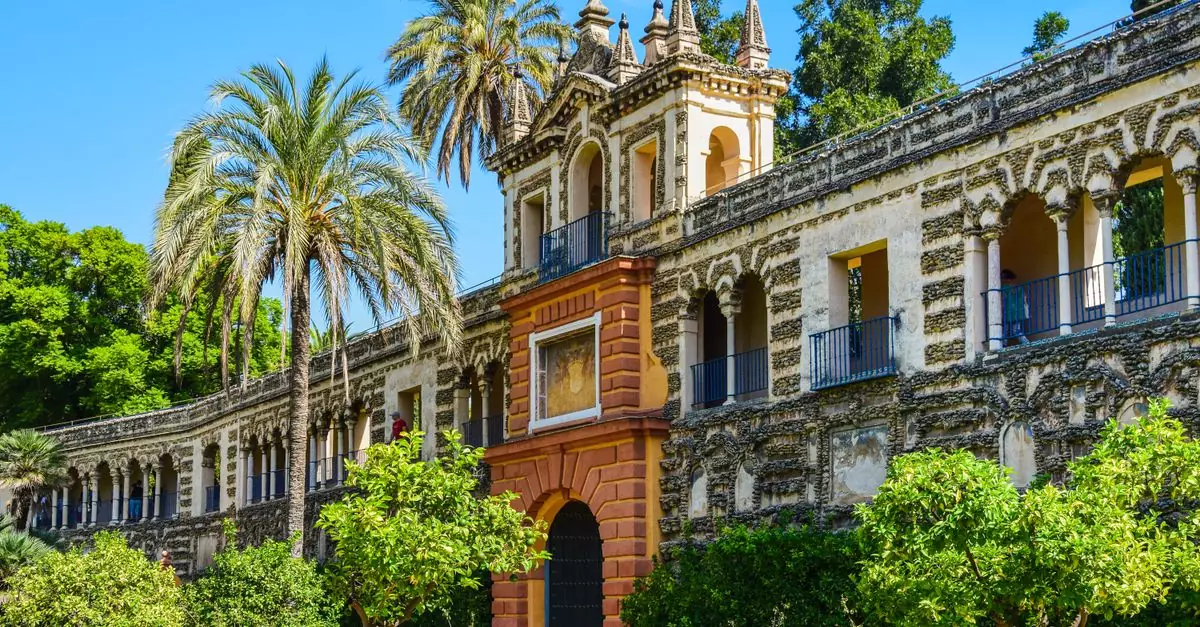
Seville’s culinary scene extends far beyond the delicious bites of tapas; it’s deeply interwoven with the city’s energetic evening atmosphere. As the sun sets, Seville truly comes alive, with locals and visitors alike taking to the streets to enjoy warm nights, good company, and, of course, more tapas. Understanding this cultural aspect is key to fully appreciating the Seville tapas culture.
Tapas Bars with Live Flamenco in Seville
For an unforgettable evening that combines authentic Andalusian cuisine with passionate performance, seek out tapas bars that offer live flamenco shows. While many establishments serve excellent food, those featuring flamenco provide a deeper cultural immersion. These performances are not merely entertainment; they are an emotional outpouring deeply rooted in Sevillian history.
When choosing a flamenco venue, consider that smaller, more intimate settings often offer a more authentic experience than larger, tourist-oriented shows. Arrive early to secure a good spot, as seating can be limited. Ordering a few tapas and a glass of local wine or sherry perfectly complements the music and dance. Many bars in the Triana neighborhood are known for their traditional flamenco.
Discovering Hidden Gem Tapas Spots in Seville
While the popular, well-trodden tapas routes are enjoyable, the true magic of Seville’s culinary scene often lies in its lesser-known establishments. Venture away from the main plazas and into the labyrinthine streets of the Santa Cruz quarter or the vibrant Triana district to uncover hidden gems. These local favorites often provide a more authentic taste of Seville tapas culture, with dishes prepared using time-honored recipes.
Look for bars bustling with locals, particularly those with standing room only. This is usually a good indicator of quality and authenticity. Don’t hesitate to try house specialties or ask the bartender for recommendations. Many of these neighborhood bars offer unique regional wines and craft beers alongside their food. Exploring these spots is an adventure in itself, rewarding those who seek out the less obvious.
Evening Strolls through Seville’s Illuminated Streets
After a satisfying evening of tapas hopping, a leisurely walk through Seville’s illuminated streets offers a beautiful way to digest and soak in the city’s ambiance. The historic center, particularly areas around the Cathedral and Alcázar, is stunning when lit up at night. The gentle breeze from the Guadalquivir River adds a refreshing touch to the warm evenings.
Consider a stroll along the riverbank, where you can enjoy views of the Triana Bridge and the Torre del Oro. The Alameda de Hércules, a wide boulevard lined with trees and lively bars, is another popular spot for an evening passeggiata. This relaxed pace allows for spontaneous discoveries, perhaps leading you to a charming plaza or a quiet courtyard you might have missed earlier. These evening wanderings are an integral part of experiencing the city’s laid-back yet vibrant lifestyle.
Frequently Asked Questions About Seville Tapas Culture
What is the average cost of tapas in Seville?
The cost of tapas in Seville is generally very affordable, making it an accessible culinary experience for most travelers. You can expect to pay between €2.50 and €4.50 for most individual tapas dishes. Some premium options, like those featuring high-quality seafood or Iberico ham, might edge slightly higher, perhaps up to €5 or €6.
When budgeting for a tapas crawl, consider that most people enjoy 2-3 tapas per bar, along with a drink. A reasonable budget for a satisfying tapas evening would be around €15-€25 per person, depending on your choices and how many bars you visit. This allows for a good variety of tastes without breaking the bank.
Are tapas free with drinks in Seville?
Unlike some other regions of Spain, the tradition of receiving a complimentary tapa with every drink is not widespread in Seville. While you might find a few older, traditional establishments that still offer this, it’s not the norm. In most Seville tapas bars, you will order and pay for each tapa individually.
This means you have complete control over what you eat and how much you spend. It also encourages a more deliberate selection of dishes, allowing you to try specific specialties that catch your eye. Don’t expect a freebie with your beer or wine; instead, view each tapa as a small, affordable dish to be savored.
What are the busiest times for tapas bars in Seville?
Seville’s tapas bars come alive in the evenings, especially on weekends. The peak hours for tapas dining are typically between 8:30 PM and 10:30 PM. This is when locals and tourists alike gather to socialize and enjoy the vibrant atmosphere.
If you prefer a more relaxed experience or want to secure a table, consider arriving earlier, around 7:30 PM or 8:00 PM. Some bars also offer a lunch service, with the busiest period being between 1:30 PM and 3:30 PM. Visiting during these earlier windows can help you avoid crowds and enjoy a more leisurely meal.
Can I do a tapas tour in Seville?
Absolutely. Doing a guided tapas tour is an excellent way to dive into Seville’s rich culinary scene, especially for first-time visitors. These tours are led by knowledgeable guides who can introduce you to authentic local bars, explain the history and significance of different tapas, and help you navigate the ordering process.
Many tours offer a curated selection of drinks and tapas at several establishments, providing a comprehensive taste of Andalusian flavors. It’s a convenient way to discover hidden gems and experience the social aspect of tapas culture. You can find various tour operators offering group or private options, often focusing on specific neighborhoods like Triana or the Santa Cruz quarter.