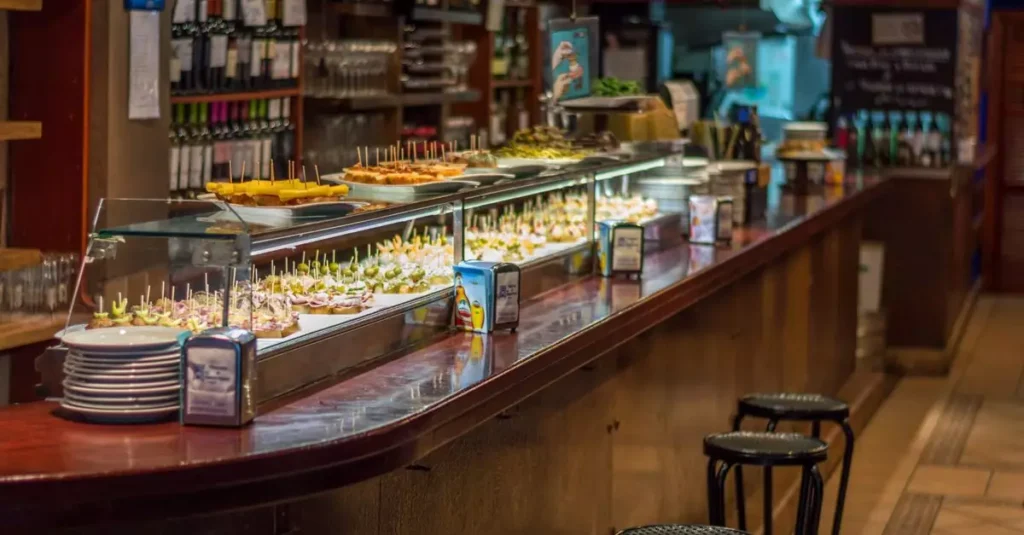
Seville is a city that truly comes alive through its tapas bars, offering a delicious and social way to experience the heart of Andalusia. More than just small plates, tapas embody a way of life here, providing opportunities to connect with friends, savor local flavors, and soak in the vibrant atmosphere. This guide will help you navigate the city’s incredible culinary landscape, uncovering the best tapas bars Seville has to offer. You’ll learn about essential tapas dishes to try, discover etiquette for ordering like a local, and find out which neighborhoods are best for an unforgettable tapas crawl. Get ready to embark on a flavor-filled journey through Seville, one small plate at a time.
Discovering the Soul of Seville: Essential Tapas Bar Etiquette
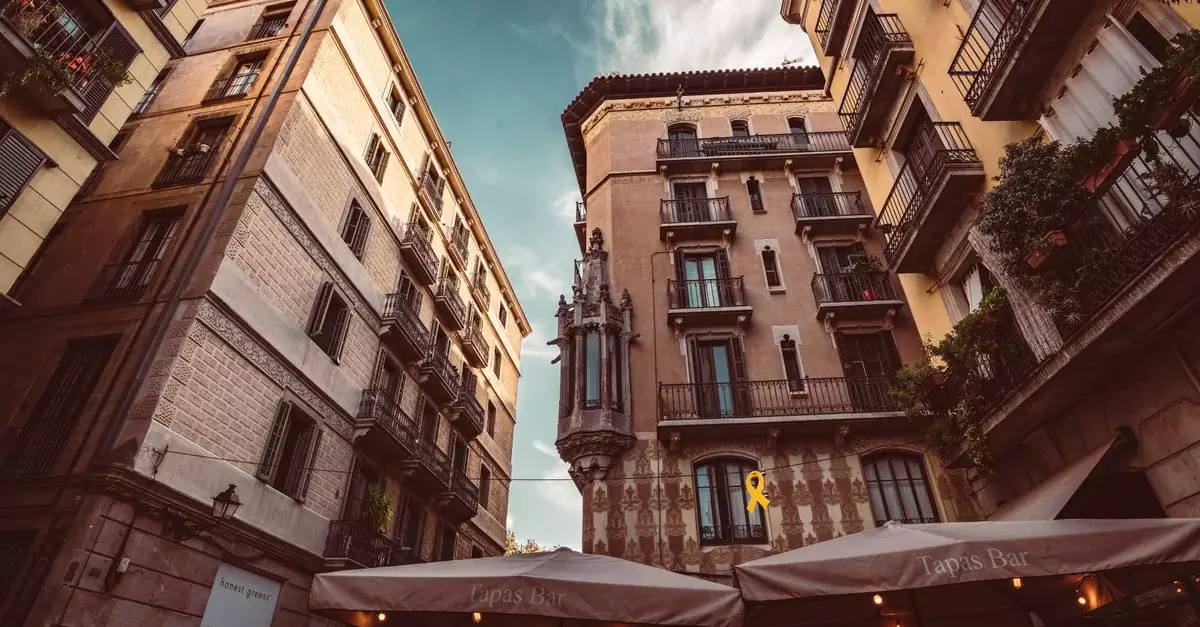
Tapas bars are the beating heart of Seville, offering not just food but a vibrant social experience. Understanding local customs will elevate your culinary journey from a simple meal to an immersion in Andalusian culture. It’s about more than just ordering small plates; it’s about the atmosphere, conversation, and shared enjoyment of delicious food and drink.
Understanding the Seville Tapas Culture: More Than Just Food
In Seville, tapas are deeply ingrained in the social fabric. They serve as a reason to gather with friends and family after work or before dinner. Expect a lively, often crowded atmosphere. Standing at the bar is common, providing a great way to strike up conversations with locals and bartenders. The tapas experience is inherently communal; dishes are often shared, fostering a sense of connection. This tradition reflects broader Spanish culture, where sociability and shared experiences are highly valued.
Navigating the Menu: Common Tapas Dishes You Must Try
Seville’s tapas menus are a delicious exploration of Andalusian cuisine. While menus can vary, certain classics are almost always present and offer a fantastic introduction to the region’s flavors. Don’t hesitate to venture beyond the familiar.
Here are some essential tapas to seek out:
- Jamón Ibérico: Cured ham from the black Iberian pig, a true delicacy.
- Gambas al Ajillo: Shrimp sautéed with garlic and chili, served sizzling.
- Patatas Bravas: Fried potato cubes with a spicy tomato sauce and aioli.
- Tortilla Española: A thick omelet made with eggs and potatoes, sometimes with onion.
- Salmorejo: A cold, thick tomato soup, often garnished with ham and hard-boiled egg.
- Espinacas con Garbanzos: Spinach and chickpeas, a flavorful vegetarian option.
- Montadito de Lomo: A small sandwich with cured pork loin.
Many bars offer both tapa (smaller portion, often free with a drink) and raciones (larger portion for sharing). Ordering a mix of both allows for tasting a wider variety of dishes.
Ordering Like a Local: Tips for a Seamless Experience
Mastering the art of ordering can make your tapas experience smoother and more enjoyable. While many bartenders speak some English, knowing a few Spanish phrases and understanding the typical flow of service will enhance your visit.
When you enter a busy bar, it’s customary to head towards the counter. Catch the eye of a bartender to signal you’re ready to order. Don’t be shy, but also be patient; they are often juggling multiple customers. If you’re unsure about a dish, ask for a recommendation.
Many bars offer a tapa included with your drink, especially earlier in the evening. This is a great way to sample local flavors without much cost. If you want more, you can then order specific tapas or raciones. It’s common to order a drink, have a tapa or two, and then move on to another bar. This bar-hopping, known as tapeo, is a fundamental part of the Seville experience.
Consider visiting bars earlier in the evening to secure a spot, especially during peak tourist seasons. The best tapas bars in Seville are often bustling with locals from around 8:00 PM onwards.
Top Neighborhoods for Unforgettable Tapas Crawls in Seville

Seville’s culinary heart beats strongest in its vibrant neighborhoods, each offering a distinct tapas experience. Embarking on a tapas crawl is a quintessential Sevillian activity, allowing you to sample a wide array of local flavors and soak in the city’s lively atmosphere. Planning your route through these distinct districts will ensure a delicious and memorable journey through Andalusian gastronomy.
Santa Cruz: Historic Charm and Traditional Bites
The former Jewish quarter, Santa Cruz, remains Seville’s most iconic neighborhood, its labyrinthine alleys echoing with centuries of history. This area is a treasure trove of traditional tapas bars, many housed in ancient buildings with charming patios. When exploring Santa Cruz for the best tapas bars, expect classic dishes like espinacas con garbanzos (spinach with chickpeas), solomillo al whisky (pork loin in whisky sauce), and jamón ibérico.
Getting to Santa Cruz is straightforward. Most visitors arrive on foot from the city center, as it’s highly walkable. Taxis can drop you at the edge of the district, but navigating its narrow, pedestrian-only streets is best done by foot. During peak season, particularly in summer, afternoons can be intensely hot, making late afternoon and evening tapas crawls more comfortable. Many bars here are small and can get crowded, so be prepared for a lively, sometimes close-quarters, experience.
Triana: Authentic Flavors Across the Guadalquivir
Across the Guadalquivir River lies Triana, a neighborhood renowned for its ceramic workshops, flamenco heritage, and, crucially, its authentic tapas scene. Triana offers a more local, less tourist-centric vibe than Santa Cruz, with bars that have been serving generations of Sevillians. Here, you’ll find exceptional seafood tapas, particularly gambas al ajillo (garlic shrimp) and pescaíto frito (fried fish), alongside hearty stews and creative montaditos (small sandwiches).
The Mercado de Triana is a fantastic starting point, with several stalls offering fresh tapas. From there, wander along Calle Betis for riverside views and tapas, or delve into the smaller side streets for hidden gems. Triana is easily accessible via the Puente de Triana (Isabel II bridge), a short walk from the historic center. The neighborhood is also well-served by local buses. Exploring Triana offers a glimpse into a more traditional Sevillian way of life, enriching your tapas journey.
Alameda de Hércules: Trendy Spots and Modern Twists
For a taste of Seville’s contemporary culinary scene, head to the Alameda de Hércules. This wide, tree-lined boulevard and its surrounding streets have transformed into a hub for trendy bars and restaurants, blending traditional tapas with innovative dishes and international influences. Alameda offers a more bohemian and relaxed atmosphere, popular with locals and a younger crowd.
Here, you can find everything from gourmet burgers and fusion cuisine to updated versions of classic tapas. It’s a great place to experiment with new flavors and enjoy a more modern interpretation of tapas culture. The Alameda is easily reached by bus or a longer walk from the city center. It’s particularly vibrant in the evenings, with many bars spilling out onto the plaza. This area provides a lively contrast to the historic tapas haunts, showcasing Seville’s evolving food landscape.
The Ultimate List: Seville’s Best Tapas Bars for Every Palate

Seville is a city that lives and breathes tapas. From historic taverns to modern culinary hotspots, the variety of small plates offers a delicious way to sample authentic Andalusian flavors. Navigating this vibrant scene can be overwhelming, but this guide highlights the best tapas bars in Seville, catering to traditionalists, adventurous eaters, and those seeking a quieter experience.
Best Traditional Tapas Bars in Seville: A Taste of History
For an authentic taste of Seville’s culinary heritage, seek out establishments that have been serving locals for generations. These bars often feature classic decor, bustling atmospheres, and time-honored recipes. Expect to find staples like espinacas con garbanzos (spinach with chickpeas), solomillo al whisky (pork tenderloin in whiskey sauce), and an array of cured meats and cheeses.
One such institution is Bar El Comercio. Stepping inside feels like a journey back in time, with its vintage tiled walls and classic counter service. They are particularly renowned for their tortilla de patatas (Spanish omelet) and papas a lo pobre (poor man’s potatoes), simple yet incredibly flavorful dishes. Arrive early, as it gets crowded, especially around lunchtime and in the early evening.
Another essential stop for traditional tapas is Casa Morales. This atmospheric bar boasts a history stretching back to 1850, featuring a beautiful, aged wooden interior and an impressive selection of sherries and local wines. Their pringá (a slow-cooked meat mixture often served on bread) is a must-try, showcasing the depth of flavor achieved through patient cooking. It’s a great place to linger and soak in the Sevillian ambiance.
Modern & Innovative Tapas Experiences in Seville
While tradition is key, Seville’s culinary landscape is also evolving. A new generation of chefs is reinterpreting classic dishes and introducing creative flavor combinations. These contemporary tapas bars offer a fresh perspective on familiar ingredients, often focusing on presentation and unique culinary techniques.
Eslava has become a benchmark for modern tapas in Seville. While it can be incredibly busy, the innovative dishes are worth the wait. Their huevo sobre bizcocho de boletus (egg on mushroom cake) is legendary, a playful and delicious creation. Don’t miss their carrillada de cerdo ibérico (Iberian pork cheeks), a testament to how traditional ingredients can be elevated with modern flair.
For a more refined yet still tapas-focused experience, consider La Azotea. With several locations across the city, each offers a sophisticated setting and a menu that balances classic flavors with inventive twists. Their atún de almadraba (tuna from the almadraba fishing method) is often a highlight, prepared with a delicate touch. This is a good option if you’re looking for high-quality ingredients and creative plating.
Hidden Gem Tapas Bars Away from the Crowds
Beyond the well-trodden paths, Seville holds many charming, lesser-known tapas bars. These spots often provide a more intimate experience and a chance to connect with local life. Finding these places requires a bit of exploration, but the rewards are immense.
Venture into the Triana neighborhood, across the Guadalquivir River, and you’ll discover numerous local favorites. Blanca Paloma is popular among residents, known for its lively atmosphere and authentic tapas. Their pescaíto frito (fried fish) is exceptionally fresh, and the montaditos (small sandwiches) are a great way to sample various fillings.
For a truly off-the-beaten-path experience, try to find Bodega Dos de Mayo. Located in a less touristy part of the city center, this bar feels like a genuine local haunt. It’s a no-frills establishment where the focus is squarely on good food and drink. Their gambas al ajillo (garlic shrimp) are a simple pleasure, and the extensive wine list features many local designations. These less crowded spots provide an excellent opportunity to practice your Spanish and experience Sevillian hospitality firsthand.
Beyond Tapas: What to Drink with Your Seville Small Plates

While the tapas themselves are the stars of the show in Seville, the drinks you pair them with can elevate the entire experience. Understanding local beverage traditions and popular pairings will help you navigate the menus and truly savor the Andalusian flavors. From crisp sherries to local wines, there’s a perfect accompaniment for every bite.
Sherry Pairings: The Perfect Companions to Tapas
Sherry, or Jerez, is a fortified wine produced in the Andalusian region surrounding Jerez de la Frontera, making it an essential drink to try in Seville. Its diverse styles offer a remarkable range of pairings for different tapas. A dry Fino or Manzanilla sherry, with its yeasty, slightly saline character, is a classic match for seafood tapas like gambas al ajillo (garlic shrimp) or boquerones en vinagre (marinated anchovies).
For richer, meatier tapas such as jamón ibérico or solomillo al whisky (pork tenderloin in whisky sauce), consider an Amontillado or Oloroso sherry. These have more body and nutty, caramel notes that complement the savory flavors. Many of the best tapas bars in Seville will have a selection of sherries by the glass, allowing you to experiment. Don’t hesitate to ask your server for recommendations; they are usually happy to guide you.
Local Wines of Andalusia to Savor
Beyond sherry, the wider region of Andalusia produces a variety of interesting wines that pair wonderfully with tapas. Look for wines from the Ronda appellation, known for its robust red wines, particularly those made with Tempranillo and Syrah. These can stand up to heartier dishes like rabo de toro (oxtail stew) or grilled meats.
White wines from the region, often crisp and aromatic, are excellent with lighter fare. Consider a Verdejo from further afield in Spain, or a local white blend if available. While Seville itself isn’t a major wine-producing hub, its proximity to diverse vineyards means you’ll find a good selection of Andalusian wines on most menus. Exploring these local options offers a taste of the region’s agricultural diversity.
Refreshing Non-Alcoholic Options in Seville
For those seeking non-alcoholic beverages, Seville offers more than just water or soda. Many bars serve mosto, a fresh, unfermented grape juice that is particularly popular during the autumn harvest season. It’s naturally sweet and incredibly refreshing, a delightful alternative to wine.
Another excellent choice is tinto de verano, a popular Spanish drink that can be made with or without alcohol. The non-alcoholic version typically consists of red wine mixed with a lemon-lime soda and ice. It’s a light, bubbly, and thirst-quenching option perfect for a warm afternoon. If you’re looking for something simple, freshly squeezed orange juice (zumo de naranja) is abundant and delicious in Seville, especially during the citrus season.
Planning Your Seville Tapas Adventure: When to Go and How to Get Around

Embarking on a culinary tour of Seville’s best tapas bars requires a bit of planning, especially concerning the best times to visit and how to navigate the charming, winding streets. Understanding these elements will significantly enhance your experience, allowing you to savor the authentic flavors and vibrant atmosphere of this Andalusian capital.
Best Time of Year to Experience Seville’s Tapas Scene
Seville’s climate offers distinct advantages and considerations throughout the year, impacting both comfort and the overall tapas experience. The spring months, from March to May, are particularly delightful. The weather is pleasantly warm, rarely too hot, making it ideal for leisurely strolls between bars and al fresco dining. This is also a time of vibrant festivals, such as Semana Santa (Holy Week) and the Feria de Abril (April Fair), which, while adding to the city’s buzz, also mean larger crowds and higher accommodation prices.
Autumn, from September to November, presents another excellent window. The intense summer heat subsides, leaving behind mild temperatures perfect for enjoying tapas. The city is generally less crowded than in spring, offering a more relaxed atmosphere.
Summer, from June to August, is characterized by extreme heat, with temperatures often soaring above 40°C (104°F). While many locals retreat indoors during the hottest parts of the day, tapas culture continues into the cooler evenings. However, this season is best suited for those who can tolerate high temperatures or plan their visits around late evenings.
Winter, from December to February, is generally mild, though rain is more frequent. It’s a quieter time to visit, with fewer tourists and more intimate experiences at the tapas bars. Prices for flights and accommodation tend to be lower during this period.
Getting Around Seville: Walking, Trams, and Buses
Seville’s historic center is remarkably compact and best explored on foot. Many of the most renowned tapas bars are clustered within the Santa Cruz neighborhood and along the Guadalquivir River, making a walking tour the most rewarding way to discover hidden gems. Comfortable shoes are essential.
For longer distances or when your feet need a rest, Seville has a good public transportation system. The city boasts a modern tram line (MetroCentro) that runs through the heart of the city, connecting key areas like Plaza Nueva and San Bernardo. This is a convenient option for covering ground quickly without the hassle of driving.
A network of city buses (TUSSAM) serves the wider metropolitan area and can be useful for reaching neighborhoods further from the center or for day trips. Tickets can be purchased from the driver or through a rechargeable travel card for frequent use.
Taxis and ride-sharing services are also readily available, offering a convenient door-to-door option, especially late at night or when traveling with luggage. However, for the true tapas bar-hopping experience, walking or using the tram within the central districts is highly recommended.
Budgeting for Tapas: Affordable Indulgences
One of the most appealing aspects of Seville’s tapas culture is its affordability. Unlike sit-down meals, tapas allow for a varied and extensive culinary exploration without breaking the bank. A single tapa typically costs between €2 and €4, with more elaborate or premium options reaching up to €6.
A common strategy for enjoying tapas is to have one or two at each bar, moving on to the next. This allows you to sample a wide range of dishes and experience different atmospheres. For a satisfying meal, budget around €15-€25 per person, which typically includes several tapas and a drink (a small beer, wine, or soft drink).
Consider these approximate costs for a tapas crawl:
| Item | Estimated Cost (per person) | Notes |
|---|---|---|
| Tapas (4-6) | €8 – €24 | Prices vary by bar and dish complexity |
| Drinks (2-3) | €4 – €9 | Beer, wine, or non-alcoholic options |
| Total | €12 – €33 | Can be adjusted based on appetite and choice |
Many bars offer a free tapa with the purchase of a drink, a tradition that further enhances the budget-friendly nature of this culinary tradition. Exploring the less touristy neighborhoods can often yield even more affordable and authentic options. Remember that while many bars accept card payments, it’s wise to carry some cash, especially for smaller establishments or when buying from market stalls.
Frequently Asked Questions About Seville’s Tapas Bars
Are tapas free with drinks in Seville?
Unlike some regions of Spain, such as Granada, free tapas are not a standard offering with every drink in Seville. While you might occasionally find a place that includes a small bite, most establishments operate on a pay-per-dish system for their tapas. This means you’ll order and pay for each tapa individually, allowing for greater control over your culinary choices and budget.
What are the must-try tapas dishes in Seville?
Seville’s tapas scene offers a rich variety of flavors, showcasing Andalusian specialties. When exploring the best tapas bars Seville has to offer, be sure to sample classics like espinacas con garbanzos (spinach with chickpeas), a hearty and flavorful vegetarian dish. Another essential is solomillo al whisky, tender pork loin in a rich whisky sauce. For seafood lovers, gambas al ajillo (garlic shrimp) is a must, as is pescaíto frito, a selection of lightly fried small fish. Don’t overlook jamón ibérico, the exquisite cured ham, often served with a side of bread.
How late are tapas bars open in Seville?
Seville’s tapas bars generally keep late hours, reflecting the city’s vibrant nightlife and dining culture. Most establishments begin serving tapas in the late afternoon, typically around 1:00 PM or 2:00 PM for lunch service and reopening around 7:00 PM or 8:00 PM for the evening. Many bars stay open well past midnight, especially on weekends. Some popular spots may even extend their hours into the early morning, offering a late-night bite for those enjoying the city’s atmosphere. It’s always a good idea to check the specific hours for any particular bar you plan to visit, as times can vary.