
Europe’s culinary landscape is a vibrant tapestry woven from centuries of tradition, regional diversity, and an ongoing commitment to innovation. For travelers passionate about food, the continent offers an extraordinary gastronomic journey, from the bustling pintxos bars of San Sebastián to the pasta-making traditions of Bologna and the cutting-edge New Nordic cuisine of Copenhagen. Knowing where to find the most authentic and exciting flavors is essential for planning an unforgettable trip. This guide reveals the best food cities in Europe, highlighting must-try dishes, unique dining experiences, and practical tips for navigating your culinary adventure. Get ready to explore a continent where every meal tells a story and every bite invites discovery.
Why Europe Reigns Supreme for Foodie Adventures
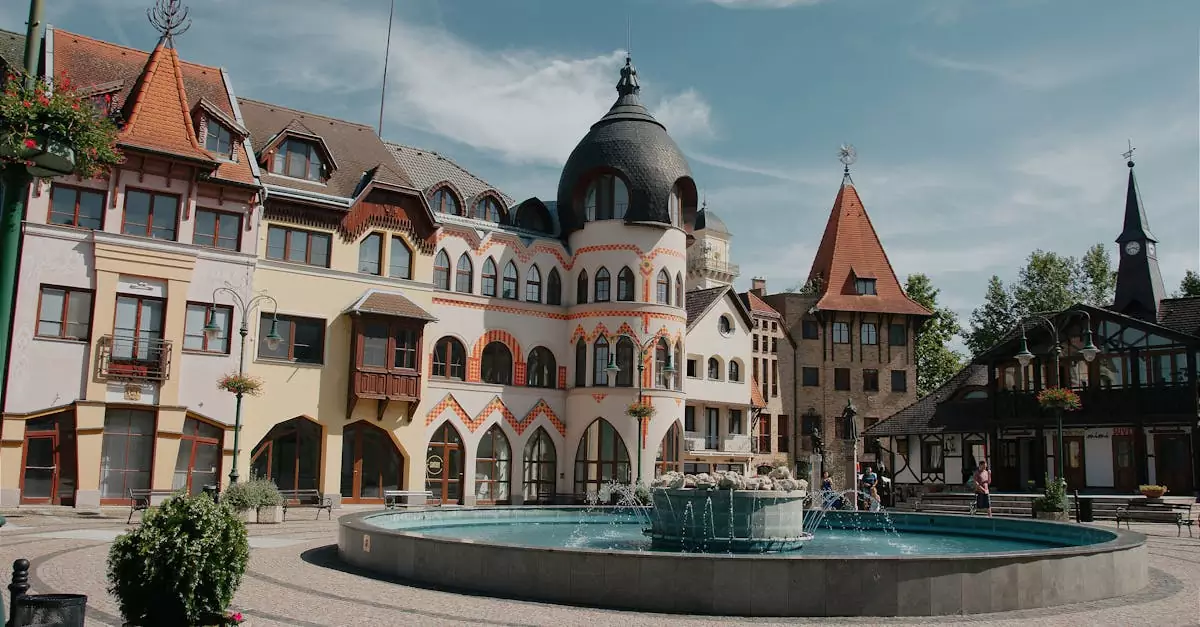
Europe’s reputation as a culinary powerhouse is well-earned, offering a rich variety of flavors that captivate travelers. From historic taverns to avant-garde kitchens, the continent provides an unmatched journey for anyone who loves food. Understanding what sets European cities apart is the first step to planning a memorable gastronomic trip.
The Evolution of European Gastronomy: From Tradition to Innovation
European food culture is a dynamic blend of deeply rooted traditions and a relentless pursuit of innovation. Centuries of history have shaped regional specialties, passed down through generations. Meanwhile, contemporary chefs across the continent are constantly pushing boundaries, reinterpreting classic dishes with modern techniques and global influences. This ongoing evolution ensures that even familiar flavors provide new experiences for discerning palates. Travelers seeking authentic tastes will discover them alongside groundbreaking culinary artistry, making Europe a truly exciting destination.
Regional Diversity: A Continent of Contrasting Flavors
The sheer diversity of European cuisine is staggering, primarily due to its varied geography and history. Travelers can journey from the olive groves of the Mediterranean, enjoying fresh seafood and vibrant vegetables, to the hearty stews and rich dairy products of Northern Europe. Each country—and often each region—boasts distinct ingredients, cooking methods, and signature dishes. This vast array means that a single trip can offer an incredible spectrum of tastes, from delicate French pastries to the bold spices of Hungary. Planning a culinary tour across Europe allows for a rich immersion into diverse cultural identities, all expressed through food.
The Impact of Local Markets on European Cuisine
Local markets are the heartbeat of European food culture, serving as vital hubs for both producers and consumers. These vibrant spaces are where chefs source the freshest seasonal ingredients and where locals connect with the food that defines their communities. Visiting a bustling market provides a sensory overload of sights, sounds, and smells, offering a genuine glimpse into daily life. For travelers, these markets are not just places to buy produce; they are opportunities to sample local delicacies, engage with vendors, and gain a deeper appreciation for the ingredients that form the foundation of Europe’s best food cities. Many markets also feature small eateries or food stalls, providing a casual and delicious way to taste regional specialties.
Top 5 European Cities for Unforgettable Culinary Experiences
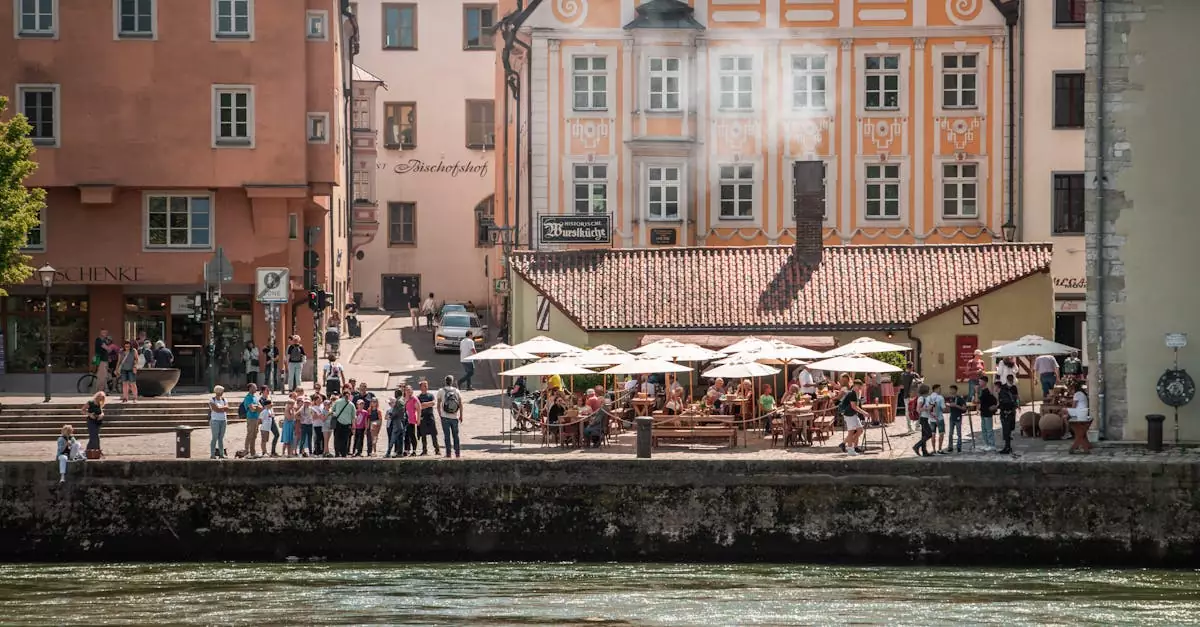
Planning a European adventure focused on exceptional food means knowing where to find the most vibrant gastronomic scenes. From pintxos bars to Michelin-starred innovation, these cities offer a deep dive into distinct culinary traditions, making them some of the best food cities in Europe for discerning travelers.
San Sebastián: Basque Country’s Pintxos Paradise
San Sebastián, located on the northern coast of Spain, is a pilgrimage site for food lovers. The city’s culinary heart beats strongest in its pintxos bars, where small, artfully crafted bites shine. Unlike Spanish tapas, pintxos are often more elaborate, served on a slice of bread and typically ordered by the piece. Wandering through the Old Town (Parte Vieja) and enjoying a pintxo alongside a glass of Txakoli (a local sparkling white wine) is essential to the San Sebastián experience.
Beyond the casual pintxos crawl, the city boasts an impressive concentration of Michelin-starred restaurants, including the world-renowned Arzak and Mugaritz. This commitment to high-quality ingredients and innovative techniques solidifies its status as a premier culinary destination.
- Getting Around: The city center is highly walkable, with most pintxos bars concentrated in the Old Town and the Gros neighborhood.
- Best Time to Visit: Spring (April-May) and autumn (September-October) provide pleasant weather and fewer crowds, while summer can be busy.
- Budget Tip: Fine dining can be expensive, but a pintxos tour can be surprisingly affordable if paced well.
Bologna: The Heart of Italian Pasta Perfection
Often overlooked in favor of Rome or Florence, Bologna is the undisputed culinary capital of Italy’s Emilia-Romagna region. The city is famous for iconic dishes like tagliatelle al ragù (authentic Bolognese sauce), tortellini, and mortadella. Bologna’s food culture is deeply rooted in tradition, emphasizing fresh, high-quality local produce and artisanal craftsmanship.
The Quadrilatero, Bologna’s ancient market district, is a vibrant maze of food shops, trattorias, and cafes. Here, you can find everything from handmade pasta to cured meats and local cheeses. Taking a pasta-making class is highly recommended for anyone wanting to understand the soul of Bolognese cuisine.
- Logistics: Bologna Guglielmo Marconi Airport (BLQ) is well-connected, and the city itself is compact and easily navigable on foot.
- Accommodation: Consider staying near the city center for easy access to markets and restaurants.
- Must-Try: Seek out a traditional trattoria for an authentic plate of tagliatelle al ragù.
Lyon: France’s Gastronomic Capital Explored
France is renowned for fine food, and Lyon stands as its gastronomic heart. This vibrant city in the Rhône-Alpes region is famous for its traditional “bouchons”—cozy, unpretentious restaurants serving hearty, classic Lyonnaise cuisine. Dishes often feature offal, rich sauces, and local charcuterie, reflecting the region’s agricultural heritage.
Exploring Les Halles de Lyon Paul Bocuse, a renowned indoor market, offers a sensory overload of local delicacies, from cheeses and wines to pastries and charcuterie. Lyon also has a significant number of Michelin-starred establishments, showcasing both traditional flavors and modern culinary innovation. The city’s commitment to food is so profound that it is often referred to as the “world capital of gastronomy.”
| Dining Type | Typical Dish Examples | Price Range (EUR) |
|---|---|---|
| Bouchon | Quenelles, Saucisson brioché, Salade Lyonnaise | 20-40 |
| Fine Dining | Modern French Cuisine | 100+ |
| Market Food Hall | Assorted local specialties | 10-25 |
Copenhagen: New Nordic Cuisine and Hygge Dining
Copenhagen has emerged as a global leader in innovative cuisine with the New Nordic movement. This culinary philosophy emphasizes seasonality, local ingredients, and a deep respect for nature. Restaurants like Noma (though recently transformed) have set high standards for creativity and sustainability.
Beyond the high-end scene, Copenhagen offers diverse dining experiences. From casual food markets like Torvehallerne, filled with artisanal producers and street food vendors, to charming cafes serving smørrebrød (open-faced sandwiches), there’s something for every palate. The Danish concept of “hygge,” a feeling of cozy contentment, often enhances the dining experience, making meals feel warm and inviting.
- Transportation: Copenhagen is an extremely bike-friendly city, allowing easy cycling between neighborhoods and dining spots. Public transport is also efficient.
- Seasonality: The New Nordic approach means menus change significantly with the seasons, offering unique experiences throughout the year.
- Unique Experience: Visit a food market for a diverse taste of Danish flavors, from fresh seafood to rye bread and pastries.
Beyond the Obvious: Discovering Lesser-Known European Foodie Havens

While Paris and Rome often steal the culinary spotlight, Europe is home to a constellation of other cities offering equally unforgettable gastronomic adventures. For travelers seeking authentic flavors and unique dining experiences away from the main tourist trails, these destinations present compelling cases for inclusion on any food lover’s itinerary. They showcase rich traditions, vibrant markets, and a genuine passion for regional produce that define the best food cities in Europe.
Porto’s Seafood and Port Wine Trail
Porto, Portugal, is where the Douro River meets the Atlantic, creating a paradise for seafood enthusiasts. Freshly grilled sardines, bacalhau (salt cod) prepared in countless ways, and hearty seafood stews are staples. The city is also synonymous with Port wine. A visit to Vila Nova de Gaia, across the river from Porto’s historic center, offers tours and tastings at renowned Port lodges like Taylor’s or Graham’s.
The Ribeira district, a UNESCO World Heritage site, buzzes with restaurants offering traditional Portuguese fare. For a more local experience, venture to the Mercado do Bolhão, a historic market undergoing renovation but still providing a glimpse into daily life and local produce. Don’t miss trying a Francesinha, a hearty layered sandwich often considered Porto’s signature dish, though it is a far cry from light, refined cuisine.
Getting around Porto is relatively easy. The historic center is walkable, and a good public transport system includes trams and buses. For day trips along the Douro Valley, scenic train rides are highly recommended. Budget-wise, Porto offers excellent value, with delicious meals available at reasonable prices, especially if you opt for local tascas (taverns).
Budapest’s Ruin Bar Bites and Goulash Gems
Budapest, Hungary, presents a fascinating blend of hearty, traditional cuisine and innovative culinary scenes, particularly within its famous ruin bars. These unique establishments, often set up in abandoned pre-war buildings, offer more than just drinks; many serve surprisingly good food, featuring elevated versions of Hungarian classics alongside international street food.
The quintessential Hungarian dish, goulash, is a must-try. This rich, paprika-spiced beef stew offers a comforting and flavorful experience. Other traditional delights include lángos (fried dough with toppings), chimney cake (kürtőskalács), and a variety of pastries. For a more refined experience, Budapest’s fine-dining scene is flourishing, with many restaurants focusing on modern interpretations of Hungarian ingredients.
Navigating Budapest is straightforward. The metro system is efficient, and trams provide excellent coverage. Walking is enjoyable in many districts, especially along the Danube. The city offers a range of dining budgets, from affordable market stalls and ruin bars to upscale restaurants. Consider visiting the Great Market Hall for a sensory overload of local produce and food stalls.
Valencia’s Paella Origins and Tapas Culture
Valencia, Spain, is not only the birthplace of paella but also a vibrant hub for tapas culture and fresh Mediterranean flavors. While traditional Valencian paella features rabbit and chicken, seafood variations are also widely enjoyed. Seek out restaurants that specialize in authentic paella cooked over an open fire for the best experience.
Beyond paella, Valencia excels in its tapas scene. Explore the El Carmen neighborhood for a lively atmosphere and numerous bars serving small plates like patatas bravas, gambas al ajillo (garlic shrimp), and jamón ibérico. The Central Market (Mercado Central) is a stunning Art Nouveau building and a fantastic place to sample local produce, cheeses, and cured meats.
Getting around Valencia is easy on foot or via its efficient public transport, including trams and buses. The city is relatively flat, making it pleasant for cycling as well. Budget travelers will find plenty of affordable options for tapas and paella, while high-end dining is also available. Visiting during the spring allows you to experience the city during the Las Fallas festival, though be prepared for crowds and higher prices.
Navigating Your Culinary Journey: Practical Tips for Food Lovers
Planning a gastronomic tour across Europe requires a strategic approach to maximize experiences and budget. From securing the best tables to understanding local transport, a little foresight goes a long way for any discerning foodie.
Budgeting for Gourmet Adventures in Europe
The cost of dining well in Europe varies significantly by city. While Paris and London can command high prices, cities like Lisbon and Budapest offer exceptional value, allowing your dining budget to stretch further. Consider a mix of fine dining, casual bistros, and local markets to balance spending.
A daily food budget might range from €40-€60 in more affordable cities, covering breakfast, lunch, and dinner with some local wine or craft beer. In pricier capitals, this could easily double to €80-€120, especially when including Michelin-starred experiences.
Here’s a general guide:
| City | Estimated Daily Food Budget (per person) | Notes |
|---|---|---|
| Paris | €80 – €150 | High-end dining, market treats |
| Rome | €60 – €100 | Trattorias, gelato, aperitivo |
| Barcelona | €50 – €90 | Tapas, fresh seafood, local markets |
| Lisbon | €40 – €70 | Pastéis de nata, seafood, bifanas |
| Amsterdam | €70 – €120 | Diverse international cuisine, stroopwafels |
| Budapest | €35 – €65 | Goulash, pastries, ruin bar snacks |
Essential Transportation for City-Hopping Foodies
Efficient travel between and within Europe’s food cities is crucial. High-speed rail networks connect many major culinary hubs, offering scenic routes and comfortable journeys. Booking train tickets in advance, especially for popular routes like Paris to Lyon or Rome to Florence, can secure better prices.
Within cities, public transport is usually excellent. Most major cities boast comprehensive metro systems, tram lines, and bus networks. Many destinations, including cities like Bologna or San Sebastián, are also highly walkable, allowing you to stumble upon hidden culinary gems on foot. Consider purchasing multi-day travel passes for convenience and cost savings.
Key transportation considerations:
- Inter-city: High-speed trains (e.g., TGV, Eurostar, Italo) are efficient. Budget airlines can be an option for longer distances, but factor in airport transfer times and costs.
- Intra-city: Metro, trams, and buses are common. Walking is often the best way to discover local eateries.
- Airport Transfers: Research options beforehand, as costs can vary widely.
Best Times to Visit Europe’s Food Cities for Harvest Festivals
Timing your visit to coincide with local harvest festivals or seasonal specialties can significantly enhance your culinary adventure. Spring often brings asparagus and early berries, while summer is peak season for stone fruits, tomatoes, and fresh seafood. Autumn highlights many regions, with truffle seasons, grape harvests (leading to wine festivals), and autumnal produce like mushrooms and root vegetables.
For instance, visiting Piedmont in Italy during October or November offers a chance to experience the white truffle season, a truly unforgettable gastronomic event. Similarly, the Basque Country in Spain celebrates its cider season in early spring. Even during the shoulder seasons of spring and autumn, you’ll often find fewer crowds and more competitive prices for travel and accommodation. Winter can be surprisingly rewarding, with hearty stews, festive markets, and the unique appeal of cozy taverns.
What Are the Must-Try Local Dishes in Europe’s Best Food Cities?
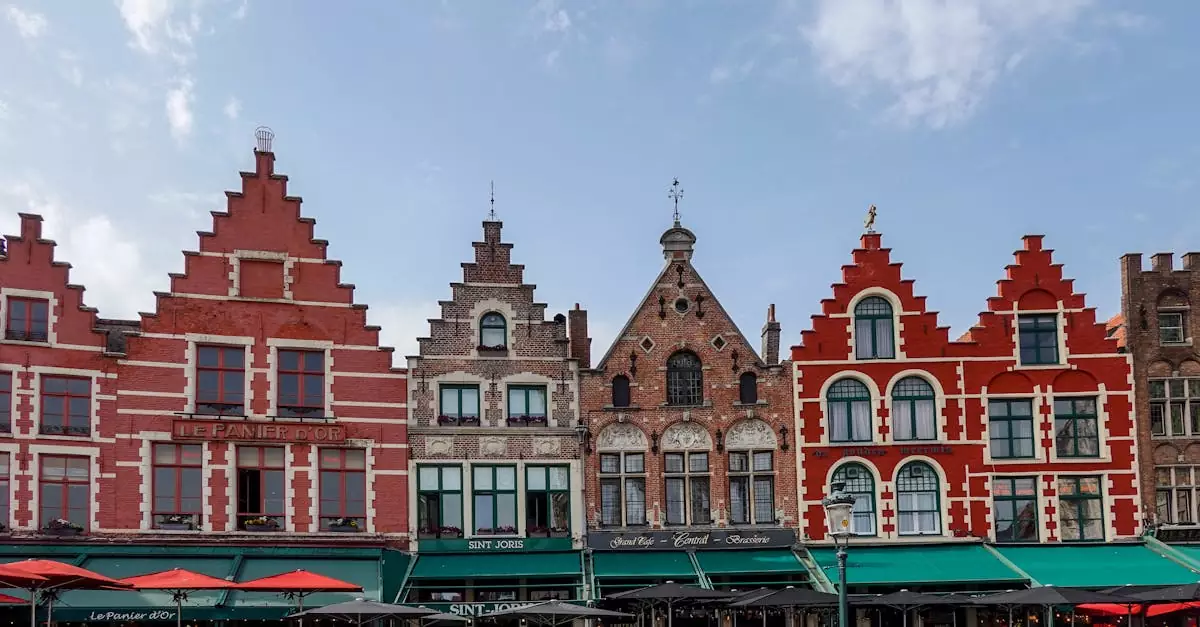
Exploring Europe’s culinary landscape is a journey through centuries of tradition, regional specialties, and innovative gastronomy. From savory pintxos to rich pasta dishes, each city offers a unique taste of its heritage. Familiarizing yourself with these iconic foods provides a delicious roadmap for any traveler eager to savor the authentic flavors of the continent.
Essential Pintxos to Sample in San Sebastián
San Sebastián, a jewel on Spain’s northern coast, is renowned for its vibrant pintxos culture. These small, artfully prepared snacks are more than just appetizers; they represent a way of life, enjoyed with a glass of local Txakoli wine while bar-hopping through the Old Town (Parte Vieja). Key pintxos to seek out include the classic Gilda, a skewer of anchovy, olive, and pepper, and Txangurro a la Donostiarra, a rich spider crab tartlet. Don’t miss the foie gras preparations, often seared to perfection, or the tortilla de patatas with its impossibly creamy interior. Visiting the various bars, each with its own specialties, is an essential San Sebastián experience.
The Definitive Guide to Bolognese Pasta Variations
While often simplified abroad, authentic Ragù alla Bolognese is a slow-cooked meat sauce originating from Bologna, Italy, that forms the heart of Emilia-Romagna’s cuisine. Traditionally served with fresh tagliatelle—not spaghetti—to better hold the rich sauce, the key ingredients include a soffritto of finely chopped onion, celery, and carrot, ground beef and pork, pancetta, a touch of tomato paste, and often milk or cream for tenderness and richness. Variations exist, with some chefs adding a splash of wine or nutmeg. Experiencing tagliatelle al ragù in Bologna offers a true taste of Italian comfort food, far removed from its international interpretations.
Iconic Dishes of Lyon’s Bouchons
Lyon, often hailed as the gastronomic capital of France, boasts a unique culinary institution: the bouchon. These traditional Lyonnaise eateries serve hearty, unpretentious fare that reflects the region’s agricultural bounty. A must-try is quenelles de brochet, delicate pike dumplings often served in a creamy Nantua sauce made with crayfish. Another classic is salade Lyonnaise, a simple yet satisfying salad featuring frisée lettuce, lardons, a poached egg, and a sharp vinaigrette. For the adventurous, andouillette, a coarse-grained sausage made from pork intestines, offers a distinctive, pungent flavor profile that is quintessentially Lyonnaise.
Exploring Smørrebrød and Danish Pastries in Copenhagen
Copenhagen’s food scene is a delightful blend of tradition and modern innovation. The open-faced sandwich, smørrebrød, is a cornerstone of Danish cuisine. These artfully arranged creations typically feature a slice of dense rye bread topped with butter, herring, shrimp, roast beef, or liver pâté, often adorned with capers, onions, dill, or egg. For a sweet indulgence, Copenhagen is also famous for its pastries, known locally as wienerbrød (Danish for “Viennese bread”). These flaky, buttery delights come in numerous forms, often filled with marzipan, fruit, or cream cheese, making them a perfect accompaniment to morning coffee or an afternoon treat.
Frequently Asked Questions About Europe’s Culinary Scene
Are there specific neighborhoods in European cities renowned for food?
Many European cities feature distinct districts celebrated for their culinary offerings. In Paris, the Latin Quarter and Le Marais are famous for diverse bistros and patisseries, while Saint-Germain-des-Prés provides a more refined dining experience. Rome’s Trastevere neighborhood is a popular choice for authentic trattorias, and the Testaccio market offers a lively atmosphere for sampling local delicacies. For vibrant street food and traditional taverns, Athens’ Psiri district is a must-visit.
What are common tourist mistakes to avoid when dining in Europe?
A common pitfall is dining too late; many restaurants in Southern Europe, for instance, open for dinner around 8 PM. Another mistake is expecting American-style service, which can be more rushed. In Europe, meals are often seen as social events, so pace yourself and savor the experience. Avoid eating in main tourist squares unless you’re specifically seeking a view, as prices can be inflated and quality may be lower. Always check if a service charge is included in the bill; if so, a large tip is usually unnecessary.
How can solo travelers best experience Europe’s food culture?
Solo travelers can immerse themselves in Europe’s food scene by embracing local markets. Visiting places like La Boqueria in Barcelona or Borough Market in London offers a chance to sample a wide array of foods and observe local life. Food tours are also excellent for solo visitors, providing structured ways to taste local specialties and connect with other travelers. Opting for smaller, counter-service establishments or casual cafes allows for easy solo dining without feeling out of place. Don’t hesitate to strike up conversations with chefs or vendors; many are happy to share insights about their dishes.