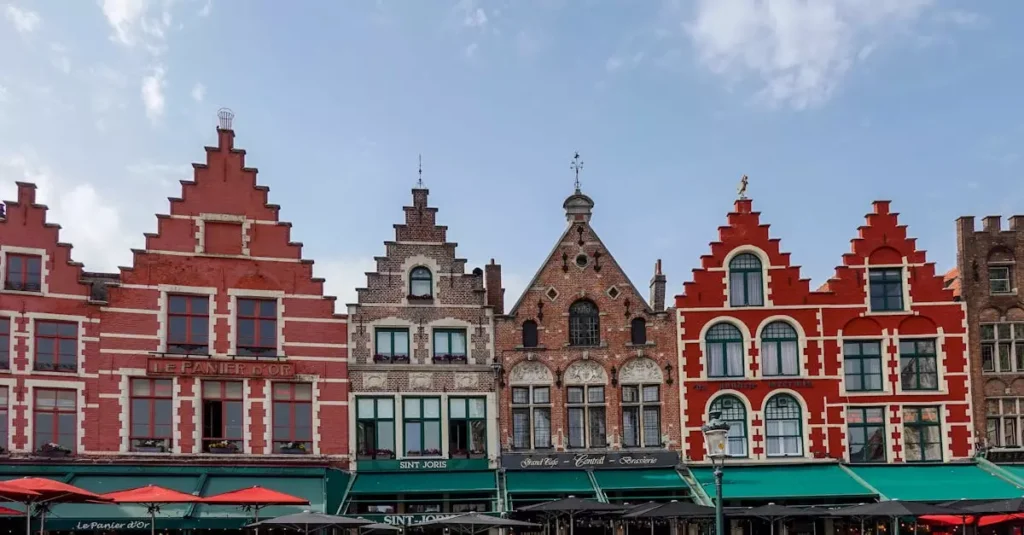
Forget the crowded tourist traps and overpriced menus. Europe’s true culinary heart lies in its local restaurants, where authentic flavors and genuine hospitality converge. This guide unlocks these hidden gems, taking you on a journey beyond typical recommendations to discover the best local eateries Europe has to offer. You’ll learn how to identify authentic spots, understand regional dining customs, and enjoy delicious, budget-friendly meals that reflect the true spirit of each destination. Prepare to explore vibrant neighborhoods, savor traditional dishes made with local ingredients, and immerse yourself in the everyday dining culture that makes European food so special.
Discovering Authentic Flavors: Beyond the Michelin Stars
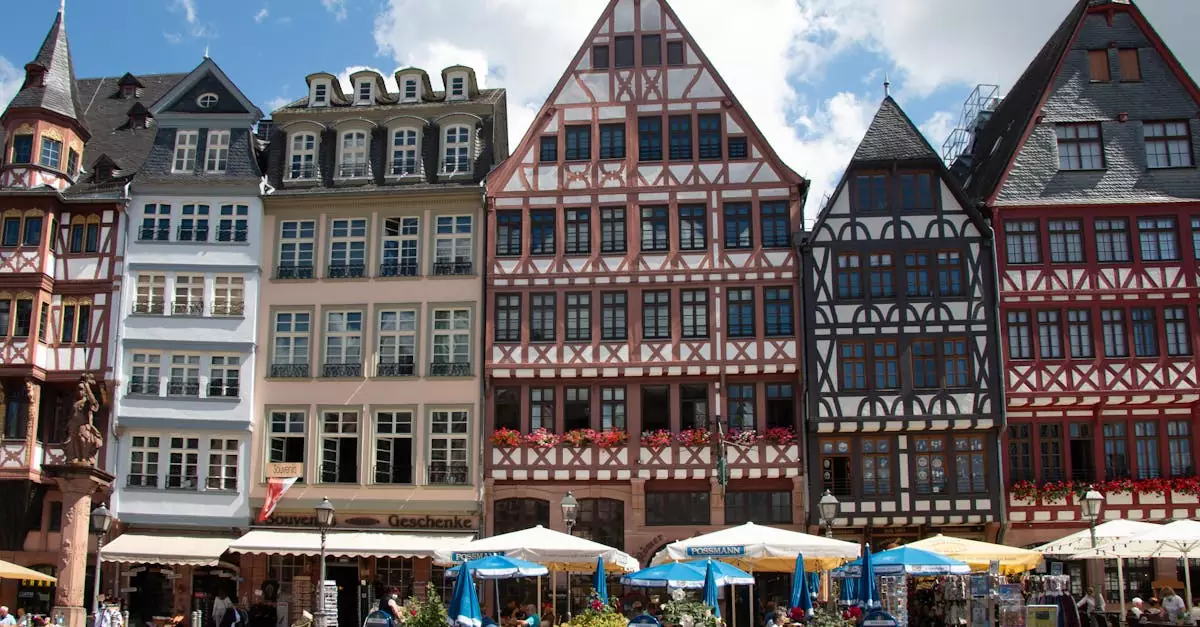
What defines a ‘local’ restaurant experience in Europe?
A genuine local restaurant experience in Europe transcends just good food; it’s about immersing yourself in the community’s culinary traditions. These unpretentious establishments often serve as gathering spots for residents celebrating everyday meals and special occasions. You’ll find menus that highlight seasonal availability and regional specialties, crafted using time-honored techniques. The atmosphere tends to be relaxed and lively.
To find these gems, look beyond well-trodden tourist paths. Seek out places where the menu is primarily in the local language, and where locals outnumber visitors. The staff may not speak fluent English, but a smile and a few basic phrases can go a long way. These are the spots where owners often oversee the kitchen and greet regulars by name.
Spotting authentic eateries in bustling European cities
Navigating a busy European city’s culinary landscape can be daunting, but a few key indicators can help you find genuine local restaurants. Look for establishments situated away from major landmarks or main squares. A bustling lunchtime crowd of office workers or shoppers often signals quality and authenticity.
Pay attention to the daily specials board, typically showcasing dishes that change based on market finds. Menus printed on laminated paper or available in multiple languages may indicate a tourist focus, though this isn’t always the case. Instead, seek concise menus that highlight regional classics. A good tip is to ask a local shopkeeper or your accommodation host for their favorite neighborhood spot.
The role of regional ingredients in European local cuisine
The best local restaurants in Europe are deeply committed to regional ingredients. Each country—and often each region—boasts unique produce, cheeses, meats, and seafood. Local eateries pride themselves on sourcing these ingredients from nearby farms, markets, and fisheries, ensuring peak freshness while supporting the local economy.
For instance, in Italy, a trattoria in Tuscany will likely feature dishes highlighting Chianina beef and local olive oil, while a restaurant in Sicily might focus on fresh seafood and citrus fruits. Similarly, in France, a bistro in Alsace will showcase dishes with pork and sauerkraut, reflecting its unique heritage. This dedication to terroir means that a dish can taste remarkably different depending on where you are in Europe. Understanding these regional nuances enriches your dining experience, offering a true taste of place.
Culinary Hotspots: Neighborhood Gems for Food Lovers
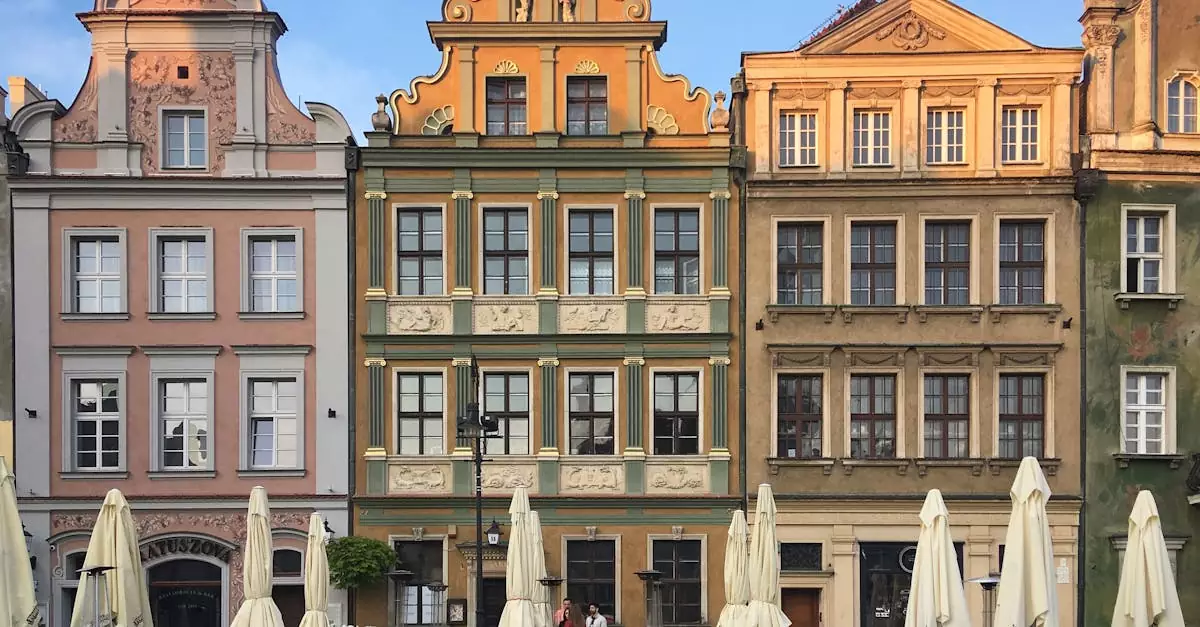
To discover the best local restaurants in Europe, venture beyond the typical tourist paths. This strategy not only saves money but also provides a more authentic taste of regional cuisine. Focusing on specific neighborhoods known for their vibrant food scenes can lead to unforgettable dining experiences.
Trastevere, Rome: Trattorias and Authentic Roman Pasta
Rome’s Trastevere neighborhood is a maze of cobblestone streets alive with the aromas of traditional Italian cooking. This area is famous for its intimate trattorias, many of which have been family-run for generations. Here, you’ll find quintessential Roman pasta dishes like cacio e pepe, amatriciana, and carbonara, prepared with simple, high-quality ingredients.
When dining in Trastevere, look for establishments filled with locals, often indicated by lively chatter and menus written only in Italian. Many of these spots offer outdoor seating, allowing you to soak in the charming atmosphere. A typical meal might include a primo piatto (pasta course), a secondo piatto (meat or fish course), and a glass of local Lazio wine. Visiting during the week, especially for lunch, can offer a more relaxed experience and potentially better prices.
Le Marais, Paris: Bistros Serving Classic French Fare
Paris’s historic Le Marais district, known for its elegant architecture and trendy boutiques, also boasts a rich culinary heritage. This neighborhood is home to numerous classic French bistros serving time-honored dishes. Expect to find staples such as boeuf bourguignon, coq au vin, escargots, and perfectly cooked steak frites.
For an authentic bistro experience in Le Marais, seek out places with concise, handwritten menus and a bustling lunchtime crowd of office workers. Many bistros offer formules or menus du jour (set menus) that provide excellent value. Don’t miss the chance to try a traditional French onion soup or a rich mousse au chocolat for dessert. While Paris is known for fine dining, these neighborhood bistros provide genuine French hospitality and delicious, comforting food.
Gràcia, Barcelona: Catalan Tapas Bars and Local Delights
Gràcia, once an independent town, retains a distinct village feel within Barcelona, making it an ideal spot for discovering authentic Catalan cuisine. This area is dotted with small tapas bars and local restaurants emphasizing fresh, seasonal ingredients and traditional recipes. It’s an excellent place to sample a wide array of tapas, from simple pan con tomate to more elaborate seafood creations.
Exploring Gràcia means stumbling upon hidden bodegas and xiringuitos (small bars) that serve local specialties. Look for places packed with residents enjoying their evening tapeo (tapas crawl). Beyond tapas, Gràcia offers opportunities to try Catalan dishes like fideuà (a noodle paella) or esqueixada (a cod salad). The neighborhood’s squares are particularly lively in the evenings, with many bars and restaurants spilling out onto the terraces.
Kreuzberg, Berlin: Diverse Street Food and International Flavors
Kreuzberg, known for its vibrant multicultural atmosphere, is a culinary melting pot offering some of the best local and international flavors in Berlin. While Berlin is famous for its Currywurst, Kreuzberg expands the scene with an incredible array of street food and casual eateries reflecting the city’s diverse population. Vietnamese, Turkish, Middle Eastern, and Balkan cuisines are particularly well-represented.
This neighborhood is the place to find authentic Döner Kebab beyond typical tourist stands, as well as flavorful noodle soups, falafel wraps, and regional specialties from across the globe. Many of the best food experiences in Kreuzberg are found at street food markets like Markthalle Neun, or in numerous small, unpretentious eateries lining its streets. It’s a fantastic destination for adventurous eaters on a budget, offering bold flavors and a lively, welcoming dining scene.
The Art of the European Meal: Dining Etiquette and Customs
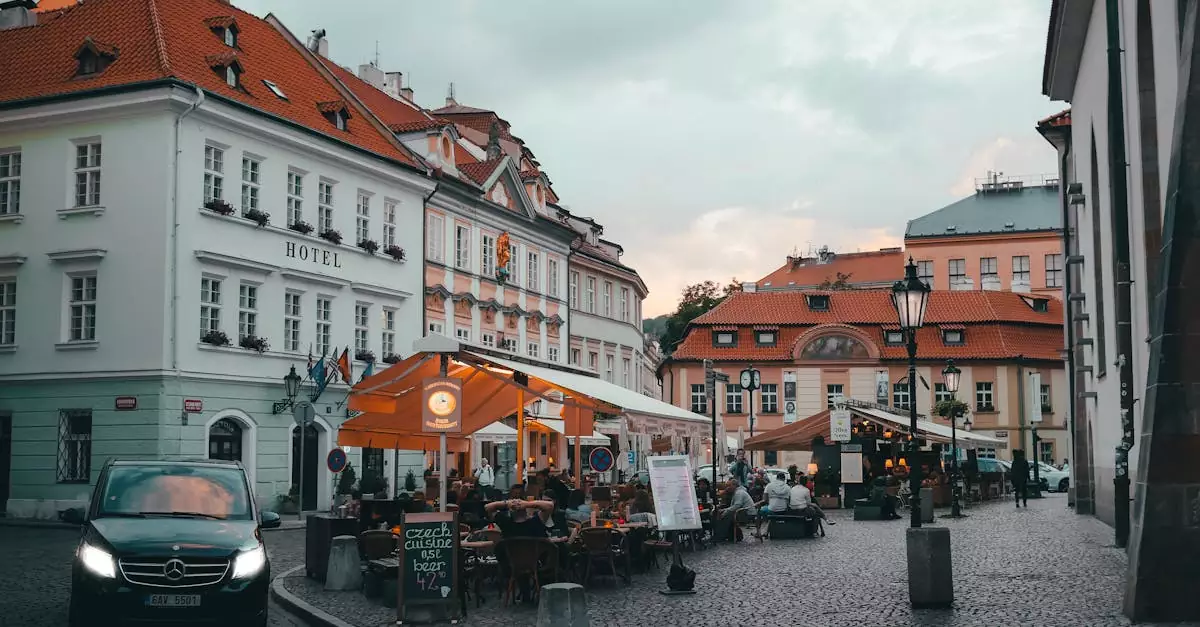
Embarking on a culinary journey across Europe involves more than just tasting new dishes; it requires understanding the cultural nuances of dining. From the leisurely pace of a French lunch to the communal spirit of Spanish tapas, each region offers a unique dining experience. Embracing these local customs enhances your enjoyment and helps you navigate the vibrant food scene, moving beyond typical tourist traps to find the best local restaurants Europe has to offer.
Understanding meal times and service in different European countries
Meal times vary significantly across the continent, and knowing these differences is key to a smooth dining experience. In Spain, for instance, lunch (la comida) is typically eaten between 2:00 PM and 4:00 PM, with dinner (la cena) often starting as late as 9:00 PM or 10:00 PM, especially in the summer. This late-night dining culture is common in many southern European countries.
In contrast, countries like Germany or the Netherlands usually serve dinner earlier, often between 6:00 PM and 8:00 PM. In Scandinavia, mealtimes can also be earlier, with many restaurants closing by 10:00 PM. Service style varies as well; expect more attentive, faster service in some Northern European establishments, while in Italy or Greece, the emphasis is often on a relaxed, lingering meal, where you won’t be rushed.
| Country | Typical Lunch Time | Typical Dinner Time | Service Pace |
|---|---|---|---|
| Spain | 2:00 PM – 4:00 PM | 9:00 PM – 10:00 PM+ | Relaxed |
| France | 12:30 PM – 2:30 PM | 7:30 PM – 10:00 PM | Moderate |
| Italy | 1:00 PM – 2:30 PM | 8:00 PM – 10:00 PM | Relaxed |
| Germany | 12:00 PM – 2:00 PM | 6:00 PM – 8:00 PM | Efficient |
| Greece | 2:00 PM – 4:00 PM | 8:30 PM – 10:00 PM+ | Very Relaxed |
| Netherlands | 12:00 PM – 1:30 PM | 6:00 PM – 7:30 PM | Efficient |
Navigating menus and ordering like a local
Understanding menu terminology can significantly enhance your dining experience. While English is widely spoken in tourist areas, local eateries may require a bit more effort. Familiarize yourself with common culinary terms. For example, in Italy, “antipasti” are starters, “primi piatti” are first courses (often pasta or risotto), and “secondi piatti” are main courses (meat or fish). “Contorni” are side dishes.
In France, “entrées” are starters, “plats principaux” are main courses, and “desserts” are sweets. Don’t hesitate to ask your server for recommendations; they are often the best source for daily specials or dishes that aren’t heavily promoted. Learning a few basic phrases in the local language, such as “What do you recommend?” or “I am vegetarian,” can go a long way in showing respect and often leads to better service and more authentic recommendations.
Tipping practices across Europe’s local dining scene
Tipping customs in Europe vary widely, with practices differing from country to country and even within regions. In many Western and Northern European countries like Germany, the Netherlands, and Scandinavia, service charges are often included in the bill, but it’s customary to round up or leave an additional 5-10% for good service. In France and Italy, a service charge (“service compris” or “servizio incluso”) is typically included by law, so an extra tip is not always expected, though a small gesture for exceptional service is appreciated.
In Southern Europe, such as Spain and Portugal, tipping is less ingrained. Leaving a few euros for good service or rounding up the bill is common, but it’s not mandatory. Eastern European countries also have varied practices, but generally, a tip of around 10% for satisfactory service is a good guideline. Always check the bill for a service charge before deciding how much to tip. Understanding these nuances ensures you’re not over or under-tipping, contributing to a smooth interaction at these best local restaurants Europe has to offer.
Budget-Friendly Feasts: Savoring Europe’s Local Restaurants Affordably
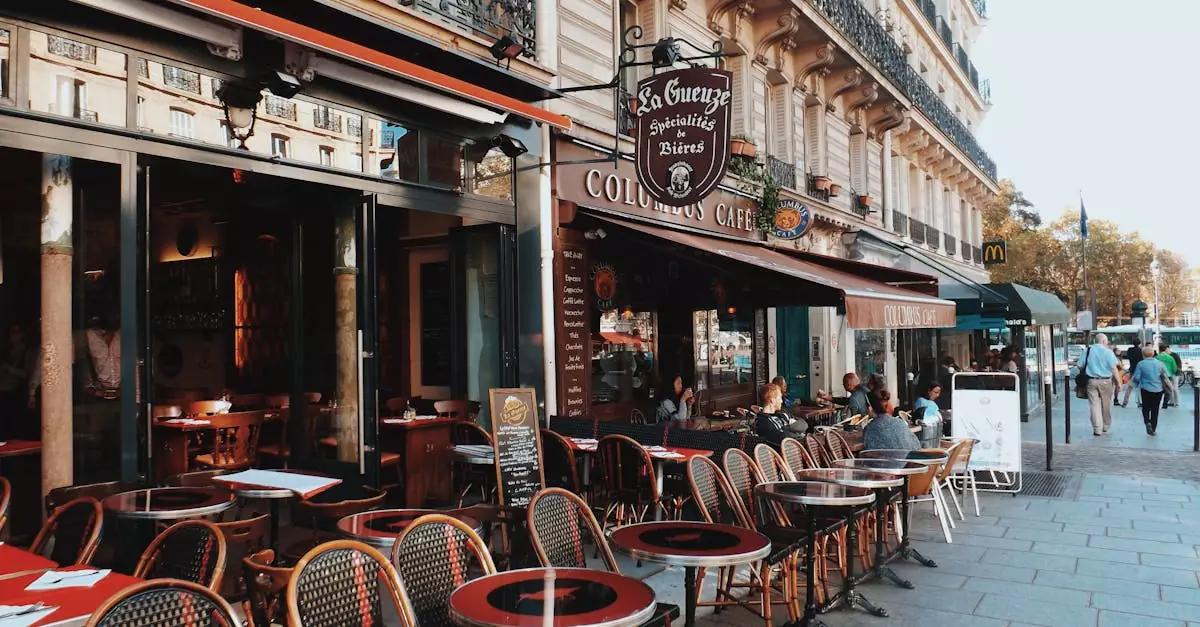
Embarking on a culinary adventure through Europe doesn’t require an unlimited budget. The continent is brimming with opportunities to enjoy authentic, delicious meals at local restaurants without breaking the bank. Shifting focus from tourist-heavy areas to neighborhoods where locals dine is the first step to unlocking these affordable gems.
Finding affordable local restaurants in major European capitals
Major European capitals like Paris, Rome, and London can seem intimidatingly expensive, but local eateries are often tucked away just a few blocks from the main attractions. Look for establishments with handwritten menus, where patrons appear to be regulars, and where the spoken language is primarily the local tongue. In Paris, venture into the Latin Quarter or parts of the 11th arrondissement for bistros serving classic French fare at reasonable prices. Rome’s Trastevere or Testaccio neighborhoods offer trattorias where pasta dishes are often under €15. Even in London, areas like Brixton or parts of East London provide a wealth of diverse and affordable dining options.
Maximizing value: Lunch specials and market eats
Many European countries offer exceptional value through lunch specials, known as menu del día in Spain, pranzo di lavoro in Italy, or formule déjeuner in France. These set menus, typically available on weekdays, include multiple courses (starter, main, and sometimes dessert or coffee) for a fixed, attractive price. These are often significantly cheaper than ordering à la carte for dinner. Additionally, local food markets are a treasure trove for budget travelers. Places like La Boqueria in Barcelona or Borough Market in London, while popular, have stalls offering prepared foods, fresh produce, and local delicacies that can make for a delicious and inexpensive meal.
Estimating daily food costs for a European culinary trip
Estimating your daily food budget for a European culinary trip depends heavily on your chosen destinations and dining habits. For budget-conscious travelers focusing on local restaurants and market finds, a daily food cost of €40-€60 per person is achievable in many Western European cities. This might include a cheap breakfast from a bakery, a hearty lunch special, and a modest dinner at a local spot, with perhaps a coffee or pastry in between. In more expensive cities like Zurich or Oslo, this figure could rise to €70-€90, while in Eastern European capitals such as Prague or Budapest, you might comfortably dine for €30-€50 per day.
Here’s a general comparison for daily food costs in select European cities, assuming a focus on local eateries and moderate spending:
| City | Estimated Daily Food Cost (EUR) | Notes |
|---|---|---|
| Paris | €50 – €70 | Look for formule déjeuner |
| Rome | €45 – €65 | Trastevere and Testaccio are good areas |
| Barcelona | €40 – €60 | Market stalls offer great value |
| Berlin | €35 – €55 | Diverse and affordable international food |
| Prague | €30 – €50 | Traditional Czech pubs offer hearty meals |
| Lisbon | €35 – €55 | Small tascas serve excellent seafood |
These figures are estimates and can fluctuate based on specific restaurant choices, alcohol consumption, and the inclusion of snacks or additional treats. Planning to utilize lunch specials and explore neighborhood eateries will significantly help manage expenses while still enjoying the best local flavors.
Beyond the Plate: Experiencing Local Life Through Food

Dining in Europe offers a profound opportunity to connect with local culture. Moving beyond the well-trodden tourist paths to find authentic eateries is key to this experience. These are the places where recipes are passed down through generations, and the atmosphere buzzes with genuine community life. Discovering these spots transforms a meal into a cultural immersion, offering a true taste of Europe.
How to find the best local restaurants recommended by residents
Locating the best local restaurants in Europe often means looking where locals themselves gather. Start by observing neighborhoods slightly away from major attractions. Emptying your mind of preconceived notions about what a restaurant “should” look like is also helpful; the most authentic spots might be unassuming.
One effective strategy is to ask shopkeepers, hotel staff (especially those not working in the main tourist reception), or even taxi drivers for their personal favorites. Be specific: ask for their go-to lunch spot or where they take visiting family. Online forums and local expat groups can also yield insider tips, though always cross-reference recommendations. Many European cities have dedicated apps or websites that aggregate user reviews from residents, often focusing on authenticity.
Consider the time of day. If a restaurant is packed with locals during a weekday lunch hour, it’s a strong indicator of quality and value. Look for menus that are primarily in the local language, perhaps with limited English translations. This often signifies a place catering to a regular, local clientele rather than transient visitors.
Attending local food festivals and markets in Europe
Europe’s vibrant calendar of food festivals and markets provides an unparalleled gateway into regional culinary traditions. These events are not just about sampling delicious food; they are lively social gatherings where you can interact directly with producers and chefs. From the bustling Christmas markets of Germany offering hearty sausages and mulled wine to the fresh produce and artisanal cheeses found at a Provençal market in France, each event tells a story of local agriculture and gastronomy.
Attending a food market offers a sensory overload in the best way. The aroma of freshly baked bread, ripe fruits, and local delicacies fills the air. You can often sample items before buying, allowing for spontaneous culinary discoveries. Many markets also have food stalls where you can enjoy a casual meal, often prepared with the very ingredients sold by neighboring vendors.
Food festivals, on the other hand, often focus on specific regional products or culinary styles. A seafood festival on the coast of Portugal, for instance, will showcase the freshest catches prepared in traditional ways. These events are excellent for understanding the ingredients that define a region’s cuisine and the passion locals have for their food heritage. Checking local tourism websites or event listings for the specific region you’re visiting is the best way to find out what festivals or markets are happening during your stay.
Joining a food tour for an immersive local dining experience
For travelers seeking a structured yet deeply authentic culinary adventure, joining a local food tour is an excellent choice. These tours are typically led by residents who possess intimate knowledge of their city’s food scene, often taking you to establishments that are difficult to find or understand without guidance. Guides frequently share historical anecdotes, explain regional ingredients, and offer insights into local dining etiquette, enriching the entire experience.
Food tours are particularly beneficial in larger European cities where the sheer number of dining options can be overwhelming. They curate a selection of diverse eateries, from small family-run trattorias in Italy to traditional pubs in the United Kingdom, ensuring you taste a variety of local specialties. Many tours also include visits to local markets or artisan producers, providing a holistic view of the food ecosystem.
When selecting a food tour, look for those that emphasize small group sizes and focus on neighborhood eateries rather than solely on high-traffic tourist spots. Reading recent reviews can help identify tours that genuinely connect travelers with local culture and provide exceptional value. Participating in a food tour is a highly efficient way to discover the best local restaurants and gain a deeper appreciation for the culinary landscape of Europe.
Frequently Asked Questions About Europe’s Best Local Restaurants
What are the best local restaurants in Europe for vegetarian/vegan options?
Many European cities now offer excellent vegetarian and vegan dining. In Berlin, for example, you’ll find a wealth of plant-based eateries, from casual cafes to innovative fine dining. Look for restaurants that highlight seasonal produce, a common practice in many European kitchens. Cities like London, Amsterdam, and Copenhagen also have thriving vegan scenes. Researching local food blogs or using dedicated vegan travel apps can pinpoint the best spots in any given region.
How can I avoid tourist traps when seeking local eateries?
To find genuine local dining experiences, step away from major landmarks and busy squares. Venture into residential neighborhoods or university districts; these areas often host more authentic and affordable establishments. Observe where locals are dining—a busy restaurant filled with residents is usually a good sign. Look for menus written primarily in the local language, possibly with limited English translations. Menus that are overly extensive or feature pictures of every dish can sometimes indicate a tourist-focused establishment.
Are reservations necessary for popular local restaurants in Europe?
For popular local restaurants, especially in larger cities or during peak tourist seasons, reservations are often highly recommended, if not essential. Smaller, traditional establishments might operate on a first-come, first-served basis, but even these can fill up quickly on weekend evenings. It’s wise to check the restaurant’s website or call ahead, particularly if you’re traveling during summer or around holidays. Some highly sought-after places may require booking weeks in advance. For casual bistros or cafes, walk-ins are usually fine, but always consider the time of day.