Planning a trip to the Emerald Isle? Discovering the best places to visit in Ireland takes you through landscapes of breathtaking beauty, rich history, and vibrant culture. This guide will help you navigate the island’s most captivating destinations, from the lively streets of Dublin and the dramatic Cliffs of Moher to the serene beauty of Killarney National Park and the rugged charm of the Aran Islands. You’ll learn about iconic landmarks, hidden gems, and practical tips for crafting your perfect itinerary, whether you have a week or more. Get ready to explore ancient castles, wander through picturesque villages, and immerse yourself in the warmth of Irish hospitality.
Must-See Destinations for First-Time Visitors to Ireland
When planning your first journey to the Emerald Isle, several key locations offer a quintessential Irish experience, blending history, natural beauty, and vibrant culture. These destinations are widely regarded as the best places to visit in Ireland for those seeking a comprehensive introduction to the country.
Exploring the Vibrant Streets of Dublin: Trinity College & Temple Bar
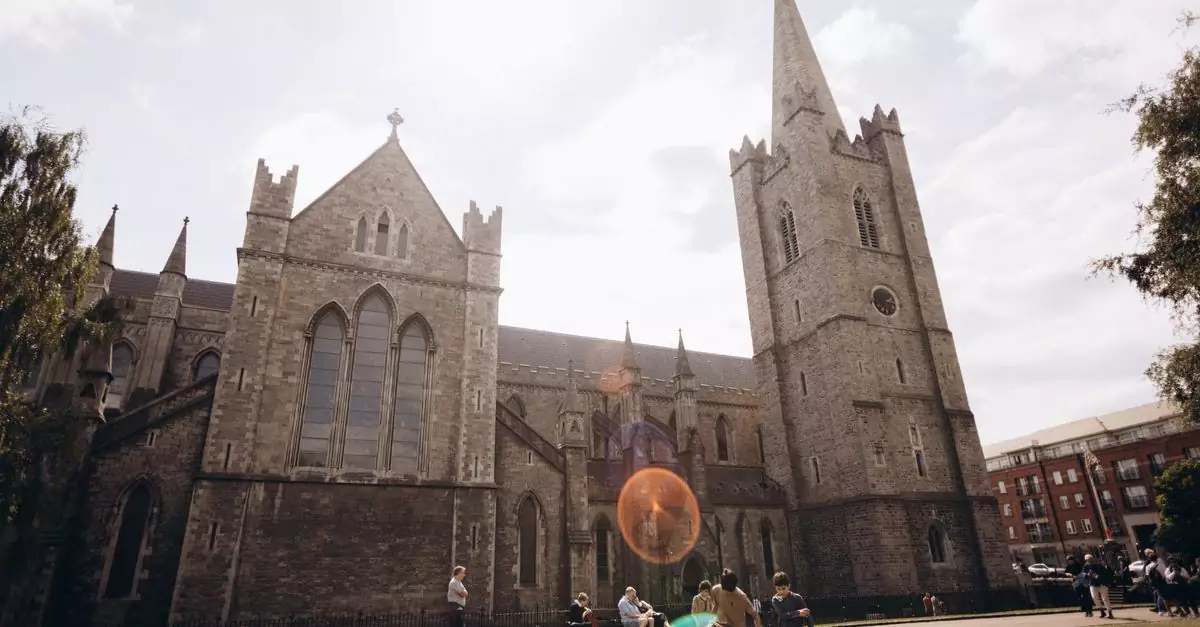
Dublin, the capital city, serves as a natural starting point for most visitors. Its historic core is compact and walkable, featuring a rich tapestry of Georgian architecture, bustling pubs, and significant landmarks. A visit to Trinity College is essential—not only to admire its stunning Long Room library but also to see the ancient Book of Kells.
For a taste of Dublin’s lively atmosphere, head to the Temple Bar district. While it can be crowded and tourist-focused, it’s undeniably the heart of the city’s traditional music scene, with pubs offering live performances nightly. Beyond Temple Bar, explore Grafton Street for shopping and street performers, and visit Dublin Castle for a glimpse into Ireland’s past. Consider a guided walking tour to uncover hidden historical gems and local anecdotes.
- Getting Around: Dublin is well-served by public transport, including buses and the Luas tram system. Many central attractions are within walking distance.
- Accommodation: Options range from luxury hotels to budget-friendly hostels and guesthouses. Booking in advance is recommended, especially during peak season.
The Majestic Cliffs of Moher: Dramatic Coastal Scenery
No trip to Ireland is complete without witnessing the awe-inspiring Cliffs of Moher. Located on the west coast in County Clare, these dramatic sea cliffs rise over 700 feet above the Atlantic Ocean, offering breathtaking panoramic views. The sheer scale and rugged beauty of the landscape are unforgettable.
Visitors can walk along designated pathways, with O’Brien’s Tower providing a central viewpoint. The visitor center, built into the hillside, offers informative exhibits about the geology and wildlife of the area. Be prepared for strong winds and changing weather; sturdy footwear and waterproof clothing are advisable. The best light for photography is often in the late afternoon.
- Access: The Cliffs of Moher are accessible by car, bus tours from Galway or Limerick, or as part of a day trip. Parking is available but can fill up quickly.
- Timing: While open year-round, visiting during the shoulder seasons (spring and autumn) can mean fewer crowds and potentially clearer skies.
Galway City: A Hub of Traditional Music and Culture
Galway, situated on the River Corrib, is renowned for its bohemian spirit and thriving traditional Irish music scene. This vibrant city on the west coast offers a more relaxed pace than Dublin, with a strong emphasis on arts and culture. The pedestrianized streets of the Latin Quarter are filled with colorful shops, lively pubs, and street performers.
Spend an evening hopping between pubs like Tigh Neachtain or The Crane Bar to experience authentic live music sessions. Galway also boasts a rich history, evident in its medieval city walls and the Spanish Arch. The city is a fantastic base for exploring the wider region, including the Aran Islands and Connemara National Park.
- Logistics: Galway is easily reachable by train or bus from Dublin and other major cities. The city center is highly walkable.
- Local Flavor: Sample fresh seafood, particularly oysters, which are a local specialty.
Killarney National Park: Lakes, Mountains, and Muckross House
For nature lovers, Killarney National Park in County Kerry is an unparalleled destination. This expansive park encompasses stunning lakes, majestic mountains, ancient woodlands, and historic estates. It’s a UNESCO World Biosphere Reserve, offering diverse landscapes for hiking, cycling, and boating.
A highlight is Muckross House, a Victorian mansion set amidst beautiful gardens, offering a glimpse into aristocratic life. Visitors can hire a jaunting car (horse-drawn carriage) for a charming tour of the park and its key attractions, including Torc Waterfall and Ladies View. The park’s natural beauty is captivating in any season, though autumn foliage adds an extra layer of splendor.
- Activities: Options include boat trips on the lakes, cycling the Gap of Dunloe, or simply enjoying scenic drives and walks.
- Accommodation: Killarney town offers a wide range of hotels, guesthouses, and B&Bs, catering to various budgets.
These destinations provide a solid foundation for understanding the allure of Ireland, from its bustling capital to its wild coastlines and serene national parks.
Beyond the Tourist Trail: Uncovering Ireland’s Hidden Gems
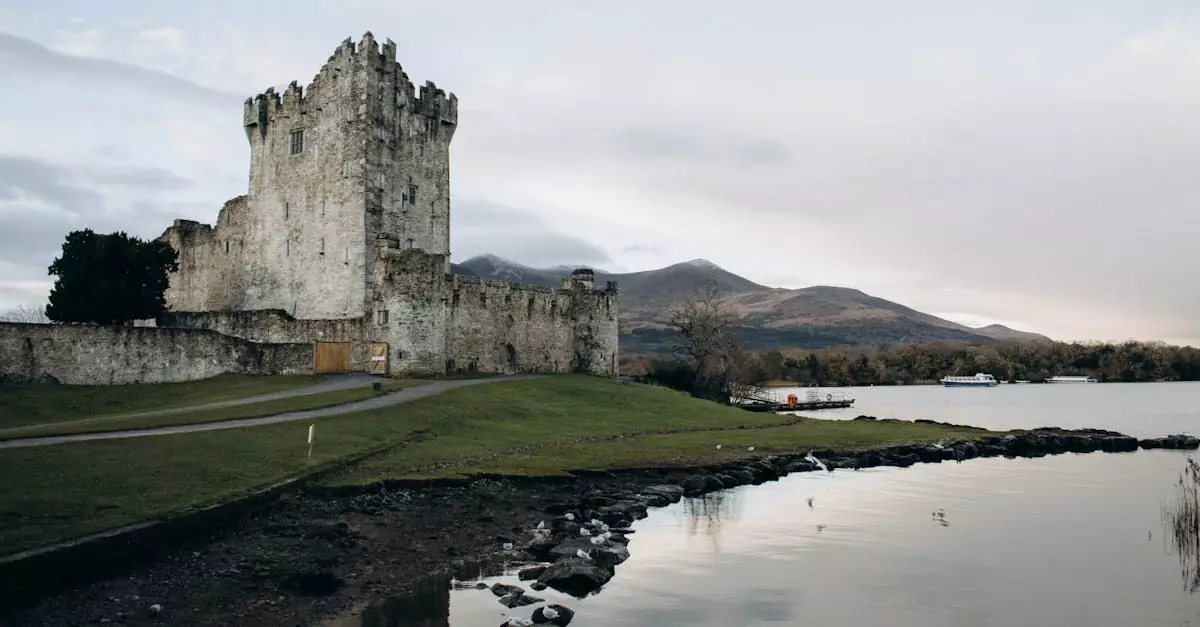
While iconic landmarks draw crowds, Ireland’s true enchantment often lies off the beaten path. Venturing beyond the most popular destinations reveals a quieter, more authentic side of the Emerald Isle. These less-trodden locations offer profound natural beauty, rich history, and a genuine connection with local culture, providing a rewarding experience for those seeking something beyond the usual tourist circuit.
The Wild Atlantic Way’s Secret Beaches and Coastal Drives
The Wild Atlantic Way, Ireland’s famed coastal route, is celebrated for its dramatic cliffs and sweeping ocean vistas. However, its vast expanse hides countless secluded beaches and lesser-known driving stretches that offer tranquility and breathtaking scenery without the throngs of visitors. Look for signs to local beaches like Silver Strand in County Mayo or Keem Bay in Achill Island, which often require a short detour but reward with pristine sands and crystal-clear waters. These spots are ideal for a peaceful picnic or a refreshing dip on a sunny day, providing a different perspective on the rugged coastline.
Inishmore Island: Aran Islands’ Rugged Beauty and Ancient Forts
Inishmore, the largest of the Aran Islands, presents a starkly beautiful landscape of stone walls, windswept fields, and ancient forts. Accessible by ferry from Rossaveal in County Galway or Doolin in County Clare, the island offers a step back in time. Rent a bicycle upon arrival to navigate the narrow roads and discover Dún Aonghasa, a prehistoric stone fort perched dramatically on a cliff edge. The island’s unique culture, traditional music, and resilient inhabitants add to its allure, making it a memorable escape from the mainland.
The Burren National Park: Unique Karst Landscape and Flora
The Burren, located in County Clare, is a geological marvel. This vast area of glaciated limestone pavement creates a unique, almost lunar landscape. Despite its seemingly barren appearance, the Burren supports a surprisingly rich and diverse array of flora, including rare arctic, alpine, and Mediterranean plants that thrive in its crevices. Walking trails wind through the park, offering opportunities to observe this unusual ecosystem up close. The Poulnabrone Dolmen, an ancient portal tomb, stands as a silent testament to the area’s long history.
Connemara National Park: Mountains, Bogs, and Scenic Vistas
Connemara National Park in County Galway is a region of wild, untamed beauty. Its landscape is dominated by rugged mountains, expansive bogs, and glittering lakes, offering a dramatic and picturesque setting. Diamond Hill, a prominent peak within the park, provides a rewarding hiking experience with panoramic views of the surrounding wilderness. Visitors can explore walking trails that range from gentle strolls to more challenging climbs, immersing themselves in the raw, natural splendor of western Ireland. The park is easily accessible and offers various ways to appreciate its stunning scenery.
Planning Your Perfect Ireland Itinerary: From North to South
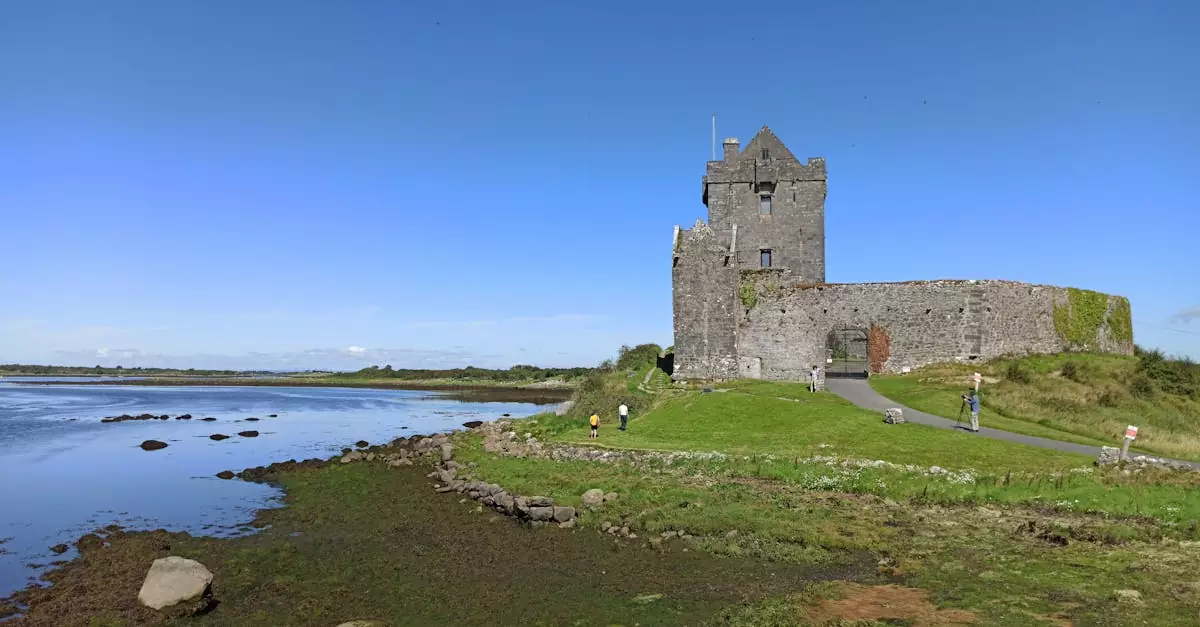
Crafting an Ireland itinerary involves balancing iconic sights with hidden gems. Whether you have a week or ten days, understanding how to connect different regions is key to a fulfilling trip. Consider your interests, pace, and the time of year to maximize your experience of the Emerald Isle.
A 7-Day Ireland Road Trip: Dublin to the West Coast
A week allows for focused exploration, typically starting and ending in Dublin. This route prioritizes major highlights without feeling overly rushed, making it a popular choice for first-time visitors eager to see the capital and sample the dramatic western landscapes.
Day 1-2: Dublin
Begin in Dublin, immersing yourself in its history and vibrant pub culture. Key attractions include Trinity College, the Book of Kells, Dublin Castle, and the Guinness Storehouse. Allow ample time to wander through the Temple Bar district and soak in the atmosphere.
Day 3: Kilkenny & Cashel
Drive south to Kilkenny, a medieval city with a stunning castle. Continue to the Rock of Cashel, an ancient royal site perched on a limestone outcrop, offering breathtaking views and a glimpse into Ireland’s past.
Day 4-5: Killarney & the Ring of Kerry
Head southwest to Killarney, the gateway to the Ring of Kerry. This scenic drive showcases coastal villages, mountains, and lakes. Consider a Jaunting Car ride through Killarney National Park for a traditional experience.
Day 6: Cliffs of Moher & Galway City
Journey north to the majestic Cliffs of Moher, towering over the Atlantic. Afterwards, continue to Galway City, known for its lively arts scene, colorful streets, and traditional music.
Day 7: Return to Dublin
Drive back to Dublin for your departure, perhaps stopping at Clonmacnoise, an ancient monastic settlement, along the way.
This itinerary is best suited for those who enjoy a mix of city exploration and natural beauty. Renting a car is essential for this route, offering flexibility to stop at scenic viewpoints.
A 10-Day Adventure: Exploring Northern Ireland and the Causeway Coast
Extending your trip to ten days opens up the possibility of exploring Northern Ireland, adding a distinct cultural and scenic dimension. This itinerary offers a deeper dive into the island’s diverse landscapes and history.
Day 1-2: Dublin
Start in Dublin as described in the 7-day itinerary.
Day 3: Belfast
Travel north to Belfast. Explore the Titanic Belfast museum, visit Stormont Estate, and learn about the city’s complex history through a Black Cab Tour.
Day 4-5: Causeway Coast
Drive the scenic Causeway Coastal Route. Highlights include the Giant’s Causeway, Carrick-a-Rede Rope Bridge, Dunluce Castle ruins, and the charming towns of Portrush and Portstewart.
Day 6: Derry/Londonderry
Continue west to Derry/Londonderry, a historic walled city. Walk the city walls, visit the Bogside murals, and understand its significant role in Irish history.
Day 7-8: Donegal
Cross back into the Republic of Ireland and head to County Donegal. This region is known for its rugged landscapes, wild coastlines, and Gaelic culture. Explore Glenveagh National Park or visit the Slieve League cliffs, even higher than the Cliffs of Moher.
Day 9: Galway City
Travel south to Galway City, enjoying the transition from the wild north to the more bohemian west.
Day 10: Departure from Dublin
Drive back to Dublin for departure.
This longer itinerary is ideal for travelers who want to experience more of the island’s distinct regions and are comfortable with more driving. The landscapes in the north are dramatically different from the west, offering a richer overall perspective.
Tailoring Your Trip: Family-Friendly Adventures in Ireland
Ireland is a fantastic destination for families, offering a blend of history, nature, and engaging activities. When planning with children, consider shorter driving distances between locations and attractions that cater to various age groups.
- Dublin: Dublinia (Viking and medieval Dublin experience), Phoenix Park (zoo and open spaces), and the National Museum of Ireland – Natural History are excellent family stops.
- West Coast: Horse riding in Connemara, boat trips to the Aran Islands (best for older children due to ferry duration), and interactive experiences at the Cliffs of Moher Visitor Centre are popular. Killarney National Park offers accessible trails and boat tours.
- Northern Ireland: The Giant’s Causeway is naturally engaging for kids, and Titanic Belfast offers interactive exhibits. Many coastal towns have family-friendly beaches.
When traveling with younger children, breaking up long drives with frequent stops at playgrounds or scenic viewpoints is crucial. Consider accommodations with family rooms or self-catering options for more space and flexibility.
Romantic Getaways: Best Places for Couples in Ireland
Ireland offers numerous enchanting settings for couples seeking a romantic escape. The focus here is on charming accommodations, scenic beauty, and intimate experiences.
- County Kerry: The Dingle Peninsula, with its dramatic coastline and quaint villages, provides a stunning backdrop. Consider a stay in a boutique hotel in Dingle town or a secluded cottage. The Killarney area also offers luxurious hotels and serene lake cruises.
- County Clare: The Burren region, with its unique lunar-like landscape, offers a sense of wild romance. Stay in a charming guesthouse and enjoy coastal walks. Cliffs of Moher sunsets are particularly memorable.
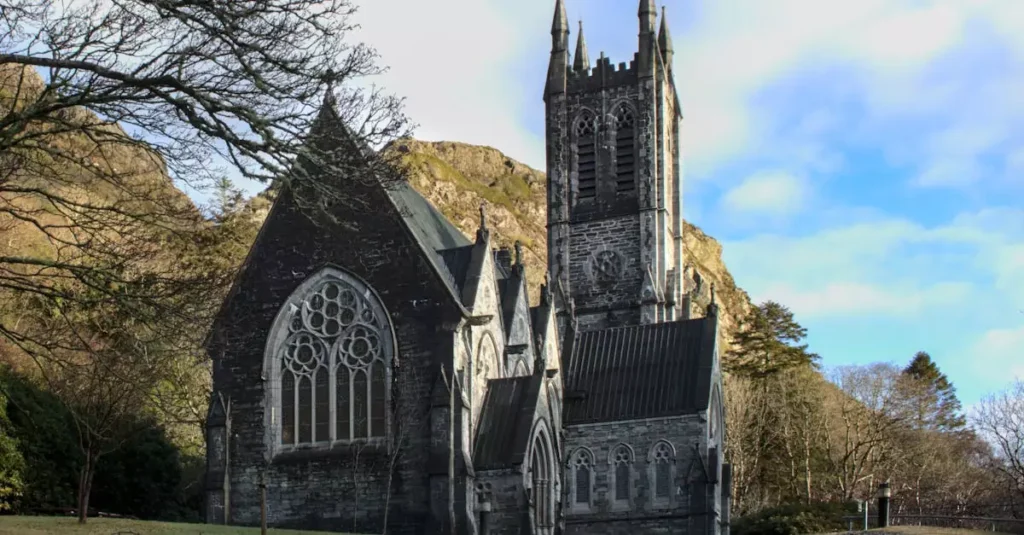
- Connemara, County Galway: This region is known for its wild beauty, from mountains to bogs to coastline. The romantic Kylemore Abbey and its Victorian walled garden are a must-visit. Look for hotels with spa facilities or secluded lodges.
- County Wicklow: Known as the “Garden of Ireland,” Wicklow offers lush landscapes, waterfalls, and historic sites like Glendalough. It’s a convenient escape from Dublin for a romantic weekend.
For couples, prioritizing experiences like traditional music sessions in cozy pubs, scenic drives with plenty of photo opportunities, and enjoying local cuisine adds to the romantic ambiance. Accommodation choices can range from luxurious castle hotels to charming bed and breakfasts.
What’s the Best Time to Visit Ireland for Ideal Weather?
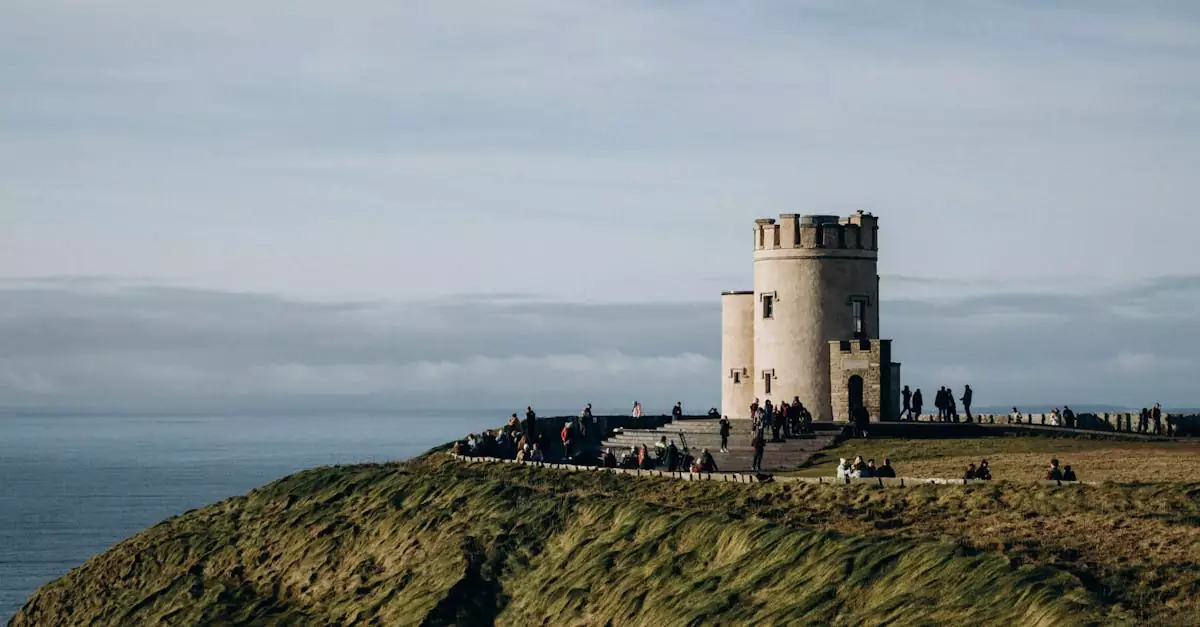
Choosing the right time to experience the Emerald Isle can significantly enhance your trip. While Ireland is a year-round destination, each season offers a distinct atmosphere and set of advantages. Understanding the typical weather patterns and peak tourist times will help you plan the perfect Irish adventure.
Spring (March-May): Blooming Landscapes and Fewer Crowds
Spring in Ireland heralds vibrant greenery and blooming wildflowers, making it a visually stunning time to visit. March can still feel quite wintery, with a higher chance of rain and cooler temperatures, but by April and May, the weather generally improves. Average temperatures range from 8°C to 14°C (46°F to 57°F).
This season is ideal for travelers seeking pleasant weather without the peak summer crowds. You’ll find more availability and potentially better prices for accommodations and flights. It’s an excellent time for hiking and exploring outdoor attractions, as the landscapes come alive after winter. Be prepared for changeable weather; packing layers and waterproof gear is essential.
Summer (June-August): Long Days and Festival Season
Summer is the most popular time to visit Ireland, thanks to the longest daylight hours and generally warm weather. Temperatures typically range from 15°C to 20°C (59°F to 68°F), though heatwaves can push them higher. Evenings stay light until late, offering ample time for sightseeing.
This period coincides with Ireland’s vibrant festival season, featuring everything from music and arts to traditional cultural events. It’s also the busiest tourist season, meaning attractions can be crowded and prices for lodging and transport are at their highest. If you plan to travel during summer, booking well in advance is highly recommended. The weather remains unpredictable, with rain still a common occurrence.
Autumn (September-November): Golden Hues and Cozy Pubs
Autumn offers a beautiful transition, with landscapes painted in rich golden and russet tones. September and October often provide crisp, sunny days and fewer tourists than summer, with temperatures averaging between 10°C and 15°C (50°F to 59°F). November sees a drop in temperature and an increase in rainfall as winter approaches.
This season is perfect for those who appreciate dramatic scenery and a more relaxed pace. It’s an ideal time for scenic drives along the coast or through the countryside, followed by evenings spent warming up in a traditional pub. You’ll find a cozier atmosphere and often better value on accommodations.
Winter (December-February): Festive Spirit and Dramatic Skies
Winter in Ireland is characterized by shorter days, cooler temperatures (averaging 5°C to 9°C or 41°F to 48°F), and a higher likelihood of rain and wind. However, it also brings a unique charm, especially around the festive holiday season. Cities like Dublin and Galway are beautifully decorated, and there’s a lively atmosphere with Christmas markets and events.
Visiting during winter can be rewarding for budget-conscious travelers, as prices for flights and accommodation are typically at their lowest. It’s also the best time for experiencing the dramatic, moody skies that Ireland is famous for and for enjoying the warmth and hospitality of local pubs without the summer crowds. Be prepared for potential travel disruptions due to severe weather.
| Season | Months | Avg. Temperature (°C/°F) | Crowds | Key Highlights |
|---|---|---|---|---|
| Spring | March – May | 8-14°C / 46-57°F | Moderate | Blooming landscapes, fewer tourists |
| Summer | June – August | 15-20°C / 59-68°F | High | Long days, festivals, warmest weather |
| Autumn | September – Nov | 10-15°C / 50-59°F | Moderate | Golden scenery, cozy pubs, fewer crowds |
| Winter | December – Feb | 5-9°C / 41-48°F | Low | Festive spirit, dramatic skies, lowest prices |
Navigating Ireland: Transportation Options and Tips
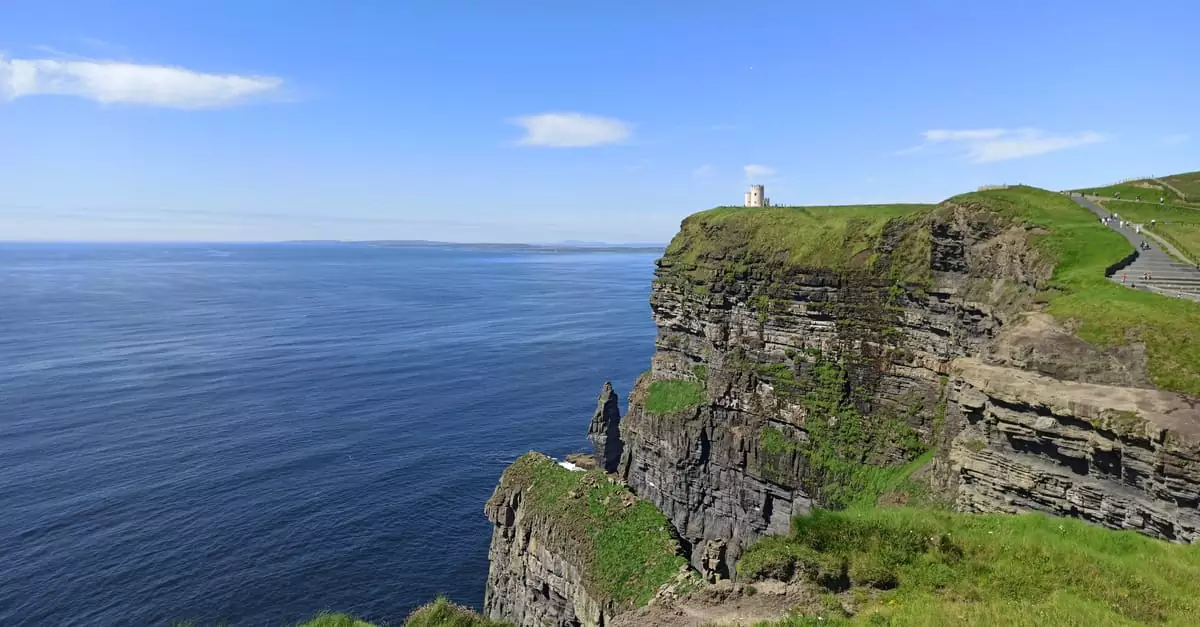
Planning your journey across the Emerald Isle involves understanding the best ways to get around. From bustling cities to remote coastal routes, Ireland offers a variety of transportation methods, each with its advantages for travelers. Deciding how you’ll navigate will significantly impact your experience, especially when considering the unique road conditions and distances between attractions.
Renting a Car for the Ultimate Ireland Road Trip Experience
For those seeking the freedom to explore at their own pace, renting a car is often the top choice for discovering the best places to visit in Ireland. This option provides unparalleled flexibility, allowing you to veer off the beaten path and stumble upon hidden gems. Popular rental locations include major airports like Dublin (DUB) and Shannon (SNN), as well as city centers.
When renting, be aware of the different transmission options (manual is more common and often cheaper) and consider adding full insurance coverage for peace of mind. Driving on the left-hand side of the road is a crucial adjustment for many visitors. It’s also wise to book your rental car in advance, particularly during peak tourist seasons, to secure better rates and availability.
Public Transport: Trains and Buses Between Major Cities
Ireland boasts a decent public transport network connecting its main urban centers. Irish Rail (Iarnród Éireann) operates train services linking cities like Dublin, Cork, Galway, and Belfast. These trains are generally comfortable and offer scenic views, making them a relaxing way to travel between larger destinations. Booking tickets online in advance can often lead to savings.
Bus Éireann is the national bus company, providing extensive coverage across the country, including routes to smaller towns and villages not served by rail. Companies like Citylink and GoBus also offer competitive services, particularly on popular intercity routes such as Dublin to Galway. While public transport is efficient for city-to-city travel, reaching more remote rural areas might require additional planning or a combination of transport modes.
Getting Around Dublin: Walking, Trams, and Buses
Within Dublin, the most effective way to experience the city’s attractions is often on foot. Many key sights, including Trinity College, Dublin Castle, and the Temple Bar district, are within walking distance of each other. For longer distances or when tired feet call, Dublin’s public transport system is readily available.
The Luas is Dublin’s light rail tram system, with two main lines (Green and Red) that efficiently connect various parts of the city and its suburbs. Dublin Bus operates an extensive network of routes covering the entire city and surrounding areas. Purchasing a Leap Visitor Card offers a convenient and cost-effective way to pay for Luas and Dublin Bus journeys, allowing unlimited travel for a set period.
Driving in Rural Ireland: Navigating Narrow Roads
While a car offers freedom, driving in rural Ireland presents unique challenges that require a steady hand and a bit of patience. Many country roads are narrow, winding, and often lined with hedgerows or stone walls. These “green lanes” can be intimidating at first, especially when encountering oncoming traffic or larger vehicles.
It’s essential to drive defensively, maintain a slow and steady speed, and be prepared to pull over to let other vehicles pass. Locals are generally accustomed to the roads, but visitors should prioritize safety over speed. Many scenic routes, like the Wild Atlantic Way, are best enjoyed with a willingness to take your time and appreciate the dramatic landscapes unfolding around every bend.
| Transportation Method | Best For | Pros | Cons |
|---|---|---|---|
| Rental Car | Flexibility, rural exploration | Independence, access to remote areas | Narrow roads, left-hand driving, parking in cities, fuel costs |
| Intercity Train | Travel between major cities | Comfortable, scenic, efficient for long distances | Limited reach to smaller towns, requires booking in advance |
| Intercity Bus | Connecting cities and smaller towns | Extensive network, often more affordable than trains | Can be slower than trains, less legroom on some routes |
| Dublin Public Transit | Navigating Dublin city | Convenient, cost-effective (with Leap card), avoids parking | Can be crowded, limited reach outside city center |
| Walking | Exploring city centers | Free, immersive, allows discovery of hidden alleys | Limited by distance, weather-dependent |
Frequently Asked Questions About Visiting Ireland
What are the must-try local foods and drinks in Ireland?
When visiting Ireland, be sure to sample traditional dishes like hearty Irish stew, made with lamb or beef, potatoes, carrots, and onions. Another classic is colcannon, a creamy mashed potato dish mixed with kale or cabbage. For breakfast, the full Irish fry-up is a must, often including bacon, eggs, sausages, black and white pudding, and toast.
No trip to Ireland is complete without trying its famous drinks. Guinness, the iconic stout, is best enjoyed fresh from the tap in a local pub. For whiskey enthusiasts, Ireland offers a range of smooth single malts and blended whiskeys. Consider also trying a pint of cider or a traditional Irish cream liqueur.
What should I pack for a trip to Ireland, considering the weather?
Ireland’s weather is famously unpredictable, so packing layers is key. Expect rain at any time of year, so a waterproof and windproof jacket with a hood is essential. Comfortable, waterproof walking shoes are also highly recommended, especially if you plan on exploring the countryside or coastal paths.
Bring sweaters or fleeces for warmth, along with t-shirts and long-sleeved tops. Even in summer, evenings can be cool. A small umbrella can be useful, though often a good waterproof jacket is more practical. Don’t forget sunscreen and sunglasses for those surprisingly sunny days.
| Season | Average High (°C) | Average Low (°C) | Rainfall (mm) | Notes |
|---|---|---|---|---|
| Spring | 10-14 | 4-7 | 50-70 | Unpredictable, can be sunny or rainy |
| Summer | 15-20 | 9-12 | 50-70 | Mildest, longest daylight hours |
| Autumn | 11-15 | 6-9 | 60-80 | Cooler, increasing chance of rain |
| Winter | 7-10 | 2-5 | 70-90 | Coldest, shortest daylight hours |
Is Ireland a safe country for solo travelers?
Ireland is generally considered a very safe country for solo travelers. The Irish people are known for their friendliness and hospitality, and violent crime rates are low. Petty theft, such as pickpocketing, can occur in crowded tourist areas, so it’s wise to be aware of your surroundings and keep valuables secure.
When traveling alone, it’s advisable to inform someone of your itinerary. Stick to well-lit areas at night, especially in larger cities. Using reputable transportation services and booking accommodations in advance can add an extra layer of security. The welcoming nature of the locals often makes solo travel in Ireland a comfortable and enjoyable experience.
What are some common tourist mistakes to avoid in Ireland?
One common mistake is trying to see too much in too little time. Ireland’s charm lies in its slower pace and the opportunities for spontaneous stops. Rushing between major attractions can lead to a superficial experience. Instead, focus on a specific region, such as the Wild Atlantic Way or the historic east coast, to truly appreciate its character.
Another pitfall is underestimating the weather. Many visitors don’t pack adequate rain gear or waterproof footwear, leading to discomfort when exploring the stunning natural landscapes. Be aware that driving on the left side of the road can be challenging for those accustomed to driving on the right. If you’re not comfortable, consider relying on public transport or organized tours for longer distances. Finally, engage with the locals; striking up conversations in a pub is often where the most memorable Irish experiences are found.