Planning your Dublin Ireland travel now means uncovering a city rich in history, vibrant culture, and a famously warm welcome. From the cobbled lanes of Temple Bar to the grand Georgian squares and the lively buzz of Grafton Street, Dublin offers a captivating experience for every visitor. This guide will help you navigate the essentials, whether you’re curious about the best times to visit, how to get around efficiently, or which unique neighborhoods and culinary delights await you. Discover practical tips on transportation, explore distinct areas, and learn about the must-try food experiences that define this unforgettable capital. Let’s dive into what makes Dublin a truly special destination.
When is the Best Time for Dublin Ireland Travel Now?
Deciding when to visit Dublin, Ireland, depends on your priorities—whether you seek vibrant festivals, milder weather, or a more budget-friendly experience. Each season offers a distinct atmosphere and a different set of attractions, making Dublin a compelling destination year-round. Understanding these seasonal nuances will help you plan your trip for the optimal Dublin Ireland travel experience.
Spring (March-May): Mild Weather & Fewer Crowds
Spring in Dublin brings a welcome thaw after winter, with temperatures gradually rising and the city bursting into bloom. March can still be chilly and wet, but by April and May, you’ll find pleasantly mild days, perfect for walking tours and exploring outdoor attractions like Trinity College or St. Stephen’s Green. This shoulder season is also ideal for those who prefer fewer crowds and potentially lower accommodation prices compared to the peak summer months. Pack layers, as the weather can be unpredictable, with sunshine one moment and a shower the next.
Summer (June-August): Peak Season & Lively Festivals
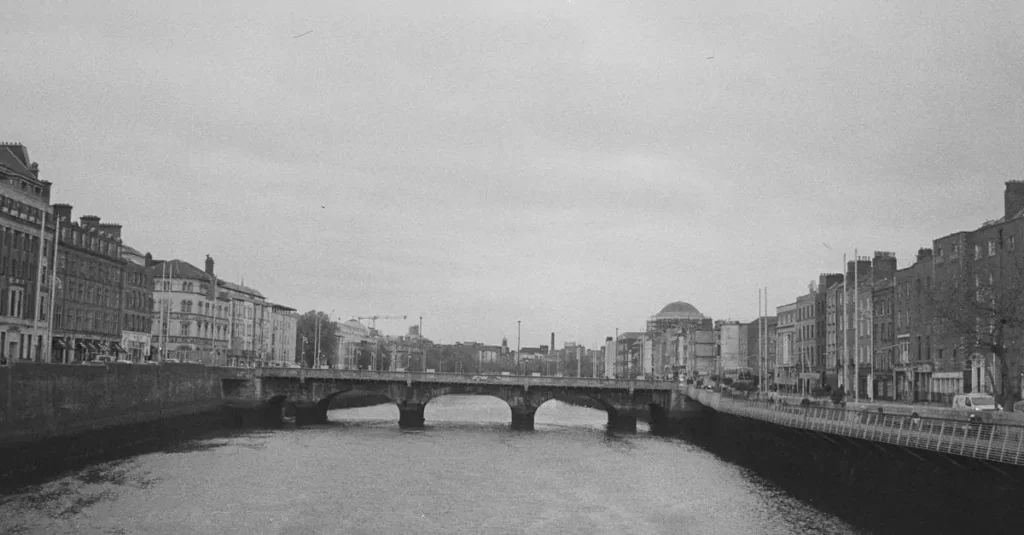
Summer is Dublin’s busiest tourist season, offering the warmest weather and the longest daylight hours. The city buzzes with energy, hosting numerous festivals and events, including the famous Dublin Pride in June and the Fleadh Cheoil na hÉireann (Irish music festival) often held in August. Outdoor activities thrive, from enjoying street performers in Temple Bar to strolling along the River Liffey. Be prepared for higher prices for flights and accommodation, and book your lodging well in advance. While the weather is generally pleasant, rain is always a possibility, so bring waterproof gear.
Autumn (September-November): Crisp Air & Cozy Pubs
As summer fades, autumn descends upon Dublin, bringing crisp air and a cozy ambiance. September and October often provide beautiful, clear days with fewer tourists than the summer months, making it an excellent time for sightseeing. The changing leaves add a picturesque charm to the city’s parks and Georgian squares. This season is perfect for experiencing Dublin’s renowned pub culture; cooler evenings invite you to seek refuge in a warm, traditional pub with a pint of Guinness. Expect a more relaxed pace and potentially better deals on accommodations.
Winter (December-February): Festive Lights & Indoor Attractions
Winter in Dublin is marked by shorter days and cooler temperatures, but the city comes alive with festive cheer in December. The streets are adorned with Christmas lights, and the spirit of the holidays is palpable. It’s a magical time for shopping, visiting Christmas markets, and enjoying indoor attractions like the National Museum of Ireland or the Guinness Storehouse. January and February are the quietest months, offering the lowest prices and the fewest crowds, making it a good option for budget-conscious travelers who don’t mind the chill and are eager to explore Dublin’s rich indoor cultural offerings.
Here’s a quick look at what to expect seasonally:
| Season | Avg. Temperature (°C) | Crowds | Price Range | Key Activities |
|---|---|---|---|---|
| Spring | 8-14 | Moderate | Mid | Mild weather, fewer crowds, blooming parks |
| Summer | 14-19 | High | High | Festivals, long daylight, outdoor activities |
| Autumn | 10-15 | Moderate | Mid | Crisp air, cozy pubs, cultural events |
| Winter | 4-8 | Low (Dec moderate) | Low (Dec moderate) | Festive lights, indoor attractions, quiet sightseeing |
Navigating Dublin: Getting Around the City
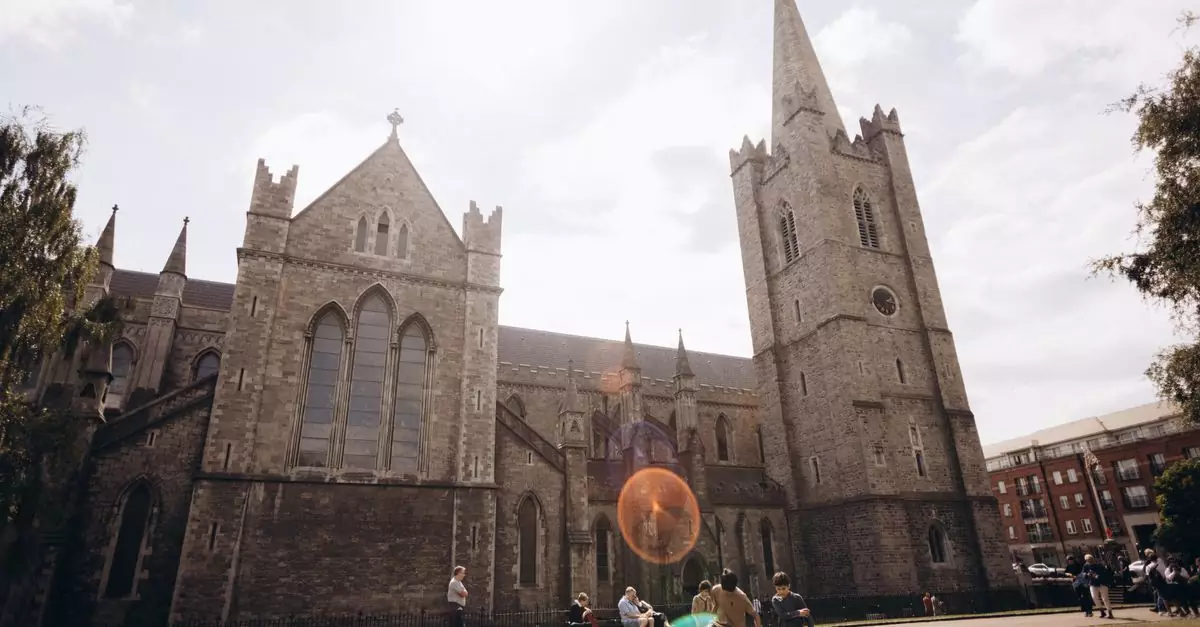
Understanding how to move around Dublin is key to making the most of your visit. Ireland’s capital offers several convenient options, from efficient public transport to a surprisingly walkable city center. Planning your transit in advance can save you time and money.
Dublin Airport to City Centre: Express Bus & Taxi Options
Upon arriving at Dublin Airport (DUB), direct routes into the city are readily available. The most popular and cost-effective is the Aircoach service, running frequently to various city center drop-off points. Alternatively, the Dublin Express bus offers a similar service with Wi-Fi onboard. Taxis are available outside the arrivals hall for a direct but more expensive transfer. A taxi ride typically takes 25-40 minutes, depending on traffic, with fares ranging from €30-€45.
Public Transport: Leap Card for Buses & Luas Trams
For getting around Dublin, the Leap Card is invaluable. This rechargeable smart card can be used on Dublin Bus, the Luas tram system, and commuter rail services. Purchasing a Leap Visitor Card offers unlimited travel for 1, 3, or 7 days, which can be economical if you plan on frequent journeys. Without a Leap Card, single tickets are available but generally cost more. The Luas trams are particularly useful for reaching areas like Kilmainham or the Docklands, while Dublin Bus covers a vast network across the city and suburbs.
| Transport Type | Frequency | Approx. Cost (Single) | Best For |
|---|---|---|---|
| Dublin Bus | 5-15 mins | €2.70 | City-wide coverage |
| Luas Tram | 10-20 mins | €2.50-€3.00 | Connecting key districts |
| Aircoach | 15-30 mins | €7.00-€12.00 | Airport transfers |
| Taxi | On demand | €30-€45 (Airport) | Direct travel, late-night journeys |
Walking & Cycling: Exploring Dublin’s Compact Core
Dublin’s city center is remarkably compact and ideal for exploring on foot. Many main attractions, including Trinity College, Dublin Castle, and the Temple Bar district, are within easy walking distance of each other. Strolling through the Georgian streets allows you to appreciate the city’s architecture and discover hidden pubs and shops. For longer distances, consider the Dublin Bikes rental scheme, which offers affordable access to bicycles at numerous docking stations throughout the city.
Renting a Car: Considerations for City vs. Day Trips
Renting a car in Dublin is generally not recommended for navigating the city itself. Parking is expensive and often hard to find, while traffic can be congested. Public transport and walking are far more efficient for city exploration. However, if you plan to venture beyond Dublin for day trips to the Wicklow Mountains, the Cliffs of Moher, or other scenic parts of Ireland, renting a car becomes practical. Many car rental companies operate from Dublin Airport, providing a convenient pick-up point upon arrival or before departure. Remember that driving in Ireland is on the left-hand side of the road.
Top Neighborhoods to Explore During Your Dublin Visit
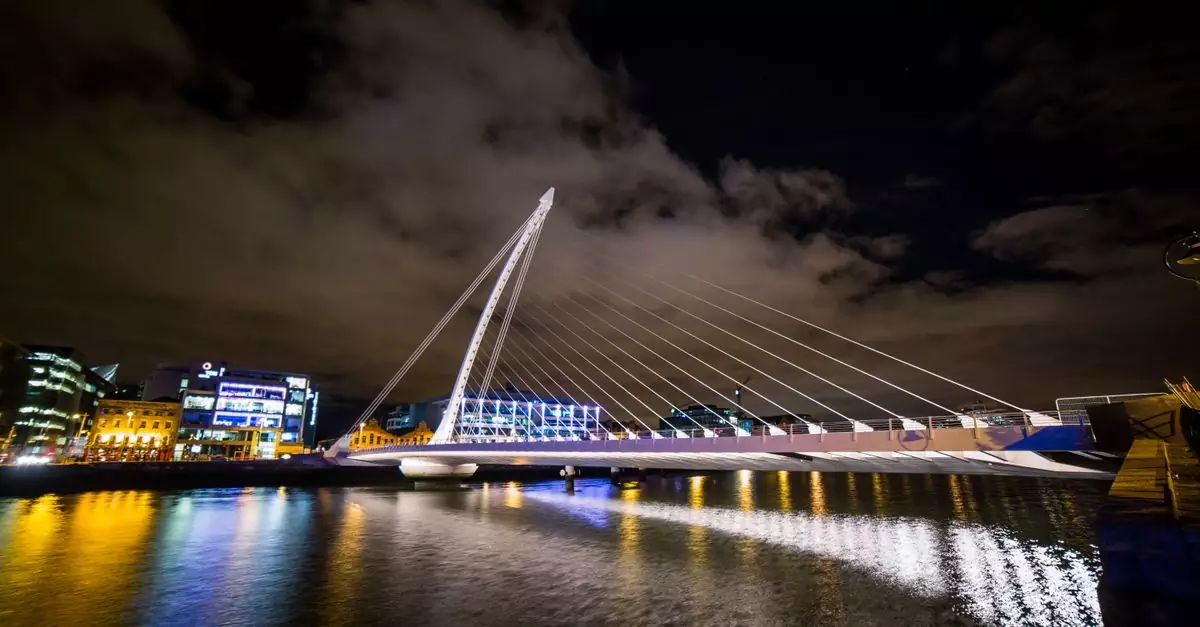
Dublin’s charm lies in its distinct neighborhoods, each offering a unique slice of the city’s character. From historic pubs to vibrant shopping streets and tranquil canals, understanding these areas will help you tailor your Dublin travel experience. Planning your visit now means you can start to visualize where you’ll spend your time.
Temple Bar: Historic Pubs & Lively Atmosphere
Temple Bar is synonymous with Dublin’s traditional pub culture and energetic nightlife. Cobblestone streets are lined with iconic establishments, many dating back centuries, where live traditional Irish music spills out onto the pavements. While it can be crowded and pricier than other areas, the atmosphere is undeniably infectious, especially for first-time visitors seeking that quintessential Irish pub experience. Many find that a night or two here is a highlight of their trip.
For accommodation, Temple Bar offers a range of hotels and guesthouses, placing you right in the heart of the action. Be prepared for noise late into the night, which is part of its lively appeal.
Grafton Street Area: Shopping & Georgian Architecture
The Grafton Street area is Dublin’s premier destination for retail therapy and appreciating elegant Georgian architecture. This bustling pedestrianized street is home to high-end boutiques, department stores like Brown Thomas, and street performers who enhance the vibrant ambiance. Beyond the shops, wander into the surrounding streets to admire the well-preserved Georgian townhouses, characterized by their brightly painted doors. Trinity College, with its historic Long Room, is also within easy walking distance.
This area provides a more sophisticated urban experience, blending commerce with historical aesthetics. It’s a great base for exploring central Dublin on foot, with many excellent restaurants and cafes nearby.
Portobello: Canalside Charm & Trendy Cafes
South of the city center, Portobello offers a relaxed, bohemian vibe centered around the picturesque Grand Canal. This neighborhood is popular among locals for its independent boutiques, artisan cafes, and a growing culinary scene. A stroll along the canal banks, especially on a sunny day, is a delightful way to escape the city’s hustle. It’s a quieter alternative to the immediate city center yet remains accessible.
Portobello is well-connected by bus routes, and many visitors choose to stay in guesthouses or apartments here for a more local feel. The area’s popularity has led to diverse dining options, from casual brunch spots to upscale eateries.
Smithfield: Industrial Heritage & Cultural Hub
Smithfield, located west of the city center, showcases Dublin’s industrial past alongside a modern, revitalized present. Once a hub for horse trading and whiskey distilling, the area now boasts the Irish Museum of Modern Art (IMMA), the Jameson Distillery Bow St. Experience, and the Light House Cinema. The distinctive Cobblestone public square serves as a focal point for markets and events.
This neighborhood provides a different perspective on Dublin, highlighting its transformation from an industrial zone to a cultural hotspot. It’s an excellent choice for travelers interested in art, history, and a less tourist-centric experience, with good tram (Luas) connectivity to other parts of the city.
Must-Try Local Food Experiences in Dublin
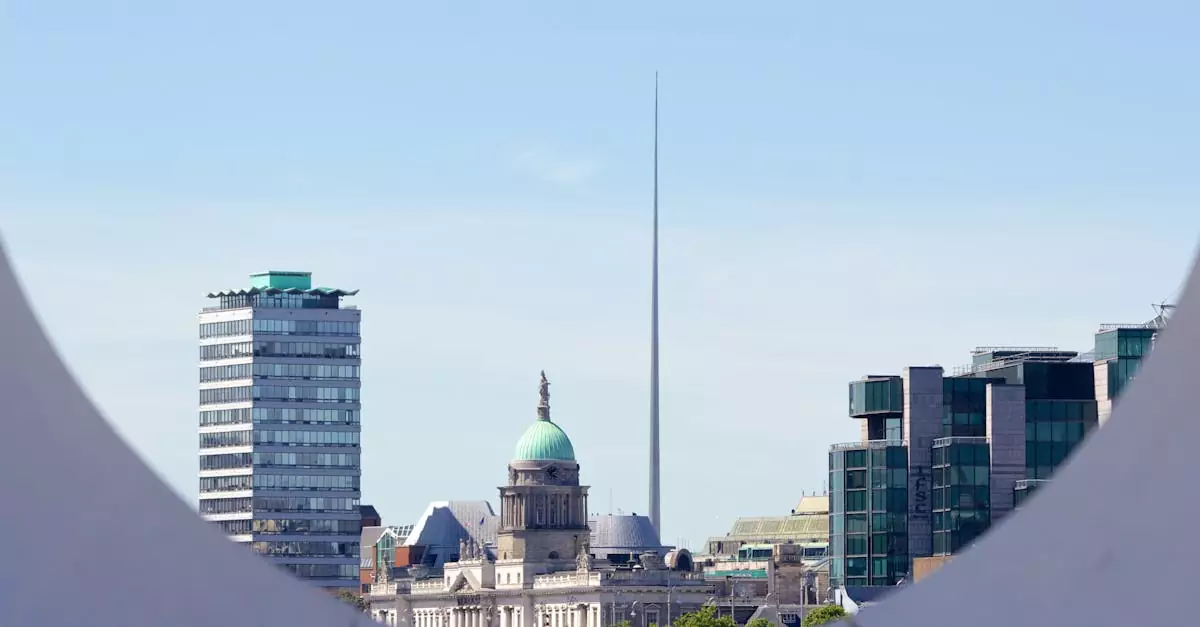
When planning your Dublin, Ireland travel now, don’t overlook the vibrant culinary scene. From hearty breakfasts to fresh seafood and iconic stout, the city offers a delicious journey through Irish flavors. Engaging with these local food experiences will enrich your visit.
Traditional Irish Breakfast: Where to Find the Best
A full Irish breakfast is more than a meal; it’s a Dublin institution. Expect a generous plate featuring rashers (Irish bacon), sausages, black and white pudding, eggs, grilled tomatoes, and often baked beans and fried bread. It’s the ideal fuel for a day of sightseeing.
For an authentic experience, seek out traditional pubs and local cafes outside the main tourist thoroughfares. Many establishments pride themselves on using locally sourced ingredients. Consider trying Bewley’s Grafton Street for a historic setting, or smaller, family-run spots for a more intimate feel.
Seafood Delights: Oysters & Fish & Chips
Given Dublin’s coastal location, fresh seafood is a must. Oysters are a particular delicacy, especially during the autumn months. Many restaurants offer platters of freshly shucked oysters, often served with a simple mignonette sauce.
Fish and chips remain a beloved classic. Look for chippers that fry their fish to order, ensuring a crispy batter and flaky interior. While excellent versions can be found throughout the city, many locals recommend establishments near the coast for the freshest catch.
Guinness Storehouse: The Ultimate Stout Experience
No trip to Dublin is complete without experiencing Guinness. The Guinness Storehouse offers an immersive journey through the history and brewing process of Ireland’s most famous stout. The tour culminates at the Gravity Bar, where you can enjoy a pint with panoramic views of the city.
Booking tickets in advance is highly recommended, especially during peak travel times. Arriving early in the morning can help you avoid the largest crowds. This is a quintessential Dublin experience that appeals to visitors of all ages.
Modern Irish Cuisine: Farm-to-Table Restaurants
Beyond traditional fare, Dublin boasts a thriving modern Irish dining scene. Chefs increasingly focus on seasonal, locally sourced ingredients, transforming them into innovative dishes. You’ll find restaurants emphasizing farm-to-table principles, showcasing the best of Irish produce and artisanal products.
These establishments often feature a more refined atmosphere and can range from casual bistros to upscale dining. Exploring this side of Dublin’s food culture provides a deeper understanding of contemporary Irish gastronomy. Check local listings for current recommendations, as the culinary landscape is always evolving.
Crafting Your Dublin Itinerary: 3-Day Sample Plan
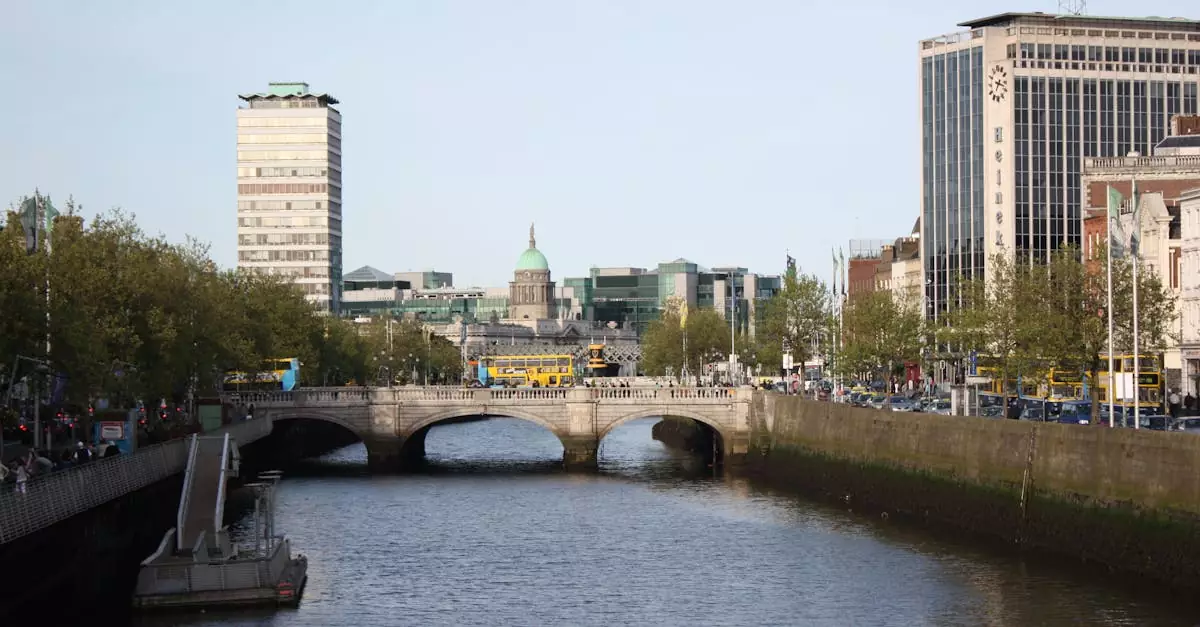
Planning a trip to Dublin, Ireland, now involves balancing historical exploration with contemporary culture. This 3-day sample itinerary offers a structured approach to experiencing the capital’s highlights, from its literary heritage to its famous breweries. It’s designed to provide a comprehensive overview without feeling rushed, allowing for spontaneous discoveries along the way.
Day 1: Historic Landmarks & Literary Dublin
Begin your Dublin adventure by immersing yourself in the city’s rich history. Start at Trinity College Dublin, Ireland’s oldest university, and marvel at the stunning Long Room library, home to the Book of Kells. Allocate at least two hours here to fully appreciate the architecture and the ancient manuscripts.
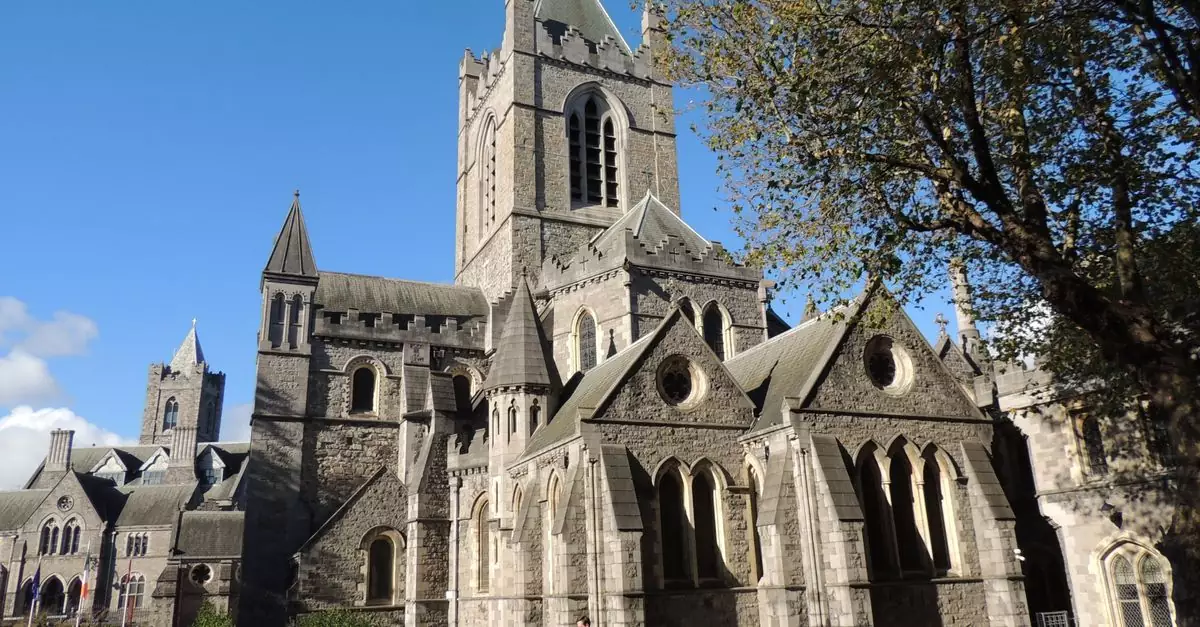
From Trinity, a short walk brings you to Dublin Castle, a complex that has served as a fortress, royal residence, and government center for centuries. Explore its State Apartments and the medieval Undercroft for insights into Ireland’s past. Afterward, wander through the charming streets towards St. Patrick’s Cathedral, a magnificent Gothic structure and the national cathedral of the Church of Ireland.
The afternoon focuses on Dublin’s celebrated literary scene. Visit the Dublin Writers Museum to learn about iconic figures like James Joyce, W.B. Yeats, and Oscar Wilde. For a deeper dive, consider a literary pub crawl, which often combines historical anecdotes with performances of Irish poetry and prose in atmospheric traditional pubs. This offers a unique way to connect with the city’s storytelling tradition.
Day 2: Museums, Parks & Guinness Exploration
Day two centers on cultural institutions and the iconic Guinness experience. Start your morning at the National Museum of Ireland – Archaeology, where you can see prehistoric gold artifacts, Viking treasures, and early Christian objects. Admission is free, making it an excellent value.
In the afternoon, escape the urban bustle at Phoenix Park, one of Europe’s largest enclosed city parks. It’s home to wild deer, the Dublin Zoo, and Áras an Uachtaráin, the official residence of the President of Ireland. Renting a bicycle is a popular way to cover more ground and enjoy the expansive greenery.
No visit to Dublin is complete without experiencing the Guinness Storehouse. Even if you’re not a stout enthusiast, the interactive exhibits detailing the brewing process and the history of the famous black stuff are engaging. The tour culminates at the Gravity Bar, offering panoramic 360-degree views of Dublin with a complimentary pint. Booking tickets in advance is highly recommended to avoid long queues.
Day 3: Day Trip Options from Dublin
Dedicate your final day to an excursion outside the city for a taste of Ireland’s stunning natural landscapes. A popular choice is a day trip to the Cliffs of Moher on the west coast. While a long day, it’s achievable via organized coach tours that depart from Dublin. These tours typically include stops at scenic points along the way, offering a glimpse of the Irish countryside.
Alternatively, consider a trip north to the Causeway Coast in Northern Ireland, featuring the Giant’s Causeway, Carrick-a-Rede Rope Bridge, and Dunluce Castle. This region offers dramatic coastal scenery and fascinating geological formations. Many tour operators provide convenient pick-up and drop-off services in Dublin, simplifying logistics.
For those seeking a shorter excursion, a visit to the medieval town of Kilkenny is a great option. It’s easily accessible by train from Dublin and boasts a magnificent castle, charming streets, and a vibrant craft scene. This allows for a more relaxed pace and a focus on a single historic destination.
Here’s a quick comparison of popular day trip options:
| Destination | Travel Time (Round Trip) | Key Attractions | Transport Options |
|---|---|---|---|
| Cliffs of Moher | 10-12 hours | Coastal cliffs, unique rock formations | Organized coach tours |
| Causeway Coast | 10-12 hours | Giant’s Causeway, rope bridge, coastal scenery | Organized coach tours |
| Kilkenny | 3-4 hours | Kilkenny Castle, medieval streets, craft shops | Train, bus, organized coach tours |
| Howth (Coastal Village) | 30-60 minutes | Fishing village, cliff walks, seafood restaurants | DART train, bus |
Choosing a day trip depends on your interests and available time. For a comprehensive experience of Ireland’s natural beauty, the longer trips are worthwhile. For a more relaxed cultural immersion closer to Dublin, Kilkenny or a local coastal village like Howth offer excellent alternatives.
Frequently Asked Questions About Dublin Ireland Travel Now
Is Dublin safe for tourists?
Dublin is generally a very safe city for visitors. Like any major European capital, it experiences petty crime such as pickpocketing, particularly in crowded tourist areas like Temple Bar or on public transport. It’s advisable to be aware of your surroundings, keep valuables secure, and avoid displaying expensive items openly. Violent crime affecting tourists is rare. Emergency services are efficient and readily available.
What’s the average cost of a trip to Dublin?
The cost of a trip to Dublin can vary significantly based on travel style and duration. A mid-range budget for a 3-day trip might range from €400 to €700 per person, excluding flights. This covers accommodation, meals, local transport, and some attractions. Budget travelers can spend less by opting for hostels and self-catering, while luxury travelers will naturally spend more.
Here’s a general breakdown for a 3-day trip per person:
| Category | Budget (€) | Mid-Range (€) | Luxury (€) |
|---|---|---|---|
| Accommodation | 150-200 | 300-450 | 600+ |
| Food & Drink | 100-150 | 150-200 | 250+ |
| Attractions & Tours | 50-75 | 75-100 | 100+ |
| Local Transport | 20-30 | 30-40 | 40+ |
| Total (approx.) | 320-455 | 555-790 | 990+ |
Note: These figures are estimates and do not include flights or extensive shopping.
Do I need to book attractions in advance?
For popular attractions, booking in advance is highly recommended, especially during peak tourist seasons (summer and around holidays). This is particularly true for sites like the Guinness Storehouse, Trinity College Library (for the Book of Kells), and Kilmainham Gaol. Pre-booking online often saves time by allowing you to skip ticket lines and can sometimes offer better prices or guarantee entry, as capacity can be limited.
For less formal experiences, such as traditional pub music sessions or walking through neighborhoods, advance booking is usually not necessary.
What are some common tourist mistakes to avoid in Dublin?
A common pitfall for first-time visitors is spending too much time and money in the Temple Bar area. While it’s famous for its lively atmosphere and pubs, it can be significantly more expensive than other districts. Venture beyond Temple Bar to experience a wider range of authentic pubs and dining options.
Another mistake is trying to see too much in a short period. Dublin is best enjoyed at a relaxed pace. Focus on a few key areas or experiences rather than rushing between numerous sights. This allows for more genuine interactions and a deeper appreciation of the city’s charm. Lastly, be prepared for variable weather; layering clothing is essential, as you can experience sunshine, rain, and wind all in one day.