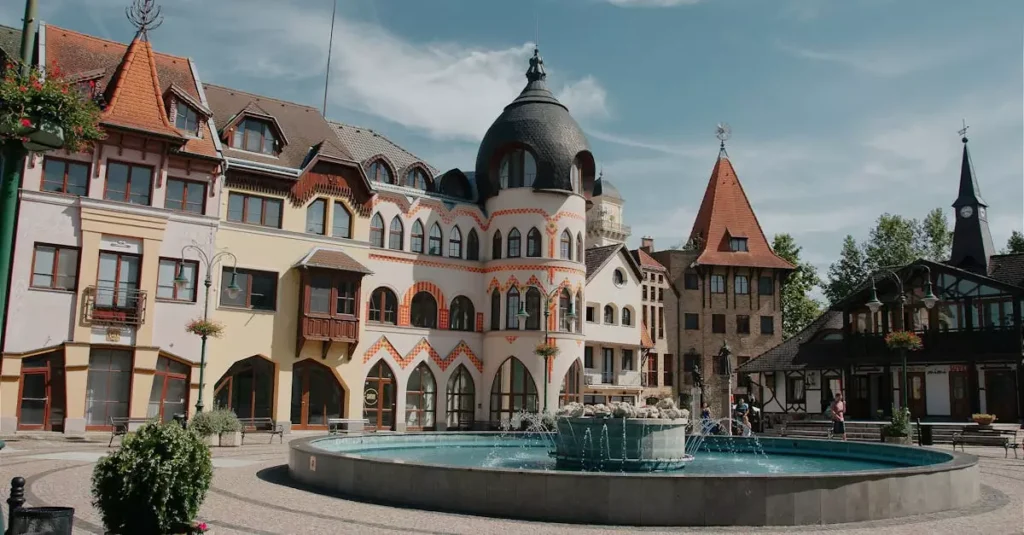
Tired of the same crowded tourist spots? For travelers seeking genuine experiences and a slower pace, Europe’s best hidden towns offer a refreshing alternative. These charming villages and small cities provide an intimate glimpse into local life, rich history, and unspoiled landscapes, far from the usual tourist throngs.
This guide will help you discover these lesser-known destinations. You’ll learn about the unique character of several captivating towns, the best times to visit for an authentic experience, and practical advice on navigating your way to these often-overlooked gems. Prepare to uncover the heart of Europe, one picturesque street at a time.
Unveiling Europe’s Best Hidden Towns for Authentic Experiences
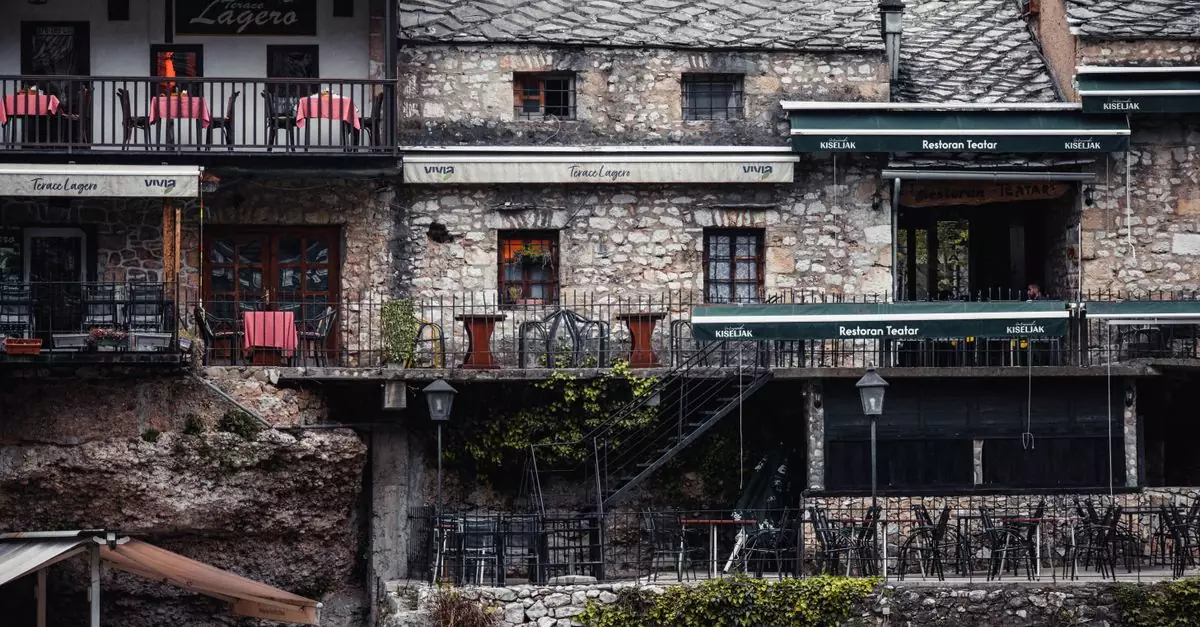
Why Seek Out Europe’s Lesser-Known Villages?
Travelers increasingly seek authentic experiences, moving beyond the well-trodden paths of major European cities. The allure of Europe’s hidden towns lies in their ability to offer genuine insights into local life, traditions, and unspoiled landscapes. These destinations provide a quieter, more intimate travel experience, allowing for deeper connections with the culture and history of a region. Opting for these smaller locales often means encountering fewer crowds, more affordable prices, and a slower pace of life that encourages mindful exploration.
Defining the ‘Hidden Gem’ in European Travel
A ‘hidden gem’ in European travel is more than just a place off the beaten path. It’s a destination that retains its unique character, often showcasing stunning natural beauty, rich historical significance, or distinctive cultural practices without the overwhelming influx of mass tourism. These towns might be geographically remote, less accessible by direct flights, or simply overlooked in favor of more famous neighbors. They offer an escape from the predictable, providing unexpected delights and memorable encounters that define truly special journeys across Europe.
Beyond the Crowds: The Allure of Undiscovered European Destinations
The draw of undiscovered European destinations is their promise of authenticity. Imagine wandering through cobblestone streets where locals outnumber tourists, enjoying regional cuisine in family-run tavernas, or witnessing traditions that have remained unchanged for generations. These places often provide a more intimate and personal travel narrative. They challenge the typical itinerary, encouraging spontaneity and rewarding curiosity with genuine discoveries. For those who value connection over convenience, these smaller towns offer the heart of the European experience.
Top 5 Underrated European Towns You Must Visit
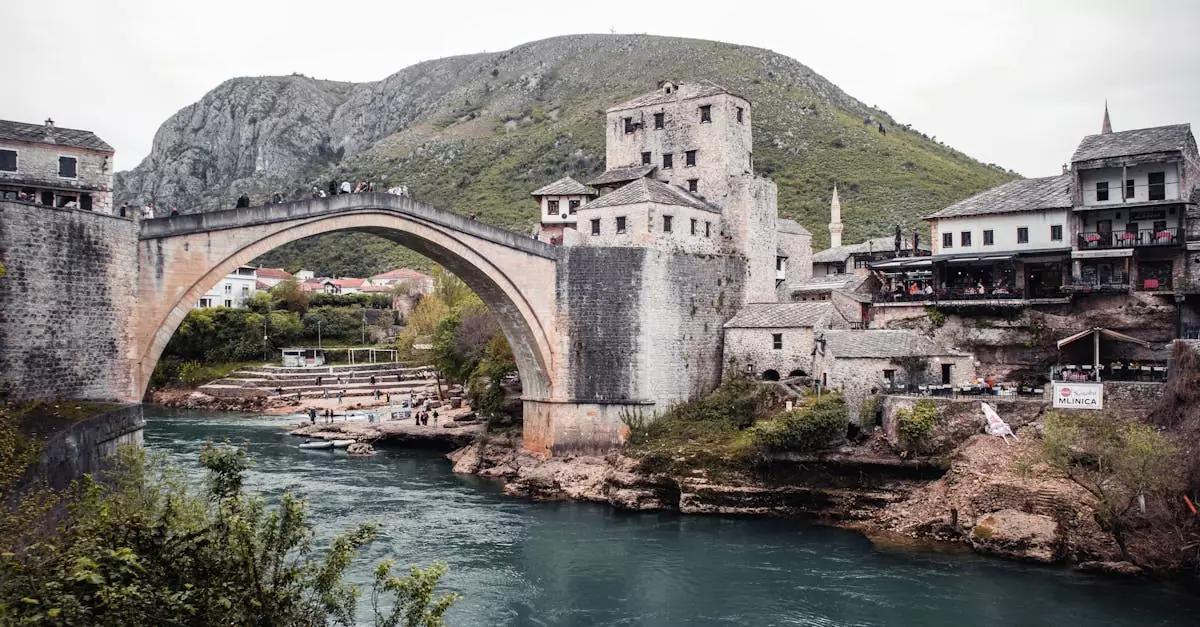
When seeking authentic European experiences beyond the tourist paths, focusing on the best hidden towns in Europe offers a rewarding alternative. These destinations provide a more intimate glimpse into local culture, history, and breathtaking scenery without the overwhelming crowds. From medieval fortresses to charming canal villages, these five towns promise unforgettable journeys for the discerning traveler.
Albarracín, Spain: A Medieval Masterpiece
Perched dramatically on a rocky outcrop in the Aragon region of Spain, Albarracín is a testament to medieval architecture and preservation. Its rose-hued buildings, narrow winding streets, and imposing city walls transport visitors back in time. Walking through Albarracín feels like stepping onto a film set, with every corner revealing a new picturesque view.
The town’s isolation has been key to its remarkable state of preservation. Most travelers reach Albarracín by driving from cities like Teruel or Zaragoza. Public transport options are limited, making a rental car the most convenient choice for exploring the surrounding Sierra de Albarracín natural park. Budget travelers will find affordable guesthouses, while those seeking more comfort can opt for charming boutique hotels within the old town.
Hallstatt, Austria: Alpine Charm and Tranquility
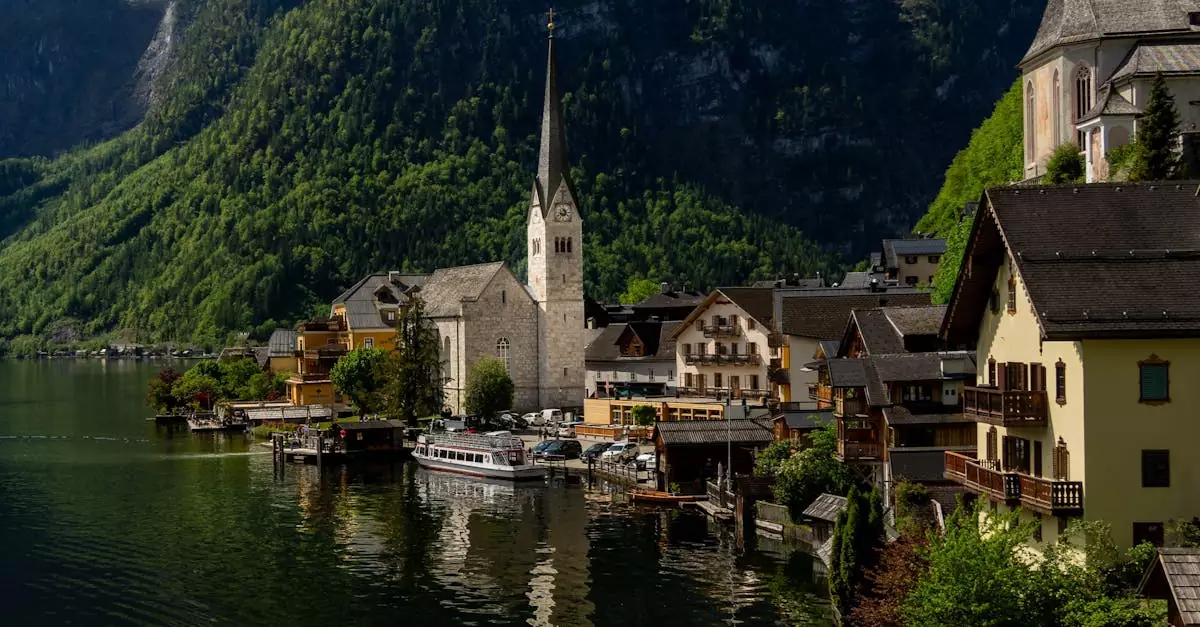
Often described as impossibly picturesque, Hallstatt sits serenely on the western shore of Hallstätter See, framed by dramatic alpine peaks. This UNESCO World Heritage site is renowned for its postcard-perfect views, traditional wooden houses, and the historic salt mine, one of the oldest in the world. Despite its growing popularity, visiting during the shoulder seasons of spring or autumn can offer a more tranquil experience.
Access to Hallstatt is part of its charm. The most scenic route involves a train journey followed by a short ferry ride across the lake, offering stunning vistas as you approach the village. While accommodations within Hallstatt can be pricey and book up far in advance, nearby towns provide more budget-friendly options with regular bus connections. Be prepared for steep, cobblestone streets, so comfortable footwear is essential.
Colmar, France: Fairytale Alsace on the Wine Route
Colmar, located in the heart of the Alsace wine region, captivates with its well-preserved old town, characterized by colorful half-timbered houses and picturesque canals. Known as “Little Venice,” its waterways add a romantic ambiance, best experienced with a leisurely boat tour. Colmar is a culinary delight, offering Alsatian specialties and exceptional local wines.
This charming town is easily accessible by train from major French cities like Strasbourg or Paris. Its compact size makes it highly walkable, allowing visitors to immerse themselves in its unique Franco-Germanic culture. Visiting during the Christmas market season transforms Colmar into a magical wonderland, though it also attracts larger crowds. For a more relaxed visit, consider late spring or early autumn.
Giethoorn, Netherlands: The ‘Venice of the North’
Giethoorn offers a unique Dutch experience where the primary mode of transport is by boat, not car. This car-free village features a network of picturesque canals, charming bridges, and thatched-roof farmhouses, creating a tranquil and idyllic atmosphere. Renting an electric “whisper boat” is the quintessential way to navigate its waterways and soak in the serene surroundings.
Getting to Giethoorn typically involves a train journey to a nearby station like Steenwijk, followed by a bus connection. While it can get busy, especially on summer weekends, the sheer number of canals allows for peaceful exploration. Accommodations range from cozy bed and breakfasts to holiday homes, many with direct canal access. It’s an ideal destination for those seeking a peaceful escape and a different perspective on Dutch rural life.
Rothenburg ob der Tauber, Germany: A Perfectly Preserved Medieval Town
Rothenburg ob der Tauber is a quintessential example of a perfectly preserved medieval German town. Its intact city walls, accessible for a scenic walk, offer panoramic views of the red rooftops and the surrounding Franconian countryside. The town’s market square, St. James’ Church, and the Kriminalmuseum (Medieval Crime Museum) are highlights that draw visitors seeking historical immersion.
This popular stop on Germany’s Romantic Road is reachable by train, though direct connections can be infrequent. Many visitors combine a visit to Rothenburg with other towns along the Romantic Road, making it part of a larger regional itinerary. Budget-friendly hostels and guesthouses are available, alongside more upscale hotels. Evenings offer a special charm, especially the night watchman’s tour, which provides historical insights and a unique perspective on the town after dark.
When is the Ideal Time to Explore These Secret European Escapes?
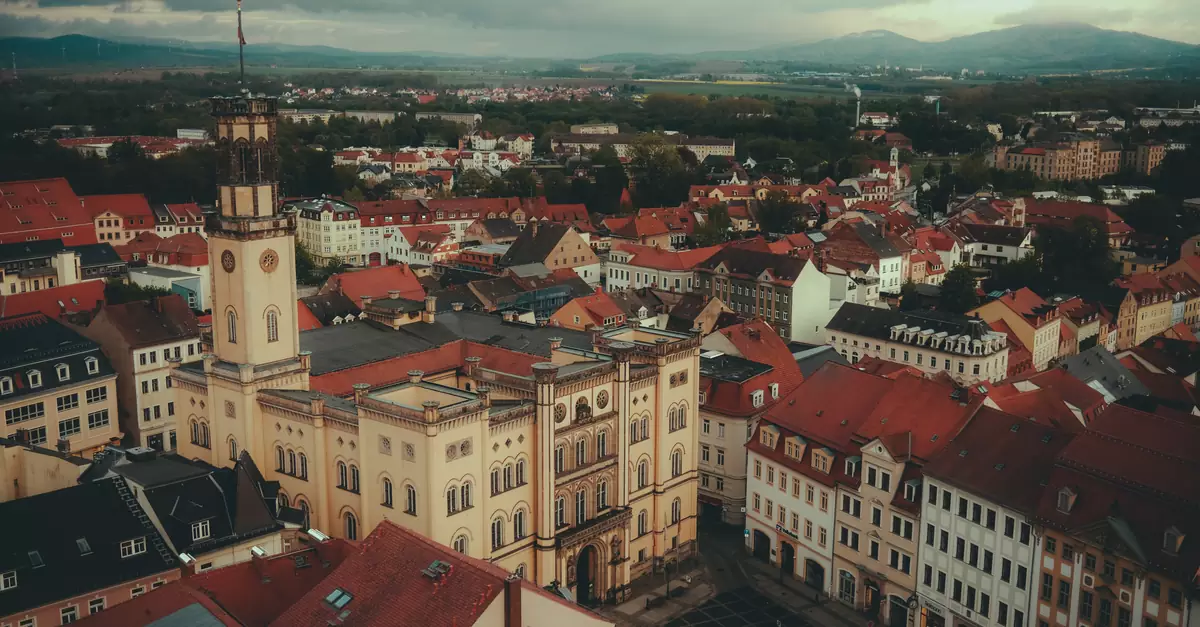
Choosing the right time to visit Europe’s lesser-known towns can significantly enhance your experience, often leading to fewer crowds and more authentic encounters. The “best” season depends on your priorities, whether that’s vibrant spring festivals, sunny summer days, or the quiet charm of autumn. Understanding the seasonal nuances of these hidden gems allows for better planning, potentially impacting everything from accommodation availability to local event schedules.
Spring Blooms and Shoulder Season Savings in Hidden Towns
Late April through June often presents a sweet spot for visiting many of Europe’s most charming smaller settlements. The weather is generally mild and pleasant, ideal for leisurely walks through cobblestone streets or exploring surrounding natural landscapes before the summer heat arrives. This period also marks the beginning of the shoulder season, meaning you’ll likely find fewer tourists compared to peak summer months. This translates to more affordable accommodation options and a more relaxed atmosphere in places like the Cotswolds villages in England or the wine regions of Alsace, France. Keep an eye out for local spring festivals and the blooming of wildflowers, which add an extra layer of beauty to these already picturesque locations.
Summer Sunshine: Best Months for European Village Exploration
From July to August, Europe’s hidden towns bask in warm, sunny weather, making them perfect for outdoor activities and maximizing daylight hours. Villages come alive with local markets, outdoor cafes, and community events. While this season is popular for good reason, visiting during these months requires booking accommodations and popular tours well in advance, as many locals and international travelers alike seek out these idyllic settings. Coastal villages in regions like Cinque Terre, Italy, or the Greek islands, and mountain towns in the Alps, are particularly vibrant during summer. Be prepared for higher prices and larger crowds, but the lively atmosphere can be a significant draw.
Autumn Colors and Cozy Retreats in Off-the-Beaten-Path Europe
September and October offer a magical transformation for many of Europe’s hidden towns. The intense summer heat subsides, replaced by crisp air and a spectacular display of autumn foliage, especially in regions with deciduous forests. This is an excellent time for hiking and enjoying scenic drives, with destinations like the fairytale villages of Bavaria, Germany, or the vineyards of Tuscany, Italy, offering breathtaking views. The tourist crowds thin out considerably, leading to a more tranquil experience and often better deals on lodging. It’s also a prime season for harvest festivals and enjoying local culinary traditions, such as truffle hunting or wine tasting.
Winter Wonderlands: Experiencing Europe’s Hidden Towns in the Snow
For a truly different perspective, consider visiting Europe’s hidden towns during the winter months, from November to March. While some smaller establishments might close for the season, many offer a cozy, intimate experience. Towns in mountainous regions, like Hallstatt in Austria or Grindelwald in Switzerland, can be transformed into enchanting winter wonderlands, especially when dusted with snow. This is the time for enjoying warm fires, hearty local cuisine, and perhaps even Christmas markets that retain a more authentic feel than their larger city counterparts. Be prepared for colder weather and potential travel disruptions due to snow, but the serene beauty and unique charm can be unparalleled.
Navigating Your Way to Europe’s Best Kept Secrets
Reaching the charming, lesser-known towns scattered across Europe requires a blend of strategic planning and a touch of adventure. While major hubs are well-served by direct flights, venturing off the beaten path often means combining different modes of transport. Understanding these options will unlock access to some of the continent’s most authentic experiences.
Getting to Hidden European Towns: Flights, Trains, and Road Trips
For travelers arriving from afar, the initial journey usually involves flying into a major European airport. From there, the real exploration begins. Consider flying into smaller, regional airports that might be closer to your intended hidden gem. Airlines like Ryanair, EasyJet, and Wizz Air often offer budget-friendly routes to secondary airports, which can significantly cut down on onward travel time.
Alternatively, the extensive European rail network is a fantastic way to travel between countries and reach smaller towns. High-speed trains connect major cities, and from there, you can switch to regional lines that delve deeper into the countryside. Booking train tickets in advance, especially for popular routes, can secure better prices. For example, a train journey might take you from Paris to a smaller city in Alsace, France, from where you can then arrange local transport.
For those who prefer the freedom of the open road, a road trip offers unparalleled flexibility. Renting a car at your arrival airport or a major city allows you to stop at picturesque villages along the way. This is particularly effective for exploring regions like the Cotswolds in England, the Loire Valley in France, or the Tuscan countryside in Italy, where the journey itself is as rewarding as the destination.
Local Transportation Options Once You Arrive
Once you’ve reached the vicinity of your chosen hidden town, local transportation becomes key. In many smaller European villages, public transport can be infrequent. Buses might run only a few times a day, and train stations could be a considerable distance from the town center. It’s crucial to research these schedules in advance.
Renting a bicycle is an excellent option for exploring towns and their immediate surroundings, especially in flatter regions. Many charming European destinations are compact enough to navigate on foot, allowing you to soak in the atmosphere at your own pace. For instance, towns in the Netherlands or Denmark are exceptionally bike-friendly.
Taxis are available in most larger towns, but they can be expensive for longer distances. Ride-sharing apps like Uber operate in many European cities, but their availability in very small villages is limited. In some regions, local tourist offices may offer shuttle services or information on private car hire.
Driving Routes Between Undiscovered European Villages
Embarking on a road trip specifically designed to link several hidden towns can be an incredibly rewarding way to experience diverse regions. Planning these routes allows for spontaneous stops at scenic viewpoints or local markets. For instance, a driving route through the Black Forest in Germany can connect several picturesque villages known for their traditional cuckoo clocks and hearty cuisine.
Consider mapping out a route that takes advantage of scenic drives. Many European countries have designated “scenic routes” that wind through national parks or along coastlines, passing through charming hamlets. These routes are often well-signposted and provide a more immersive travel experience than direct highway travel.
When planning a driving route, factor in parking availability in smaller towns. Many historic centers have limited parking, and some may even be pedestrian-only. Researching accommodation with parking facilities or understanding local parking regulations is essential. This approach to travel ensures you can easily access the best hidden towns in Europe without the stress of logistical hurdles.
What Local Delights Await in Europe’s Hidden Towns?
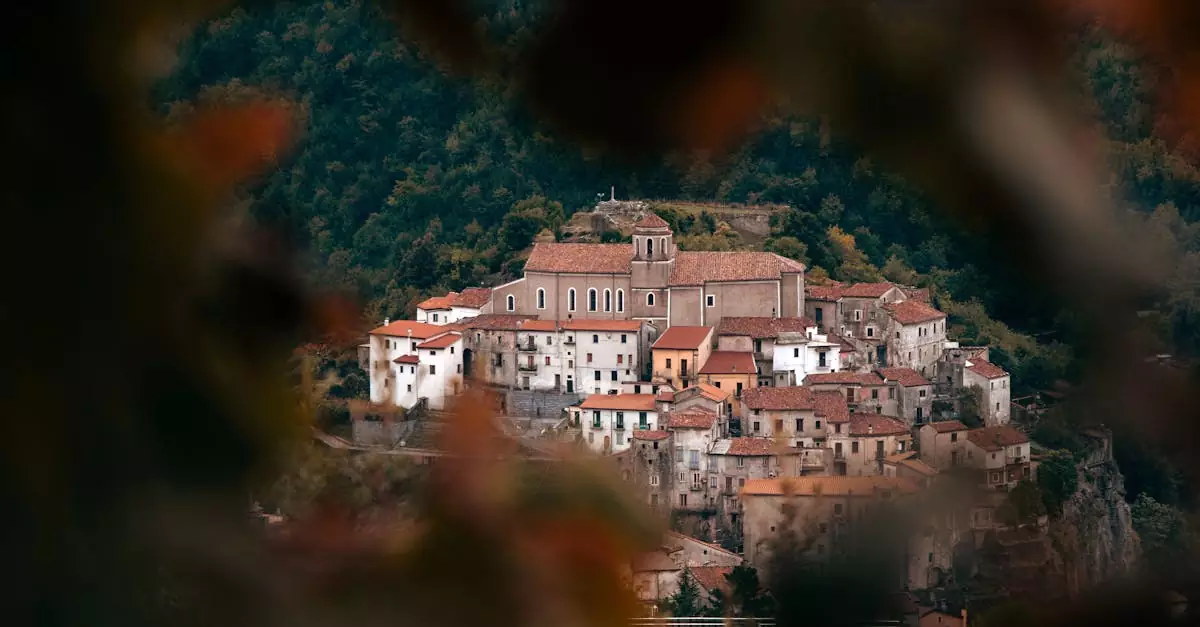
Beyond the well-trodden tourist paths lie Europe’s best hidden towns, offering authentic culinary experiences often overlooked by mainstream travelers. These destinations provide a genuine taste of regional specialties, from hearty mountain fare to delicate coastal dishes. Engaging with local food traditions is a fundamental part of understanding a place’s culture, and in these smaller communities, that connection feels even more profound.
Savoring Regional Specialties in Rural France
Wandering through the countryside of France, you’ll find villages where traditional cuisine remains a cornerstone of daily life. In regions like Normandy, the focus is on rich dairy products, leading to exquisite cheeses like Camembert and Pont-l’Évêque, often paired with locally produced cider. Further south, in Provence, vibrant markets overflow with sun-ripened vegetables, aromatic herbs, and fresh seafood, forming the basis of dishes like ratatouille and bouillabaisse. Many small bistros in these areas pride themselves on using ingredients sourced directly from nearby farms, ensuring a taste of true regional authenticity. Planning a visit during harvest season, typically autumn, offers the added delight of seasonal produce and special culinary festivals.
Tasting Traditional Austrian Cuisine Near Alpine Villages
The Austrian Alps are home to charming villages that serve up hearty, soul-warming cuisine perfect after a day of hiking or skiing. Expect dishes like Wiener Schnitzel, a thinly pounded veal cutlet, and Kaiserschmarrn, a fluffy shredded pancake often served with fruit compote. Local taverns, known as Gasthäuser, are the best places to experience these traditional meals, often accompanied by a crisp Austrian beer or a glass of Grüner Veltliner wine. For those seeking a truly immersive experience, consider visiting during winter for festive Christmas markets, where regional delicacies like roasted chestnuts and mulled wine are abundant.
Experiencing Dutch Flavors in the Waterways of Giethoorn
Giethoorn, often called the “Venice of the Netherlands,” offers a unique culinary perspective shaped by its watery landscape. While not as renowned for its gastronomy as other parts of the country, the charm lies in its simplicity and freshness. Local eateries often feature dishes with freshwater fish caught directly from the surrounding canals. Smoked eel, or gerookte paling, is a regional delicacy that adventurous eaters might seek out. Enjoying a meal with views of the picturesque canals and thatched-roof farmhouses provides a memorable dining experience. Consider visiting in spring or early summer for pleasant weather and the freshest local produce.
Discovering Bavarian Comfort Food in German Medieval Towns
Bavaria’s medieval towns, such as Rothenburg ob der Tauber or Dinkelsbühl, are the heartland of hearty German comfort food. Here, you can indulge in substantial dishes like Schweinshaxe (pork knuckle), various types of sausages, and Käsespätzle (cheese noodles). Many traditional inns and Biergartens offer these classics alongside a wide selection of local Bavarian beers. The atmosphere in these historic towns, often enhanced by live folk music during festivals, complements the robust flavors of the cuisine. Visiting during the Oktoberfest season or the smaller local wine festivals in autumn can elevate the culinary journey.
Frequently Asked Questions About Europe’s Hidden Towns
Are these hidden towns safe for solo travelers?
Generally, the best hidden towns in Europe are remarkably safe, often boasting lower crime rates than larger cities. Their smaller populations and close-knit communities contribute to a secure atmosphere. However, as with any travel, it’s wise to exercise standard precautions. Always be aware of your surroundings, especially after dark, and keep your valuables secure. Research specific local customs and dress modestly if visiting religious sites.
What is the average budget for visiting a hidden European town?
The budget for visiting these charming European villages can vary significantly based on the country and your travel style. Countries in Eastern and Southern Europe tend to be more budget-friendly than those in Western or Northern Europe. You can expect daily costs for accommodation, food, and local transport to range from €50 to €150 per person.
Here’s a general budget breakdown:
| Category | Estimated Daily Cost (EUR) | Notes |
|---|---|---|
| Accommodation | €30 – €100 | Hostels to boutique guesthouses |
| Food | €20 – €50 | Local cafes, markets, and restaurants |
| Local Transport | €5 – €20 | Primarily walking; occasional bus/trains |
| Activities/Misc. | €10 – €30 | Entrance fees, souvenirs, incidentals |
Visiting during the shoulder seasons (spring or autumn) can also help reduce costs for both flights and accommodation.
What kind of accommodation can I expect in these villages?
Accommodation in Europe’s hidden towns often reflects the local character. You’ll find fewer large hotel chains and more independent options. Expect to discover charming family-run guesthouses (pensions), bed and breakfasts, and small boutique hotels. Many offer a more personal touch and insights into local life. In some regions, you might also find well-maintained holiday apartments or rural farm stays (agriturismo). Booking in advance is recommended, especially during peak tourist periods.
What are the best day trips from these hidden European gems?
The beauty of staying in a lesser-known town is that it often serves as a fantastic base for exploring surrounding areas. Depending on the region, day trips could include visits to:
- Nearby natural landscapes: National parks, hiking trails, or scenic coastlines.
- Other small towns or villages: Discovering more of the local culture and architecture.
- Historical sites: Castles, ancient ruins, or significant historical landmarks.
- Local wineries or artisanal producers: Experiencing regional specialties.
For instance, if you’re visiting a town in the French countryside, a day trip might involve a visit to a nearby vineyard or a larger regional market town. Likewise, a village in the Italian Alps could offer access to stunning mountain vistas and hiking routes. Always check local transport schedules or consider renting a car for maximum flexibility.