Italy’s allure extends beyond its iconic landmarks, inviting travelers into a world where every meal is a celebration and each tradition tells a story. If you’re planning a trip and eager to connect with the heart and soul of this beautiful country, immersing yourself in its rich culinary heritage and vibrant cultural practices is essential. This guide will help you discover the best food and culture experiences in Italy, from bustling markets filled with local produce to ancient arenas resonating with opera. You’ll learn to savor authentic regional dishes, grasp the nuances of Italian hospitality, and immerse yourself in time-honored traditions. Prepare to embark on a journey that engages all your senses, fostering a profound appreciation for what makes Italy so captivating.
Immerse Yourself in Italy’s Regional Culinary Traditions
Italy’s culinary landscape is a vibrant tapestry of distinct regional traditions. Understanding these differences is key to unlocking the best food and culture experiences. Each region boasts unique ingredients, cooking methods, and historical influences that shape its gastronomic identity.
Tasting Authentic Pasta Dishes in Emilia-Romagna
Emilia-Romagna is often hailed as Italy’s gastronomic heartland, where culinary excellence is woven into daily life. This region is the birthplace of iconic dishes like Parmigiano Reggiano cheese, Prosciutto di Parma, and balsamic vinegar from Modena. When in Emilia-Romagna, seeking out fresh, handmade pasta is paramount.
Tagliatelle al ragù, the authentic Bolognese sauce, is a must-try. Unlike the spaghetti bolognese common elsewhere, it’s served with wider, flat pasta ribbons that beautifully hold the rich, slow-cooked meat sauce. Tortellini in brodo, small stuffed pasta in a savory broth, offers a comforting taste of the region. For those interested in honing their skills, many agriturismos offer pasta-making classes, providing hands-on experience with local culinary heritage.
Exploring Naples’ Pizza Heritage and Street Food Scene
Naples is synonymous with pizza, making it a cultural pilgrimage for food lovers. The true Neapolitan pizza, recognized by UNESCO, features a soft, chewy crust, San Marzano tomatoes, and fresh mozzarella di bufala. The simplicity of its ingredients belies the skill needed for the perfect bake in a wood-fired oven.
Beyond pizza, Naples boasts a vibrant street food scene. Sfogliatelle, a shell-shaped pastry filled with rich ricotta, is a beloved sweet treat. For savory options, try frittatina di pasta, a fried pasta cake, or pizza fritta, a deep-fried folded pizza. Exploring the city’s bustling markets and narrow alleyways reveals these culinary gems. Visiting during a local festival or a football match can offer an even more immersive experience of Neapolitan life and its food.
Discovering the Seafood Delights of Sicily
Sicily’s island geography shapes its rich seafood heritage. The Mediterranean Sea provides an abundance of fresh fish and shellfish, prepared with a blend of Italian, Arab, and Norman influences. Arancini, fried rice balls often filled with ragù or mozzarella, are popular street food, with seafood variations also common.
Key dishes include pasta con le sarde, pasta with sardines, wild fennel, raisins, and pine nuts, showcasing the island’s unique flavor combinations. Pesce spada alla griglia, grilled swordfish, is another staple, often seasoned simply with lemon and herbs to highlight the fish’s natural flavor. Exploring coastal towns like Palermo or Catania will lead you to trattorias serving the freshest catches of the day. Don’t miss the opportunity to taste local wines that beautifully complement the seafood.
Savoring Tuscan Flavors: Wine, Olive Oil, and Bistecca alla Fiorentina
Tuscany is celebrated for its rustic, ingredient-driven cuisine, emphasizing high-quality local produce. The region’s rolling hills are dotted with vineyards and olive groves, producing some of Italy’s finest wines and olive oils. Tuscan cooking is hearty and satisfying, reflecting its agricultural roots.
The star of Tuscan meat dishes is Bistecca alla Fiorentina, a thick-cut, grilled T-bone steak from Chianina beef, typically cooked rare. Seasoned simply with salt and pepper, the quality of the meat shines through. Pair this with a glass of Chianti Classico for a quintessential Tuscan meal. Other regional specialties include ribollita, a hearty vegetable and bread soup, and pappa al pomodoro, a thick tomato and bread soup. Visiting an olive oil mill or winery for a tasting offers a deeper understanding of these fundamental Tuscan products.
Beyond the Plate: Unforgettable Italian Cultural Encounters
Italy’s rich tapestry extends far beyond its world-renowned cuisine, offering cultural experiences that enrich any visit. Engaging with these traditions provides a more profound understanding of the country’s history, art, and way of life. Here are some of the best food and culture experiences in Italy that connect travelers to its soul.
Attending an Opera Performance in Verona’s Roman Arena
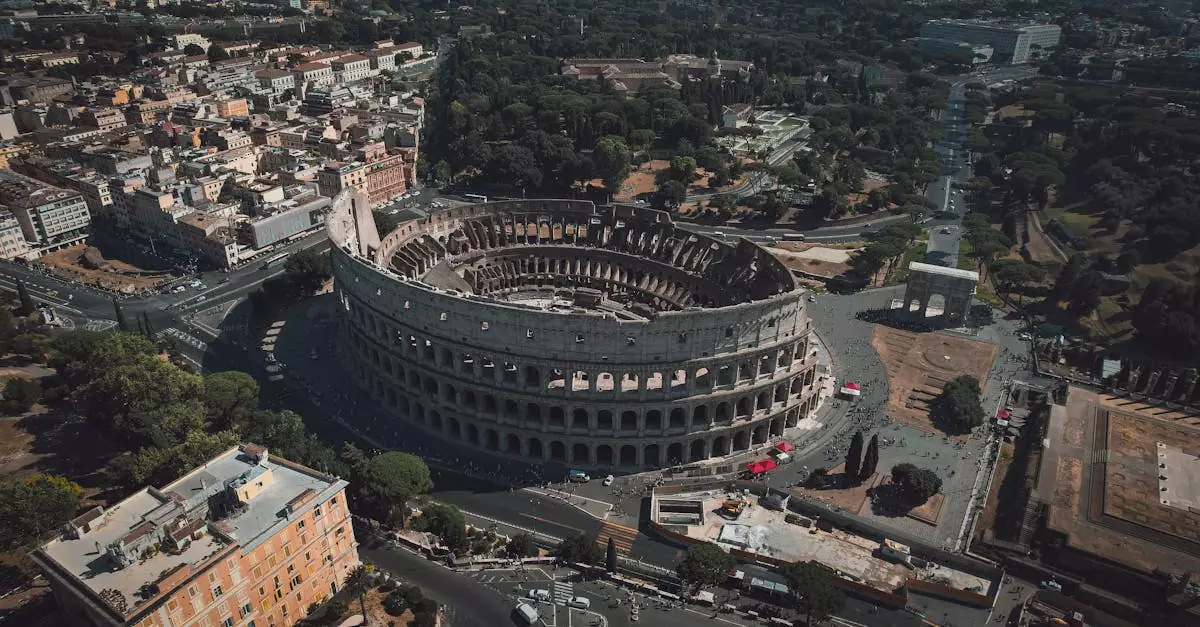
Imagine the grandeur of ancient Rome combined with the passion of Italian opera. Verona’s Arena, a remarkably preserved Roman amphitheater, hosts spectacular opera performances during the summer months. The phenomenal acoustics and sheer scale of the venue, dating back to the 1st century AD, create an unforgettable atmosphere.
Attending an opera here is a truly immersive cultural event. Performances typically run from June through August, with a full program announced each year. Booking tickets in advance is highly recommended, especially for popular productions. Consider seating in the upper tiers for a more budget-friendly option; even standing room offers a unique perspective. Getting to Verona is straightforward, with high-speed rail connections from major cities like Milan and Venice.
Exploring Renaissance Art in Florence’s Uffizi Gallery
Florence, the cradle of the Renaissance, is a must-visit for art lovers. The Uffizi Gallery houses an unparalleled collection of masterpieces, including Botticelli’s “The Birth of Venus” and Leonardo da Vinci’s “Annunciation.” Wandering through its halls feels like stepping back in time to witness the evolution of Western art.
To make the most of your visit, book tickets online in advance to avoid long queues. Consider a guided tour for deeper insights into the artworks and their historical context. The gallery is located in the heart of Florence, easily accessible on foot from most central accommodations. Allow at least half a day to fully appreciate the collection.
Experiencing Local Festivals and Sagre Across Italy
Italy is dotted with local festivals, known as sagre, celebrating everything from truffles and wine to specific saints and historical events. These vibrant gatherings offer an authentic glimpse into regional traditions and community life. You can often find sagre happening on weekends throughout the year, particularly during harvest seasons.
Participating in a sagra means enjoying local food prepared with pride, listening to traditional music, and witnessing lively processions. Research local event calendars for the regions you plan to visit. For instance, a sagra in Tuscany might focus on olive oil, while one in Emilia-Romagna could celebrate balsamic vinegar. These events are a fantastic way to connect with locals and sample regional specialties.
Learning Traditional Italian Cooking Techniques in a Hands-On Class
Few things are as central to Italian culture as its food, and learning to prepare it yourself is a rewarding experience. Numerous cooking classes are available across Italy, ranging from short, market-to-table experiences to multi-day immersive courses. These classes often focus on regional specialties, teaching you the secrets behind pasta making, sauce preparation, and classic desserts.
Choosing a class that includes a visit to a local market adds another layer to the experience, allowing you to understand ingredient sourcing. Many classes are held in charming family homes or dedicated culinary schools. This hands-on approach to the best food and culture experiences in Italy lets you take a piece of Italy home with you.
Navigating Italy’s Foodie Hotspots: Where to Find the Best Experiences
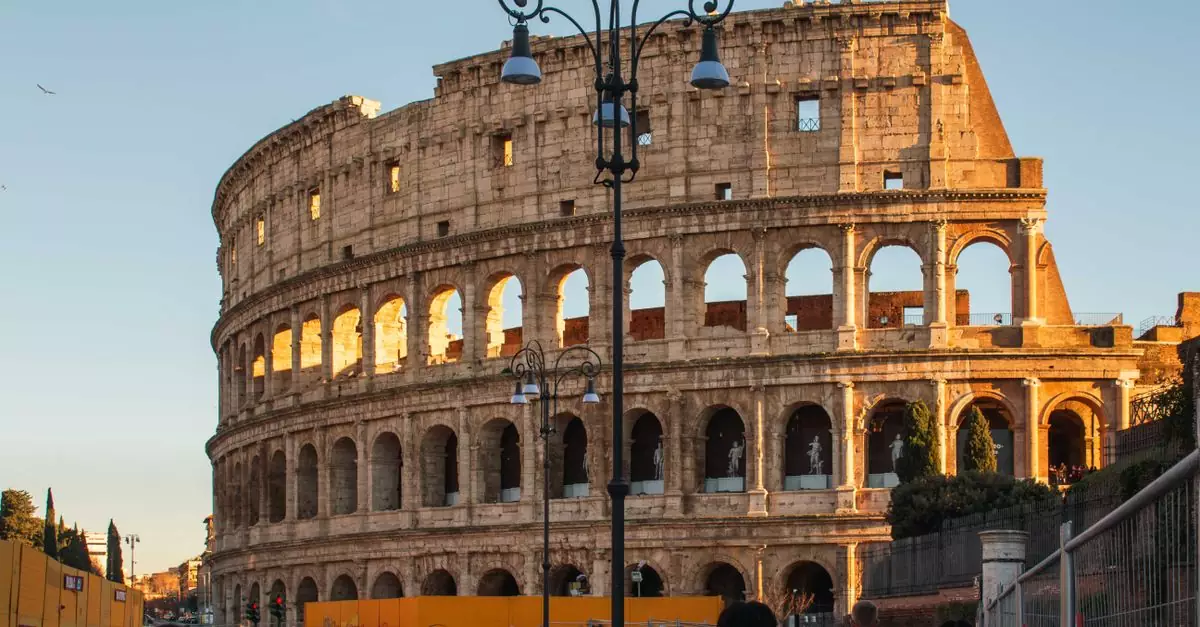
Italy’s reputation as a culinary paradise is well-earned, offering a tapestry of regional flavors and time-honored traditions. For travelers seeking the best food and culture experiences in Italy, understanding where to find authentic tastes and local customs is key. From bustling markets to quiet village kitchens, each region presents a unique gastronomic journey.
The Vibrant Food Markets of Rome: Campo de’ Fiori and Testaccio
Rome’s markets are more than just places to buy produce; they are living museums of Italian food culture. Campo de’ Fiori, a historic piazza, transforms daily into a vibrant scene, with vendors selling fresh fruits, vegetables, cheeses, and cured meats. Arriving in the morning offers the most authentic experience, as locals shop for their daily meals.
Nearby, the Mercato di Testaccio provides a modern yet equally vibrant market hall. Here, you can sample prepared foods from various stalls, from supplì (fried rice balls) to fresh pasta. It’s an excellent spot for a casual lunch and a taste of Roman street food. The energy is infectious, offering a genuine glimpse into daily Roman life.
Hidden Trattorias in Venice’s Dorsoduro Neighborhood
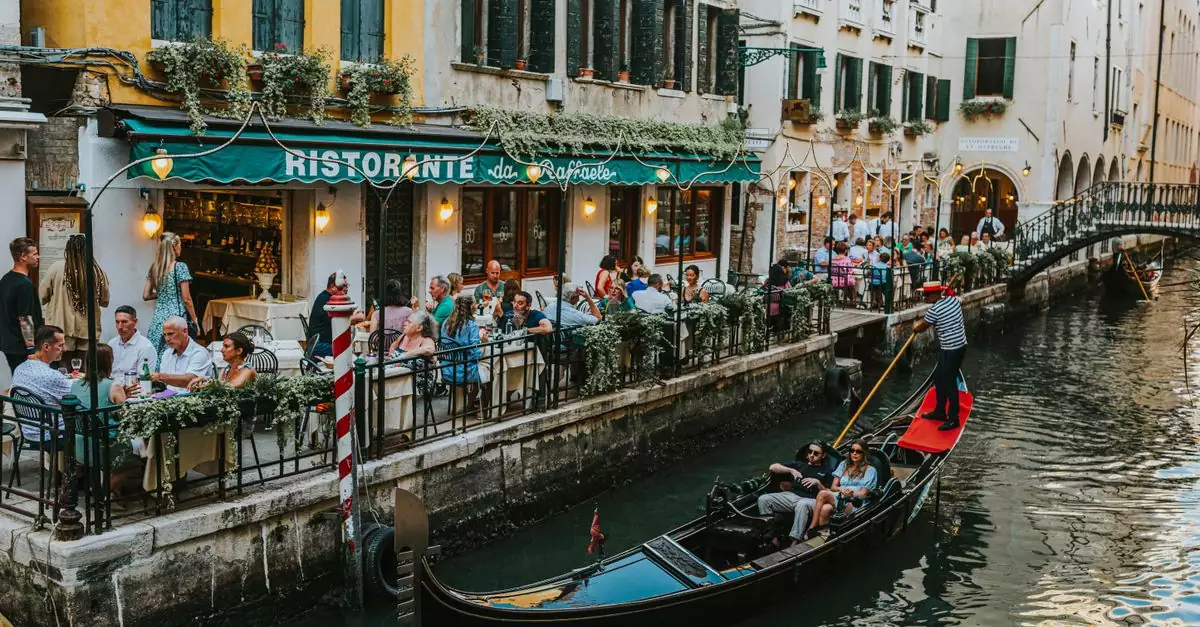
While Venice is famous for its canals and architecture, its culinary soul often resides in its less-touristed neighborhoods. The Dorsoduro district, home to art galleries and a university, boasts a charming selection of traditional trattorias. These small, often family-run establishments serve up Venetian specialties like sarde in saor (sweet and sour sardines) and risi e bisi (rice and peas).
Finding these gems requires a bit of wandering. Look for places filled with locals, particularly during lunchtime. The atmosphere is typically convivial and unpretentious, offering a welcome respite from the crowds. Many offer cicchetti, small snacks akin to tapas, perfect for a leisurely evening of sampling.
Gourmet Food Tours in the Piedmont Region
For those interested in a deeper dive into Italian gastronomy, the Piedmont region offers unparalleled gourmet food tours. This area, often overlooked by mainstream tourism, is the heartland of truffle hunting, fine wines like Barolo and Barbaresco, and rich, slow-cooked dishes. Tours often include visits to local producers, wine tastings, and even hands-on cooking classes.
Participating in a truffle hunt during the autumn season is a truly memorable experience, offering insight into a centuries-old tradition. Many tours can be customized to focus on specific interests, whether it’s cheese making, chocolate production, or understanding the nuances of regional pasta. This region embodies the meticulous craft behind the best food and culture experiences in Italy.
Culinary Adventures in the Amalfi Coast Villages
The picturesque villages of the Amalfi Coast provide a stunning backdrop for culinary exploration. Here, the focus is on fresh seafood, sun-ripened lemons, and vibrant vegetables. From Positano to Ravello, each town offers unique specialties. Don’t miss delizia al limone, a delightful lemon sponge cake, or scialatielli ai frutti di mare, a local pasta with mixed seafood.
Many restaurants offer breathtaking views, but for a truly authentic experience, seek out smaller eateries in less central locations. Visiting during the shoulder seasons, like spring or early autumn, allows for a more relaxed pace and often better prices. Exploring the narrow streets can lead to unexpected culinary discoveries, highlighting the region’s simple yet profound flavors.
What Are the Most Authentic Food and Culture Experiences in Italy?
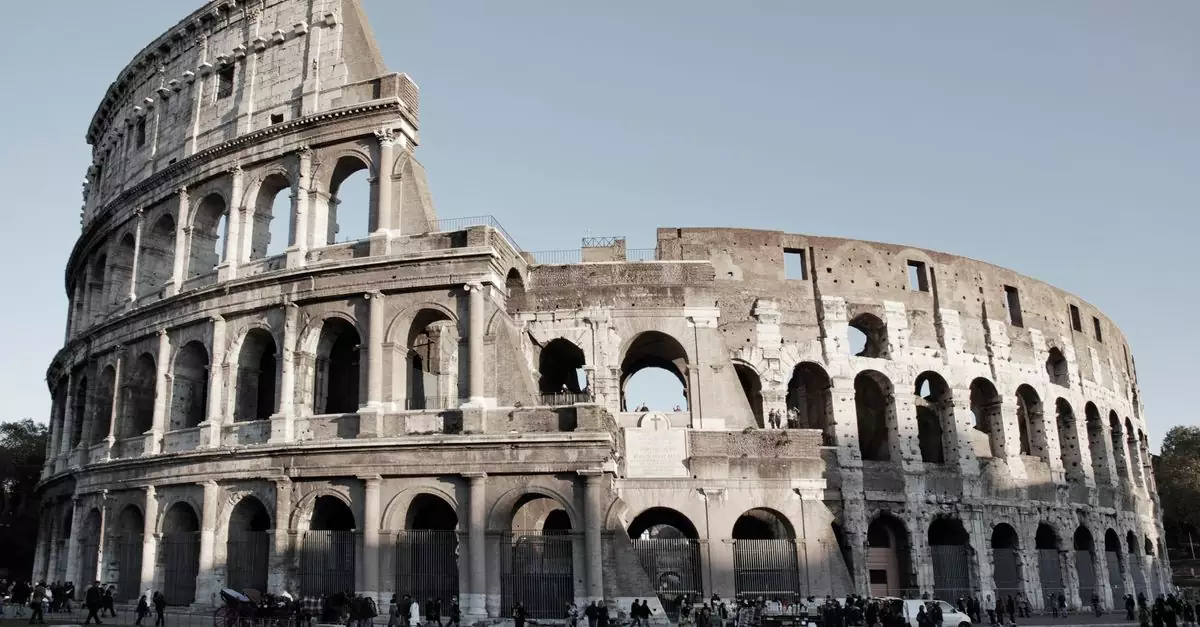
Italy offers a rich tapestry of culinary traditions and cultural immersion, making it a dream destination for travelers seeking authentic experiences. Beyond the famous landmarks, the true heart of Italy beats in its kitchens and local communities. Engaging directly with these aspects provides a deeper understanding and appreciation of the country’s heritage.
Participating in a Gelato-Making Workshop in Bologna
Bologna, often hailed as Italy’s gastronomic capital, is the perfect place to learn the art of gelato making. Several workshops cater to visitors, offering hands-on experience with fresh, local ingredients. You’ll learn about the differences between gelato and ice cream, the importance of quality components like pistachios or fresh fruit, and the techniques for achieving that signature smooth texture.
This is more than just a cooking class; it’s a cultural insight into a beloved Italian treat. Understanding the passion and precision behind authentic gelato reveals a significant part of Italian daily life. The best workshops often use traditional methods and family recipes passed down through generations.
Visiting a Family-Run Agriturismo for Farm-to-Table Dining
An agriturismo is a working farm that offers accommodation and meals, providing an unparalleled farm-to-table dining experience. These establishments are scattered across the Italian countryside, from Tuscany’s rolling hills to Sicily’s sun-drenched coasts. Staying at an agriturismo allows you to connect with rural Italian life and savor dishes made with ingredients harvested just steps away.
Meals at an agriturismo are typically communal, fostering a warm and social atmosphere. You might enjoy homemade pasta, locally raised meats, and vegetables from the farm’s garden, all paired with regional wines. This offers a genuine taste of Italian hospitality and a true understanding of seasonal, local produce.
Exploring Ancient Ruins with a Local Foodie Guide
Combining history with gastronomy offers a unique perspective on Italy’s past and present. Imagine exploring the ruins of Pompeii or the Roman Forum, not just with an archaeologist but with a local guide who also specializes in the region’s culinary history. These guides can illuminate how ancient Romans ate, the ingredients they used, and how those traditions have influenced modern Italian cuisine.
After a morning of historical discovery, your guide might lead you to a trattoria known for its traditional recipes or a market where you can sample local delicacies. This approach connects the dots between the ancient world and the vibrant food culture of today, offering a truly immersive experience.
Discovering Artisan Cheese Makers in the Dolomites
The Dolomites, a stunning mountain range in northeastern Italy, are home to a rich tradition of cheesemaking. Visiting small, family-run dairies allows you to witness the craft firsthand. You can learn about the different types of cheese produced, such as Asiago or Speck, and the specific techniques that give them their distinct flavors, often influenced by the alpine pastures.
Many producers welcome visitors for tastings, offering a chance to sample their creations directly. This experience provides insight into the agricultural heritage of the region and the dedication of artisans who maintain these time-honored practices. It’s a delicious way to appreciate the landscape and the people who inhabit it.
Planning Your Italian Culinary and Cultural Itinerary
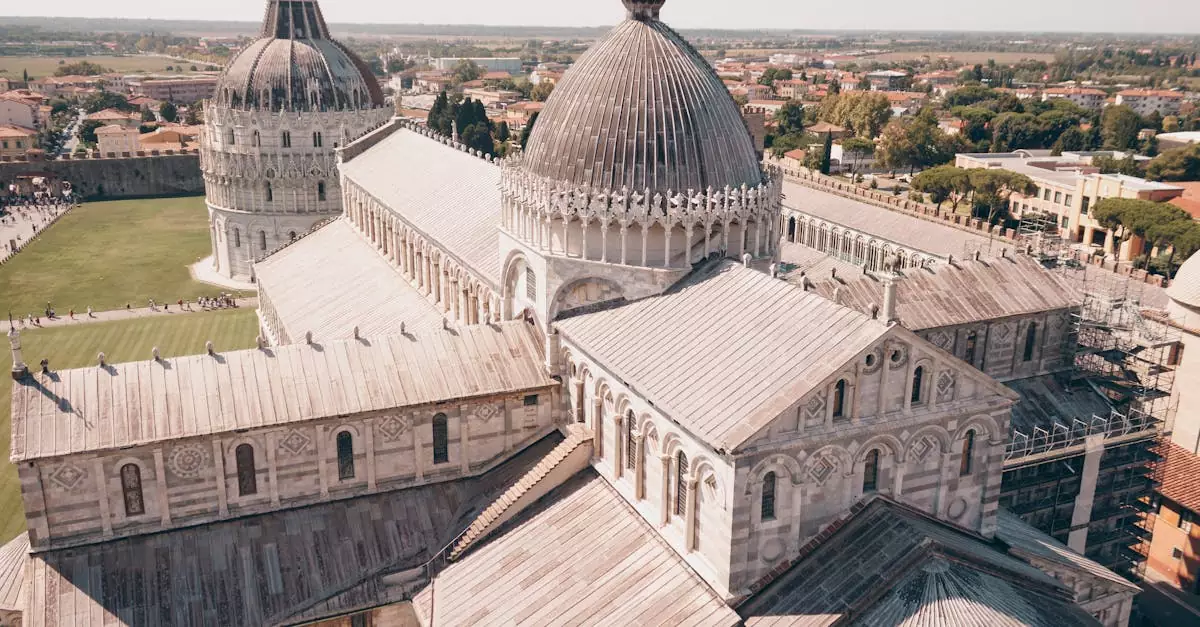
Embarking on a journey through Italy’s culinary and cultural landscape requires thoughtful planning. Understanding the best times to visit, how to navigate the country, and managing your budget will significantly enhance your experience. From the rolling hills of Tuscany to the bustling piazzas of Rome, Italy offers a tapestry of flavors and traditions waiting to be discovered. Planning your trip around these key logistical elements ensures you can fully immerse yourself in the best food and culture experiences Italy has to offer.
Best Time to Visit Italy for Food Festivals and Mild Weather
Timing your visit can unlock some of Italy’s most vibrant cultural and gastronomic events. Spring (April to June) and autumn (September to October) generally offer the most pleasant weather, with fewer crowds than the peak summer months. These shoulder seasons are ideal for exploring cities on foot and enjoying outdoor dining.
Autumn is particularly renowned for its harvest festivals, celebrating everything from truffles in Piedmont to olives and wine throughout various regions. Imagine attending a sagra, a local food festival, in a small Tuscan town, sampling regional specialties and experiencing authentic Italian community life. Spring brings its own charm with fresh produce coming into season and local celebrations like Easter traditions.
While summer (July to August) is popular for its warm weather and vibrant atmosphere, it can be very hot, especially in southern Italy, and accommodation prices soar. Winter (November to March) can be a more budget-friendly option and offers a chance to experience Italy’s festive holiday season, though some coastal or rural attractions may have reduced hours or be closed.
Getting Around Italy: Trains, Cars, and Local Transport Options
Navigating Italy is straightforward, thanks to its well-developed transportation network. High-speed trains are an excellent choice for traveling between major cities like Rome, Florence, and Venice. Companies like Trenitalia and Italo offer comfortable and efficient services, making it easy to cover long distances quickly.
For exploring the countryside, particularly regions like Tuscany or Sicily, renting a car provides flexibility. This allows you to visit smaller villages, scenic vineyards, and remote agriturismos at your own pace. Be aware that driving in historic city centers can be challenging due to limited access, ZTLs (Limited Traffic Zones), and parking difficulties.
Within cities, public transportation is generally reliable. Buses and trams are common, and many Italian cities have efficient metro systems, such as in Rome and Milan. Walking remains one of the best ways to absorb the atmosphere of Italian towns and cities, discovering hidden trattorias and charming squares.
Consider this breakdown for inter-city travel:
| Transportation Mode | Best For | Pros | Cons |
|---|---|---|---|
| High-Speed Train | City-to-city travel | Fast, efficient, comfortable, city-center access | Less flexible for rural areas, can be expensive if not booked |
| Rental Car | Rural exploration, flexibility | Freedom to explore off-the-beaten-path | Parking challenges in cities, ZTLs, can be costly |
| Regional Train | Smaller towns, scenic routes | Affordable, scenic views | Slower than high-speed trains, less frequent service |
| Bus | Budget travel, some rural connections | Inexpensive, extensive network | Slower, can be less comfortable than trains |
Budgeting for Food and Cultural Activities in Italy
Italy offers a range of experiences to suit various budgets. Food costs can vary significantly depending on whether you opt for Michelin-starred restaurants, casual trattorias, or local markets. Eating like a local, by enjoying pizza al taglio (pizza by the slice) or panini from a local shop, can be very affordable.
Cultural activities, such as museum entries, guided tours, and historical site visits, also contribute to the overall cost. Many cities offer city passes that can provide value if you plan to visit multiple attractions. Consider prioritizing which experiences are most important to you to allocate your budget effectively.
A daily budget might range from €70-€100 per person for moderate spending (including meals, local transport, and a few paid attractions) to €150+ for more indulgent experiences, fine dining, and extensive sightseeing. This excludes accommodation and inter-city travel. Booking accommodation and train tickets in advance can often secure better prices.
Accommodation Options: From Boutique Hotels to Agriturismo Stays
Italy’s accommodation options are as diverse as its cuisine. In cities, you’ll find everything from luxurious five-star hotels to charming boutique hotels and budget-friendly hostels. Staying in a historic palazzo converted into a hotel offers a unique cultural immersion.
For a truly authentic experience, consider an agriturismo. These are working farms offering accommodation, often in beautifully restored rustic buildings. They provide an opportunity to connect with the countryside, enjoy farm-fresh meals, and experience genuine Italian hospitality. Agriturismos are particularly popular in regions like Tuscany and Umbria.
- Bed & Breakfasts (B&Bs): Often family-run, offering a personal touch and local insights.
- Agriturismos: Farm stays, ideal for a rural, authentic experience.
- Boutique Hotels: Smaller, stylish hotels with unique character.
- Vacation Rentals (Apartments/Villas): Good for families or longer stays, offering more space and self-catering options.
- Traditional Hotels: Ranging from budget to luxury, widely available in all cities and towns.
Choosing your accommodation wisely can significantly shape your overall travel experience, whether you seek urban convenience or rural tranquility.
Frequently Asked Questions About Italy’s Food and Culture
What are common tourist mistakes to avoid when experiencing Italian food?
A frequent pitfall for visitors is ordering a cappuccino after a meal; Italians typically reserve this milky coffee for breakfast. Another common error is expecting pasta dishes to be served as a separate course for every meal. In Italy, pasta is often a primo piatto (first course) preceding a meat or fish main. Lastly, don’t hesitate to ask for recommendations from your server—they are usually proud of their local specialties.
Is it easy to find vegetarian or vegan options in Italy?
While Italy is historically known for its meat and cheese dishes, finding vegetarian options is increasingly straightforward. Many traditional dishes are naturally vegetarian, such as pasta al pomodoro (pasta with tomato sauce), ribollita (a hearty Tuscan vegetable soup), and melanzane alla parmigiana (eggplant parmesan). Veganism is also gaining traction, with more restaurants offering dedicated vegan menus or clearly marked options. Look for cucina vegana signs or inquire about senza latticini (without dairy) and senza uova (without eggs).
What are some essential Italian phrases for food and cultural interactions?
Knowing a few basic phrases can significantly enhance your experience. To greet someone, use Buongiorno (Good morning/day) or Buonasera (Good evening). When ordering, Vorrei… (I would like…) is polite. To ask for the bill, say Il conto, per favore. Understanding Grazie (Thank you) and Prego (You’re welcome/Please) is fundamental. For cultural interactions, Scusi (Excuse me) is useful for getting attention or passing through crowds.
How can I find authentic, non-touristy restaurants in Italy?
Seek out trattorie and osterie that appear to be frequented by locals. These establishments often offer more traditional and reasonably priced fare. Venture a few blocks away from major piazzas and well-known landmarks; the best food and culture experiences are often found on quieter side streets. Online reviews can be helpful, but look for comments that specifically mention the authenticity of the dishes or a local atmosphere, rather than just proximity to attractions. Observing where locals queue for lunch can also be a good indicator.