Europe is a continent rich in history, with landscapes adorned by magnificent castles and ancient ruins that tell stories of bygone eras. From the fairytale turrets of Bavarian palaces to the enduring stones of Roman amphitheaters, these landmarks provide a tangible connection to the past. For travelers in 2026, exploring the best castles and historic sites in Europe promises an unforgettable journey through centuries of art, architecture, and human achievement. This guide will help you navigate these remarkable destinations, revealing the stories behind their walls and offering practical tips for an enriching visit. Discover iconic fortresses, delve into the remnants of powerful empires, and uncover royal residences that showcase unparalleled grandeur. Prepare to be transported as we explore the historical heart of Europe.
Majestic Medieval Marvels: Top European Castles to Explore
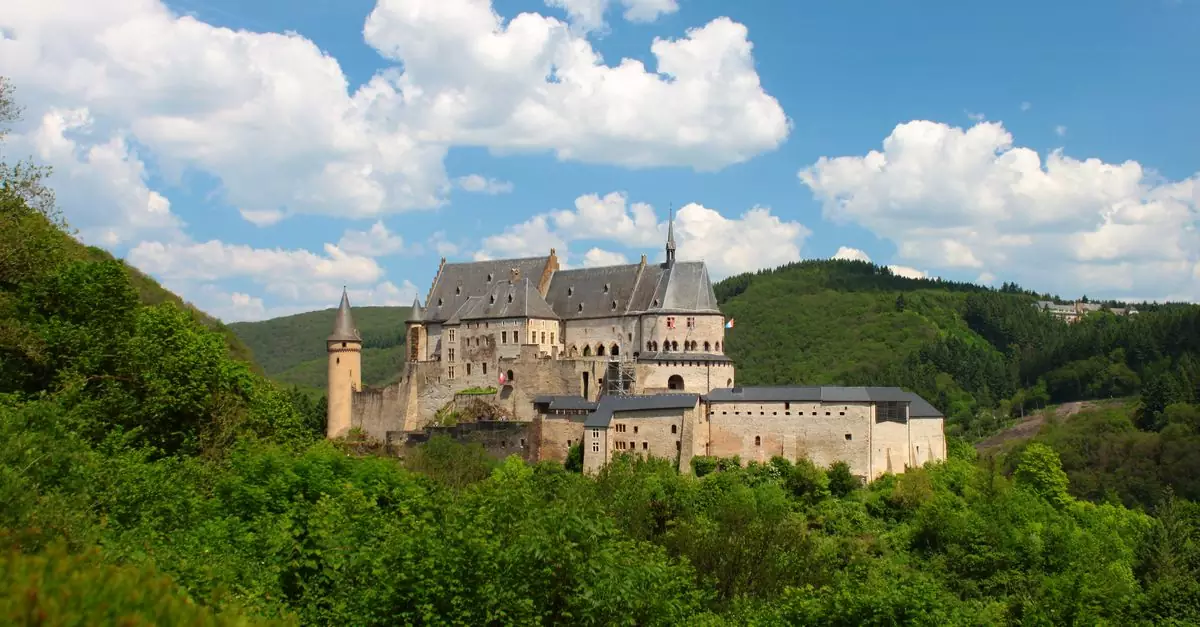
Europe is a treasure trove of history, and its castles stand as enduring symbols of centuries of power, artistry, and conflict. These fortresses and palaces offer a direct connection to the past, transporting visitors to eras of knights, royalty, and grand design. Planning a trip to see some of the best castles and historic sites in Europe requires a focus on iconic structures that combine architectural splendor with compelling stories.
Neuschwanstein Castle: Bavaria’s Fairytale Icon
Perched dramatically on a rugged hill in Bavaria, Germany, Neuschwanstein Castle embodies the quintessential fairytale fortress. Commissioned by King Ludwig II of Bavaria in the 19th century, it was designed as a personal retreat and a homage to composer Richard Wagner. The castle’s romantic architecture, with its soaring towers and ornate interiors against a stunning mountain backdrop, inspired Walt Disney’s Sleeping Beauty Castle.
Visiting Neuschwanstein requires advance ticket purchase, particularly during peak season, to avoid long queues. Guided tours provide insights into Ludwig II’s eccentric vision and the castle’s construction. The surrounding Hohenschwangau region offers breathtaking scenery, including Alpsee lake and the nearby Hohenschwangau Castle, where Ludwig II spent his childhood.
- Getting there: The nearest major airport is Munich (MUC). From Munich, take a train to Füssen, followed by a bus to Hohenschwangau.
- Best time to visit: Spring (April-May) and autumn (September-October) offer pleasant weather and fewer crowds than summer. Winter snows can add a magical quality, but access may be limited.
- Tip: Book your tickets online weeks in advance. Consider a guided tour that combines Neuschwanstein with Hohenschwangau Castle for a comprehensive experience.
Edinburgh Castle: Scotland’s Historic Citadel
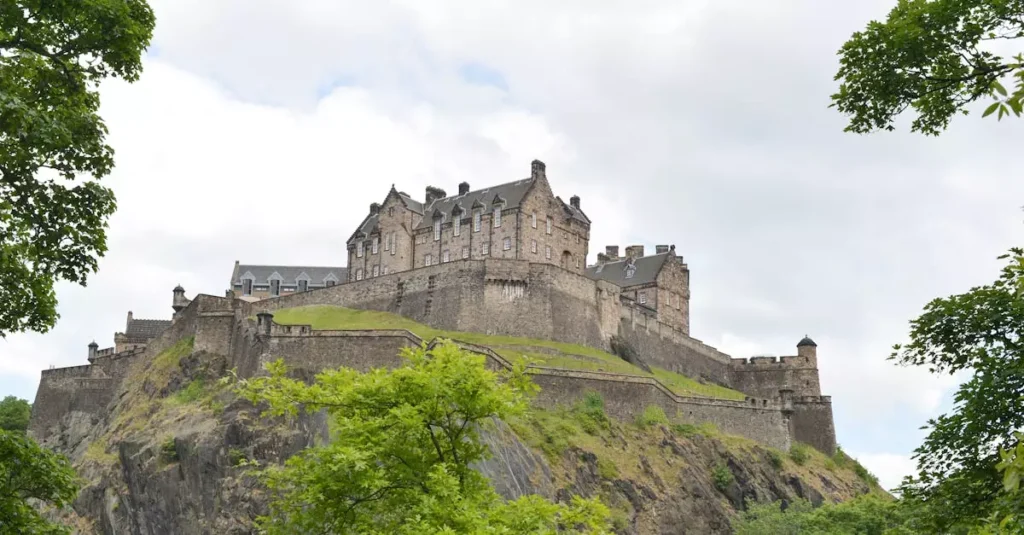
Dominating the skyline of Scotland’s capital, Edinburgh Castle has a history stretching back over a thousand years. Situated atop an extinct volcanic rock, its strategic position has made it a pivotal player in Scottish history, serving as a royal residence, military garrison, and prison. The castle houses the Honours of Scotland (the Scottish Crown Jewels) and the Stone of Destiny, a symbol of Scottish nationhood.
Exploring Edinburgh Castle involves traversing its ramparts, visiting the Great Hall, and marveling at the Crown Jewels. The castle offers panoramic views of the city and the Firth of Forth. The Royal Edinburgh Military Tattoo, held annually in August, transforms the castle esplanade into a spectacular stage.
- Getting there: Edinburgh Castle is easily accessible from the city center, just a short walk from Princes Street. The nearest airport is Edinburgh Airport (EDI).
- Budget considerations: Entry fees can add up. Consider purchasing an Historic Scotland Explorer Pass if you plan to visit multiple historic sites in Scotland.
- Safety: The castle grounds are well-maintained, but the terrain can be uneven and steep in places. Wear comfortable, sturdy footwear.
Alcázar of Segovia: Spain’s Storybook Fortress
The Alcázar of Segovia, a royal palace and fortress in Spain, appears to have sprung from the pages of a fantasy novel. Its distinctive ship’s prow shape, perched on a rocky outcrop above the confluence of two rivers, makes it one of Spain’s most recognizable landmarks. It has served various roles, including a Roman fort, a Moorish fortress, a royal palace, a state prison, and a military academy.
The Alcázar’s opulent interiors, including the Hall of Kings with its intricately carved ceiling, showcase centuries of architectural evolution. From its towers, visitors can enjoy sweeping views of the surrounding Castilian plains. The city of Segovia itself is a UNESCO World Heritage site, renowned for its magnificent Roman aqueduct and Gothic cathedral.
- Getting there: Segovia is accessible by high-speed train from Madrid (around 30 minutes). The Alcázar is a pleasant walk from the city center or accessible by local bus.
- Accommodation: Segovia offers a range of hotels and guesthouses, from charming boutique options in the old town to modern establishments.
- Visitor tip: Don’t miss the climb up the Tower of John II for unparalleled 360-degree views of Segovia and its surroundings.
Ancient Ruins & Roman Legacies: Must-See Historic Sites
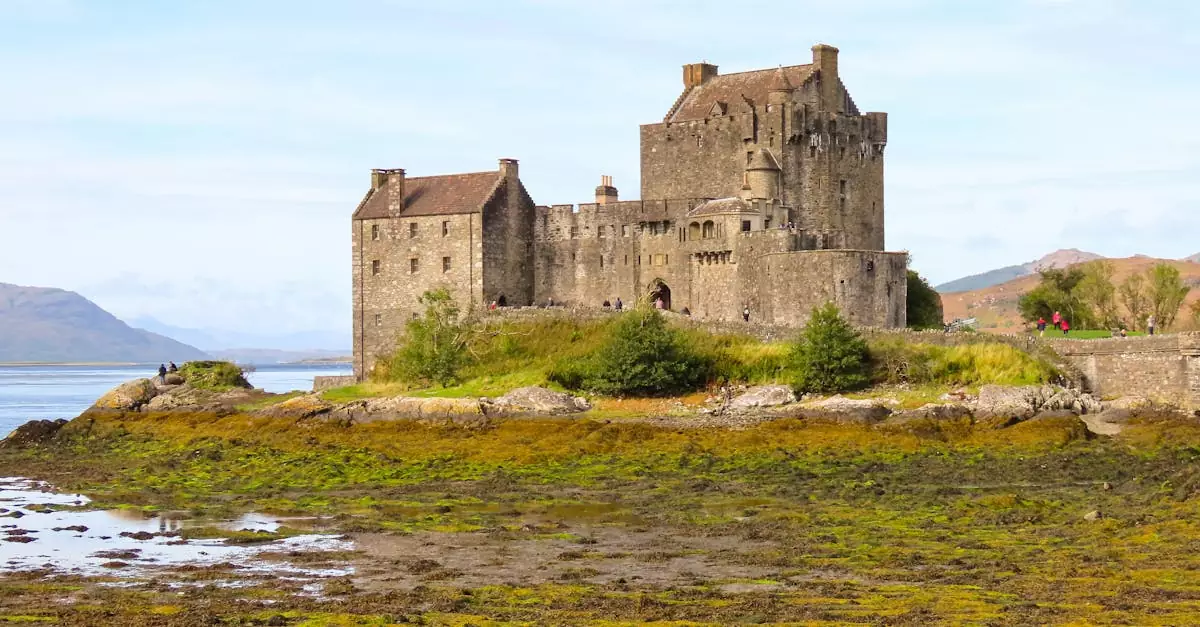
Beyond medieval fortresses, Europe’s historical tapestry is woven with the threads of ancient civilizations. These iconic ruins provide a profound connection to the past, showcasing architectural marvels that laid the foundations of Western culture. Visiting these sites links you to the empires that shaped the world, making them essential stops for any history enthusiast.
The Colosseum & Roman Forum: Echoes of the Empire
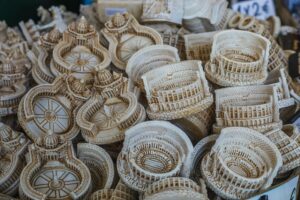
No exploration of ancient history in Europe is complete without Rome’s monumental structures. The Colosseum, an amphitheater built for gladiatorial contests and public spectacles, remains a powerful symbol of Roman engineering. Adjacent to it, the Roman Forum served as the bustling heart of ancient Rome, a sprawling complex of government buildings, temples, and marketplaces. Walking through these ruins allows you to envision the daily life and grand ceremonies of the Roman Empire.
Visitor Tips for Rome:
- Best Time to Visit: Spring (April-May) and Autumn (September-October) offer pleasant weather and fewer crowds than peak summer.
- Getting Around: Rome’s historic center is largely walkable. The metro system is efficient for longer distances, with stops near many major attractions.
- Tickets: Book Colosseum and Forum tickets online in advance to avoid long queues. Consider a guided tour for deeper historical context.
- Budget: Rome can be moderately expensive, especially for accommodation and dining near major sites. Eating in less touristy neighborhoods can save money.
Acropolis of Athens: Cradle of Western Civilization
Perched above the modern city of Athens, the Acropolis is an ancient citadel that encapsulates the glory of classical Greece. Its most famous structure, the Parthenon, dedicated to the goddess Athena, stands as a testament to Doric architecture and artistic achievement. The site also includes the Erechtheion, the Propylaea (gateway), and the Temple of Athena Nike. The Acropolis is a pilgrimage to the birthplace of democracy, philosophy, and theater.
Athens Acropolis Experience:
- Timing: Arrive early in the morning or late in the afternoon to avoid the midday sun and the largest tour groups.
- Accessibility: The site involves significant walking and uneven terrain. Wear comfortable shoes. While some areas have ramps, it can be challenging for those with mobility issues.
- Nearby: Explore the Acropolis Museum located at the foot of the hill for an in-depth look at artifacts found on the site.
- Local Culture: Enjoy traditional Greek cuisine in the Plaka district below the Acropolis for an authentic experience.
Pompeii & Herculaneum: Frozen in Time
The ancient Roman cities of Pompeii and Herculaneum offer a unique glimpse into Roman life, tragically preserved by the eruption of Mount Vesuvius in 79 AD. Unlike Rome, where structures were built upon or repurposed, these sites remain remarkably intact, with streets, homes, shops, and even frescoes providing an extraordinary window into daily existence. Walking through Pompeii’s paved streets or peering into the preserved homes of Herculaneum offers an intimate connection to a civilization frozen in time.
Visiting the Vesuvius Sites:
- Comparison: Pompeii is vast and more widely excavated, providing a comprehensive view of a large city. Herculaneum is smaller but often considered better preserved due to the different nature of the volcanic material that buried it.
- Logistics: Both sites are easily accessible from Naples by the Circumvesuviana train line. Day trips are common.
- Preservation: The volcanic ash preserved organic materials and buildings to an extraordinary degree, offering a unique archaeological perspective.
- Weather: Summers can be very hot, making spring and autumn ideal for comfortable exploration. Bring plenty of water and sun protection.
Royal Residences & Palatial Grandeur Beyond the Obvious
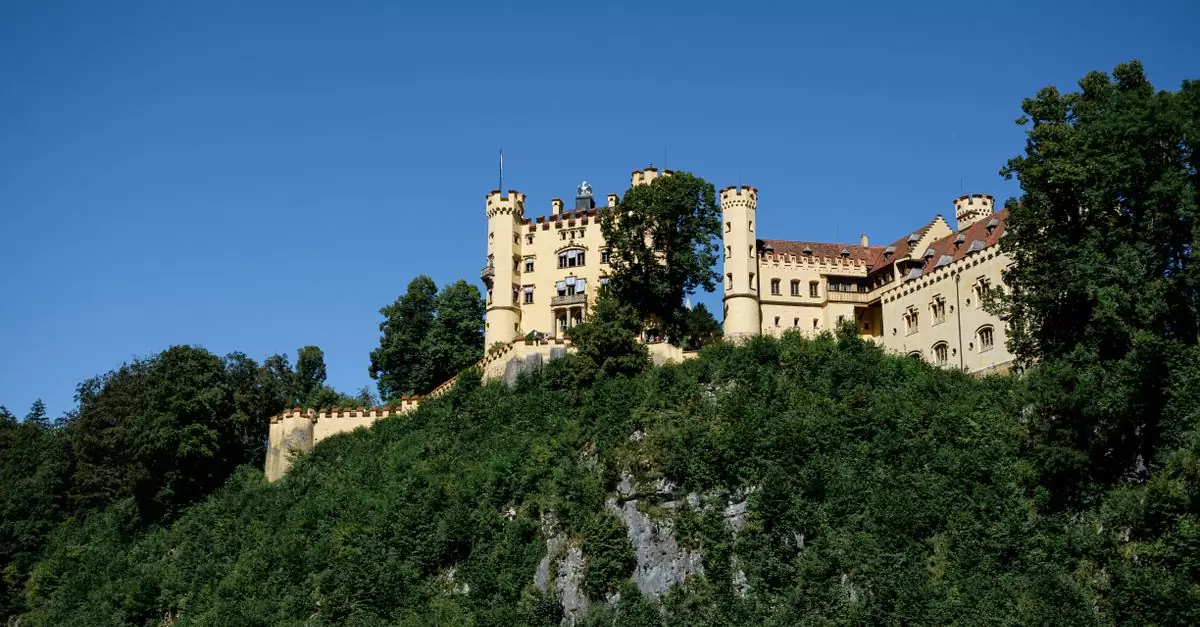
Beyond iconic medieval fortresses, Europe boasts a wealth of royal residences and palaces that showcase centuries of architectural evolution and imperial power. These opulent estates provide a glimpse into the lives of monarchs and the artistic movements that shaped their eras, often featuring sprawling gardens, lavish interiors, and significant historical collections. Planning a visit to these grand structures requires understanding their scale and historical context to fully appreciate their magnificence.
Hofburg Palace, Vienna: A Habsburg Powerhouse
The Hofburg Palace in Vienna was the principal imperial palace of the Habsburg dynasty for over six centuries. What began as a medieval castle evolved into a vast complex encompassing imperial apartments, the Sisi Museum, the Imperial Silver Collection, and the Spanish Riding School. Visitors can spend an entire day immersed in the history of one of Europe’s most influential royal families.
Getting to the Hofburg is straightforward, as it’s centrally located in Vienna’s first district. Many city bus routes and tram lines stop nearby. The palace is accessible year-round, though booking tickets online in advance is recommended to avoid queues, especially during peak tourist seasons like summer and around Christmas markets.
A visit here provides deep insight into Habsburg history, from the everyday life of Emperor Franz Joseph and Empress Elisabeth (Sisi) to the grandeur of state occasions. The sheer scale of the complex means prioritizing which sections to visit is key. Consider focusing on the Imperial Apartments for a personal touch, the Silver Collection for a look at courtly dining, and the Sisi Museum for a nuanced portrait of the empress.
Versailles Palace: French Opulence Personified
The Palace of Versailles, located just outside Paris, epitomizes French absolute monarchy and Baroque extravagance. Once a royal hunting lodge, it was transformed by Louis XIV into a magnificent palace that served as the seat of French political power from 1682 until the French Revolution. Its Hall of Mirrors, Royal Opera, and vast gardens are world-renowned for their artistry and scale.
Traveling to Versailles from Paris is simple. The RER C train line offers a direct connection to the town of Versailles, taking approximately 40 minutes from central Paris. Plan for a full day trip, as the palace, its Trianon estates, and expansive gardens require significant time to explore. Spring and autumn provide pleasant weather for garden strolls, while summer can be very crowded.
Tickets often include access to the palace, the Trianon estates, and the gardens, though special events like the Musical Fountains Show may require separate tickets. Wear comfortable shoes, as you’ll be doing a lot of walking. The sheer opulence can be overwhelming, but focusing on key areas like the Hall of Mirrors and the King’s Grand Apartment provides a concentrated experience of its grandeur.
Sintra’s Palaces: Romanticism in Portugal
Sintra, a town nestled in the hills near Lisbon, is famed for its cluster of romanticist architectural monuments. Among the most celebrated are the Pena Palace, a vibrant 19th-century Romanticist castle perched dramatically on a hilltop, and the Quinta da Regaleira, with its mystical gardens and initiation wells. These sites offer a stark contrast to the more formal grandeur of Versailles or the Hofburg, embodying a different era of architectural fantasy and design.
Reaching Sintra is easy via a direct train from Lisbon’s Rossio station, a journey of about 40 minutes. Once in Sintra, local buses or tuk-tuks are available to reach the various palaces, though some are quite a steep walk. Due to their popularity, visiting during the shoulder seasons of spring or autumn will provide a more serene experience, avoiding the summer crowds and heat.
Each palace in Sintra has a unique character. Pena Palace is a visual spectacle, with its colorful towers and eclectic styles. Quinta da Regaleira offers a journey through symbolism and hidden passages. For those interested in history and architecture, Sintra presents a fascinating blend of royal history and romantic artistic expression.
| Destination | Primary Attraction | Travel Time from Capital (approx.) | Best Season | Budget (Mid-Range) |
|---|---|---|---|---|
| Hofburg Palace, Vienna | Imperial Apartments, Sisi Museum, Silver Collection | N/A (within Vienna) | Spring, Autumn | €20-€30 per person |
| Versailles Palace | Hall of Mirrors, Gardens, Trianon Estates | 40 mins (RER C train from Paris) | Spring, Autumn | €30-€50 per person |
| Sintra’s Palaces | Pena Palace, Quinta da Regaleira | 40 mins (train from Lisbon) | Spring, Autumn | €25-€45 per person |
Why Visit Europe’s Best Castles and Historic Sites in 2026?
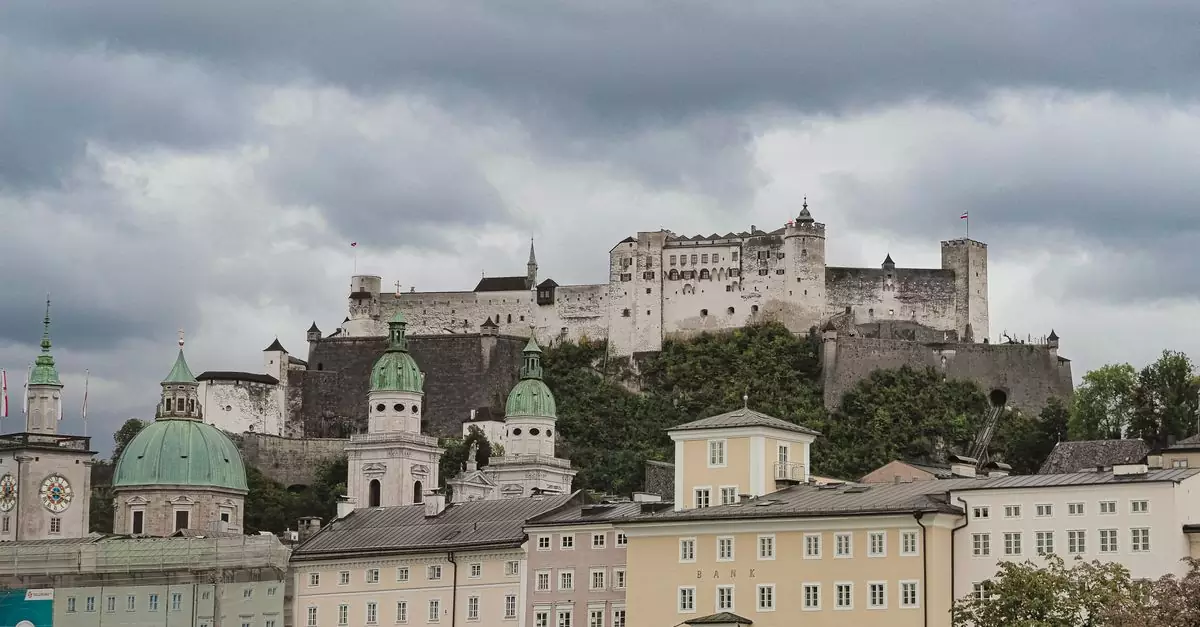
Europe’s rich tapestry of castles and historic sites offers a journey through centuries of human achievement, conflict, and culture. In 2026, these iconic landmarks continue to attract travelers seeking tangible connections to the past, offering experiences that resonate far beyond a typical vacation. Visiting these storied locations provides a unique opportunity to step back in time and witness firsthand the grandeur and drama that shaped the continent.
Immersive History Lessons You Won’t Find in Books
While history books provide facts and figures, standing within the ancient walls of a medieval fortress or walking the same cobblestone streets as historical figures offers an unparalleled sense of immersion. Imagine exploring the labyrinthine corridors of Neuschwanstein Castle in Bavaria, Germany, or contemplating the vastness of Alhambra in Granada, Spain, a masterpiece of Moorish architecture. These sites are not static displays; they are living testaments to human ingenuity, offering a visceral understanding of different eras. Engaging with the architecture, artifacts, and sheer scale of these places provides an educational experience that is both profound and memorable.
Unforgettable Photography Opportunities
For photographers and casual snappers alike, Europe’s castles and historic sites present a wealth of visual splendor. From the dramatic cliffside perch of Mont Saint-Michel in France to the imposing ramparts of Edinburgh Castle overlooking the Scottish capital, the photographic potential is immense. Each location offers unique perspectives, whether capturing intricate details of Gothic cathedrals or sweeping vistas from castle battlements. Planning your visit around the golden hours of sunrise and sunset can enhance the lighting, creating truly iconic images. These historical landmarks provide a stunning backdrop for capturing memories, offering a visual narrative of your travels across Europe.
Unique Cultural Experiences and Local Flavors
Beyond their historical significance, Europe’s castles and heritage sites often serve as gateways to vibrant local cultures and culinary traditions. Many sites are located in charming towns and villages where you can sample regional specialties, from hearty stews served in traditional taverns near German castles to fresh seafood enjoyed in coastal towns with ancient fortifications. Attending local festivals, browsing artisan markets, or enjoying a leisurely meal at a café with a view of a historic landmark enriches the travel experience. These encounters offer a deeper appreciation for the living heritage surrounding these ancient structures, providing a taste of authentic European life.
Planning Your European Castle and History Tour: Itinerary Ideas
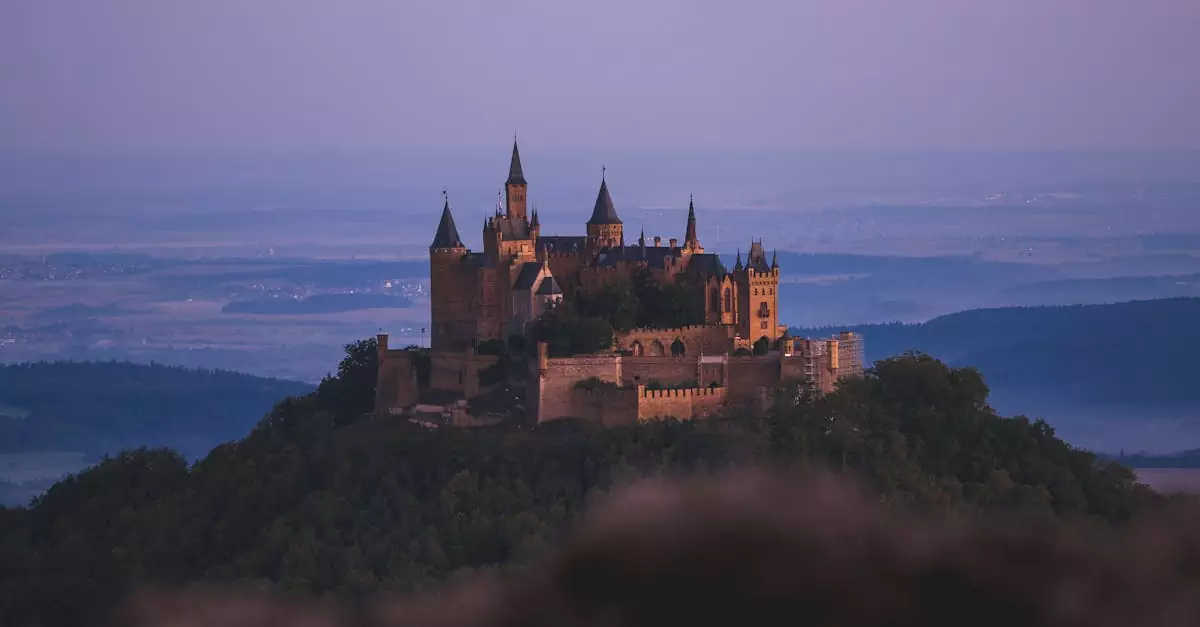
Crafting the perfect European journey centered around its most iconic castles and historical landmarks requires thoughtful planning. The sheer volume of incredible sites across Europe can be overwhelming, so focusing on specific regions or themes can make your trip more manageable and rewarding. Consider your interests, available time, and desired pace when selecting an itinerary.
A 7-Day Central European Castle Hopper (Prague, Vienna, Budapest)
This itinerary offers a concentrated dose of imperial grandeur and medieval charm, connecting three of Central Europe’s most captivating capitals. It’s an excellent option for travelers seeking a blend of history, architecture, and vibrant city life within a week. The efficient train network makes inter-city travel straightforward, allowing you to maximize your time at each destination.
- Day 1-2: Prague, Czech Republic. Begin in Prague, a city that feels like a fairytale. Explore Prague Castle, the largest ancient castle complex in the world, and wander across the historic Charles Bridge. Don’t miss the Astronomical Clock in the Old Town Square.
- Day 3-4: Vienna, Austria. Take a comfortable train to Vienna, the former heart of the Habsburg Empire. Visit Schönbrunn Palace, the magnificent summer residence, and the Hofburg Palace, the imperial winter residence. The city’s rich musical heritage adds another layer to its historical appeal.
- Day 5-7: Budapest, Hungary. Continue by train to Budapest, the “Pearl of the Danube.” Marvel at Buda Castle and Fisherman’s Bastion, which offer panoramic views of the Pest side. Experiencing the thermal baths, like Szechenyi, provides a unique historical and relaxing interlude.
Logistics: Trains between these cities are frequent and comfortable. Booking tickets in advance can offer cost savings. Accommodation ranges from budget-friendly hostels to luxurious historic hotels.
A 10-Day Roman Empire Trail (Rome, Pompeii, Athens)
For those fascinated by ancient civilizations, this 10-day itinerary delves into the heart of the Roman Empire and its enduring legacy. It requires a bit more travel time, including a flight or ferry between Italy and Greece, but the historical payoff is immense. This trip is ideal for history buffs eager to walk in the footsteps of emperors and gladiators.
- Day 1-4: Rome, Italy. Immerse yourself in the Eternal City. Visit the Colosseum, Roman Forum, and Palatine Hill for a deep dive into ancient Roman life. The Pantheon, a marvel of engineering, and Vatican City offer further historical and architectural wonders.
- Day 5-6: Pompeii & Naples, Italy. Travel south to Naples and dedicate a full day to exploring the remarkably preserved ruins of Pompeii, frozen in time by the eruption of Mount Vesuvius. A day trip to Herculaneum offers another perspective on Roman daily life.
- Day 7-10: Athens, Greece. Fly or take a ferry to Athens, the birthplace of democracy. Ascend the Acropolis to witness the Parthenon and Erechtheion, and explore the ancient Agora. The Acropolis Museum provides invaluable context for these iconic sites.
Considerations: This itinerary involves more significant travel days. Booking flights between Italy and Greece in advance is recommended. Comfortable walking shoes are essential for navigating ancient ruins.
A 5-Day Scottish & English Heritage Journey (Edinburgh, York)
This shorter, focused trip highlights the rich history and dramatic landscapes of the British Isles, connecting two of its most historically significant cities. It’s perfect for travelers with limited time who want to experience medieval castles, royal history, and charming old towns.
- Day 1-3: Edinburgh, Scotland. Start in Edinburgh, dominated by its imposing castle perched on volcanic rock. Explore Edinburgh Castle, walk the Royal Mile, and delve into the city’s medieval Old Town and elegant Georgian New Town. The Palace of Holyroodhouse offers a glimpse into royal history.
- Day 4-5: York, England. Take a train south to York, a city with Viking roots and a formidable medieval cathedral. Visit York Minster, one of the world’s largest Gothic cathedrals, and walk the ancient city walls. The Shambles, a narrow medieval street, offers a picturesque step back in time.
Travel Tips: The train journey between Edinburgh and York is scenic and efficient. Consider purchasing a BritRail Pass if you plan extensive train travel within the UK. Accommodation options range from historic inns to modern hotels.
Frequently Asked Questions About Exploring European Historic Sites
What is the best time of year to visit Europe’s historic sites?
The shoulder seasons, spring (April to June) and autumn (September to October), provide a pleasant balance for visiting Europe’s best castles and historic sites. During these months, you’ll typically find milder weather, fewer crowds, and more competitive pricing on accommodations and flights compared to the peak summer season. Winter can be magical for some sites, especially those with festive markets, but many attractions may have reduced hours or be closed.
How can I travel between these iconic European landmarks efficiently?
Efficient travel between European landmarks relies on a combination of transportation methods. High-speed rail networks connect major cities, offering a comfortable and scenic way to cover long distances. For example, traveling from Paris to the Loire Valley châteaux or from Rome to Pompeii is well-served by trains. For regional exploration or more remote sites, renting a car provides flexibility. Budget airlines also offer affordable flights for crossing larger distances across the continent.
Here’s a quick look at common travel methods:
| Travel Method | Pros | Cons | Best For |
|---|---|---|---|
| High-Speed Rail | Comfortable, scenic, city-center to city-center | Can be expensive, requires booking ahead | Inter-city travel, long distances |
| Rental Car | Flexibility, access to remote locations | Parking challenges, navigation, fuel costs | Regional exploration, rural sites |
| Budget Airlines | Fast for long distances, often affordable | Airport transfers, baggage fees, less scenic | Crossing countries or large geographic areas |
| Local Buses | Inexpensive, good for short distances | Slower, less frequent, language barriers | Day trips, connecting smaller towns |
What are some essential items to pack for a European history tour?
Packing smart is crucial for enjoying your journey through historic sites. Comfortable walking shoes are non-negotiable, as you’ll likely cover a lot of ground, often on uneven surfaces. Layers of clothing are recommended to adapt to changing weather conditions, especially when visiting in spring or autumn. Don’t forget a portable power bank for your devices, a reusable water bottle, and a small backpack for daily essentials.
Are there affordable accommodation options near popular castles and ruins?
Yes, affordable accommodation is available near many popular European historical attractions. Look for guesthouses, bed and breakfasts, and smaller independent hotels in towns surrounding major sites. Booking in advance, especially during shoulder seasons, can secure better rates. Hostels are also a budget-friendly option, offering both dormitory-style and private rooms. Consider staying slightly outside the most tourist-heavy centers for significant cost savings.