Embarking on a European adventure by train offers a unique blend of scenic beauty, cultural immersion, and remarkable convenience. If you’re planning your first journey on the continent’s extensive rail network, knowing the essential tips for train travel in Europe will make your experience smoother and more enjoyable. This guide equips you with practical advice, from understanding rail passes and booking strategies to navigating stations and maximizing onboard amenities. You’ll learn how to plan your itinerary efficiently, save money on tickets and food, and ensure comfortable travel, whether you choose high-speed journeys or cozy overnight sleepers. Prepare to enjoy watching diverse landscapes unfold outside your window as you traverse Europe by rail.
Why Choose Train Travel for Your European Adventure?
Opting for train travel across Europe offers a blend of convenience, immersion, and efficiency that’s hard to match. It allows you to traverse diverse landscapes while enjoying a more relaxed pace than air travel. Understanding the advantages of European rail routes can help you plan an unforgettable journey.
The Scenic Advantages of European Rail Routes
European train journeys are renowned for their breathtaking scenery. Unlike the often-monotonous views from an airplane window, train routes are meticulously planned to showcase the continent’s most picturesque vistas. Imagine gliding past rolling vineyards in France, alongside dramatic fjords in Norway, or through the majestic Swiss Alps. Many routes connect major cities, but the real magic lies in the smaller, often overlooked landscapes that unfold between them. For instance, the journey from Inverness to Kyle of Lochalsh in Scotland offers stunning views of lochs and mountains, a spectacle best appreciated from the comfort of a train carriage. This visual feast is a significant draw for travelers seeking an immersive experience.
Cost-Effectiveness: Comparing Train Tickets to Flights
When considering overall travel costs, trains can often be more budget-friendly than flying, especially when factoring in hidden expenses. While flight prices might seem low initially, remember to account for baggage fees, airport transfers, and the time spent navigating congested airports. Train tickets, particularly when booked in advance, can be surprisingly affordable. Furthermore, many rail passes offer excellent value for multi-city trips, allowing for spontaneous detours without the penalty of expensive last-minute flight bookings. For example, a Eurail Pass can provide significant savings for extensive travel across multiple countries.
| Travel Option | Estimated Base Cost (per trip) | Additional Costs | Time Investment (door-to-door) |
|---|---|---|---|
| Short-Haul Flight | $50 – $150 | Baggage fees, airport transfers, pre-flight waiting | 4-6 hours |
| High-Speed Train | $40 – $120 | Minimal (station transfers) | 2-4 hours |
| Overnight Train | $60 – $200 (includes sleeper) | Minimal (station transfers) | 8-12 hours |
Environmental Benefits of European Train Journeys
Choosing train travel significantly reduces your carbon footprint compared to flying. Trains are among the most sustainable modes of transportation available, emitting far less greenhouse gas per passenger mile. As awareness of climate change grows, opting for greener travel methods is becoming increasingly important for conscious travelers. Many European countries are investing heavily in expanding and modernizing their rail networks, making train travel an even more attractive and environmentally responsible choice for exploring the continent. This commitment to sustainable transport makes train journeys a responsible way to experience the beauty of Europe.
Planning Your European Train Itinerary: Key Considerations
Embarking on a European train adventure requires thoughtful planning to maximize your experience. From choosing the best time to travel to understanding rail pass options and mapping out your route, these considerations will set you up for a seamless and memorable journey across the continent.
Best Times of Year for Train Travel in Europe
The timing of your European rail trip significantly impacts crowds, prices, and the overall atmosphere. While trains run year-round, certain seasons offer distinct advantages.
Spring (April to June) and autumn (September to October) are often considered the ideal times for train travel. During these shoulder seasons, you’ll generally find fewer crowds at major stations and on popular routes compared to peak summer months. The weather is typically pleasant, perfect for enjoying scenic views from your train window or for brief explorations during station stops. Prices for accommodations and sometimes even train tickets can be more reasonable.
Summer (July to August) is the busiest and warmest period. While vibrant with festivals and long daylight hours, expect packed trains, higher accommodation costs, and more tourists at popular attractions. If you prefer a lively atmosphere and don’t mind the crowds, summer can still be a fantastic choice.
Winter (November to March) offers a different charm. Cities are beautifully decorated for the holidays, and you can enjoy cozy train rides through snowy landscapes. However, daylight hours are shorter, and some attractions may have reduced operating hours. This is an excellent time for budget-conscious travelers or those seeking a more tranquil experience, though weather can occasionally disrupt schedules.
Choosing the Right Rail Pass: Eurail vs. Individual Tickets
Deciding between a rail pass like Eurail and purchasing individual train tickets is crucial for budgeting and simplifying your travel. The best option depends heavily on your itinerary’s scope and flexibility.
A Eurail Pass can be incredibly convenient if you plan to cover a lot of ground and make frequent train journeys across multiple countries. It offers flexibility, allowing you to hop on and off trains without needing to buy a new ticket for each leg. However, passes often require seat reservations for high-speed and overnight trains, which can incur additional fees and should be booked in advance. The cost-effectiveness of a Eurail Pass hinges on the number of long-distance journeys you undertake.
Conversely, buying individual tickets can be more economical if your travel is concentrated within a few countries or if you’re taking fewer, longer trips. Booking tickets in advance, especially for popular routes like Paris to Barcelona, can often secure significant discounts. Many national rail operators offer competitive fares when booked directly and well ahead of time. This approach requires more meticulous planning for each segment of your trip but can lead to substantial savings for certain travel styles.
Consider your travel pace: If you’re moving quickly and changing countries every few days, a pass might be beneficial. If you prefer to linger in fewer places, individual tickets might be the smarter financial choice.
Mapping Out Your Route: From Paris to Prague by Rail
Designing your train itinerary is where the adventure truly begins. A popular and rewarding route is traveling from Paris, France, to Prague, Czech Republic, showcasing a diverse range of European landscapes and cultures.
This journey typically involves several legs, offering opportunities to experience different rail networks and cities. A common approach is to first travel from Paris to Munich, Germany. This route is often serviced by high-speed trains, making the journey relatively quick and comfortable. From Munich, you can then continue east towards Prague.
Sample Itinerary Snippet: Paris to Prague
| Leg | Estimated Travel Time | Notes |
|---|---|---|
| Paris to Munich | 5.5 – 6.5 hours | High-speed options available. |
| Munich to Prague | 5.5 – 6 hours | Scenic countryside views. |
This route allows for an optional stop in Munich, a vibrant Bavarian city with a rich history and excellent public transport. Alternatively, you could consider a route through Switzerland or Austria, depending on your interests and the rail pass you’ve chosen. For instance, a detour through Zurich or Vienna could add significant cultural depth to your journey.
When planning, always check the specific train types and reservation requirements for each segment. High-speed trains like France’s TGV or Germany’s ICE often require advance seat bookings, even with a rail pass. Overnight trains can save on accommodation costs and travel time, but they also necessitate reservations and can sometimes be less comfortable than modern daytime services. Researching train operator websites or using journey planners like Omio or Trainline can help you piece together the most efficient and enjoyable path across Europe.
Navigating European Train Stations and Platforms
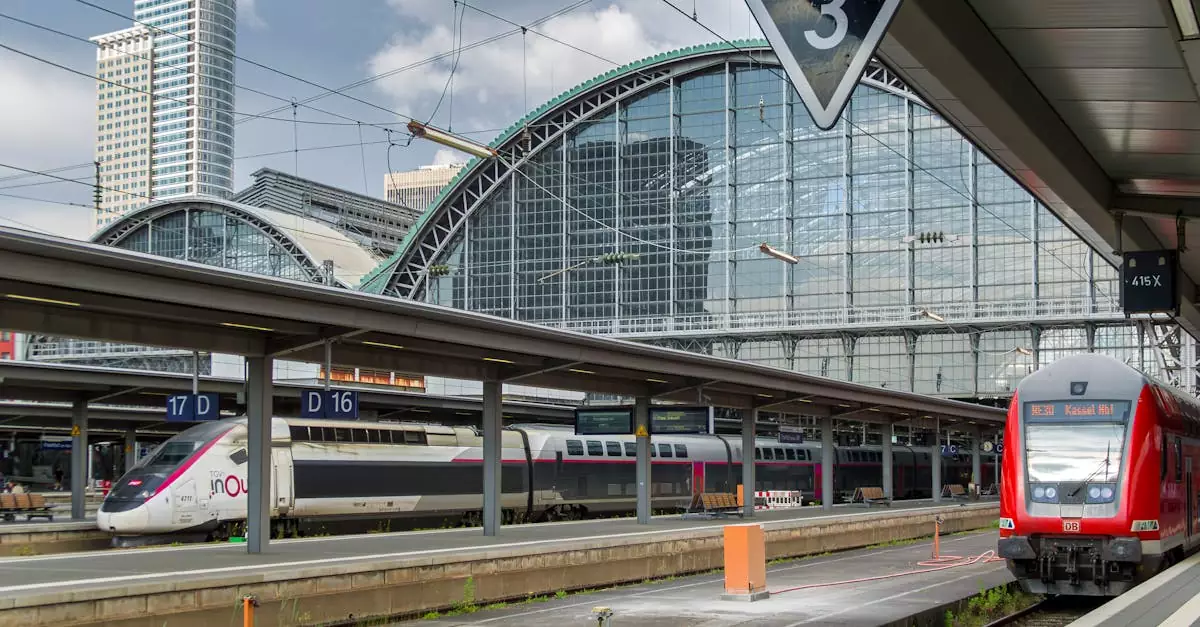
Arriving at a major European train station can feel overwhelming, but with a little preparation, you’ll navigate platforms like a seasoned traveler. Understanding station layouts and common signage is key to a smooth start to your rail adventure.
Understanding Station Layouts in Major Hubs like Berlin Hauptbahnhof
Major European rail hubs, such as Berlin Hauptbahnhof, are often vast, multi-level complexes. They typically integrate local public transport, like U-Bahn and S-Bahn lines, with national and international rail services. Look for overhead signs indicating different zones: departures, arrivals, ticket counters, information desks, and platform access. Many stations have a central concourse area, often featuring shops, cafes, and restrooms. Smaller stations will be simpler, often with just one or two platforms and a basic waiting area. Always allow extra time for your first visit to a new station to get your bearings.
Finding Your Platform and Carriage: A Step-by-Step Guide
Once inside the station, your primary goal is to locate your train’s platform.
- Check Departure Boards: Large electronic screens display train times, destinations, and platform numbers. These are usually found prominently in the main hall.
- Verify Your Train: Ensure the destination and departure time on the board match your ticket. Sometimes, trains to the same city might depart from different platforms depending on the specific route or operator.
- Locate the Platform: Follow the signs for the platform number. Platforms are typically numbered sequentially.
- Identify Your Carriage: Once on the platform, look for signs indicating carriage numbers (e.g., “Wagen 1,” “Carriage 5”). These are usually displayed on poles or overhead. Train cars are often numbered from front to back or back to front, so check the signs carefully. Your ticket should specify your carriage number and seat reservation.
Tips for Efficient Boarding and Luggage Storage
Boarding a train efficiently minimizes stress, especially on busy routes.
- Arrive Early: Aim to be on the platform at least 10-15 minutes before departure. This gives you ample time to find your carriage and stow your luggage.
- Luggage Racks: Most trains have overhead racks for smaller bags and larger storage areas at the ends of carriages or between seats for larger suitcases.
- Secure Your Belongings: While generally safe, it’s wise to keep valuables with you. Larger luggage can be secured with a cable lock to a fixed point if you’re concerned.
- Board Promptly: Once the train doors open, board quickly and find your seat. Avoid blocking the aisle.
Efficient navigation of European train stations is a fundamental skill for anyone planning extensive rail travel across the continent. By understanding the general layout of major hubs and following a simple process for finding your platform, you can ensure a smooth and enjoyable start to each journey. Many travelers find that purchasing a rail pass in advance can simplify ticket acquisition, though individual tickets offer flexibility for specific routes.
Making the Most of Your Overnight and High-Speed Train Experiences
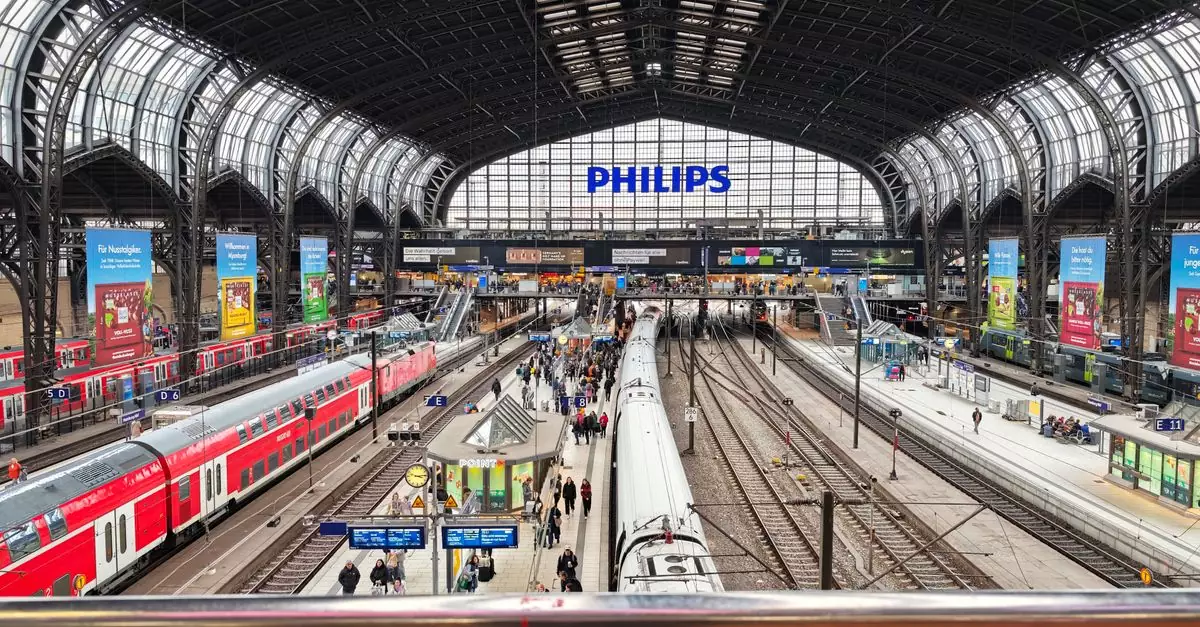
Traveling by train in Europe offers a fantastic opportunity to see the continent, and for longer journeys, sleeper trains and high-speed services are invaluable. Understanding how to maximize these experiences can save you time, money, and enhance your overall trip. These services often connect major cities efficiently, providing a comfortable and scenic alternative to flying.
Sleeping Comfortably on Sleeper Trains Across Europe
Sleeper trains are a game-changer for covering long distances overnight, allowing you to wake up in a new city without losing a day to travel. Options range from basic couchettes, which are shared compartments with pull-down beds, to private sleeper compartments with proper beds, sinks, and sometimes even en-suite bathrooms. Booking in advance is crucial, especially during peak season, as these accommodations are limited. Consider the level of comfort you need and your budget when choosing a compartment. For instance, a private sleeper offers more privacy and comfort but comes at a higher price point. Many European sleeper trains are operated by companies like ÖBB (Austrian Federal Railways) or Trenitalia (Italian State Railways), offering routes across various countries. Packing light and bringing a travel pillow can significantly improve your sleep quality.
Maximizing Time on High-Speed Routes: Thalys, Eurostar, and TGV
High-speed trains like Thalys, Eurostar, and France’s TGV are designed for speed and efficiency, connecting major European hubs in just a few hours. Traveling between Paris and Brussels on Thalys, for example, takes just over an hour, making it an excellent option for day trips or quick transfers. Eurostar famously connects London to continental Europe via the Channel Tunnel, offering a seamless journey. To maximize your time, book tickets in advance to secure the best prices and ensure availability. Arrive at the station at least 30 minutes before departure, as boarding procedures can sometimes resemble airport security, especially on international routes like Eurostar. Most high-speed trains offer comfortable seating, ample legroom, and onboard services that enhance the journey. Consider the different classes of service; while standard class is adequate, first class often provides extra legroom, complimentary refreshments, and quieter carriages.
Onboard Amenities: Dining Cars, Wi-Fi, and Power Outlets
Modern European trains are increasingly equipped with amenities to enhance your journey. Many long-distance and high-speed trains feature dining cars or bistros offering a range of snacks, meals, and beverages. While convenient, these can be pricier than bringing your own food and drinks. Wi-Fi is becoming more common, though its availability and speed can vary significantly by route and operator. It’s wise to download essential information or entertainment offline as a backup. Power outlets for charging devices are also increasingly standard, particularly in first-class carriages or designated seating areas on newer trains. Check the specific amenities offered by the train operator for your route, as this can vary. For example, some international overnight trains might have limited power options, so a portable power bank can be a lifesaver.
Budgeting and Saving Money on European Train Travel
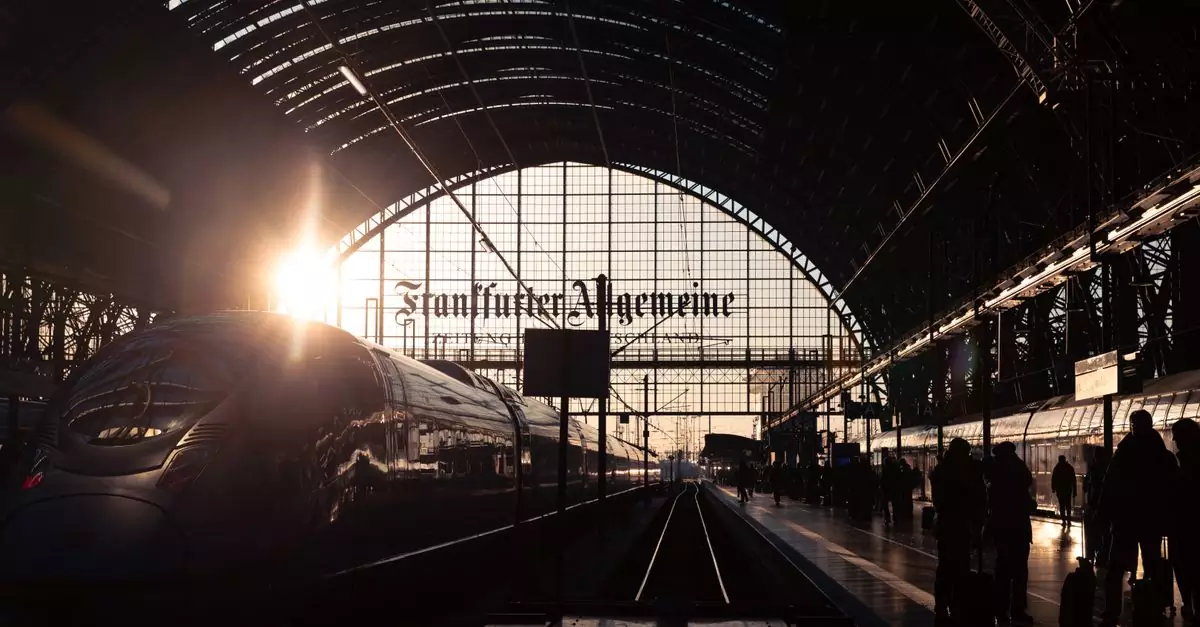
Navigating the continent by rail offers incredible flexibility, but managing your budget is key to an enjoyable and sustainable trip. Understanding how to find affordable tickets, save on daily expenses, and choose cost-effective lodging can significantly impact your overall travel fund. These tips for train travel in Europe focus on practical ways to stretch your euros without sacrificing experience.
Finding Cheap Train Tickets: Booking in Advance vs. Last Minute
The golden rule for securing the best prices on European trains is to book as far in advance as possible. Major national rail operators like Deutsche Bahn in Germany or SNCF in France often release their cheapest fares several months ahead of travel dates. These “saver” or “super saver” tickets are usually non-refundable and non-exchangeable, requiring a firm commitment to your itinerary. For example, a ticket from Paris to Amsterdam booked six months out might cost €30-€50, while the same ticket purchased a week before departure could easily exceed €100.
However, there are exceptions. For some regional routes or during off-peak periods, last-minute deals can sometimes emerge, especially on slower, non-high-speed services. Websites and apps like Trainline, Omio, or Rail Europe aggregate schedules and prices from various operators, making it easier to compare options. Keep an eye out for promotional sales, particularly during the shoulder seasons (spring and autumn).
| Booking Window | Typical Savings | Flexibility | Best For |
|---|---|---|---|
| 3-6 Months in Advance | High | Low | Fixed itineraries, popular routes |
| 1-2 Months in Advance | Medium | Medium | Flexible travelers, mid-range routes |
| Last Minute | Low to Medium | High | Spontaneous trips, regional travel |
Smart Spending on Food and Drink During Your Journey
Dining on trains can be expensive, with onboard cafes and restaurant cars often carrying a premium price tag. To save money, stock up on provisions before boarding. Local supermarkets and bakeries are your best friends. Grab sandwiches, salads, fruits, pastries, and drinks from a grocery store to enjoy a picnic-style meal on the train. This is particularly effective for longer journeys where you might otherwise be tempted by pricier onboard options.
Consider bringing a reusable water bottle. Many European train stations have water fountains, allowing you to refill it throughout your trip, saving both money and plastic waste. For hot drinks, a small thermos can keep your coffee or tea warm from a morning stop. If you plan to eat at a station, look for smaller cafes or kiosks away from the main concourse, as prices can drop significantly.
Accommodation Options Near European Train Stations
Proximity to train stations offers immense convenience, especially when you have luggage or early/late departures. Many European cities have a range of accommodation options within a short walk of their main railway hubs. Budget travelers can often find hostels or basic guesthouses in these areas, providing a cost-effective base. Look for establishments that offer free Wi-Fi and perhaps a communal kitchen, which can further reduce your daily expenses.
Mid-range hotels are also abundant near major stations, offering a balance of comfort and accessibility. While these might be slightly more expensive than properties further out, the savings in time and transportation costs can often offset the difference. For those seeking luxury, many grand hotels are historically located near central train stations, offering easy access to city sights and transport links. Always check reviews for noise levels if your room faces the station entrance or busy street.
Frequently Asked Questions About Train Travel in Europe
What are the essential tips for train travel in Europe for first-timers?
For first-time European rail adventurers, booking tickets in advance is key. This often secures better prices, especially for high-speed routes. Familiarize yourself with the different rail operators in each country, as they can vary significantly in their booking platforms and fare structures. Understanding seat reservation requirements is also crucial; some trains mandate them, while others offer them as an optional upgrade.
Consider purchasing a rail pass if you plan on extensive travel across multiple countries within a short period. However, for more focused itineraries, point-to-point tickets can sometimes be more economical. Always check the departure station carefully, as major cities may have several train stations. Arrive at least 20-30 minutes before departure to locate your platform and train.
How do I handle luggage on European trains?
Luggage space on European trains is generally more limited than on long-haul flights. Most trains have overhead racks for smaller bags and larger luggage compartments at the ends of carriages or between seats. It’s essential to be able to lift your own bags; train staff typically do not assist with luggage.
Avoid overpacking. If you’re moving between cities frequently, consider using luggage shipping services for larger items. Keep valuables and essentials in a smaller daypack that you can keep with you at all times. Ensure your luggage is clearly labeled with your name and contact information.
Are European trains safe for solo travelers?
European trains are generally considered very safe for solo travelers. Major rail networks are well-maintained, and stations are usually busy and well-lit. Standard travel precautions apply: be aware of your surroundings, especially in crowded stations or on overnight journeys.
Keep your belongings secure and avoid leaving them unattended. For overnight travel, consider booking a couchette or sleeper compartment for added security and comfort. Many solo travelers find the communal aspect of train travel enjoyable, offering opportunities to meet fellow travelers. Europe offers a vast and accessible rail network.
Can I bring my own food and drinks onto the train?
Yes, you can bring your own food and drinks onto most European trains. This is a great way to save money and enjoy local delicacies. Many travelers pick up snacks, sandwiches, or even a bottle of wine from local markets or supermarkets to enjoy during their journey.
While some long-distance and high-speed trains have onboard dining cars or snack bars, their offerings can be expensive. Bringing your own provisions is a practical and budget-friendly choice. Remember to be considerate of other passengers and dispose of your waste properly before disembarking.