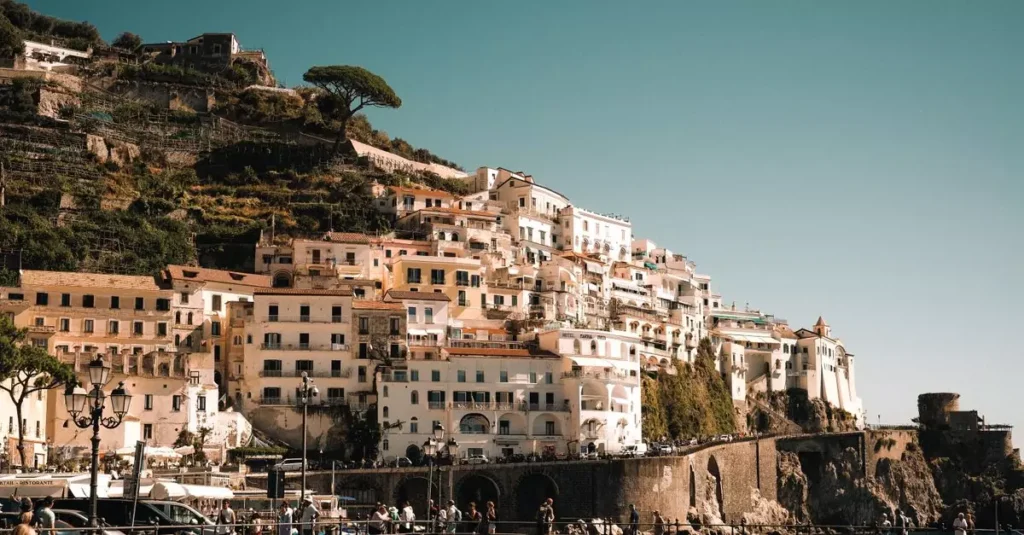
Europe’s coastlines are a treasure trove of diverse and captivating destinations, offering something for every traveler. From sun-drenched Mediterranean shores to rugged Atlantic cliffs and charming Northern harbors, discovering the best seaside towns in Europe promises unforgettable experiences. This guide explores what elevates a town from pleasant to exceptional, highlighting the unique appeal of regions like Italy’s Amalfi Coast, the iconic islands of Greece, and Portugal’s Algarve. We’ll also venture north to the historic ports of Belgium, the stunning fjords of Norway, and the Hanseatic cities of the Baltic, before experiencing the wild beauty of Spain’s northern coast, Ireland’s Atlantic Way, and France’s diverse shores. Prepare to find your next perfect coastal escape.
What Makes a Seaside Town One of the Best in Europe?
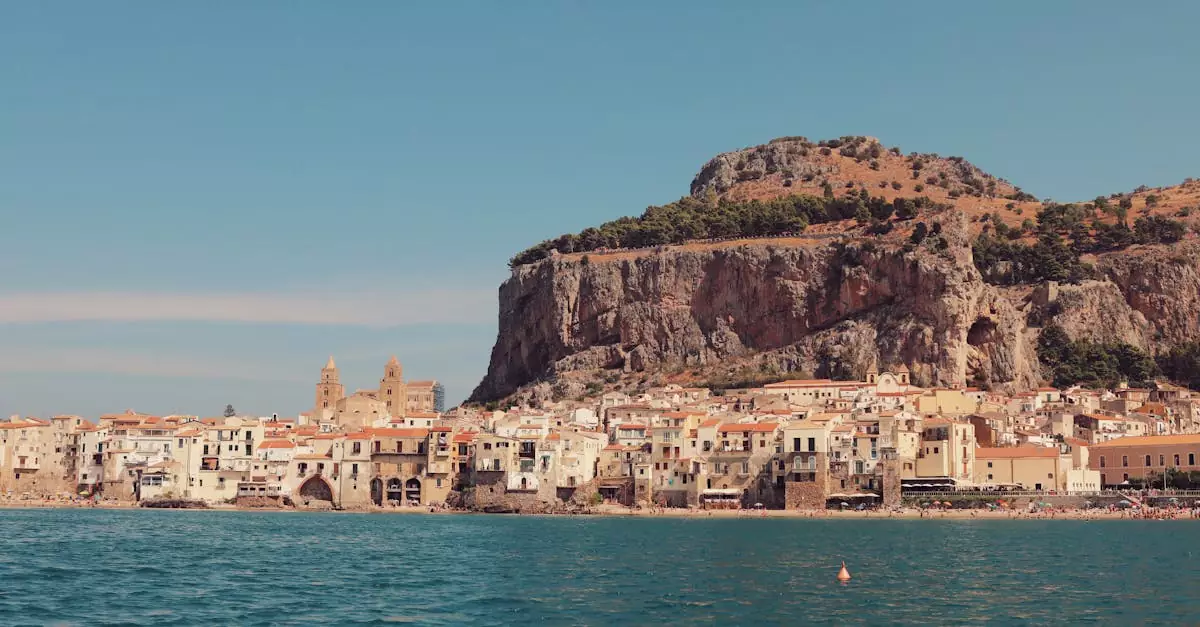
Choosing the best seaside towns in Europe involves more than just proximity to the ocean. It’s a blend of natural beauty, cultural richness, and traveler amenities that create memorable experiences. These coastal gems often offer more than just sandy beaches; they provide a unique atmosphere, historical significance, and vibrant local life.
Defining Criteria for European Coastal Charm
When discussing the best seaside towns in Europe, several factors come into play. Stunning natural landscapes are paramount, whether that means dramatic cliffs, pristine sandy stretches, or charming harbors. Beyond visual appeal, the overall atmosphere is crucial. Towns that feel authentic, with a strong sense of local culture and a welcoming spirit, rank higher.
Accessibility also plays a role. While some travelers seek remote escapes, many prefer towns that are relatively easy to reach, whether by car, train, or ferry. This often involves considering proximity to major airports or well-connected public transport networks across Europe. Finally, the availability of quality accommodations and dining options significantly contributes to a town’s appeal.
Beyond the Beach: Factors Contributing to Top Seaside Destinations
The true magic of a top European coastal destination extends far beyond its shoreline. Many beloved towns boast a rich tapestry of history, reflected in their architecture, ancient ruins, or maritime museums. A lively cultural scene, featuring local festivals, art galleries, and traditional music, adds another layer of appeal.
Consider the culinary landscape. Exceptional seafood is often a staple, but the best towns also offer diverse gastronomic experiences, from Michelin-starred restaurants to family-run tavernas serving regional specialties. For active travelers, opportunities for water sports, hiking along coastal paths, or exploring nearby islands are significant draws. Even simple pleasures, like a scenic promenade for evening strolls or a bustling local market, elevate a town’s status.
The seasonality of a destination also influences its ranking. Some towns shine brightest in the summer months with warm weather and bustling activity, while others reveal a more serene, dramatic beauty during the off-season. Understanding these nuances helps travelers choose a seaside experience that aligns with their preferences.
Mediterranean Marvels: Sun-Drenched Towns of Southern Europe
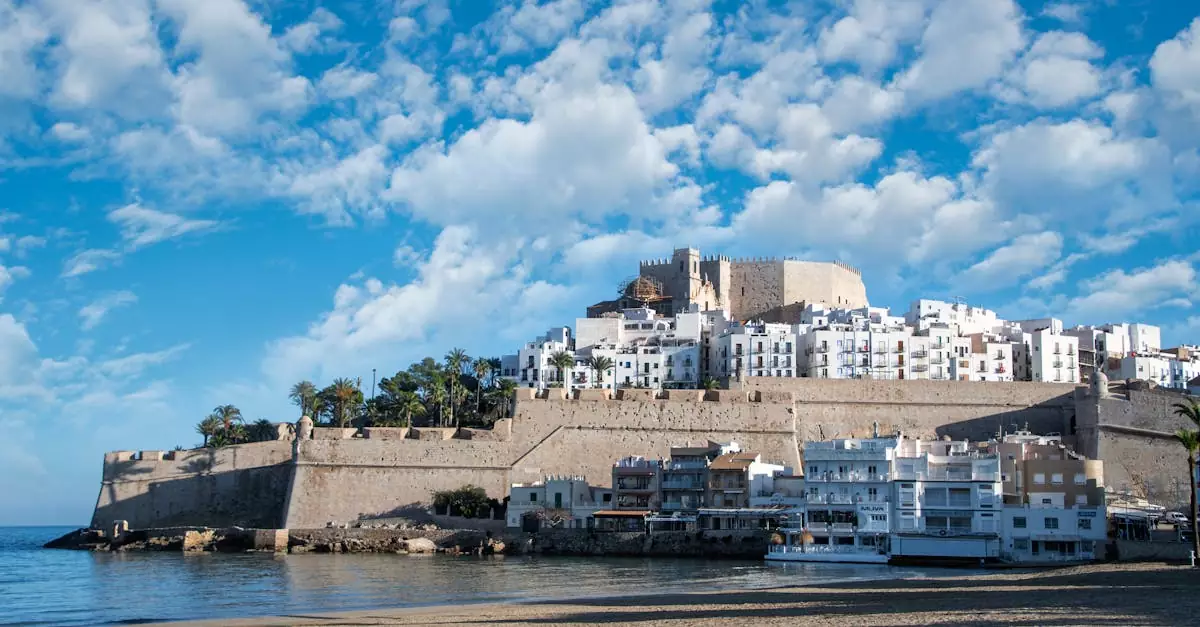
Southern Europe’s coastline offers a captivating blend of azure waters, dramatic cliffs, and charming villages, making it a prime destination for those seeking the best seaside towns in Europe. This region boasts a rich history, vibrant culture, and culinary delights that perfectly complement its stunning natural beauty. Travelers can choose from iconic stretches of coast or seek out lesser-known havens.
Exploring the Amalfi Coast’s Picturesque Villages (Italy)
Italy’s Amalfi Coast is a UNESCO World Heritage site renowned for its dramatic cliffs plunging into the Tyrrhenian Sea, dotted with pastel-colored villages clinging to the hillsides. Positano, with its steep, narrow streets lined with boutiques and cafes, offers breathtaking views at every turn. Amalfi town itself, once a powerful maritime republic, features a magnificent cathedral and a lively piazza. Ravello, perched high above the coast, provides panoramic vistas and a tranquil escape from the bustling seaside towns below.
Getting around the Amalfi Coast can be an adventure. The SITA bus service connects the main towns, offering scenic, albeit sometimes crowded, journeys. Ferries are a more comfortable and faster option during the summer months, providing a different perspective of the coastline. For those with a larger budget, hiring a private driver offers flexibility and direct access to hidden viewpoints. Accommodation ranges from luxury hotels with infinity pools to charming bed and breakfasts in historic buildings. Visiting in the shoulder seasons, April-May or September-October, offers pleasant weather and fewer crowds than the peak summer months.
| Town | Key Attraction | Transportation Tip |
|---|---|---|
| Positano | Steep streets, boutique shopping | Use ferries for scenic sea access |
| Amalfi | Duomo di Sant’Andrea, historic center | SITA bus is budget-friendly but can be crowded |
| Ravello | Villa Cimbrone, Villa Rufolo | Best accessed by bus or taxi from Amalfi or Atrani |
Discovering the Whitewashed Beauty of the Greek Islands
The Greek Islands offer an unparalleled experience of whitewashed villages, sapphire waters, and ancient history. Santorini, famous for its caldera views and iconic sunsets in Oia, is a perennial favorite. Mykonos captivates with its vibrant nightlife, charming windmills, and labyrinthine streets in Mykonos Town. For a more tranquil experience, consider Crete, the largest Greek island, which boasts diverse landscapes from sandy beaches to rugged mountains, and historic towns like Chania and Rethymno.
Reaching these islands typically involves flying into Athens and then taking a ferry or a domestic flight. Ferries are a classic way to island-hop, with routes connecting most major islands. High-speed ferries are available for shorter journeys, while conventional ferries are more economical for longer distances. Renting a car or scooter is often the best way to explore the individual islands, providing the freedom to discover secluded beaches and inland villages. Safety on the islands is generally high, though petty theft can occur in crowded tourist areas. Traveling during the spring (April-June) or early autumn (September-October) allows for pleasant weather without the intense summer heat and peak season prices.
Uncovering Hidden Coves in the Algarve (Portugal)
Portugal’s Algarve region is celebrated for its dramatic golden cliffs, sea caves, and pristine beaches. Lagos, with its stunning Ponta da Piedade rock formations and lively old town, is a popular base. Further east, the town of Tavira offers a more authentic Portuguese experience with its Roman bridge, historic churches, and proximity to the natural beauty of the Ria Formosa Natural Park. Albufeira provides a bustling atmosphere with a wide range of restaurants and entertainment options.
The Algarve is easily accessible via Faro Airport, the region’s main gateway. From Faro, travelers can rent a car, take a bus, or use train services to reach various towns. A car is highly recommended for exploring the numerous hidden coves and less accessible beaches along the coast. Many boat tours depart from towns like Lagos and Albufeira, offering a fantastic way to see the famous sea caves and grottoes from the water. Accommodation options are plentiful, from all-inclusive resorts to self-catering apartments and charming guesthouses. The best time to visit for beach lovers is typically June through September, though early summer and early autumn still offer warm temperatures and fewer crowds.
Northern European Escapes: Dramatic Coastlines and Historic Harbors
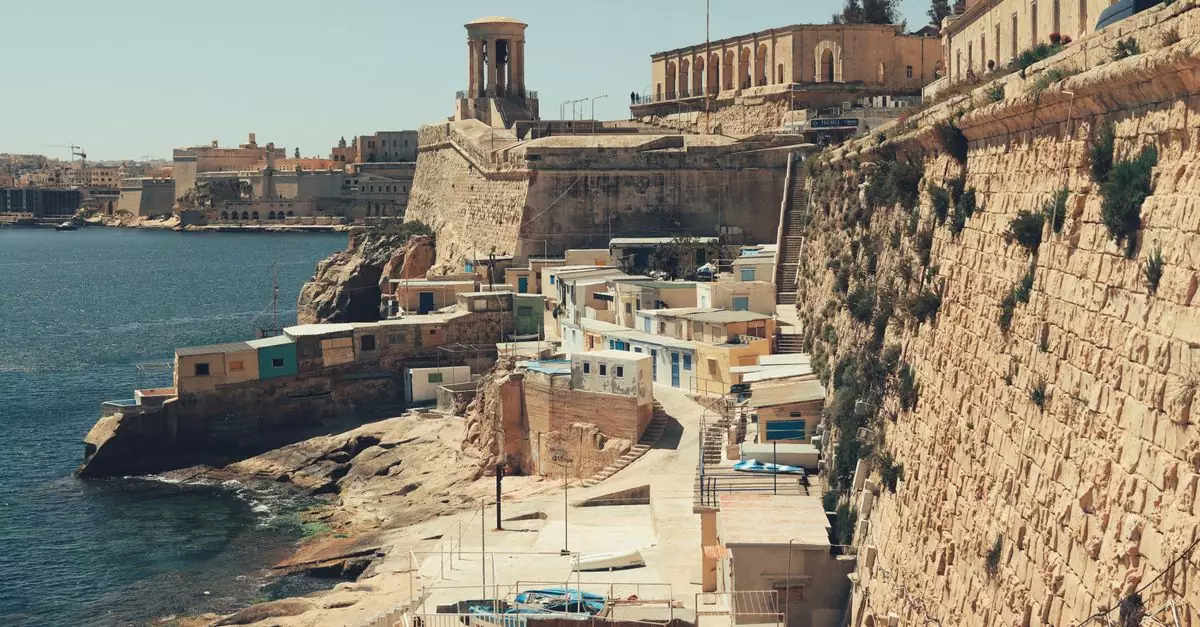
Northern Europe offers a different kind of seaside charm, characterized by rugged landscapes, historic maritime traditions, and often, cooler, invigorating climates. These destinations provide a refreshing contrast to the sun-drenched beaches of the south, appealing to travelers who appreciate dramatic scenery and rich cultural heritage.
Wandering Through Bruges’ Canals and Coastal Proximity (Belgium)
While Bruges itself is famously landlocked, its proximity to the Belgian coast makes it a compelling base for exploring seaside attractions. The medieval city, with its intricate canal system and well-preserved architecture, offers a fairy-tale atmosphere. Just a short tram ride away lies Ostend, a vibrant coastal city with a long sandy beach, a bustling harbor, and a lively promenade.
Travelers can easily combine a few days of Bruges’ historical immersion with a day trip to the coast. The coastal tram service connects Ostend with other seaside resorts like De Haan, known for its Belle Époque architecture, and Knokke-Heist, a more upscale destination with designer boutiques and art galleries. This duality allows visitors to experience both the charm of a historic inland city and the refreshing sea air within a single trip.
Getting to the Coast from Bruges:
- Tram: The De Lijn coastal tram is an efficient and scenic way to travel between seaside towns.
- Train: Regular train services connect Bruges to Ostend.
- Bicycle: For the more adventurous, cycling routes lead towards the coast.
Experiencing the Fjords and Fishing Villages of Norway
Norway’s coastline is legendary, defined by its dramatic fjords, towering cliffs, and picturesque fishing villages. Unlike traditional beach towns, these settlements often nestle at the base of immense natural amphitheaters, offering breathtaking views and a profound connection to nature. Towns like Geiranger, Flåm, and Reine in the Lofoten Islands exemplify this unique coastal beauty.
Visiting these areas is less about sunbathing and more about embracing the elements. Activities include fjord cruises, hiking to panoramic viewpoints, kayaking in sheltered bays, and experiencing the local culture of fishing communities. The timing of your visit significantly impacts the experience; summer offers longer daylight hours and milder weather, while winter provides opportunities to witness the Northern Lights.
Accommodation options range from cozy guesthouses and traditional rorbuer (fishermen’s cabins) to modern hotels, often with stunning fjord or sea views. The journey itself, whether by car along scenic routes or by ferry, is an integral part of the adventure, showcasing the sheer scale and beauty of the Norwegian landscape.
Visiting the Hanseatic Charm of Coastal Baltic Cities
The Baltic Sea coast of Northern Europe is dotted with cities that once formed the backbone of the Hanseatic League, a powerful medieval trading confederation. These cities boast a distinct architectural style, often featuring red-brick Gothic churches and warehouses, reflecting their prosperous past. Coastal gems like Lübeck in Germany, Visby on Sweden’s Gotland island, and Tallinn in Estonia offer a rich tapestry of history, culture, and maritime heritage.
Lübeck, a UNESCO World Heritage site, is renowned for its Holsten Gate and marzipan. Visby, a remarkably preserved medieval walled city, transports visitors back in time. Tallinn’s Old Town, also a UNESCO site, provides a captivating glimpse into medieval life with its cobblestone streets and ancient city walls.
These cities are best explored on foot, allowing for leisurely discovery of their historic centers. While not known for sandy beaches, their harbors often serve as vibrant hubs, and nearby coastal areas offer opportunities for bracing walks. The best time to visit is typically late spring through early autumn, when the weather is most agreeable for outdoor exploration.
Atlantic Allure: Rugged Beauty and Coastal Culture
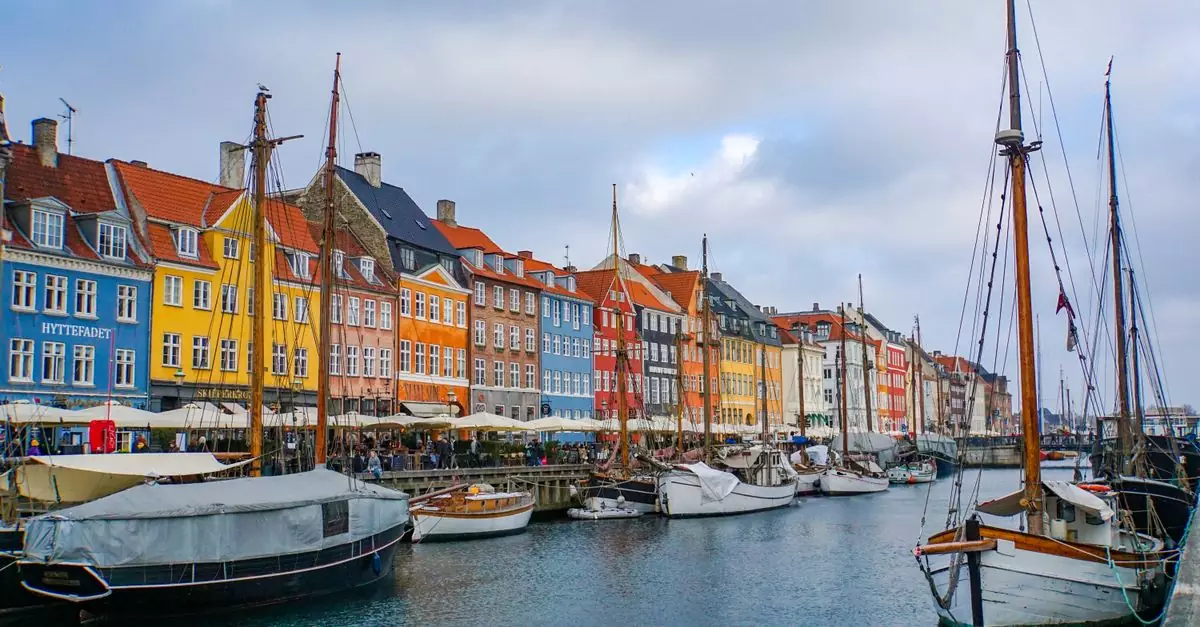
The Atlantic coast of Europe offers a dramatic contrast to its Mediterranean cousins, characterized by wilder seas, windswept landscapes, and a rich maritime heritage. From the rugged cliffs of Northern Spain to the enchanting shores of Ireland and the unique coastal traditions of France, these regions provide a different, yet equally captivating, seaside experience. Travelers seeking dramatic scenery, vibrant local culture, and invigorating sea air will find their perfect escape along these Atlantic shores.
The Dramatic Cliffs and Surfing Beaches of Northern Spain
Northern Spain, often referred to as “Green Spain,” boasts a coastline of breathtaking beauty, where sheer cliffs plunge into the churning Atlantic. Towns like Cudillero in Asturias offer a picturesque harbor setting, with colorful houses clinging to the hillside, providing a charming glimpse into traditional fishing life. Further west, in Galicia, the Rías Baixas region is renowned for its stunning fjords and seafood, with towns like Combarro showcasing its unique hórreos (granaries) perched precariously close to the water.
For surfers and beach lovers, the Basque Country is a prime destination. San Sebastián, while a larger city, is famous for La Concha beach, one of Europe’s most elegant urban beaches. However, for a more raw surf experience, towns like Sopelana and Zarautz offer consistent waves and a laid-back surf culture. The best time to visit for good weather and smaller crowds is late spring (May-June) or early autumn (September-October). Transportation within this region is best managed by car, allowing flexibility to explore hidden coves and remote beaches. While Spanish is spoken, you’ll encounter distinct regional languages like Galician and Basque.
Exploring the Wild Atlantic Way Towns of Ireland
Ireland’s Wild Atlantic Way is a renowned scenic driving route that stretches along the country’s west coast, connecting a string of charming seaside towns and dramatic landscapes. Towns like Westport in County Mayo offer a vibrant atmosphere with traditional pubs and a lively music scene, serving as a gateway to the stunning Clew Bay. Further south, Dingle in County Kerry is a picturesque fishing port celebrated for its colorful buildings, rich Gaelic culture, and access to the dramatic Slea Head Drive.
The Aran Islands, accessible by ferry from Rossaveal or Doolin, offer a truly remote experience, with rugged landscapes, ancient forts, and a strong sense of island life. Expect changeable weather year-round; summer (June-August) provides the mildest temperatures and longest daylight hours, but also the largest crowds. Spring and autumn offer a more authentic experience with fewer tourists and dramatic skies. Public transport can be limited between smaller towns, making a rental car or guided tours the most practical way to experience the Wild Atlantic Way. Be prepared for narrow, winding roads and be mindful of local driving customs.
Seaside Towns with Unique French Coastal Culture
France’s Atlantic coast, from Brittany to the Basque Country, offers a diverse range of seaside experiences, each with its own distinct cultural flavor. Brittany is known for its rugged coastline, granite cliffs, and charming fishing villages. Saint-Malo, a historic walled port city, provides a glimpse into maritime history and dramatic tidal changes. Further south, the Vendée coast is dotted with family-friendly resorts and long sandy beaches.
The French Basque Country, bordering Spain, presents a unique blend of French and Basque cultures. Towns like Saint-Jean-de-Luz offer a beautiful bay, a lively fishing harbor, and a culinary scene influenced by both nations. Biarritz, once a glamorous imperial retreat, retains an elegant charm with its grand hotels and surfing heritage. Summer (July-August) is peak season, with warm weather but significant crowds and higher prices. For a more relaxed visit with pleasant weather, consider late spring or early autumn. Exploring these towns is feasible via train, especially between larger cities, but renting a car offers the most freedom to discover smaller coastal hamlets.
Planning Your Perfect Seaside Town Getaway
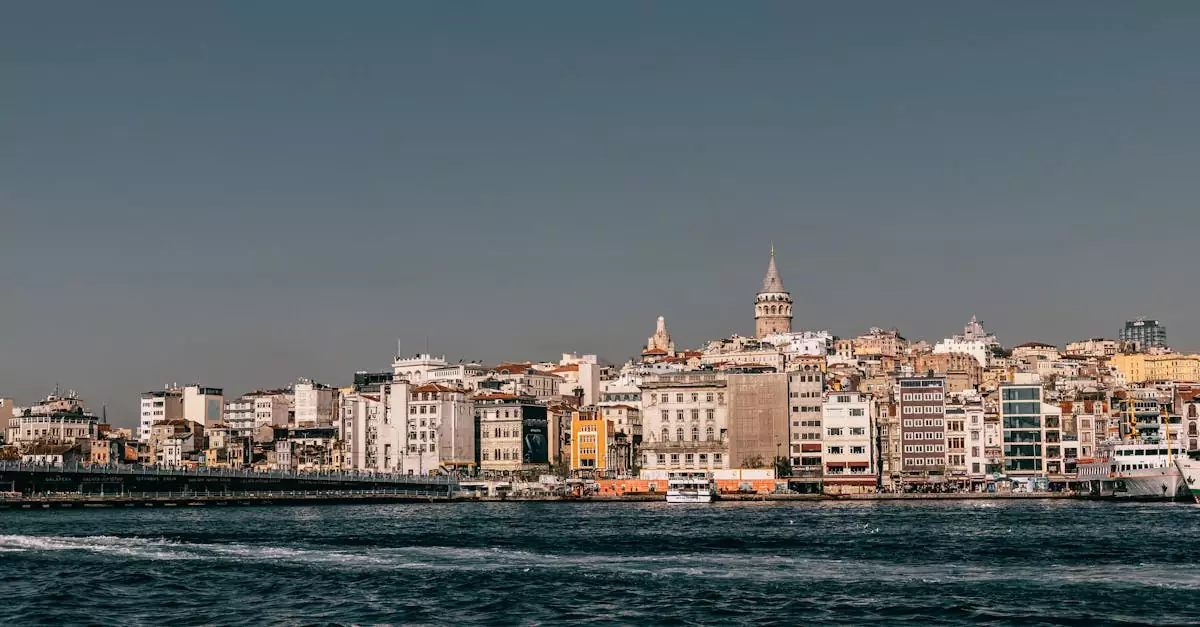
Choosing the best seaside towns in Europe for your next vacation involves more than just picking a pretty picture. Thoughtful planning around timing, transport, accommodation, and budget will ensure a smooth and enjoyable coastal experience. Understanding regional nuances and your personal travel style are key to unlocking Europe’s diverse seaside charm.
Best Time to Visit Europe’s Seaside Towns by Region
The ideal time to visit Europe’s coastal gems varies significantly across the continent. Southern Europe, including the Mediterranean coastlines of Spain, Italy, and Greece, is best enjoyed during the shoulder seasons of late spring (May-June) and early autumn (September-October). During these months, the weather is pleasantly warm, crowds are thinner than in peak summer, and accommodation prices are often more reasonable. Summer (July-August) offers hot, sunny days perfect for swimming but comes with higher prices and larger crowds.
Northern Europe, encompassing the coastlines of Portugal, France, the UK, and Scandinavia, has a different rhythm. The summer months (June-August) provide the warmest weather and longest daylight hours, making them ideal for exploring rugged cliffs and charming fishing villages. While swimming might be brisk, the scenery is spectacular. Spring and autumn can offer dramatic skies and fewer visitors, but be prepared for cooler temperatures and potentially more rain.
Consider these regional timing advantages:
- Mediterranean: Late Spring (May-June) & Early Autumn (September-October) for warm weather, fewer crowds, and better prices.
- Atlantic & Northern Coasts: Summer (June-August) for warmest temperatures and longest days.
Getting Around: Transportation Options for Coastal Exploration
Navigating Europe’s diverse coastal regions requires a flexible approach to transportation. For many popular seaside towns, especially in Southern Europe, arriving by train or flying into a nearby major city and then taking a regional bus or train is efficient. Once in a town, many of the best seaside towns in Europe are highly walkable, allowing you to soak in the atmosphere on foot.
Renting a car offers the most freedom for exploring less accessible coves, scenic drives, and multiple towns along a coastline. This is particularly beneficial for regions like the Amalfi Coast in Italy or the lesser-known stretches of the Portuguese coast. However, be aware of narrow roads, limited parking in peak season, and potential toll fees.
Here’s a look at common transport methods:
| Transport Method | Best For | Considerations |
|---|---|---|
| Train | Intercity travel, accessing larger coastal hubs | Can be less direct for smaller towns; book in advance for better fares. |
| Bus | Connecting smaller towns, budget-friendly travel | Slower than trains; schedules can vary seasonally. |
| Rental Car | Road trips, exploring remote areas, flexibility | Parking challenges in peak season; narrow roads; potential tolls and fuel costs. |
| Ferries | Island hopping, scenic coastal views | Weather dependent; schedules vary; best for specific archipelagos. |
| Walking | Exploring town centers, short distances | Essential for enjoying the charm of most seaside villages. |
Accommodation Styles: From Boutique Hotels to Beachfront Rentals
Europe’s seaside towns offer a wide spectrum of accommodation to suit every traveler’s preference and budget. For those seeking charm and personalized service, boutique hotels often feature unique decor and are frequently located in historic buildings within town centers. These can provide an intimate glimpse into local life.
Beachfront rentals, ranging from apartments to villas, offer the ultimate convenience for sun-seekers. Having direct access to the sand and sea, along with kitchen facilities, can be ideal for families or longer stays. Booking these well in advance is crucial, especially for popular destinations during summer.
Consider these accommodation types:
- Boutique Hotels: Offer unique character and often central locations.
- Apartment Rentals: Provide self-catering facilities and more space, ideal for families or groups.
- Guesthouses/B&Bs: A more intimate and often budget-friendly option, fostering local interaction.
- Luxury Resorts: For those seeking extensive amenities and services, often with private beach access.
Budgeting for Your European Coastal Holiday
The cost of visiting Europe’s seaside towns can vary dramatically. Destinations in the French Riviera or the Italian Cinque Terre will generally be more expensive than smaller towns along the coasts of Portugal or Croatia. Peak summer months (July and August) consistently see the highest prices for flights and accommodation. Traveling during the shoulder seasons can offer significant savings.
When budgeting, factor in not just accommodation and travel, but also daily expenses like food, activities, and local transport. Eating at local trattorias or cafes away from the main tourist strips, utilizing self-catering options, and taking advantage of free activities like beach lounging or scenic walks can help manage costs.
A rough budget breakdown might look like this:
| Expense Category | Budget Traveler (per day) | Mid-Range Traveler (per day) | Luxury Traveler (per day) |
|---|---|---|---|
| Accommodation | €50 – €100 | €100 – €250 | €250+ |
| Food | €30 – €60 | €60 – €120 | €120+ |
| Activities | €20 – €40 | €40 – €80 | €80+ |
| Local Transport | €10 – €20 | €20 – €40 | €40+ |
These figures are approximate and can fluctuate based on the specific location and time of year. For example, a week on the Greek islands in May will likely cost less than a week in Saint-Tropez in July.
Frequently Asked Questions About Europe’s Best Seaside Towns
Which European seaside towns are best for families?
For families, consider towns with calm, shallow waters and plenty of activities beyond the beach. The Algarve region in Portugal, specifically towns like Alvor, offers family-friendly beaches with soft sand and gentle waves. Many resorts here cater to children with pools and entertainment. Another excellent choice is San Sebastián in Spain, known for its wide, sandy La Concha beach, which is protected by a bay, making it safe for swimming. The city also boasts parks and a charming old town to explore.
Are there any good seaside towns for solo travelers in Europe?
Solo travelers often seek vibrant atmospheres, easy navigation, and opportunities to meet others. Lisbon, Portugal, while a larger city, has a distinct coastal feel and excellent public transport, making it easy to explore nearby beaches like Cascais. Its hostels and social scene are well-suited for solo visitors. For a more compact experience, Nice on the French Riviera provides a lively promenade, accessible public transport, and a good mix of cultural attractions and beach life. The city’s central location also makes day trips straightforward.
What are the best seaside towns in Europe for couples seeking romance?
Romance often calls for picturesque settings and intimate experiences. Positano on Italy’s Amalfi Coast is renowned for its dramatic cliffside views, colorful buildings, and charming, narrow streets. It offers boutique hotels and intimate dining options. Alternatively, Santorini in Greece, with its iconic white-washed villages perched above the Aegean Sea, provides breathtaking sunsets and a magical atmosphere. While not a traditional “town” in the same sense, the villages like Oia offer secluded coves and romantic restaurants.
What local foods should I try in European coastal regions?
Coastal European cuisine heavily features fresh seafood. In Portugal, sample bacalhau (codfish) prepared in countless ways, and fresh grilled sardines, especially during summer festivals. Spain’s coastal areas are famous for paella, a rice dish often cooked with seafood, and pintxos (small snacks) in regions like the Basque Country. Italy’s coastal towns boast incredible frutti di mare (seafood) pasta dishes, as well as regional specialties like fritto misto (mixed fried seafood) in Liguria. In Greece, look for grilled octopus, fresh calamari, and psari plaki (baked fish).