Embarking on a grand train journey across Europe promises breathtaking scenery and cultural immersion, but the thought of costs can be daunting. Fortunately, exploring the continent by rail doesn’t have to break the bank. This guide dives into essential Europe train travel budget tips, equipping you with the knowledge to make smart choices. You’ll discover how to secure the most affordable tickets, understand the nuances of rail passes versus point-to-point bookings, and leverage overnight trains to save on accommodation. We’ll also explore charming, less-traveled destinations accessible by train and share practical advice for cutting down on food and drink expenses along the way. Get ready to plan a more economical and enriching European adventure.
Mastering Europe Train Travel on a Budget: Key Strategies
Traveling by train across Europe offers unparalleled scenic views and a chance to immerse yourself in diverse cultures. However, costs can add up quickly. By employing smart booking strategies and understanding your options, you can significantly reduce your expenses and see more for less. This section focuses on practical approaches to make your European rail adventure more affordable.
Booking Advance Train Tickets for Maximum Savings
The most effective way to lower your train travel costs in Europe is to book tickets well in advance. Unlike many airlines, European rail operators often release their cheapest fares months ahead of the travel date. These advance tickets are typically non-refundable and non-exchangeable, but the savings can be substantial, sometimes cutting fares by 50% or more compared to last-minute purchases.
For popular routes like Paris to Amsterdam or Berlin to Prague, the cheapest tickets can sell out quickly. Aim to book at least two to three months in advance, especially during peak seasons (summer, holidays). The websites of national rail companies, such as SNCF for France or Deutsche Bahn for Germany, are the best places to find these early bird deals. Many also have apps that allow you to set price alerts.
Understanding Rail Pass Options: Eurail vs. Point-to-Point
Deciding between a rail pass and individual point-to-point tickets is crucial for budget planning. A Eurail pass can seem appealing for its flexibility, allowing you to hop on and off trains across many countries. However, it’s not always the most economical choice, especially if you have a fixed itinerary or are traveling on less expensive routes.
Point-to-point tickets, when booked in advance, can often be cheaper than a pass, particularly for specific, high-frequency routes where competition exists. If you plan to travel extensively and spontaneously, a rail pass might offer better value. However, always compare the total cost of individual tickets against the price of a pass for your planned journey. Remember that many high-speed trains and night trains require a seat reservation fee even with a rail pass, adding to the overall expense.
| Pass Type | Best For | Potential Cost Savings | Considerations |
|---|---|---|---|
| Eurail Pass | Flexible travel, multi-country trips | Can be cheaper if visiting many cities in a short time | Reservation fees, less cost-effective for short trips |
| Point-to-Point | Fixed itinerary, specific routes, budget focus | Often cheaper when booked in advance | Requires advance booking, less spontaneous |
Leveraging Overnight Trains to Save on Accommodation
Overnight trains offer a clever way to combine travel time with accommodation costs. By booking a sleeper berth or couchette on an overnight journey, you can travel between cities while you sleep, arriving at your destination refreshed and saving on a night’s hotel bill. This strategy is particularly effective for longer distances, such as from Paris to Rome or Vienna to Venice.
When booking overnight trains, consider the different types of berths available. Couchettes are basic and communal, while sleeper compartments offer more privacy and comfort. While these options cost more than a standard seat, the combined savings on travel and lodging often make them a budget-friendly choice. Always check the specific reservation requirements and costs for overnight services when planning your trip.
Hidden Gems Accessible by Train for Budget Travelers
While iconic European cities often top travel wish lists, many equally captivating destinations offer a more affordable and authentic experience, all readily accessible by train. Focusing on less-hyped regions can significantly stretch your travel budget, allowing for longer stays or more immersive exploration. These train-friendly hidden gems provide rich cultural experiences and stunning landscapes without the premium price tag of major tourist hubs.
Exploring the Loire Valley Chateaux from Tours
The Loire Valley, often called the “Garden of France,” is home to hundreds of magnificent chateaux. While some are quite expensive to visit, basing yourself in the vibrant city of Tours offers an excellent and budget-conscious gateway. Tours boasts a beautiful old town with half-timbered houses and a lively atmosphere, providing a charming base that doesn’t break the bank.
From Tours, regional trains (TER) provide frequent and affordable connections to many of the valley’s most famous castles. Instead of trying to see them all, focus on a select few that offer the best value and historical significance. Château de Chenonceau, gracefully spanning the River Cher, and the grand Château de Chambord, with its distinctive French Renaissance architecture, are popular choices. For a more intimate experience, consider the smaller yet equally picturesque Château d’Azay-le-Rideau.
Budget Travel Tips for the Loire Valley:
- Accommodation: Look for charming guesthouses (chambres d’hôtes) or apartments in Tours or smaller towns outside the immediate vicinity of the most popular chateaux.
- Transportation: Purchase day passes or regional rail tickets rather than individual tickets for each journey. Consider renting bicycles from towns like Amboise to cycle between nearby chateaux for a scenic and cost-effective experience.
- Food: Enjoy picnics with local produce from markets in Tours, a quintessential French experience that’s also very affordable. Seek out local brasseries for reasonably priced lunch menus.
Discovering Slovenia’s Julian Alps via Jesenice
For breathtaking natural beauty at a fraction of the cost of the Swiss Alps, consider Slovenia’s Julian Alps. The town of Jesenice, located near the Austrian border, serves as a convenient and affordable train hub for accessing this stunning region. Slovenia is renowned for its commitment to eco-tourism and well-maintained public transport, making train travel a pleasure.
From Jesenice, you can easily reach Lake Bled, Slovenia’s postcard-perfect glacial lake with its iconic island church and clifftop castle. While Lake Bled can attract crowds, it remains significantly more affordable than comparable alpine destinations elsewhere in Europe. Further into the Julian Alps, you can access hiking trails and Triglav National Park. The town of Kranjska Gora, a popular winter sports destination, is also accessible by bus from Jesenice and offers beautiful summer hiking opportunities.
Getting Around the Julian Alps:
- Train: The primary train line connects Jesenice to Ljubljana and other major Slovenian cities, with local connections to smaller towns.
- Bus: Buses are essential for reaching some of the more remote hiking trailheads and villages within the national park. Purchasing a combined rail and bus pass, if available, can offer savings.
- Activities: Focus on hiking, enjoying the natural scenery, and visiting smaller villages for a more authentic and budget-friendly experience. Entrance fees for attractions like Bled Castle are reasonable.
The Charm of Český Krumlov from České Budějovice
Český Krumlov in the Czech Republic is a UNESCO World Heritage site renowned for its stunning medieval architecture and picturesque setting on the Vltava River. While direct train access can be limited, using České Budějovice as a base is a smart budget strategy. This town, famous for its Budweiser Budvar brewery, offers more affordable accommodation and dining options than the tourist-heavy Český Krumlov.
Regular bus services connect České Budějovice to Český Krumlov, taking approximately 45 minutes. These buses are frequent and inexpensive, making day trips or short stays in Český Krumlov very feasible without the need to stay directly in the town. Alternatively, some train routes might connect through smaller stations, requiring a bus transfer, but often still proving more economical than staying in Český Krumlov itself.
Budget Travel to Český Krumlov:
- Base: České Budějovice provides a more affordable and less crowded alternative to staying directly in Český Krumlov.
- Transportation: The bus route from České Budějovice to Český Krumlov is efficient and cost-effective. For travel to České Budějovice, trains from Prague are frequent and reasonably priced.
- Experience: Wander the charming cobblestone streets, visit the impressive Český Krumlov Castle complex, and enjoy the views from the castle tower. Many rewarding experiences in Český Krumlov are free or low-cost.
Savvy Ways to Reduce Food and Drink Costs on European Trains
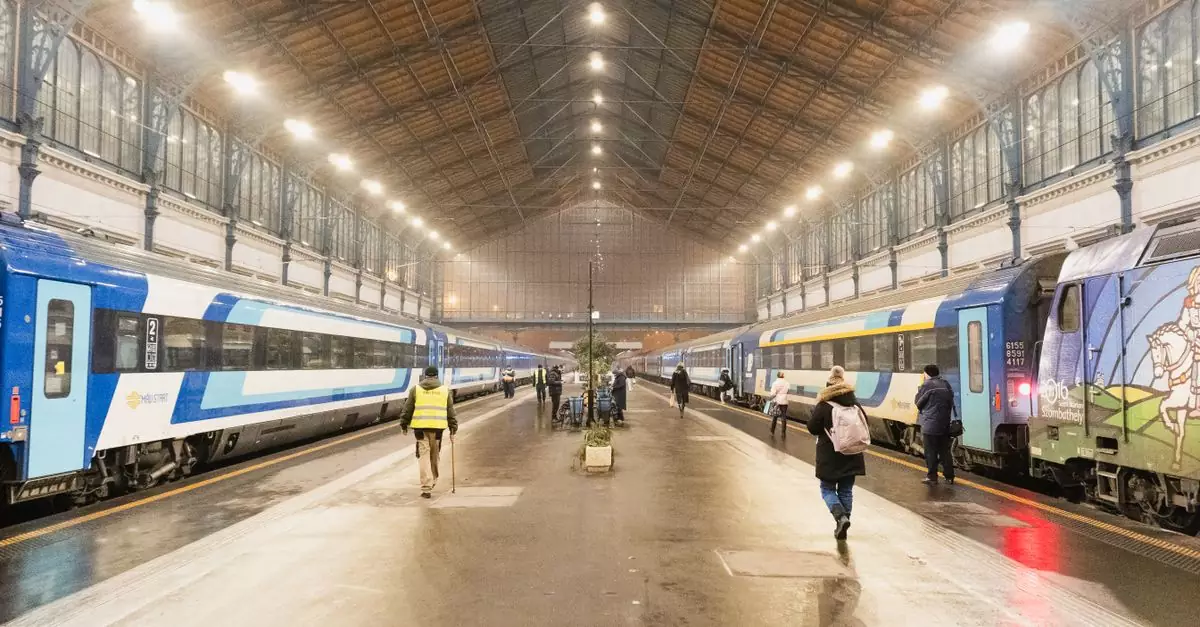
Eating and drinking can quickly add up during European train journeys, especially on longer routes. Many travelers opt for expensive onboard cafes or convenience foods from station kiosks. However, with a little planning and local knowledge, you can significantly cut these costs and enjoy more authentic flavors. Prioritizing these budget-friendly strategies can make your overall trip more affordable, allowing you to allocate funds to experiences rather than sustenance.
Picnic Lunches: Best Train Station Markets Across Europe
Packing your own meals is one of the most effective Europe train travel budget tips. Instead of relying on pricey train station shops, seek out local markets. Many major European cities boast incredible food markets located conveniently near or even within their central train stations. These markets offer fresh produce, artisanal cheeses, cured meats, crusty breads, and local pastries at a fraction of the cost of pre-packaged train snacks.
Consider the Naschmarkt in Vienna, adjacent to Wien Hauptbahnhof, or the vibrant Mercado de San Miguel (though it leans towards tapas bars, it has market elements) near Madrid’s Atocha station. Even smaller towns often have weekly markets where you can stock up on regional specialties. Buying ingredients and assembling your own picnic allows for a personalized and economical meal with a view, as you dine while the diverse landscapes of Europe glide by.
Finding Affordable Local Eateries Near European Train Stations
While markets are excellent for self-catering, sometimes you want a hot meal. Avoid the tourist traps directly inside station buildings. Step a few blocks away from the main entrance of most major European train stations, and you’ll discover a wealth of affordable local eateries. Look for “bakeries” (Bäckerei, Boulangerie, Panetteria) for inexpensive sandwiches and pastries, or small “cafes” and “trattorias” that cater to locals on their lunch breaks.
In cities like Paris, stepping just two or three streets away from Gare du Nord can reveal a charming bistro offering a “plat du jour” (dish of the day) for a reasonable price. Similarly, in Italy, small towns near stations often have family-run “pizzerias” or “osterias” where you can enjoy authentic regional dishes without the premium station markup. Checking local review sites or asking station staff for recommendations on nearby affordable spots can yield great results.
Smart Hydration: Refilling Water Bottles on Your Journey
Purchasing bottled water repeatedly on trains or at stations can be a surprisingly significant expense over a multi-day trip. Most European countries have excellent tap water quality. Carrying a reusable water bottle is a simple yet highly effective way to save money and reduce plastic waste.
Many train stations have drinking fountains, and most restrooms offer potable water. Onboard trains, you can often ask the conductor or service staff if there’s a water dispenser available or discreetly refill your bottle in the restroom. This small change contributes to your overall budget and aligns with sustainable travel practices, a growing concern for many visitors to Europe.
Choosing Budget-Friendly Accommodation Near European Hubs
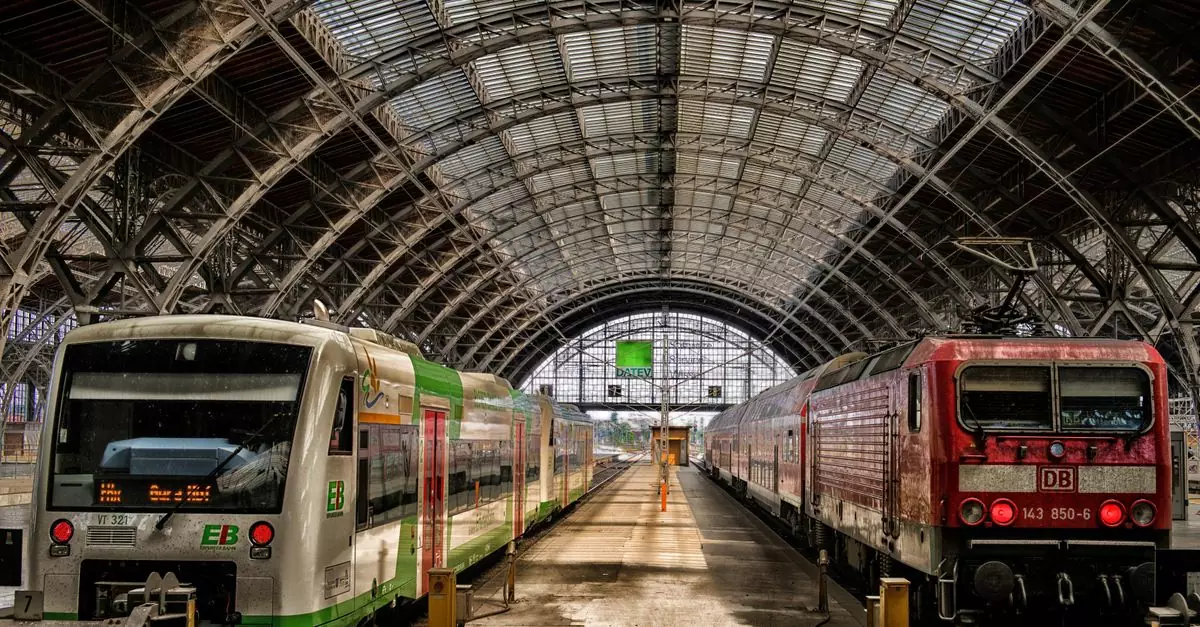
When planning a European train journey, accommodation costs can significantly impact your overall budget. Strategically selecting where you stay, especially near major train hubs, can unlock substantial savings without sacrificing convenience or the ability to enjoy the continent. Considering options that offer good value near these transit points is a key element of effective Europe train travel budget tips.
Hostel Stays in Major European Cities: A Traveler’s Guide
Hostels have evolved far beyond basic dorm rooms. Today, many offer private rooms, en-suite bathrooms, and vibrant social atmospheres, making them a versatile choice for solo travelers, couples, and small groups seeking affordable lodging in bustling European capitals. Look for hostels that include free breakfast or have well-equipped communal kitchens, which further reduce daily expenses. Checking reviews for cleanliness, security, and proximity to train stations is crucial. Many well-regarded hostels are located within a short walk or a quick metro ride from major railway terminals, facilitating seamless transitions between destinations.
For example, in cities like Berlin or Amsterdam, hostels often provide organized walking tours or pub crawls, offering a budget-friendly way to experience the local culture. Booking in advance, especially during peak travel seasons, is recommended to secure the best rates and availability.
Affordable Guesthouses in Smaller European Towns
While major cities offer unparalleled access to train networks, venturing into smaller towns along popular routes can yield significant cost reductions. Guesthouses, often family-run, provide a more intimate and authentic experience at a fraction of the price of city-center hotels. These establishments might not be directly adjacent to a large station, but they are typically within easy reach by local bus or a short taxi ride, which can still be more economical than urban hotel rates.
Consider towns like Bruges in Belgium or smaller villages in the Austrian Alps. These locations offer charming scenery and a slower pace, often with guesthouses that include homemade breakfasts. This approach to accommodation is a smart tactic for those focusing on Europe train travel budget tips, allowing more funds for experiences and onward journeys.
The Benefits of Staying Slightly Outside City Centers
Opting for accommodation a few kilometers outside the immediate city center can lead to substantial savings on lodging. Many European cities have excellent public transportation systems, including trams, buses, and suburban rail lines, that connect outlying neighborhoods to the main train stations and attractions. The cost difference between a hotel in a prime downtown location and one in a well-connected suburb can be considerable.
When selecting an area outside the center, prioritize locations with direct public transport links to the main train station. This ensures you can easily catch your next train without stressful transfers or expensive taxis. For instance, staying in areas like Montmartre in Paris, while not directly downtown, offers a bohemian charm and is well-served by the Métro, providing efficient access to Gare du Nord for Eurostar departures. This strategy allows travelers to experience more of Europe for less, a core principle of smart travel.
How to Avoid Common Tourist Traps with Europe Train Travel
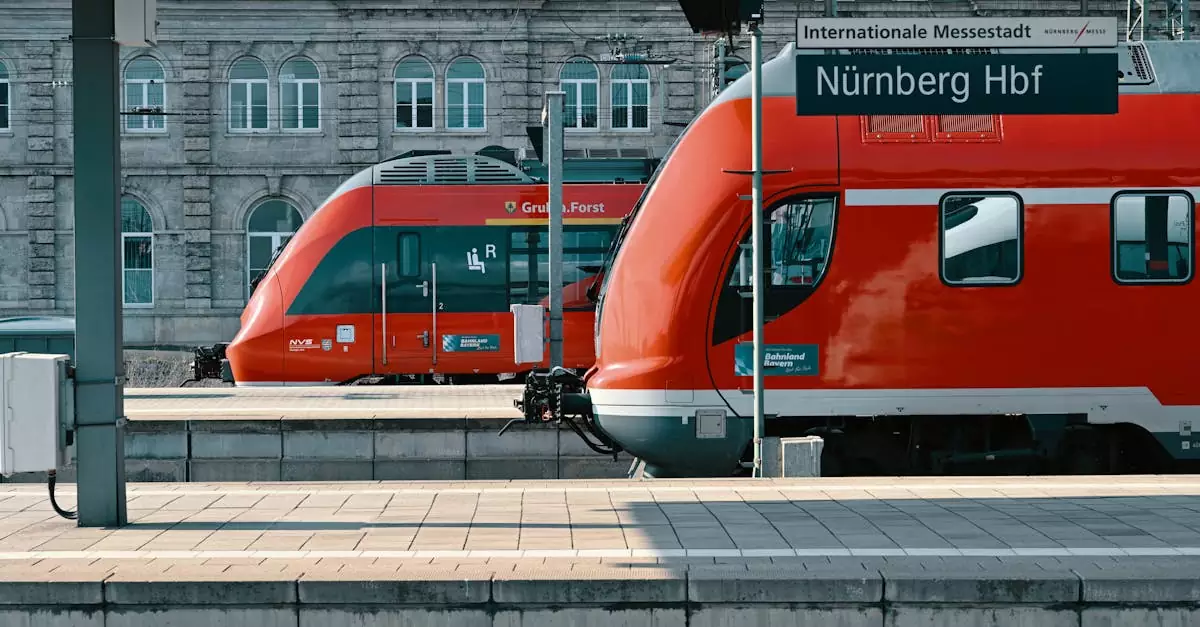
Traveling by train across Europe offers unparalleled freedom and often budget-friendly options, but navigating unfamiliar cities and stations can sometimes lead to unexpected expenses or scams. By being aware of common tourist pitfalls, you can ensure your journey remains enjoyable and cost-effective. Understanding local customs and typical pricing can save you money and hassle.
Spotting Overpriced Souvenirs at Tourist Hotspots
Many major European cities have specific areas, often around famous landmarks like the Eiffel Tower in Paris or the Colosseum in Rome, where souvenir shops are concentrated. These shops frequently inflate prices, knowing tourists are eager to grab a memento. Look for smaller, independent shops on side streets a few blocks away from the main attractions. You’ll often find similar items at a fraction of the cost, sometimes with better quality or more unique designs. Consider purchasing local crafts or regional specialties from markets rather than mass-produced trinkets. This not only saves money but also supports local artisans and offers a more authentic keepsake from your travels.
Navigating Ticket Scams at Busy European Stations
Busy train stations, especially in large cities like Berlin or Amsterdam, can be targets for ticket scams. Be wary of individuals approaching you offering “help” with ticket purchases or claiming to have a better deal. Always buy tickets directly from official ticket counters, reputable ticket machines within the station, or through the official website or app of the national railway company (e.g., Deutsche Bahn for Germany, SNCF for France). Avoid third-party vendors on the street. Double-check the price and validity of your ticket before leaving the counter or confirming the purchase online. Familiarize yourself with the typical pricing for your intended route beforehand through official railway websites to spot any anomalies.
Identifying Tourist Menu Traps in Popular Restaurants
Restaurants located directly on main squares or facing major attractions often cater to tourists and may charge premium prices for average food. This is a common tactic in cities like Prague or Florence. To find more authentic and affordable dining experiences, venture a few streets away from the primary tourist drag. Look for restaurants filled with locals, indicated by a bustling atmosphere during lunch or dinner hours. Check menus displayed outside for pricing and offerings. Be cautious of “set menus” that seem too good to be true or have very limited choices. Often, ordering à la carte from a well-regarded local establishment offers better value and a more genuine taste of regional cuisine.
Frequently Asked Questions About Budget Europe Train Travel
What is the cheapest way to travel by train in Europe?
The most economical approach to train travel across Europe often involves booking tickets in advance, especially for long-distance journeys. Overnight trains can also save on accommodation costs, though they may come with a slight premium. For flexibility and savings on shorter routes, consider regional passes or point-to-point tickets purchased several weeks ahead of your travel date.
When is the best time of year for budget train travel in Europe?
The shoulder seasons, generally April to May and September to October, offer a sweet spot for budget train travel. During these periods, you’ll find fewer crowds and often lower ticket prices compared to the peak summer months of June, July, and August. Winter travel, outside of the Christmas holidays, can also yield significant savings, though weather conditions might impact your sightseeing plans.
Here’s a general overview of seasonal travel impacts:
| Season | Crowd Levels | Ticket Prices | Weather Considerations |
|---|---|---|---|
| Spring | Moderate | Moderate | Pleasant, some rain |
| Summer (Peak) | High | High | Warm to hot, sunny |
| Autumn | Moderate | Moderate | Cooler, colorful foliage |
| Winter | Low | Low | Cold, potential snow |
Can I bring my own food and drinks on European trains?
Absolutely. Most European train operators allow passengers to bring their own food and non-alcoholic beverages onboard. This is a significant money-saving tip, as purchasing meals and drinks on the train or at station cafes can quickly add up. Pack sandwiches, snacks, and reusable water bottles to keep your travel expenses down.