
Planning your London travel for 2026 means navigating a city that constantly evolves, blending timeless traditions with exciting new developments. This essential guide equips you with the latest information to ensure your trip is seamless and unforgettable. Discover what’s happening on the city’s vibrant event calendar, understand the latest entry requirements for smooth passage, and explore emerging trends shaping tourism in 2026. We’ll also delve into the best ways to get around this sprawling metropolis, from mastering the Tube to uncovering hidden gems in diverse neighborhoods, while highlighting must-do activities and culinary experiences that define London today. Get ready to explore the heart of the UK with confidence and insider knowledge.
What’s Happening in London Travel Right Now (2026)
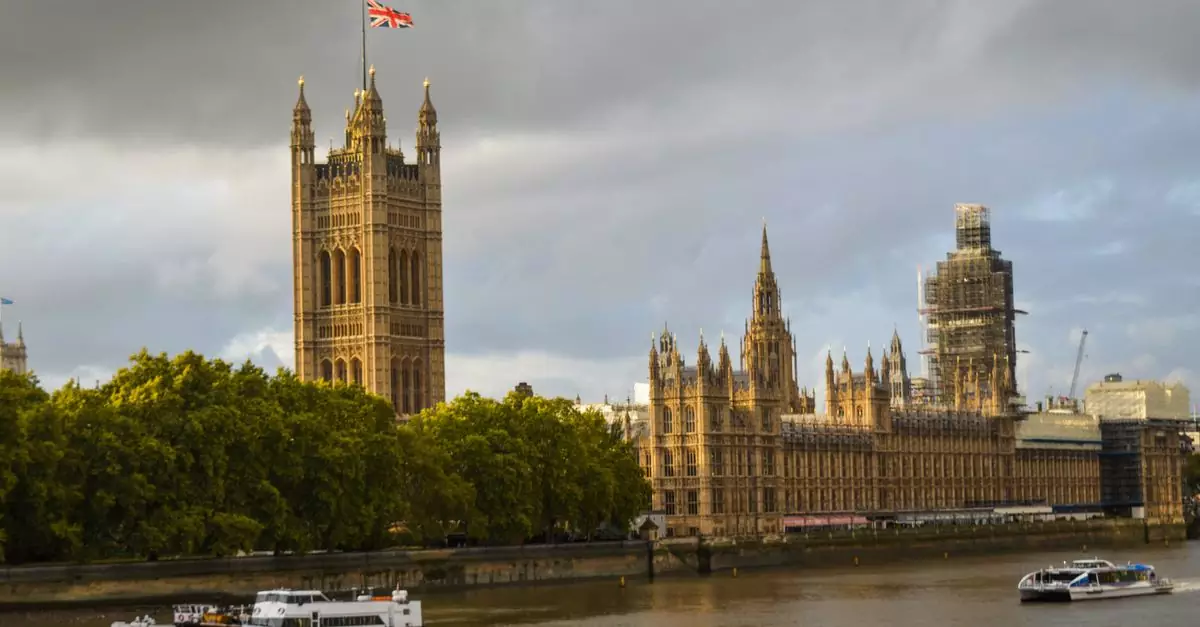
Planning your London trip for 2026 involves staying updated on local events, entry requirements, and evolving travel preferences. This section provides a snapshot of what to expect, helping you tailor your visit for a seamless and enriching experience.
Current Events & Festivals in London This Year
London’s calendar is consistently packed with events, and 2026 is no exception. Major sporting events, theatrical premieres, and art exhibitions draw crowds year-round. For music lovers, summer typically hosts large-scale festivals like BST Hyde Park, featuring internationally renowned artists. Keep an eye on official tourism sites for specific dates and lineups as they are announced.
Beyond the headline events, London thrives on its diverse cultural scene. Expect smaller, community-focused festivals celebrating everything from food and film to specific cultural heritage. These often offer a more intimate glimpse into the city’s vibrant neighborhoods. The West End theatre district continues its reign as a global hub, with new productions and long-running favorites providing nightly entertainment.
Latest Travel Advisories and Entry Requirements for London
As of 2026, travelers to the UK should verify the latest entry requirements well in advance of their trip. This includes checking visa regulations based on your nationality and ensuring your passport is valid for at least six months beyond your intended stay. While many restrictions have eased, it’s prudent to monitor official government advisories for any updates.
For travelers from outside the European Union, the UK’s immigration rules remain a key consideration. It’s advisable to consult the UK government’s official immigration website for the most current information on permitted entry and any necessary documentation. Being prepared with the correct paperwork will prevent potential issues at border control and ensure a smooth arrival in the city.
Emerging Trends in London Tourism for 2026
London’s tourism landscape is continually evolving, with a growing emphasis on sustainable travel and authentic experiences. Travelers are increasingly seeking eco-friendly accommodations and ways to reduce their carbon footprint while visiting. This includes utilizing London’s extensive public transport network, such as the Tube and bus system, which remains one of the most efficient ways to navigate the city.
There’s also a noticeable shift toward exploring London’s diverse neighborhoods beyond typical tourist hotspots. Visitors are showing more interest in local markets, independent shops, and culinary experiences that reflect the city’s multicultural fabric. This trend encourages deeper engagement with the local community and offers a more nuanced perspective of London life. Many visitors are also looking for unique, hands-on activities, from cooking classes to street art tours, providing memorable takeaways from their journey.
Navigating London: Getting Around the City
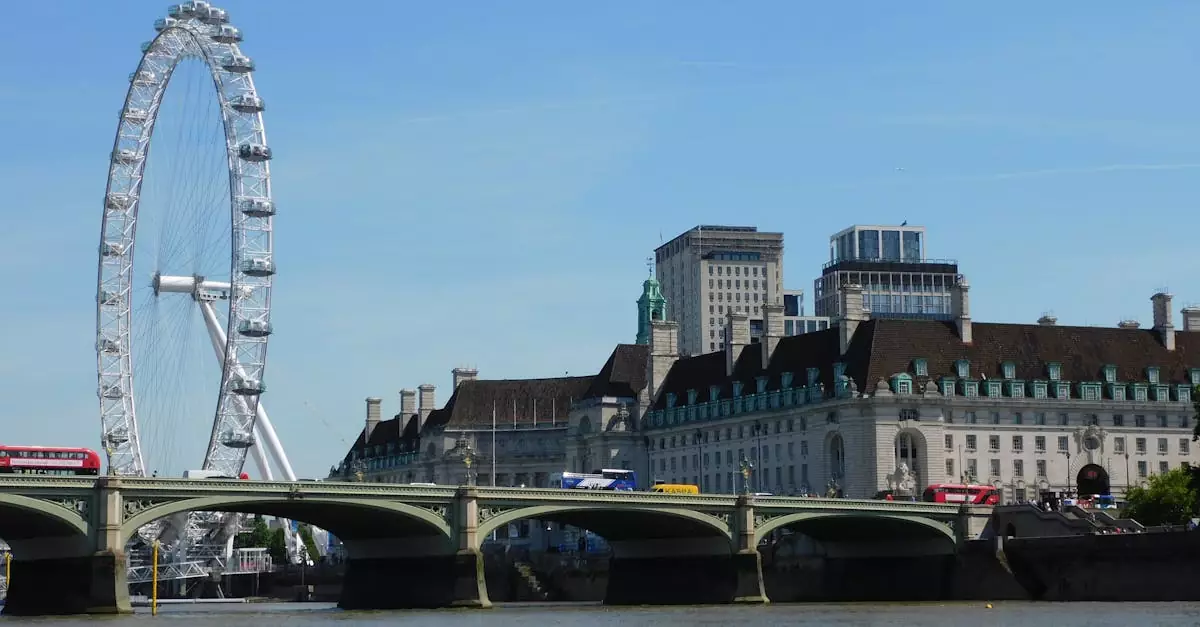
Understanding London’s extensive public transport network is key to a smooth and efficient visit. The city offers various ways to get around, from the iconic Underground to accessible buses and modern ride-sharing options. Mastering these will save you time and money, allowing you to focus on the incredible sights.
Mastering the London Underground (The Tube)
The London Underground, affectionately known as the Tube, is the backbone of the city’s transportation system. With over 270 stations across 11 lines, it connects most major attractions and neighborhoods. Planning your routes using the official TfL Go app or Google Maps is highly recommended, as these provide real-time updates on services and potential disruptions.
Traveling during peak hours (roughly 6:30 AM to 9:30 AM and 4:00 PM to 7:00 PM on weekdays) can mean crowded carriages. If your schedule allows, traveling outside these times offers a more comfortable experience. Remember to stand on the right when using escalators to allow others to pass on the left.
Oyster Card vs. Contactless Payments for London Travel
For most visitors, choosing between an Oyster card and contactless payment methods is straightforward. Both systems cap your daily and weekly spending, ensuring you won’t pay more than a set amount for journeys within a given zone.
Contactless payments, using a debit or credit card with a contactless symbol or a mobile payment service like Apple Pay or Google Pay, are generally the most convenient option. Simply tap your card or device on the yellow reader at the start and end of your journey. There’s no need to pre-load funds, and your bank will handle the currency conversion.
An Oyster card works similarly but requires purchasing the card itself and topping it up with credit. While it offers the same fare capping benefits, it adds an extra step of managing the card balance. For short stays, contactless is usually the simplest solution.
Exploring London by Bus and Overground Train
Beyond the Tube, London’s extensive bus network provides a scenic and often more relaxed way to travel. Buses are particularly useful for shorter journeys or reaching areas not directly served by the Underground. Unlike the Tube, you only need to tap your contactless card or Oyster card once when boarding.
The Overground trains are also an excellent option, forming a loop around much of inner London and connecting various Tube lines. They are often less crowded than the Underground and offer more spacious seating, making them a good choice for longer journeys within the city.
Ride-Sharing and Taxi Services in Central London
For door-to-door convenience, ride-sharing apps like Uber and Bolt operate widely across London. They can be practical for traveling with luggage, late at night, or heading to destinations slightly off the main public transport routes. Fares can fluctuate based on demand and time of day.
Traditional black cabs, or Hackneys, are also readily available throughout the city. They can be hailed from the street or booked in advance. While generally more expensive than ride-sharing services, they offer the advantage of experienced drivers who know the city intimately and can navigate complex routes efficiently. For quick trips within central areas, they provide a direct and reliable service.
Best Neighborhoods to Experience London Right Now
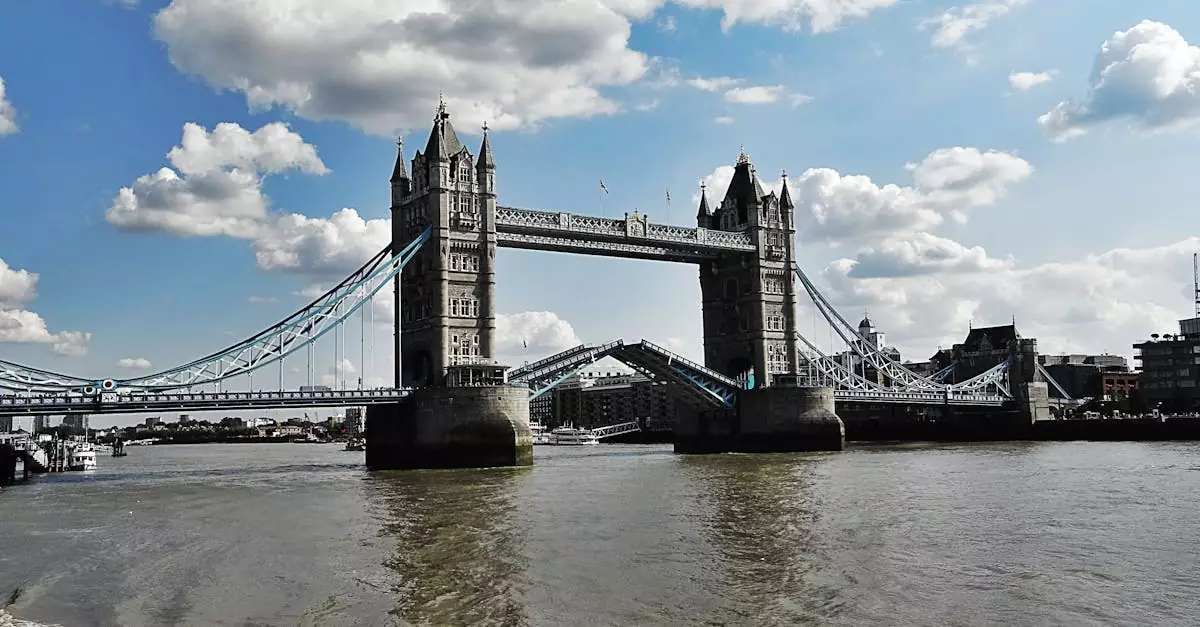
Choosing where to stay in London significantly shapes your visit. For travelers seeking a vibrant urban pulse, the city offers diverse neighborhoods, each with its distinct character. Whether you prioritize cutting-edge culture, historical charm, or theatrical energy, there’s a corner of London that will feel just right for your trip in 2026.
Shoreditch: Street Art, Boutiques, and Trendy Eateries
Shoreditch, located in East London, remains a dynamic hub for contemporary culture and creativity. Its streets are an open-air gallery, adorned with ever-changing street art from world-renowned artists. Beyond the visual spectacle, Shoreditch boasts an eclectic mix of independent boutiques, vintage shops, and innovative restaurants.
Getting to Shoreditch is straightforward, with several London Underground stations nearby, including Liverpool Street and Old Street. The area is also well-served by buses. For those interested in London travel right now, Shoreditch offers a taste of the city’s modern, artistic side. Accommodation here ranges from stylish boutique hotels to trendy hostels, catering to a younger, design-conscious traveler.
Notting Hill: Charming Markets and Colorful Houses
Famous for its pastel-colored houses and the iconic Portobello Road Market, Notting Hill exudes a picturesque, storybook charm. This West London neighborhood is a delight for leisurely strolls, especially on market days when the streets come alive with antique stalls, fresh produce, and artisan crafts.
While the market is the main draw, Notting Hill also offers quaint cafes, independent bookshops, and intimate restaurants. It’s a more relaxed pace compared to central London, making it a pleasant base for those seeking a quieter yet engaging experience. Access is typically via the Central, Circle, or District lines to Notting Hill Gate station. Travelers looking for a romantic or visually appealing London trip will find Notting Hill particularly appealing.
South Bank: Culture, Views, and Riverside Strolls
Stretching along the southern bank of the River Thames, the South Bank is London’s cultural heart. This area is a must-visit for its concentration of world-class attractions, including the Tate Modern, Shakespeare’s Globe, and the National Theatre. The Southbank Centre hosts a continuous program of music, art, and performance.
Walking the South Bank offers stunning views of landmarks like St. Paul’s Cathedral and the Houses of Parliament. It’s a highly walkable area, with pedestrian-friendly paths and numerous bridges connecting to the north bank. Waterloo and London Bridge stations provide excellent transport links. For a comprehensive London experience packed with iconic sights and artistic venues, the South Bank is an excellent choice.
Covent Garden: Street Performers and Theatreland Buzz
Covent Garden is synonymous with entertainment and vibrant street life. The central piazza is a hive of activity, featuring talented street performers, musicians, and artists. It’s also the gateway to London’s renowned Theatreland, with numerous West End theaters showcasing world-class productions.
Beyond the performances, Covent Garden offers a sophisticated shopping experience with high-end brands and unique boutiques, alongside a wide array of restaurants and pubs. Its central location makes it incredibly convenient for exploring other parts of the city. Covent Garden and Leicester Square Underground stations are within easy reach. For those who thrive on energy and a lively atmosphere, Covent Garden captures the essence of a quintessential London visit.
Must-Do Activities in London This Year
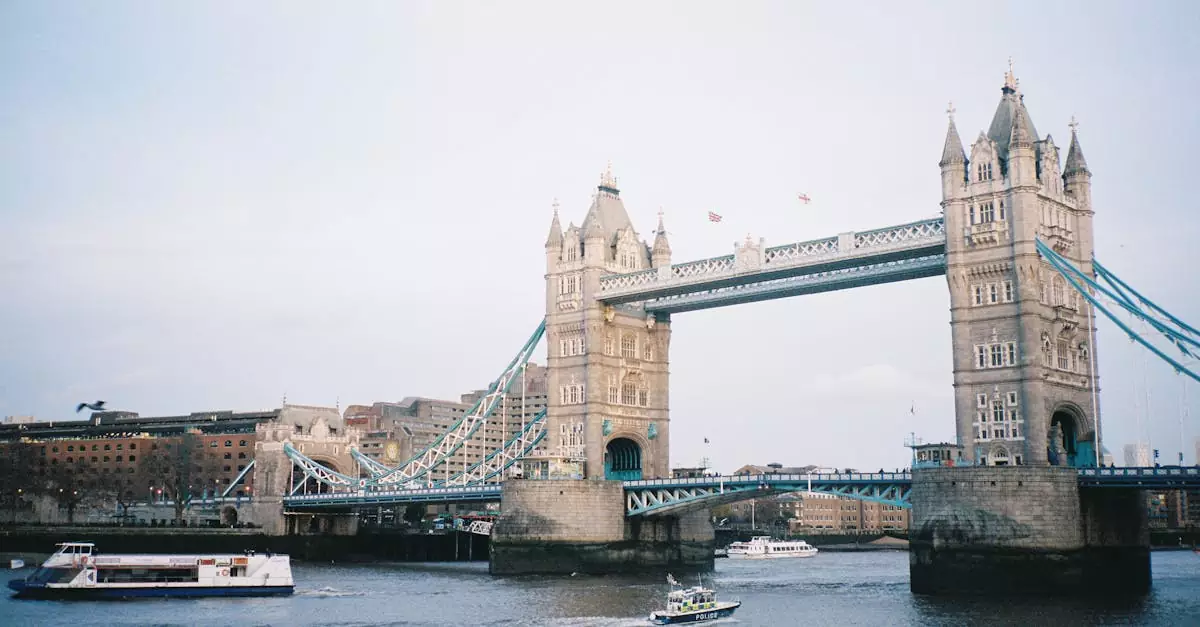
London offers a dynamic blend of history, culture, and entertainment, making it a compelling destination for travelers right now. Whether you’re drawn to iconic sights or contemporary experiences, the city provides a rich tapestry of activities. Planning your visit involves considering the best times to go, how to navigate, and what to prioritize.
Iconic Landmarks: Buckingham Palace to the Tower of London
No trip to London is complete without visiting its world-renowned landmarks. Buckingham Palace, the official residence of the monarch, offers the spectacle of the Changing of the Guard ceremony, typically held on select days. Arrive early for a good vantage point. The Tower of London, a historic castle on the north bank of the River Thames, provides a deep dive into centuries of British history, from royal intrigue to its role as a prison. Seeing the Crown Jewels here is a highlight for many visitors.
For efficient travel between these central London attractions, consider using the Underground, often referred to as the “Tube.” Purchasing an Oyster card or using contactless payment is the most convenient way to pay for fares.
West End Theatre Shows: What’s New for 2026
The West End is London’s answer to Broadway, showcasing an array of world-class theatrical productions. For 2026, expect a mix of long-running musicals, critically acclaimed plays, and exciting new debuts. Booking tickets in advance is highly recommended, especially for popular shows, as performances often sell out. Websites like Official London Theatre offer comprehensive listings and booking options.
The theatre district is easily accessible via public transport, with many venues clustered around Covent Garden and Leicester Square. Consider checking for last-minute ticket deals at the TKTS booth in Leicester Square for potential savings.
Museum Hopping: British Museum to Tate Modern
London boasts some of the world’s finest museums, many offering free general admission. The British Museum houses a vast collection of art and artifacts from across the globe, including the Rosetta Stone and Egyptian mummies. The Tate Modern, situated in a former power station on the South Bank, features an impressive collection of international modern and contemporary art.
Allow ample time for museum visits; the British Museum can easily fill a full day. For a different perspective on art and history, consider the Victoria and Albert Museum (V&A) for decorative arts and design, or the National Gallery for European paintings. Getting around these cultural hubs is straightforward with London’s public transport network.
Exploring Royal Parks: Hyde Park and Regent’s Park
Escape the urban bustle in London’s magnificent Royal Parks. Hyde Park, one of the largest, offers vast green spaces for walking, cycling, and boating on the Serpentine. It’s a popular spot for picnics and people-watching. Regent’s Park, known for its beautiful gardens, including Queen Mary’s Rose Garden, also hosts the ZSL London Zoo and an open-air theatre.
These parks provide a refreshing contrast to the city’s busy streets. They are ideal for a leisurely afternoon or a morning stroll. Access is generally free, and many are conveniently located near major attractions, making them easy to incorporate into your itinerary.
Where to Eat and Drink in London
London’s culinary scene is a dynamic reflection of its global population, offering everything from centuries-old traditions to cutting-edge fusion. Planning your dining experiences can enhance your trip, whether you’re seeking a hearty meal after a day of sightseeing or a refined afternoon tea. Understanding the variety available will help you navigate the city’s gastronomic landscape effectively.
Traditional Pub Grub Experiences in London
No visit to London is complete without experiencing a traditional pub. These establishments offer more than just drinks; they are hubs of local culture and serve hearty, comforting dishes. Expect classic fare like fish and chips, steak and ale pie, and bangers and mash. Many pubs also feature a good selection of real ales and craft beers.
For an authentic experience, seek out pubs in historic areas like Hampstead or Greenwich. The atmosphere can range from lively and bustling to quiet and cozy, depending on the time of day and the specific establishment. Lunchtime can be busy with office workers, while evenings often draw locals and tourists alike. Booking a table is advisable for popular pubs, especially on weekends.
Exploring London’s Diverse International Cuisine
London’s reputation as a global city is most evident in its food. You can find authentic flavors from virtually every corner of the globe. Brick Lane is famous for its Indian and Bangladeshi restaurants, offering vibrant curries and fragrant biryanis. For Chinese cuisine, head to Chinatown in the West End, where dim sum and Peking duck are specialties.
Areas like Brixton and Southall offer fantastic Caribbean and South Asian food, often at more affordable prices. Exploring these neighborhoods provides a chance to sample lesser-known but equally delicious international dishes. Many restaurants cater to various dietary needs, including vegetarian, vegan, and gluten-free options, reflecting the city’s diverse clientele.
Best Afternoon Tea Spots in Mayfair and Kensington
Afternoon tea is a quintessential London ritual, a delightful way to spend an afternoon with a selection of delicate sandwiches, scones, pastries, and a variety of teas. Mayfair and Kensington are renowned for their elegant hotels and tearooms that offer luxurious afternoon tea experiences. These often come with a higher price tag but deliver an unforgettable occasion.
Consider booking well in advance, particularly for popular venues like The Ritz or Claridge’s. The dress code is usually smart casual, though some high-end establishments may have stricter requirements. It’s an experience that combines exquisite food with refined service and a touch of old-world glamour.
London’s Vibrant Street Food Markets
For a more casual and diverse culinary adventure, London’s street food markets are a must-visit. These markets have grown in popularity, offering a vast array of international cuisines in a lively, open-air setting. Borough Market, one of the oldest and most famous, provides artisanal produce alongside delicious hot food stalls.
Other notable markets include Maltby Street Market, known for its gourmet offerings, and Camden Market, which boasts a huge variety of global street food. These markets are excellent for budget-conscious travelers who want to sample multiple dishes without committing to a full restaurant meal. They are typically busiest on weekends, so visiting on a weekday might offer a more relaxed experience.
| Market Name | Location | Best For | Typical Opening Days |
|---|---|---|---|
| Borough Market | Southwark | Artisanal produce, diverse hot food | Wednesday – Sunday |
| Maltby Street Market | Bermondsey | Gourmet street food, unique treats | Saturday, Sunday |
| Camden Market | Camden Town | Global street food, eclectic vibe | Daily |
| Southbank Centre Food Market | South Bank | International dishes, riverside views | Friday – Sunday |
Frequently Asked Questions About London Travel Right Now
Is London expensive to visit right now?
London remains relatively expensive for travelers, though current exchange rates can influence your budget. Accommodation, dining, and attractions are the primary cost drivers. Planning ahead and booking in advance can help secure better prices.
Consider visiting during the shoulder seasons (spring or autumn) for potentially lower prices on flights and hotels compared to peak summer months. Utilizing free attractions, such as the many world-class museums and parks, can significantly reduce daily expenses.
What’s the best way to book London accommodation in 2026?
Booking your London accommodation well in advance is highly recommended for 2026, especially if you plan to visit during popular periods like summer or around major events. Websites like Booking.com, Expedia, and Airbnb offer a wide range of options, from budget hostels to luxury hotels.
For travelers seeking value, consider looking at areas slightly outside the immediate city center but with good transport links. Neighborhoods like Earl’s Court, Paddington, or even parts of East London can offer more affordable rates. Many of these areas still provide easy access to central London via the Underground.
Is London safe for tourists currently?
London is generally very safe for tourists. Like any major global capital, it experiences petty crime such as pickpocketing, particularly in crowded tourist areas and on public transport. It’s wise to remain aware of your surroundings and keep valuables secure.
Emergency services are efficient, and police presence is visible. For immediate assistance, dial 999. Familiarizing yourself with common scams can also help you avoid potential issues. Overall, with standard precautions, visitors can feel secure exploring London.
What should I pack for London right now?
Packing for London requires a focus on layers and adaptability to its famously changeable weather. Even in summer, evenings can be cool, and rain is always a possibility. Comfortable walking shoes are essential, as you’ll likely be doing a lot of walking.
Bring a waterproof jacket or umbrella, even if the forecast looks clear. For clothing, pack versatile items like t-shirts, sweaters, and a pair of jeans or comfortable trousers. Smart casual attire is suitable for most restaurants and pubs, but formal wear is rarely necessary. Don’t forget any personal medications and travel adapters for electronics.