Europe’s allure extends far beyond its iconic cities, with countless lesser-known locales offering rich history, stunning landscapes, and authentic cultural experiences. If you’re eager to escape the crowds and uncover the continent’s essence, discovering these best hidden destinations in Europe is a rewarding pursuit. This guide reveals a curated selection of enchanting spots—from remote archipelagos and dramatic mountain villages to sun-drenched coastal towns that have retained their timeless charm. You’ll find unique travel experiences, practical tips for reaching these gems, and insights on why venturing off the beaten path promises unforgettable memories. Prepare to be inspired to explore the quieter yet equally captivating corners of the continent.
Unveiling Europe’s Best Hidden Destinations for 2026
Why Seek Out Europe’s Undiscovered Corners?
As 2026 approaches, many travelers are seeking experiences beyond the well-trodden paths of Paris, Rome, and Barcelona. The desire to connect with authentic cultures, discover untouched landscapes, and avoid overwhelming crowds is driving a new wave of exploration. Venturing off the beaten track allows for genuine hospitality, charming local traditions, and truly unique travel memories. These lesser-known locales often provide a more intimate connection to the continent’s rich tapestry.
The Appeal of Lesser-Known European Towns and Regions
The charm of Europe’s hidden gems lies in their ability to surprise and delight. These destinations blend ancient history with vibrant local life, often without the polished veneer of major tourist hubs. Picture yourself wandering through medieval villages where time seems to stand still or hiking through dramatic natural parks frequented only by locals. These locales promise a slower pace and a deeper immersion into the European spirit, catering to the curious traveler eager for authentic encounters and unexpected discoveries.
Defining ‘Hidden Gem’ in the European Travel Context
In the context of European travel, a ‘hidden gem’ refers to a destination that offers significant cultural, historical, or natural appeal but remains relatively unknown to mass tourism. These might be small towns, remote islands, or specific regions within larger countries that haven’t yet gained widespread recognition. Characterized by authenticity, they often feature local cuisine, traditional architecture, and a welcoming atmosphere. While accessibility can vary, the reward is an experience that feels personal and less commercialized. Finding these spots requires some research but yields unparalleled travel satisfaction.
Northern Europe’s Secret Escapes: Beyond the Usual Tourist Trails
While many travelers flock to well-trodden paths in Europe, northern regions offer a wealth of quieter yet captivating destinations. These areas provide dramatic natural beauty, unique cultural experiences, and a welcome escape from crowded cities. For those seeking the best hidden destinations in Europe, venturing north reveals landscapes and communities that feel a world away.
Exploring the Faroe Islands: Dramatic Landscapes and Remote Villages
The Faroe Islands, an archipelago of 18 volcanic islands situated between Iceland and Norway, present raw and untamed beauty. Jagged cliffs plunge into the churning Atlantic, puffin colonies dot the coastlines, and sheep far outnumber people. This remote destination is a haven for hikers and nature enthusiasts, offering trails that wind through emerald valleys and lead to breathtaking viewpoints like the Múlafossur waterfall.
Getting to the Faroe Islands typically involves flying into Vágar Airport (FAE) from Copenhagen, Edinburgh, or Reykjavik. Within the islands, a well-maintained network of roads, tunnels, and ferries connects most settlements, making car rental a practical choice for independent exploration.
Traveler Insight: Pack for all types of weather, as conditions can change rapidly. Waterproof gear and sturdy hiking boots are essential, even in summer.
Accommodation ranges from guesthouses in charming villages like Gjógv to modern hotels in the capital, Tórshavn. Advance booking is recommended, especially during peak season (June to August). Safety is generally high, but coastal paths can be treacherous; always heed local advice and warning signs.
Discovering the Lofoten Islands, Norway: Arctic Beauty and Fishing Heritage
Further east, the Lofoten Islands in Norway offer a spectacular blend of dramatic mountain peaks, picturesque fishing villages, and vibrant red rorbuer (fishermen’s cabins) set against turquoise waters. This Arctic paradise is renowned for its stunning scenery, inspiring artists for generations. Activities here include hiking to panoramic views, kayaking through fjords, and experiencing the midnight sun in summer or the northern lights in winter.
Reaching Lofoten usually involves flying into Bodø and taking a ferry, or flying into Leknes (LKN) or Harstad/Narvik Airport (EVE) and renting a car. The E10 highway provides a scenic driving route connecting the main islands.
Logistics:
- Best Time to Visit: Summer (June-August) for hiking and the midnight sun; winter (November-March) for northern lights.
- Transportation: Car rental is highly recommended for flexibility. Ferries connect islands and the mainland.
- Budget: Norway is generally expensive; budget for higher food and accommodation costs.
Villages like Reine, Hamnøy, and Nusfjord are particularly photogenic, offering opportunities to stay in renovated rorbuer for an authentic experience.
Uncovering the Charm of the Åland Islands, Finland: Archipelago Adventures
The Åland Islands, an autonomous region of Finland situated in the Baltic Sea, offer a gentler yet equally enchanting archipelago experience. Comprising over 6,700 islands and skerries, this destination is a paradise for cyclists, kayakers, and anyone seeking tranquility. The islands boast a unique cultural heritage, blending Swedish and Finnish influences, and a relaxed pace of life.
Access to Åland is primarily via ferry from Stockholm, Sweden, or Turku and Helsinki, Finland. Mariehamn, the main town, is a charming port with museums and local shops.
Getting Around:
- Cycling: Many visitors rent bicycles to traverse the islands, as roads are well-maintained and distances manageable.
- Kayaking: The calm waters between islands are ideal for sea kayaking adventures.
- Ferries: Local ferries connect many of the inhabited islands.
Accommodation options include hotels in Mariehamn, charming guesthouses, and holiday cottages. The islands are known for their fresh seafood and local produce. The Åland Islands offer a different kind of hidden gem, focusing on a serene maritime culture and accessible natural beauty, making them a compelling choice for those wanting to explore beyond the mainland.
Mediterranean Marvels: Underrated Coastal Towns and Islands
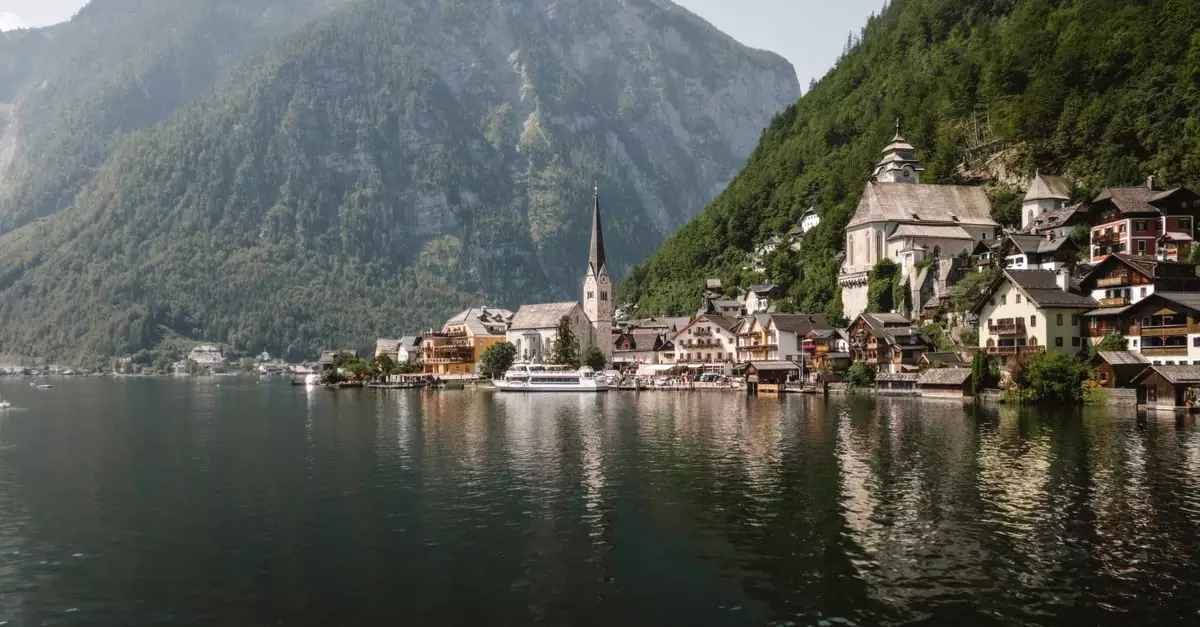
While the allure of Europe’s iconic coastlines is undeniable, many travelers overlook equally stunning yet less crowded Mediterranean gems. These destinations provide authentic experiences, breathtaking scenery, and a slower pace of life, proving that some of the best hidden destinations in Europe lie along its sun-drenched shores.
The Enchanting Villages of the Peloponnese Peninsula, Greece
The Peloponnese Peninsula in Greece offers a rich tapestry of history, culture, and remarkably uncrowded coastal villages. Forget the bustling crowds of Santorini; here, you can wander through charming seaside towns like Kardamyli or Stoupa in the Mani region, where stone houses cling to rugged hillsides overlooking the turquoise Ionian Sea. The region boasts dramatic gorges, ancient Mycenaean sites like Mycenae and Epidaurus, and secluded beaches accessible only by foot or boat.
Getting to the Peloponnese is straightforward, with Kalamata International Airport (KLX) serving as a convenient gateway. Renting a car is highly recommended for exploring the peninsula’s winding roads and discovering its hidden coves. The shoulder seasons, April to June and September to October, offer pleasant weather, fewer tourists, and more affordable accommodation options. Expect a relaxed atmosphere, delicious local cuisine featuring olive oil and fresh seafood, and genuine hospitality.
Exploring the Azores, Portugal: Volcanic Wonders and Lush Greenery
Far from the mainland, the Azores archipelago in the mid-Atlantic presents a dramatic landscape of volcanic craters, emerald-green pastures, and vibrant marine life. This autonomous region of Portugal feels like a world apart, offering hiking trails through ancient forests, whale watching excursions, and the chance to soak in natural thermal pools. São Miguel, the largest island, features the iconic Sete Cidades caldera lakes and the geothermal activity of Furnas Valley.
Travel to the Azores is typically via flights to Ponta Delgada (PDL) on São Miguel. Inter-island flights or ferries connect the nine islands, though many visitors focus on one or two islands for a single trip. The Azores are a year-round destination, but summer (June to August) offers the warmest weather for swimming and outdoor activities, while spring and autumn provide a more tranquil experience with fewer crowds. Budget-wise, the Azores are generally more affordable than mainland Portugal, especially for accommodation and dining.
Discovering the Dalmatian Coast’s Hidden Islands: Mljet and Vis, Croatia
While Dubrovnik and Split draw massive crowds, Croatia’s Dalmatian Coast hides islands that retain their authentic charm. Mljet, known for its national park encompassing two saltwater lakes, offers a tranquil escape with cycling paths and kayaking opportunities. Vis, the furthest inhabited island from the mainland, was a military base until 1989, preserving its natural beauty and traditional way of life. Its crystal-clear waters are perfect for diving, and its vineyards produce unique local wines.
Accessing these islands usually involves ferries from Split or Dubrovnik. Mljet is best reached by ferry to Sobra or Polače, while Vis has regular ferry connections. Consider visiting in late spring (May-June) or early autumn (September) to avoid peak summer heat and crowds while still enjoying warm seas and sunny days. Accommodation on these islands ranges from private apartments to small guesthouses, offering a more intimate experience than larger tourist hubs.
| Destination | Best Time to Visit | Primary Access Point | Estimated Budget (per day, mid-range) | Vibe |
|---|---|---|---|---|
| Peloponnese Peninsula, Greece | April-June, Sept-Oct | Kalamata (KLX), Athens (ATH) | €80-€120 | Historic, Relaxed |
| Azores, Portugal | May-September | Ponta Delgada (PDL) | €90-€130 | Natural, Adventurous |
| Mljet & Vis, Croatia | May-June, Sept-Oct | Split (SPU), Dubrovnik (DBV) | €100-€150 | Serene, Coastal, Authentic |
Eastern Europe’s Untouched Treasures: History and Nature Combined
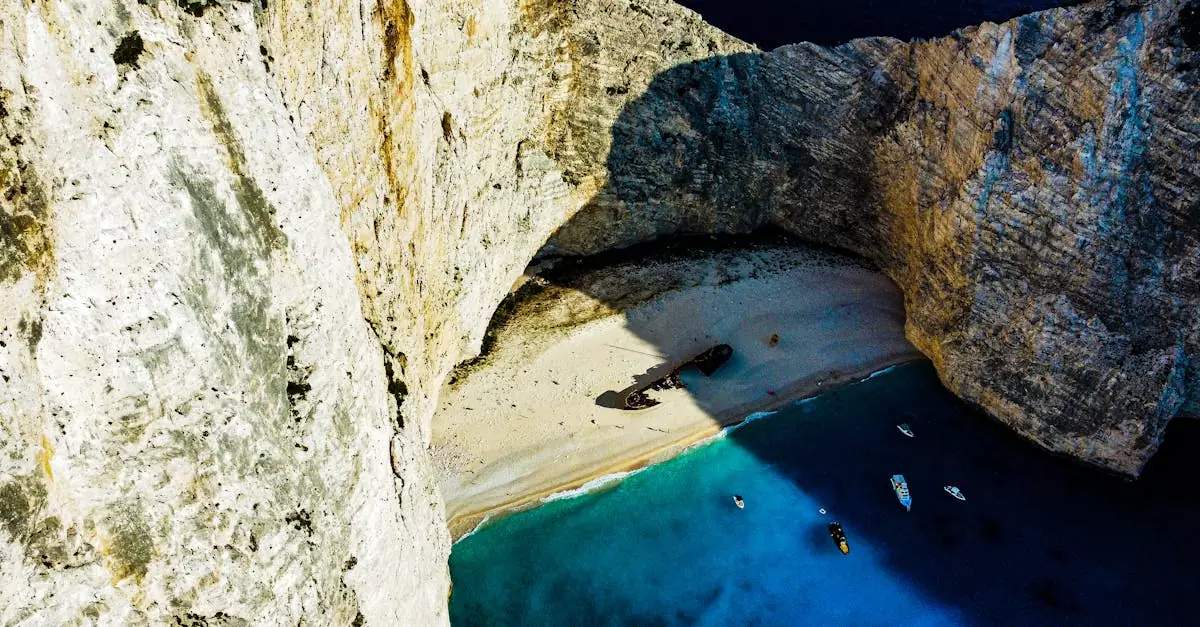
Eastern Europe offers a wealth of less-traveled destinations where rich history intertwines with breathtaking natural landscapes. These regions provide an authentic travel experience away from the crowds, perfect for those seeking genuine cultural immersion and stunning scenery.
Wandering Through Transylvania’s Medieval Fortresses, Romania
Transylvania, Romania, beckons with its dramatic Carpathian mountain setting and a legacy of medieval towns and fortified churches. Beyond the popular Dracula lore, the region boasts well-preserved citadels and a unique Saxon heritage.
Consider visiting in late spring or early autumn for pleasant weather while exploring. The fortified churches of Transylvania, such as Biertan and Viscri, offer a glimpse into centuries of history and resilient architecture. These UNESCO World Heritage sites are often surrounded by rolling hills and pastoral landscapes.
Getting around Transylvania is best achieved by car, allowing for flexibility in visiting scattered historical sites. Public transport connects major towns, but a rental vehicle makes reaching smaller villages and fortresses more convenient.
- Key Sites: Bran Castle, Corvin Castle, Sighisoara Citadel, Biertan Fortified Church.
- Best Time to Visit: May-June, September-October.
- Transportation: Rental car recommended; trains connect major cities.
- Accommodation: Guesthouses in traditional villages, hotels in larger towns like Brasov and Sibiu.
Exploring the Slovenian Alps: Lake Bohinj and the Julian Alps
While Lake Bled often steals the spotlight, its larger, wilder neighbor, Lake Bohinj, offers a more serene Alpine experience. Nestled within Triglav National Park, Bohinj serves as the gateway to the Julian Alps, a paradise for hikers and nature lovers.
The Julian Alps provide a stunning backdrop of jagged peaks, emerald lakes, and pristine valleys. Activities abound, from kayaking on Lake Bohinj to challenging treks along marked trails. The Savica Waterfall is a must-see natural wonder, cascading down a sheer rock face.
This region is accessible by public transport, with regular bus services connecting Ljubljana to Bohinj. For those wishing to venture deeper into the mountains, a car can offer more freedom.
- Activities: Hiking, cycling, swimming, kayaking, paragliding.
- Access: Bus from Ljubljana to Bohinj; rental car for exploring the national park.
- Seasons: Summer offers ideal hiking conditions; winter brings opportunities for skiing.
- Local Tip: Purchase a Triglav National Park visitor pass for access to certain areas and activities.
Discovering the Carpathian Mountains of Ukraine: Rural Charm and Hiking
Ukraine’s Carpathian Mountains present an unspoiled natural landscape characterized by dense forests, alpine meadows, and traditional Hutsul culture. This mountainous region remains one of Europe’s more affordable and less-visited mountain ranges, offering authentic rural experiences.
The area is ideal for trekking, with trails leading to panoramic viewpoints and through charming villages where traditional crafts are still practiced. Mount Hoverla, Ukraine’s highest peak, is a popular destination for hikers. The region’s remoteness contributes to its preserved natural beauty and slower pace of life.
Reaching the Ukrainian Carpathians typically involves traveling to cities like Lviv or Ivano-Frankivsk, then using local buses or marshrutkas (minibuses) to access smaller towns and villages. Hiring a local guide can enhance the hiking experience and provide cultural insights.
- Highlights: Yaremche, Bukovel ski resort (in winter), rural villages, Carpathian National Nature Park.
- Budget: Generally more affordable than Western European mountain destinations.
- Traveler Insight: Learning a few basic Ukrainian phrases can greatly enhance interactions with locals.
- Connectivity: Wi-Fi can be spotty in remote areas, so downloading offline maps is advisable.
Central Europe’s Quiet Corners: Castles, Canals, and Culture
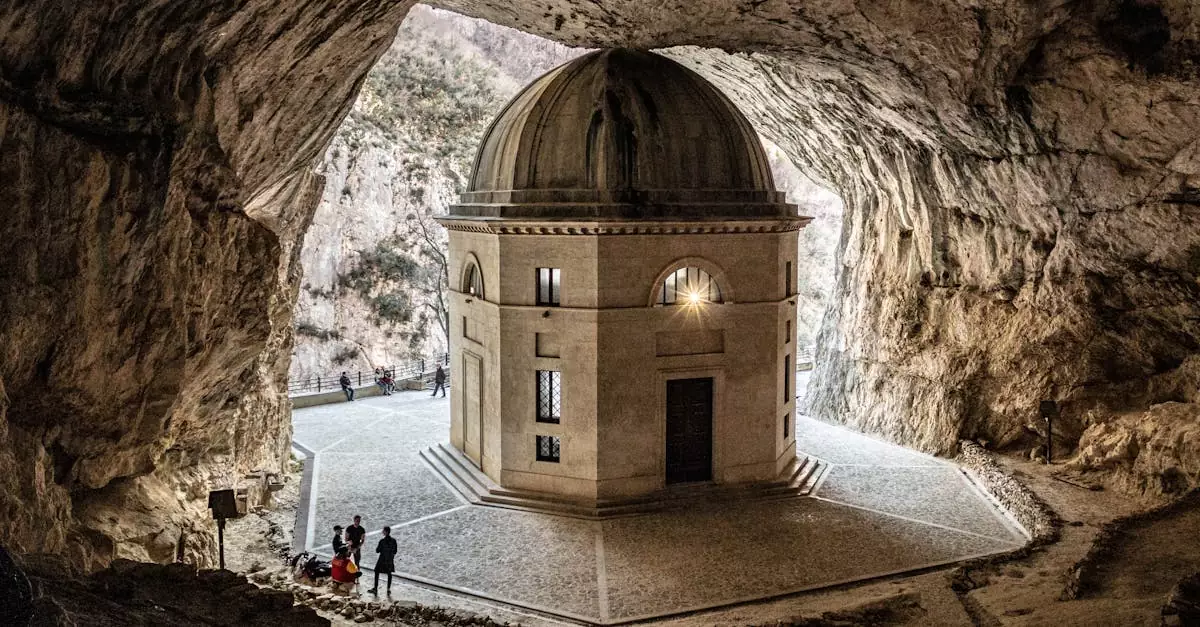
Central Europe offers a wealth of charming destinations that often fly under the radar, providing a more authentic and less crowded experience than its more famous counterparts. These regions boast medieval architecture, picturesque landscapes, and rich cultural traditions, making them ideal for travelers seeking the best hidden destinations in Europe.
The Fairytale Towns of Alsace, France: Colmar and Eguisheim
The Alsace region in northeastern France feels lifted from the pages of a storybook, with its half-timbered houses, flower-draped balconies, and winding cobblestone streets. Colmar, often called “Little Venice,” is particularly enchanting, with its canals and vibrant facades. A short drive away, Eguisheim, recognized as one of France’s most beautiful villages, offers a circular layout and a well-preserved medieval character.
These towns are best visited in spring or fall to avoid summer crowds and enjoy pleasant weather. Getting around is easy; the regional train network connects major towns, and renting a car offers flexibility for village hopping. Accommodation ranges from charming boutique hotels to cozy guesthouses. Be prepared for a culinary treat, as Alsace is known for its hearty cuisine and renowned white wines like Riesling and Gewürztraminer.
Exploring the Bavarian Alps’ Lesser-Known Villages, Germany
While many flock to Munich or Neuschwanstein Castle, the smaller villages scattered throughout the Bavarian Alps offer a more serene encounter with alpine beauty. Towns like Garmisch-Partenkirchen provide access to stunning mountain hikes and winter sports, but exploring hamlets like Mittenwald, famous for its violin-making heritage, or Oberammergau, known for its Passion Play and painted houses, reveals a different side of Bavaria.
The best time to visit depends on your interests: summer for hiking and outdoor activities, and winter for skiing. Public transport within Bavaria is efficient, with regional trains and buses connecting most areas. For maximum freedom to reach remote trails and viewpoints, a rental car is recommended. Budget travelers can find affordable guesthouses (Gasthäuser), while those seeking more comfort have access to upscale hotels. Safety is generally high, but always be aware of mountain conditions if venturing into the Alps.
Uncovering the Charm of Český Krumlov, Czech Republic: A Bohemian Gem
Český Krumlov, a UNESCO World Heritage site in South Bohemia, is a remarkably preserved medieval town dominated by its sprawling castle complex. The Vltava River curves around the historic center, creating a dramatic and picturesque setting. Despite its growing popularity, Český Krumlov retains an undeniable charm, especially outside peak hours.
This Bohemian gem is easily accessible by bus from Prague, with several companies offering direct routes that take around 3 hours. While it can be visited as a day trip, staying overnight allows you to experience the town’s magic after the day-trippers depart. Accommodation options are plentiful, from budget hostels to boutique hotels within historic buildings. Spring and early autumn offer a pleasant climate and fewer visitors, making it an excellent choice for experiencing one of Europe’s most beautiful hidden towns.
Planning Your Journey to Europe’s Best Hidden Destinations: FAQs
What is the best time to visit these hidden European destinations?
The ideal time to visit Europe’s best hidden destinations often depends on the region and your tolerance for crowds. Generally, the shoulder seasons of spring (April to June) and autumn (September to October) offer a sweet spot. You’ll find pleasant weather, fewer tourists, and often lower prices than during peak summer months.
- Spring: Wildflowers bloom, and temperatures are mild, perfect for exploring charming villages and coastal areas.
- Summer (July to August): While popular, this is the best time for beach destinations and mountain hiking, though expect more visitors.
- Autumn: Fall foliage provides stunning backdrops, and harvest festivals add a local flavor.
- Winter (November to March): This is ideal for cozy city breaks, Christmas markets, and snow sports, but some attractions may have limited hours.
How can I travel between these lesser-known spots efficiently?
Navigating between off-the-beaten-path European locations requires a bit of planning. A combination of trains, regional buses, and sometimes car rentals offers the most flexibility.
| Transportation Mode | Pros | Cons | Best For |
|---|---|---|---|
| Trains | Scenic, comfortable, city-center access | Can be expensive, less frequent in rural areas | Inter-city travel, connecting major towns to smaller hubs |
| Regional Buses | Affordable, reach remote villages | Slower, less comfortable, limited schedules | Traveling short distances between small towns, budget-conscious travelers |
| Car Rental | Ultimate flexibility, access anywhere | Parking challenges, tolls, fuel costs | Exploring remote landscapes, areas with poor public transport |
| Ferries | Unique coastal/island access | Weather dependent, slower than flights | Island hopping, accessing coastal regions |
Consider purchasing rail passes if you plan extensive train travel across multiple countries. For very remote areas, renting a car for a few days might be necessary to fully experience the hidden gems.
What are some common traveler mistakes to avoid in off-the-beaten-path Europe?
When venturing beyond the typical tourist trails, a few common missteps can be avoided. Over-scheduling is frequent; allow ample time for spontaneous discoveries and relaxation. Relying solely on online information can also be a pitfall, as smaller destinations may have less digital presence.
- Don’t assume English is widely spoken: While common in tourist hubs, knowing a few basic phrases in the local language can greatly enhance interactions.
- Underestimating travel times: Distances might appear short on a map, but rural roads and less frequent transport can significantly extend journey times.
- Ignoring local customs: Researching basic etiquette will help you navigate cultural nuances respectfully.
- Not booking accommodations in advance: Even in less popular areas, unique guesthouses or boutique hotels can fill up, especially during local festivals.
What kind of budget should I expect for exploring these hidden gems?
Budgeting for Europe’s best hidden destinations can be more economical than visiting major capitals, but costs vary widely. Generally, you can expect to spend less on accommodation, dining, and activities in smaller towns and rural areas.
A rough daily budget could range from €70 to €150 per person. This estimate includes mid-range accommodation, modest dining, local transportation, and entry fees.
- Accommodation: Expect €50-€100 per night for comfortable guesthouses or budget hotels.
- Food: Dining at local tavernas or markets can cost €20-€40 per day.
- Activities & Transport: Budget €20-€40 for entrance fees, local buses, or train tickets.
Countries in Eastern and Southern Europe tend to be more affordable than those in Western or Northern Europe. For example, exploring the Balkans or parts of Portugal will generally be less expensive than venturing into the French Alps or the Norwegian fjords.