Europe is a continent rich with iconic cities, but for travelers seeking a more intimate cultural experience, exploring beyond the popular paths reveals charming towns that offer deep dives into history, art, and local life. These destinations often provide a more authentic atmosphere, fewer crowds, and a chance to connect with the local rhythm. Discovering the best hidden cultural towns in Europe means uncovering places where stories are etched into cobblestone streets and traditions remain vibrant.
This guide will introduce you to five of Europe’s most enchanting lesser-known cultural hubs, complete with insider tips on unique attractions, immersive experiences, and the best times to visit. Prepare to be captivated by the charm and authenticity waiting in these remarkable European gems.
Unveiling Europe’s Best Kept Cultural Secrets
Why Seek Out Lesser-Known Cultural Hubs in Europe?
While iconic cities like Paris and Rome offer undeniable cultural treasures, Europe’s true magic often lies just beyond the well-trodden paths. Smaller towns allow for a more authentic connection with local traditions, history, and daily life. These destinations provide an opportunity to escape the crowds, discover unique artistic expressions, and embrace a slower pace of travel. The best hidden cultural towns in Europe offer experiences that can be harder to grasp amidst the hustle of major metropolises.
Defining ‘Hidden’ Cultural Towns for Authentic Experiences
A ‘hidden’ cultural town isn’t necessarily remote; rather, it’s a place that retains its character and offers genuine cultural immersion without being overwhelmed by mass tourism. These towns feature local artisans who continue their crafts, festivals celebrating age-old customs, and historical narratives woven into everyday life. Authenticity here means engaging with living culture, not just observing a curated version. Think of places that have resisted homogenization, maintaining their unique architectural styles, culinary traditions, and community spirit.
The Allure of Small-Town Charm vs. Big City Culture
The appeal of small-town European culture lies in its intimacy and accessibility. Unlike sprawling capitals, these towns are often easily navigable on foot, allowing for serendipitous discoveries around every corner. You can strike up conversations with locals in village squares, linger in family-run trattorias, or spend an afternoon admiring craftsmanship in small studios. This contrasts with the grand scale of big city culture, which often involves navigating large museums, attending major performances, and dealing with larger crowds. While both offer valuable experiences, the quiet charm of a lesser-known town provides a different, often more profound, connection to the continent’s diverse heritage.
Top Picks for Undiscovered European Cultural Towns
Ghent, Belgium: Medieval Canals and Artistic Vibes
Often overshadowed by Bruges, Ghent offers vibrant energy alongside stunning medieval architecture. Canals weave through the city, reflecting historic guildhalls and the imposing Gravensteen castle. This Belgian gem is a haven for art lovers, boasting impressive museums and a thriving street art scene. Ghent feels like a living, breathing university town with a palpable artistic pulse.
Getting to Ghent is straightforward. It’s easily accessible by train from Brussels, making it a convenient day trip or a longer stay. Accommodation options range from boutique hotels in historic buildings to modern apartments. The city is remarkably walkable, but its efficient tram system is also useful for covering longer distances.
- Getting there: Direct train connections from Brussels Airport (BRU) and Brussels-Midi.
- Best time to visit: Spring and summer offer pleasant weather for canal tours and outdoor cafes. The Ghent Festivities in July are a major cultural event.
- Budget: Mid-range. Comparable to other major Belgian cities.
Cesky Krumlov, Czech Republic: A Fairytale Bohemian Gem
Nestled in a bend of the Vltava River, Cesky Krumlov transports visitors to another era. Its UNESCO World Heritage-listed Old Town is a masterpiece of Renaissance and Baroque architecture, dominated by a magnificent castle complex rivaling Prague’s. Wandering its winding cobblestone lanes feels like stepping into a storybook, with colorful buildings and picturesque viewpoints around every corner.
While it can attract day-trippers, staying overnight allows for a more peaceful experience, especially in the early mornings and evenings. The town is small and best explored on foot. Transportation from Prague is readily available via bus or private shuttle.
- Getting there: Buses are the most common and affordable way from Prague.
- Best time to visit: Shoulder seasons (April-May, September-October) offer fewer crowds and pleasant weather. Winter can be magical with Christmas markets.
- Budget: Budget-friendly, particularly for food and drink compared to Western European counterparts.
Colmar, France: Alsace’s Storybook Streets and Gastronomy
Colmar is the quintessential Alsatian town, a visual feast of half-timbered houses in vibrant hues, canals known as “Little Venice,” and flower-laden window boxes. Its charm lies in its well-preserved architecture and rich culinary heritage, a delightful blend of French and German influences. The town serves as an excellent base for exploring the Alsace Wine Route.
Colmar is compact and highly walkable. It’s easily reached by train from Strasbourg or Basel, Switzerland. The picturesque setting makes it a popular spot, so visiting outside peak summer months can enhance the experience.
- Getting there: Train access from major regional cities like Strasbourg.
- Best time to visit: Spring for blooming flowers, autumn for wine harvest festivals, and winter for its famous Christmas markets.
- Budget: Mid-range, with costs influenced by the popularity of its wine region.
Sintra, Portugal: Romantic Palaces and Mystical Landscapes
Just a short train ride from Lisbon, Sintra feels like a world away. This enchanting town is famous for its 19th-century Romanticist architecture, set amidst lush, mist-shrouded hills. Pena Palace, a colorful castle perched on a peak, is its most iconic landmark, but Quinta da Regaleira with its mysterious initiation wells and the Moorish Castle also captivate visitors.
Sintra’s hilly terrain means a good level of fitness is beneficial, or you can utilize local buses and tuk-tuks to navigate between the palaces. It’s a popular destination, so arriving early or staying overnight is recommended to fully appreciate its magic without the peak crowds.
- Getting there: Frequent trains from Lisbon’s Rossio station.
- Best time to visit: Spring and autumn offer the best weather for palace visits. Be prepared for fog, which adds to the mystical atmosphere.
- Budget: Mid-range to higher, depending on palace entrance fees and dining choices.
Immersive Cultural Experiences in These European Gems
Beyond bustling capitals lie Europe’s best hidden cultural towns, offering an intimate glimpse into local life and traditions. These destinations provide authentic experiences, from artisan crafts to vibrant festivals, allowing travelers to connect deeply with European heritage.
Exploring Local Artisan Workshops in Ghent
Ghent offers a rich tapestry of history and a thriving artisan scene, far removed from the tourist crowds of nearby Bruges. Wander through the Patershol district, a medieval labyrinth where independent craftspeople still ply their trades. Here, you can find everything from handmade leather goods and bespoke jewelry to intricate ceramics. Many workshops welcome visitors, providing a chance to see artisans at work and perhaps even purchase a unique souvenir directly from the maker.
Consider visiting during the Gentse Feesten in July, a massive cultural festival that transforms the city into an open-air stage for music, theatre, and street art, alongside its permanent artisan offerings. For those interested in a deeper dive, look for workshops offering short classes, such as pottery or lace-making, for hands-on cultural immersion.
Attending Traditional Folk Festivals in Český Krumlov
Český Krumlov, a UNESCO World Heritage site, transports visitors back in time with its remarkably preserved medieval architecture. While its fairytale beauty draws many, experiencing one of its traditional folk festivals offers unique cultural insight. The Five-Petalled Rose Celebrations, held annually in June, are a highlight. During this event, the town revives its Renaissance past with costumed parades, historical markets, jousting tournaments, and medieval music performances.
Attending these festivals provides an unparalleled opportunity to witness living history and engage with Czech traditions. Beyond the major festivals, smaller local events throughout the year often feature traditional music and dance. Planning your visit around these dates can significantly enhance your cultural understanding of this picturesque Bohemian town.
Culinary Journeys Through Alsace’s Vineyards near Colmar
The Alsace region, with Colmar as its jewel, presents a delightful fusion of French and German influences, especially in its distinctive cuisine and wine culture. This area is famous for its Route des Vins d’Alsace, a scenic wine route winding through charming villages. Travelers can embark on culinary journeys, visiting family-run wineries (known as caves) for tastings of local varietals like Riesling and Gewürztraminer.
Many wineries offer tours that delve into the winemaking process, often accompanied by explanations of the region’s agricultural heritage. Pairing these wines with Alsatian specialties, such as tarte flambée or choucroute garnie, creates a truly immersive gastronomic experience. Visiting during the autumn harvest season (September to October) offers a vibrant atmosphere and the freshest produce.
Discovering Fado Music in Sintra’s Evening Ambiance
While Sintra is renowned for its romantic palaces and mystical landscapes, its evenings offer a different kind of enchantment: the soulful melodies of Fado music. Though not strictly a “hidden” town, experiencing Fado in intimate, local settings away from the main tourist hubs provides a profound cultural connection. Seek out small tascas or Fado houses in the older parts of town, where local musicians perform traditional Portuguese songs.
These performances are often deeply emotional, reflecting themes of longing, fate, and saudade. Arriving early is advisable, as seating is often limited, and the atmosphere is best appreciated in a more intimate setting. Many of these venues also serve traditional Portuguese petiscos (small plates), allowing you to savor local flavors while listening to the melancholic strains of Fado.
When is the Ideal Time to Visit Europe’s Hidden Cultural Towns?
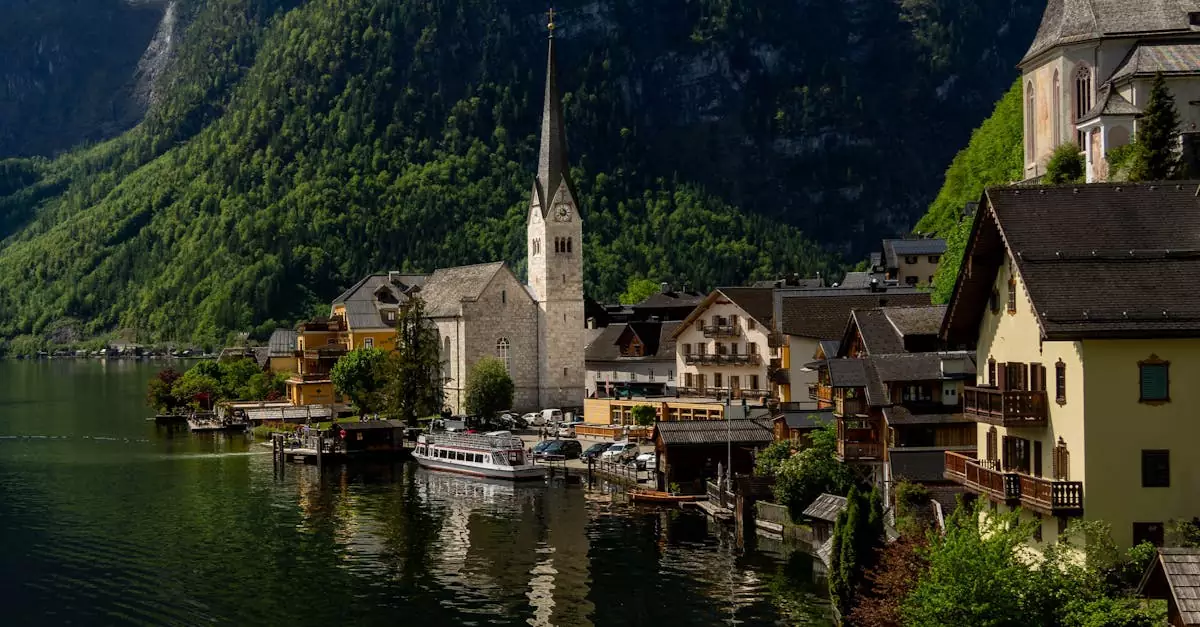
Choosing the right season can significantly enhance your experience in Europe’s lesser-known cultural gems. Each period offers a unique atmosphere, distinct events, and varying crowd levels, impacting everything from accommodation prices to the overall pace of local life. Understanding these seasonal nuances will help you plan a trip that aligns with your travel style and priorities.
Spring Blooms and Shoulder Season Savings (April-May)
Spring offers a delightful balance for exploring Europe’s hidden cultural towns. As the weather warms, landscapes burst into bloom, creating picturesque backdrops for historic architecture. This period falls within the shoulder season, meaning you’ll often find more affordable flights and accommodation compared to peak summer months.
Crowds are generally smaller, allowing for a more intimate experience with local culture and fewer queues at popular attractions. Many towns also begin their cultural programming in spring, with local festivals and outdoor markets starting to emerge. The weather is typically mild, perfect for walking tours and enjoying outdoor cafes without the intense heat of summer.
Summer Festivals and Peak Season Crowds (June-August)
Summer is synonymous with vibrant energy across Europe. Many hidden cultural towns come alive with music festivals, open-air concerts, and traditional celebrations. This is the time for long daylight hours, ideal for maximizing sightseeing and enjoying the lively atmosphere.
However, summer also brings the largest crowds and the highest prices for travel and lodging. Popular destinations can feel quite busy, making it crucial to book accommodations and any desired tours well in advance. The weather is generally warm to hot, so pack accordingly and stay hydrated, especially if you plan on extensive walking.
Autumn Colors and Cozy Retreats (September-October)
As summer crowds dissipate, autumn emerges as a fantastic time to discover Europe’s best hidden cultural towns. The changing leaves paint the scenery in rich hues of red, orange, and gold, adding special charm to historic villages and surrounding countryside. This season often brings crisp, pleasant weather, perfect for comfortable exploration.
Prices for travel and accommodation typically decrease after the summer rush, making it a more budget-friendly option. Autumn is also a time for harvest festivals in many regions, offering a taste of local produce and traditions. The atmosphere becomes more relaxed and cozy, ideal for savoring local cuisine and enjoying a slower pace of travel.
Winter Charm and Festive Markets (November-December)
Winter transforms many of Europe’s cultural towns into magical, festive destinations. From late November through December, Christmas markets pop up in town squares, offering unique handcrafted gifts, seasonal treats, and a warm, convivial atmosphere. The cooler weather encourages cozy evenings by the fire and an opportunity to experience local life more intimately.
While daylight hours are shorter and some outdoor activities might be limited, the festive spirit is unparalleled. Accommodation can be more affordable, outside of major holiday weeks. For travelers seeking a truly enchanting experience, the quiet beauty of winter, combined with the sparkle of holiday decorations, makes this a compelling season to visit.
| Season | Best For | Pros | Cons |
|---|---|---|---|
| Spring (Apr-May) | Mild weather, fewer crowds, blooming scenery | Affordable travel, pleasant temperatures, blooming landscapes | Some attractions may have limited hours, unpredictable rain showers |
| Summer (Jun-Aug) | Festivals, long daylight, vibrant atmosphere | Maximum daylight, lively events, warm weather | Peak crowds, highest prices, can be very hot |
| Autumn (Sep-Oct) | Fall colors, harvest events, comfortable temps | Beautiful scenery, fewer tourists, harvest festivals, lower prices | Shorter days, potential for cooler weather, some seasonal closures |
| Winter (Nov-Dec) | Christmas markets, cozy atmosphere, fewer crowds | Festive markets, unique charm, lower prices, intimate experience | Short daylight, cold weather, potential for travel disruptions |
Navigating Between and Within These Cultural Havens
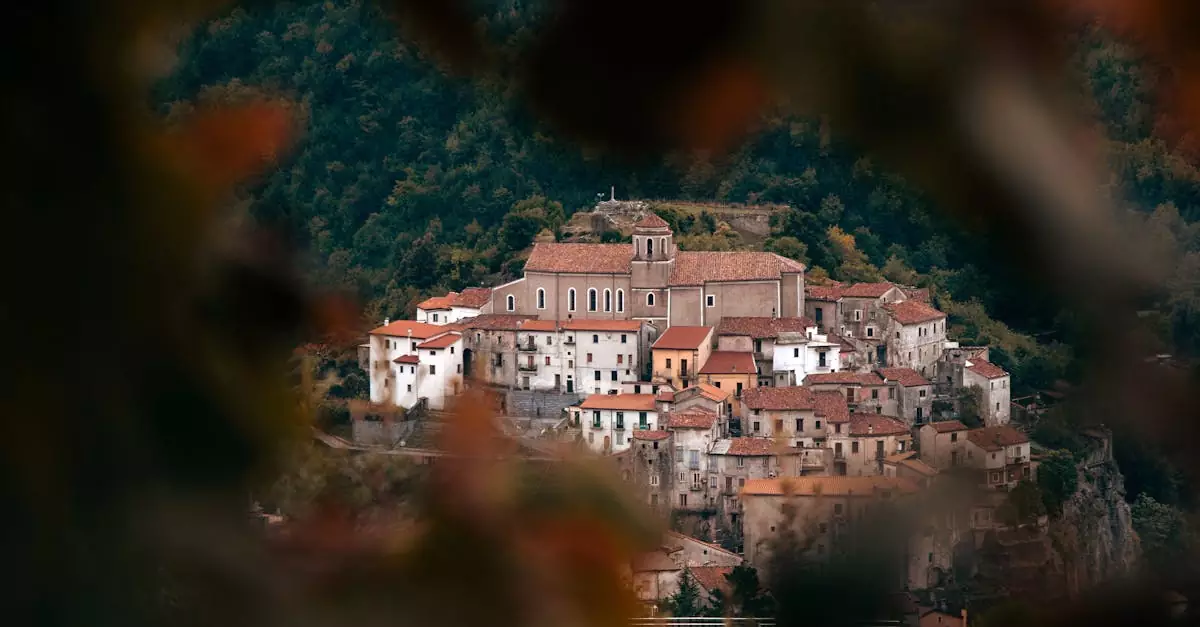
Connecting Europe’s charming cultural towns is an adventure in itself, offering diverse ways to experience the continent’s rich tapestry. Planning your transit wisely can significantly enhance your journey, whether you’re hopping between cities or navigating local streets.
Efficient Train Travel for Exploring Multiple Towns
For travelers aiming to visit several hidden cultural towns, the continent’s extensive rail network is invaluable. High-speed trains connect major hubs efficiently, while regional lines offer scenic routes into smaller locales. Booking tickets in advance, especially for popular routes or during peak season, often secures better prices and ensures availability. Consider a rail pass if you plan extensive travel across multiple countries, as it can offer flexibility and cost savings. Understanding the nuances of different national rail operators, such as Deutsche Bahn in Germany or SNCF in France, will help you navigate schedules and fares effectively.
Local Transportation Options: Buses, Trams, and Walking
Once you arrive in a town, local transportation becomes key to immersing yourself in its atmosphere. Many of these hidden gems are highly walkable, allowing for spontaneous discoveries down cobblestone alleys and along riverbanks. For longer distances within cities or towns, local buses and trams are typically reliable and affordable. Purchasing day passes or multi-trip tickets can be economical if you plan on using public transport frequently. Inquire at tourist information centers for the best local transit options and any integrated ticketing systems.
Renting a Car for Scenic Road Trips Between Towns
While trains are excellent for city-to-city travel, renting a car provides unparalleled freedom for exploring the countryside and reaching more remote cultural villages. This option is particularly appealing for itineraries that involve traversing scenic landscapes or visiting multiple smaller towns not directly served by rail. Be aware of varying driving laws, parking regulations, and potential tolls in different European countries. Familiarize yourself with local road signs and consider investing in a GPS device or using a reliable navigation app.
Getting to Ghent from Brussels: A Quick Guide
Reaching the picturesque Belgian city of Ghent from Brussels is straightforward and convenient. The most common and recommended method is by train. Direct trains depart frequently from Brussels’ major stations, including Brussels-Midi/Zuid, Brussels-Central, and Brussels-Schuman, arriving at Ghent-Sint-Pieters station. The journey typically takes between 30 to 50 minutes, depending on the specific train service. Tickets can be purchased at the station or online through SNCB International. Once at Ghent-Sint-Pieters, local trams and buses are readily available to take you into the city center, or you can opt for a pleasant walk if time allows.
Frequently Asked Questions About Europe’s Hidden Cultural Towns
What are the main differences between visiting a hidden town and a major city?
Visiting smaller, less-trafficked cultural towns in Europe offers a distinctly different experience from exploring bustling metropolises. While major cities boast world-renowned museums and grand landmarks, hidden towns often provide a more intimate connection to local life and history. You’ll find fewer crowds, allowing for more personal interactions with residents and artisans. The pace is generally slower, encouraging deeper immersion in the regional culture and heritage.
Are these towns generally more affordable for travelers?
Yes, these towns are often more budget-friendly than their larger counterparts. Accommodation, dining, and even some attraction entry fees tend to be lower. This makes them an excellent option for travelers seeking extended stays or looking to stretch their travel budget further. You can often find charming guesthouses or family-run inns at prices significantly below those in major European capitals.
What kind of accommodation can I expect in these smaller cultural centers?
Expect a charming and authentic range of lodging. Instead of large international hotel chains, you’ll discover a wealth of boutique hotels, historic inns, and cozy bed and breakfasts. Many are housed in beautifully preserved historic buildings, offering a unique sense of place. For a truly immersive experience, consider renting an apartment or a room in a local’s home through platforms specializing in unique stays.
How can I best support local businesses and culture when visiting?
Actively seek out and patronize local businesses. This includes dining at family-owned restaurants, shopping in independent boutiques for artisan crafts, and visiting local markets. Engaging with local guides for tours can also provide valuable insights and direct economic support. Showing respect for local customs and traditions, such as learning a few basic phrases of the local language, goes a long way in fostering positive interactions and demonstrating genuine appreciation for the culture.