Italy’s cured ham, prosciutto, is a culinary masterpiece celebrated worldwide for its delicate flavor and melt-in-your-mouth texture. Beyond its delicious reputation, understanding prosciutto involves appreciating a rich history, meticulous craftsmanship, and regional diversity. This guide explores Italy’s most iconic cured meat, highlighting renowned varieties like Prosciutto di Parma and San Daniele. You’ll learn about the traditional curing process that transforms simple pork into an exquisite delicacy, how to identify quality, and the best ways to savor this Italian treasure. Prepare for a flavorful journey that will enhance your appreciation for every thinly sliced piece.
What is Prosciutto? Understanding Italy’s Iconic Cured Ham

Prosciutto, the celebrated Italian cured ham, is a culinary cornerstone enjoyed worldwide. More than just a delicacy, it embodies centuries of tradition and regional pride. Understanding what makes this cured meat special involves appreciating its origins, meticulous production methods, and the distinct qualities that differentiate various types. This guide delves into the essence of prosciutto, offering insights for travelers and food enthusiasts alike.
Defining Prosciutto di Parma vs. Prosciutto San Daniele
While “prosciutto” simply means ham in Italian, two specific types stand out for their Protected Designation of Origin (PDO) status and exceptional quality: Prosciutto di Parma and Prosciutto San Daniele. Both are crafted from the hind leg of a specific breed of Italian pig, raised on a diet of grains and whey. However, their production regions and curing methods impart unique characteristics.
Prosciutto di Parma, from the Parma region in Emilia-Romagna, is known for its delicate sweetness and balanced flavor. Typically cured for a minimum of 12 months, it results in a tender texture and a rosy pink hue. The climate in Parma, with its dry, breezy air, is crucial for the natural curing process.
Prosciutto San Daniele, from the Friuli-Venezia Giulia region in northeastern Italy, offers a slightly more robust, nutty flavor with a hint of sweetness. Its curing process, lasting at least 13 months, is influenced by the unique microclimate created by the Adriatic Sea and the Carnic Alps. A distinctive feature of San Daniele is its “trotter” or hoof, which remains attached during curing, believed to contribute to its unique texture and moisture retention.
The Traditional Curing Process: From Pig to Plate
The journey of prosciutto from pig to plate is a testament to time-honored craftsmanship. The process begins with selecting high-quality pork, primarily from the Italian Landrace, Large White, and Duroc breeds. Once the pigs reach a specific weight, their hind legs are carefully trimmed and salted. This salting draws out moisture and begins the preservation process.
After salting, the hams undergo a resting period, followed by washing and hanging in specialized curing rooms. These rooms allow for natural air circulation, essential for slow drying and aging. Specific humidity and temperature are carefully monitored, often relying on the region’s natural microclimate. Over many months, the ham transforms, developing complex flavors and characteristic texture. Expert tasters, known as esperti, use a horse bone needle to pierce the meat and sniff for any signs of spoilage—a practice refined over centuries.
Key Characteristics: Texture, Flavor, and Aroma
Prosciutto’s appeal lies in its sophisticated sensory profile. The texture is remarkably tender, almost melting in the mouth when sliced thinly. It should not be tough or stringy. The flavor balances savory, salty, and sweet notes, with a subtle umami depth. High-quality prosciutto should enhance the natural sweetness of the pork rather than be overwhelmingly salty.
The aroma is equally inviting, often described as nutty, floral, and slightly fruity, with a clean, cured meat scent. Colors range from pale pink to deeper ruby red, depending on aging and specific cuts. A well-cured prosciutto often features streaks of white fat, contributing to its rich flavor and melt-in-your-mouth texture. When enjoying prosciutto in Italy, consider pairing it with local wines and cheeses for an authentic experience. Many trattorias and salumerias offer tasting platters that showcase the regional diversity of cured meats.
Exploring the Birthplaces of Prosciutto: Emilia-Romagna and Friuli-Venezia Giulia
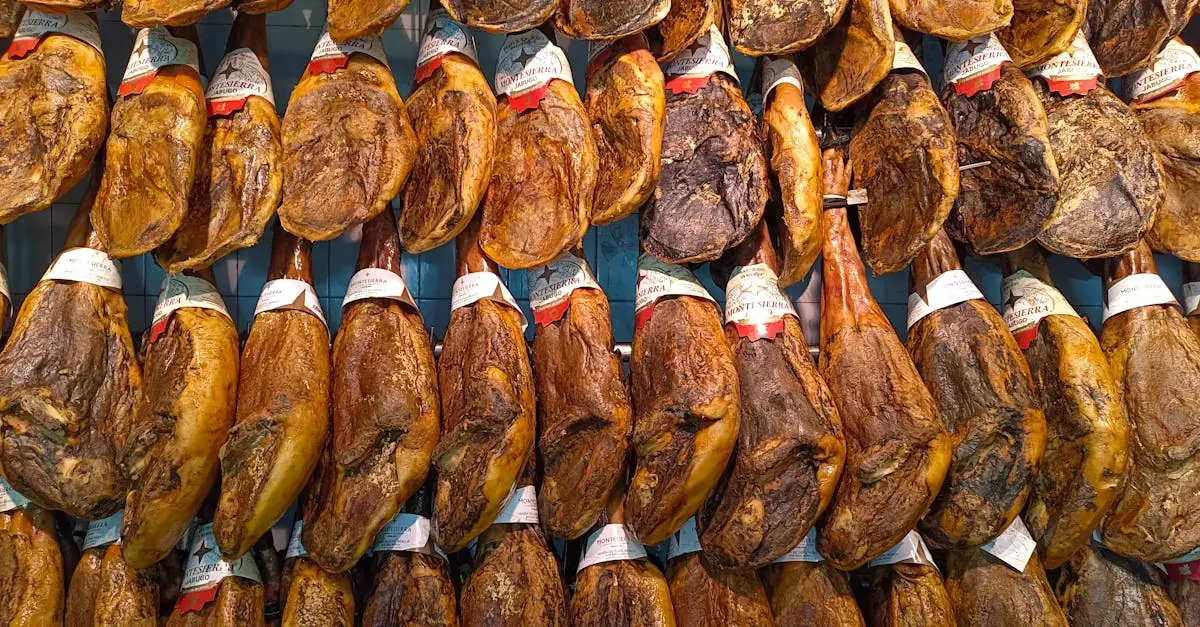
Italy’s celebrated prosciutto is not monolithic; its distinct character is tied to the specific regions where it’s produced, each with its traditions, climate, and geography. Two regions stand out as the spiritual homes of Italy’s finest prosciutto: Emilia-Romagna and Friuli-Venezia Giulia. Understanding these origins is key to appreciating what makes each type unique.
Visiting a Prosciutto di Parma Producer in Langhirano
Langhirano, nestled in the rolling hills south of Parma, is widely regarded as the capital of Prosciutto di Parma. A visit here offers a tangible connection to centuries of tradition, as many producers welcome visitors for tours that provide an in-depth look at the entire curing process.
You’ll witness the meticulous selection of pork, salting stages, and the crucial resting period in cool, dark cellars. The air in these aging rooms is thick with the distinct aroma of curing meat, both earthy and inviting. Understanding aging times, which can range from 12 to over 36 months, helps explain varying flavor depths. For those planning a trip, booking tours in advance is highly recommended, especially during peak tourist seasons. Many tours conclude with a tasting, allowing you to savor the authentic taste of Prosciutto di Parma directly from the source.
Discovering Prosciutto San Daniele in the Friulian Hills
In northeastern Friuli-Venezia Giulia, San Daniele del Friuli is the exclusive home of Prosciutto San Daniele. This ham boasts a different character, often described as more robust and aromatic, with a distinct sweetness influenced by the nearby Adriatic coast. The unique microclimate of San Daniele, shaped by the cold Carnic Alps and warm Mediterranean air, is crucial to its distinctive taste.
Producers in this area are fiercely protective of their heritage. Visiting a prosciuttificio here offers a glimpse into a slightly different yet equally passionate approach to ham curing. The picturesque landscape of the Friulian hills, dotted with vineyards and charming villages, enhances the experience. Like Parma, booking tours ahead of time is advisable. Tasting Prosciutto San Daniele, perhaps paired with local Friulian wines, is a highlight for any food enthusiast visiting the region.
The Unique Terroir: How Geography Shapes Prosciutto Flavor
The concept of terroir, often associated with wine, plays a significant role in prosciutto production. It encompasses the environmental factors that influence the final product. In Emilia-Romagna, fertile plains and specific air currents contribute to the mild, sweet profile of Prosciutto di Parma. The region’s agricultural richness provides high-quality feed for the pigs, enhancing the meat’s quality.
Conversely, the hilly terrain and specific wind patterns in San Daniele create a unique curing environment. The salty air from the Adriatic, carried inland by specific breezes, contributes to the ham’s characteristic aroma and complex flavor. This geographical specificity is why true Prosciutto di Parma and Prosciutto San Daniele can only be produced within their designated zones, protected by strict Denominazione di Origine Protetta (DOP) regulations. These regulations ensure that the traditions and quality associated with these renowned Italian delicacies are maintained.
How to Enjoy Prosciutto: Culinary Pairings and Serving Suggestions

Understanding prosciutto is just the first step; truly appreciating this Italian delicacy involves knowing how to serve and pair it. Prosciutto’s delicate, salty-sweet flavor profile makes it incredibly versatile, capable of elevating simple dishes or standing as a star ingredient. The way it’s presented significantly impacts the tasting experience, from texture to aroma.
Perfect Pairings: Cheese, Fruits, and Bread
When considering prosciutto, think of its natural companions. Its rich, savory notes balance with various ingredients.
- Cheeses: Creamy, mild cheeses like fresh mozzarella or burrata offer a cooling contrast. Aged cheeses such as Parmigiano-Reggiano or Pecorino Romano provide a sharper, saltier counterpoint that beautifully complements prosciutto. A good quality ricotta can also be a delightful pairing.
- Fruits: The sweetness of fresh fruit cuts through the saltiness of the ham. Ripe figs are a classic match, harmonizing with prosciutto. Melon, particularly cantaloupe or honeydew, is another quintessential pairing, providing juicy freshness. Green apples or pears add a crisp, slightly tart element.
- Bread: Simple, high-quality bread serves as an excellent vehicle. Crusty Italian bread, focaccia, or even grissini (breadsticks) provide satisfying crunch. For a more substantial bite, consider serving prosciutto alongside ciabatta.
Incorporating Prosciutto into Italian Dishes
Beyond simple platters, prosciutto adds depth and luxury to many Italian recipes. Its cured nature means it can be used both cooked and uncooked, offering different textural and flavor outcomes.
- Pasta Dishes: A few thin slices draped over creamy risotto or simple pasta with butter and sage can transform the dish. For richer flavor, finely diced prosciutto can be sautéed to release its fat, flavoring the sauce.
- Pizzas and Flatbreads: Prosciutto is a popular topping for pizzas, often added in the last few minutes of baking or after to retain its delicate texture. It pairs well with ingredients like arugula, figs, and balsamic glaze.
- Appetizers: Wrapped around grissini or asparagus spears, prosciutto creates elegant appetizers. It’s also a key component in dishes like Involtini, where thin slices are rolled around fillings such as cheese or vegetables.
The Art of Thinly Slicing Prosciutto for Optimal Taste
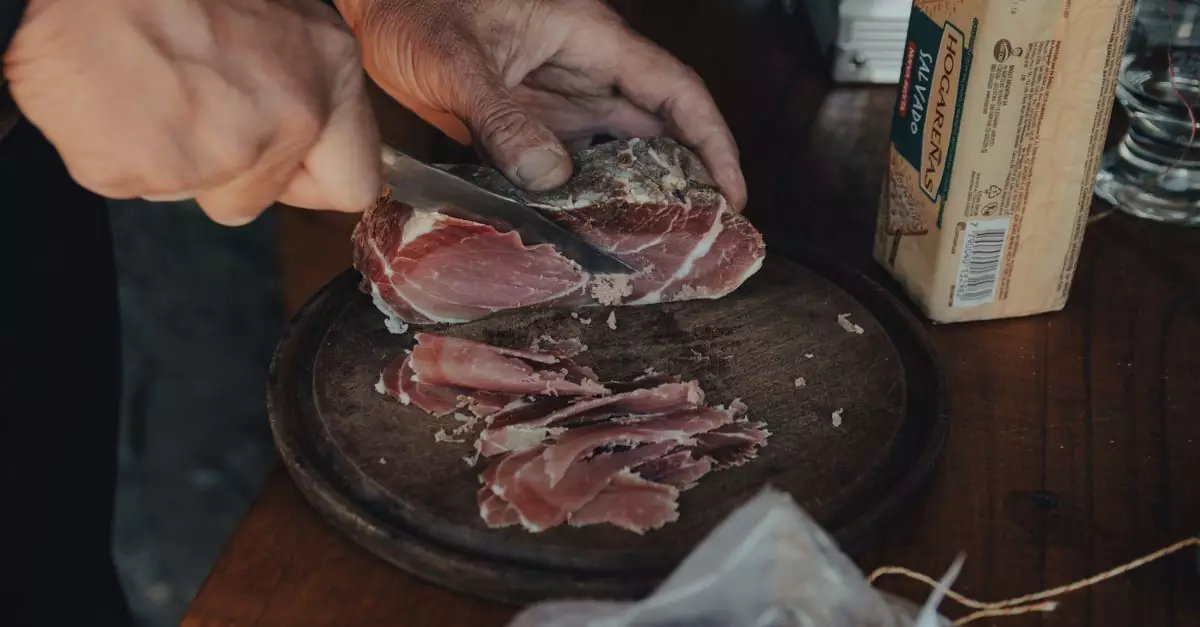
The thickness of prosciutto slices is crucial to its enjoyment. For the best experience, prosciutto should be sliced as thinly as possible, almost to the point of transparency. This technique, often achieved with a specialized slicer, allows the cured ham to melt in the mouth, releasing its complex flavors and delicate texture.
When buying prosciutto, you can request it to be sliced at the deli counter. If slicing at home, a sharp knife and steady hand are essential. Aim for delicate slices that drape easily over other foods or can be enjoyed on their own. Overly thick slices can be chewy and overpower other flavors, while paper-thin slices offer a more nuanced and luxurious experience. This attention to detail elevates prosciutto from a simple cured meat to a culinary art form.
Beyond the Classics: Discovering Regional Italian Cured Meats
While prosciutto crudo is a national treasure, Italy’s cured meat tradition extends far beyond this familiar delicacy. Each region boasts unique salumi, shaped by local geography, climate, and culinary evolution. Understanding these regional variations enriches any exploration of Italian food culture, offering a deeper appreciation for the diverse artistry of Italian charcuterie.
Culatello: The King of Prosciutto
Often hailed as the “king of prosciutto,” culatello di Zibello is a highly prized cured meat from the Emilia-Romagna region, specifically the province of Parma. Unlike prosciutto, which uses the entire hind leg, culatello employs only the lean, tender muscle from the upper thigh. This smaller cut, combined with specific aging conditions in the cool, humid cellars of the Po River valley, results in a delicate, intensely flavored product.
Culatello’s production is strictly regulated and deeply tied to the local environment. The fog and humidity of the Po Valley are crucial for its unique aging process, making it difficult to replicate elsewhere. When sliced, expect a deep ruby-red color and a sweet, complex aroma with notes of fruit and leather. It’s typically served in thin slices, often with a drizzle of aged balsamic vinegar or alongside Parmigiano-Reggiano cheese.
Speck Alto Adige: A Smoked Italian Ham
Venturing north to the South Tyrol region, you’ll encounter speck Alto Adige, a distinctively cured ham that bridges Italian and Austrian culinary influences. This ham is cured with salt and a blend of spices, then lightly smoked over conifer wood, imparting a unique aromatic profile and a firmer texture than traditional prosciutto. The smoking process differentiates it, adding subtle smokiness that complements the savory pork.
Speck Alto Adige is produced in the mountainous terrain of Alto Adige, where cool, dry air is ideal for curing. Its flavor is robust yet balanced, with pleasant saltiness and a hint of sweetness from smoking. It’s a versatile ingredient, perfect for antipasti platters, enhancing pasta dishes, or wrapped around bread for a hearty snack. The region, a fascinating blend of Italian and Germanic cultures, is worth a visit for its stunning alpine scenery and unique cuisine. Consider visiting during autumn harvest festivals for an immersive experience.
Coppa and Bresaola: Other Italian Cured Delicacies
Beyond prosciutto and speck, Italy offers a rich tapestry of other cured meats worth seeking out. Coppa, or capocollo in some regions, is made from the pork shoulder or neck. Typically dry-cured with salt and spices, often including red wine and black pepper, it ages for several months. The result is a marbled, tender cut with a rich, slightly spicy flavor, its texture softer than many cured meats.
Bresaola, on the other hand, is an air-dried, salted beef product from the Valtellina valley in Lombardy. Lean cuts of beef are seasoned and aged for one to three months. Bresaola is known for its deep red color, lean texture, and mild, slightly gamey flavor. It’s often served thinly sliced, dressed with olive oil, lemon juice, and shaved Parmesan cheese, or as part of a salad. Both coppa and bresaola showcase the breadth of Italian salumi traditions, providing delightful contrasts to the more widely known prosciutto.
Navigating Italy’s Delicatessens: Finding the Best Prosciutto

When you’re in Italy, the quest for authentic prosciutto is a culinary adventure. Stepping into a local salumeria (delicatessen) offers a sensory immersion, with the rich aroma of cured meats filling the air. Unlike pre-packaged options found in supermarkets, the prosciutto at a traditional shop is often cut fresh, allowing you to appreciate its nuanced flavors and textures. This guide will help you navigate these treasure troves and find the finest Italian cured ham.
Tips for Choosing Authentic Prosciutto
Selecting the best prosciutto involves engaging your senses and understanding key indicators. Look for a deep, rosy-red color in the lean meat, interspersed with streaks of white fat. The fat should appear firm and slightly translucent, not oily or greasy. When sliced, the prosciutto should have a glossy sheen. The aroma is also crucial; it should be sweet and slightly nutty, never ammoniated or overly pungent.
A good salumiere will often offer you a taste. Pay attention to the texture—it should be tender and melt in your mouth, not tough or dry. The flavor should be complex, balancing salty, sweet, and savory notes with a pleasant, lingering finish. Don’t hesitate to ask for recommendations; experienced shopkeepers are usually passionate about their products and can guide you to a prosciutto that suits your palate. For those venturing beyond Italy, understanding these qualities will help you identify high-quality prosciutto elsewhere in Europe.
Understanding Prosciutto Labels and Certifications
Italy takes its cured meats seriously, reflected in its labeling system. The most prized prosciutto is Prosciutto di Parma DOP (Denominazione di Origine Protetta) and Prosciutto di San Daniele DOP. DOP status signifies that the product is produced, processed, and prepared in a specific geographical area using traditional methods, ensuring authenticity and quality.
- Prosciutto di Parma DOP: Hailing from the Parma region, it is known for its specific microclimate that aids in the curing process. Characterized by its slightly sweet, delicate flavor and a minimum aging period of 12 months, it often bears a five-pointed crown stamped on the rind as a mark of authenticity.
- Prosciutto di San Daniele DOP: Originating from San Daniele in Friuli-Venezia Giulia, this prosciutto has a more intense, nutty flavor and distinct aroma. Its unique curing process involves a longer aging period and specific methods that yield a ham that is leaner and more aromatic. The distinctive pig’s foot shape is often visible on the rind.
Other regional specialties exist, like Prosciutto Toscano DOP (Tuscan prosciutto), often seasoned with pepper for a bolder flavor. While DOP is the gold standard, many excellent salumi are produced without this certification. For travelers seeking the most iconic Italian experience, looking for these labels is a reliable starting point.
Avoiding Tourist Traps: Where Locals Buy Prosciutto
To truly experience authentic prosciutto, venture away from main tourist thoroughfares. Look for smaller, neighborhood salumerie bustling with locals, especially during lunchtime or early evening. These shops often focus on quality ingredients rather than volume.
In larger cities like Rome or Florence, ask your hotel concierge or a friendly local for their favorite salumeria. They’ll likely direct you to a place where the owner knows customers by name and takes pride in their selection. These establishments are less likely to inflate prices for tourists and more likely to offer genuine, expertly sliced prosciutto.
Consider visiting local markets, such as the Mercato Centrale in Florence or Campo de’ Fiori in Rome. While some stalls cater to tourists, many are run by traditional vendors who have sold their wares for generations. These markets are excellent places to sample regional specialties and interact directly with producers or their representatives. For a comprehensive culinary journey, plan your visit around a local food festival or market day to enhance your prosciutto discovery.
Frequently Asked Questions About Prosciutto
Is prosciutto the same as ham?
While often translated as “ham,” prosciutto is a specific type of Italian cured ham. The key difference lies in preparation: prosciutto is typically salt-cured and air-dried, a process that can take months or even years, resulting in a delicate, sweet, and slightly salty flavor. Standard ham is usually brined and cooked. This distinction is crucial for understanding the nuanced tastes and textures of Italian cured meats.
What is the difference between Prosciutto Crudo and Cotto?
Prosciutto is broadly divided into two categories: crudo (raw) and cotto (cooked). Prosciutto Crudo is the most recognized form, made from pork leg that is dry-cured with salt and aged significantly, developing its rich flavor and tender texture. Prosciutto Cotto is essentially cooked ham, often seasoned and then baked or steamed, resulting in a milder, softer product commonly used in sandwiches. The curing process for crudo is what gives it its unique profile.
How long does prosciutto last once opened?
Once opened, the shelf life of prosciutto depends on storage. If kept tightly wrapped in plastic wrap or parchment paper and refrigerated, it can last about 2 to 3 weeks. For optimal freshness and flavor, it’s best to consume it within this timeframe. Some sources suggest it can last up to a month, but quality may degrade. Always check for signs of spoilage, such as an off smell or slimy texture.
Can you eat the rind of prosciutto?
The rind of prosciutto is generally not eaten. It’s a tough outer layer that protects the meat during the curing process. However, it can be used. Many cooks save the prosciutto rind to add deep, savory flavor to stocks, soups, and sauces. Simmering the rind in liquid for an extended period can infuse broths with a rich umami taste, similar to how Parmesan rinds are used. After flavoring, the rind is typically discarded.