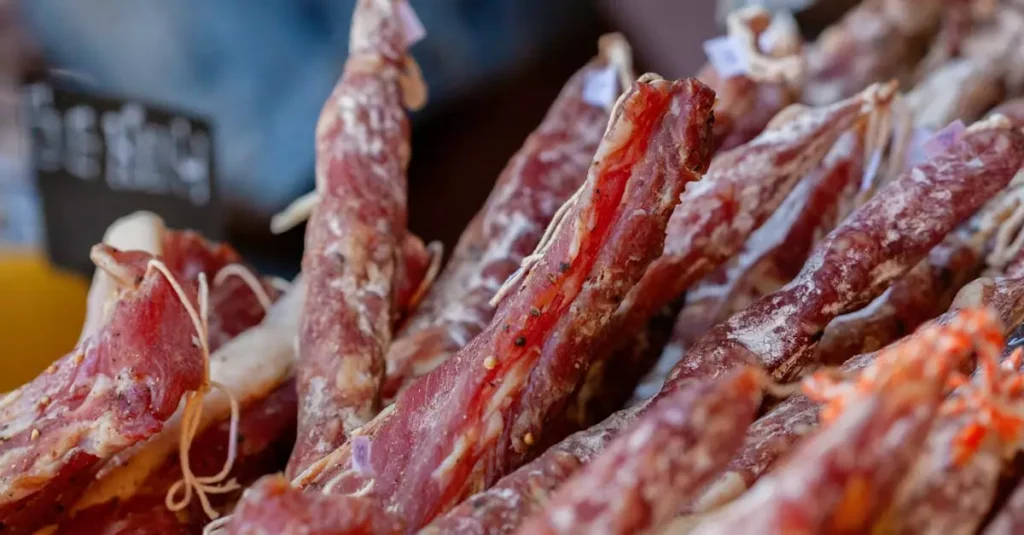
Europe’s culinary landscape is a treasure trove for charcuterie enthusiasts, with each region showcasing unique traditions and delectable cured meats. From the acorn-fed richness of Spanish jamón to the delicate sweetness of Italian prosciutto and the spicy allure of Calabrian ‘nduja, exploring these flavors promises a delightful journey through history and culture. If you’re planning a trip centered on exceptional food, knowing where to find the best European cured meats is crucial. This guide will navigate you through the top regions and iconic specialties, highlighting what makes each distinct. You’ll learn not only what to taste but also how to appreciate these artisanal products like a local, from understanding the curing process to finding perfect pairings. Get ready to embark on a flavorful adventure that will tantalize your taste buds and deepen your appreciation for European gastronomy.
Top 5 European Regions for Unforgettable Cured Meats
Europe’s rich culinary tapestry is woven with time-honored charcuterie traditions. From the Iberian Peninsula to the Italian Alps, certain regions have perfected the art of curing meats, offering distinct flavors and textures that delight any enthusiast. Planning a trip around these cured meat destinations provides a delicious lens through which to experience local culture and landscapes.
Jamón Ibérico and Serrano from Spain’s Dehesa
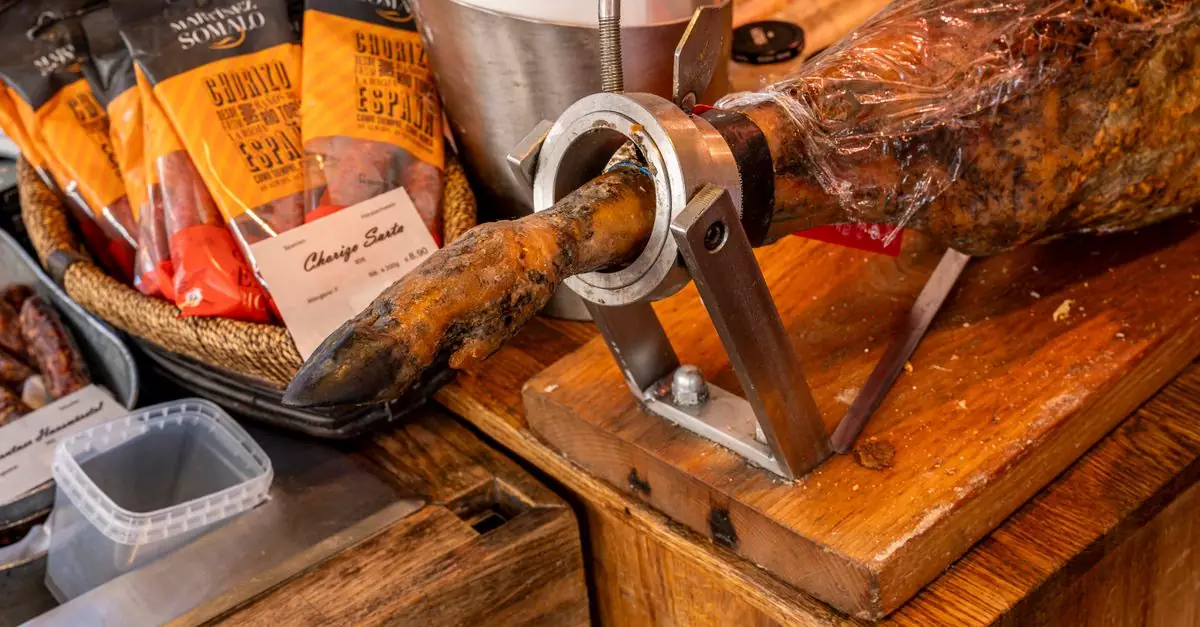
Spain is synonymous with exceptional cured ham, and the Dehesa region, encompassing parts of Andalusia, Extremadura, and Castile and León, is its spiritual home. Here, black-footed Iberian pigs (cerdos ibéricos) roam freely, feeding on acorns, which imparts a nutty, rich flavor to the prized Jamón Ibérico. The two main categories are Jamón Ibérico de Bellota, from pigs exclusively fed acorns, and Jamón Ibérico de Cebo, from pigs fed a mix of acorns and feed.
Alongside Ibérico, you’ll find Jamón Serrano, made from white pigs and offering a leaner, saltier profile. A visit to a secadero (drying house) provides a fascinating glimpse into the meticulous curing process, which can last from 18 months to over four years. Many fincas (farms) offer tours and tastings, allowing visitors to savor these iconic Spanish delicacies directly. The best time to visit is often during the autumn harvest season, when the landscape is vibrant and the air is crisp.
Prosciutto di Parma and San Daniele from Italy’s Emilia-Romagna
Italy’s Emilia-Romagna region is a pilgrimage site for cured meat aficionados, particularly for its world-renowned prosciutto. Prosciutto di Parma, with its delicate sweetness and melt-in-your-mouth texture, is produced under strict D.O.P. (Denominazione di Origine Protetta) regulations, requiring specific breeds of pigs, diets, and a minimum 12-month aging period. The distinctive crown symbol branded onto each leg signifies authenticity.
Nearby, the town of San Daniele del Friuli in the Friuli-Venezia Giulia region produces Prosciutto di San Daniele, characterized by its slightly sweeter, more aromatic flavor profile and distinctive violin shape. The unique microclimate, influenced by the Adriatic Sea and the Carnic Alps, enhances its special curing properties. Many producers in both regions welcome visitors for guided tours and tastings, often paired with local wines and cheeses. Exploring these producers is a highlight for anyone seeking the best European cured meats.
Coppa and Nduja from Calabria, Italy’s Spicy Heart
Southern Italy, particularly the rugged region of Calabria, offers a fiery contrast to the sweet hams of the north. This is the land of Nduja, a spreadable, intensely spicy pork sausage made from fatty pork cuts and Calabrian chili peppers. Its unique texture and fiery kick make it a versatile ingredient, often spread on bread or stirred into pasta sauces.
Another Calabrian specialty is Coppa, a dry-cured pork shoulder or neck, seasoned with various spices. While coppa is made across Italy, the Calabrian versions often incorporate local chili peppers, adding a subtle warmth. Visiting local markets in towns like Tropea or Reggio Calabria allows you to sample these robust flavors and meet the artisans who craft them. The warm climate of Calabria is ideal for the curing process, and tasting these specialties immerses you in the region’s bold culinary identity.
Saucisson Sec and Rosette de Lyon from France’s Auvergne
France’s charcuterie heritage is vast, and the Auvergne region is a stronghold for robust, air-dried sausages. Saucisson Sec generally refers to dry-cured sausage, but in Auvergne, it often denotes high-quality, naturally fermented salamis made from pork and seasoned with pepper, garlic, and sometimes wine. These sausages are typically firm, with a complex, savory flavor.
The iconic Rosette de Lyon, though named after Lyon, is also prominent in Auvergne’s charcuterie offerings. This large, cylindrical sausage, encased in a natural casing and often tied with string, is characterized by its coarsely ground meat and distinctively speckled appearance. The curing process, often taking several months in cool, dry cellars, develops its characteristic flavor. Many rural markets and specialized charcuteries in towns like Clermont-Ferrand are excellent places to discover these French specialties.
Speck Alto Adige and Kaminwurzen from Italy’s South Tyrol
Nestled in the northern Italian Alps, South Tyrol (Alto Adige) boasts a unique charcuterie tradition influenced by both Italian and Austrian culinary practices. Speck Alto Adige is a cured, lightly smoked ham that embodies this fusion. Made from pork legs, it undergoes a “dry salting, smoking, and aging” process, resulting in a firm texture and a distinctive smoky, aromatic flavor that sets it apart from Italian prosciutto and Spanish jamón.
Kaminwurzen, meaning “fireplace sausages,” are small, smoked, and air-dried pork sausages, often seasoned with garlic and pepper. They are traditionally enjoyed as a hearty snack, perfect for the mountainous terrain. The alpine climate provides ideal conditions for the curing and smoking processes. Visiting the region during autumn or winter allows travelers to experience these hearty specialties alongside festive Christmas markets, often paired with local wines like Gewürztraminer or Schiava.
A Deep Dive into Iconic Cured Meats You Must Try
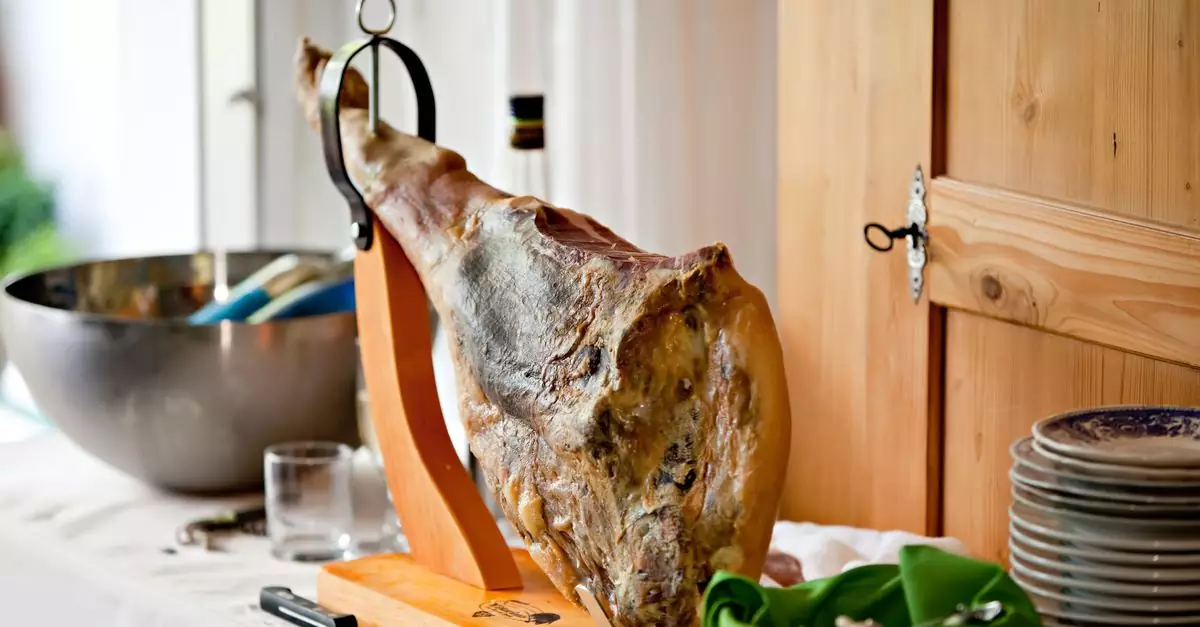
Charcuterie is more than just a plate of sliced meats; it’s a culinary tradition steeped in history and regional pride. For travelers seeking the authentic flavors of Europe, understanding the nuances of its best cured meats is essential. From the deeply marbled Ibérico to the subtly spiced French saucisson, each offers a unique taste of its origin.
Understanding the Magic of Jamón Ibérico: Bellota vs. Cebo
When discussing the pinnacle of cured meats, Jamón Ibérico from Spain inevitably takes center stage. This acorn-fed ham, particularly the Jamón Ibérico de Bellota, is a revelation. Pigs are raised in the dehesa, a unique ecosystem of oak forests, and allowed to forage freely. Bellota ham comes from pigs fed exclusively on acorns during their final fattening period, resulting in a rich, nutty flavor and a melt-in-your-mouth texture due to the natural marbling.
In contrast, Jamón Ibérico de Cebo comes from pigs that are fed a combination of acorns and commercial feed. While still a high-quality product, it lacks the intense depth of flavor and buttery richness of Bellota. For the ultimate experience, seek out Bellota, but Cebo offers excellent value and a delicious taste of Spanish charcuterie. A typical tasting portion might cost around €10-€20 depending on the establishment and specific cut.
The Delicate Art of Prosciutto di Parma: From Pig to Plate
Italy’s contribution to the world of cured meats is perhaps best exemplified by Prosciutto di Parma. This delicate, sweet ham hails exclusively from the Parma region, where specific breeds of pigs are raised on a diet that includes local grains and whey from Parmigiano-Reggiano cheese production. The curing process is strictly regulated, taking a minimum of 12 months and often up to 24 or even 36 months.
The resulting prosciutto is characterized by its rosy pink hue, delicate marbling, and subtle sweetness with hints of fruit and nuts. Unlike some drier cured meats, Prosciutto di Parma is exceptionally tender and moist. It’s often served thinly sliced on its own, with melon, or as a key ingredient in pasta dishes and antipasti. When traveling through Emilia-Romagna, visiting a prosciuttificio (producer) for a tasting can be a highlight, offering insights into the meticulous crafting process.
Exploring the Fiery Kick of Italian ‘Nduja
For those who crave a bit of heat, ‘Nduja is an Italian spreadable pork sausage that delivers. Hailing from the Calabria region, ‘Nduja is made from fatty pork cuts and a generous amount of Calabrian chili peppers, giving it its characteristic vibrant red color and spicy flavor. It’s often cured and aged, developing a rich, intense taste.
‘Nduja’s versatility is one of its greatest appeals. It can be spread on crusty bread, stirred into pasta sauces for a fiery kick, dolloped onto pizzas, or melted into scrambled eggs. Its soft, almost creamy texture when warmed makes it incredibly adaptable in the kitchen. When visiting Calabria, you’ll find ‘Nduja readily available in local markets and restaurants, offering a bold and unforgettable taste of the region.
French Saucisson Sec: A Staple of Bistros and Markets
France offers a vast array of cured sausages, but saucisson sec (dry sausage) stands out as a beloved charcuterie item. Made from pork, seasoned with garlic, pepper, and other spices, and then air-dried, it’s a staple found on cheese boards, in picnic baskets, and at local markets across the country. The flavor profile can vary significantly depending on the region and the specific blend of spices used.
Some saucissons are flavored with herbs, nuts, or even wine. They are typically firm and require slicing with a sharp knife. A good saucisson sec should have a satisfying chew and a complex, savory flavor. Pairing it with a crusty baguette, good cheese, and a glass of French wine creates a quintessential culinary experience. Look for artisanal producers at your local market for the best quality and most authentic flavors.
How to Taste and Appreciate European Cured Meats Like a Local
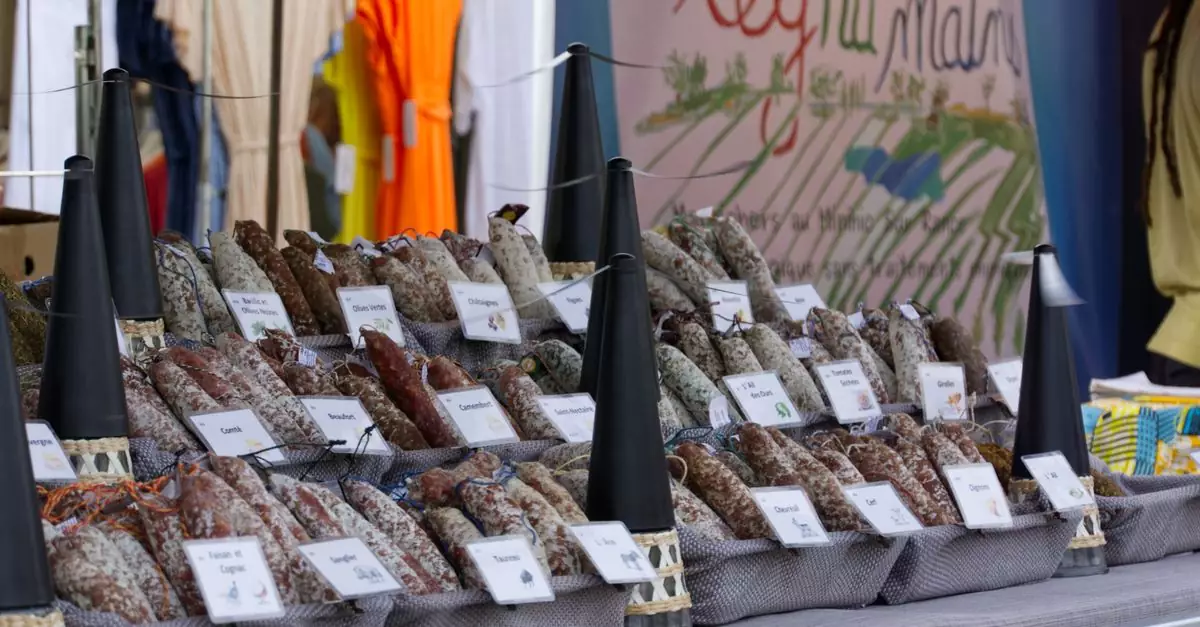
Understanding how to properly taste and enjoy European cured meats elevates the experience from simple snacking to a true appreciation of culinary art. The best European cured meats are crafted with generations of knowledge, and savoring them requires a similar mindful approach. This guide offers practical tips for enjoying charcuterie, whether you’re at a bustling market in Italy or a quiet bistro in France.
The Ideal Serving Temperature for Maximum Flavor
Serving cured meats at the right temperature is crucial for unlocking their complex aromas and textures. Cold temperatures can mute nuanced flavors and make fatty elements taste waxy. Aim to serve most cured meats slightly below room temperature, ideally between 18-21°C (64-70°F).
Take your charcuterie out of the refrigerator about 30-60 minutes before serving, depending on the thickness of the cuts and the ambient temperature of your dining space. This brief resting period allows the fats to soften, releasing their full flavor potential and creating a more pleasing mouthfeel. For very thinly sliced items like Prosciutto di Parma or Jamón Ibérico, even a shorter resting time might suffice.
Perfect Pairings: Cheeses, Breads, and Accompaniments
The art of the charcuterie board lies in thoughtful pairings that complement, rather than compete with, the cured meats. Consider a variety of textures and flavors to create a balanced spread.
For cheeses, aim for a mix. A firm, aged cheese like Gruyère or Manchego offers a nutty counterpoint to the savory meats. A creamy, soft cheese such as Brie or a fresh goat cheese provides a delightful contrast in texture. Olives, cornichons, and pickled onions add a welcome acidic bite that cuts through the richness of the charcuterie. A dollop of fig jam or quince paste offers a touch of sweetness that beautifully balances the saltiness of cured pork.
When selecting bread, think about its structure and flavor. Crusty baguettes or artisanal sourdough loaves provide a sturdy base for toppings and a satisfying chew. Grissini (Italian breadsticks) offer a delicate crunch. Avoid overly soft or heavily flavored breads that might overpower the star ingredients.
Wine and Drink Pairings for Different Cured Meat Styles
The beverage you choose can significantly enhance your enjoyment of European cured meats. The general rule is to match the intensity of the drink with the intensity of the meat.
For leaner, saltier cured meats like Salami or Speck, a crisp white wine such as a dry Riesling or a Sauvignon Blanc works well, as does a light-bodied red like a Beaujolais. The acidity in these wines cuts through the fat and cleanses the palate.
With richer, fattier meats like ‘Nduja or Pâté, a more robust red wine with higher tannins, such as a Chianti Classico or a Rioja, can stand up to the richness. For very intensely flavored cured meats, a dry sherry or even a craft beer with malty notes can be excellent choices.
Don’t overlook non-alcoholic options. Sparkling water with a squeeze of lemon or lime can be surprisingly effective at refreshing the palate between bites.
Navigating a Charcuterie Board: Etiquette and Enjoyment
Enjoying a charcuterie board is a social and sensory experience. While there’s no strict protocol, a few considerations can enhance the communal aspect.
When presented with a shared board, start with the items furthest from you or work your way around the board systematically. Use the provided serving utensils to take portions onto your own plate. This maintains hygiene and ensures everyone gets to sample the offerings.
Take your time to savor each element. Notice the aroma, the texture on your palate, and the lingering flavors. Consider how the different components on your plate interact. Combining a piece of cured meat with a sliver of cheese, a tiny pickle, and a bit of jam can create a unique flavor profile with each bite.
Sharing a charcuterie board is often about conversation and connection. It’s an opportunity to discuss preferences, discover new favorites, and enjoy good company. The best European cured meats are meant to be savored, and this shared experience is part of their charm.
Where to Experience the Best Cured Meats in Europe
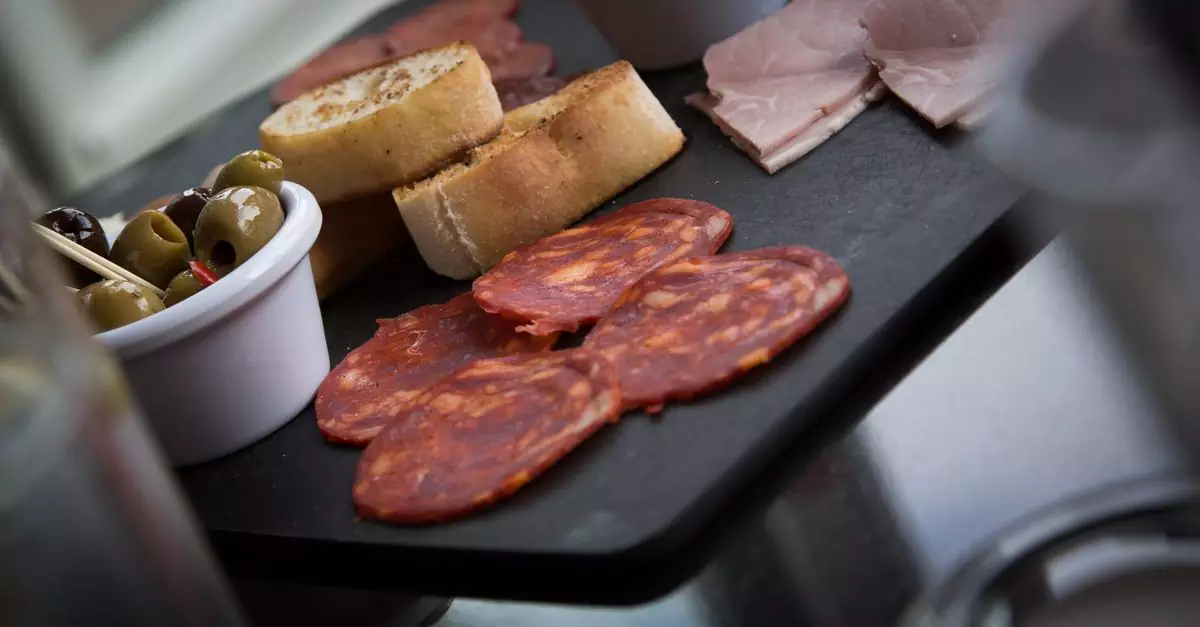
Europe is a continent steeped in charcuterie tradition, offering a diverse array of cured meats that reflect regional history and culinary artistry. From bustling markets in Spain to rustic farmhouses in Italy and Austria, experiencing these delicacies firsthand is a journey for any serious food lover. Knowing where to find the most authentic and high-quality selections will elevate your European travel.
Madrid’s Mercado de San Miguel: A Charcuterie Paradise
Madrid’s Mercado de San Miguel is more than just a market; it’s a vibrant culinary hub where the essence of Spanish gastronomy is on full display. For those seeking the best European cured meats, this historic iron-and-glass structure offers an unparalleled selection. You can wander through stalls piled high with jamón ibérico, chorizo, salchichón, and lomo, often sliced to order by knowledgeable vendors.
The experience here is as much about tasting as it is about atmosphere. Many stalls offer small tasting portions, allowing you to sample a variety of cured pork products before committing to a larger purchase or enjoying them with a glass of local wine or beer. The market’s central location makes it easily accessible, though it can become crowded, especially during peak tourist seasons. Arriving earlier in the day can provide a more relaxed browsing experience.
Bologna’s Quadrilatero: A Culinary Journey Through Italy’s Food Capital
Known as “Bologna La Grassa” (Bologna the Fat), this city is synonymous with Italian culinary excellence, and its Quadrilatero district is a testament to this reputation. This ancient market area, a labyrinth of narrow streets just off the Piazza Maggiore, is where you’ll find some of Italy’s finest cured meats, or salumi. Prosciutto di Parma, mortadella, and various regional salami are staples here.
Unlike a single market hall, the Quadrilatero is a collection of independent shops, delis, and trattorias. Each offers its own specialty, from aged culatello to spicy ‘nduja. Exploring these shops provides an intimate look at artisanal production. Many vendors are happy to explain the provenance and curing process of their products. Consider a food tour to navigate the Quadrilatero effectively and uncover hidden gems.
Parisian Markets: Discovering Artisanal Saucissons
While France is celebrated for its cheeses and wines, its charcuterie, particularly saucissons, deserves equal acclaim. Parisian markets, such as the Marché des Enfants Rouges or the stalls found in areas like the Marais, are excellent places to discover these artisanal sausages. You’ll find a wide range of saucissons secs, often seasoned with herbs, nuts, or regional spices.
The beauty of Parisian markets lies in their diversity and the quality of their produce. Vendors often specialize in specific types of charcuterie, offering insights into the craft. Look for saucissons made from duck, wild boar, or game, alongside traditional pork varieties. Pair your selections with a fresh baguette and a good French cheese for a quintessential Parisian picnic.
South Tyrol’s ‘Buschenschank’: Farm-to-Table Cured Meat Experiences
In the mountainous region of South Tyrol (Alto Adige) in northeastern Italy, a unique tradition known as the Buschenschank offers an authentic taste of local cured meats. These seasonal taverns, run by farmers, serve their own wine and homemade food, including an array of cured meats, speck (a distinctive cured ham), and sausages.
The Buschenschank experience is deeply rooted in the agricultural landscape. Visiting one means enjoying cured meats often made using recipes passed down through generations, using locally sourced ingredients. The setting is typically rustic and charming, often with stunning mountain views. These establishments are usually open for limited periods each year, so checking local calendars is essential for planning a visit. Transportation often involves driving, as many are located in rural areas.
Planning Your European Cured Meat Adventure: A Practical Guide
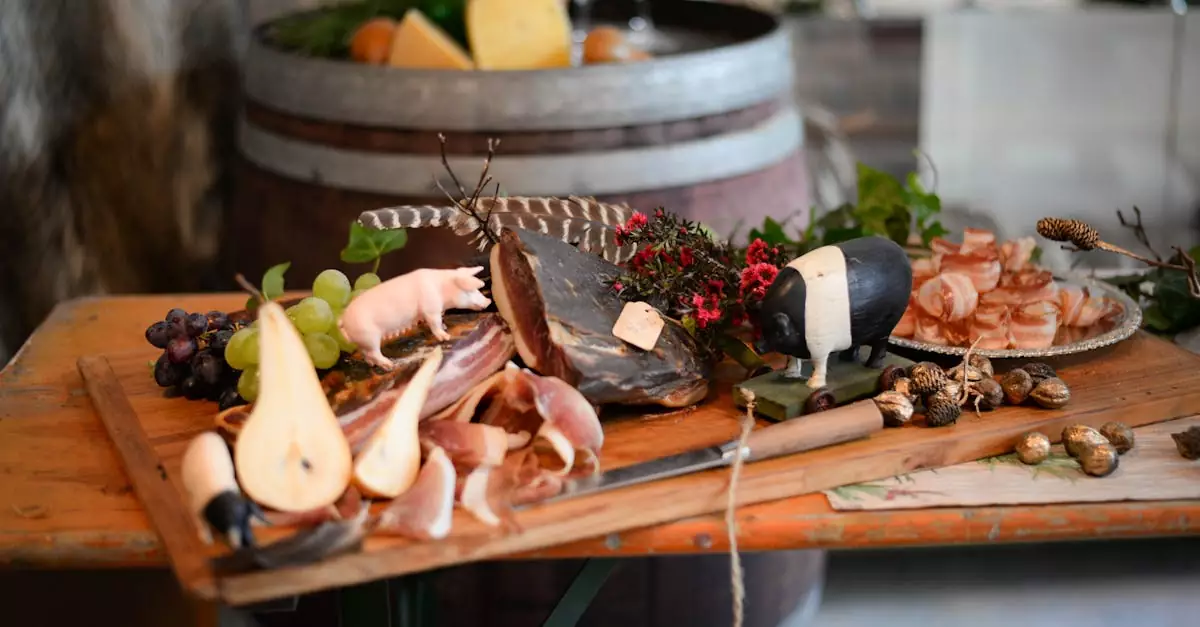
Embarking on a journey focused on the best European cured meats requires thoughtful planning. Understanding regional specialties, navigating local markets, and managing your budget will enhance your culinary exploration across Europe. This guide offers practical advice for a successful charcuterie-focused trip.
Best Time to Visit Regions Known for Cured Meats
The ideal time to plan your trip depends on the specific regions you wish to visit and the experiences you seek. For many areas known for cured meat production, late spring (April-May) and early autumn (September-October) offer pleasant weather, fewer crowds, and harvest festivals that often feature local delicacies.
- Spring: Mild temperatures are excellent for exploring towns and markets. Some regions might have early cheese and charcuterie fairs.
- Summer: While warmer, this season can be crowded and more expensive. It’s a good time for coastal regions that also produce cured meats, like parts of Italy or Spain.
- Autumn: This is a prime time for food tourism, with harvest celebrations and the freshest seasonal produce accompanying cured meats. The crisp air is perfect for vineyard visits and market strolls.
- Winter: Cooler weather can be ideal for enjoying hearty cured meats indoors, especially in countries like France and Germany. Christmas markets also offer opportunities to sample regional specialties.
Consider that some production processes, like aging, happen year-round, but the festive atmosphere and availability of related products often peak in spring and autumn.
Navigating Local Markets and Delicatessens
Local markets and dedicated delicatessens (known as salumerias in Italy, charcuteries in France, or Feinkostläden in Germany) are the heart of any cured meat discovery. These vibrant spaces offer an authentic taste of regional traditions. Don’t hesitate to ask vendors for recommendations; they are often passionate about their products and happy to share insights.
Look for small, independent shops that source locally. These establishments often have a deeper connection to producers and can offer a wider variety of artisanal products than larger supermarkets. Many will allow you to sample before you buy, a crucial step when trying unfamiliar cured meats. Be aware of local customs regarding sampling and purchasing.
Budgeting for a Charcuterie-Focused Trip
A trip centered around tasting the best European cured meats can be tailored to various budgets. High-end dining experiences and exclusive tasting tours will naturally cost more, while exploring local markets and smaller eateries offers a more economical approach.
Artisanal cured meats can vary significantly in price, from affordable regional favorites to premium, aged varieties. Plan to allocate a portion of your daily budget specifically for food sampling and purchases. Consider a mix of experiences: perhaps one splurge meal featuring charcuterie boards, balanced with market visits and picnics.
Here’s a general comparison of potential daily food budgets per person (excluding accommodation and transport):
| Budget Level | Daily Food Estimate | Focus |
|---|---|---|
| Budget | €40 – €60 | Market snacks, picnics, casual eateries, self-catering |
| Mid-Range | €70 – €120 | Mix of markets, trattorias/bistros, some wine tasting |
| Luxury | €130+ | Fine dining, guided food tours, premium wine pairings |
Note: These are estimates and can fluctuate based on country and specific choices.
Transportation Tips for Foodie Exploration
Efficient transportation is key to accessing the diverse regions renowned for cured meats. Many European countries boast excellent public transport networks, but for reaching smaller villages or specific producers, a car might be beneficial.
- Trains: Ideal for inter-city travel and connecting major food hubs like Parma (Italy), San Sebastián (Spain), or Lyon (France). Booking tickets in advance can save money.
- Rental Cars: Offer flexibility for exploring rural areas, visiting remote farms, or accessing regions with less developed public transport. Be mindful of parking in historic city centers and potential international driving permit requirements.
- Buses: A cost-effective option for shorter distances or when train connections are less convenient.
- Local Transport: Within cities and towns, walking or using local buses and trams is often the best way to discover hidden culinary gems.
When planning your itinerary, consider grouping destinations geographically to minimize travel time and costs. For instance, focusing on Northern Italy for prosciutto and salami or the Basque Country for jamón can create a more cohesive and efficient food tour.
Frequently Asked Questions About European Cured Meats
What’s the difference between cured ham and dry-cured sausage?
The primary distinction lies in the cut of meat and the curing process. Cured hams, like Spain’s Jamón Ibérico or Italy’s Prosciutto di Parma, typically use a whole hind leg of pork. They are cured with salt and then aged for extended periods, resulting in a delicate, often melt-in-your-mouth texture. Dry-cured sausages, such as Italy’s Salami or France’s Saucisson Sec, are made from ground or chopped meat (often pork, but can include beef or game) mixed with fat, seasonings, and sometimes starter cultures. This mixture is then stuffed into casings and undergoes a drying and aging process, yielding a firmer, more robust product. The fat content and grind size also significantly influence the final texture and flavor profile of sausages compared to whole-muscle hams.
Can I bring European cured meats home from my travels?
Bringing cured meats back from your European adventures can be complex due to varying import regulations. Many countries, including the United States, have strict rules regarding the importation of animal products to prevent the spread of diseases. While some commercially packaged, shelf-stable cured meats might be permissible, it’s crucial to check the specific regulations of your home country and the country you are departing from before you purchase anything. Customs officials often confiscate undeclared or prohibited food items. For the most accurate and up-to-date information, consult your country’s official government website for agricultural or customs information. Traveling within Europe might have fewer restrictions between member states, but rules still apply.
Are there vegetarian alternatives to cured meats for charcuterie boards?
Yes, creating a flavorful vegetarian charcuterie board is entirely possible. Instead of cured meats, focus on a variety of plant-based elements that offer similar textures and taste profiles. Consider artisanal cheeses (dairy or vegan), marinated olives, roasted red peppers, grilled or marinated artichoke hearts, sun-dried tomatoes, and various types of nuts like Marcona almonds or pistachios. For a “meaty” element, try smoked tofu or tempeh, thinly sliced and seasoned, or even mushroom pâté. Pair these with a selection of crackers, crusty bread, and fruit preserves or chutneys for a complete experience.
What are the health benefits of consuming cured meats in moderation?
When consumed in moderation, some cured meats can offer certain nutritional benefits. They are a good source of protein, which is essential for muscle repair and overall body function. Many also provide B vitamins, such as B12, niacin, and riboflavin, which play vital roles in energy metabolism and nerve function. Additionally, cured meats can be a source of minerals like zinc and selenium. However, it’s important to be mindful of their high sodium and saturated fat content. Opting for traditionally cured products with fewer additives and enjoying them as part of a balanced diet is key to reaping any potential benefits without overconsuming less healthy components.