Europe offers a culinary landscape as diverse and captivating as its history, making it a dream destination for anyone who loves to eat and shop. From the vibrant chaos of a Barcelona market to the quiet elegance of a Parisian patisserie, the continent provides some of the best food shopping experiences. These aren’t just places to buy ingredients; they are gateways to understanding regional cultures, tasting centuries-old traditions, and discovering artisanal products crafted with passion.
If you’re planning a trip and want to immerse yourself in Europe’s gastronomic heart, this guide will lead you to unforgettable culinary destinations. You’ll find the freshest local produce, exquisite regional specialties, and unique food finds that tell the story of their origin. Prepare to explore bustling markets, charming neighborhood shops, and hidden gems that promise to delight your palate and inspire your kitchen.
Discovering Europe’s Top Culinary Havens for Shoppers
Navigating the Best Food Shopping Experiences in Europe: An Overview
Europe offers a rich tapestry of flavors and culinary traditions, making it a premier destination for food enthusiasts. From bustling historical markets overflowing with local produce to sophisticated gourmet shops showcasing artisanal products, the continent provides engaging food shopping experiences. These journeys are not just about acquiring ingredients; they immerse you in local culture, regional gastronomy, and connections with producers. Planning a trip around these culinary opportunities can transform a standard European vacation into an unforgettable gastronomic adventure.
When considering the best food shopping experiences in Europe, travelers often seek authentic encounters. This means looking beyond tourist traps to find places where locals shop and where the true essence of regional cuisine is on display. Whether you are a seasoned chef or a curious home cook, Europe’s markets and specialty stores offer endless inspiration and delicious discoveries. This guide highlights some of the most rewarding places to indulge your palate and satisfy your shopping desires.
Why Europe is a Food Lover’s Shopping Paradise
Europe’s status as a food lover’s shopping paradise stems from centuries of culinary evolution and a deep appreciation for quality ingredients. Each country, and often each region within a country, boasts unique specialties, from the cured meats of Spain and Italy to the cheeses of France and the pastries of Austria. This geographical diversity translates into an unparalleled variety of products available to shoppers. Additionally, a strong emphasis on seasonality and local sourcing means that many European markets offer the freshest, most vibrant produce imaginable.
The continent’s commitment to preserving traditional food production methods also plays a significant role. Many small-scale producers still employ age-old techniques, passed down through generations, to create exceptional products. Seeking out these artisanal goods—whether it’s a small-batch olive oil, handmade pasta, or a rare regional spice blend—offers a direct connection to the culinary heritage of Europe. This dedication to authenticity and quality truly sets European food shopping apart.
Identifying Unique Culinary Souvenirs Across the Continent
When it comes to culinary souvenirs, Europe offers a wealth of distinctive options that go far beyond typical trinkets. These edible mementos allow travelers to bring a taste of their journey home, sharing their experiences or savoring them long after their return. The key is to look for items that represent the region visited and can travel well.
Consider the diverse range of olive oils found throughout the Mediterranean. A bottle of single-origin, cold-pressed olive oil from Tuscany or Provence makes for a luxurious and practical souvenir. Similarly, in Spain, a selection of high-quality jamón ibérico or artisanal paprika makes for an exceptional gift. For those with a sweet tooth, exploring the patisseries of Paris for macarons or the chocolatiers of Belgium for pralines provides delicious and elegant choices.
In Central Europe, look for regional wines, such as those from the Mosel Valley in Germany or the Tokaj region of Hungary. Cheeses are another fantastic category; a well-aged Gruyère from Switzerland or a creamy Roquefort from France can be carefully transported. Even simple items like specialty salts from Portugal or dried herbs from Provence can serve as delightful reminders of a culinary trip. When selecting souvenirs, remember to check customs regulations regarding the import of food items into your home country.
Must-Visit Food Markets for Authentic European Flavors
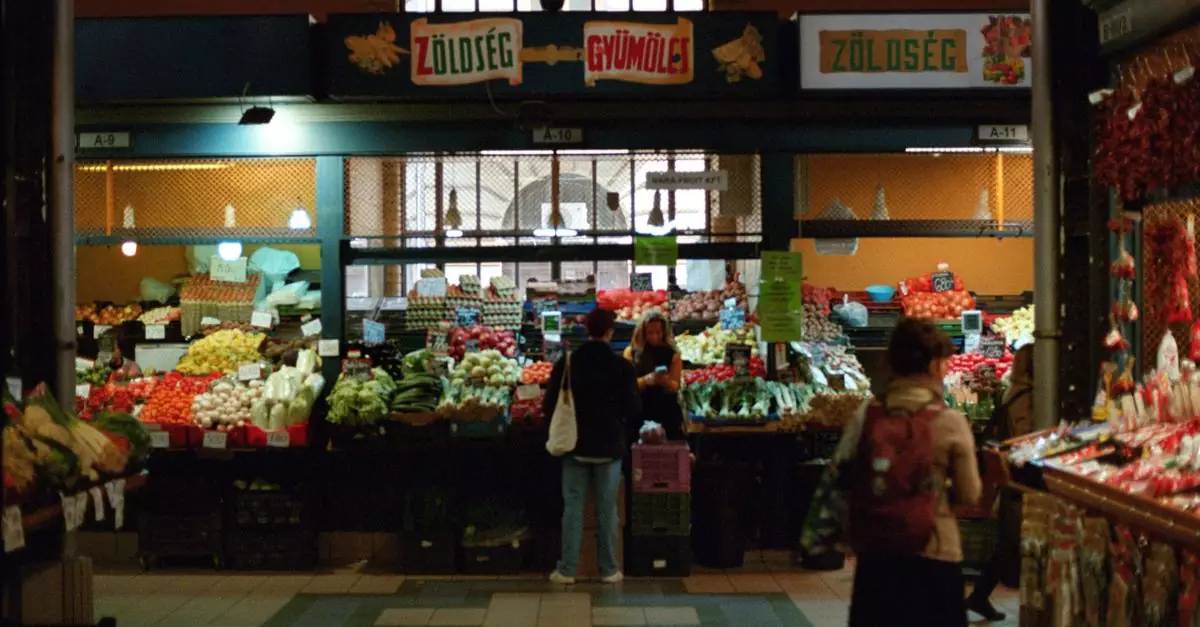
When seeking the best food shopping experiences in Europe, market visits offer unparalleled immersion into local culture and cuisine. These vibrant hubs are where locals shop and where travelers can discover fresh produce, regional specialties, and artisanal products.
La Boqueria Market, Barcelona: A Feast for the Senses
La Boqueria, located just off Barcelona’s bustling Las Ramblas, is more than just a market; it’s a sensory explosion. Sunlight streams through colorful stalls, illuminating pyramids of exotic fruits, glistening displays of fresh seafood, and a dizzying array of cured meats and cheeses. The air buzzes with the calls of vendors and the chatter of shoppers.
Beyond browsing, visitors can sample freshly squeezed juices, enjoy tapas at one of the market’s small bars, or pick up ingredients for a picnic. It’s an essential stop for any food lover visiting the Catalan capital. Arrive early to avoid the largest crowds and experience the market in full swing.
Borough Market, London: Artisanal Delights and Global Cuisine
Borough Market in London is a mecca for food enthusiasts, showcasing a remarkable range of artisanal produce and international fare. This historic market, situated near London Bridge, hosts over 100 traders offering everything from rare breeds of meat and artisan cheeses to freshly baked bread and gourmet street food.
It’s a fantastic place to taste your way through Britain’s diverse food scene and beyond. Look for award-winning pies, handcrafted chocolates, and locally brewed ales. The market is particularly lively on Saturdays, but weekdays offer a slightly less crowded, yet still energetic, experience. Consider visiting on a Thursday for a more relaxed atmosphere with many traders still present.
Rialto Market, Venice: Fresh Seafood and Local Produce
Venice’s Rialto Market is divided into two main areas: the Pescaria (fish market) and the Erberia (vegetable market). Located on the north bank of the Grand Canal, near the iconic Rialto Bridge, this market has been a cornerstone of Venetian life for centuries. The Pescaria showcases the day’s catch, offering a dazzling array of Adriatic seafood, from silvery sardines to plump scallops.
The Erberia features a vibrant selection of seasonal fruits and vegetables, often sourced from the nearby islands of the Venetian lagoon. While it’s a working market, it’s also a wonderful spot for travelers to soak in authentic Venetian daily life. Grab a cicchetto (Venetian tapas) and a glass of wine from a nearby bacaro for a true local experience.
Naschmarkt, Vienna: Aromatic Spices and International Foods
Vienna’s Naschmarkt is a sprawling, vibrant marketplace that stretches over 100 meters along Wienzeile. It’s renowned for its diverse offerings, featuring stalls piled high with exotic spices, olives, cheeses, and cured meats from around the globe. Beyond the food, you’ll find flea markets on Saturdays and a wide array of international restaurants and cafes lining the market.
This is an excellent destination for those looking to sample flavors from Turkey, the Middle East, and Asia, alongside Austrian delicacies. It’s a lively place to spend a morning, whether you’re shopping for ingredients, enjoying a leisurely brunch, or simply people-watching. The market is easily accessible via public transport, making it a convenient addition to any Vienna itinerary.
Exploring Neighborhoods Renowned for Gastronomic Delights
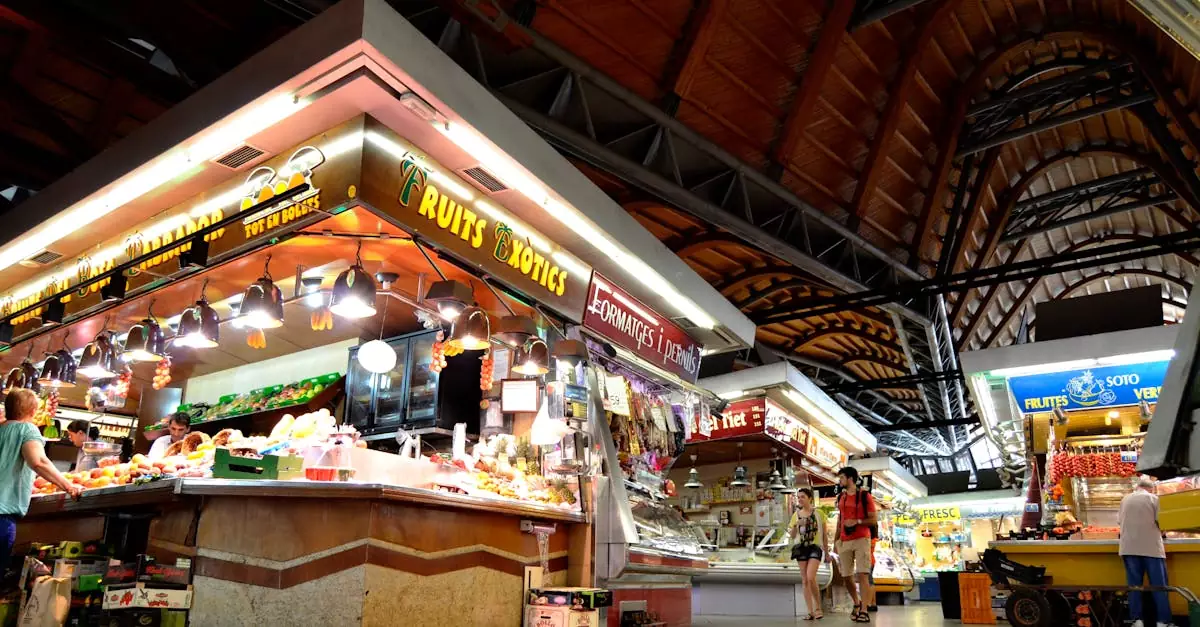
Beyond the grand markets and Michelin-starred restaurants, some of Europe’s most authentic food shopping experiences are found by wandering through its vibrant neighborhoods. These districts offer a more intimate glimpse into local culinary life, from artisanal producers to neighborhood grocers. Discovering these areas is key to uncovering the best food shopping experiences in Europe.
The Marais District, Paris: From Patisseries to Gourmet Grocers
The Marais in Paris is a treasure trove for food lovers. This historic district, with its charming cobblestone streets, is home to an array of independent food shops. You can find exquisite patisseries offering delicate macarons and flaky croissants, alongside specialty cheese shops (fromageries) and charcuteries stocked with artisanal cured meats. Keep an eye out for gourmet grocery stores that curate high-quality produce, olive oils, and regional French delicacies. A morning spent browsing these shops, perhaps picking up ingredients for a picnic, is a quintessential Parisian experience. Consider visiting on a Saturday for the liveliest atmosphere.
Trastevere, Rome: Authentic Italian Ingredients and Eateries
Wandering through Trastevere in Rome feels like stepping back in time, with its ivy-clad buildings and lively piazzas. This neighborhood is a hub for authentic Italian food shopping. Local alimentari (small grocery stores) offer a curated selection of regional cheeses, cured meats like prosciutto and salami, and freshly baked bread. Small pasta shops sell handmade varieties, and fruit and vegetable stalls overflow with seasonal produce. Many trattorias here also have small shops attached, selling their own house-made sauces, olive oils, and wine. For a true taste of Roman life, grab a coffee and a pastry from a local bar before you begin your culinary exploration.
Gràcia, Barcelona: Local Boutiques and Catalan Specialties
Gràcia, once a separate town, retains a distinct village feel within Barcelona. Its independent spirit is reflected in its numerous local food boutiques. Here, you can discover shops specializing in Catalan products: artisanal cheeses, cured meats, and a wide variety of conservas (high-quality tinned seafood). Look for forns (bakeries) selling pa de pagès (traditional rustic bread) and sweet treats. Gràcia also boasts excellent olive oil shops and places selling local wines and vermouth. Exploring Gràcia’s squares and narrow streets reveals hidden gems for anyone interested in Catalan gastronomy.
Kreuzberg, Berlin: Diverse Food Shops and International Flavors
Kreuzberg in Berlin is a melting pot of cultures, and its food scene reflects this diversity. The neighborhood is packed with an eclectic mix of food shops catering to international tastes. You’ll find Turkish grocers selling fresh produce, spices, and baked goods, alongside Asian supermarkets with a vast array of ingredients. Specialty shops offer everything from high-quality coffee beans to artisanal chocolate. Kreuzberg’s markets also feature a wide range of international foods, making it an exciting destination for those seeking unique ingredients and a truly global food shopping experience within Europe.
Beyond Markets: Unique Food Shopping Experiences in Europe
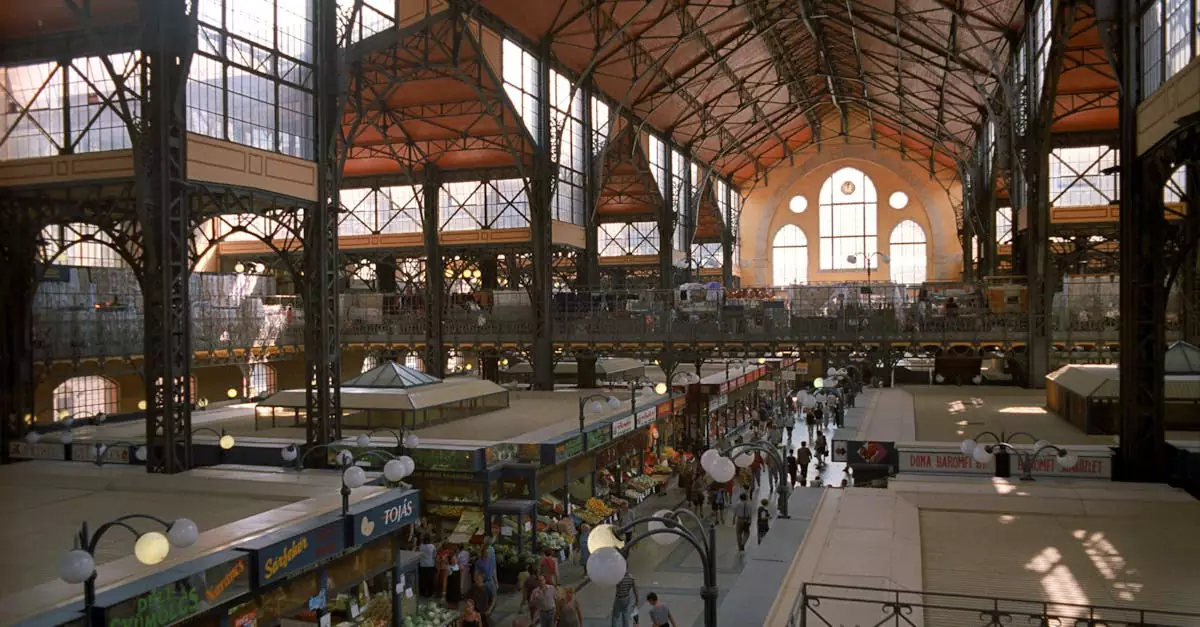
While bustling food markets offer an authentic taste of local life, Europe’s culinary landscape extends far beyond these vibrant hubs. For travelers seeking deeper dives into specific gastronomic treasures, dedicated artisan shops, tasting rooms, and specialized producers provide unparalleled opportunities for discovery and indulgence. These curated experiences often reveal the nuanced craftsmanship and regional pride that define European food culture.
Artisan Cheese Shops in the Loire Valley, France
The Loire Valley, renowned for its châteaux and wine, is also significant for artisanal cheese production. Beyond the larger producers, numerous small fromageries and farm shops specialize in the region’s distinct offerings, particularly goat cheeses like Selles-sur-Cher and Crottin de Chavignol. Visiting these shops offers a chance to sample a wide variety of aged and fresh cheeses, often paired with local wines or fruit preserves. Many producers welcome visitors for informal tastings, providing insight into the cheese-making process.
- Best Time to Visit: Spring and autumn offer pleasant weather for exploring the countryside and visiting farms.
- Logistics: Renting a car is highly recommended for navigating rural areas and accessing smaller producers. Many cheese shops are located in charming villages, making for a delightful day trip from cities like Tours or Orléans.
Chocolate Boutiques in Bruges, Belgium
Bruges, often called the “Venice of the North,” is also a world-class destination for chocolate lovers. The city boasts an astonishing number of independent chocolatiers, each with their own unique recipes and artistic flair. Wandering through Bruges’ medieval streets, you’ll encounter boutiques offering everything from traditional pralines and truffles to avant-garde creations incorporating local ingredients like speculoos or even beer. Many shops offer demonstrations or tasting sessions, allowing you to appreciate the quality of Belgian chocolate firsthand.
- Traveler Tip: Look for chocolatiers who emphasize bean-to-bar production or use high-quality single-origin cocoa.
- Budget: While prices vary, expect to pay €2-€5 per praline for artisanal creations.
Olive Oil Tasting and Shopping in Tuscany, Italy
Tuscany’s rolling hills are synonymous with exceptional olive oil, and visiting an agriturismo or a dedicated olive oil producer (frantoio) is a quintessential food shopping experience. These establishments offer more than just a purchase; they provide an education in the nuances of extra virgin olive oil. You can learn about different olive varietals, the pressing process, and how to identify quality through tasting. Many producers sell their freshly pressed oils directly, offering a taste of Tuscany to take home.
- Tasting Notes: Pay attention to the oil’s aroma, fruitiness, bitterness, and peppery finish.
- Seasonality: The olive harvest typically occurs in late autumn (October-November), making this a prime time to witness the production and taste the freshest oils.
Local Wine Cellars and Tastings in Porto, Portugal
Porto is globally celebrated for its fortified wine, and a visit to the historic port wine cellars in Vila Nova de Gaia, across the Douro River from the city center, is an essential culinary pilgrimage. These cellars, many run by centuries-old houses like Taylor’s, Graham’s, and Sandeman, offer guided tours that delve into the history and production of port wine. The highlight for many is the tasting session, where you can sample a range of styles, from ruby and tawny to vintage ports, often accompanied by local cheeses or chocolates.
| Wine House | Typical Tasting Fee | Specialization |
|---|---|---|
| Taylor’s | €20-€40 | Tawny Ports |
| Graham’s | €25-€50 | Vintage Ports |
| Sandeman | €15-€30 | Ruby Ports |
- Getting There: The port wine cellars are easily accessible from Porto by walking across the Dom Luís I Bridge or by taking a short ferry ride.
- Booking: It’s advisable to book tours and tastings in advance, especially during peak tourist season.
Planning Your European Food Shopping Adventure: Practical Tips
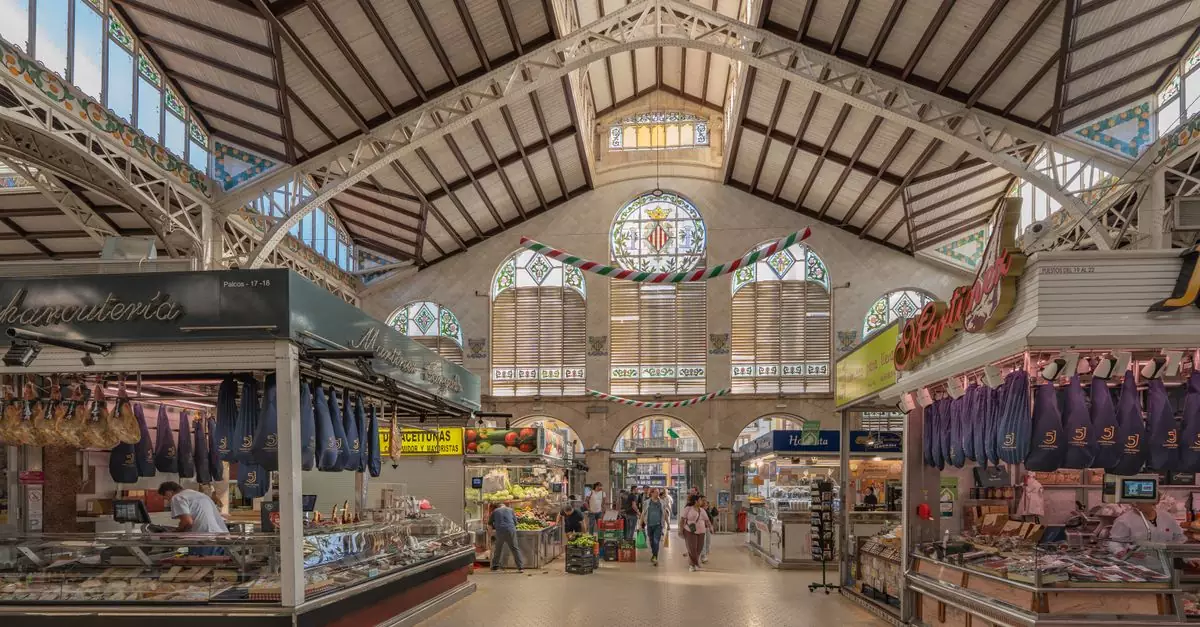
Embarking on a culinary journey across Europe promises a feast for the senses, from bustling food markets to intimate Michelin-starred restaurants. To make the most of your gastronomic exploration, thoughtful planning is key. Considering the season, transportation, budget, and packing can significantly enhance your experience, ensuring you savor every bite without unnecessary stress.
Best Time to Visit Europe for Food Shopping Seasons
The timing of your visit can profoundly impact the availability of fresh produce and local specialties. Europe’s diverse climate supports distinct culinary seasons, each offering unique delights.
- Spring (March-May): This season heralds the arrival of fresh asparagus, peas, and strawberries. Many regions celebrate food festivals centered around these early harvests. The weather is generally mild, making it pleasant for market visits and outdoor dining.
- Summer (June-August): Summer is peak season for fruits like cherries, peaches, and berries, alongside abundant vegetables. Coastal areas offer the freshest seafood. Outdoor markets are vibrant, and longer daylight hours allow for extended culinary explorations.
- Autumn (September-November): Autumn brings a harvest of root vegetables, mushrooms, apples, and grapes. This is the time for hearty stews and wine-tasting events. The crisp air is perfect for exploring vineyards and enjoying regional game dishes.
- Winter (December-February): While cooler, winter offers its own distinct flavors. Think citrus fruits in the Mediterranean, festive Christmas markets with seasonal treats like gingerbread and mulled wine, and richer, comforting dishes across the continent.
Consider that popular destinations can be crowded during peak summer months. For a more relaxed experience and potentially lower prices, consider visiting in late spring or early autumn.
Navigating Public Transport to Reach Culinary Hotspots
Efficient public transportation is essential for navigating Europe’s diverse culinary landscape. Major cities boast extensive networks that make reaching markets, restaurants, and specialty food shops straightforward.
Trains are an excellent option for inter-city travel, connecting major culinary hubs like Paris, Rome, and Barcelona with ease. Within cities, subways, trams, and buses provide affordable and convenient access. Many historic city centers are pedestrian-friendly, encouraging exploration on foot once you arrive.
- Train Travel: High-speed rail networks, such as the TGV in France or the Frecciarossa in Italy, offer swift journeys between cities. Booking tickets in advance can often secure better fares.
- City Public Transport: Purchase day passes or multi-trip tickets for unlimited travel within urban areas. Apps like Citymapper or Google Maps are invaluable for real-time navigation and route planning.
- Walking: Many of the best food experiences are found in charming, walkable neighborhoods. Allow time to wander and discover hidden culinary gems.
For specific regional travel or reaching more remote culinary destinations, consider local bus services or car rentals. However, for most urban food exploration, public transport is the most practical and budget-friendly choice.
Budgeting for Food Shopping and Dining Experiences
Europe offers a wide spectrum of culinary costs, from affordable market finds to high-end dining. Setting a realistic budget is crucial for enjoying your food adventures without overspending.
Markets are excellent for budget-conscious travelers. You can assemble picnics with fresh bread, cheese, cured meats, and fruits for a fraction of the cost of restaurant meals. Street food and casual eateries also provide delicious and economical options.
Fine dining and Michelin-starred restaurants, while offering exceptional experiences, represent a significant portion of a food budget. A tasting menu at a renowned establishment can range from €100 to €300 or more per person, excluding drinks.
A sample daily budget might look like this:
| Category | Budget Range (per person) | Notes |
|---|---|---|
| Breakfast | €5 – €15 | Pastry and coffee, or small cafe meal |
| Lunch | €10 – €25 | Market picnic, casual cafe, or street food |
| Dinner | €30 – €100+ | Mid-range restaurant to fine dining |
| Snacks/Drinks | €5 – €15 | Coffee, gelato, local treats |
| Total Daily Estimate | €50 – €155+ | Varies greatly based on dining choices |
Consider prioritizing one or two splurge meals and balancing them with more affordable market visits and casual dining throughout your trip.
Packing Essentials for a Culinary Trip Through Europe
Packing smart for a European food trip involves balancing practicality with the desire to enjoy local delicacies. Comfort and versatility are key.
- Comfortable Walking Shoes: You’ll be doing a lot of walking, from markets to city streets. Prioritize supportive and broken-in footwear.
- Reusable Shopping Bag: Many European countries charge for plastic bags, and a sturdy tote is essential for market purchases and reducing waste.
- Lightweight Scarf or Shawl: Useful for cooler evenings, visiting religious sites, or adding a touch of style.
- Portable Power Bank: Essential for keeping your phone charged for navigation, photos, and restaurant research.
- Small First-Aid Kit: For minor scrapes or blisters from all that walking.
- Water Bottle: Stay hydrated, especially during warmer months, and refill at public fountains where safe.
Consider the specific climate of your destinations. For warmer regions, light, breathable fabrics are recommended, while cooler climates will require layers. Avoid overpacking; most European cities offer excellent shopping for any forgotten items.
Frequently Asked Questions About Europe’s Food Shopping
What are the most popular food souvenirs to buy in Europe?
Popular food souvenirs vary by region, but many travelers seek out high-quality olive oils from Italy or Spain, artisanal cheeses from France or Switzerland, and cured meats like Prosciutto di Parma. Sweet treats such as Belgian chocolates, Italian biscotti, or Portuguese pastéis de nata are also common choices. Don’t overlook regional wines, spirits like grappa or schnapps, or unique spice blends. When selecting, consider how well items travel and any customs regulations for bringing food items back home.
Are there specific dietary considerations for food shopping in Europe?
Yes, dietary needs are generally well-catered for across Europe. Major cities and even smaller towns offer options for vegetarians, vegans, and those with gluten or dairy intolerances. Look for clearly labeled products, often indicated by icons or specific wording like “senza glutine” (Italian) or “sans gluten” (French). Many markets will have vendors knowledgeable about ingredients. When dining out or buying prepared foods, don’t hesitate to ask vendors about ingredients.
How can I find authentic, non-touristy food shopping spots?
To discover authentic food shopping experiences, venture beyond the main tourist hubs. Seek out neighborhood markets frequented by locals, often held on specific days of the week. Ask hotel concierges or local residents for recommendations. Smaller towns and villages often have the most genuine culinary treasures. Look for shops specializing in regional products rather than general souvenir stores. Engaging with vendors and observing where locals shop can also guide you to less-trodden paths.
What is the etiquette for shopping at European food markets?
Market etiquette is generally straightforward. Arrive with reusable bags, as plastic bags are often discouraged or come with a small charge. If sampling is offered, take a small portion and express your appreciation. When purchasing, form a queue if one exists, and be patient. For prepared foods, it’s common to point to what you want. If you’re unsure about prices, most are clearly marked, but a polite inquiry is acceptable. Many vendors appreciate a friendly “hello” and “thank you” in the local language.