Europe is a paradise for anyone with a sweet tooth, offering a dazzling array of baked delights rich in history and flavor. From the buttery layers of French patisseries to the comforting sweetness of Eastern European cakes, the continent’s bakeries are destinations in themselves. If you’re planning a trip and wondering about the best pastries to buy in Europe, this guide is for you. We’ll explore iconic treats from France, Austria, Italy, and beyond, highlighting regional specialties and sharing tips on finding authentic local bakeries. Get ready to discover the must-try baked goods that define European culinary traditions and create unforgettable travel memories.
Iconic French Pastries: Beyond the Croissant
While the croissant reigns supreme, France’s patisserie scene offers a universe of sweet delights waiting to be savored. Moving beyond the familiar flaky crescent reveals a rich tapestry of textures and flavors, from buttery layers to delicate meringues. Understanding these iconic baked goods is key to navigating the charming bakeries found throughout Paris and beyond.
Discovering the Flaky Layers of a Parisian Pain au Chocolat
A close cousin to the croissant, the pain au chocolat elevates buttery dough with the addition of dark chocolate batons. In Paris, seeking a freshly baked pain au chocolat from a reputable boulangerie is a quintessential morning ritual. Look for bakeries that bake in-house; the smell of warm butter and melting chocolate is your first clue. The ideal pain au chocolat boasts countless thin, crisp layers that shatter with each bite, revealing a molten chocolate center.
Timing is crucial for enjoying this treat at its best. Aim for mid-morning, after the initial rush but before the pastries begin to stale. Many bakeries offer them throughout the day, but the morning bake is unparalleled. While readily available, quality can vary significantly, so asking locals for recommendations or seeking out bakeries with long queues can be a good strategy.
Indulging in a Delicate Macaron from Ladurée or Pierre Hermé
No exploration of French pastries is complete without mentioning the macaron. These small, colorful meringue-based confections, sandwiched with a creamy filling, showcase French patisserie artistry. While many bakeries offer them, Ladurée and Pierre Hermé are synonymous with macaron perfection in Paris. Each provides a distinct experience: Ladurée is known for its classic elegance and pastel hues, while Pierre Hermé pushes boundaries with innovative and intense flavor combinations.
When choosing macarons, consider the variety of flavors. Beyond classic vanilla and chocolate, you’ll find options like rose, pistachio, salted caramel, and even more adventurous tastes like olive oil or yuzu. The texture should be light and airy with a slightly crisp shell, yielding to a chewy interior. Macarons are best enjoyed within a day or two of purchase, making them a perfect souvenir if carefully transported.
Exploring the Rich Flavors of a Kouign-amann in Brittany
Hailing from the Brittany region of northwestern France, the Kouign-amann is a truly decadent pastry. Its name translates to “butter cake” in Breton, aptly describing this dense, caramelized delight. Layers of butter and sugar are folded into dough, creating a pastry that is crisp, chewy, and intensely sweet.
Finding an authentic Kouign-amann outside of Brittany can be challenging, but many Parisian bakeries, especially those with a regional focus, will offer them. The best Kouign-amann will have a deeply caramelized, almost toffee-like crust, with a soft, buttery interior. It’s a rich pastry, often best enjoyed with coffee or tea to balance the sweetness. While not as widely known as the croissant or macaron, the Kouign-amann offers a unique and deeply satisfying taste of French baking tradition.
Austrian Sweet Delights: Viennese Baking at its Finest
Austria, particularly Vienna, is a cornerstone of European pastry tradition. The city’s grand cafes are not just places to enjoy coffee; they are living museums of exquisite baked goods. When seeking the best pastries to buy in Europe, Austria’s offerings are essential to any sweet-toothed traveler’s itinerary.
Savoring a Slice of Sachertorte in Vienna’s Historic Cafes
The iconic Sachertorte, a dense chocolate cake with a thin layer of apricot jam, is a Viennese institution. Its rich, dark chocolate glaze and moist interior have captivated visitors for generations. To truly appreciate this classic, seek it out in one of Vienna’s famed coffee houses.
Café Sacher and Demel are the two most famous purveyors, each with a loyal following and a slightly different take on the original recipe. A slice of Sachertorte, served with a dollop of unsweetened whipped cream (Schlagobers), offers a profound taste of Viennese culinary heritage. Expect to pay around €6-€8 for a slice, making it a worthwhile indulgence.
Trying the Airy Kipferl, a Precursor to the Croissant
Before the croissant conquered France, its ancestor, the Kipferl, was a staple in Austria. This crescent-shaped pastry, often made with a richer, flakier dough than its French counterpart, comes in various forms. You can find them plain, dusted with sugar, or filled with nuts and jam.
Kipferl are a fantastic breakfast option or a simple, satisfying snack. They are widely available in bakeries across Vienna and other Austrian cities. Their light, buttery texture makes them a delightful contrast to richer cakes and tarts. A small Kipferl typically costs between €1.50 and €3.
Experiencing the Linzer Torte’s Nutty, Jam-Filled Charm
The Linzer Torte, hailing from the city of Linz, is one of the oldest recorded cakes in the world. Its defining characteristic is a crisp, buttery shortcrust pastry made with ground nuts, usually almonds or walnuts. This rich dough forms a lattice over a generous layer of redcurrant jam.
The combination of the crumbly, nutty base and the tart sweetness of the jam is unique. It’s less sweet than many modern cakes, allowing the quality of the ingredients to shine through. You can find Linzer Torte in most Viennese bakeries, often sold by the slice or as a whole cake. A slice is usually priced similarly to Sachertorte, around €6-€8, while a small whole cake might cost €20-€30. For travelers interested in regional specialties, this is a must-try Austrian pastry.
Italian Pastries: Regional Specialties to Tempt Your Taste Buds
Italy’s contribution to baked goods extends far beyond its famous pasta and pizzas. The country boasts a rich tapestry of regional pastries, each with unique ingredients and traditions. From the sun-drenched island of Sicily to the bustling streets of Naples and the historic heart of Rome, exploring these sweet treats offers a delicious insight into local culture. Sampling these delights is key to any culinary journey across Europe.
Sampling a Warm Cannoli from a Sicilian Pasticceria
The cannoli is perhaps Sicily’s most iconic pastry, a testament to the island’s Moorish and Norman influences. A crisp, fried tube of dough encases a rich, sweet filling, traditionally made from ricotta cheese. High-quality cannoli are filled to order, ensuring the shell remains shatteringly crisp. Look for bakeries, or pasticcerie, that offer variations, such as those with candied fruit or chocolate chips mixed into the ricotta.
When visiting Sicily, a cannoli is best enjoyed fresh from a local shop. The shells can be purchased pre-made, but the filling is often piped in just before serving. This prevents sogginess and preserves the delightful contrast between the crunchy exterior and creamy interior. While available throughout Italy, the authentic Sicilian cannoli experience is found on the island itself.
Finding the Best Sfogliatella in Naples
Naples, the vibrant capital of Campania, is renowned for its distinctive pastry: the sfogliatella. This shell-shaped pastry features a flaky, multi-layered dough reminiscent of puff pastry, but with a firmer, crispier texture. It comes in two main varieties: riccia (curly), characterized by its numerous thin, crispy layers, and frolla (smooth), made with a shortcrust pastry.
The filling is typically a sweet, dense mixture of semolina, ricotta cheese, candied citrus peel, and cinnamon. For the true Neapolitan experience, seek out a bakery that makes sfogliatelle daily. The riccia version is often preferred for its dramatic texture. Enjoying a warm sfogliatella with a strong Neapolitan espresso is a quintessential morning ritual.
Enjoying a Sweet Cornetto with Your Morning Espresso in Rome
While often compared to a croissant, the Italian cornetto is a distinct pastry with its own charm. Typically less buttery and often sweeter than its French cousin, the cornetto is a staple of Italian breakfasts. In Rome, you’ll find them in countless bar (cafes), ready to be paired with a morning espresso or cappuccino.
Cornetti are available with a variety of fillings. Common options include crema (custard), cioccolato (chocolate), or marmellata (jam, often apricot or cherry). Plain versions, sometimes dusted with powdered sugar, are also popular. Many Romans prefer to eat their cornetto standing at the bar, a quick and satisfying way to start the day. While similar pastries can be found across Italy, the Roman bar culture makes enjoying a cornetto a daily pleasure.
| Pastry | Origin Region | Key Ingredients | Typical Filling Options | Best Enjoyed |
|---|---|---|---|---|
| Cannoli | Sicily | Ricotta, fried dough | Sweet ricotta, candied fruit | Freshly filled, crisp shell |
| Sfogliatella | Naples | Flaky dough, semolina, ricotta | Sweet ricotta, citrus peel | Warm, crisp layers |
| Cornetto | Italy (general) | Yeast dough, often less butter | Custard, chocolate, jam | With morning coffee, soft and slightly sweet |
Eastern European Sweet Treats: Hidden Gems for Pastry Lovers
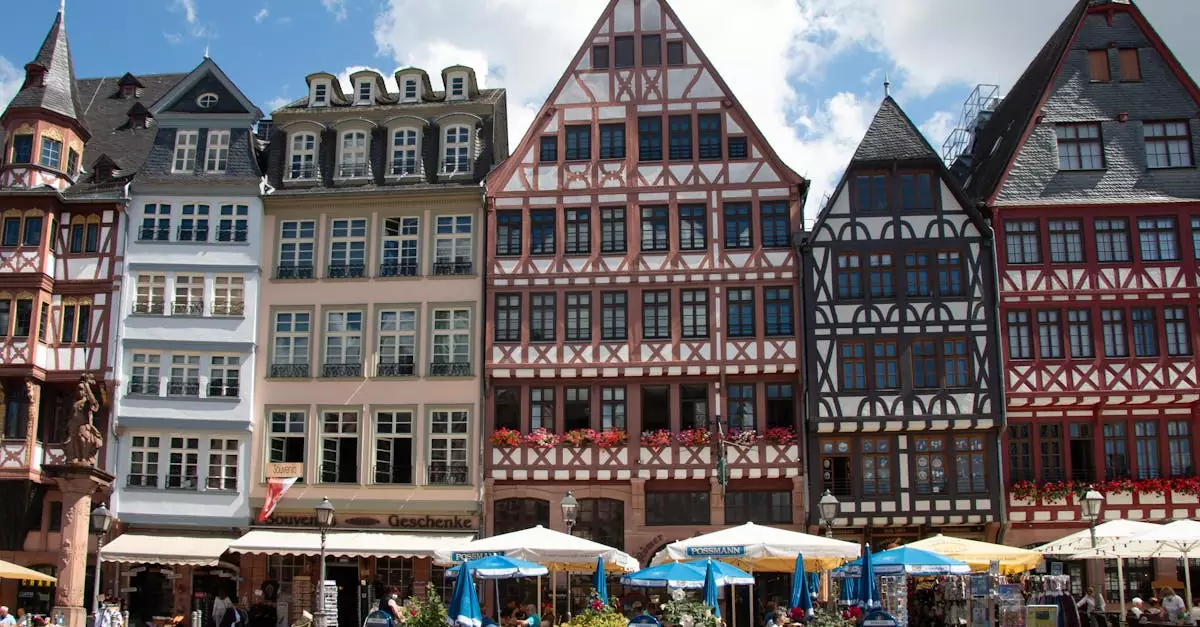
While Western Europe often garners the spotlight for its iconic pastries, the eastern half of the continent boasts a rich and diverse baking tradition. These regions offer a delightful array of sweet baked goods, often characterized by unique ingredients and comforting flavors. Travelers seeking the best pastries to buy in Europe will find a treasure trove of regional specialties that are less known but equally delicious.
Uncovering the Poppy Seed Roll (Makowiec) in Poland
Poland’s culinary landscape is dotted with comforting and flavorful baked goods, and the poppy seed roll, known as Makowiec, stands out. This dense, sweet bread or cake is generously filled with a rich mixture of ground poppy seeds, honey, and often nuts like almonds or walnuts. The filling is typically swirled throughout the dough, creating beautiful patterns when sliced.
Makowiec is a staple during holidays, particularly Christmas and Easter, but it can be found year-round in bakeries (cukiernia) across Poland. For the freshest experience, visit a local bakery early in the morning. The taste is a delightful balance of earthy poppy seeds and sweet honey, with a texture that is both moist and slightly crumbly. It pairs wonderfully with a cup of black tea or coffee.
When traveling through Poland, look for variations of Makowiec, some of which might include candied orange peel or raisins for added complexity. Small, independent bakeries often offer the most authentic versions, made with traditional recipes passed down through generations. It’s a wonderfully accessible pastry, often sold by the slice or as a whole loaf, making it easy to share or enjoy over several days.
Tasting a Traditional Hungarian Dobos Torte
Hungary’s contribution to the world of exceptional pastries is the magnificent Dobos Torte. This layered masterpiece, created by József Dobos in 1884, features thin layers of sponge cake alternated with rich chocolate buttercream. The defining characteristic, however, is the hard caramel glaze that tops the cake, cut into wedges that often stand upright.
The Dobos Torte is a celebration of texture and flavor. The light sponge cake, the creamy chocolate filling, and the brittle caramel create a harmonious contrast. It’s a popular choice for celebrations and special occasions in Hungary, and you’ll find it in most traditional pastry shops and cafes, especially in Budapest.
To fully appreciate this Hungarian classic, consider visiting a reputable confectionery known for its traditional cakes. While many bakeries offer it, the quality can vary. Look for a torte with a well-defined caramel top that cracks satisfyingly when you cut into it. A slice of Dobos Torte is a must-try for anyone exploring the sweet side of Eastern European cuisine.
Seeking Out the Sweet Cheese Pastries of the Balkans
The Balkan region, encompassing countries like Croatia, Serbia, Bosnia and Herzegovina, and Bulgaria, offers a delightful array of sweet cheese pastries, often centered around sir (cheese) or tijesto (dough). These pastries are typically less sweet than their Western European counterparts, offering a more subtle, comforting flavor profile.
One popular example is the Croatian kremšnita or krempita, a layered custard cream cake that, while not strictly a pastry, shares a similar delightful richness and is often found alongside baked goods. More traditional pastries include sweet cheese-filled pies like the Serbian pita sa sirom (cheese pie), which can be made with a flaky dough and a filling of sweetened cottage cheese, sometimes enhanced with raisins or lemon zest. In Bulgaria, banitsa often features a cheese filling, though it’s more commonly savory; sweet variations exist, particularly for breakfast.
These pastries are widely available in local bakeries and markets. They are often best enjoyed fresh, perhaps with a strong coffee or a glass of milk. The use of local dairy products gives these pastries a distinct, authentic flavor that is hard to replicate. For travelers, seeking out these regional specialties is a fantastic way to connect with local culinary traditions and discover some of the best pastries to buy in Europe that are off the beaten path.
What Are the Most Popular Pastries to Buy in Europe?
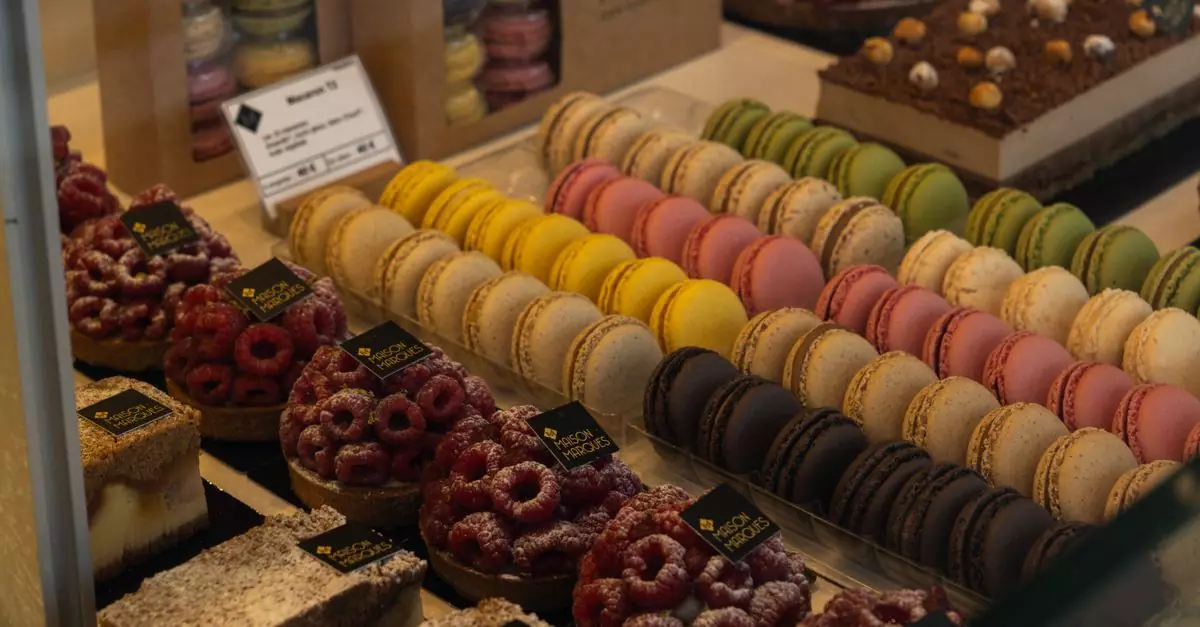
Europe’s bakeries are treasure troves of sweet delights, offering a diverse array of pastries that draw travelers from across the globe. When seeking the best pastries to buy in Europe, certain classics consistently capture the hearts and taste buds of visitors. These aren’t just treats; they are edible pieces of regional culture, often enjoyed with a morning coffee or as an afternoon indulgence.
Top 5 European Pastries That Consistently Win Traveler Hearts
When it comes to universally loved baked goods, a few stand out for their deliciousness and widespread appeal. These are the pastries you’ll find yourself seeking out on any European adventure.
- Croissant (France): The quintessential buttery, flaky croissant is a French icon. Its delicate layers and rich flavor make it a breakfast staple and a delightful anytime snack.
- Pastel de Nata (Portugal): These creamy, caramelized custard tarts, often dusted with cinnamon, are a Portuguese sensation. Best enjoyed warm, they offer a delightful contrast of textures and sweet, rich flavors.
- Cannoli (Italy): A Sicilian specialty, cannoli feature crisp, fried pastry shells filled with sweet, creamy ricotta cheese. Variations include chocolate chips, candied fruit, or pistachios.
- Sachertorte (Austria): This dense chocolate cake with a thin layer of apricot jam, enrobed in dark chocolate icing, is a Viennese classic. It’s a rich, sophisticated dessert for serious chocolate lovers.
- Kouign-Amann (France): Hailing from Brittany, this caramelized butter cake is incredibly rich and satisfying. Its name translates to “butter cake,” and it lives up to its billing with layers of flaky dough and caramelized sugar.
Which Pastries Are Considered the Best Souvenirs from European Bakeries?
While fresh pastries are best enjoyed immediately, some baked goods travel better and make excellent edible souvenirs. These items often have a longer shelf life or can be carefully packaged to maintain their quality.
For a truly memorable edible gift, consider Biscotti from Italy. These twice-baked almond cookies are hard and dry by design, making them ideal for packing. They pair wonderfully with coffee or dessert wine. Another excellent choice is Speculoos from Belgium or the Netherlands, spiced shortcrust biscuits that are popular around the winter holidays but available year-round. Their distinct ginger-snap flavor and crisp texture make them a delightful treat to share back home. If you’re looking for something a bit more substantial, Linzer Torte from Austria, with its lattice-top pastry and fruit filling, can often be found vacuum-sealed or well-packaged for travel.
Are Certain Pastries Seasonal Best-Sellers Across the Continent?
Seasonality plays a significant role in European bakery offerings, with many pastries highlighting local produce and festive traditions.
During spring, expect pastries featuring fresh berries, rhubarb, and delicate floral flavors. In summer, stone fruits like peaches, apricots, and cherries often star in tarts and cakes. Autumn brings an abundance of apples, pears, and nuts, leading to comforting bakes like apple strudels and spiced cakes. Winter holidays see a surge in rich, spiced pastries, gingerbread, and fruitcakes. For instance, Panettone is a beloved Christmas bread from Milan, a sweet, yeasted loaf packed with candied fruit and raisins, widely enjoyed throughout December. Similarly, Stollen, a dense fruitcake with marzipan, is a German Christmas tradition. Travelers visiting during these times can experience a delightful range of festive flavors.
Navigating Europe’s Sweet Scene: Tips for the Savvy Traveler
Embarking on a quest for the best pastries in Europe is a delightful culinary adventure. To make the most of your sweet explorations, a little preparation goes a long way. Understanding local customs, how to find hidden gems, and managing your budget will ensure a truly satisfying experience.
Finding Authentic Local Bakeries Away from Tourist Crowds
The most memorable pastries are often found off the beaten path. While iconic landmarks draw crowds, the true heart of a city’s baking scene usually lies in its residential neighborhoods. Look for bakeries with a steady stream of locals, especially during morning hours. A simple litmus test is the presence of a chalkboard menu or handwritten specials, often indicating a more traditional establishment.
Consider venturing a few blocks away from major squares or tourist attractions. Small, independent shops often pride themselves on quality ingredients and time-honored recipes. Online reviews can be helpful, but don’t discount the value of simply wandering and following your nose. The aroma of freshly baked bread and sweet dough is a universal guide to finding delicious treats.
Understanding Pastry Etiquette and Common Ordering Phrases
Navigating a European bakery is generally straightforward, but a few cultural nuances can enhance your experience. In many countries, it’s customary to take a number if there’s a ticketing system, or to wait patiently for the next available server. Pointing is acceptable if language is a barrier, but learning a few basic phrases will be appreciated.
Here are some useful phrases for ordering your treats:
- French: “Bonjour, je voudrais un croissant, s’il vous plaît.” (Hello, I would like a croissant, please.)
- Italian: “Buongiorno, vorrei una sfogliatella, per favore.” (Hello, I would like a sfogliatella, please.)
- German: “Guten Tag, ich hätte gern ein Berliner, bitte.” (Good day, I would like a Berliner, please.)
- Spanish: “Hola, quiero una napolitana, por favor.” (Hello, I want a napolitana, please.)
Remember to specify if you want your pastry to eat there or take away, as this can sometimes affect pricing or presentation.
Budgeting for Daily Pastry Indulgence on Your European Trip
Indulging in Europe’s best pastries doesn’t have to break the bank. The cost of baked goods varies significantly by country and city, with Western European capitals generally being more expensive than Eastern or Southern European destinations. A single croissant might cost anywhere from €1 to €4, while more elaborate cakes or tarts can range from €3 to €8.
To manage your pastry budget effectively, consider these strategies:
- Prioritize: Decide which pastries are absolute must-tries and allocate your budget accordingly.
- Morning Deals: Many bakeries offer breakfast combos that include a pastry and coffee at a reduced price.
- Share: If you’re traveling with someone, consider sharing larger or richer items to sample more variety without overspending.
- Local Markets: Sometimes, local markets offer artisanal baked goods at more accessible prices than dedicated patisseries.
Here’s a general idea of daily pastry costs in different regions:
| Region | Average Cost per Pastry | Daily Budget (2-3 items) |
|---|---|---|
| Western Europe | €2.50 – €6.00 | €10.00 – €25.00 |
| Southern Europe | €1.50 – €4.00 | €7.00 – €15.00 |
| Central/Eastern EU | €1.00 – €3.00 | €5.00 – €12.00 |
This table provides a rough estimate; actual costs can vary based on the specific establishment and location within a country. For instance, a pastry in a small village in France might be cheaper than one in central Paris.