Island getaways provide a unique opportunity to witness remarkable natural phenomena, and for many, encountering sea turtles is a dream realized. However, these ancient mariners are particularly vulnerable during their nesting season, making responsible travel crucial for their survival. Knowing how to behave on beaches where turtles nest can significantly impact their safety. This guide offers essential tips to protect sea turtles during nesting season, empowering you to be a mindful traveler. You’ll discover the best times and places to observe turtles, ways to minimize your impact on their sensitive habitats, and simple actions you can take to contribute to their conservation. Get ready to learn how your island adventures can support these magnificent creatures.
Understanding Sea Turtle Nesting Seasons on Islands
Island travel presents unique chances to witness nature’s wonders, with observing sea turtles often being a highlight. However, these majestic creatures are at risk, particularly during their nesting season. Knowing when and where they nest is crucial for responsible tourism, enabling travelers to make choices that minimize disturbance and aid conservation efforts.
When Do Sea Turtles Nest on Tropical Islands?
The timing of sea turtle nesting varies significantly by species and location, but tropical islands generally offer ideal conditions. Nesting usually occurs during warmer months, aligning with calm seas and suitable beach temperatures for egg incubation. In the Caribbean and Pacific, peak nesting season typically spans from late spring to early autumn, specifically from May to October. Some species may have slightly different timelines, so researching the specific area is advisable.
Which Sea Turtle Species Nest in the Caribbean?
The Caribbean Sea serves as a vital nesting ground for several sea turtle species, each facing unique conservation challenges. The most common are the Green Sea Turtle (Chelonia mydas) and the Hawksbill Sea Turtle (Eretmochelys imbricata), both of which are critically endangered. Leatherback Sea Turtles (Dermochelys coriacea), the largest of all sea turtles, also nest in the Caribbean, though their populations are lower. Loggerhead Sea Turtles (Caretta caretta) and occasional Kemp’s Ridley Sea Turtles (Lepidochelys kempii) can also be found nesting in certain regions.
Identifying Critical Nesting Habitats: Beaches and Dunes
Sea turtles require specific conditions for nesting, favoring dark, undisturbed sandy shores with minimal human activity. They prefer beaches wide enough for access from the sea, with dunes or vegetation behind them to stabilize the sand and provide shade for developing eggs. Factors such as sand temperature, salinity, and erosion significantly influence nest site selection. Identifying these areas is the first step in protecting them. Beaches known for turtle activity are often marked with signage, and local conservation groups may provide guidance. It is vital to respect these marked areas and maintain a safe distance.
Essential Tips to Protect Sea Turtles During Nesting Season
Visiting islands during sea turtle nesting season offers a unique chance to witness an essential part of nature’s cycle. However, this privilege comes with the responsibility to ensure these ancient creatures can nest and hatch safely. Implementing simple, responsible practices can significantly contribute to their well-being. Understanding the needs of nesting turtles and hatchlings is key to minimizing human impact on their vulnerable journeys.
Minimize Beach Lighting: How to Reduce Artificial Light Disturbance
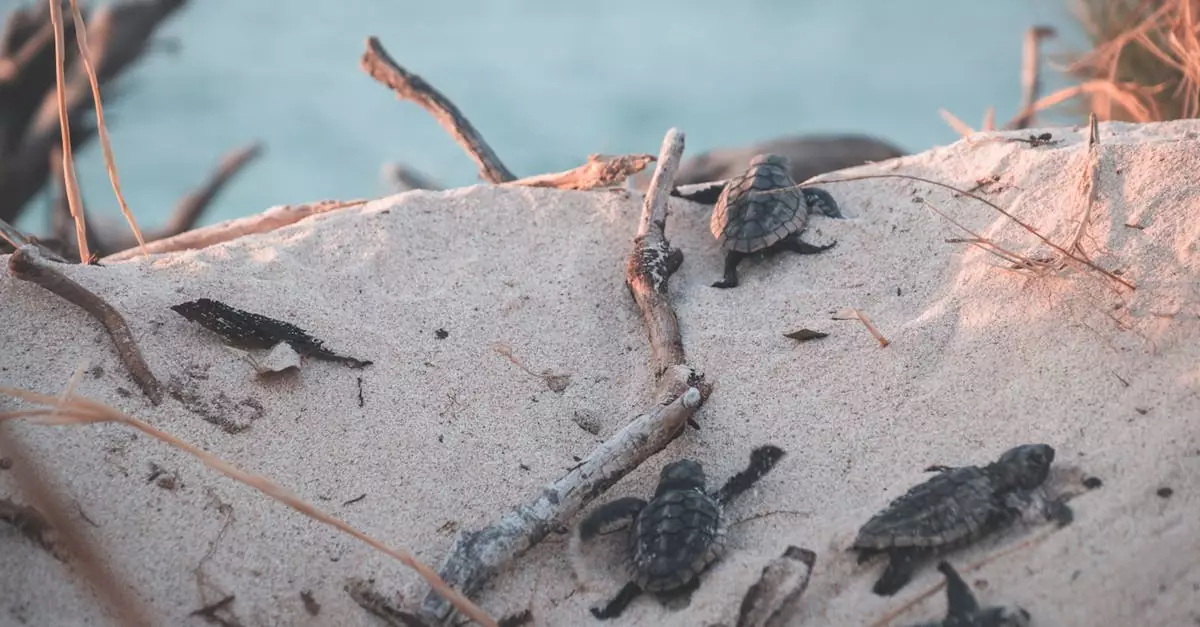
Artificial lights near beaches can disorient nesting female turtles and emerging hatchlings. Bright lights can deter females from coming ashore or lead them to nest in unsuitable locations. For hatchlings, lights can guide them inland toward roads and predators instead of safely to the ocean.
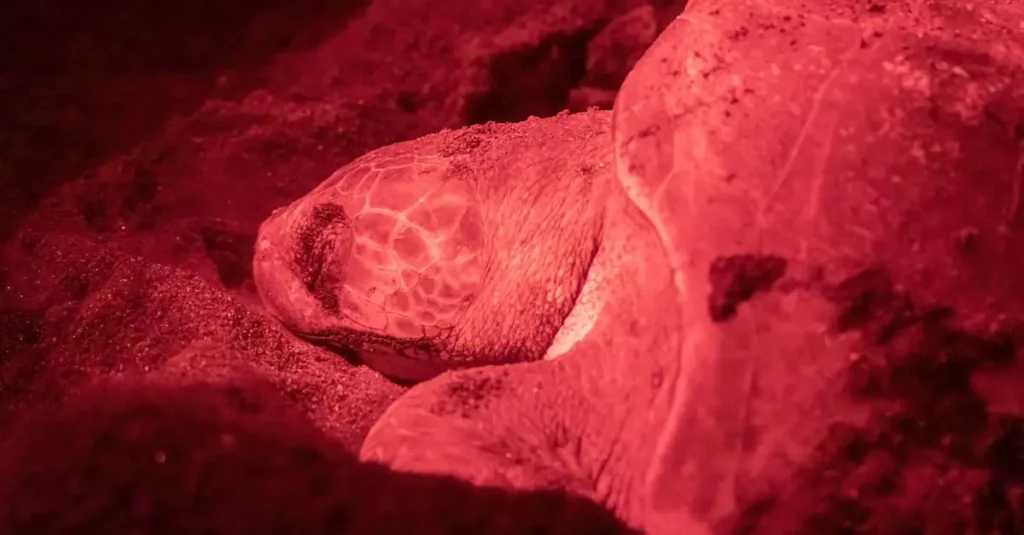
Travelers should be aware of local lighting ordinances that often restrict beachfront lighting during nesting months. If staying in beachfront accommodations, choose rooms with minimal external lighting or heavy curtains. If you need to be on the beach at night, use red-filtered flashlights, which are less disruptive to wildlife. Avoid using white or blue lights, as these can be particularly disorienting.
Proper Waste Disposal: Preventing Plastic Pollution on Turtle Beaches
Plastic and debris on beaches pose a serious threat to sea turtles. Turtles can mistake plastic bags for jellyfish, leading to starvation or death. Discarded fishing gear or plastic netting can cause injury or drowning.
Always pack out everything you bring to the beach. Dispose of all trash in designated receptacles, and if bins are full, take your waste with you. Participate in local beach cleanups if available; many coastal communities organize these events, especially during peak tourist seasons. Even small actions, like picking up a single plastic bottle, contribute to a cleaner environment for marine life.
Responsible Wildlife Viewing: Maintaining a Safe Distance from Nesting Turtles
Observing nesting sea turtles or emerging hatchlings is an unforgettable experience, but it must be done with care. Approaching too closely can stress the turtles, causing them to abandon their nesting attempts or disturb their eggs. Hatchlings are also easily disoriented and vulnerable upon emerging from their nests.
Adhere strictly to guidelines set by local wildlife authorities, which typically require maintaining a distance of at least 10-20 feet from any turtle or nest. Never use flash photography, as bright lights can startle and disorient them. If you encounter a nesting turtle or a group of hatchlings, remain quiet and still, allowing them to proceed undisturbed. Avoid touching or interfering with the turtles or their nests in any way.
Avoiding Beachfront Disturbance: What Not to Do Near Turtle Nests
In addition to lighting and waste, various activities can inadvertently harm sea turtles and their nesting sites. Driving vehicles on beaches, even at night, can crush nests or injure turtles. Building large sandcastles or digging deep holes can create obstacles for turtles and hatchlings.
Ensure all vehicles are kept off nesting beaches. Fill in any large holes you dig for recreation before leaving, as these can trap hatchlings or disorient them. Avoid disturbing marked turtle nests; these are often protected by local conservation groups and may have specific signage. Respecting these protected areas is crucial for the survival of sea turtle populations.
How Travelers Can Help Conserve Sea Turtle Populations
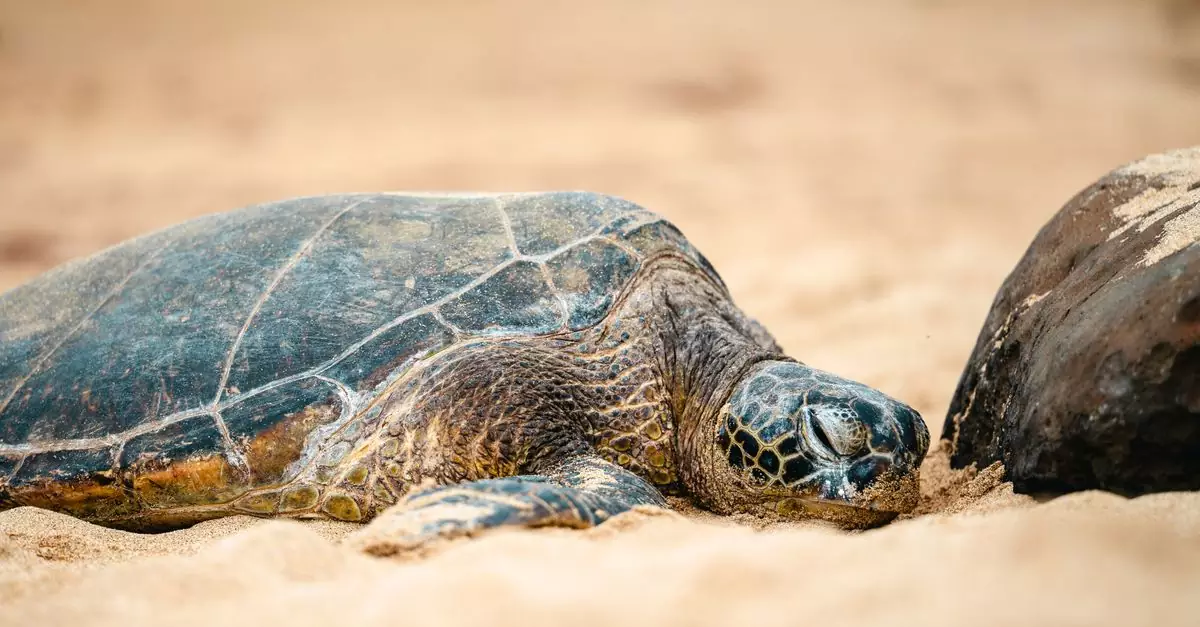
Responsible travel is vital for safeguarding vulnerable sea turtle populations, especially during their nesting seasons. By understanding and implementing simple practices, visitors to coastal areas can significantly contribute to the survival of these ancient mariners. This guide offers practical tips for travelers aiming to protect sea turtles.
Supporting Local Conservation Groups and Volunteer Programs
Many coastal communities rely on dedicated conservation groups to monitor nesting sites and protect hatchlings. Travelers interested in making a direct impact can seek out these organizations. Volunteering for a few hours or days may involve tasks like patrolling beaches for nesting turtles, marking nests, or assisting with hatchling releases.
If direct volunteering isn’t feasible, financial contributions to reputable sea turtle conservation charities are invaluable. These funds support essential research, habitat protection, and rescue efforts. Research local organizations before your trip to identify those with established programs and clear objectives. Look for groups engaged in community outreach and scientific monitoring.
Choosing Eco-Friendly Accommodations on Turtle Islands
Your choice of accommodation can significantly influence your environmental footprint. Opting for eco-friendly hotels and resorts on islands known for sea turtle activity reflects a commitment to sustainability. These establishments often implement practices such as reducing plastic waste, conserving water, and minimizing light pollution, all of which are critical for nesting turtles.
When booking, inquire about the hotel’s environmental policies. Many eco-lodges are certified by recognized environmental organizations and may offer educational programs or guided tours focused on local wildlife, including sea turtles. Staying at such places not only supports conservation but also enriches your travel experience by deepening your connection with the natural environment. Consider properties located away from direct beach access to minimize disturbance to nesting sites.
Educating Yourself and Others About Sea Turtle Protection
Knowledge is essential for effective conservation. Before visiting a destination where sea turtles nest, take time to learn about the specific species in the area and the challenges they face. Understanding their life cycles, nesting behaviors, and the threats they encounter helps you avoid accidental harm. This includes being aware of local regulations regarding beach access and wildlife interaction during nesting season.
Share this knowledge with fellow travelers. A simple conversation can raise awareness and encourage responsible behavior. Educating children is particularly important for fostering a future generation of conservationists. Many visitor centers and nature reserves offer informative displays or presentations. Engaging with these resources provides a solid foundation for understanding the importance of protecting these marine creatures. Responsible behavior is key to ensuring these magnificent animals continue to thrive.
Best Island Destinations for Responsible Sea Turtle Encounters
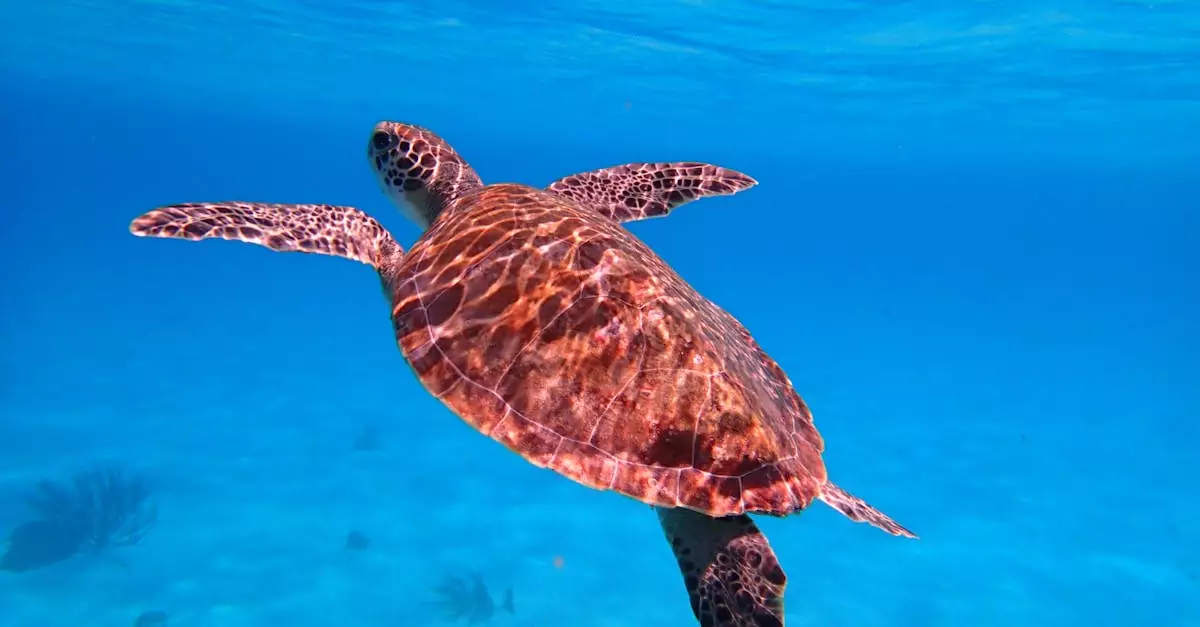
When planning an island getaway, choosing a destination committed to conservation can enhance your travel experience. Several island destinations offer exceptional opportunities to witness sea turtle nesting and hatching responsibly, provided you follow essential tips to protect sea turtles during nesting season. These locations not only provide crucial habitats for these endangered species but also educate visitors on how to minimize their impact.
Bocas del Toro, Panama: A Haven for Leatherback Turtles
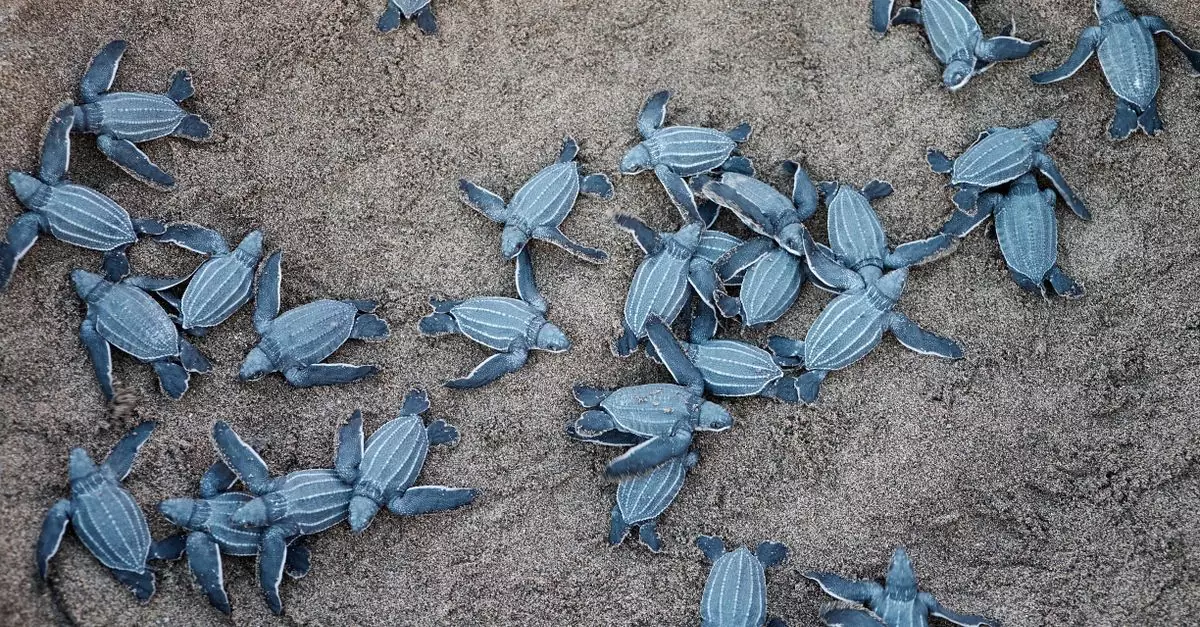
Bocas del Toro, an archipelago off Panama’s Caribbean coast, is a vital nesting ground for endangered leatherback turtles. From March to July, female leatherbacks haul themselves ashore on beaches like Bluff Beach to lay their eggs. Responsible tourism here involves adhering to guided tours, maintaining distance, and avoiding artificial lights that can disorient nesting mothers and hatchlings. The local community actively participates in conservation, offering educational programs and patrols during nesting season.
Getting to Bocas del Toro typically involves flying into Panama City (PTY) and then taking a domestic flight to Bocas Town (BOC). From there, water taxis are the primary mode of transportation between islands and to specific nesting beaches. Accommodations range from eco-lodges to guesthouses, many prioritizing sustainable practices.
The Florida Keys: Loggerhead and Green Turtle Nesting Sites
The Florida Keys, a chain of tropical islands stretching southwest from mainland Florida, are important nesting areas for loggerhead and green sea turtles. From May through October, these species return to familiar beaches to lay their eggs. Several sanctuaries and conservation groups work diligently to protect these sites. Visitors can participate in educational programs or guided night walks under the supervision of trained naturalists who enforce strict protocols to safeguard the turtles.
Travelers can drive down the scenic Overseas Highway, which connects the Keys, or fly into Key West International Airport (EYW). The Keys offer various lodging options, from luxury resorts to charming inns. It’s crucial to be aware of local regulations regarding beach access and lighting, especially during nesting months.
Gili Islands, Indonesia: Hawksbill Turtle Conservation Efforts
The Gili Islands, located off the coast of Lombok, Indonesia, are renowned for their clear waters and abundant marine life, including the critically endangered hawksbill turtle. While nesting primarily occurs on the less developed islands, the waters surrounding all three islands—Trawangan, Meno, and Air—serve as crucial feeding grounds. Conservation efforts here focus on protecting coral reefs, reducing plastic pollution, and educating divers and snorkelers on how to interact with turtles respectfully. Many dive centers actively support local conservation initiatives.
Reaching the Gili Islands involves flying into Lombok International Airport (LOP) or Bali’s Ngurah Rai International Airport (DPS), followed by a fast boat transfer. The islands are car-free, with bicycles and horse-drawn carts (cidomos) being the main forms of transport. Accommodations vary from budget bungalows to boutique resorts, many emphasizing eco-friendly operations.
| Destination | Primary Turtle Species | Peak Nesting Season | Key Conservation Focus | Traveler Engagement |
|---|---|---|---|---|
| Bocas del Toro, Panama | Leatherback Turtle | March – July | Beach protection, light pollution reduction, guided tours | Educational walks, responsible beach visits |
| Florida Keys, USA | Loggerhead, Green Sea Turtle | May – October | Sanctuary management, public awareness, lighting ordinances | Guided night tours, educational center visits |
| Gili Islands, Indonesia | Hawksbill Turtle | Varies by island | Reef protection, anti-plastic campaigns, marine education | Responsible diving/snorkeling, community support |
What to Pack for an Island Trip Focused on Wildlife Conservation
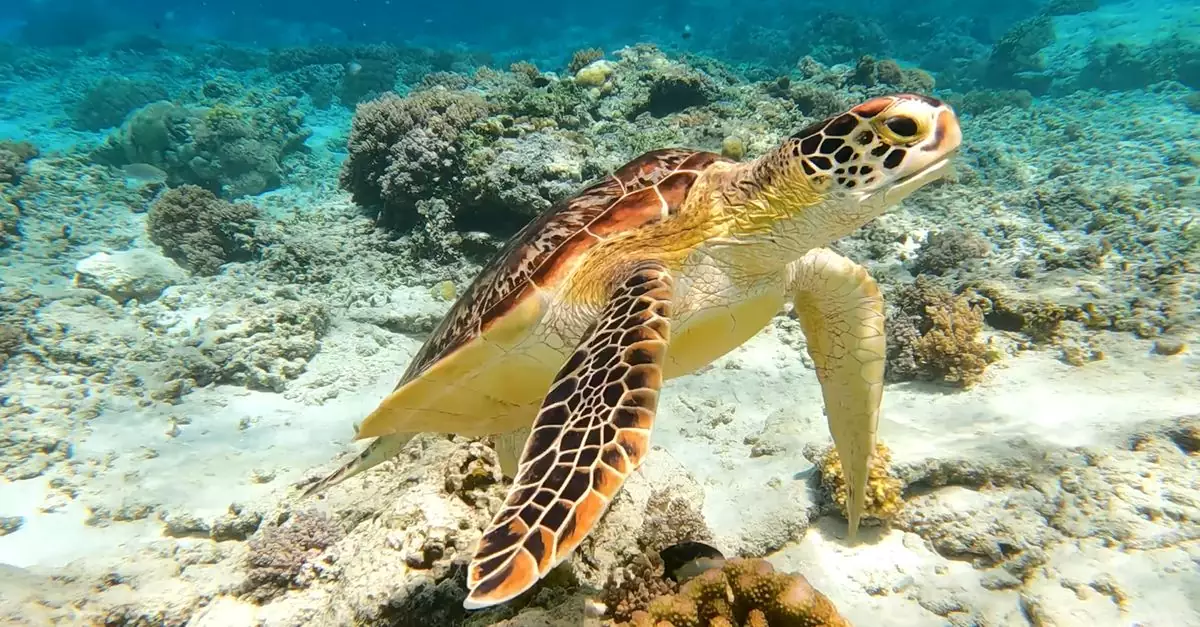
Planning an island getaway centered around observing nesting sea turtles requires thoughtful packing. Beyond the usual beach essentials, certain items are crucial for minimizing your impact and enhancing your experience while adhering to responsible wildlife viewing practices. These considerations are particularly important during nesting season, when human activity can be disruptive.
Reef-Safe Sunscreen and Biodegradable Products
Protecting delicate marine ecosystems is paramount. Standard sunscreens often contain chemicals like oxybenzone and octinoxate, harmful to coral reefs and detrimental to sea turtle health. Opting for reef-safe sunscreens, often mineral-based with zinc oxide or titanium dioxide, is a simple yet impactful choice.
Consider other personal care items as well. Biodegradable soaps, shampoos, and conditioners break down naturally, reducing non-degradable waste that could end up in the ocean. Choosing reusable water bottles and avoiding single-use plastics significantly contributes to conservation efforts on any island.
Low-Light Flashlights and Red Filters for Night Walks
If your conservation trip involves guided night walks to observe nesting turtles, a specialized flashlight is essential. Bright white lights can disorient and frighten nesting females, potentially causing them to abandon their nesting attempts. They can also blind hatchlings, making them vulnerable to predators as they make their way to the ocean.
A low-lumen flashlight is preferable, especially one with a red filter. Sea turtles, particularly nesting females and hatchlings, are less sensitive to red light, allowing for observation with minimal disturbance. Always follow the guidance of your tour leader or local conservationists regarding light usage.
Binoculars for Observing Marine Life from a Distance
While the main attraction may be nesting turtles, the surrounding waters often teem with fascinating marine life. High-quality binoculars allow you to observe dolphins, seabirds, and even distant whales without disturbing their natural behavior. This practice is a cornerstone of responsible wildlife tourism.
Using binoculars helps maintain a respectful distance, ensuring your presence does not alter the animals’ feeding, breeding, or resting patterns. This is especially true for marine mammals, which can be sensitive to close proximity. Pack a compact, durable pair that is easy to carry on hikes or boat excursions, allowing you to appreciate the rich biodiversity of the area safely and ethically.
Frequently Asked Questions About Protecting Nesting Sea Turtles
This section addresses common traveler questions regarding responsible practices during sea turtle nesting season. Understanding these guidelines is crucial for minimizing human impact on these vulnerable creatures.
Can I touch a baby sea turtle?
No, you should never touch baby sea turtles. Hatchlings are disoriented by artificial lights and human presence. Touching them can disrupt their natural journey to the sea, making them vulnerable to predators or exhaustion. It’s best to observe from a distance and allow them to navigate their path undisturbed.
What should I do if I find a stranded sea turtle?
If you discover a stranded sea turtle on the beach, maintain a safe distance and contact your local wildlife authorities or a trained sea turtle rescue organization immediately. Do not attempt to push the turtle back into the water yourself, as it may be ill or injured and require expert assessment. Provide the authorities with the turtle’s location and condition.
Are there specific rules for driving on beaches during nesting season?
Yes, many coastal communities implement restrictions on beach driving during sea turtle nesting season to protect nests and hatchlings. These rules often include designated driving times, speed limits, and restricted access to certain areas. Always check local signage and regulations before driving on any beach. Driving carelessly can crush nests or harm turtles and hatchlings. Responsible island travel means adhering strictly to these protective measures.