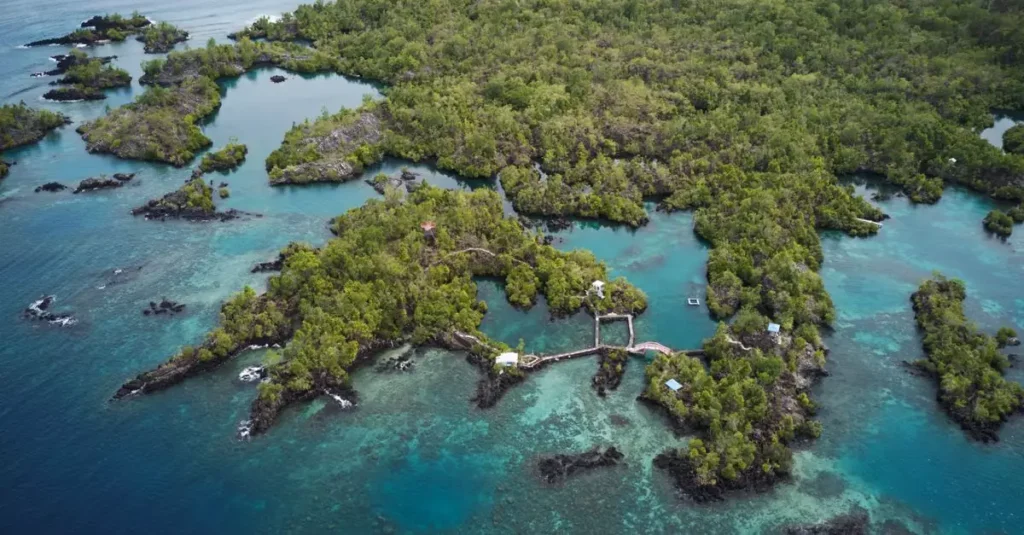
Island destinations offer some of the most unique and intimate wildlife encounters on the planet. From the evolutionary wonders of the Galapagos to the lemur-filled rainforests of Madagascar, and the vibrant underwater worlds of Bora Bora and Kangaroo Island, these locations provide unparalleled opportunities to connect with nature. If you’re dreaming of observing creatures found nowhere else, this guide to the best island wildlife adventures will help you plan your unforgettable journey. Discover the top islands for spotting iconic animals, learn about the optimal times to visit for specific sightings, and get practical tips for ethical exploration. Prepare to be amazed by the biodiversity thriving in these isolated paradises.
Galapagos Islands: Darwin’s Living Laboratory for Wildlife
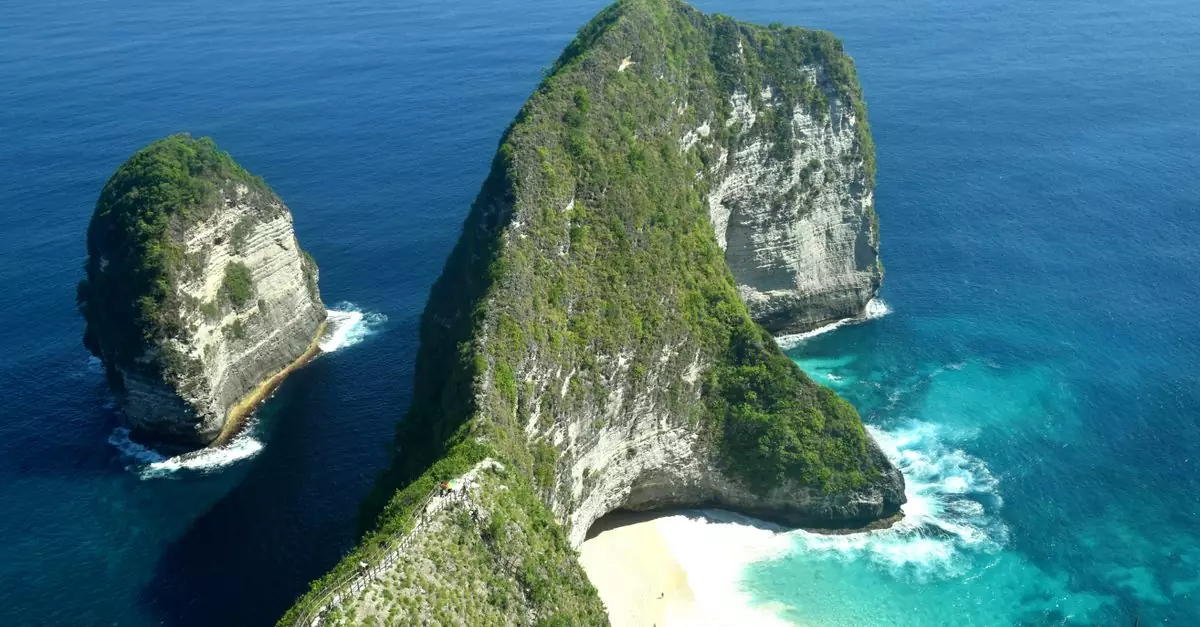
The Galapagos Islands offer unmatched opportunities to experience unique wildlife in its natural habitat, a key reason many travelers seek out these remarkable islands. This UNESCO World Heritage site feels like a living museum of evolution. Planning a trip here requires careful consideration of cruise versus land-based options, as well as the best time to visit for specific animal sightings.
Spotting Giant Tortoises in the Highlands of Santa Cruz
Encountering giant tortoises in their natural environment is a highlight for most visitors to the Galapagos. The highlands of Santa Cruz Island provide the most accessible and reliable place to see these ancient reptiles roaming freely. Unlike in zoos, here they move at their own pace across lush volcanic landscapes.
Visiting the El Chato Tortoise Reserve or the nearby Primicias Ranch offers excellent viewing opportunities. These private reserves protect the tortoises and their habitat, ensuring their survival. You can walk among them while maintaining a respectful distance and observe their slow, deliberate movements.
Traveler Tip: The highlands are cooler and can be misty, especially during the garúa season (June to November). Pack layers, including a light rain jacket, and wear sturdy walking shoes. Many day tours from Puerto Ayora include transportation to these reserves, simplifying logistics.
Snorkeling with Sea Lions and Marine Iguanas off San Cristobal
The waters surrounding San Cristobal Island teem with marine life, providing incredible snorkeling and diving experiences. Puerto Baquerizo Moreno, the island’s capital, serves as a convenient base for exploring these underwater wonders. You’re likely to swim alongside playful sea lions, curious sea turtles, and the world’s only marine iguanas.
Kicker Rock (León Dormido) is a renowned dive and snorkel site, an imposing volcanic tuff cone rising from the ocean. Here, you can spot Galapagos sharks, rays, and a vibrant array of fish. For a more relaxed encounter, head to La Lobería, a beach known for its resident sea lion colony.
Logistics: Snorkeling tours depart daily from Puerto Ayora. It’s advisable to book in advance, especially during peak season. Most tours provide snorkeling gear, but bringing your own mask can ensure a better fit. Remember that while sea lions are generally friendly, maintaining a safe distance is crucial for both your safety and theirs.
Observing Blue-Footed Boobies on North Seymour Island
North Seymour Island is a must-visit for birdwatchers, especially those eager to witness the comical courtship dance of the blue-footed booby. This small, flat island is home to a significant population of these distinctive birds, easily recognizable by their vibrant blue feet. You can also see magnificent frigatebirds with their inflated red throat pouches.
Guided walks on North Seymour are the primary way to observe the wildlife. The trails are well-maintained and designed to minimize disturbance to the animals. The island’s arid landscape is surprisingly rich with birdlife, making it a photographer’s paradise.
Best Time to Visit: While blue-footed boobies are present year-round, the breeding season, typically from April to June, offers the most active displays. However, you can see them performing their mating rituals at other times as well. Access to North Seymour is usually part of multi-day Galapagos cruises or specific day trips from Santa Cruz, requiring park permits and a certified naturalist guide.
Madagascar: A Unique Biodiversity Hotspot for Lemur Lovers
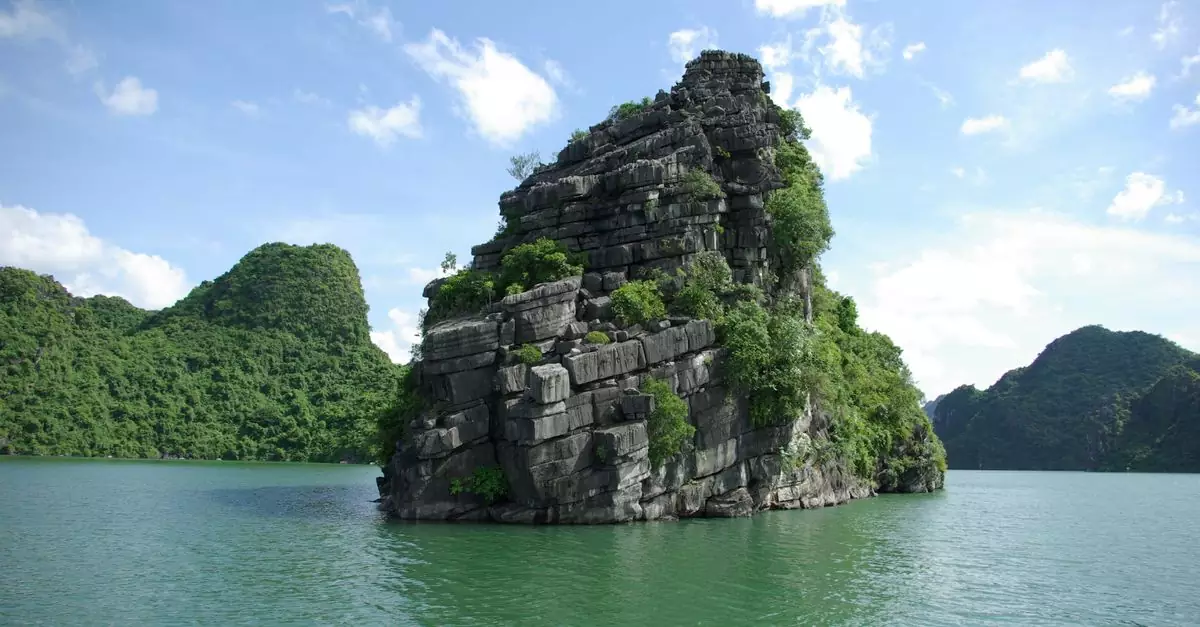
Madagascar stands apart as a premier destination for those seeking truly unique island wildlife adventures. This vast island nation, off the coast of Southeast Africa, boasts an astonishing level of endemism, meaning many of its species are found nowhere else on Earth. Its diverse ecosystems, from dry spiny forests to lush rainforests, support an incredible array of creatures, making it a top choice for wildlife enthusiasts. Planning a trip here requires attention to logistics, as many national parks are remote, but the rewards include unparalleled encounters with its charismatic fauna.
Tracking Ring-Tailed Lemurs in Isalo National Park
Isalo National Park, located in the south of Madagascar, offers a dramatic landscape of sandstone massifs, canyons, and natural swimming pools, providing a stunning backdrop for wildlife viewing. It’s a prime location to observe ring-tailed lemurs, easily recognizable by their distinctive black and white striped tails. These social primates are often seen basking in the sun or foraging in small groups.
To make the most of your visit, consider hiring a local guide. They possess intimate knowledge of the park’s trails and can help you locate lemur troops and other wildlife, such as the Verreaux’s sifaka. Early morning and late afternoon are generally the best times for animal sightings. The park is accessible via RN7, a major road, but internal travel within Madagascar often involves domestic flights or private vehicle hire. Accommodation options range from basic campsites within the park to comfortable lodges just outside its boundaries.
Discovering Aye-Ayes in the Andasibe-Mantadia National Park
For a chance to see one of the world’s most unusual primates, the aye-aye, head to Andasibe-Mantadia National Park on the eastern side of the island. This park is a haven for lemurs, including the indri, Madagascar’s largest living lemur, known for its haunting, melodic calls that echo through the rainforest canopy. The aye-aye, with its rodent-like teeth and long, thin middle finger used for tapping on wood to find grubs, is nocturnal and notoriously elusive.
Night walks within the park are essential for spotting aye-ayes and other nocturnal creatures like chameleons and geckos. Local guides are indispensable for these walks, using their keen senses and knowledge to locate these shy animals. The park is roughly a 3-4 hour drive east of Antananarivo, the capital, making it a relatively accessible destination. Lodges and guesthouses are available near the park entrance, offering convenient bases for exploration.
Encountering Chameleons and Fossa in Ranomafana National Park
Ranomafana National Park, a UNESCO World Heritage site in south-central Madagascar, is renowned for its dense rainforest and exceptional biodiversity, particularly its diverse lemur population. It is also one of the best places to spot chameleons, with numerous species inhabiting the lush vegetation. Keep an eye out for their slow, deliberate movements and remarkable color-changing abilities.
Beyond lemurs and chameleons, Ranomafana is also a crucial habitat for the fossa, Madagascar’s largest native carnivore. While sightings are rare due to their elusive nature and primarily nocturnal habits, the park offers the best chance of encountering this unique predator. The park’s rugged terrain requires sturdy hiking boots and a good level of fitness. Like other Malagasy parks, hiring a local guide is highly advisable for both safety and to maximize wildlife encounters. The nearest major town is Fianarantsoa, from which you can arrange transport to the park.
Bora Bora: Beyond the Overwater Bungalows for Marine Life
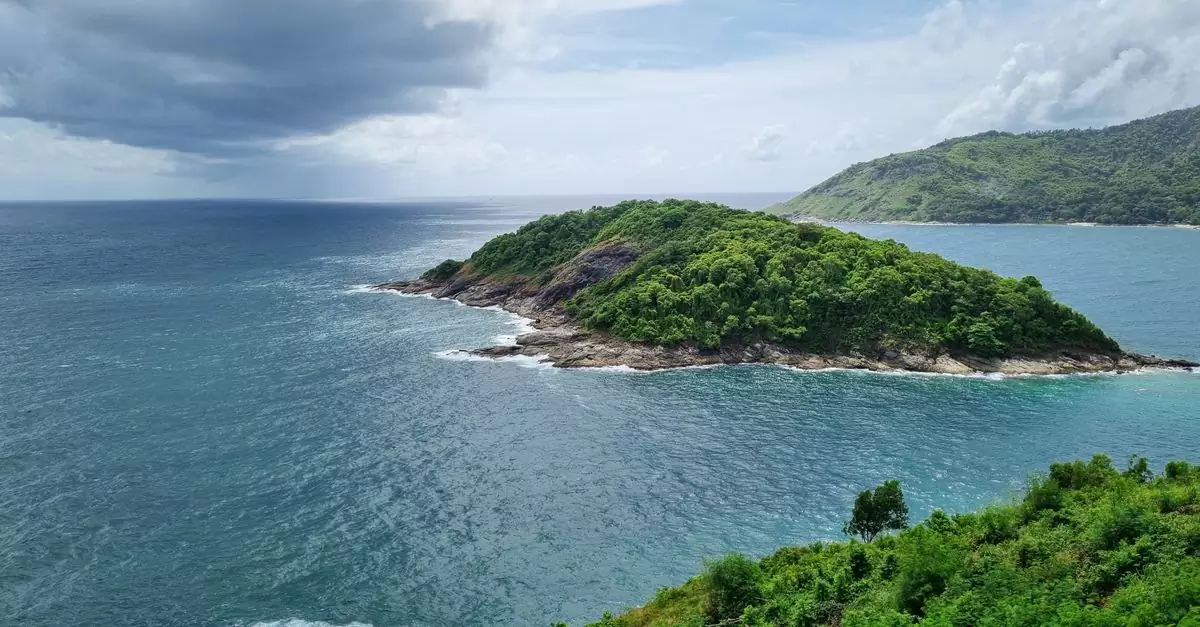
While Bora Bora is synonymous with luxurious overwater bungalows and turquoise lagoons, its true magic for wildlife enthusiasts lies beneath the surface and in the skies. This French Polynesian gem offers exceptional opportunities for close encounters with marine life and unique bird species, making it a compelling destination for an island wildlife adventure.
Swimming with Reef Sharks and Stingrays in the Lagoon
The shallow, crystal-clear waters of Bora Bora’s lagoon are a natural aquarium, teeming with marine life. A signature experience here is a guided boat tour that takes you to specific feeding grounds where you can safely swim and interact with blacktip reef sharks and graceful stingrays. These tours are designed for accessibility, with many operators providing flotation devices and clear instructions, making it suitable for a wide range of swimmers.
The guides are knowledgeable about the animals’ behavior and ensure a respectful and safe distance is maintained, even during feeding sessions. You’ll often find yourself surrounded by dozens of stingrays gliding through the water, their flat bodies and long tails creating a mesmerizing spectacle. The reef sharks, while present, are generally timid and pose little threat in these shallow, well-trafficked areas.
Logistics for Lagoon Encounters:
- Timing: Mornings are often best, as the water is calm and the animals are active. Tours typically last 3-4 hours.
- What to bring: Swimsuit, reef-safe sunscreen, a waterproof camera, and a towel.
- Budget: Expect to pay between $80-$150 USD per person for a guided tour.
Discovering the Vibrant Coral Gardens of the ‘Aquarium’
Beyond the larger marine animals, Bora Bora’s lagoon boasts remarkably healthy coral reefs, particularly in areas often referred to as “the aquarium.” These underwater gardens are a kaleidoscope of color, home to an astonishing diversity of fish. Snorkeling or diving here allows you to witness parrotfish, angelfish, butterflyfish, and countless other species darting among the coral formations.
Many resorts offer direct access to good snorkeling spots from their beaches or overwater bungalows. For a more immersive experience, consider booking a dedicated snorkeling or diving excursion. These tours often visit less crowded sites, providing a more pristine view of the reef ecosystem. Some operators also offer introductory dive courses for beginners eager to explore deeper.
The health of Bora Bora’s coral is a testament to local conservation efforts. Visitors are encouraged to practice responsible snorkeling and diving, avoiding touching or stepping on the coral to help preserve this fragile environment.
Birdwatching for Tropicbirds and Frigatebirds
While marine life dominates the conversation, Bora Bora also offers rewarding birdwatching opportunities. The island’s lush interior and coastal areas are home to several species of seabirds and tropical birds. Red-footed boobies and great frigatebirds are commonly spotted soaring overhead, especially near the motus (small islets) surrounding the main island.
For those interested in dedicated birdwatching, early morning hours are most productive. Look towards the higher elevations or the coastline where these birds often nest or hunt. While not as numerous as the marine creatures, spotting these magnificent flyers against the backdrop of the volcanic peaks and azure sea provides a unique perspective on the island’s biodiversity.
A local guide specializing in nature tours can enhance your birdwatching experience, pointing out species you might otherwise miss and sharing insights into their nesting habits and migratory patterns.
Kangaroo Island: Australia’s Premier Wildlife Sanctuary
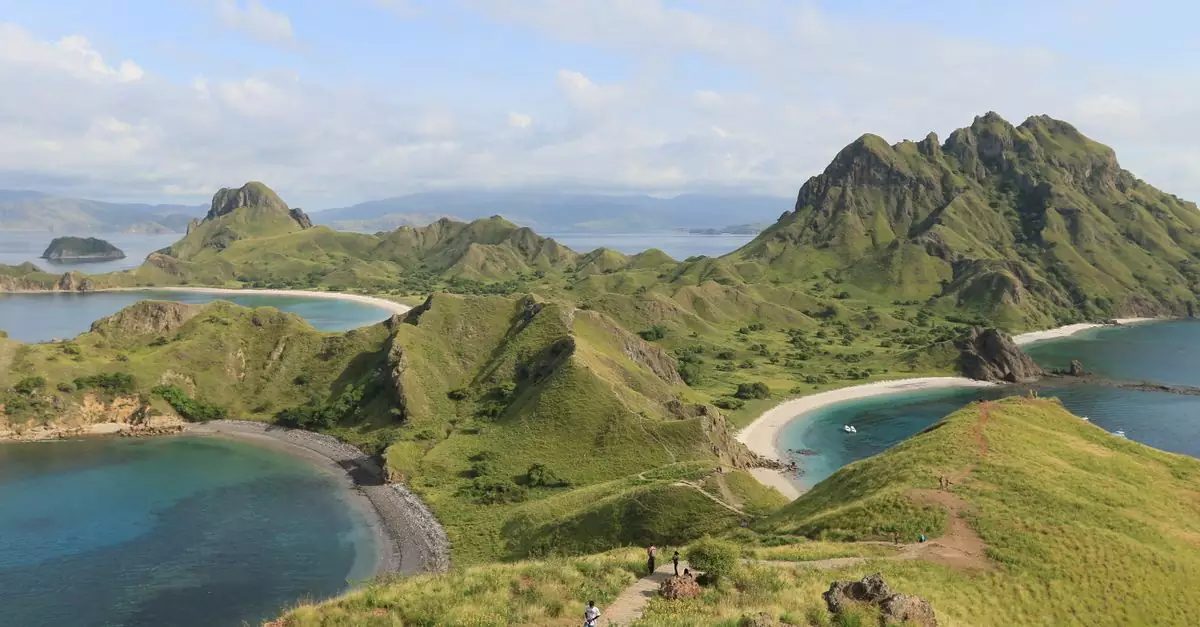
Kangaroo Island, located off the coast of South Australia, is a remarkable destination for anyone seeking authentic wildlife encounters. Roughly one-third of the island is protected as conservation parks and reserves, creating a haven for native Australian fauna. Its relative isolation from the mainland allows wildlife populations to thrive with fewer introduced predators and human interference. Planning a trip here offers a chance to see iconic Australian animals in their natural habitats, making it a top contender for the best island wildlife adventures.
Seeing Kangaroos and Koalas at Flinders Chase National Park
Flinders Chase National Park, situated on the western end of Kangaroo Island, is the island’s most significant protected area and a cornerstone for wildlife viewing. Here, you can reliably spot Australian sea lions basking on the shores of the Remarkable Rocks and Admirals Arch. Beyond the marine life, the park is home to large populations of kangaroos, wallabies, and koalas. Early morning and late afternoon are the prime times to see kangaroos grazing in open areas. Koalas are often found higher in eucalyptus trees, and a keen eye or a pair of binoculars can help locate them.
Getting to Flinders Chase requires a car, as it’s a considerable drive from the main ferry terminal in Penneshaw. The park offers walking trails, picnic areas, and self-guided drives, allowing visitors to tailor their experience. Remember to respect the wildlife by keeping a safe distance and never feeding them. Accommodation options range from camping within the park to lodges and cottages scattered across the island, many of which are a scenic drive away.
Watching Australian Sea Lions at Seal Bay
Seal Bay Conservation Park is one of Kangaroo Island’s most popular attractions, offering an unparalleled opportunity to observe Australian sea lions in their natural environment. This is one of the few places in the world where you can walk among a colony of these fascinating marine mammals. Guided tours take visitors down to the beach, providing close-up views of the sea lions as they swim, play, and rest on the sand. Guides share insights into the sea lions’ behavior, breeding habits, and conservation status, enriching the experience.
The park is accessible by car and is located on the south coast of the island. Tours run regularly, but it’s advisable to check the schedule and book in advance, especially during peak seasons. The experience is managed to ensure minimal disturbance to the sea lions, with boardwalks and designated viewing areas. Even without a guided tour, you can observe some of the colony from an elevated boardwalk that overlooks the beach.
Exploring Little Sahara’s Sand Dunes and Birdlife
Little Sahara is a unique geological formation on Kangaroo Island, featuring vast sand dunes that offer a stark contrast to the island’s more typical bushland and coastal scenery. While not primarily a wildlife destination, the area supports a surprising diversity of birdlife adapted to its arid conditions. Birdwatchers can spot species like the fairy tern and various waders along the coast, and raptors soaring above the dunes. The dunes themselves are also a fun place for activities like sandboarding, providing a different kind of adventure.
Access to Little Sahara is straightforward by car, located near the Vivonne Bay turn-off on the south coast. You can explore the dunes on foot, and sandboards are available for hire from local operators. The landscape is quite exposed, so bringing sun protection and water is essential, particularly during warmer months. While the focus here is on the dramatic dunes, the presence of coastal birds adds another layer to the natural appeal of this distinctive part of Kangaroo Island.
When is the Best Time for Island Wildlife Adventures?
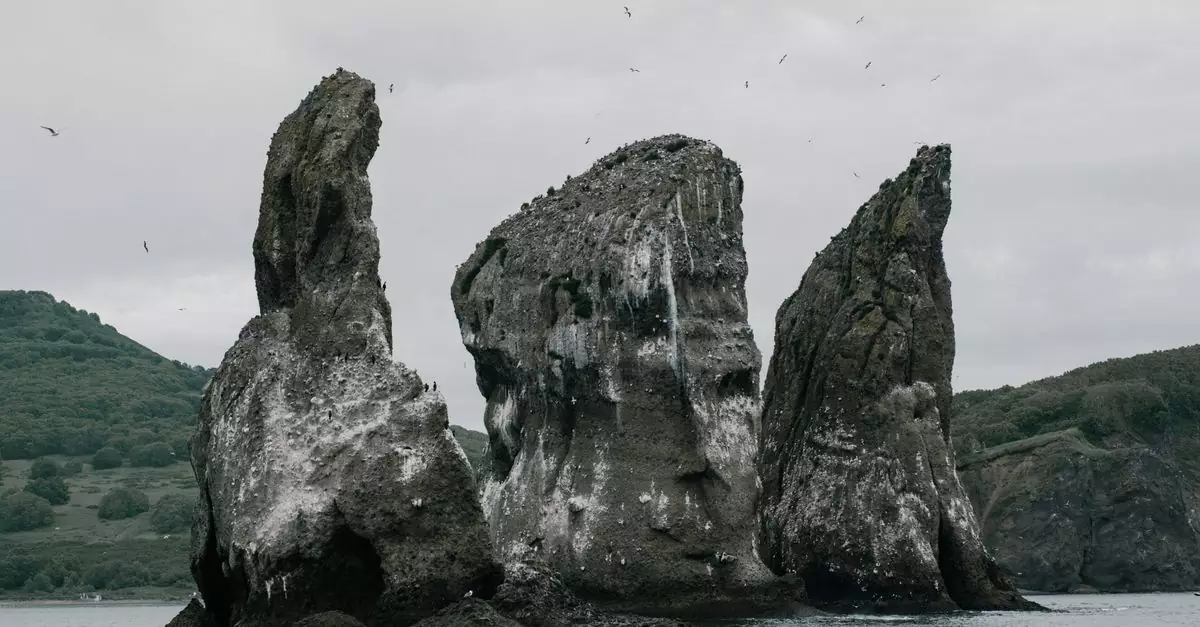
Timing your island getaway is crucial for maximizing your chances of incredible animal encounters. Different islands and their inhabitants operate on distinct seasonal cycles, influenced by weather, breeding patterns, and migration. Planning around these factors can transform a good trip into an unforgettable wildlife expedition.
Seasonal Migration Patterns for Bird and Marine Life
Many islands serve as vital stopovers or breeding grounds for migratory species. For instance, the Galápagos Islands offer exceptional marine life viewing year-round, but specific months bring different whale species or increased seabird activity. Similarly, islands in the North Atlantic, like the Faroe Islands or Iceland, are prime destinations for puffin viewing during their breeding season, typically from April to August. Understanding these migratory patterns, whether for whales, turtles, or birds, is key to witnessing these natural spectacles. Researching the specific wildlife you hope to see on your chosen island will guide you toward the optimal travel dates.
Optimal Weather Conditions for Animal Spotting
Beyond migration, weather significantly impacts animal visibility and behavior. Dry seasons on tropical islands often concentrate wildlife around dwindling water sources, making them easier to spot. Conversely, some marine life, like manta rays or certain whale sharks, are more prevalent in nutrient-rich waters that can be influenced by rainfall patterns or ocean currents, which may occur during wetter periods. For example, the Seychelles islands experience their driest, calmest sea conditions for snorkeling and diving between April and May, and again in October and November, offering excellent visibility for marine encounters. Always check local weather patterns and their effect on the specific animals you wish to observe.
Avoiding Peak Tourist Seasons for Better Encounters
While popular islands offer fantastic wildlife opportunities, visiting during peak tourist seasons can mean more crowds and potentially disturbed animals. Shoulder seasons, just before or after the main tourist rush, often provide a more intimate experience. You might find fewer boats vying for whale-watching spots or more undisturbed beach space for observing nesting turtles. For example, visiting the Hawaiian Islands in the spring (April-May) or fall (September-October) can offer a good balance of pleasant weather and fewer crowds compared to the busy winter or summer months. This can lead to more authentic and less intrusive wildlife viewing, benefiting both you and the animals.
Frequently Asked Questions About Island Wildlife Tours
What are the most ethical ways to observe wildlife on islands?
Observing wildlife ethically on islands means prioritizing the animals’ well-being and natural behavior. Always maintain a respectful distance; never approach, feed, or touch wild animals. Choose tour operators committed to conservation and responsible tourism practices. These operators often follow strict guidelines, such as limiting group sizes and avoiding disruptive activities. Educate yourself about the specific species you might encounter and their sensitivities to human presence. Remember, responsible wildlife viewing contributes to the long-term survival of these unique island ecosystems.
What essential gear should I pack for an island wildlife trip?
Packing the right gear significantly enhances your island wildlife adventures and ensures comfort and safety. Binoculars are crucial for close-up views without disturbing animals. A good quality camera with a zoom lens will help capture memorable moments. Lightweight, breathable clothing in neutral colors is recommended to blend in with the environment and avoid startling wildlife. Waterproof outer layers are essential, as island weather can be unpredictable. Don’t forget sturdy, comfortable walking shoes or hiking boots, sun protection (hat, sunscreen, sunglasses), and insect repellent. A reusable water bottle is also a must to stay hydrated and reduce plastic waste.
How can I minimize my environmental impact during these adventures?
Minimizing your environmental impact is key to preserving the delicate island habitats you visit. Stick to marked trails to prevent erosion and protect vegetation. Avoid leaving any trash behind; pack out everything you pack in, including organic waste like fruit peels. Choose accommodations and tour providers that demonstrate a commitment to sustainability, such as those using renewable energy or supporting local conservation efforts. Be mindful of water usage, as freshwater can be a scarce resource on many islands. Supporting local economies by purchasing local goods and services also contributes to sustainable tourism. Adhering to these principles ensures that these incredible natural environments remain vibrant for future generations.