Island hikes offer a unique blend of challenging terrain and stunning ocean vistas, making them a dream for adventurers. From dramatic cliffs to volcanic landscapes and lush rainforests, these destinations provide unforgettable experiences for every type of trekker. If you’re seeking the best island hiking destinations, you’ve come to the right place. This guide explores incredible trails worldwide, detailing what makes each location special, from Scotland’s dramatic Quiraing to the volcanic caldera rim of Santorini and Hawaii’s legendary Kalalau Trail. We’ll cover challenging treks for experienced hikers and gentler walks for scenic relaxation, along with essential tips on planning your island adventure, including transportation, accommodation, and packing. Prepare to discover your next unforgettable journey on foot, surrounded by breathtaking island beauty.
Top Island Hiking Destinations for Breathtaking Coastal Trails
Island hikes combine challenging terrain with stunning ocean vistas, offering unforgettable adventures for every trekker. Planning your island escape involves considering the best time to visit, necessary permits, and appropriate gear for these varied environments.
Hiking the Dramatic Cliffs of Skye’s Quiraing, Scotland
The Trotternish Peninsula on the Isle of Skye is home to the Quiraing, a geological marvel featuring some of Scotland’s most iconic hiking. This landslip area boasts a series of pinnacles, cliffs, and plateaus, including the distinctive Needle and the Table. The main loop trail is approximately 4 miles (6.5 km) and can be completed in 2-3 hours, though detours and slower exploration may extend this time.
Traveler Tips for the Quiraing:
- Best Time to Visit: Late spring (May-June) and early autumn (September-October) offer pleasant weather and fewer crowds. Summer can be busy, while winter conditions may be severe with ice and snow.
- Footwear: Sturdy, waterproof hiking boots are essential due to the often boggy and uneven terrain.
- Weather: Skye is known for its unpredictable weather. Be prepared for wind, rain, and sun all in the same day—layers are crucial.
- Access: Parking at the Quiraing can be very limited during peak season. Arrive early or consider visiting on a weekday.
Exploring the Volcanic Landscapes of Santorini’s Caldera Rim, Greece
Santorini’s celebrated hike traces the rim of its ancient volcanic caldera, connecting the towns of Fira and Oia. This roughly 6-mile (10 km) trail offers unparalleled views of the Aegean Sea, the submerged volcano, and the whitewashed villages clinging to the cliffs. The hike typically takes 3-5 hours, depending on pace and photo stops.
Santorini Hiking Logistics:
- Route: The most popular section runs from Fira to Oia, but you can also hike from Fira to Imerovigli or Firostefani for shorter, equally scenic routes.
- Timing: To avoid the intense midday sun, start your hike early in the morning or late afternoon. The sunset from Oia is a spectacular reward after an afternoon trek.
- Terrain: The path varies from paved walkways and dirt tracks to rocky, uneven sections. Good walking shoes are recommended.
- Hydration: Carry plenty of water, as there are limited opportunities to refill along the trail, especially between Fira and Oia.
Trekking the Lush Rainforests of Kauai’s Kalalau Trail, Hawaii
The Kalalau Trail on Kauai’s Nā Pali Coast is a legendary and challenging trek through some of Hawaii’s most dramatic scenery. This 11-mile (17.7 km) one-way trail descends into lush valleys, crosses streams, and traverses narrow cliffside paths, culminating at the remote Kalalau Beach. Due to its difficulty and popularity, permits are required for day hikes beyond Hanakāpīʻai Beach and for overnight camping.
Kalalau Trail Planning Essentials:
- Permits: Secure permits well in advance from the Hawaii Department of Land and Natural Resources, as these are highly competitive.
- Difficulty: This is a strenuous hike. The trail involves significant elevation changes and can be muddy and slippery, especially after rain.
- Safety: Hikers should be experienced and physically fit. The trail has steep drop-offs and hazardous stream crossings. Always check current trail conditions before setting out.
- Gear: Pack rain gear, sturdy hiking boots, insect repellent, a first-aid kit, and sufficient water and food. Trekking poles can be very helpful.
- Seasonality: The wet season (November to March) can make the trail more hazardous. The dry season (April to October) is generally preferred, but conditions can still be challenging.
Challenging Island Treks for Experienced Hikers
For those who crave physical challenges and breathtaking vistas, certain islands offer world-class hiking destinations that push your limits. These routes demand preparation, fitness, and respect for the elements, providing an unparalleled sense of accomplishment and a unique perspective on the raw beauty of island landscapes.
Conquering Mount Kinabalu on Borneo, Malaysia
Mount Kinabalu, Southeast Asia’s highest peak outside the Himalayas, presents a formidable yet achievable challenge for experienced hikers. Located within Kinabalu National Park in Sabah, Borneo, the summit stands at 4,095 meters (13,435 feet). The trek typically takes two days, with an overnight stay at a mountain hut.
The trail ascends through diverse ecological zones, from lush rainforest to alpine scrub, offering insight into the island’s biodiversity. The final ascent on summit day is particularly steep, involving a scramble over granite slabs guided by ropes. Early booking for permits and accommodation is essential, as numbers are limited.
- Best Time to Hike: March to September (drier season)
- Permits & Guides: Mandatory, booked in advance through tour operators or the park authority.
- Accommodation: Basic mountain huts near the summit.
- Logistics: Fly to Kota Kinabalu, then take a bus or taxi to Kinabalu Park.
Summiting Pico Ruivo on Madeira, Portugal
Madeira, often called the “Pearl of the Atlantic,” features dramatic volcanic landscapes, with its highest peak, Pico Ruivo (1,862 meters / 6,109 feet), offering a spectacular hiking experience. While not as high as Kinabalu, the trails here are renowned for steep inclines, narrow paths, and stunning cliffside views.
The most popular route connects Pico Ruivo to Pico do Arieiro, traversing a ridge with incredible panoramas. This hike requires stamina and a head for heights, particularly on sections with steep steps carved into rock. The weather on Madeira can change rapidly, so be prepared for wind and rain, even in summer.
- Timing: Year-round, though spring (April-May) offers blooming flora.
- Difficulty: Moderate to challenging, depending on the chosen route.
- Footwear: Sturdy hiking boots are essential due to uneven terrain.
- Getting There: Fly into Funchal Airport (FNC) and arrange transport to the trailhead.
Navigating the Rugged Peaks of Reunion Island’s Piton de la Fournaise
Reunion Island, a French territory in the Indian Ocean, is dominated by its active volcano, Piton de la Fournaise. This shield volcano is one of the most active in the world, and hiking its caldera rim or exploring its lava fields offers an otherworldly adventure. The landscape is raw, volcanic, and constantly evolving.
The most common hike leads to the volcano’s main crater, accessible after recent eruptions have subsided. The rugged terrain, with scree slopes and solidified lava flows, tests hikers’ agility and endurance. It’s vital to check the volcano’s activity status and any access restrictions before planning your trip. Guides are highly recommended for safety and to understand the area’s geological significance.
| Aspect | Details |
|---|---|
| Location | Southeastern Reunion Island, France |
| Elevation | 2,631 meters (8,632 feet) |
| Terrain | Volcanic rock, scree, lava fields |
| Best Season | Dry season (May to October) for clearer skies |
| Considerations | Active volcano; check safety alerts and weather |
Reunion Island offers a unique blend of challenging mountain treks and tropical beauty, making it a prime destination for adventurous hikers seeking unforgettable experiences.
Gentle Island Walks for Scenic Views and Relaxation
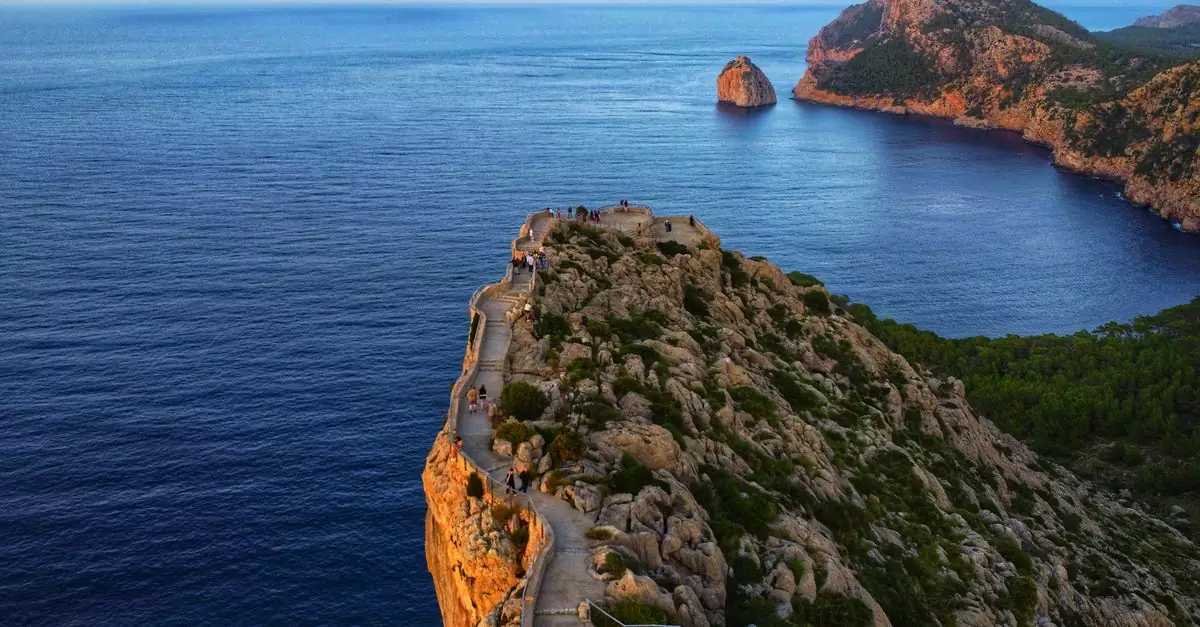
For travelers seeking tranquility and breathtaking scenery without strenuous climbs, several islands offer accessible and rewarding hiking experiences. These destinations combine gentle terrain with stunning natural beauty, ideal for a relaxed pace and ample photo opportunities.
Discovering Hidden Coves on Mallorca’s Coastal Paths, Spain
Mallorca, the largest of Spain’s Balearic Islands, features a network of coastal trails for walkers of all levels. The GR 221, or Dry Stone Route, has sections perfect for day hikes. Consider the path from Deià to Sóller, winding through olive groves and offering glimpses of the turquoise Mediterranean Sea. The scent of pine and wild herbs fills the air as you descend toward secluded coves, many accessible only on foot.
These well-maintained paths can be uneven, so sturdy walking shoes are recommended. The best time to hike is spring (April-May) and autumn (September-October) when the weather is mild and summer crowds have thinned. During these periods, you can enjoy comfortable temperatures and fewer people on the trails.
Logistics for Mallorca:
- Getting there: Fly into Palma de Mallorca Airport (PMI). Public transport and car rentals are readily available.
- Accommodation: Options range from boutique hotels in coastal towns to rural fincas.
- Budget: Mallorca caters to various budgets, from hostels to luxury resorts.
- Safety: Trails are generally safe, but always inform someone of your route and carry water.
Wandering Through Vineyards on Sicily’s Mount Etna Foothills, Italy
Sicily’s volcanic landscape offers unique hiking opportunities, particularly on the lower slopes of Mount Etna. While the summit requires more serious mountaineering, the surrounding regional park provides a network of trails through lava fields and ancient forests. Walking here means traversing a landscape shaped by natural forces, with vineyards clinging to the rich volcanic soil.
Trails around the Silvestri Craters are relatively flat and accessible, offering panoramic views of the Ionian Sea and the Italian mainland. Experience the distinct flora thriving in this environment, from hardy shrubs to mature trees. The air is often crisp, carrying the earthy scent of volcanic soil mixed with grape aromas from nearby wineries.
The best hiking season on Etna’s foothills is spring and autumn. Summer can be hot, and winter may bring snow at higher elevations. Guided tours are highly recommended for understanding the geology and history of the region. Many tours include wine tastings at local vineyards, adding a delightful culinary dimension to your walk.
Tips for Etna Foothills:
- Timing: Aim for April-June or September-October for pleasant weather.
- Transportation: Renting a car is the most convenient way to reach various trailheads. Buses are available but less frequent.
- What to bring: Layers of clothing are essential as mountain weather can change rapidly. Good hiking boots are a must.
Enjoying Panoramic Vistas on Vancouver Island’s East Sooke Park, Canada
On Canada’s west coast, Vancouver Island offers a rugged yet accessible hiking experience at East Sooke Park. This coastal park features a well-marked loop trail, the Coast Trail, manageable for day hikers and providing spectacular ocean views. The path meanders through coastal forests, along dramatic cliffs, and past tide pools teeming with marine life.
The varied terrain includes some ascents and descents over rocky outcrops, but remains within the capabilities of most walkers. The constant sound of waves crashing against the shore and the sight of eagles soaring overhead create a serene atmosphere. Lookouts offer expansive vistas of the Strait of Juan de Fuca and the Olympic Mountains in Washington State.
Spring and summer (May-September) are ideal for visiting East Sooke Park, offering the driest weather and longest daylight hours. Autumn also brings beautiful fall colors to the forest canopy. While the park is accessible, parking can be limited during peak times, so arriving early is advisable.
Planning Your Visit to East Sooke Park:
- Access: Located about an hour’s drive from Victoria, BC.
- Trail: The Coast Trail loop is approximately 10 kilometers (6 miles) and takes 3-4 hours to complete.
- Facilities: Basic facilities, including restrooms and picnic areas, are available.
- Wildlife: Keep an eye out for seals, sea lions, and various bird species.
When is the Best Time to Visit These Island Hiking Paradises?
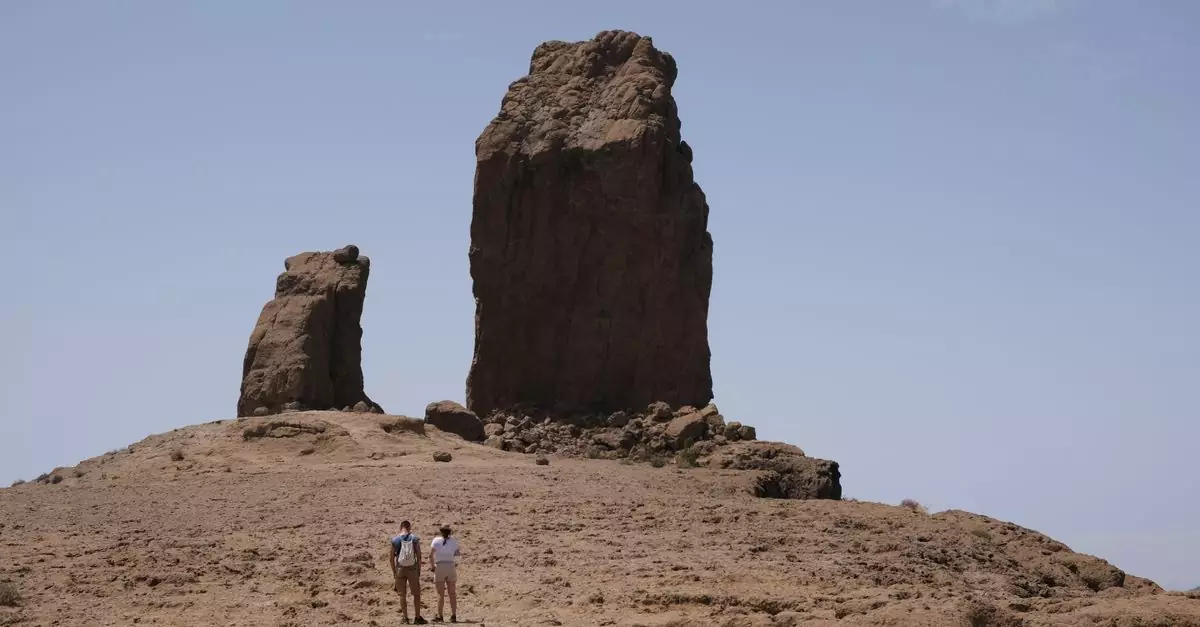
Choosing the right time to visit these island hiking destinations can significantly enhance your experience, impacting everything from trail conditions and weather to crowd levels and available activities. Each region boasts its own optimal seasons, influenced by local climate patterns and the unique natural phenomena that define them.
Optimal Seasons for Hiking in the Mediterranean Islands
For the sun-drenched trails of the Mediterranean, such as those on Crete or Mallorca, the prime hiking season typically spans from spring (April to June) through early autumn (September to October). During these months, temperatures are pleasantly warm, rarely reaching the intense heat of mid-summer, making climbs more manageable. Wildflowers carpet the landscapes in spring, while autumn brings softer light and fewer tourists. Summer (July and August) can be exceptionally hot, potentially making daytime hikes uncomfortable or even dangerous, especially at lower elevations. Winter, while mild, can bring rain and stronger winds, impacting trail accessibility and visibility on higher routes.
Best Months for Trekking in the Pacific Northwest Islands
The islands of the Pacific Northwest, like the San Juan Islands or those off the coast of British Columbia, present a different seasonal picture. The best months for trekking here are generally from late spring (May) through early autumn (September). This period offers the most stable weather, with longer daylight hours and a higher chance of dry conditions, crucial for navigating lush, sometimes muddy, coastal trails. Summer is popular but can also be foggy, particularly in June. Autumn offers stunning fall colors and fewer visitors, but rainfall increases significantly as winter approaches. Winter hiking is possible but requires careful planning due to rain, wind, and shorter daylight hours, with some trails potentially becoming impassable due to mud or fallen trees.
Considering Shoulder Seasons for Fewer Crowds and Pleasant Weather
For travelers seeking a balance of good weather and fewer crowds, the shoulder seasons often represent the sweet spot for many island hiking destinations worldwide. In spring, before the summer rush, you can find milder temperatures and blooming flora, as seen in the Greek islands or the Azores. Similarly, autumn, after the peak summer season, provides a welcome respite from heat and congestion. This period can offer crisp air, beautiful foliage in some regions, and more affordable accommodation options. For example, visiting islands like Madeira in April or October can provide excellent hiking conditions without the intense summer heat or significant crowds that arrive in July and August. Planning around these transitional periods allows for a more relaxed and immersive experience on the trails.
Here’s a general overview of optimal hiking times for some popular island types:
| Island Type | Best Hiking Season | Pros | Cons |
|---|---|---|---|
| Mediterranean | Spring, Early Fall | Pleasant temperatures, wildflowers, fewer crowds | Summer heat, potential winter rain/wind |
| Pacific Northwest | Late Spring to Fall | Dry conditions, longer days, stable weather | Summer fog, increasing autumn rain |
| Tropical/Subtropical | Dry Season | Lower humidity, less rain, clearer skies | Peak tourist season, higher prices |
| Volcanic (e.g., Hawaii) | Year-round (Dry) | Consistent conditions, diverse landscapes | Occasional heavy rain, higher elevation chill |
Planning Your Island Hiking Adventure: Logistics and Essentials
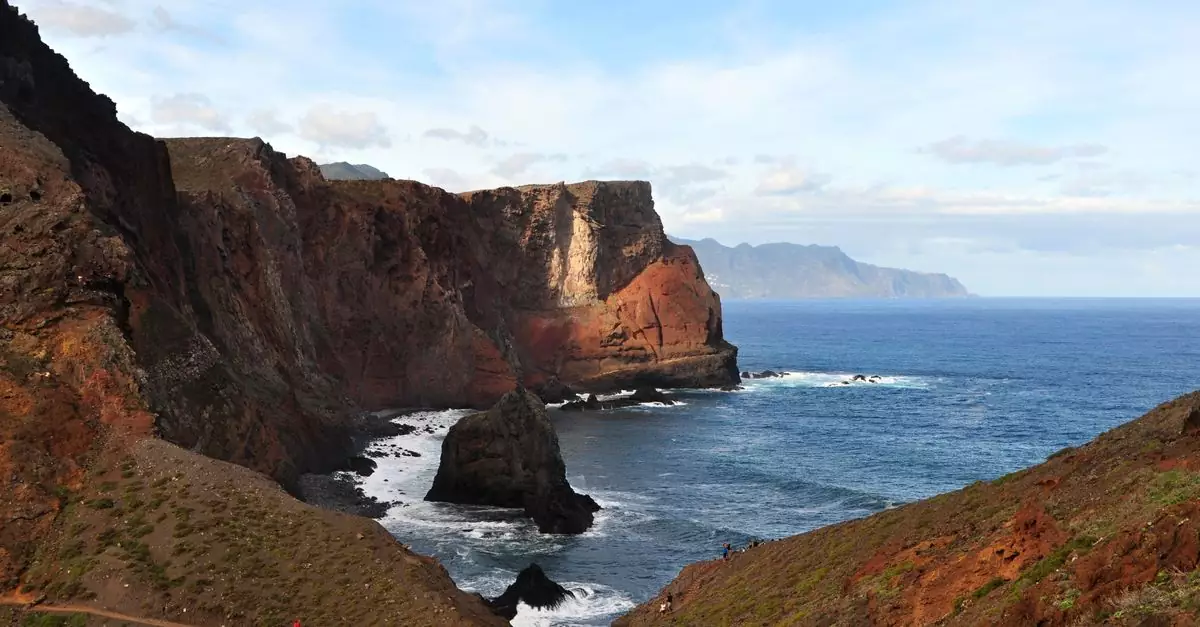
Embarking on an island hiking trip requires thoughtful preparation, from reaching your remote trailhead to packing for unpredictable conditions. Understanding the logistics involved in accessing and navigating island environments will significantly enhance your adventure. This section offers practical advice to ensure your journey to discover the best island hiking destinations is smooth and enjoyable.
Island Transportation Options: Ferries, Flights, and Local Transit
Reaching many island hiking destinations involves a combination of air and sea travel. International flights often land on larger, more accessible islands, from which smaller inter-island flights or ferries can be taken. Ferries are a common and often scenic way to travel between islands, providing a relaxed pace and opportunities for ocean views. Booking ferry tickets in advance is advisable, especially during peak season, as popular routes can fill up quickly.
Once on an island, local transportation varies. Some islands offer well-developed bus networks, while others rely on taxis, rental cars, or scooters. For remote hiking areas, arranging a local guide who can provide transport or knowing where to hire a sturdy 4×4 vehicle can be crucial. Always research the specific transportation infrastructure of your chosen island ahead of time.
| Transport Type | Typical Use Case | Cost (Estimate) | Booking Advice |
|---|---|---|---|
| International Flights | Reaching the main island hub | $$$$ | Book 3-6 months in advance |
| Inter-island Flights | Connecting smaller islands | $$$ | Book 1-3 months in advance |
| Ferries | Island hopping, local commutes | $$ | Book 1-4 weeks in advance |
| Local Buses | On-island transit | $ | Check schedules locally |
| Taxis/Ride Shares | On-demand transport | $$ | Available in larger towns |
| Scooter/Car Rental | Independent exploration | $$ | Book in advance for peak season |
Accommodation Choices: Eco-Lodges to Beachfront Bungalows
Your choice of accommodation can significantly impact your island hiking experience. Many islands offer a range of options to suit different budgets and preferences. For those seeking a close connection with nature and a minimal environmental footprint, eco-lodges are increasingly popular. These often feature sustainable practices and are frequently located near trailheads or in scenic natural settings.
Beachfront bungalows provide a classic island retreat, offering easy access to the coast and often stunning ocean views. For budget-conscious travelers, hostels and guesthouses are widely available in more populated areas. Booking accommodation in advance is highly recommended, particularly for smaller islands or during the high season, to secure your preferred lodging and avoid last-minute price hikes.
Packing List Essentials for Diverse Island Climates and Terrains
Packing effectively for island hiking means preparing for varied weather and terrain. Even tropical islands can experience sudden rain showers and cooler evenings at higher elevations. A waterproof and windproof jacket is essential, layered over moisture-wicking base layers. Sturdy, broken-in hiking boots are crucial for navigating rocky or uneven trails.
Don’t forget sun protection: high SPF sunscreen, a wide-brimmed hat, and sunglasses are vital. Insect repellent is also necessary, especially for trails passing through dense vegetation or near water sources. Carry a reusable water bottle and a water filter or purification tablets, as potable water sources can be scarce in remote areas. A basic first-aid kit, including blister treatment, is also a wise addition to your pack.
Frequently Asked Questions About Island Hiking
What are the most common safety concerns when hiking on islands?
When planning your island adventures, be aware of specific safety considerations. Coastal erosion can make cliffside paths unstable, especially after heavy rain. Always check local conditions and heed any warning signs. In tropical regions, wildlife encounters, such as venomous snakes or insects, are a possibility. Carrying a basic first-aid kit and knowing how to use it is essential. Understanding local tides is also crucial for coastal walks, as some routes can become impassable or dangerous during high tide.
Are there specific gear recommendations for island trails?
Packing the right gear significantly enhances your island hiking experience. Lightweight, breathable clothing is a must, along with a wide-brimmed hat and high-SPF sunscreen to protect against strong sun exposure. Waterproof and windproof outer layers are advisable, as weather can change rapidly, even on a tropical island. Sturdy, broken-in hiking boots with good ankle support are vital for navigating varied terrain, from volcanic rock to sandy beaches. Don’t forget insect repellent, especially for trails with dense vegetation.
How can I find lesser-known island hiking routes?
Discovering secluded island trails often requires local insight. Start by consulting local tourism offices or park ranger stations upon arrival; they often have maps and information on less-trafficked paths. Online forums dedicated to hiking or specific island destinations can also be valuable resources, with seasoned travelers sharing their discoveries. Engaging with local guides can provide access to routes not found in standard guidebooks, offering a more authentic and tranquil hiking experience away from the main tourist hubs.