Islands offer more than stunning coastlines; they are vibrant hubs for unique culinary celebrations. Discovering the best island food festivals around the world invites you on a journey filled with incredible flavors, local traditions, and unforgettable cultural experiences. This guide presents a curated selection of these gastronomic events, emphasizing what makes each one special. You’ll learn about a diverse array of dishes, from fresh seafood and tropical fruits to regional specialties and award-winning wines. We’ll also provide practical advice on when to go, how to navigate island logistics, and where to find the most authentic tastes beyond the festival grounds, ensuring your next trip is a delicious adventure.
Top Island Food Festivals for Culinary Explorers

Island destinations offer more than stunning beaches and turquoise waters; many host vibrant food festivals that celebrate their unique culinary heritage. These events provide an exceptional opportunity to sample local delicacies, meet producers, and immerse yourself in the island’s culture. From the volcanic soil of Greece to the fertile lands of Hawaii, these gatherings are a treat for any food lover.
Santorini Food Festival: A Taste of Greek Island Cuisine
Held annually in the picturesque village of Pyrgos, the Santorini Food Festival celebrates traditional Cycladic flavors. This event showcases the island’s rich agricultural products, including its famous cherry tomatoes, fava beans, and capers, alongside local wines like Assyrtiko. Attendees can savor dishes prepared by renowned local chefs, participate in cooking demonstrations, and enjoy live music against the backdrop of Santorini’s iconic caldera views.
- Timing: Typically held in late September or early October.
- Logistics: Accessible by local bus from Fira and Oia. Advance booking for accommodation is recommended, especially during peak season.
- Budget: Entry to the festival grounds is often free, with costs incurred for food and wine tasting.
Maui Onion Festival: Celebrating Hawaii’s Sweetest Delicacy
The Maui Onion Festival, usually held in Lahaina, honors the island’s world-renowned sweet Maui onion. This family-friendly event features various food stalls offering onion-infused dishes, from onion rings and onion soup to more creative preparations. Beyond the food, expect live entertainment, craft vendors, and activities for children. It’s a fantastic way to experience a beloved local product.
- Transportation: Lahaina is accessible by car, with limited public transport options. Parking can be challenging during the festival.
- Local Insight: Look for the “Maui Onion” certification to ensure you’re tasting the genuine article, grown in the island’s unique volcanic soil.
Jamaica Food & Drink Festival: Caribbean Flavors Unveiled
The Jamaica Food & Drink Festival (JFDF) spans multiple events across Kingston and Montego Bay, offering a comprehensive taste of Jamaican cuisine. This multi-day festival highlights the island’s diverse culinary landscape, featuring everything from jerk chicken and seafood to innovative fusion dishes. It’s an excellent platform to sample the creations of Jamaica’s top chefs, mixologists, and food entrepreneurs.
- Seasonality: The festival usually takes place in late October.
- Accommodation: Various resorts and guesthouses are available in both Kingston and Montego Bay. Booking in advance is advisable.
- Experience: The JFDF often includes tasting events, cooking competitions, and cocktail showcases, providing dynamic culinary immersion.
Taste of Tasmania: A Gastronomic Journey Down Under
Held in Hobart, the Taste of Tasmania is one of Australia’s premier food and wine festivals, showcasing the exceptional produce from the island state. Visitors can sample everything from fresh seafood and premium lamb to artisan cheeses and world-class wines. The festival is set against the scenic backdrop of the Derwent River, offering a true taste of Tasmania’s natural bounty and culinary innovation.
- Timing: The festival runs annually over the New Year period.
- Getting There: Hobart is easily accessible by air. The festival site is centrally located and walkable from most city accommodations.
- Comparison: Compared to other island food festivals, the Taste of Tasmania offers a broader scope, encompassing a wider range of artisanal products and an extensive wine selection.
These festivals provide compelling reasons to plan an island getaway, combining the allure of a tropical or temperate paradise with the delights of exceptional food and drink. Each event offers a unique window into the local culture and agricultural richness of its respective island.
When to Experience the Best Island Food Festivals
Timing your island getaway around a culinary celebration can elevate your trip from memorable to exceptional. The world’s diverse islands host a variety of food festivals throughout the year, each reflecting local harvests, traditions, and unique environmental bounty. Understanding the seasonal calendar for these events helps travelers plan for the freshest ingredients and the most vibrant atmosphere.
Spring Harvest Festivals: From Citrus to Seafood
Spring marks a time of renewal for many island ecosystems, bringing forth an abundance of fresh produce and revitalizing marine life. In regions with a Mediterranean climate, islands like Crete or Sicily often celebrate the citrus harvest in early spring. Expect festivals featuring freshly squeezed juices, marmalades, and dishes where lemon and orange zest are star ingredients.
Further afield, islands in the Northern Hemisphere, such as those in the Japanese archipelago, might host seafood festivals as fishing seasons reopen after winter. For instance, the Oki Islands in Japan are known for their early spring crab and shellfish festivals, offering a chance to taste incredibly fresh catches prepared with local techniques. These events often include traditional music and dance, providing a rich cultural experience. Planning for these spring events means checking local tourism calendars for specific dates, as they can vary annually based on weather patterns.
Summer’s Bounty: Grilling, BBQ, and Tropical Fruits
Summer is synonymous with abundant harvests and outdoor celebrations, making it a prime season for island food festivals worldwide. Tropical islands, from the Caribbean to Southeast Asia, come alive with celebrations of mango, pineapple, and papaya. Think of the vibrant mango festivals in regions like Puerto Rico or the Philippines, where diverse mango varieties are showcased in everything from savory dishes to refreshing desserts.
In cooler climes, islands in the Pacific Northwest or Scotland might focus on summer berries, artisanal cheeses, and grilled seafood. The San Juan Islands in Washington, for example, often feature summer farmers’ markets and seafood barbecues. These summer gatherings are typically lively, family-friendly events, drawing crowds eager to enjoy the long daylight hours and warm weather. Booking accommodations and flights well in advance is crucial for summer travel, as these are peak festival and vacation times.
Autumnal Delights: Wine, Harvest, and Spices
As the seasons shift, autumn brings a focus on harvest bounty, particularly grapes, grains, and warming spices. European islands with established wine regions, such as Sardinia or the Azores, often host wine harvest festivals in September and October. These events are a fantastic opportunity to sample local vintages directly from producers, often paired with regional cheeses and cured meats.
Islands in North America and Asia might celebrate the fall harvest with pumpkin festivals, apple fairs, or events focused on autumnal spices. Think of islands off the coast of New England celebrating apple cider and pumpkin pie, or islands in South Korea featuring festivals dedicated to sweet potatoes and persimmons. The cooler, crisp air of autumn provides a comfortable backdrop for these celebrations, often featuring hearty, comforting dishes and a more relaxed, community-focused atmosphere compared to the boisterous summer events.
Winter Warmers: Comfort Food and Island Specialties
While many associate food festivals with warmer months, winter offers unique culinary experiences on islands worldwide, focusing on comfort food and the specific bounty available during the colder season. In colder climates, islands might host festivals dedicated to hearty stews, smoked fish, or baked goods designed to ward off the chill. For example, islands in the Nordic region might have small-scale events celebrating preserved foods or local spirits.
Warmer tropical islands often feature winter festivals highlighting seasonal fruits that thrive in the cooler, drier months, or focus on traditional dishes that are staples year-round. These events can be more intimate, allowing for a deeper connection with local culture away from the peak tourist season. Travelers seeking these winter festivals should look for events tied to specific holidays or local traditions, as they are often less widely publicized than their summer counterparts. Planning for winter travel can offer more budget-friendly options for flights and accommodations.
Navigating Your Island Food Festival Trip: Logistics and Tips
Planning a trip to attend some of the best island food festivals requires careful consideration of logistics. These unique events often take place on remote shores, meaning travel and on-site arrangements need more forethought than a mainland festival. Understanding how to get there, how to move around, and how to manage your budget will significantly enhance your culinary adventure.
Getting to the Islands: Flights and Ferry Options
Reaching island destinations for food festivals typically involves a combination of air and sea travel. Major international airports often serve as gateways to island regions, followed by shorter domestic flights or ferry services to reach the specific festival island. For example, attending a seafood festival in the Greek Islands might involve flying into Athens and then taking a ferry to islands like Crete or Naxos.
Consider booking flights and ferries well in advance, especially if your chosen festival coincides with peak tourist seasons or public holidays. Ferry schedules can be subject to weather conditions, so always check for updates closer to your departure date. Some smaller, more remote islands may have limited ferry access, making flight connections crucial. For a comprehensive overview of island geography, you can consult resources like Wikipedia’s entry on islands.
Island Hopping Itineraries for Foodies
Many island regions offer the chance to combine multiple food festivals or culinary experiences through island hopping. This approach allows you to sample a wider variety of regional specialties and enjoy diverse island cultures. For instance, a trip through the Caribbean could include a rum festival in Barbados followed by a spice festival in Grenada.
When crafting an itinerary, factor in travel time between islands. Overnight ferry journeys can save on accommodation costs and maximize your daytime exploration. Alternatively, short inter-island flights can be efficient but often more expensive.
A sample itinerary might look like this:
| Day(s) | Island | Festival/Focus | Transportation |
|---|---|---|---|
| 1-3 | Island A | Seafood Festival | Flight to regional hub, ferry |
| 4-5 | Island B | Local Produce Market | Inter-island ferry |
| 6-7 | Island C | Wine & Cheese Tasting | Inter-island ferry |
Local Transportation: Renting Cars vs. Public Transit
Once on an island, your transportation options will vary greatly. Larger islands, like Hawaii’s Oahu or Sicily, often have well-developed public bus systems and readily available car rental agencies. Renting a car offers the most flexibility for reaching smaller villages or remote venues associated with food festivals, but parking can sometimes be a challenge in popular tourist areas.
Smaller islands may have limited or no public transport. In such cases, taxis, scooters, or even bicycles might be your primary modes of getting around. Some island communities are also very walkable, especially around main towns or port areas. Always research the specific transportation infrastructure of your destination island before you go.
Budgeting for Island Food Festivals: Costs and Savings
The cost of attending island food festivals can range significantly depending on the destination and your travel style. Islands in more popular tourist regions, such as the Mediterranean or parts of the Caribbean, tend to have higher prices for accommodation, dining, and activities. Less developed or more remote islands might offer more budget-friendly options.
To save money, consider traveling during the shoulder seasons, which often fall just before or after peak tourist periods. This can lead to lower flight and accommodation rates. Eating at local markets or smaller, family-run eateries instead of upscale restaurants can also help manage your food budget while offering authentic flavors.
Here’s a general cost comparison for a 3-day festival visit:
| Category | Budget Traveler | Mid-Range Traveler | Luxury Traveler |
|---|---|---|---|
| Flights/Ferry | $200 – $500 | $400 – $800 | $700+ |
| Accommodation | $150 – $300 | $300 – $600 | $600+ |
| Food & Drink | $150 – $250 | $250 – $400 | $400+ |
| Festival Tickets/Activities | $50 – $100 | $100 – $200 | $200+ |
| Total (approx.) | $550 – $1150 | $1050 – $2000 | $1900+ |
Remember to factor in unexpected expenses, such as local transportation or spontaneous excursions. Purchasing festival tickets in advance can sometimes offer early-bird discounts.
Beyond the Festival: Exploring Local Flavors
Attending an island food festival is a fantastic way to dive into a region’s culinary scene, but the true magic often lies just beyond the main event. To fully appreciate the gastronomic landscape of any island destination, seek out everyday eateries and local traditions that shape its unique flavors. This means venturing beyond the festival grounds to discover authentic dishes and ingredients that define island life.
Must-Try Dishes at Each Festival Destination
Each island boasts signature dishes that reflect its history, climate, and available resources. For instance, if your travels take you to a Caribbean festival, don’t miss the opportunity to try jerk chicken, a spicy, marinated grilled meat that’s a staple of Jamaican cuisine. In the Mediterranean, look for fresh, grilled octopus seasoned simply with olive oil and lemon, a testament to the region’s abundant seafood. On a Pacific island, poke, a raw fish salad, is a vibrant and flavorful dish that showcases the freshness of local catches.
When planning your culinary journey, research the specific regional specialties of the island you’re visiting. Many festivals highlight these dishes, but local restaurants and food stalls offer a more intimate taste. Always ask locals for their recommendations; they often know the best spots for authentic preparations.
Hidden Gem Eateries Near Festival Grounds
The most memorable meals are often found in unassuming places. After experiencing the main festival attractions, take a short walk or a quick taxi ride to explore the neighborhoods surrounding the event. Look for small, family-run restaurants or ‘warungs’ (in Southeast Asia) that might not have flashy signage but are filled with locals. These are the places where traditional recipes are passed down through generations.
For example, in Sicily, while a festival might showcase cannoli, a small ‘pasticceria’ in a side street could offer a version with a richer ricotta filling and candied fruit made in-house. Similarly, on a Greek island, a simple taverna away from the main tourist drag might serve the most tender lamb kleftiko or the freshest Greek salad with sun-ripened tomatoes. These culinary discoveries enrich your understanding of the island’s culture and its people.
Exploring Local Markets for Unique Ingredients
Island markets are vibrant hubs of activity and offer a sensory feast. Visiting a local market before or after a food festival provides insight into the raw ingredients that form the foundation of island cuisine. You can see exotic fruits, freshly caught fish laid out on ice, and aromatic spices being sold by local vendors.
In places like Southeast Asia, markets are brimming with ingredients like galangal, lemongrass, and various chilies that are essential to their complex flavor profiles. On a European island, you might find an incredible array of olives, sun-dried tomatoes, and artisanal cheeses. Engaging with vendors, even with a language barrier, can be a rewarding experience. Many markets have small food stalls within them, offering a chance to taste local produce prepared simply.
Seafood Shacks and Beachfront Bites
Given that you’re visiting islands, it’s no surprise that seafood often plays a starring role in local diets and at food festivals. However, some of the most authentic and delicious seafood experiences can be found at casual seafood shacks or beachfront eateries. These establishments often serve the catch of the day, prepared with minimal fuss to highlight its natural freshness.
Consider a small, open-air restaurant on a Thai island serving grilled snapper with a spicy dipping sauce, or a rustic fish shack in the Caribbean offering perfectly fried conch fritters. On the coasts of Portugal or Spain, simple grilled sardines or a hearty seafood stew (caldeirada) served with a view of the ocean are unforgettable. These casual dining spots offer a relaxed atmosphere and a direct connection to the sea that sustains the island community.
Accommodation Options for Festival Goers
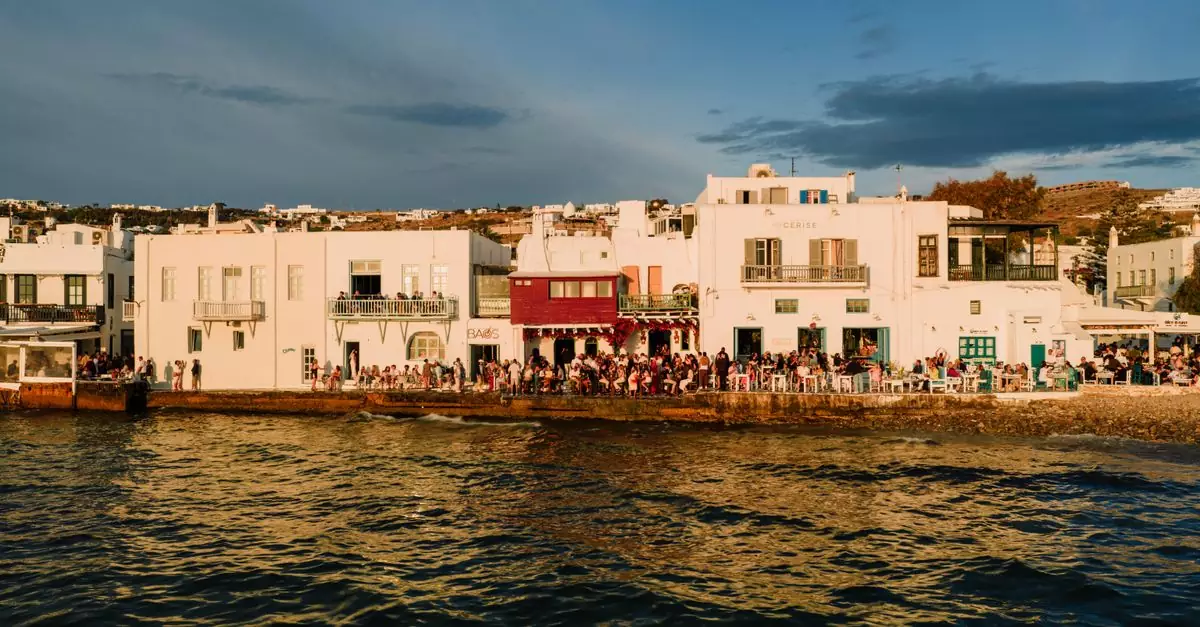
Choosing the right place to stay can significantly enhance your experience at any of the best island food festivals. From luxurious beachfront resorts to charming local guesthouses, each offers a different perspective on island life and culinary immersion. Consider your budget, travel companions, and desired proximity to festival events when making your selection.
Luxury Resorts with Culinary Packages
Many high-end resorts on popular islands cater to food enthusiasts by offering exclusive culinary packages. These often include gourmet dining experiences, cooking classes with local chefs, and curated wine or spirit tastings. Staying at such a resort means enjoying top-tier amenities alongside a deep dive into the island’s gastronomic offerings.
For instance, resorts in the Caribbean islands might feature farm-to-table dining initiatives, sourcing ingredients directly from local producers. These packages can be a significant part of your festival budget, but they often provide a seamless and indulgent way to experience the island’s best food.
Boutique Hotels in Charming Island Towns
For a more intimate and authentic experience, consider staying in a boutique hotel located within a picturesque island town. These smaller establishments often boast unique character, personalized service, and a close connection to the local community. You’ll be within walking distance of local eateries, markets, and potentially the festival grounds themselves.
These hotels are excellent for travelers who want to soak in the local atmosphere beyond the festival. Many are housed in historic buildings, offering a glimpse into the island’s past while providing modern comforts. Booking in advance is crucial, especially during major food events, as these unique accommodations fill up quickly.
Vacation Rentals for Group Foodie Trips
Renting a villa, apartment, or even a private home is an excellent option for groups of friends or families traveling together for a food festival. This offers a shared living space, often with a full kitchen, allowing your group to prepare some of your own meals using ingredients discovered at local markets. It can also be a more cost-effective solution for larger parties.
Many vacation rental platforms list properties across various islands, from secluded beachfront villas to apartments in bustling port towns. This flexibility allows groups to tailor their accommodation to their specific needs, whether it’s a large dining table for communal meals or a private pool for relaxation after a day of festival hopping.
Eco-Lodges Embracing Local Produce
For the environmentally conscious traveler, eco-lodges offer a sustainable way to enjoy island life and its food culture. These lodges often emphasize organic farming, local sourcing, and minimizing their environmental footprint. Staying at an eco-lodge can provide a unique opportunity to connect with the island’s natural beauty and its dedication to fresh, local ingredients.
Some eco-lodges even have their own gardens and kitchens, preparing meals that showcase the bounty of the land. This approach aligns perfectly with the spirit of many island food festivals, celebrating regional flavors and sustainable practices. It’s a way to travel mindfully while still indulging in delicious local cuisine.
| Accommodation Type | Typical Budget (per night) | Best For | Proximity to Festivals |
|---|---|---|---|
| Luxury Resort | $400 – $1500+ | Indulgence, curated experiences | Varies |
| Boutique Hotel | $150 – $400 | Local charm, personalized service | Often close |
| Vacation Rental (Group) | $200 – $1000+ (total) | Groups, families, self-catering | Varies |
| Eco-Lodge | $120 – $350 | Sustainability, nature lovers, local food | Varies |
Frequently Asked Questions About Island Food Festivals
What are the most popular island food festivals?
While many unique culinary celebrations dot the globe’s islands, a few consistently draw international attention for their scale and quality. The Taste of Tasmania in Hobart, Australia, showcases the island state’s diverse produce and seafood. In the Caribbean, the Barbados Food & Rum Festival is a premier event celebrating the island’s signature flavors and spirits. For a more intimate experience, consider the Festa Major de Gràcia in Barcelona, Spain, which, while not solely a food festival, features incredible street food stalls and local delicacies during its August celebration on the island of Mallorca. The Hawaii Food & Wine Festival on the island of Oahu attracts renowned chefs and food enthusiasts alike.
What kind of food can I expect at these festivals?
The culinary offerings at island food festivals are as varied as the islands themselves. Expect a strong emphasis on fresh, locally sourced ingredients, which often means abundant seafood, tropical fruits, and regional specialties. For instance, in Barbados, expect plenty of rum-infused dishes, flying fish, and cou-cou. Tasmania is known for its excellent oysters, lamb, and artisanal cheeses. Festivals in Hawaii will feature dishes like poke, kalua pig, and fresh pineapple, often with a Pacific Rim influence. Many events also include cooking demonstrations, wine and spirit tastings, and opportunities to sample dishes from emerging chefs alongside established culinary stars.
Is it safe to travel to these island destinations?
Generally, most popular island destinations that host major food festivals maintain high safety standards for tourists. However, as with any travel, it’s essential to exercise caution and stay informed. Research the specific destination’s current safety advisories before booking. This includes checking government travel advisories for any country you plan to visit. Common sense precautions, such as being aware of your surroundings, securing valuables, and avoiding walking alone in unfamiliar areas at night, are always recommended. Major tourist areas and festival grounds are typically well-patrolled.
What should I pack for an island food festival trip?
Packing for an island food festival requires a balance of comfort, style, and practicality. Given the likely warm climate, light, breathable clothing is essential. Think sundresses, shorts, t-shirts, and swimwear. Don’t forget sun protection: a wide-brimmed hat, sunglasses, and high-SPF sunscreen are non-negotiable. Comfortable walking shoes are crucial, as you’ll likely be on your feet a lot, sampling food and exploring. For evening events or nicer restaurants, pack a slightly dressier outfit. A light jacket or shawl might be useful for cooler evenings or air-conditioned venues. Consider bringing an empty stomach and an adventurous spirit, as these are the most important items for any food festival.