
Puerto Rico’s culinary landscape is a vibrant tapestry woven from Taino, Spanish, African, and American influences, offering a delicious journey for every traveler. Beyond the iconic piña colada, the island boasts a rich array of flavors, from hearty plantain dishes to succulent slow-roasted pork and refreshing tropical beverages. Understanding the nuances of Puerto Rican food and drink is key to truly experiencing its culture. This guide will lead you through must-try dishes, regional specialties, local beverages, and practical tips for navigating the island’s gastronomic scene. Get ready to discover the authentic tastes that make Puerto Rico a culinary destination.
Must-Try Puerto Rican Dishes: A Culinary Journey
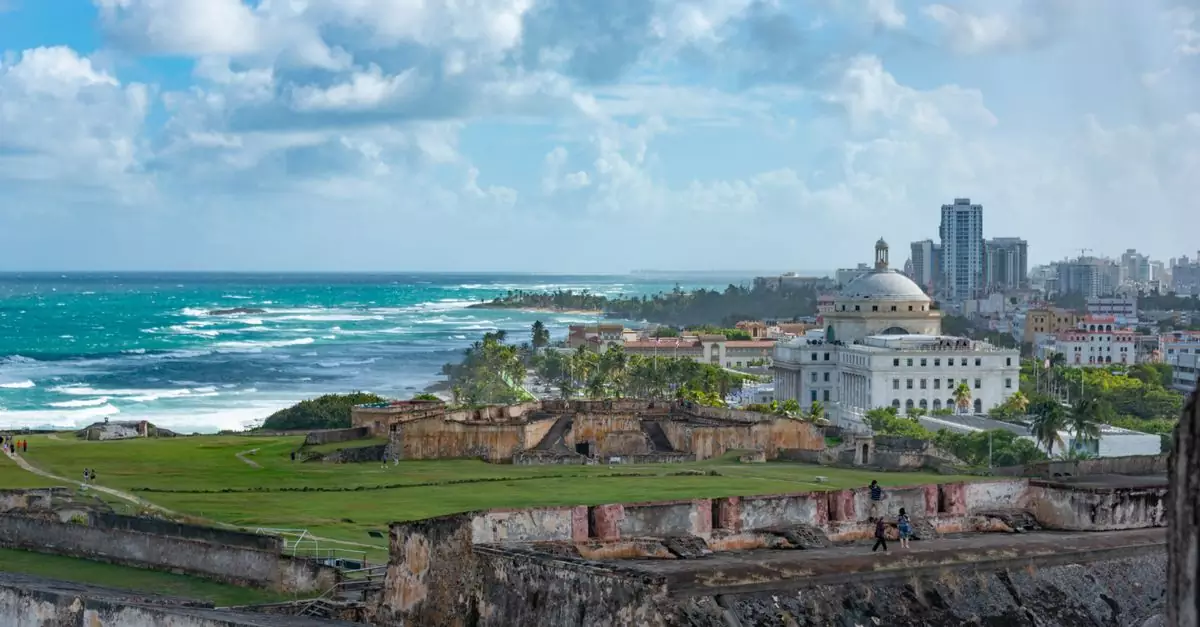
Puerto Rico’s food and drink scene reflects its rich history and diverse cultural influences. From hearty staples to delicate desserts, the island offers a culinary adventure for every palate. Understanding these iconic dishes is essential to experiencing the local culture.
Mofongo Mastery: The Quintessential Puerto Rican Flavor
Mofongo is arguably the most iconic dish in Puerto Rican cuisine, showcasing the island’s agricultural bounty. It starts with green plantains, fried until golden, then mashed with garlic, olive oil, and pork cracklings (chicharrón). This flavorful mixture is shaped into a mound, often served with a savory broth or as a base for other ingredients.
Variations abound, with chefs adding shrimp, chicken, or vegetables to the mashed plantains. The texture is uniquely satisfying: slightly crisp on the outside and tender within. For an authentic experience, seek out a local “frituras” stand or a traditional restaurant. Enjoying mofongo is fundamental to exploring the food and drink Puerto Rico is known for.
Pernil Perfection: Slow-Roasted Pork Shoulder Delights
Pernil, a slow-roasted pork shoulder, is a centerpiece at any significant Puerto Rican celebration. The magic lies in the preparation: the pork is marinated for hours, often overnight, with a potent blend of garlic, oregano, cumin, and adobo seasoning. The skin is scored deeply to allow the marinade to penetrate and achieve a wonderfully crispy crackling.
Cooked low and slow for several hours, the pernil becomes incredibly tender and succulent, falling off the bone. The resulting flavor is rich, savory, and deeply aromatic. This dish is typically served with rice and beans or pasteles. Its presence signifies a festive occasion and a deep appreciation for communal dining.
Tembleque and Flancocho: Sweet Endings from Puerto Rico’s Kitchens
No culinary exploration of Puerto Rico is complete without indulging in its delightful desserts. Tembleque, meaning “trembling,” is a creamy coconut pudding that is surprisingly light and refreshing. Made with coconut milk, sugar, and cornstarch, it’s often garnished with cinnamon.
Flancocho is a delightful fusion of flan and sponge cake. This rich, layered treat combines the smooth, caramel-coated custard of flan with moist, airy chocolate or vanilla cake. The contrast in textures and flavors makes it a truly decadent finale to any meal.
Beyond the Staples: Exploring A La Carte Favorites Like Alcapurrias and Piononos
While mofongo and pernil often steal the spotlight, Puerto Rico’s culinary landscape is rich with must-try items, particularly in appetizers and street food. Alcapurrias are savory fritters made from grated green bananas and yautía (taro root), often filled with seasoned ground meat or crab. Deep-fried to a golden crisp, they offer delightful textural contrast.
Piononos are another popular snack, featuring layers of sweet plantain wrapped around seasoned ground beef, then battered and fried. These smaller bites are perfect for sampling a variety of flavors and are commonly found at local markets and roadside eateries. Experiencing these flavorful dishes is essential for a comprehensive understanding of the island’s diverse food and drink Puerto Rico offers.
Exploring Puerto Rico’s Vibrant Food and Drink Scene by Region
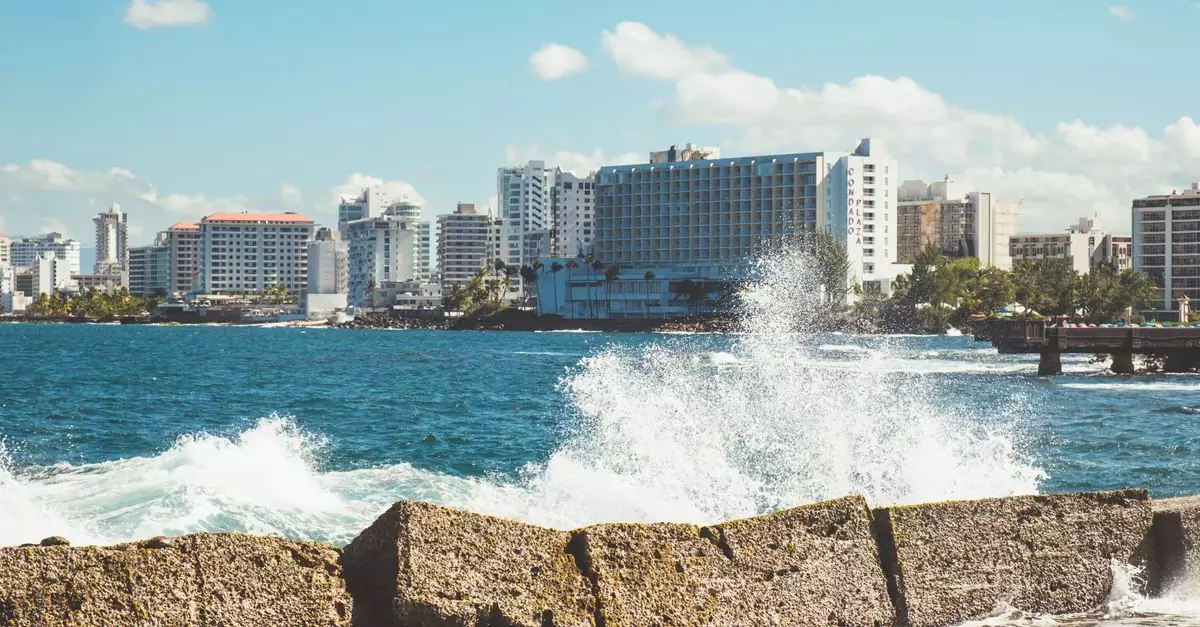
Puerto Rico’s culinary landscape is as diverse as its geography, offering a rich tapestry of flavors influenced by its Taino, Spanish, African, and American heritage. From the historic streets of Old San Juan to the laid-back surf towns and verdant mountains, each region presents unique gastronomic experiences. Understanding these regional specialties can help travelers craft a flavorful itinerary, focusing on the island’s abundant food and drink offerings.
Old San Juan’s Culinary Charms: From Historic Cafes to Modern Bistros
Wandering through the cobblestone streets of Old San Juan feels like stepping back in time, and the food scene here reflects that history. You’ll find charming cafes serving strong Puerto Rican coffee alongside flaky mallorcas, a sweet breakfast pastry. For a more contemporary dining experience, the city boasts innovative bistros that put a modern spin on traditional dishes. Look for restaurants serving mofongo, a staple dish of mashed plantains often filled with seafood or meat, prepared with creative flair. Evenings in Old San Juan come alive with tapas bars and restaurants offering inventive cocktails and small plates, making it a prime destination for a sophisticated night out.
Ponce’s Palate: Discovering Southern Flavors and Local Taquerias
Ponce, on the southern coast, offers a distinct culinary identity characterized by its rich, savory dishes. The city is known for its seafood, with restaurants serving freshly caught fish prepared in various styles. Beyond the coast, Ponce also has a notable taqueria scene, offering a local take on Mexican street food that incorporates Puerto Rican ingredients and spices. Exploring the Mercado de Ponce provides a fantastic opportunity to sample local produce and prepared foods, giving you a direct taste of the region’s bounty. This southern hub is a great place to experience authentic island cooking away from the main tourist crowds.
Rincón’s Refreshing Tastes: Beachside Bites and Craft Cocktails
Rincón, famous for its world-class surfing and stunning sunsets, offers a relaxed dining atmosphere that perfectly complements its coastal setting. Beachfront kiosks and restaurants serve up casual fare like pinchos (skewers) and fresh ceviche, ideal for a post-surf meal. The town has also become a hub for craft cocktails, with many bars utilizing local fruits and spirits to create refreshing drinks. Don’t miss the opportunity to enjoy a meal with your toes in the sand, savoring the fresh sea air and vibrant Caribbean flavors.
The Flavors of the Mountains: Coffee Plantations and Farm-to-Table Experiences
Venture inland to Puerto Rico’s central mountains, and you’ll discover a captivating side of the island’s food and drink culture. This region is the heart of Puerto Rico’s coffee production. Visiting a coffee plantation offers a chance to learn about the bean-to-cup process and sample some of the finest locally grown coffee. Beyond coffee, the mountainous terrain supports a thriving farm-to-table movement. Many restaurants here pride themselves on sourcing ingredients directly from local farms, offering fresh, seasonal dishes that highlight the agricultural richness of the interior. These mountain experiences provide a grounded perspective on the island’s agricultural heritage.
What to Drink in Puerto Rico: Beyond the Piña Colada

While the piña colada is a world-renowned icon, Puerto Rico’s beverage scene offers a much richer tapestry of flavors. From its celebrated rum heritage to innovative craft beers and refreshing natural drinks, there’s a beverage to suit every palate and occasion on this vibrant island. Understanding these local specialties is key to fully experiencing the island’s culinary culture.
Puerto Rican Rum: Tasting the Island’s Golden Spirit
Rum is more than just a spirit in Puerto Rico; it’s a cultural cornerstone. The island is one of the world’s largest producers of rum, with a history stretching back centuries. Brands like Bacardi, Don Q, and Serrallés have deep roots here, each offering a distinct profile. Visitors can delve into this history with distillery tours, which often include tastings and insights into the aging process.
A good starting point for rum exploration is to try a white rum, often used as a base for cocktails due to its clean, crisp flavor. For those who prefer a richer taste, aged rums, ranging from golden to dark, offer complex notes of caramel, vanilla, and oak. Many bars and restaurants pride themselves on their extensive rum selections, allowing you to sample premium aged spirits neat or in expertly crafted cocktails. Consider a “rum flight” at a reputable establishment to compare different styles and ages.
Local Beers and Craft Brews: A Thirst for Innovation
The craft beer scene in Puerto Rico is rapidly evolving, showcasing local ingredients and a spirit of innovation. While traditional lagers remain popular, a growing number of microbreweries are producing a diverse range of styles. Look for brews that incorporate tropical fruits like passion fruit, mango, or guava, offering a uniquely island twist.
Some breweries, such as Ocean Lab Brewing Co. or FOK Brewing Company, have gained popularity, with taprooms often becoming lively social hubs. These spots are excellent places to sample freshly brewed beers directly from the source. Don’t hesitate to ask bartenders or brewery staff for recommendations; they are usually passionate about their offerings and can guide you to a beer that matches your preferences. Many local restaurants also feature rotating selections of these craft beers.
Refreshing Natural Juices and Aguas Frescas
Beyond alcoholic beverages, Puerto Rico excels in providing refreshing non-alcoholic options, particularly natural juices and aguas frescas. The abundance of tropical fruits means you can find incredibly fresh and flavorful juices made from mangoes, papayas, soursop (guanábana), and passion fruit (chinola). These are often available at roadside stands, local markets, and chinchorros (informal eateries).
Aguas frescas are light, refreshing drinks made by blending fruit, water, and a touch of sugar or sweetener. They are the perfect antidote to the tropical heat. Popular flavors include tamarind, hibiscus (flor de Jamaica), and cucumber-mint. These drinks not only taste great but also provide a healthier alternative to many commercially produced beverages, offering pure, unadulterated fruit flavor.
The Art of the Mojito: A Puerto Rican Twist
While the mojito’s origins are debated, its presence in Puerto Rico is undeniable, and locals often put their own spin on this classic cocktail. The foundation remains the same: white rum, fresh mint, lime juice, sugar, and soda water. However, Puerto Rican bartenders might use local rum varieties that add distinct character or incorporate a touch of local bitters.
To experience a truly authentic Puerto Rican mojito, seek out establishments that emphasize fresh, high-quality ingredients. The quality of the rum used will significantly impact the final taste. Some bars might also offer variations, such as a passion fruit or mango mojito, blending the refreshing nature of the drink with the island’s abundant tropical fruits. Enjoying a mojito on a warm evening, perhaps with a view of the ocean, is a quintessential Puerto Rican experience.
Where to Eat and Drink: Top Spots for Authentic Puerto Rican Food
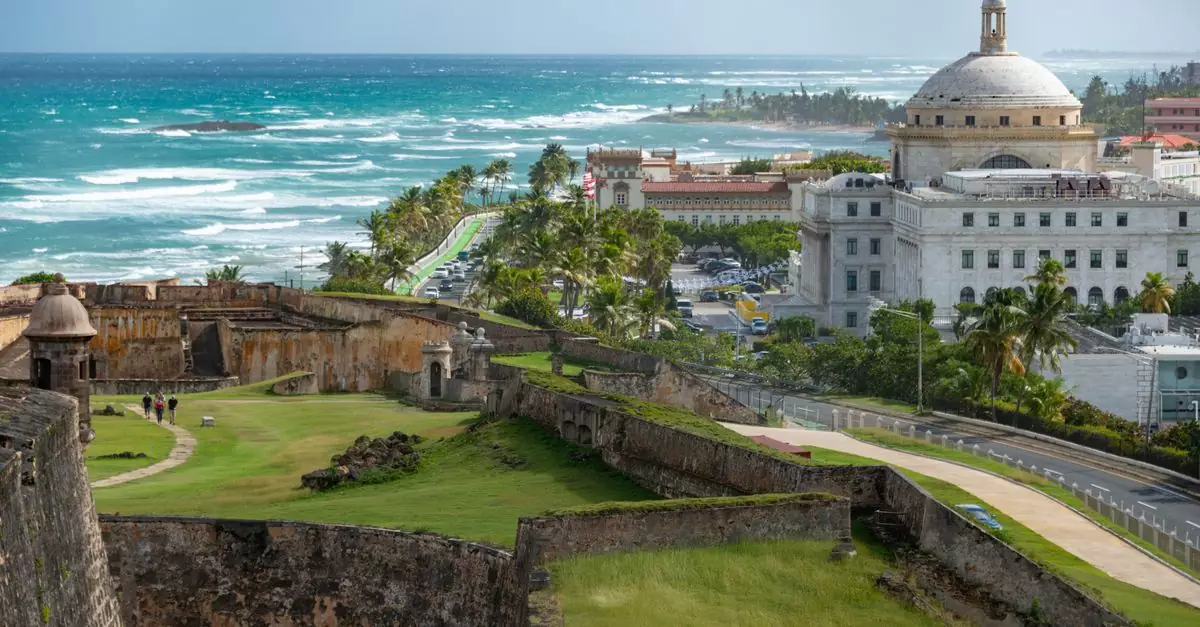
When it comes to experiencing Puerto Rico, its vibrant culinary scene is as essential as its stunning beaches and rich history. From bustling city eateries to laid-back coastal cafes, finding authentic food and drink in Puerto Rico is an adventure in itself. This guide highlights some of the best places to savor the island’s unique flavors.
Best Mofongo Restaurants in San Juan
Mofongo, made from mashed plantains, is a quintessential Puerto Rican staple, and San Juan offers some of the most celebrated versions. Many restaurants elevate this humble dish with various fillings like shrimp, chicken, or pork. Expect hearty portions and rich, savory sauces.
For a classic experience, consider visiting Raíces in Old San Juan. This popular spot recreates a traditional jíbaro (country folk) setting and serves a well-regarded mofongo. Another excellent choice is Barrachina, often cited as the birthplace of the piña colada, which also offers a delicious take on mofongo. Reservations are often required at these establishments, especially during peak tourist seasons.
Top-Rated Beachfront Eateries in Rincón
Rincón, on the western coast, is renowned for its surfing and spectacular sunsets, but its beachfront dining scene is equally impressive. These casual spots offer fresh seafood with the sound of the waves as your soundtrack. The vibe here is relaxed, making it a perfect place to unwind after a day of sun and surf.
Tamboo Beside the Atlantic is a long-standing favorite, known for its fresh catch of the day and lively atmosphere. For a more intimate setting, try Pool Bar TP at The Tres Sirenas Inn, which often features creative seafood dishes. Dining in Rincón is generally more budget-friendly than in San Juan, with many places offering excellent value, particularly for lunch.
Hidden Gem Cafes for Local Breakfasts
Beyond the well-known tourist hubs, countless small cafes offer an authentic taste of Puerto Rican breakfast. These often unpretentious spots serve delicious pastries, strong Puerto Rican coffee, and local breakfast staples like mallorcas (sweet rolls) and bizcochos (cakes). They are perfect for starting your day with a genuine local feel.
Seek out establishments slightly off the main tourist paths in towns like Ponce or in the less-traveled neighborhoods of San Juan. These cafes are typically very affordable, providing a great way to experience local life without breaking the bank. Look for places bustling with locals; that’s usually a good sign.
Family-Friendly Restaurants with Traditional Cuisine
Traveling with family means finding places that cater to diverse tastes while offering authentic Puerto Rican food and drink. Several restaurants across the island specialize in traditional dishes served in a welcoming, family-oriented environment. These spots often feature larger menus with something for everyone, including milder options for children.
El Jibarito in San Juan is a prime example, offering a wide array of traditional dishes in a lively atmosphere. They are known for their churrasco (skirt steak) and arroz con gandules (rice with pigeon peas). For those venturing outside the capital, many local fondas (small, casual eateries) offer a similar experience, serving hearty, home-style meals that are both delicious and affordable for families.
Navigating Puerto Rico’s Food Scene: Tips for Travelers

Puerto Rico’s culinary landscape is a vibrant fusion of Taino, Spanish, African, and American influences. Understanding a few local customs and practical tips can greatly enhance your experience with the island’s delicious food and drink. From understanding dining etiquette to finding authentic flavors, this guide will help you savor every bite.
Understanding Puerto Rican Food Etiquette
Dining in Puerto Rico is generally a relaxed affair. Meals are often social gatherings meant to be enjoyed at a leisurely pace. It’s common for multiple generations to dine together, with family being central to many dining experiences.
When invited to a home for a meal, it’s polite to bring a small gift, such as a bottle of wine or dessert. Tipping is customary in restaurants, with 15-20% being standard for good service. If service is included on the bill, an additional tip is not always necessary but is appreciated for exceptional service.
Budget-Friendly Eating: Finding Affordable Local Eats
While upscale restaurants abound, some of the most memorable and affordable meals can be found at local “chinchorros” (roadside eateries) and “panaderías” (bakeries). These spots often serve classic Puerto Rican dishes at a fraction of the cost. Look for places bustling with locals—a sure sign of good food and value.
A “pincho,” a skewer of marinated meat or vegetables, is a popular and inexpensive snack. Many chinchorros also offer hearty plates of rice and beans, fried plantains, and various meats. For breakfast or a quick bite, panaderías offer savory pastries like “mallorcas” (sweet buns often served with ham and cheese) and “empanadillas” (savory turnovers).
Dietary Considerations: Vegetarian and Vegan Options in Puerto Rico
While traditional Puerto Rican cuisine heavily features meat and seafood, vegetarian and vegan options are becoming more accessible. Many staple dishes can be adapted. Rice and beans, a fundamental part of the diet, are often prepared without meat products, though it’s wise to confirm.
Look for dishes like “mofongo” made with plantains and vegetables, or “arroz con gandules” (rice with pigeon peas) prepared without pork. Many restaurants are increasingly offering dedicated vegetarian and vegan menus or are happy to customize dishes. Fresh tropical fruits are abundant and make for delicious vegan desserts or snacks.
Avoiding Tourist Traps: Savoring Authentic Flavors
To truly experience the authentic food and drink Puerto Rico has to offer, venture beyond the most heavily touristed areas. While popular spots can be convenient, they sometimes cater to less adventurous palates and can be more expensive. Seek recommendations from locals or look for eateries that appear more utilitarian than flashy.
Consider exploring neighborhoods like Santurce in San Juan, known for its vibrant arts scene and diverse culinary offerings, including excellent food markets and small, family-run restaurants. The island’s many small towns also boast unique culinary gems that provide a genuine taste of Puerto Rican hospitality and flavor.
Frequently Asked Questions About Puerto Rican Food and Drink
What is the national dish of Puerto Rico?
The undisputed national dish of Puerto Rico is Lechón, a whole roasted pig slow-cooked to crispy perfection. While often enjoyed at large gatherings and holidays, you can find delicious lechón at dedicated restaurants, especially along the “Ruta del Lechón” (Pork Route) in Guavate.
Is it safe to eat street food in Puerto Rico?
Generally, yes, it is safe to eat street food in Puerto Rico if you exercise common sense. Look for vendors with high turnover and clean preparation areas. Popular street food options include alcapurrias (fritters), pinchos (skewers), and empanadillas. When in doubt, observe where locals are eating.
What are the best non-alcoholic drinks in Puerto Rico?
Puerto Rico offers a refreshing array of non-alcoholic beverages. Agua de coco (coconut water) is readily available and incredibly refreshing, often served straight from the coconut. Mavi is a unique fermented beverage made from tree bark, offering a distinctive, slightly sweet and earthy flavor. Don’t miss piraguas, shaved ice with tropical fruit syrups, a perfect treat on a hot day.
How much should I budget for food in Puerto Rico per day?
Your daily food budget in Puerto Rico can vary significantly based on your dining preferences. For budget travelers sticking to street food and casual eateries, a daily budget of $40-$60 per person is reasonable. Mid-range dining at local fondas or casual restaurants might cost $70-$100 per person. Fine dining experiences can push this to $150+ per person. This estimate excludes alcoholic beverages.
| Dining Style | Estimated Daily Budget (per person) |
|---|---|
| Budget (Street Food) | $40 – $60 |
| Mid-Range | $70 – $100 |
| Fine Dining | $150+ |