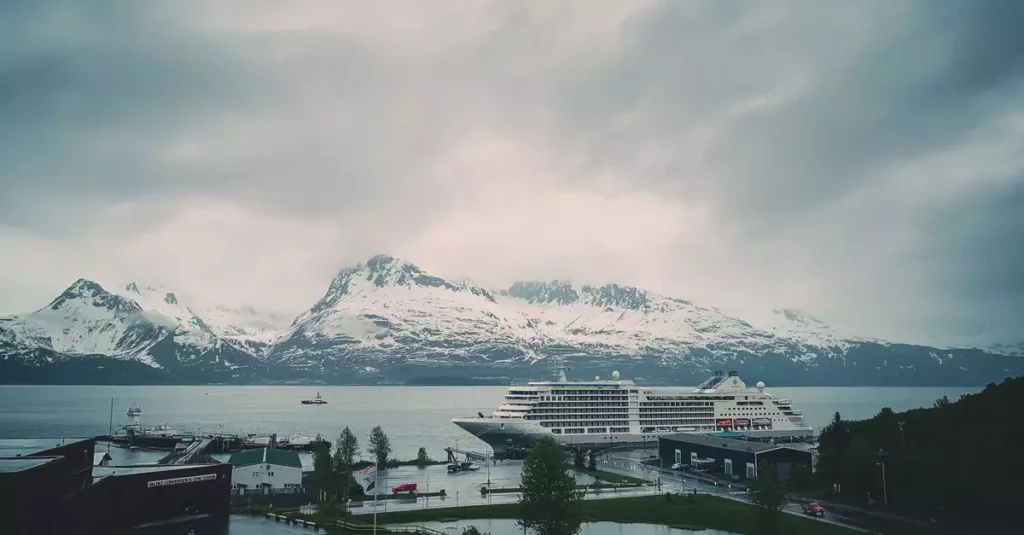
Embarking on a journey to the Last Frontier offers unparalleled natural beauty and unforgettable wildlife encounters, making a cruise an exceptional way to experience it all. From majestic glaciers to charming coastal towns, the best Alaska cruises provide a unique perspective on this rugged wilderness. This guide will help you navigate the options, whether you’re dreaming of the sheltered waters of the Inside Passage or the dramatic open seas of the Gulf of Alaska.
You’ll discover how to choose the ideal itinerary, compare different ship styles—from large resorts to intimate vessels—and determine the best time of year for your adventure. We’ll delve into must-see ports like Juneau and Skagway, explore incredible wildlife viewing opportunities, and offer practical advice on budgeting and finding great deals. Get ready to plan your ultimate Alaskan voyage.
Choosing Your Best Alaska Cruise: Itinerary & Ship Styles
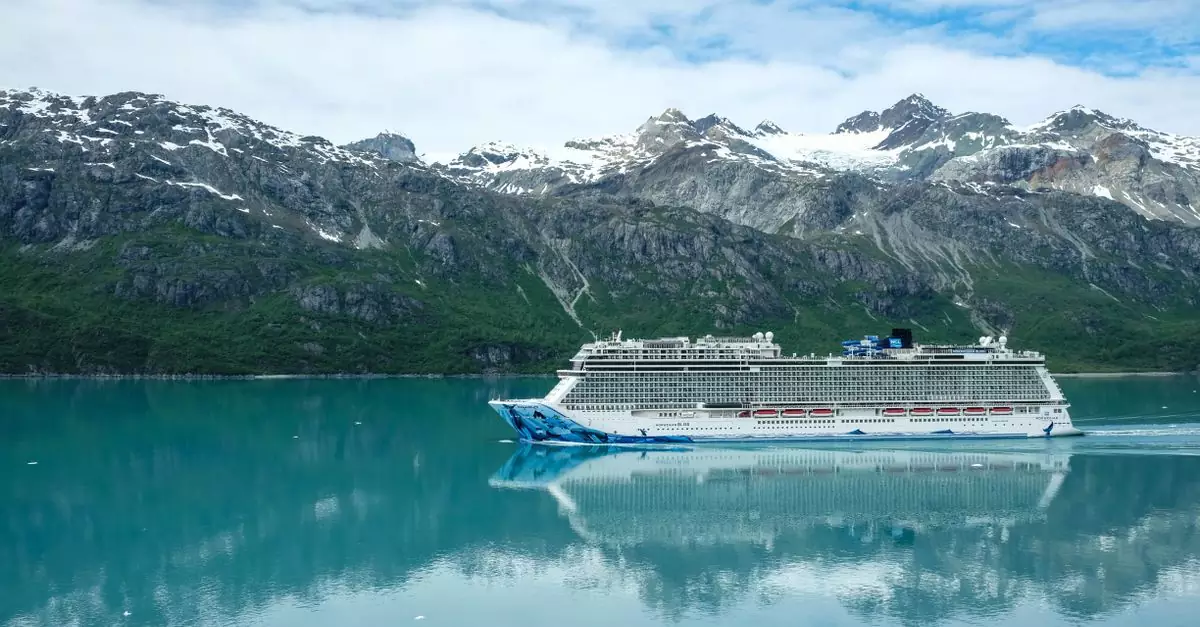
Selecting the best Alaska cruise involves understanding the different routes, ship types, and durations available. Your choice will significantly shape your experience, from the scenery you witness to the onboard atmosphere. Considering these factors upfront helps ensure your Alaskan adventure meets your expectations.
Comparing Inside Passage vs. Gulf of Alaska Cruise Routes
The two primary cruising regions in Alaska offer distinct experiences. The Inside Passage is a sheltered waterway dotted with islands, featuring calm seas and frequent stops in charming towns. This route is popular for its proximity to shore, allowing for close-up views of forests and wildlife sightings, including whales and eagles. Many itineraries focus on destinations such as Ketchikan, Juneau, and Skagway.
In contrast, the Gulf of Alaska route takes ships into more open waters, often including dramatic glacier viewing in places like Glacier Bay National Park or Hubbard Glacier. These cruises emphasize natural wonders and open-ocean sailing, with fewer port calls but more time dedicated to scenic cruising. If dramatic ice formations and vast wilderness are your priority, the Gulf of Alaska route may be more appealing.
| Route | Scenery Focus | Water Conditions | Typical Ports | Best For |
|---|---|---|---|---|
| Inside Passage | Islands, forests, charming towns, wildlife | Sheltered, calmer | Ketchikan, Juneau, Skagway, Victoria (BC) | Wildlife viewing, cultural experiences, varied ports |
| Gulf of Alaska | Glaciers, fjords, open water, dramatic coast | Open, can be rough | Glacier Bay, Hubbard Glacier, Seward, Whittier | Glacier viewing, natural grandeur, scenic cruising |
Luxury vs. Large Ship Alaska Cruise Experience
The type of ship you choose dictates the onboard atmosphere and overall cruise style. Large mainstream cruise lines, such as Carnival or Royal Caribbean, offer a vast array of amenities, entertainment, and dining options. These ships are floating resorts, providing a lively environment with activities for all ages. They typically carry more passengers, resulting in bustling ports and a wider range of budget-friendly cabin options.
Conversely, luxury cruise lines like Seabourn or Silversea provide a more intimate and refined experience. Expect personalized service, gourmet dining, and fewer passengers, leading to a quieter, more sophisticated ambiance. These ships often focus on immersive shore excursions and unique cultural encounters. While the initial cost is higher, the all-inclusive nature of many luxury lines can offer excellent value for discerning travelers. Smaller expedition ships also exist, prioritizing wildlife viewing and access to remote areas with expert guides.
Best Alaska Cruise Lengths: 7-Day vs. 10-Day Adventures
A standard 7-day Alaska cruise typically covers the highlights of the Inside Passage, including several popular port towns and often a scenic cruising day. This duration serves as a great introduction to Alaska, striking a balance between destinations and onboard time without requiring extensive time off. Most 7-day voyages depart from Seattle or Vancouver.
For those with more time, 10-day itineraries provide a deeper dive into Alaska’s wonders. These longer cruises often incorporate the Gulf of Alaska route, allowing for more extensive glacier viewing and potentially visiting ports further north or west, such as Anchorage or Kodiak. A 10-day trip can also allow for a more relaxed pace, with additional sea days for enjoying ship amenities or more time for optional excursions in each port. Some longer voyages might even include a land portion, such as a trip to Denali National Park.
Top Alaskan Cruise Ports and Must-See Destinations

When planning your journey to the Last Frontier, understanding the key ports of call will help you maximize your Alaska cruise experience. Each stop offers unique attractions, from stunning natural wonders to rich historical sites. The best Alaska cruises often feature a combination of these vibrant destinations, allowing for a diverse exploration of the region.
Exploring Juneau: Mendenhall Glacier & Whale Watching
Juneau, Alaska’s capital city, is accessible only by air or sea, making a cruise an excellent way to visit. The star attraction is the immense Mendenhall Glacier, a river of ice just a short drive from downtown. Visitors can marvel at its blue hues from various viewpoints, hike nearby trails, or even take a helicopter tour for a closer look.
Beyond the glacier, Juneau is renowned for its exceptional whale watching opportunities. Humpback whales are frequently sighted, often breaching the surface in spectacular fashion. Boat tours depart regularly from the docks, offering a high chance of encountering these magnificent creatures, along with sea lions and otters.
Ketchikan’s Salmon Capital Charm and Totem Poles
Known as the “Salmon Capital of the World,” Ketchikan offers a distinct cultural and natural experience. The town’s colorful waterfront, with its historic Creek Street, is a delightful place to stroll. Here, you can witness the impressive salmon runs, especially during the summer months.
Ketchikan is also a premier destination for experiencing Native Alaskan culture, particularly through its extensive collection of totem poles. Visit Totem Bight State Historical Park or Saxman Native Village to see these intricately carved historical markers. Many cruise itineraries include shore excursions focused on these cultural landmarks.
Skagway’s Gold Rush History and White Pass Railway
Step back in time in Skagway, a town that vividly preserves its Gold Rush heritage. The historic downtown area, with its wooden boardwalks and period buildings, feels like a living museum. You can learn about the thousands of stampeders who passed through on their way to the Yukon gold fields.
The most popular activity in Skagway is undoubtedly the White Pass & Yukon Route Railroad. This scenic train journey climbs nearly 3,000 feet, retracing the path of the gold seekers. The dramatic mountain scenery, historic engineering feats, and panoramic views make this a highlight for many travelers.
Cruising Glacier Bay National Park’s Majestic Ice
While not a port in the traditional sense, Glacier Bay National Park is a must-visit destination for many seeking the best Alaska cruises. This UNESCO World Heritage Site features breathtaking tidewater glaciers, rugged mountains, and abundant wildlife. Cruise ships navigate through the bay, offering close-up views of calving glaciers.
The dramatic spectacle of ice breaking off from towering glaciers and crashing into the sea is unforgettable. Park rangers often board the ships to provide commentary, sharing insights into the geology, ecology, and history of this pristine wilderness. Keep an eye out for seals, sea lions, puffins, and even bears along the shorelines.
When is the Best Time for an Alaska Cruise?
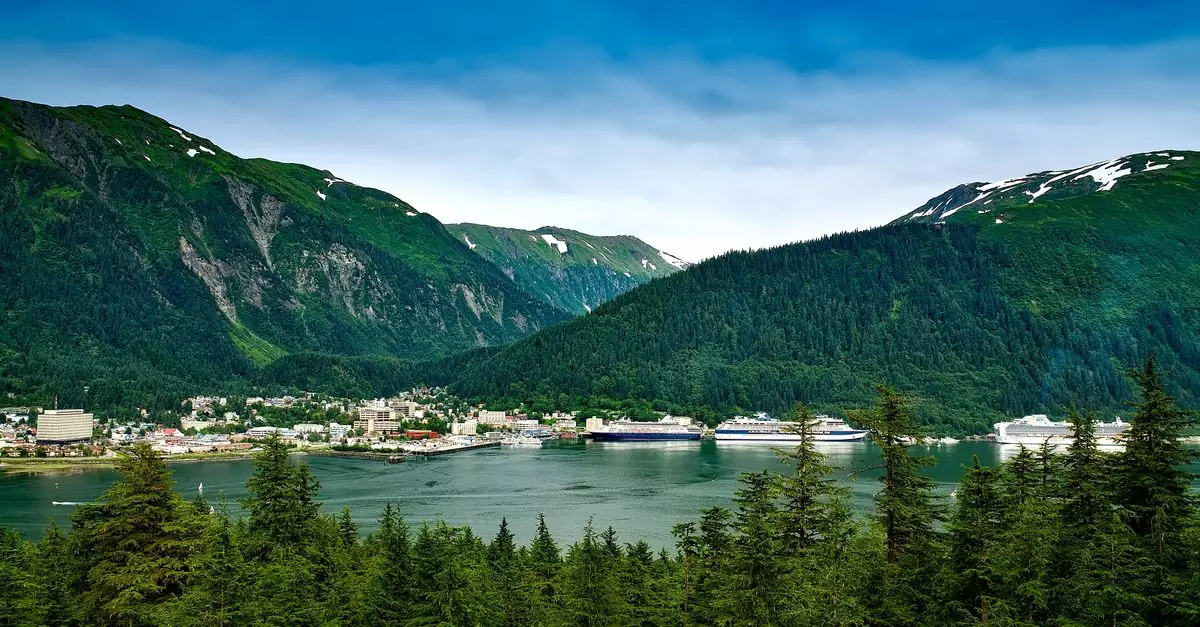
Choosing the right time for your Alaska cruise significantly impacts your experience, from wildlife viewing and weather to crowds and pricing. The cruise season generally runs from May through September, with distinct advantages and disadvantages to each month. Understanding these nuances will help you plan the best Alaska cruise for your interests.
May: Early Season Wildlife and Fewer Crowds
May marks the beginning of the Alaska cruise season, offering a unique blend of emerging spring beauty and fewer passengers. The landscape is still coming alive after winter, with wildflowers starting to bloom and snow capping the higher peaks. This early timing often means lower prices for cruises compared to the peak summer months.
Wildlife activity is high as animals emerge from hibernation and sea life becomes more active. You have excellent chances of spotting whales, sea otters, and various bird species. While the weather can be cooler and more unpredictable, with occasional rain or even late snow, the crisp air and dramatic scenery are rewarding. Packing layers is essential for this shoulder season.
June-August: Peak Summer for Warmest Weather and Longest Days
The summer months, from June through August, represent the peak season for Alaska cruises. During this period, you’ll experience the warmest temperatures, with highs often in the 60s and 70s Fahrenheit in coastal areas. The days are exceptionally long, with nearly 20 hours of daylight in late June, maximizing your time for sightseeing and activities.
This is also the prime time for wildlife viewing, as many animals are raising their young. Seeing bears foraging on shore, calving glaciers, and abundant marine life is common. However, this popularity means higher prices and larger crowds on ships and in popular ports like Juneau, Skagway, and Ketchikan. Booking well in advance is highly recommended for the best availability and rates.
September: Fall Colors and Potential for Northern Lights
September offers a beautiful transition into autumn for Alaska cruises. The crowds begin to thin out, and cruise fares may become more attractive. The landscape transforms with stunning fall colors, particularly in the interior regions accessible from some cruise ports. While coastal temperatures start to cool, the crisp air can be invigorating.
Crucially, September is the first month when the longer nights increase the possibility of witnessing the aurora borealis, or Northern Lights. While not guaranteed, seeing this natural phenomenon over the Alaskan wilderness is an unforgettable experience. Wildlife is still active, preparing for winter, and you might catch glimpses of migrating birds. Be prepared for cooler weather, including potential rain and snow, especially later in the month.
Here’s a quick comparison of the main cruise months:
| Month | Weather | Crowds | Wildlife | Prices | Northern Lights Potential |
|---|---|---|---|---|---|
| May | Cooler, crisp | Low | High | Moderate | Very Low |
| June | Warmest, sunny | High | Very High | High | Low |
| July | Warm, long days | Highest | Very High | Highest | Low |
| August | Warm, long days | High | High | High | Low-Medium |
| September | Cooler, crisp | Moderate | High | Moderate | Medium-High |
Wildlife Encounters on Your Best Alaska Cruise
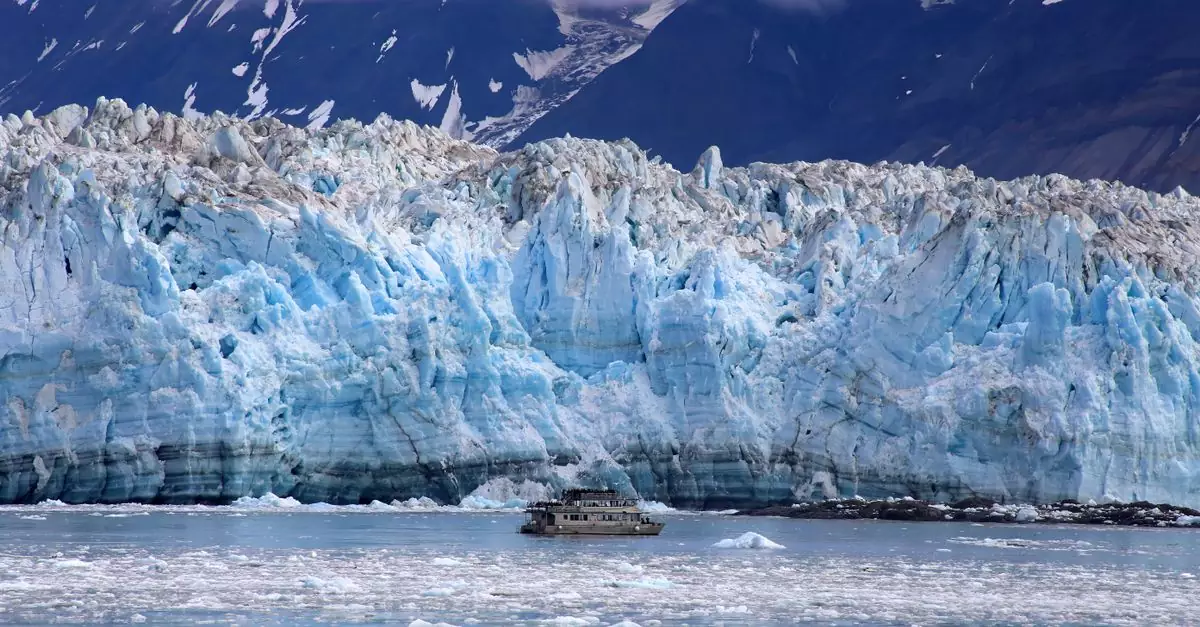
A significant draw for many travelers booking an Alaska cruise is the unparalleled opportunity to witness diverse wildlife in its natural habitat. From the vast ocean to the lush shorelines, the region teems with life, offering memorable sightings that often become the highlight of the trip. Planning your cruise with wildlife viewing in mind can greatly enhance your experience.
Spotting Whales: Humpbacks, Orcas, and More
The waters off Alaska are a prime feeding ground for several whale species, making whale watching a staple of most Alaskan voyages. Humpback whales are frequently seen, recognizable by their distinctive breaches and tail flukes. You might also spot pods of orcas, or killer whales, as they hunt along the coast.
Timing your cruise during the summer months, from May through September, generally offers the best chances for whale sightings. Cruises often navigate areas like the Inside Passage, Glacier Bay National Park, and the Kenai Fjords, all known for their rich marine mammal populations. Many cruise lines offer dedicated whale-watching excursions, but keep your eyes peeled from the ship’s deck; you never know when a spout or a fin might appear.
Observing Bears and Moose from Shore Excursions
While onboard, you’ll focus on marine life, but shore excursions open up possibilities for terrestrial wildlife encounters. Many itineraries include stops in towns like Juneau, Skagway, or Ketchikan, which serve as gateways to inland wilderness areas. Guided tours often venture into national forests and wildlife refuges where bears, particularly brown and black bears, are active.
Bear viewing is most successful during the salmon runs, typically from mid-summer into early fall. Excursions may involve boat trips up rivers or guided hikes through coastal forests. Moose are also a possibility, though they tend to be more elusive. Always maintain a safe distance from any wildlife you encounter and follow the guidance of your tour operators. These land-based adventures provide a different perspective on Alaska’s wild inhabitants.
Birdwatching Opportunities: Eagles, Puffins, and Seabirds
Alaska’s dramatic coastlines and islands are a haven for a vast array of bird species. Bald eagles are ubiquitous, often seen perched in trees or soaring overhead, especially near fishing areas. Their presence is a constant reminder of the wild nature of the region.
Beyond eagles, puffins are a particular delight for birdwatchers, with their colorful beaks and comical waddle. Areas like the Kenai Fjords and Prince William Sound are known for their seabird colonies. Many cruises offer opportunities to visit these areas, either by sailing close to cliffs or by taking smaller boat tours that can navigate into coves where puffins and other seabirds nest. Binoculars are highly recommended for any birdwatching enthusiast on an Alaska cruise.
Budgeting for Your Alaska Cruise: Costs & Savings
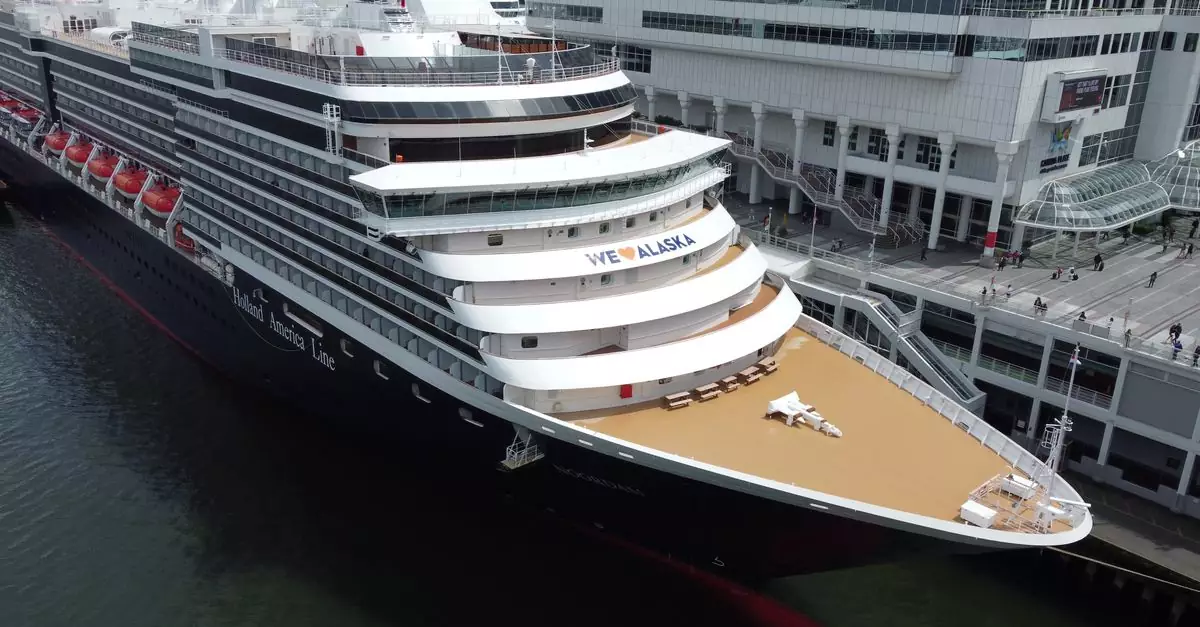
Planning a trip to Alaska involves understanding the various costs to ensure a memorable experience without breaking the bank. The “best Alaska cruises” can range significantly in price, influenced by the cruise line, itinerary length, cabin type, and time of year. Beyond the base fare, many other expenses can add up, from port adventures to onboard gratuities.
Understanding Cruise Fares and What’s Included
Cruise fares are the most significant part of your budget. These typically cover your accommodation, meals in main dining rooms and buffets, and access to onboard entertainment like shows and pools. However, what’s included varies greatly between cruise lines and even different ship classes within the same company.
Premium lines might offer more inclusive packages, sometimes including specialty dining, alcoholic beverages, or even shore excursions. Budget-friendly lines often have lower base fares but charge extra for almost everything beyond the basics. Always scrutinize what each fare includes to avoid surprise charges. For instance, a 7-day Alaska cruise in a standard interior cabin can start from around $600 per person, while a balcony suite on a luxury vessel could easily exceed $3,000.
Shore Excursion Costs: DIY vs. Ship-Booked Tours
Shore excursions are where costs can escalate quickly. These are optional trips taken when the ship docks at various Alaskan ports like Juneau, Skagway, or Ketchikan. While convenient, booking directly through the cruise line is often the most expensive option.
For example, a popular whale-watching tour booked via the ship might cost $150-$200 per person. Independent tour operators in port often offer similar excursions for 20-30% less. Researching and booking these independently can lead to substantial savings, though it requires more planning and potentially navigating different booking platforms. Always check reviews and operator reputations before booking independently.
Tips for Finding Affordable Alaska Cruise Deals
Securing a good deal on your Alaska cruise often comes down to timing and flexibility. Traveling during the shoulder seasons—late April to early May or September—can offer lower prices and fewer crowds compared to the peak summer months of June, July, and August. Booking well in advance, typically 6-12 months out, can also lock in better rates and cabin selection.
Look for cruise line promotions, such as onboard credit, reduced deposits, or free upgrades. Subscribing to cruise line newsletters is a good way to stay informed about sales. Consider sailing on weekdays if your schedule allows, as weekend departures can sometimes be pricier. Finally, comparing prices across different travel agencies and directly with cruise lines is essential for finding the best value. Keep an eye on deals for repositioning cruises, where ships move between seasonal homeports, as these can sometimes be significantly discounted.
Frequently Asked Questions About Alaska Cruises
What should I pack for an Alaska cruise?
Packing for an Alaska cruise requires a layered approach to handle unpredictable weather. Focus on waterproof and windproof outer layers, such as a quality rain jacket and pants. Thermal base layers, sweaters, and fleece are essential for warmth. Don’t forget comfortable walking shoes, waterproof boots if you plan on shore excursions, a hat, gloves, and a scarf. Binoculars are highly recommended for wildlife viewing.
Consider bringing a daypack for excursions and a waterproof bag for electronics. While many cruise ships have formal nights, casual attire is generally acceptable. Check your specific cruise line’s dress code for any formal dining options.
Are Alaska cruises worth the money?
Alaska cruises offer significant value by bundling transportation, accommodation, meals, and entertainment, often making them a cost-effective way to experience the region. The convenience of unpacking once and visiting multiple destinations is a major draw. You gain access to stunning scenery and wildlife viewing opportunities that can be challenging and expensive to arrange independently.
The cost can vary widely based on the cruise line, cabin type, duration, and time of year. However, for many travelers, the comprehensive experience and the sheer grandeur of Alaska make it a worthwhile investment. Researching different itineraries and cruise lines can help you find options that fit your budget.
Can you see the Northern Lights on an Alaska cruise?
Seeing the Northern Lights (Aurora Borealis) on an Alaska cruise is possible but not guaranteed, and depends heavily on timing and luck. The aurora is most visible during the darker months, typically from late August through April, when the nights are longest. Cruises primarily operate during the summer season (May to September) for better weather and longer daylight hours, significantly reducing the chances of seeing the aurora.
If you specifically want to hunt for the Northern Lights, consider a land-based trip to Alaska during the winter months or an Alaska cruise that extends into late August or early September. Clear skies and minimal light pollution are crucial for viewing.
What are the best cruise lines for Alaska?
Several major cruise lines offer excellent Alaska itineraries, each catering to slightly different preferences and budgets.
| Cruise Line | Best For | Typical Itinerary Length | Key Features |
|---|---|---|---|
| Holland America Line | Classic cruising, diverse itineraries | 7-14 days | Immersive cultural experiences, good for couples. |
| Princess Cruises | Family-friendly, extensive shore excursions | 7-14 days | “Discovery Tours,” onboard lectures. |
| Royal Caribbean | Modern ships, active travelers, families | 7-9 days | Innovative onboard activities, large ship amenities. |
| Norwegian Cruise Line | Flexible “Freestyle Cruising,” good value | 7-10 days | Casual dining, no set schedules. |
| Celebrity Cruises | Upscale experience, modern luxury | 7-10 days | Sophisticated dining, adult-focused atmosphere. |
Choosing the best cruise line depends on your priorities, whether that’s luxury, family fun, budget, or specific onboard amenities. Each line provides a unique way to experience Alaska’s breathtaking landscapes and wildlife.