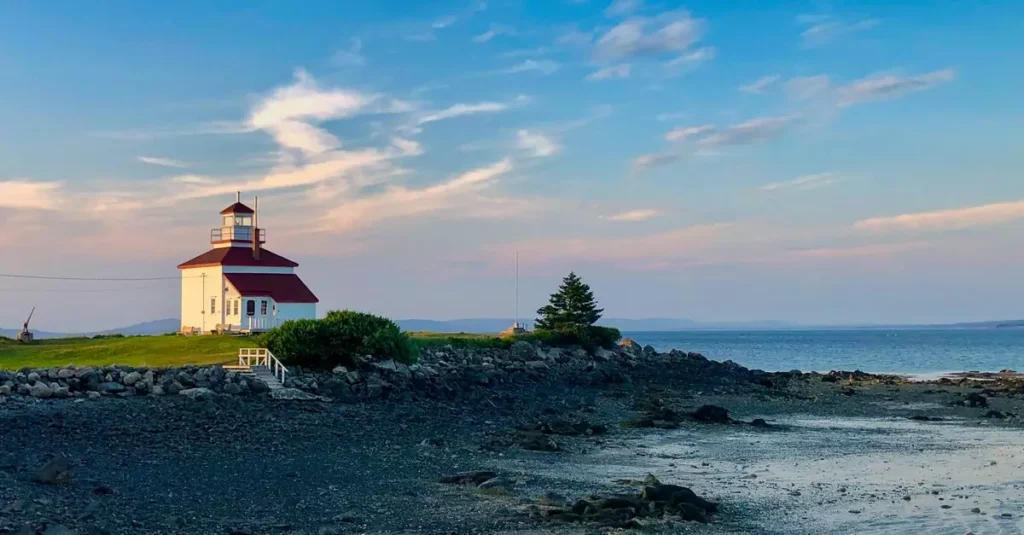
Canada’s vast coastlines, stretching across three oceans, offer an incredible diversity of landscapes and experiences, making them ideal for discovering the best coastal vacations Canada has to offer. From the dramatic fjords and ancient rainforests of British Columbia to the charming fishing villages and rugged shores of the Atlantic provinces, there’s a seaside escape to suit every traveler. In this guide, you’ll explore the unique allure of Canada’s coasts, uncovering hidden gems and iconic destinations. We’ll delve into the unparalleled natural beauty, diverse activities ranging from whale watching to hiking, and the distinct cultural flavors of each region. Whether you dream of the Pacific’s misty mornings or the Maritimes’ salty air, prepare to be inspired for your next coastal adventure.
Why Canada Offers the Best Coastal Vacations
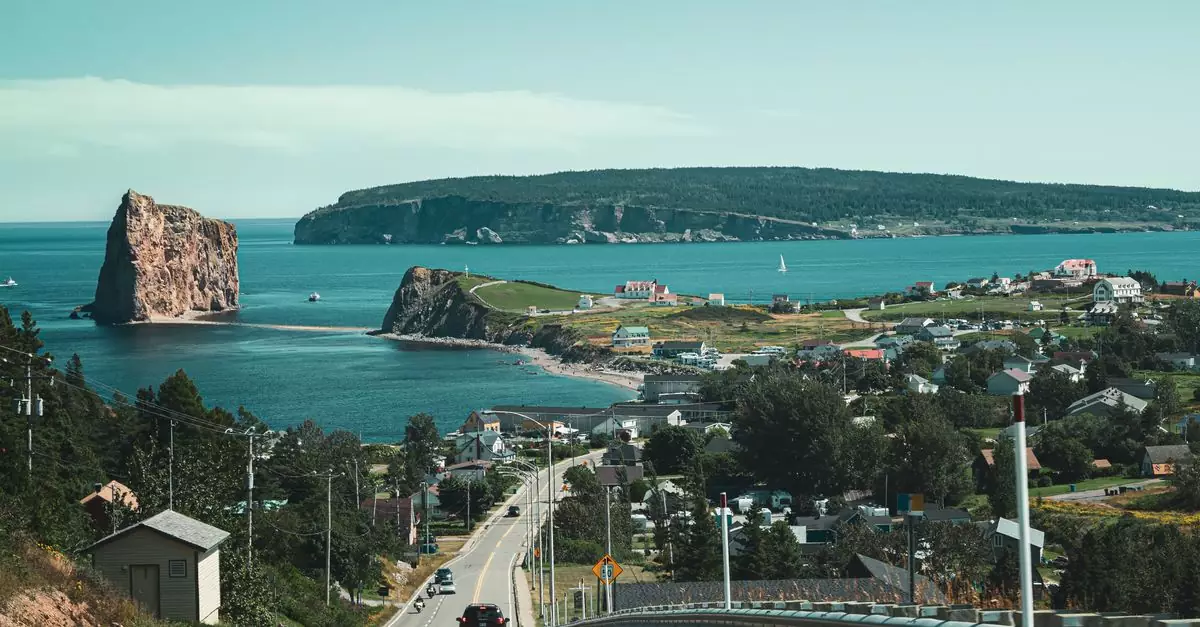
Canada’s extensive coastlines provide a captivating backdrop for memorable seaside getaways. From the dramatic fjords of the Pacific to the charming fishing villages of the Atlantic, these regions offer unique experiences for every type of traveler. The sheer scale and variety of Canada’s shores mean you can find solitude on a remote beach or immerse yourself in vibrant maritime culture, often within the same trip. Planning a coastal escape here means choosing between rugged wilderness and accessible seaside towns, each with its own distinct appeal.
Unparalleled Natural Beauty of Canada’s Coastlines
The natural beauty of Canada’s coasts is truly exceptional, offering a striking contrast of land and sea. On the west coast, British Columbia’s shores feature ancient rainforests meeting the Pacific, with towering mountains providing a stunning backdrop to the islands and inlets. This region is renowned for its dramatic cliffs, hidden coves, and the iconic Inside Passage.
In contrast, the Atlantic provinces showcase a different kind of beauty. Nova Scotia’s Cabot Trail offers breathtaking ocean vistas and rolling headlands, while Newfoundland and Labrador’s rugged coastline, shaped by glaciers, is often dotted with icebergs in spring. The Bay of Fundy, shared by New Brunswick and Nova Scotia, boasts the world’s highest tides, dramatically altering the landscape twice daily and revealing vast tidal flats. These diverse environments create unparalleled photographic opportunities and leave visitors in awe.
Diverse Coastal Experiences: From Rugged Shores to Sandy Beaches
Canada’s coastal regions cater to a wide spectrum of traveler preferences, ensuring there’s a seaside experience for everyone. For those seeking adventure and raw landscapes, the west coast offers opportunities for sea kayaking through sheltered inlets, hiking coastal trails with ocean views, and exploring remote islands. Places like the Broken Group Islands in British Columbia provide a true wilderness experience.
On the east coast, visitors can discover charming fishing villages with colorful houses and working harbors, such as those found along Prince Edward Island or in Nova Scotia’s Lunenburg. Sandy beaches are also a draw, particularly on Prince Edward Island, known for its red sand shores, and parts of Nova Scotia and New Brunswick that offer warmer waters for summer swimming. The contrast between these environments allows for a truly varied coastal vacation.
Wildlife Encounters on Canadian Coasts
The marine ecosystems along Canada’s coasts teem with life, offering incredible opportunities for wildlife viewing. Whale watching is a major attraction, with chances to see humpbacks, orcas, fin whales, and other species in both the Pacific and Atlantic oceans. Vancouver Island, in particular, is a prime location for spotting orcas and other marine mammals.
Beyond whales, the coasts are home to a rich array of wildlife. Sea lions and seals are common sights, often basking on rocks or swimming near shore. Birdwatchers will find abundant species, including puffins, gulls, and various seabirds that nest on coastal cliffs. In some areas, like Newfoundland and Labrador, visitors might even spot caribou near the coast or marine life such as sea otters. These encounters add a dynamic and unforgettable dimension to any Canadian coastal journey.
Exploring the Atlantic Coast: Maritimes Coastal Gems

Canada’s Atlantic coast offers a distinct maritime charm, characterized by rugged shorelines, historic fishing villages, and a welcoming culture. These regions provide some of the best coastal vacations Canada has to offer for travelers seeking natural beauty and a slower pace of life.
Nova Scotia’s Lighthouse Route: Peggy’s Cove and Lunenburg Charm
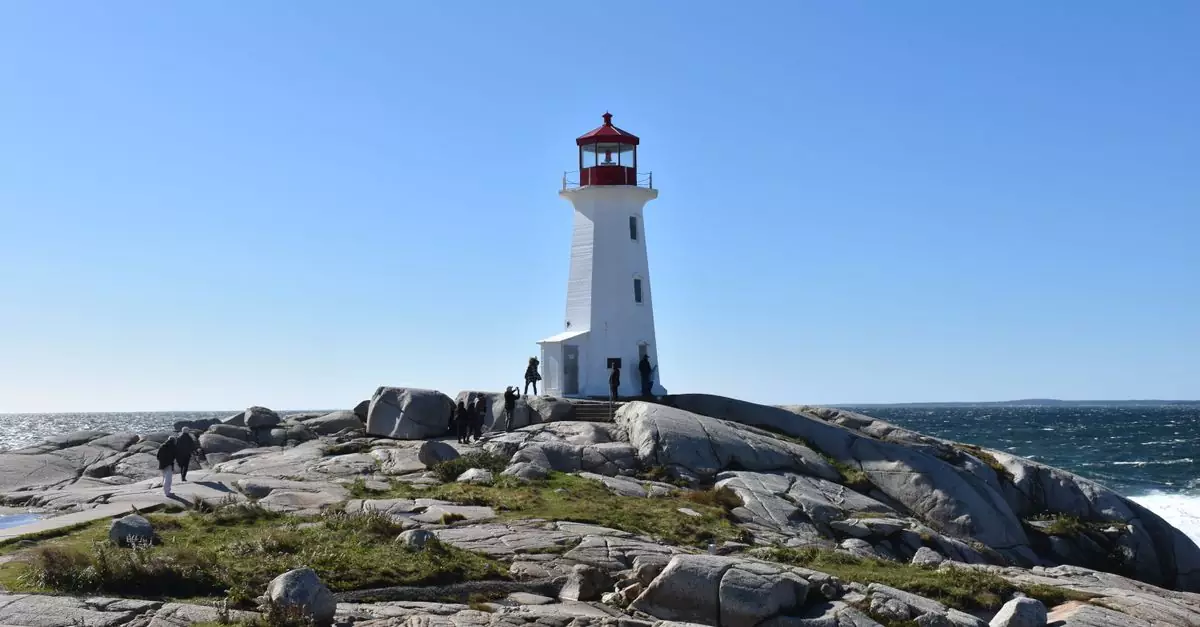
Nova Scotia’s Lighthouse Route is an iconic journey along the province’s South Shore, renowned for its picturesque fishing villages and dramatic coastal scenery. Peggy’s Cove, with its famous lighthouse perched on wave-battered granite, is a must-visit. Arrive early in the morning to avoid crowds and capture the best light.
Further along the route, the UNESCO World Heritage town of Lunenburg presents a beautifully preserved example of British colonial settlement. Its colorful wooden buildings and active harbor offer a glimpse into a rich maritime history. Consider a whale-watching tour from Lunenburg for a chance to see these magnificent creatures in their natural habitat.
- Best Time to Visit: June to October for milder weather and open attractions.
- Getting Around: A rental car is essential for exploring the Lighthouse Route at your own pace.
- Accommodation: Options range from historic inns in Lunenburg to cozy B&Bs in smaller villages.
Prince Edward Island’s Red Sand Beaches and Coastal Drives
Prince Edward Island (PEI) captivates with its unique red sand beaches, rolling green hills, and charming coastal drives. The island’s red soil, a striking contrast against the blue ocean, defines its landscape. Cavendish is a popular hub, known for its association with Anne of Green Gables, offering scenic walking trails and family-friendly attractions.
Driving the scenic routes, such as the Points East Coastal Drive, allows you to discover secluded beaches like Basin Head Provincial Park, famous for its “singing sands.” Seafood lovers will rejoice in PEI’s culinary scene, particularly its world-class lobster and mussels.
- Unique Experience: Cycling along the Confederation Trail, a former railway line now converted into a multi-use trail.
- Travel Tip: Book accommodations and ferry reservations well in advance, especially during peak summer months.
- Seafood Highlight: Indulge in a traditional lobster boil for an authentic island culinary experience.
New Brunswick’s Bay of Fundy: Hopewell Rocks and Tidal Wonders
The Bay of Fundy, bordering New Brunswick and Nova Scotia, boasts the highest tides in the world. This natural phenomenon creates dramatic landscapes, most famously at the Hopewell Rocks. Here, you can walk on the ocean floor at low tide and witness the powerful return of the sea.
Kayaking tours offer a unique perspective on the towering rock formations and the immense tidal changes. Fundy National Park provides hiking trails with stunning coastal vistas and opportunities to spot marine life. The sheer scale of the tides is a spectacle that makes this a truly unforgettable coastal destination.
- Tidal Schedule: Check the tide times before your visit to plan your activities effectively.
- Activities: Consider a boat tour for a closer look at the dramatic tidal bore and marine wildlife.
- Logistics: Access to Hopewell Rocks is via a causeway, with ample parking and visitor facilities.
Newfoundland and Labrador’s Dramatic Fjords and Icebergs
Newfoundland and Labrador offer a wilder, more remote coastal experience. The province’s coastline is characterized by dramatic fjords, towering sea cliffs, and rugged beauty. Gros Morne National Park, a UNESCO World Heritage site, showcases unique geological formations, including the Tablelands, and offers breathtaking fjord boat tours.
During spring and early summer, the waters off Newfoundland and Labrador become a prime location for iceberg viewing. Boat tours from coastal communities like Twillingate provide a chance to witness these majestic frozen giants drifting south. The vibrant culture of Newfoundland, with its unique dialect and lively music scene, adds another layer to any visit.
- Iceberg Season: Typically from late May to early July, though sightings can vary.
- Getting There: Flights to St. John’s International Airport (YYT) are common, with further travel by car or regional flights.
- Considerations: Weather can be unpredictable, so pack layers and be prepared for wind and rain.
Pacific Paradise: British Columbia’s Coastal Highlights
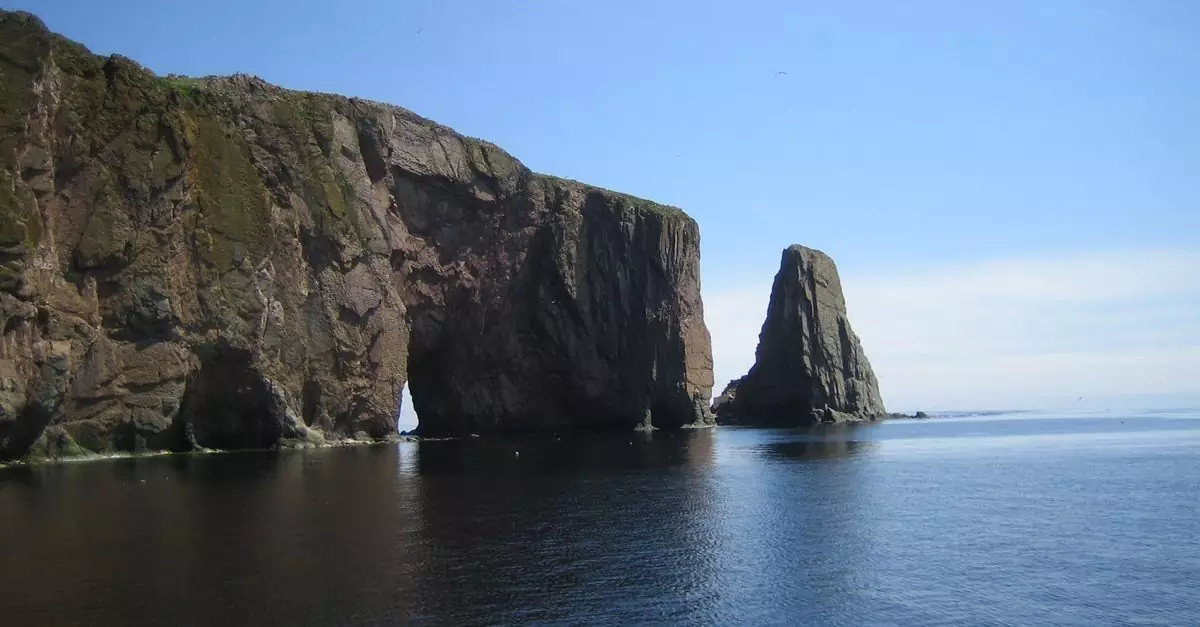
Canada’s west coast offers a dramatic embrace of ocean and mountains, making it a prime destination for those seeking the best coastal vacations in Canada. British Columbia’s extensive coastline is a tapestry of rugged wilderness, charming seaside towns, and vibrant island life. From the urban allure of Vancouver to the remote beauty of Haida Gwaii, this region provides diverse experiences for every traveler.
Vancouver Island’s Victoria Inner Harbour and Butchart Gardens
Victoria, the capital of British Columbia, is often described as a slice of Britain on the Pacific. Its Inner Harbour is a picturesque hub, alive with horse-drawn carriages, street performers, and the majestic Fairmont Empress hotel. This historic waterfront is a great starting point for understanding the city’s charm.
A short drive from downtown Victoria lies the world-renowned Butchart Gardens. These meticulously maintained floral display gardens are a breathtaking spectacle, especially during the blooming seasons of spring and summer. Allow at least half a day to wander through the Sunken Garden, Japanese Garden, and Italian Garden.
Getting to Victoria:
- Ferry: BC Ferries operates frequent sailings from Tsawwassen (near Vancouver) to Swartz Bay (north of Victoria).
- Seaplane: Harbour Air and other operators offer scenic flights from Vancouver’s downtown harbour to Victoria’s Inner Harbour.
- Driving: Accessible via the Trans-Canada Highway, though ferry travel is often more efficient.
Tofino’s Surfing Beaches and Rainforest Trails
Further up Vancouver Island’s west coast, Tofino presents a wilder, more adventurous side of coastal British Columbia. Renowned for its powerful surf breaks, Tofino is a mecca for surfers of all levels. Even if you don’t plan to paddle out, watching the surfers tackle the waves at Cox Bay or Long Beach is an iconic Tofino experience.
Beyond the beach, the ancient rainforests surrounding Tofino offer incredible hiking opportunities. Trails like the Rainforest Trail in Pacific Rim National Park Reserve wind through towering old-growth cedars and ferns, immersing you in a lush, temperate rainforest ecosystem. This is a truly immersive natural escape.
Tofino Travel Tips:
- Best time to visit: Summer (June-August) offers the warmest weather and calmest seas. Shoulder seasons (May, September) provide fewer crowds and dramatic storm watching potential.
- Accommodation: Ranges from rustic cabins and campgrounds to boutique hotels and luxury lodges. Book well in advance, especially for summer travel.
- Getting there: Drive from Victoria or Nanaimo, or take a scenic seaplane flight from Vancouver.
The Gulf Islands: Kayaking and Island Hopping
Scattered between Vancouver Island and the mainland, British Columbia’s Gulf Islands offer a more laid-back, bohemian coastal experience. Each island, such as Salt Spring, Galiano, Mayne, and Pender, has its own distinct character, characterized by artisan studios, organic farms, and stunning ocean vistas.
These islands are a kayaker’s paradise, with sheltered inlets, abundant marine life (seals, otters, and even whales are common sightings), and numerous small coves to explore. Island hopping via BC Ferries or private water taxi is a popular way to experience the diverse charm of the archipelago.
Gulf Islands Snapshot:
| Island | Vibe | Activities |
|---|---|---|
| Salt Spring | Artsy, bustling market | Farmers’ markets, artisan studios, vineyards |
| Galiano | Quiet, nature-focused | Hiking, kayaking, stargazing |
| Mayne | Historic, tranquil | Local museum, walking trails, seaside views |
| Pender | Relaxed, community-oriented | Golf, cycling, kayaking, local pubs |
Haida Gwaii: Ancient Culture and Pristine Wilderness
For a truly unique and profound coastal journey, Haida Gwaii, formerly the Queen Charlotte Islands, is unparalleled. This remote archipelago off British Columbia’s northern coast is the ancestral home of the Haida Nation, whose rich culture and deep connection to the land are palpable.
Visitors can explore ancient Haida village sites, marvel at totem poles, and learn about living Haida traditions. The islands boast incredibly diverse ecosystems, from old-growth rainforests to dramatic coastlines teeming with wildlife. It’s a destination that rewards thoughtful exploration and respect for its heritage.
Planning a Haida Gwaii Trip:
- Access: Flights to Sandspit or Masset from Vancouver, or a BC Ferries route from Prince Rupert.
- Respect: Engage with the local culture respectfully. Many sites are sacred. Consider hiring a local Haida guide for deeper insight.
- Remoteness: This is a wild place. Be prepared for variable weather and limited services outside of the main communities. This is one of the most special coastal destinations in North America.
Planning Your Canadian Coastal Getaway: Best Time to Visit and Weather
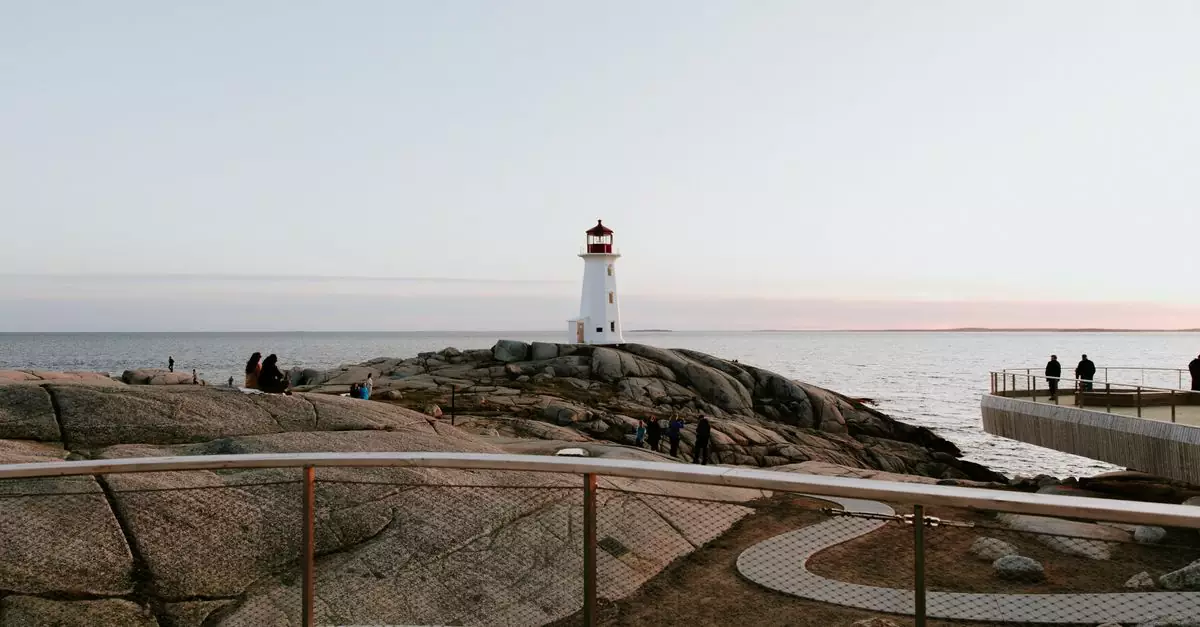
Choosing the right time for your Canadian coastal vacation significantly impacts the experience. From the warmth of the Atlantic to the cooler Pacific shores, each region offers distinct seasonal charms. Understanding the weather patterns and peak travel times will help you plan a trip that aligns with your interests, whether you seek sunny beaches or dramatic, moody landscapes.
Summer: The Peak Season for Coastal Exploration
Summer, from June through August, is the most popular time for a Canadian coastal trip. Temperatures are generally warmest, with long daylight hours ideal for outdoor activities. The Maritime provinces, like Nova Scotia and Prince Edward Island, experience pleasant, often sunny weather, perfect for exploring sandy beaches and charming fishing villages. On the Pacific coast, British Columbia’s coast enjoys its driest and warmest period, making it excellent for whale watching tours and exploring Vancouver Island’s rugged beauty.
However, summer also means higher prices for accommodations and more crowds at popular attractions. Booking flights and lodging well in advance is essential. Expect average July temperatures to range from 15°C to 25°C (59°F to 77°F) along the coasts, though inland areas can be warmer.
Shoulder Seasons: Spring and Fall for Fewer Crowds
The shoulder seasons – spring (April to May) and fall (September to October) – offer a compelling alternative for those who prefer fewer tourists and potentially lower costs. Spring sees nature reawakening, with wildflowers blooming and wildlife becoming more active. However, coastal weather can be unpredictable, with lingering snow in some northern areas and cooler temperatures, especially in early spring.
Fall is often a favorite for its crisp air, vibrant autumn foliage, and the chance to witness migrating wildlife. The Pacific coast, in particular, can be stunning in the fall. However, be prepared for increased rainfall, especially on the West Coast. Temperatures during these months typically range from 5°C to 15°C (41°F to 59°F), requiring layers of clothing.
Understanding Coastal Weather Patterns Across Canada
Canada’s vast coastline presents diverse weather. The Atlantic provinces are influenced by maritime air masses, leading to humid summers and potentially harsh winters. Fog is a common occurrence, particularly along the coasts of Newfoundland and Labrador and Nova Scotia, adding a mystical atmosphere.
The Pacific coast of British Columbia is known for its mild, wet winters and warm, dry summers. Vancouver Island, for instance, receives significant rainfall annually, contributing to its lush rainforests. Further north, the Arctic coast experiences extreme cold and long periods of darkness in winter, with short, cool summers.
Here’s a general overview of coastal weather:
| Region | Summer (Jun-Aug) Temp (°C) | Fall (Sep-Oct) Temp (°C) | Winter (Dec-Feb) Temp (°C) | Typical Precipitation |
|---|---|---|---|---|
| Atlantic Coast | 15-25 | 5-15 | -10 to 5 | Moderate to High |
| Pacific Coast | 15-22 | 8-18 | 0 to 10 | High (especially West) |
| Arctic Coast | 5-15 | -15 to 0 | -30 to -10 | Low (snow) |
When planning your best coastal vacations Canada, consider packing for variable conditions. Waterproof jackets, sturdy footwear, and layers are essential regardless of the season. Always check local weather forecasts closer to your travel dates for the most accurate information.
Getting Around and Accommodation on Canada’s Coasts
Planning your journey and finding the right place to stay are key to enjoying Canada’s diverse coastal regions. Whether you’re aiming for the rugged beauty of the Pacific or the charming shores of the Atlantic, understanding your transportation and lodging options will enhance your experience.
Driving the Coastal Highways: Scenic Routes and Road Trip Tips
Canada’s coastlines offer some of North America’s most breathtaking drives. In British Columbia, the Sea-to-Sky Highway (Highway 99) north of Vancouver provides dramatic mountain and ocean vistas, leading towards Whistler and beyond. Further up the coast, the Alaska Highway, though inland, offers access to coastal fjords and wilderness.
On the East Coast, Nova Scotia’s Cabot Trail on Cape Breton Island is a world-renowned scenic drive, winding through the Cape Breton Highlands National Park with stunning ocean overlooks. Prince Edward Island’s gentle, rolling landscape is best explored via its network of scenic drives, often referred to as “Highways and Byways.” New Brunswick’s Fundy Coastal Drive offers dramatic tidal views along the Bay of Fundy.
When road-tripping, consider these tips:
- Vehicle Preparedness: Ensure your vehicle is in good condition, especially if traveling to remote areas. Pack an emergency kit.
- Navigation: While GPS is useful, local maps can be helpful in areas with spotty service.
- Pacing: Don’t rush. Allow ample time for spontaneous stops at viewpoints and small towns.
- Seasonal Considerations: Coastal highways can be affected by weather, particularly in shoulder seasons and winter. Check road conditions before departure.
Ferry Services for Island and Coastal Access
For many of Canada’s most captivating coastal destinations, ferries are an essential mode of transport. BC Ferries operates an extensive network connecting Vancouver Island, the Gulf Islands, and the Sunshine Coast with the mainland. These journeys offer spectacular views and are a crucial part of accessing communities like Victoria, Nanaimo, and Tofino. Booking in advance is highly recommended, especially during peak season.
On the East Coast, Marine Atlantic provides ferry service between Newfoundland and Labrador and Nova Scotia. Smaller provincial ferry services also connect islands off the coasts of Nova Scotia and Prince Edward Island. These ferry rides are often scenic in themselves, offering opportunities to spot marine life.
Choosing Your Coastal Stay: Boutique Hotels to Cozy Cabins
Accommodation options along Canada’s coasts cater to every style and budget. In larger cities like Vancouver or Halifax, you’ll find a full range of hotels, from luxury waterfront properties to comfortable business-class options. For a more intimate experience, boutique hotels in charming towns like Lunenburg, Nova Scotia, or Tofino, British Columbia, offer unique character and personalized service.
Many travelers seek out cozy cabins or vacation rentals, especially for longer stays or family trips. These can range from rustic beachfront cottages to modern chalets with ocean views. Camping is also a popular option, with numerous provincial and national park campgrounds offering direct access to coastal scenery. Consider booking accommodations well in advance, particularly for popular summer months or during local festivals.
Budget-Friendly Coastal Vacation Ideas
Experiencing Canada’s coasts doesn’t have to break the bank. Look for off-season travel, which often brings lower prices for accommodations and fewer crowds. Visiting in the spring or fall can offer pleasant weather and significant savings.
Camping remains one of the most economical ways to stay, allowing you to immerse yourself in nature. Many coastal towns also have hostels or budget-friendly guesthouses. Packing picnic lunches and utilizing local grocery stores instead of dining out for every meal can also substantially reduce daily expenses. Exploring free natural attractions like beaches, hiking trails, and scenic viewpoints is a cornerstone of any budget-conscious coastal adventure.
Frequently Asked Questions About Canada’s Best Coastal Vacations
What are some family-friendly coastal activities in Canada?
Canada’s coastlines offer a wealth of activities that appeal to all ages. In the Maritimes, consider exploring the iconic Bay of Fundy, where low tide reveals vast ocean floors perfect for beachcombing and discovering marine life. Prince Edward Island’s red sand beaches are ideal for building sandcastles and enjoying gentle waves. On the West Coast, Vancouver Island boasts opportunities for tide pooling in places like Tofino and Ucluelet, as well as accessible nature walks through temperate rainforests. Many coastal towns also feature charming boardwalks, local museums, and boat tours suitable for families.
Are there good opportunities for whale watching on Canada’s coasts?
Absolutely. Canada is a premier destination for whale watching, with distinct opportunities on both its Atlantic and Pacific shores. The waters of British Columbia, particularly around Vancouver Island, are renowned for resident pods of orcas, as well as humpback whales, gray whales, and minke whales. Tours depart frequently from Victoria, Tofino, and Telegraph Cove. On the East Coast, the St. Lawrence Estuary and the waters off Newfoundland and Labrador are famous for sightings of fin whales, humpbacks, and even the magnificent blue whale, especially during the summer months. Tadoussac in Quebec and Twillingate in Newfoundland are particularly popular hubs.
What should I pack for a coastal vacation in Canada?
Packing for a Canadian coastal vacation requires layering, as coastal weather can be unpredictable, even in summer. Essential items include waterproof and windproof outerwear, such as a good quality rain jacket and pants. Comfortable walking shoes are a must, along with water-resistant footwear if you plan on exploring beaches or rocky shorelines. Bring warm layers like fleece or wool sweaters, and don’t forget sun protection—hats, sunglasses, and sunscreen are vital, even on cloudy days. Binoculars can enhance wildlife viewing, and a reusable water bottle is always a practical addition.
What are some hidden gem coastal towns in Canada?
Beyond the well-known destinations, Canada hides several charming coastal communities. Consider Lunenburg, Nova Scotia, a UNESCO World Heritage site with colorful historic architecture and a strong maritime heritage. On the Pacific side, explore Cowichan Bay on Vancouver Island, known for its artisanal food scene and scenic waterfront. Further north, Telegraph Cove, British Columbia, is a tiny, picturesque village famous for its proximity to prime whale watching areas and its unique boardwalk setting. For a truly remote experience, consider the small fishing villages scattered along Newfoundland’s dramatic coastline, offering rugged beauty and authentic local culture.