
Canada’s extensive coastlines offer some of North America’s most spectacular island road trip experiences, blending dramatic natural beauty with rich cultural encounters. From the rolling red landscapes of Prince Edward Island to the rugged Pacific shores of Vancouver Island and the breathtaking cliffs of Cape Breton, these journeys promise unforgettable adventures. Planning one of the best island road trips in Canada means immersing yourself in unique coastal charm and discovering hidden gems along scenic routes. This guide will help you explore three of the most iconic island drives, detailing their highlights, ideal travel times, and essential logistical tips. Prepare to discover the diverse beauty and captivating spirit of Canada’s islands, one scenic kilometer at a time.
Discover Canada’s Premier Island Road Trip Routes
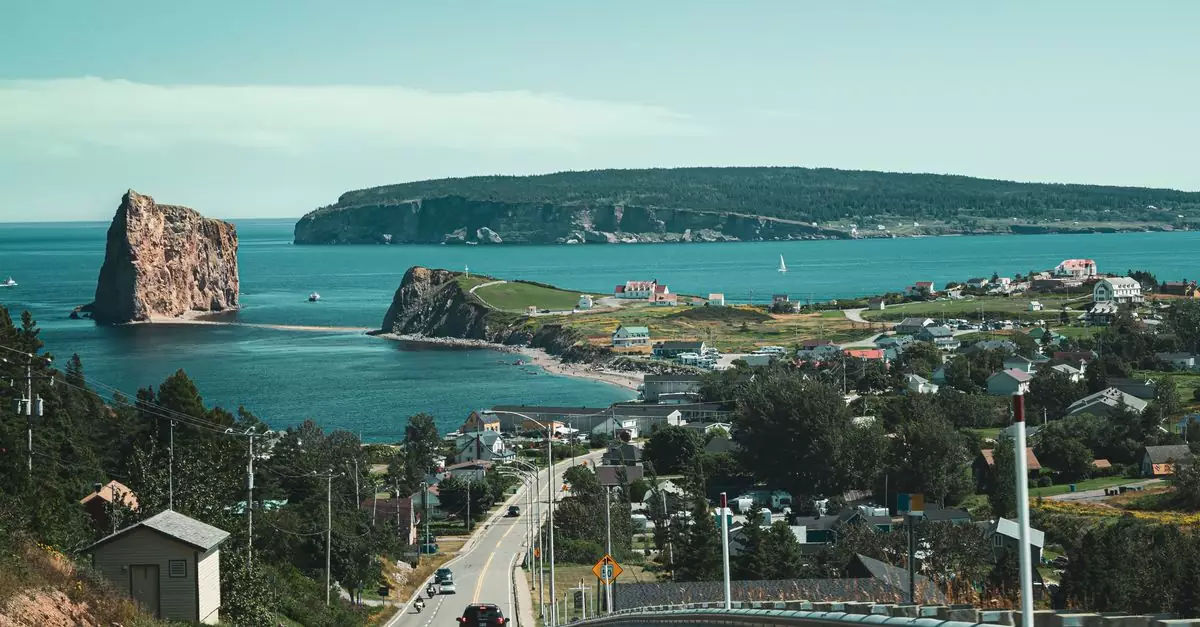
Canada’s vast coastlines offer breathtaking island road trip experiences in North America. These routes combine stunning natural beauty with unique cultural encounters, making them ideal for travelers seeking adventure. From the rolling red-soiled landscapes of Prince Edward Island to the rugged Pacific shores of Vancouver Island and the dramatic cliffs of Cape Breton, each destination presents a distinct journey. Planning an island road trip here means immersing yourself in coastal charm and uncovering hidden treasures.
Prince Edward Island’s North Shore Scenic Drive
The North Shore Scenic Drive on Prince Edward Island introduces you to island life, showcasing postcard-perfect beaches, charming fishing villages, and vibrant green farmland. This route, approximately 273 kilometers (170 miles) long, is easily manageable over two to three days, allowing ample time for stops. Expect smooth, well-maintained roads winding through picturesque countryside.
Key highlights include the iconic red sand dunes of Cavendish and the pastoral landscapes that inspired Lucy Maud Montgomery’s Anne of Green Gables. Enjoy opportunities for beachcombing, kayaking, and savoring fresh seafood at local restaurants. Accommodation options range from cozy inns and bed and breakfasts to campgrounds. The best time to visit is from June to September, when the weather is warmest and most attractions are open.
Vancouver Island’s Pacific Rim Highway Adventure
Embarking on the Pacific Rim Highway (Highway 4) across Vancouver Island offers a dramatic shift in scenery, transitioning from temperate rainforests to the wild, untamed Pacific coast. This journey, stretching about 150 kilometers (93 miles) between Port Alberni and Tofino, is renowned for its old-growth forests, storm-swept beaches, and world-class surfing. The highway itself is a scenic drive, often shrouded in mist, adding to its allure.
Allow at least three days to fully appreciate the region, including time for hiking in Pacific Rim National Park Reserve, whale watching tours, and exploring the laid-back surf towns of Ucluelet and Tofino. Accommodation in Tofino can be expensive, especially during peak season (July and August), with options including boutique hotels, rustic cabins, and campgrounds. Drive with caution due to the winding roads and potential wildlife on the pavement.
Cape Breton Island’s Cabot Trail: A Crown Jewel
Often cited as one of the best island road trips in Canada, the Cabot Trail on Cape Breton Island, Nova Scotia, is a spectacular 300-kilometer (185-mile) loop. This route is famous for its dramatic coastal vistas, rugged mountains, and vibrant Acadian and Scottish Gaelic cultures. The trail offers unparalleled views of the Atlantic Ocean, with sheer cliffs dropping into the sea and opportunities to spot whales and seabirds.
Driving the Cabot Trail typically takes two to four days, with numerous viewpoints, hiking trails within Cape Breton Highlands National Park, and charming villages like Ingonish and Pleasant Bay to explore. The road is paved but can be narrow and winding in sections, especially along the western coast. The peak season runs from late June through October, with fall offering stunning foliage. Lodging options include inns, motels, and campgrounds, making advance booking highly recommended.
| Destination | Length (approx.) | Best Season | Driving Time (min.) | Highlights |
|---|---|---|---|---|
| PEI North Shore Scenic Drive | 273 km (170 mi) | June – Sept | 2-3 days | Red sand dunes, beaches, charming villages |
| Vancouver Island (HWY 4) | 150 km (93 mi) | May – Sept | 3+ days | Rainforests, surf beaches, whale watching |
| Cape Breton (Cabot Trail) | 300 km (185 mi) | June – Oct | 2-4 days | Coastal cliffs, mountains, whale sightings |
Planning Your Perfect Canadian Island Road Trip Itinerary

Embarking on one of the best island road trips in Canada requires thoughtful planning to maximize your experience. Each island destination offers unique landscapes and attractions, so tailoring your itinerary to your interests is key. Consider how much driving you’re comfortable with each day, what types of activities you enjoy, and the best time of year to visit for your chosen region.
7-Day Itinerary for a Prince Edward Island Coastal Loop
A week-long journey around Prince Edward Island (PEI) provides ample time to soak in its charming coastal scenery and vibrant culture. This Maritime province is renowned for its red sand beaches, rolling green hills, and the legacy of Anne of Green Gables. The entire island is accessible via the Confederation Bridge from New Brunswick, making it straightforward to reach.
Day 1-2: Charlottetown & South Shore
Begin in Charlottetown, the island’s capital, exploring its historic downtown and waterfront. Dedicate a day to the south shore, visiting beaches like Greenwich and Point Prim Lighthouse.
Day 3-4: North Shore & Cavendish
Head north to the Cavendish region, the heart of Anne of Green Gables country. Visit Green Gables Heritage Place, explore Prince Edward Island National Park, and enjoy the stunning sand dunes.
Day 5-6: Evangeline Region & West Coast
Drive west towards the Acadian-inspired Evangeline region, known for its unique culture and scenic drives. Explore the Confederation Trail, a multi-use recreational trail spanning the island, and visit the western tip for dramatic coastal views.
Day 7: Return Journey
Enjoy a final island breakfast before heading back over the Confederation Bridge, perhaps stopping at a local craft shop for souvenirs.
Logistics & Tips:
- Transportation: A car is essential for exploring PEI at your own pace. Rental cars are readily available in Charlottetown.
- Accommodation: Options range from charming B&Bs and inns to campgrounds and modern hotels. Booking in advance is recommended, especially during peak summer months.
- Best Time to Visit: Late May to early October offers the most pleasant weather, with July and August being the busiest.
5-Day Vancouver Island Exploration: Victoria to Tofino
Vancouver Island, British Columbia, offers a dramatic contrast to the Maritimes, boasting ancient rainforests, rugged coastlines, and abundant wildlife. A 5-day trip can focus on a popular route from the southern capital to the wild west coast. Accessing the island typically involves a scenic ferry ride from the mainland BC coast.
Day 1-2: Victoria & Southern Charm
Start in Victoria, the provincial capital, known for its British colonial architecture, vibrant Inner Harbour, and Butchart Gardens. Spend a day exploring the city before heading north.
Day 3: Pacific Rim National Park Reserve
Drive to the west coast, entering the stunning Pacific Rim National Park Reserve. Stop at viewpoints along the Pacific Rim Highway, marveling at the dense temperate rainforest. Settle into Tofino or Ucluelet.
Day 4: Tofino’s Coastal Wonders
Dedicate this day to Tofino. Activities include surfing lessons, whale watching tours, exploring Long Beach, or hiking through old-growth forests. The dramatic scenery here makes it one of the best island road trips in Canada.
Day 5: Return to Mainland
Enjoy a final morning on the west coast before embarking on the scenic drive back to the ferry terminal for your return to mainland British Columbia.
Logistics & Tips:
- Transportation: A car is necessary. The drive from Victoria to Tofino is approximately 5-6 hours without significant stops. Be prepared for winding roads.
- Accommodation: Tofino and Ucluelet offer options from luxury resorts to cozy cabins and campgrounds. Accommodation books up quickly, so plan months ahead.
- Best Time to Visit: Summer (June-August) offers the best weather for outdoor activities. The shoulder seasons (May, September) are less crowded and still provide great experiences, though weather can be more unpredictable.
4-Day Cape Breton Island Highlights
Cape Breton Island, Nova Scotia, is famous for the Cabot Trail, one of Canada’s most iconic scenic drives. This island offers a blend of Gaelic and Acadian culture, breathtaking highland scenery, and a rich musical heritage. Access is via the Canso Causeway connecting it to mainland Nova Scotia.
Day 1: Arrival & Southern Cape Breton
Arrive on the island and begin your journey, perhaps starting with a visit to the Fortress of Louisbourg National Historic Site, a meticulously reconstructed 18th-century French fortress.
Day 2-3: The Cabot Trail
Dedicate two full days to driving the Cabot Trail. This spectacular route winds along the island’s northern tip, offering dramatic ocean vistas, towering cliffs, and charming fishing villages. Stop frequently for photos and short hikes, such as the Skyline Trail for panoramic views. Explore communities like Ingonish and Pleasant Bay.
Day 4: Return Journey & Cultural Immersion
Enjoy a final morning on the island, perhaps visiting the Alexander Graham Bell National Historic Site in Baddeck. Begin your drive back towards the Canso Causeway, reflecting on the stunning landscapes encountered.
Logistics & Tips:
- Transportation: A car is indispensable for navigating the Cabot Trail and surrounding areas.
- Accommodation: Options include hotels, motels, inns, and campgrounds. Lodging can be limited in smaller communities along the Cabot Trail, so booking ahead is crucial, especially during peak season.
- Best Time to Visit: Summer and early autumn (September-October) are ideal. The fall foliage season, in particular, transforms the island into a vibrant tapestry of color.
Choosing among these best island road trips in Canada depends on your desired landscape, available time, and preferred pace. Each offers a distinct and memorable adventure across North America’s stunning coastlines.
What’s the Best Time for Island Road Trips in Canada?
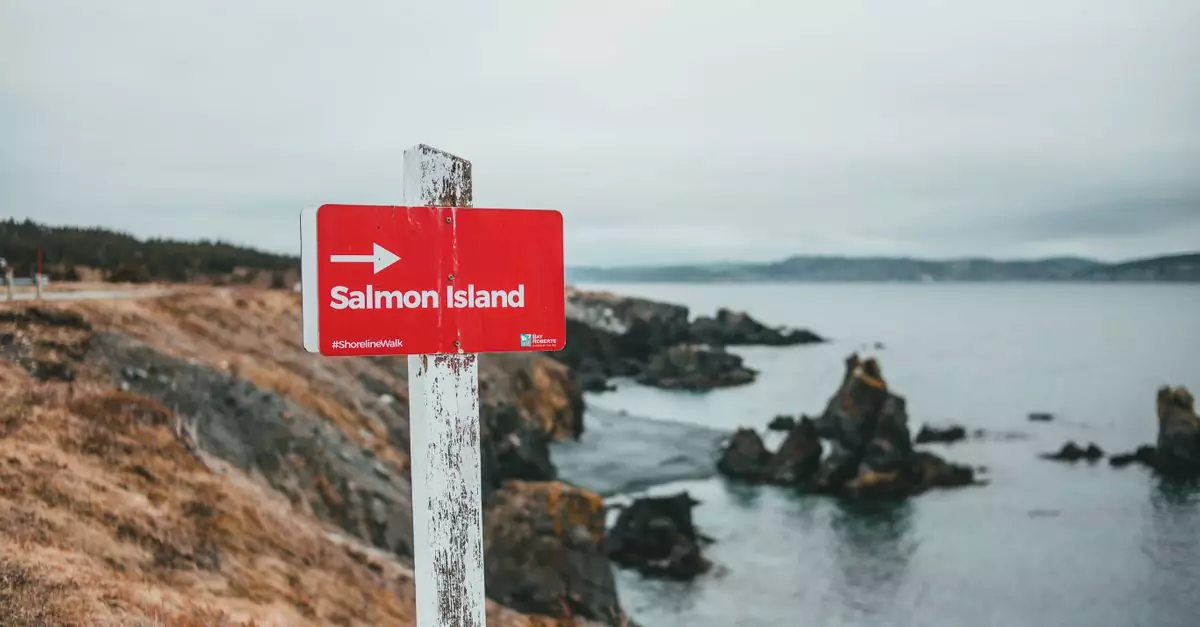
Choosing the right season for your island road trip in Canada significantly impacts your experience, from weather conditions and accessibility to the availability of activities and crowds. Canada’s vast geography means that timing can vary across its diverse coastal regions. Understanding these nuances will help you plan an unforgettable journey.
Summer: Peak Season for Coastal Drives (June-August)
Summer is the most popular time for embarking on best island road trips in Canada. From mid-June through August, you’ll find the warmest temperatures and the longest daylight hours, perfect for maximizing your time on scenic routes. Coastal areas like Prince Edward Island and Nova Scotia’s Cape Breton Island are at their most vibrant, with lush landscapes and calm seas.
This is the prime season for outdoor activities such as hiking, kayaking, whale watching, and exploring charming seaside villages. However, it can be the busiest and most expensive time to travel. Expect higher prices for accommodations and rental cars, and popular attractions may be crowded. Booking well in advance is essential, especially for ferry services to islands like Newfoundland and Labrador. The weather is generally pleasant, though coastal fog can still be a factor, particularly on the Atlantic coast.
Shoulder Seasons: Spring & Fall for Fewer Crowds
The shoulder seasons – spring (May-June) and fall (September-October) – offer a compelling alternative for exploring Canada’s islands. These periods provide a balance of decent weather, fewer tourists, and often lower prices compared to the summer peak.
Spring brings blooming wildflowers and the return of migratory wildlife, creating beautiful scenery. However, early spring can still be cool, and some seasonal attractions or roads, particularly in more northerly regions, might not be fully open until late May or early June. Ferry schedules may also be less frequent at the very start of the season.
Fall is renowned for its spectacular autumn foliage, especially inland areas accessible from coastal routes. Crisp air and clear skies are common, offering excellent visibility for scenic drives. This is a fantastic time for photography and enjoying local harvest festivals. However, days become shorter, and temperatures begin to drop, so packing layers is crucial. Some coastal businesses and accommodations may start to close down by late October. For many, these months represent the sweet spot for enjoying the best island road trips Canada has to offer without the summer hustle.
Winter Considerations for Island Travel
Winter travel to Canada’s islands presents unique challenges and rewards. While many popular routes and attractions are closed, and ferry services can be significantly reduced or suspended due to weather, a winter road trip can offer a tranquil, introspective experience.
Islands like Vancouver Island in British Columbia remain relatively accessible year-round, with milder temperatures and dramatic storm-watching opportunities along its west coast. However, driving conditions can be hazardous, with rain, ice, and snow being common depending on the region. Road closures due to severe weather are a real possibility, requiring flexibility in your itinerary.
Accommodations are generally more affordable and easier to secure during winter, but dining and activity options will be limited. It’s vital to check ferry schedules and road conditions meticulously before and during your trip. This season is best suited for experienced travelers comfortable with unpredictable weather and seeking a quiet escape rather than a bustling adventure. For those considering a winter getaway, researching specific island accessibility and local conditions is paramount.
Navigating Your Canadian Island Road Trip: Transportation & Logistics

Embarking on one of the best island road trips in Canada requires careful planning, particularly concerning how you’ll reach and traverse these stunning coastal destinations. Understanding ferry schedules, rental car options, and road conditions will smooth your journey.
Car Rentals and Ferry Services for Island Access
Accessing most Canadian islands necessitates a ferry. Major car rental companies operate in mainland cities and towns closest to ferry terminals, allowing you to pick up a vehicle for your island exploration. Booking rentals and ferry tickets in advance is crucial, especially during peak summer months. Popular routes, like those serving Vancouver Island or Prince Edward Island, can fill up quickly.
Consider the size of your vehicle; larger RVs or vehicles towing trailers may have different booking requirements or restrictions on certain ferries. For smaller, more remote islands, you might need to arrange transport with local operators or rely on public transport once you arrive. Always check the official websites of ferry operators like BC Ferries or Marine Atlantic for the most up-to-date schedules, pricing, and reservation information.
Driving Distances and Road Conditions on PEI
Prince Edward Island (PEI) is compact, making it an excellent destination for a relaxed island driving experience. The total driving distance around the island is approximately 600 kilometers (370 miles) if you follow the scenic coastal routes. Roads are generally well-maintained, paved, and easy to navigate.
The main highways, like Highway 1, offer direct routes across the island, while secondary roads, often marked with green signs indicating scenic routes, wind through charming villages and along picturesque coastlines. Expect to encounter slower speeds on these smaller roads as you pass through agricultural lands and small communities. Most of PEI is accessible year-round, though winter conditions can occasionally impact travel, especially on less-trafficked routes. Planning your PEI road trip around the shoulder seasons, like late spring or early fall, can offer fewer crowds and pleasant driving weather.
Vancouver Island’s Highway Accessibility
Vancouver Island boasts a vast network of highways and secondary roads, offering diverse driving experiences. The primary artery is Highway 19, which runs north-south along the eastern coast, connecting major centers like Victoria, Nanaimo, and Campbell River. Further west, Highway 4 provides access to popular destinations such as Tofino and Ucluelet, though this route is known for its winding sections and can be subject to delays due to weather or logging activity.
While major highways are well-maintained, some smaller logging roads and gravel routes leading to more remote beaches or hiking trails may require a 4×4 vehicle and caution. It’s advisable to check road conditions, especially for the west coast, before setting out. Distances on Vancouver Island can be deceiving; driving from Victoria in the south to the northern tip near Port Hardy can take over 7 hours without stops. Planning for a slower pace and allowing ample time for spontaneous detours is key to enjoying Vancouver Island’s extensive offerings.
Cabot Trail Road Conditions and Tips
The Cabot Trail on Cape Breton Island, Nova Scotia, is legendary for its dramatic coastal scenery and challenging, winding roads. This 298-kilometer (185-mile) loop is a bucket-list item for many Canadian road trippers. The road is mostly paved, but its mountainous terrain and proximity to the ocean mean sharp turns, steep inclines, and breathtaking drop-offs.
Driving the Cabot Trail is best done in a clockwise direction to keep the ocean on your right, offering the most unobstructed views and easier access to pull-offs. Expect to drive slowly, often well below the posted speed limits, to safely navigate the curves and take in the scenery. Sections of the trail pass through Cape Breton Highlands National Park, where wildlife sightings are common, necessitating extra vigilance. The road is typically open year-round, but winter can bring snow, ice, and closures, particularly in higher elevations. The prime season for driving the Cabot Trail is from June to October, with fall foliage in September and October being particularly spectacular. Always be prepared for changing weather conditions, even in summer, and ensure your vehicle is in good working order before tackling this iconic route.
Must-Try Local Flavors on Canadian Island Drives
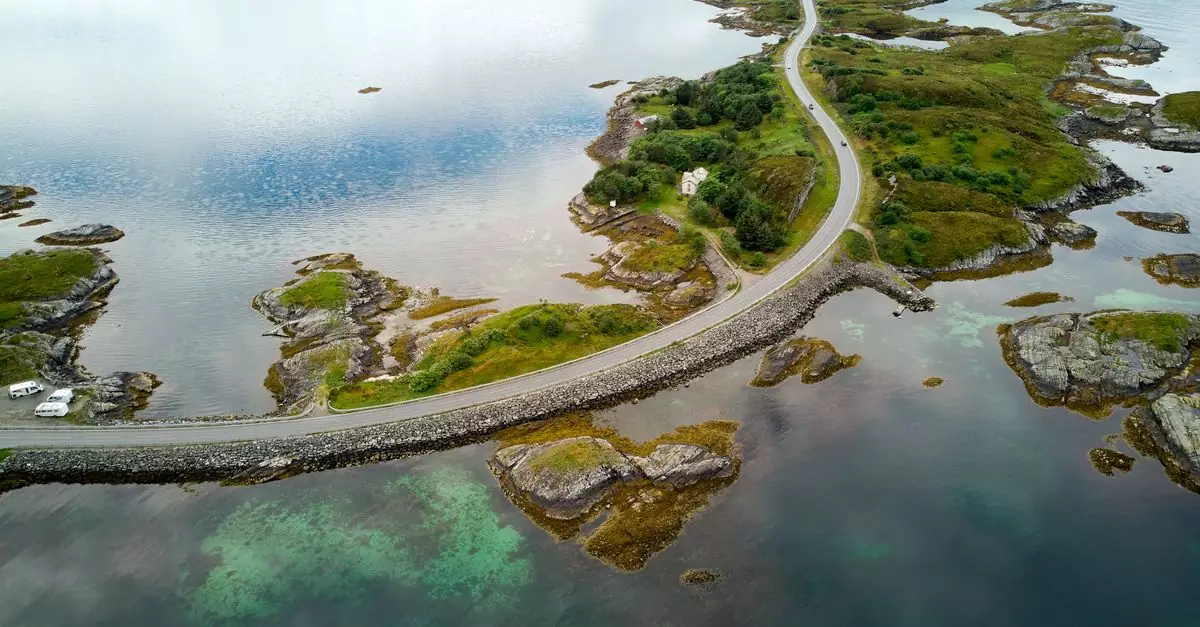
Embarking on one of the best island road trips in Canada is as much about the journey as it is about the destination, and for many, that includes savoring the unique culinary landscapes. From the salty tang of freshly caught seafood to hearty, locally sourced ingredients, these drives offer a delicious exploration of regional tastes.
Fresh Seafood Delights in Prince Edward Island
Driving through Prince Edward Island (PEI) means you’re never far from the ocean, and the island’s culinary scene reflects this abundance. The star attraction is undoubtedly the world-renowned Malpeque oyster, known for its crisp, slightly sweet flavor. You’ll find these and other bivalves served raw on the half-shell at many waterfront restaurants and local markets.
Beyond oysters, PEI lobster is a must-try. Whether you indulge in a classic lobster roll, a rich lobster bisque, or a full lobster dinner, the freshness is unparalleled. Don’t miss the chance to visit a local lobster pound, where you can often buy lobster directly from the fishermen. For a more casual experience, look for fish and chip stands offering locally caught haddock or cod.
Consider timing your visit for the late spring or summer months when seafood is at its peak. Many restaurants offer outdoor seating with ocean views, enhancing the dining experience.
Pacific Northwest Cuisine in Vancouver Island
Vancouver Island offers a diverse culinary experience, heavily influenced by its Pacific Northwest setting and multicultural population. Fresh seafood is a major draw. Spot prawns, salmon (especially wild Pacific varieties like sockeye and coho), and Dungeness crab are staples found on menus across the island, from fine dining establishments in Victoria to casual eateries in Tofino.
The island also boasts a thriving farm-to-table movement. Many restaurants partner with local farms to source organic produce, artisanal cheeses, and ethically raised meats. This commitment to local ingredients means you can expect vibrant, seasonal dishes that highlight the best of what the island’s land and sea provide.
For a truly West Coast experience, seek out restaurants that offer dishes incorporating indigenous ingredients and techniques, reflecting the rich cultural heritage of the region. Beer and wine enthusiasts will also find plenty to enjoy, with a growing number of craft breweries and vineyards on Vancouver Island producing high-quality local beverages.
Hearty Meals Along Cape Breton’s Cabot Trail
The Cabot Trail on Cape Breton Island, Nova Scotia, is renowned for its dramatic scenery, but its culinary offerings are equally compelling. This region’s food is often characterized by its hearty, comforting nature, influenced by Scottish, Irish, and Acadian heritage. Seafood, naturally, plays a significant role, with fresh lobster, scallops, and haddock being popular choices.
A unique local specialty is the “donair,” a sweet and savory ground meat sandwich that has become a Nova Scotian icon. While not strictly a seafood dish, it’s a beloved local fast food worth trying. You’ll also find Acadian influences in dishes like “fricot,” a traditional chicken or seafood stew, and “ployes,” buckwheat pancakes often served with butter and maple syrup.
For a truly authentic experience, visit a local pub or a community supper. These gatherings often feature traditional music and serve up generous portions of home-style cooking. The warmth of the food and the hospitality of the people are as memorable as the coastal vistas.
Frequently Asked Questions About Canada’s Best Island Road Trips
Are Canada’s island road trips family-friendly?
Yes, many island road trips in Canada are excellent for families. Routes like Vancouver Island’s Pacific Rim Highway offer diverse activities suitable for all ages, from beachcombing and whale watching to exploring tide pools and easy hiking trails. Prince Edward Island’s gentle landscapes and numerous child-friendly attractions, such as amusement parks and historical sites, also make it a popular choice for family adventures. The generally safe environments and readily available amenities on these islands contribute to a stress-free family travel experience.
What are the best hidden gems on these island routes?
Beyond the main attractions, Canada’s island drives reveal numerous hidden gems. On Vancouver Island, consider detouring to smaller coastal communities like Ucluelet for its rugged beauty and fewer crowds, or exploring the ancient rainforests of Cathedral Grove. Prince Edward Island offers charming lighthouses off the beaten path, such as the East Point Lighthouse, and secluded beaches like Greenwich Dunes. For a truly unique experience, venture to Newfoundland and Labrador’s Fogo Island, where striking contemporary architecture meets traditional fishing villages and a profound sense of isolation. These lesser-known spots often provide a more authentic glimpse into island life.
What should I pack for a Canadian island road trip?
Packing for a Canadian island road trip requires preparation for variable weather, even in summer. Layering is key. Bring a waterproof and windproof outer shell, fleece or down mid-layers, and moisture-wicking base layers. Comfortable walking shoes are essential for exploring towns and trails, along with water-resistant footwear for coastal walks. Don’t forget insect repellent, sunscreen, a hat, and sunglasses. Binoculars are useful for wildlife viewing, and a good camera will capture the stunning scenery. Consider a reusable water bottle and snacks to save money and reduce waste. For Newfoundland and Labrador, pack even warmer layers as temperatures can be significantly cooler.