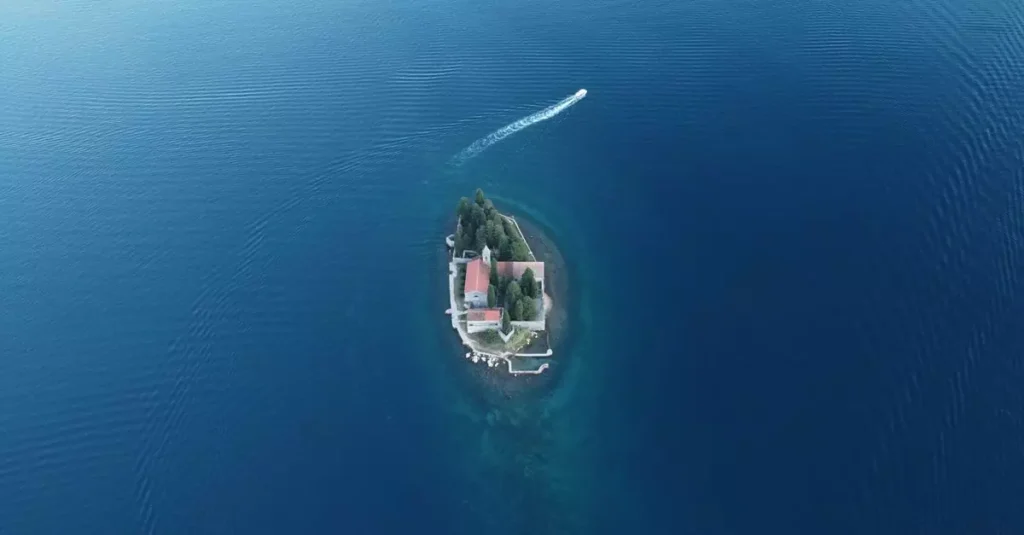
Canada’s vast coastlines are home to numerous tranquil and captivating small islands, offering a refreshing escape from typical tourist trails. If you’re seeking a getaway that combines natural beauty with authentic local culture, exploring the best small islands Canada has to offer is an excellent choice. These hidden gems provide an opportunity to slow down, connect with nature, and discover charming communities often overlooked.
In this guide, we’ll introduce you to some of Canada’s most enchanting island escapes, from the rugged wilderness of British Columbia’s archipelago to the vibrant shores of the Maritimes. You’ll learn what makes each island special, the best ways to get there and explore, and find inspiration for crafting your perfect island-hopping adventure. Prepare to be charmed by quiet coves, scenic landscapes, and the welcoming spirit of these underrated destinations.
Why Choose Canada’s Best Small Islands for Your Next Getaway?
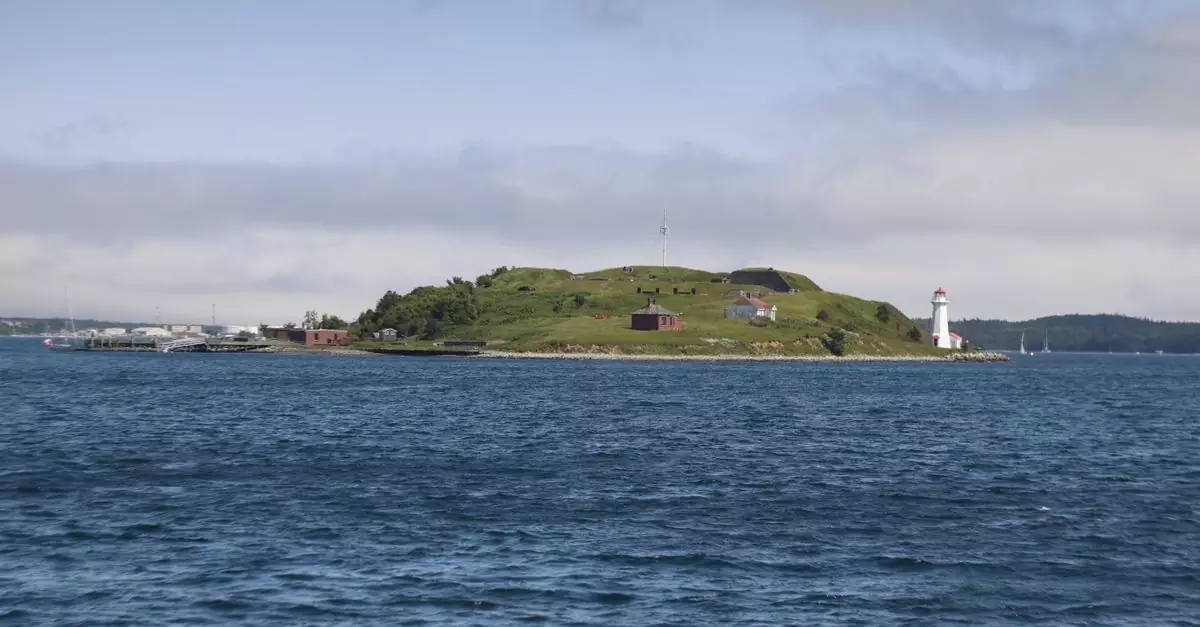
Canada’s coastline is dotted with countless islands that remain largely undiscovered by mass tourism. Opting for one of these lesser-known destinations offers a refreshing alternative to crowded mainland attractions, promising a more intimate and authentic travel experience. These small islands provide a unique chance to disconnect from the everyday and immerse yourself in natural beauty and local culture.
Beyond the Mainland: The Allure of Canadian Island Hopping
The appeal of island hopping in Canada lies in its diversity and the sense of adventure it evokes. From the rugged shores of the Pacific to the windswept landscapes of the Atlantic, each island possesses a distinct character shaped by its geography and history. Traveling between these islands often involves scenic ferry rides or small plane journeys, enhancing the overall experience with stunning vistas of the surrounding waters. This approach allows for a flexible itinerary, enabling you to tailor your trip to your interests, whether that’s wildlife viewing, historical exploration, or simply relaxing by the sea. For those seeking a deeper connection with the natural world, exploring Canada’s islands is an unparalleled experience.
Discovering Hidden Gems: Escaping the Crowds on Lesser-Known Islands
For travelers looking to escape the well-trodden paths, Canada’s best small islands offer a treasure trove of tranquility. These destinations often feature uncrowded beaches, quiet hiking trails, and a slower pace of life that is increasingly rare. Unlike more popular tourist spots, you’re more likely to encounter local fishermen mending their nets or artists at work in their studios. This lack of commercialization fosters genuine interactions with the island’s community and environment. Planning a trip to these hidden gems requires a bit more research, but the reward is a truly memorable and peaceful escape.
Unique Island Experiences: From Coastal Charm to Wilderness Adventures
The experiences available on Canada’s small islands are as varied as the islands themselves. On the East Coast, you might find charming fishing villages with colorful houses, opportunities for whale watching, and fresh seafood served in cozy pubs. Think of the maritime provinces, where islands in the Bay of Fundy offer dramatic tides and a rich seafaring heritage.
On the West Coast, islands like those off the coast of British Columbia present opportunities for sea kayaking, exploring ancient rainforests, and spotting diverse marine life such as seals, otters, and even orcas. Some islands are primarily wilderness areas, accessible only by boat or seaplane, offering true solitude and a chance to connect with nature on a profound level.
Here’s a brief comparison of the general feel and typical activities:
| Island Type | Coastal Charm | Wilderness Adventures |
|---|---|---|
| Atmosphere | Quaint villages, maritime history, local pubs | Rugged nature, solitude, wildlife abundance |
| Activities | Whale watching, seafood tasting, village walks | Hiking, kayaking, birdwatching, stargazing |
| Accessibility | Ferry services, small airports | Boat charters, seaplanes, limited infrastructure |
| Accommodation | B&Bs, small inns, vacation rentals | Rustic cabins, camping, limited lodges |
| Traveler Type | Culture enthusiasts, foodies, families | Nature lovers, adventurers, those seeking peace |
Whether you’re drawn to the salty air and historic harbors of the Atlantic or the lush forests and abundant marine life of the Pacific, Canada’s small islands offer an unforgettable escape from the ordinary.
Top Small Islands in British Columbia for Nature Lovers
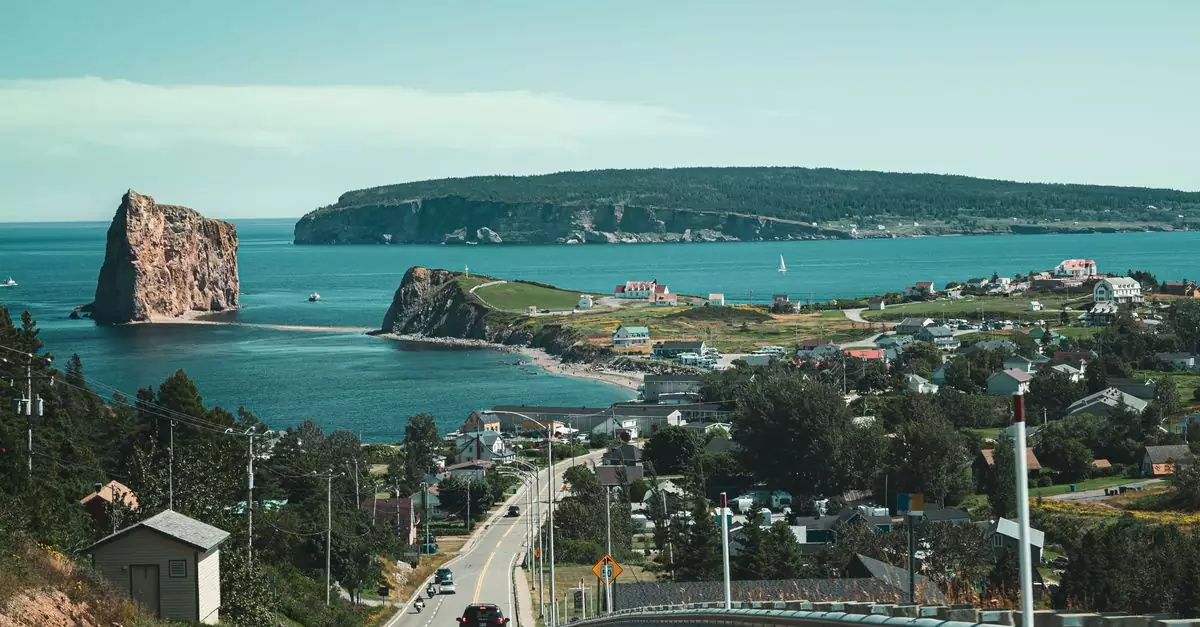
British Columbia’s coastline is dotted with numerous small islands, many of which provide exceptional natural beauty and a sense of remote tranquility. These destinations are often overlooked in favor of larger tourist hubs, making them ideal for travelers seeking authentic experiences and fewer crowds. From ancient rainforests to vibrant artisan communities, these islands offer a unique glimpse into the Pacific Northwest’s natural and cultural landscapes.
Exploring Haida Gwaii: Ancient Forests and Indigenous Culture
Often referred to as the “Galapagos of the North,” Haida Gwaii is an archipelago that feels worlds away. This remote destination is a haven for biodiversity, boasting ancient temperate rainforests, diverse marine life, and unique subspecies of animals. The islands are the ancestral home of the Haida Nation, and their rich cultural heritage is evident in totem poles, ancient village sites, and contemporary art galleries.
Getting to Haida Gwaii typically involves a flight to Sandspit or Masset, or a scenic ferry journey from Prince Rupert. Given its remoteness, planning well in advance is crucial for accommodations and transportation, especially during peak summer months. Highlights include hiking through Gwaii Haanas National Park Reserve, kayaking along the rugged coastline, and learning about Haida traditions at the Haida Heritage Centre at Kay Llnagaay. Visitors should be prepared for variable weather, even in summer, and pack accordingly.
Salt Spring Island: Arts, Crafts, and Farmers’ Markets
Salt Spring Island, the largest of the Southern Gulf Islands, offers an accessible yet enchanting island experience. It’s renowned for its vibrant arts scene, featuring numerous studios and galleries showcasing local painters, sculptors, potters, and jewelers. The island’s commitment to local produce is celebrated every Saturday at its famous farmers’ market, a bustling hub where you can sample artisanal cheeses, fresh baked goods, and locally grown fruits and vegetables.
Travelers can reach Salt Spring Island via a short ferry ride from Tsawwassen (near Vancouver) or Swartz Bay (near Victoria). The island is compact and easy to navigate by car, bicycle, or even on foot in certain areas. Accommodations range from charming bed and breakfasts to rustic cabins. Beyond the market, visitors can enjoy kayaking, hiking in provincial parks like Mount Erskine, and exploring the quaint villages of Ganges, Fulford Harbour, and Vesuvius.
The Gulf Islands: Kayaking, Wildlife Spotting, and Coastal Trails
The Southern Gulf Islands, a collection of smaller islands between Vancouver Island and the mainland, collectively offer a network of tranquil escapes. Islands like Pender, Mayne, Galiano, and Saturna each possess their distinct character but share a common appeal for nature enthusiasts and those seeking a slower pace of life. These islands are perfect for activities like kayaking, with sheltered coves and abundant marine life, including seals, sea lions, and even whales.
Access to these islands is primarily by BC Ferries, with routes connecting them to each other and to Vancouver Island and the mainland. Many visitors choose to island-hop, using the ferries to create a personalized itinerary. The islands are known for their network of coastal trails, offering spectacular views of the Salish Sea and opportunities for wildlife spotting. Accommodations vary, with options for camping, rustic cabins, and cozy inns.
| Island | Primary Appeal | Access Method | Typical Travel Time (from Vancouver) |
|---|---|---|---|
| Haida Gwaii | Ancient forests, Indigenous culture | Flight or Ferry | 1.5+ hrs flight / 7+ hrs ferry |
| Salt Spring Island | Arts, markets, local food | Ferry | ~1.5 hrs ferry |
| Gulf Islands | Kayaking, wildlife, trails | Ferry | ~1-2 hrs ferry |
Charming Maritime Islands: Atlantic Canada’s Coastal Treasures
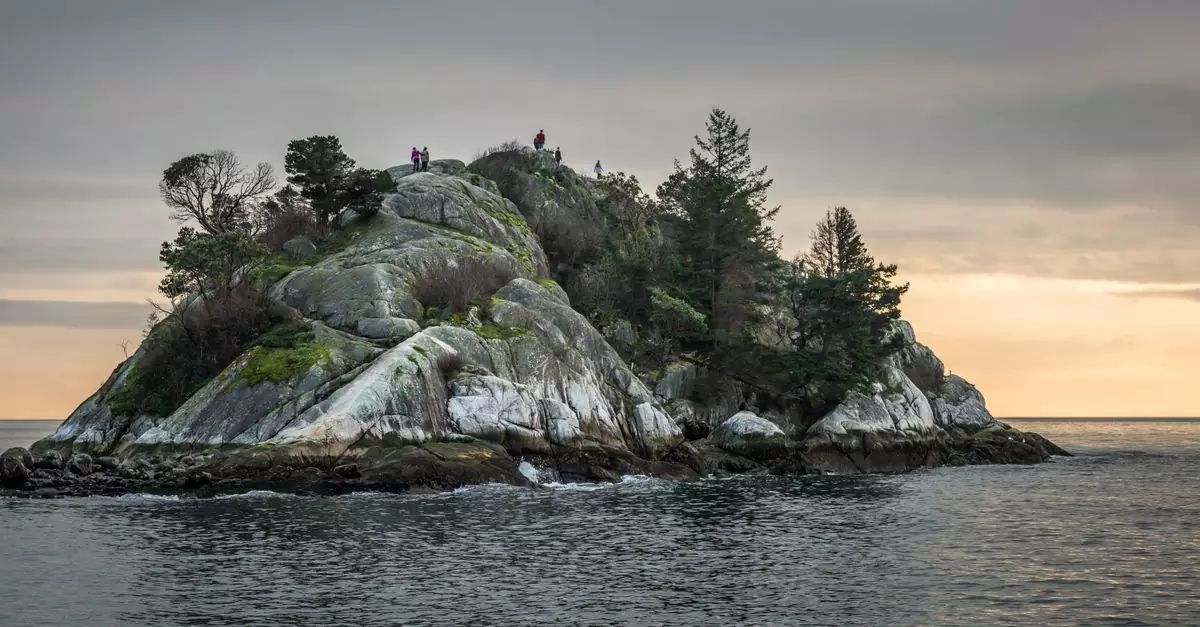
The Atlantic coast of Canada features islands that offer a distinct charm, from windswept shores to vibrant Acadian culture. These often-overlooked gems provide a slower pace and a chance to connect with nature and local traditions. If you’re seeking an authentic island experience without the crowds, consider these Maritime treasures.
Magical Magdalen Islands: Red Sand Beaches and Acadian Heritage
The Magdalen Islands (Îles de la Madeleine) in Quebec’s Gulf of St. Lawrence feel like a world apart. This archipelago is renowned for its striking red sandstone cliffs, expansive sandy beaches, and lively Acadian culture. Visitors often rent bicycles to navigate the islands, stopping at picturesque fishing villages like Havre-Aubert and Cap-aux-Meules.
Getting to the Magdalen Islands involves either a ferry from Prince Edward Island or a flight from Montreal or Quebec City. The ferry journey itself offers scenic views of the Gulf. Accommodations range from cozy inns and B&Bs to campgrounds, with advance booking highly recommended, especially during the peak summer months of July and August. The islands are fantastic for kayaking, kiteboarding, and enjoying the unique coastal scenery.
Grand Manan Island: Birdwatching and Rugged Coastal Scenery
Located in the Bay of Fundy off the coast of New Brunswick, Grand Manan Island is a haven for nature lovers. Its dramatic coastline, characterized by rugged cliffs and tidal flats, provides a stunning backdrop. The island is particularly famous as a premier birdwatching destination, attracting ornithologists and casual observers alike to spot puffins, guillemots, and various seabirds.
Access to Grand Manan is via a daily ferry service from Black’s Harbour, New Brunswick. The ferry ride takes approximately 1.5 hours, and it’s advisable to book your passage, particularly if you’re bringing a vehicle. The island offers a range of lodging options, from small motels to vacation rentals. Hiking trails crisscross the island, leading to lighthouses like Swallowtail and viewpoints offering panoramic vistas of the Bay of Fundy’s powerful tides.
Fogo Island: Unique Stays and Dramatic Landscapes
Off the northeast coast of Newfoundland, Fogo Island is an island of striking contrasts. Its landscape is shaped by ancient geological formations, dramatic granite outcroppings, and the powerful North Atlantic. Fogo Island Inn, a globally recognized architectural marvel, offers an unparalleled luxury experience and serves as a gateway to the island’s unique culture and natural beauty.
Travelers can reach Fogo Island via a ferry from Farewell, Newfoundland. The crossing typically takes about an hour. While the Inn is a significant draw, the island also provides more modest accommodations like guesthouses and B&Bs. Exploring Fogo Island means discovering distinct communities, each with its own character, and experiencing a raw, untamed coastal environment. The best time to visit is typically from late spring through early autumn when the weather is milder and ferry services are most reliable.
When is the Best Time to Visit Canada’s Small Islands?
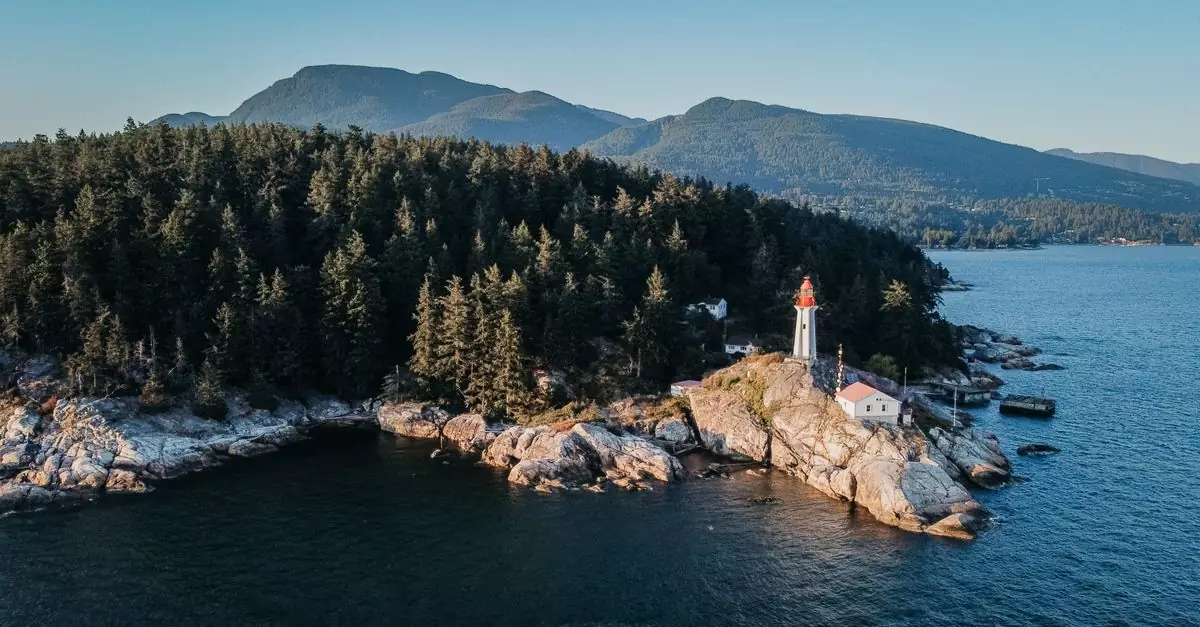
Choosing the right season significantly impacts your experience on Canada’s diverse small islands. Each offers a unique atmosphere, from vibrant summer activity to quiet winter charm.
Summer Travel: Peak Season for Island Activities
From June to August, Canada’s islands are at their most vibrant. This is the prime time for enjoying water sports, hiking, and exploring coastal trails when the weather is warmest and days are longest. Many ferry services operate at their fullest schedules during these months, ensuring easier access to popular spots.
Accommodation and ferry bookings should be made well in advance, especially for well-known destinations like the Gulf Islands in British Columbia. Expect higher prices and more fellow travelers, but also the full range of guided tours and local events. Pack light clothing, rain gear, and comfortable walking shoes.
Shoulder Seasons: Enjoying Fewer Crowds and Fall Colors
The spring (May-June) and fall (September-October) shoulder seasons offer a compelling alternative. You’ll find fewer crowds, potentially lower accommodation rates, and a more relaxed pace. In early fall, many islands boast stunning autumn foliage, particularly in Eastern Canada.
While the weather can be more unpredictable, with cooler temperatures and increased chances of rain, it’s still excellent for hiking and enjoying scenic drives. Some ferry routes may reduce their frequency, so checking schedules is essential. The crisp air and changing colors provide a different, yet equally beautiful, island experience.
Winter Escapes: Cozy Retreats on Select Maritime Islands
For a truly tranquil getaway, consider visiting certain Maritime islands during the winter months (November-March). Islands off the coast of Nova Scotia or Prince Edward Island transform into quiet havens. This season is best suited for travelers seeking solitude, cozy inns, and a glimpse into local winter life.
Access can be more challenging, with reduced ferry services and potential road closures due to snow. Many seasonal businesses will be closed. However, for those who embrace the quiet, the dramatic coastal scenery under a blanket of snow offers a unique and peaceful escape. It’s an opportunity to enjoy fresh seafood and warm hospitality without the summer bustle.
Getting Around and Planning Your Island Itinerary
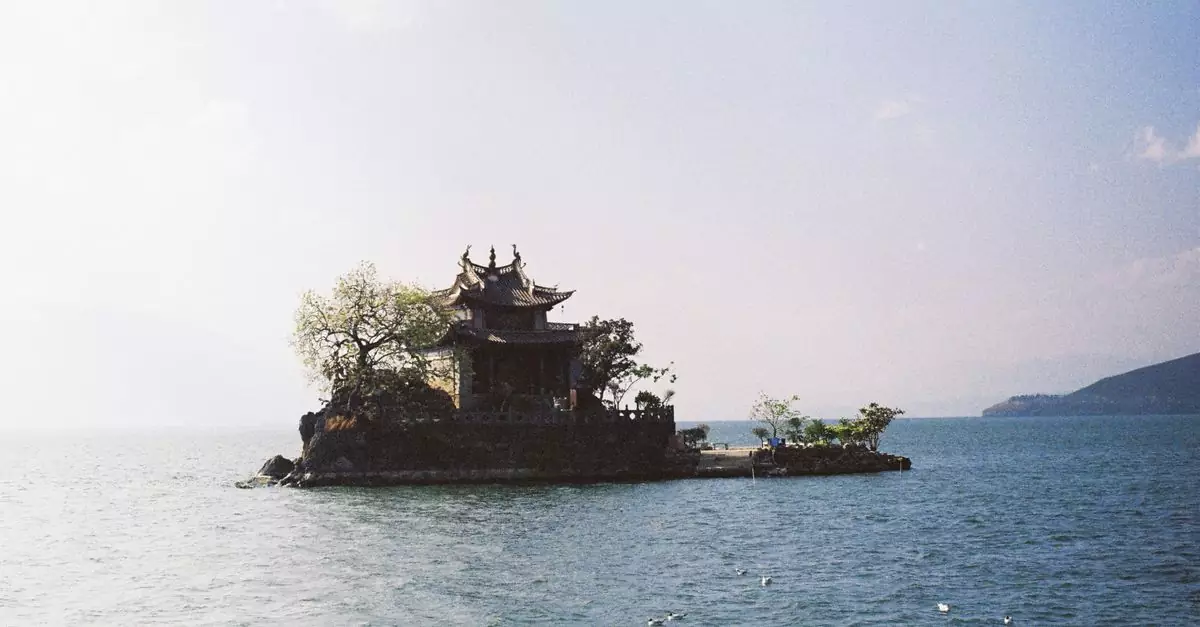
Navigating Canada’s charming small islands requires strategic planning, especially when piecing together an itinerary that connects multiple destinations. Understanding ferry schedules and the best ways to travel between these often-remote gems is key to a smooth and enjoyable escape.
Ferry Schedules and Island Transportation Options
The primary mode of transport to and from most Canadian islands, and often between them, is the ferry. BC Ferries operates an extensive network along the Pacific coast, connecting Vancouver Island to the mainland and serving numerous smaller islands in the Gulf Islands and Haida Gwaii. On the Atlantic side, operators like Marine Atlantic and smaller local services link Newfoundland and Labrador, Nova Scotia, and Prince Edward Island to the mainland and their respective smaller islands.
Booking ferry tickets in advance is highly recommended, especially during peak season (summer) and for popular routes. Popular routes can sell out, leaving travelers stranded. Always check the official ferry operator websites for the most up-to-date schedules, reservation information, and potential disruptions due to weather.
Once on an island, transportation options vary. Larger islands like Vancouver Island or Newfoundland have extensive road networks, and renting a car is often the most practical choice for flexibility. Smaller islands may have limited or no car rentals available, and public transportation can be infrequent or non-existent. In these cases, bicycles are a popular and eco-friendly way to get around, particularly on flatter islands. Some communities offer local taxi services or shuttle buses, but these should be researched and booked in advance. For the truly remote, water taxis can be a lifesaver, though they come with a higher price tag.
Crafting a Multi-Island Itinerary: Logistics and Travel Times
Designing a multi-island journey requires careful consideration of ferry routes, travel times, and the unique character of each destination. Canada’s vastness means that hopping between islands on opposite coasts is not feasible for a short trip. Focus on a specific region, such as the Gulf Islands in British Columbia or the islands off the coast of Nova Scotia.
When planning, factor in the time it takes to get to the ferry terminal, board, travel, and disembark. Ferry journeys can range from 30 minutes to several hours. For example, a ferry from Horseshoe Bay on the mainland to Langdale on the Sunshine Coast takes about 40 minutes, while the ferry from Port Hardy to Prince Rupert (gateway to Haida Gwaii) is an overnight journey.
Consider the frequency of ferries. Some routes operate multiple times a day, while others may only run once or twice a week, especially to more remote locations. This can significantly impact how much time you can spend on each island and how many you can realistically visit.
A sample itinerary might involve spending a few days on Salt Spring Island, then taking a smaller inter-island ferry to Galiano Island, and finally a longer ferry back to the mainland. Alternatively, a coastal Nova Scotia trip could involve exploring Cape Breton Island, then taking a ferry to the Magdalen Islands (Îles de la Madeleine) for a different cultural experience.
Packing Essentials for Canadian Island Adventures: Weather-Specific Gear
Canada’s islands can experience unpredictable weather. Packing smart is crucial for comfort and preparedness. Layering is your best friend. Even in summer, evenings can be cool, and coastal winds can be brisk.
For Pacific Islands (e.g., Gulf Islands, Haida Gwaii):
- Waterproof and Windproof Outerwear: Essential for rain showers and sea spray.
- Warm Layers: Fleece jackets, sweaters, and long-sleeved shirts.
- Comfortable Walking Shoes: For exploring trails and villages.
- Sun Protection: Hat, sunglasses, and sunscreen, even on cloudy days.
- Insect Repellent: Especially for evenings and forested areas.
For Atlantic Islands (e.g., Newfoundland, Nova Scotia coast):
- Heavy-Duty Waterproof Jacket and Pants: Rain and wind are common.
- Warm Hat and Gloves: Even in summer, these can be necessary.
- Insulated Footwear: Waterproof boots are highly recommended.
- Quick-Dry Clothing: Useful for humid or damp conditions.
- Binoculars: For spotting marine life and coastal scenery.
Always check the weather forecast for your specific destination and travel dates. Bringing a reusable water bottle and a small backpack for day trips will also enhance your island experience.
Frequently Asked Questions About Canada’s Small Islands
What are the most family-friendly small islands in Canada?
Several small islands offer excellent experiences for families. Consider Grosse Île in Quebec for its historical significance and open spaces, ideal for children to explore. In British Columbia, Salt Spring Island provides a relaxed pace, with farmers’ markets and artisan studios that can engage younger visitors. For a more active trip, Centre Island in Toronto’s archipelago offers amusement parks and beaches, easily accessible from the mainland.
Are there budget-friendly accommodation options on these islands?
Yes, budget-friendly options are available, though they vary by island and season. Many smaller islands have campgrounds or basic cabin rentals, particularly in the shoulder seasons. Look for bed and breakfasts or guesthouses outside the peak summer months. For example, on islands like Magdalen Islands, you might find more affordable stays in smaller villages or slightly inland from the main tourist hubs. Booking well in advance can also secure better rates.
What local foods should I try on Canada’s islands?
The culinary offerings on Canada’s islands often highlight fresh, local ingredients. On the East Coast, particularly around the Magdalen Islands, seafood is paramount. Don’t miss fresh lobster, scallops, and mussels. If you visit Salt Spring Island in British Columbia, you’ll find an abundance of organic produce, artisanal cheeses, and locally produced wines and ciders. Many islands also have unique baked goods and preserves worth sampling at local markets.