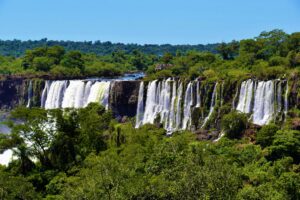
Central America, a region rich in diverse cultures, stunning natural beauty, and ancient history, offers an unparalleled experience for a multi-country trip. From the cloud forests of Costa Rica to the Mayan ruins of Guatemala and the pristine beaches of Belize, this vibrant land bridge presents a mosaic of adventures easily navigable within a single journey. Planning your multi-country trip to Central America for 2026 unlocks a world of accessible exploration, where distinct landscapes and rich traditions await at every turn.
This guide will equip you with essential knowledge to craft your dream itinerary. You’ll discover the best times to visit, navigate visa requirements, understand budgeting for different countries, and learn what to pack for various climates and activities. We’ll also explore recommended routes, transportation options, and delicious local foods you won’t want to miss, ensuring your adventure through this captivating region is both seamless and unforgettable.
Why Central America is Perfect for Your Next Multi-Country Adventure
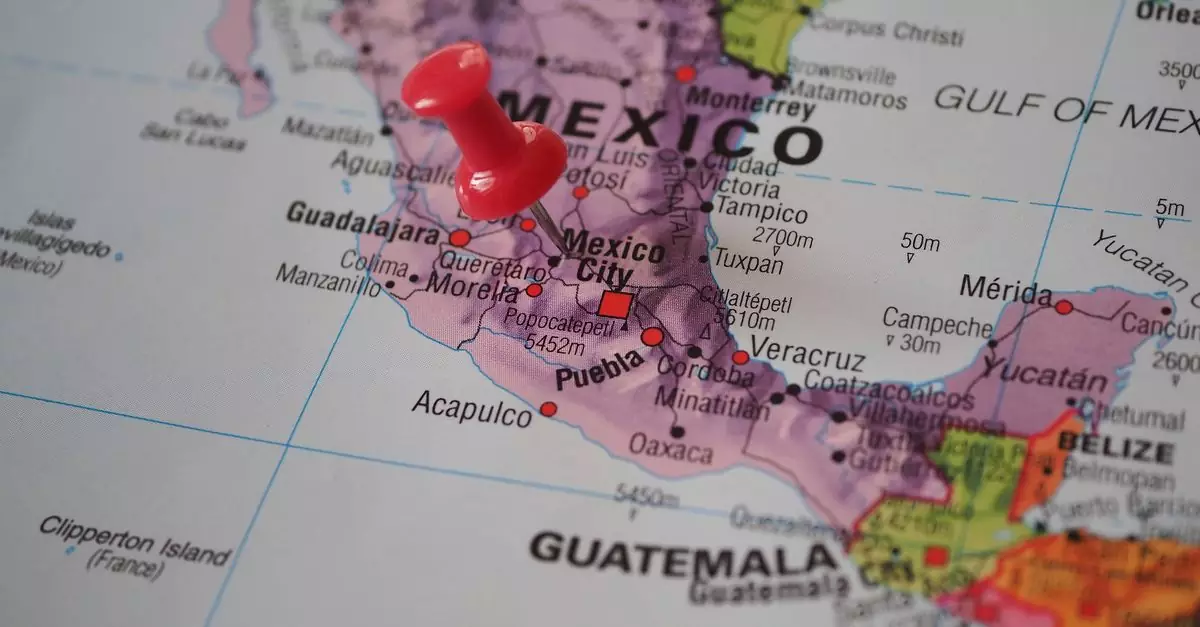
Central America, a vibrant land bridge connecting North and South America, offers an incredible diversity of experiences that make it an exceptional destination for a multi-country trip. Its relatively compact geography allows you to traverse distinct landscapes, cultures, and historical sites within a single journey, often with efficient travel connections. Planning a multi-country trip through Central America in 2026 opens up a world of accessible adventure and cultural immersion without extensive travel time between locations.
Unveiling the Diverse Landscapes: From Rainforests to Mayan Ruins
The natural beauty of Central America is astounding, ranging from lush, biodiverse rainforests teeming with wildlife to dramatic volcanic peaks and pristine Caribbean coastlines. Picture starting your journey in the cloud forests of Costa Rica, home to sloths and vibrant quetzals, before heading north to Guatemala to marvel at the ancient Mayan city of Tikal, its pyramids rising majestically above the jungle canopy. El Salvador offers dramatic volcanic landscapes and surf-ready Pacific beaches, while Belize boasts the world’s second-largest barrier reef, a diver’s paradise. This geographical variety ensures that each stop on your multi-country itinerary feels distinctly new and exciting.
Cultural Tapestry: Indigenous Traditions and Colonial Influences
Central America is a rich mosaic of indigenous heritage and colonial history, offering profound cultural encounters. Witness living Mayan traditions in rural Guatemalan villages, explore the Spanish colonial architecture of Antigua, or experience the Garifuna culture along the Caribbean coast of Honduras. Nicaragua’s vibrant artistic scene and historical cities like Granada provide a unique flavor of colonial charm. The region’s history is palpable, from ancient ruins to the vibrant present-day cultures that have evolved over centuries. Understanding these influences adds depth to your travel experience, making a multi-country trip here particularly rewarding.
Adventure Activities Galore: Volcanoes, Beaches, and Jungles
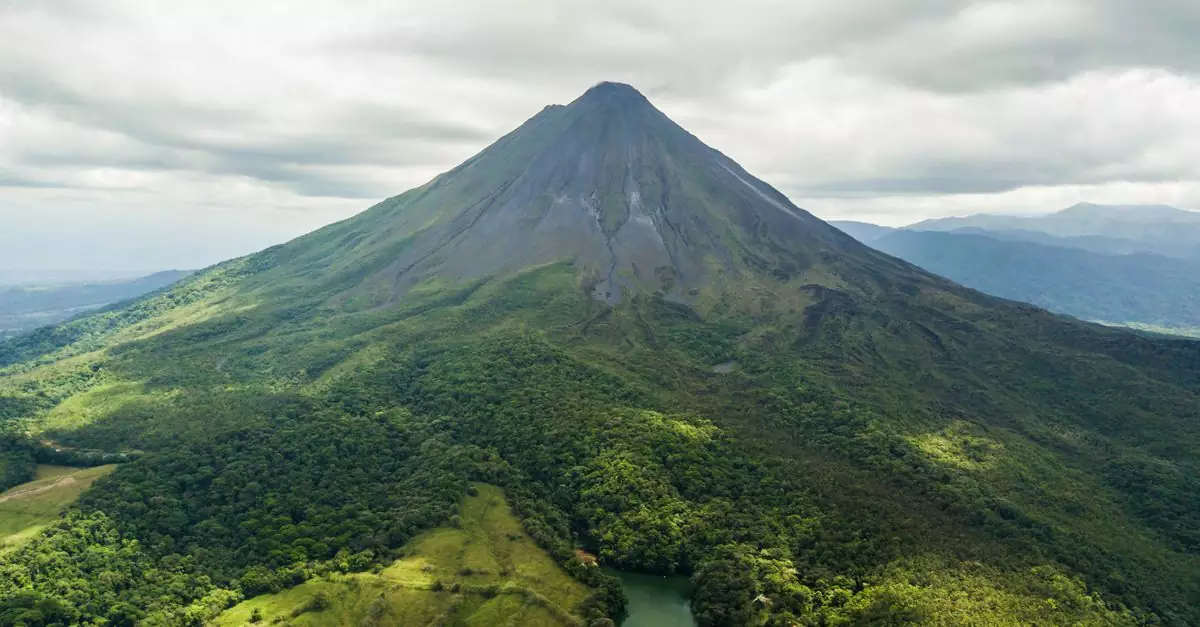
For the adventure seeker, Central America delivers an unparalleled array of activities. Hike active volcanoes in Guatemala or Nicaragua, feeling the earth’s energy beneath your feet. Dive or snorkel the vibrant coral reefs of Belize, or try surfing on the Pacific breaks of El Salvador and Nicaragua. Explore dense jungle trails in Costa Rica, searching for exotic wildlife, or zip-line through the canopy for a thrilling aerial view. The opportunities for adrenaline-pumping experiences are endless, ensuring that a multi-country trip through Central America caters to every level of adventurer.
Essential Planning for a Seamless Multi-Country Central America Trip
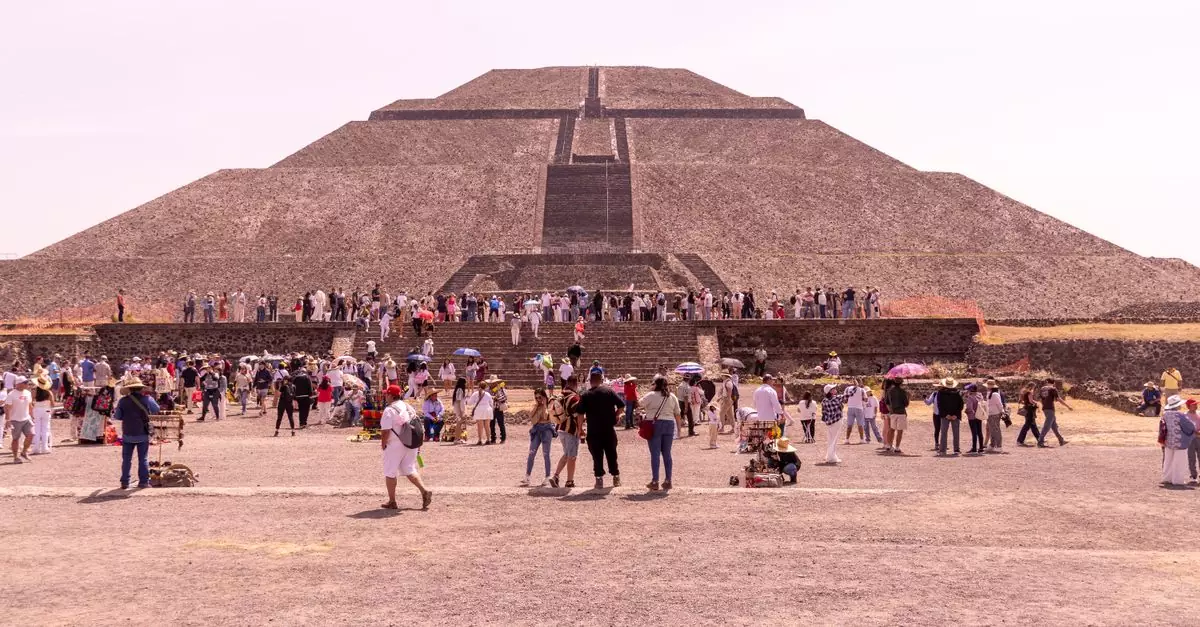
Embarking on a multi-country trip through Central America in 2026 offers an incredible opportunity to experience diverse cultures, stunning landscapes, and rich history. To ensure your journey is smooth and memorable, meticulous planning is key. This section covers crucial aspects from timing your visit to packing efficiently, setting you up for a truly rewarding adventure across this vibrant region.
Best Time to Visit Central America: Navigating Dry vs. Rainy Seasons
Central America’s climate is broadly divided into two main seasons: the dry season and the rainy season. The dry season generally runs from December to April, offering sunny days and lower humidity, making it ideal for beach activities and hiking. However, this is also peak tourist season, leading to higher prices and larger crowds.
The rainy season, from May to November, brings afternoon downpours, particularly on the Caribbean coast. While it might sound less appealing, this period offers lush green landscapes, fewer tourists, and often lower accommodation costs. Rain is typically brief and rarely disrupts travel significantly, especially in the mornings. Consider visiting in the shoulder months of May or November for a balance of good weather and fewer crowds.
Visa Requirements and Entry Points for Major Hubs
Visa requirements for Central America vary depending on your nationality. Many travelers can enter most Central American countries for up to 90 days without a visa. However, it’s essential to verify the specific requirements for each country you plan to visit well in advance. Check the official government immigration websites for the most up-to-date information.
Major international airports in cities like Panama City, San Jose, and Mexico City (though technically North America, it’s a common gateway) serve as excellent entry points. Within Central America, popular border crossings are generally efficient, but always have your passport, any required visa documentation, and proof of onward travel readily accessible. Traveling between countries often involves buses or short flights.
Budgeting Your Multi-Country Central America Journey: Costs by Country
The cost of a multi-country trip through Central America can vary significantly based on your travel style and the countries you choose to visit. Generally, countries like Nicaragua and Guatemala are more budget-friendly, offering affordable accommodation, food, and transportation.
El Salvador and Honduras can also be explored on a tighter budget, though safety considerations might influence your choices and potentially increase costs for private transport. Costa Rica and Panama tend to be more expensive, especially for activities and lodging, often comparable to some European destinations. Planning a diverse itinerary that balances budget-friendly and more premium countries can help manage overall expenses.
Here’s a general cost comparison per day for a mid-range traveler:
| Country | Budget (USD/day) | Mid-Range (USD/day) |
|---|---|---|
| Guatemala | $35 – $50 | $50 – $75 |
| Nicaragua | $30 – $45 | $45 – $65 |
| El Salvador | $40 – $55 | $55 – $80 |
| Honduras | $35 – $50 | $50 – $70 |
| Costa Rica | $60 – $90 | $90 – $150 |
| Panama | $55 – $85 | $85 – $130 |
Note: These are approximate ranges and can fluctuate based on accommodation choices, dining habits, and activity levels.
Essential Packing List for Tropical Climates and Diverse Activities
Packing light is crucial for a multi-country trip, especially when moving between different climates and engaging in various activities. Focus on quick-drying, breathable clothing suitable for heat and humidity. Key items include:
- Clothing: Lightweight t-shirts, tank tops, long-sleeved shirts for sun protection and cooler evenings, shorts, comfortable hiking pants, swimwear, and a light rain jacket.
- Footwear: Comfortable walking shoes or hiking boots, sandals or flip-flops, and possibly water shoes if planning river activities.
- Health & Hygiene: High-SPF sunscreen, insect repellent with DEET, a basic first-aid kit, hand sanitizer, and any personal medications.
- Gear: A reusable water bottle, a daypack for excursions, a universal travel adapter, a headlamp, and a quick-dry towel.
Consider packing versatile items that can be layered or used for multiple purposes to minimize luggage space. For more specific gear, research activities like diving or serious trekking if those are part of your itinerary.
Recommended Multi-Country Itineraries for Central America
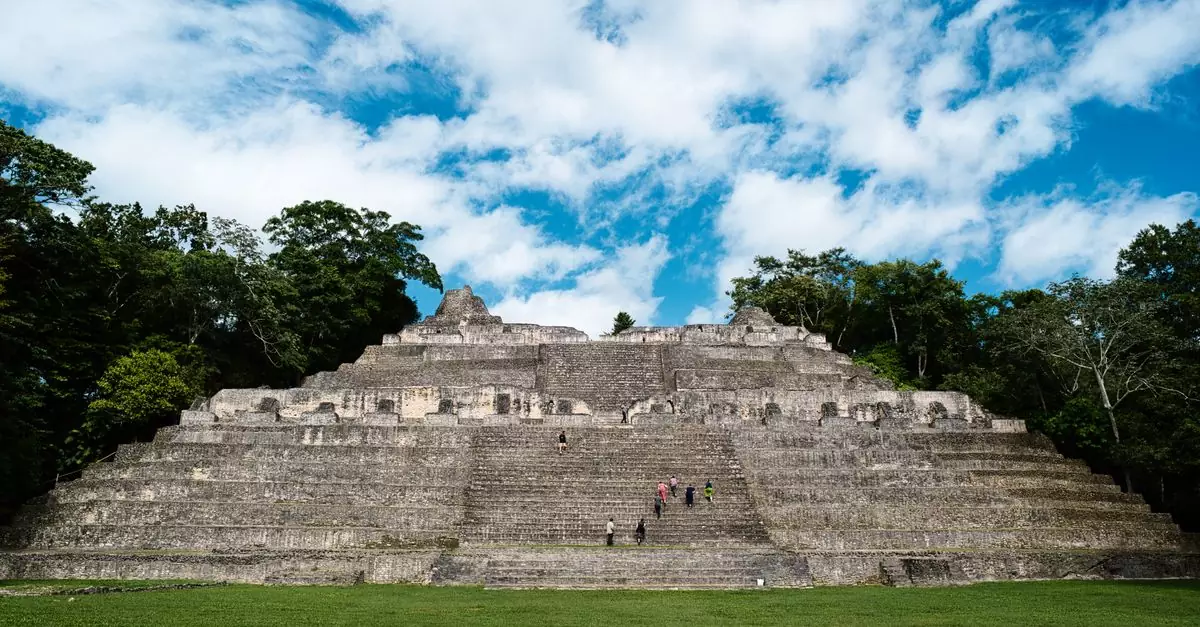
Planning a multi-country trip through Central America offers incredible diversity, from ancient ruins to vibrant coral reefs and lush rainforests. The best itinerary for you depends on your interests, budget, and available time. Here are a few popular routes to consider for your 2026 adventure.
The ‘Gringo Trail’ Revisited: Guatemala, Belize, and Honduras
This classic route is popular for a reason, offering a concentrated dose of Central America’s most iconic experiences. It’s a well-trodden path, meaning infrastructure for travelers is generally good, and English is widely spoken in tourist areas of Belize.
Start in Guatemala with the colonial charm of Antigua and the stunning volcanic landscapes surrounding Lake Atitlán. From there, head north to Belize, where you can snorkel or dive the Belize Barrier Reef, explore Mayan ruins like Caracol, and relax on the cayes such as Caye Caulker. Finally, venture into Honduras to witness the awe-inspiring Mayan city of Copán, one of the region’s most significant archaeological sites.
Logistics & Timing: This route is feasible in 2–3 weeks. Travel between destinations is typically by shuttle bus or public transport. Be aware that border crossings can sometimes be slow.
Budget Considerations: Belize tends to be more expensive than Guatemala and Honduras, particularly for diving and island accommodations.
Pacific Coast Explorer: Nicaragua, Costa Rica, and Panama
For those drawn to volcanoes, surfing, and rich biodiversity, this Pacific coast itinerary is an excellent choice. It offers a blend of adventure activities and natural beauty.
Begin in Nicaragua, exploring the colonial cities of Granada and León, surfing world-class breaks at San Juan del Sur, and hiking volcanic peaks. Continue south into Costa Rica, renowned for its national parks, zip-lining adventures, and abundant wildlife viewing opportunities. Finish your journey in Panama, where you can experience the Panama Canal, explore the vibrant capital city, and relax on the beautiful islands of Bocas del Toro or the San Blas archipelago.
Traveler Insights: Costa Rica is generally the most developed and expensive of these three. Nicaragua offers a more budget-friendly and adventurous experience, while Panama provides a unique mix of modern infrastructure and remote island paradises.
Transportation: Flights between major cities are available, but overland travel via buses and shuttles is common and more economical.
Off-the-Beaten-Path: El Salvador, Guatemala, and Southern Mexico
If you prefer fewer crowds and a deeper dive into local culture, consider this route that combines lesser-visited gems with well-known highlights. This itinerary requires a bit more flexibility and a willingness to navigate less-developed tourist infrastructure.
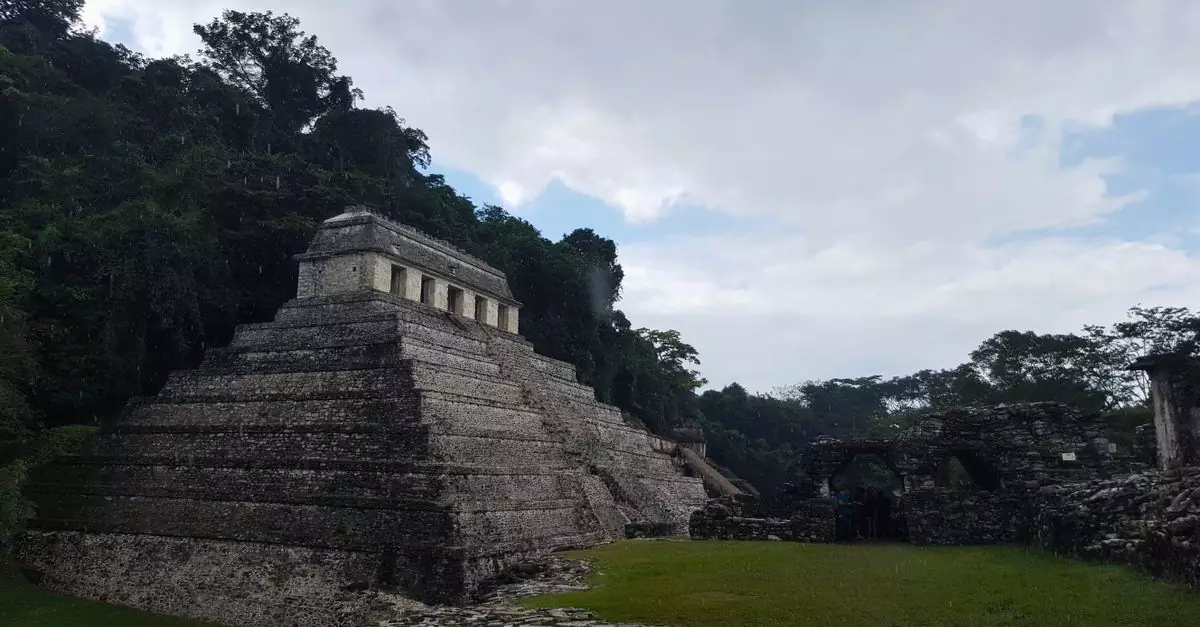
Start in El Salvador, known for its excellent surfing at El Tunco and the impressive Mayan ruins of Tazumal. Then, travel into Guatemala, focusing on the highlands beyond Lake Atitlán, such as the Ixil Triangle, or exploring the jungle city of Tikal. Finally, head north into Southern Mexico (Chiapas), visiting the stunning Palenque ruins, the indigenous communities around San Cristóbal de las Casas, and the turquoise waters of the Sumidero Canyon.
Cultural Immersion: This route offers significant opportunities for cultural exchange, particularly in the indigenous communities of Guatemala and Chiapas. Learning a few basic Spanish phrases will greatly enhance your experience.
Safety Notes: While generally safe for travelers, it’s wise to stay informed about local conditions, especially in less touristy areas. Using reputable local guides is recommended.
Customizing Your Route: Balancing Popular Sites and Hidden Gems
Central America is a region where you can easily tailor a multi-country trip to your specific interests. Don’t hesitate to mix and match elements from different itineraries or to add destinations based on your passions.
Consider a trip that includes the ancient Mayan world of Tikal in Guatemala and Palenque in Mexico, followed by the natural wonders of Costa Rica. Or, combine the Caribbean coast of Belize with the colonial history of Granada in Nicaragua.
Planning Tip: A 2026 multi-country trip through Central America can be as short as 10 days for a focused experience or extend to two months for a comprehensive exploration. Researching specific activities and travel times between locations is key to creating a realistic and enjoyable itinerary. Consider your budget, as costs can vary significantly between countries and even within different regions of the same country. For instance, diving in Belize will be a larger expense than hiking volcanoes in Nicaragua.
Navigating Transportation Between Central American Countries
Planning a multi-country trip through Central America in 2026 requires a clear understanding of how to move between these vibrant nations. While the distances might seem small on a map, the infrastructure and border processes can vary significantly. Choosing the right mode of transport will impact your budget, travel time, and overall experience.
Cross-Border Bus Services: Your Budget-Friendly Option
For travelers on a budget, the extensive network of public and private bus companies is the most common and economical way to travel between Central American countries. Companies like Tica Bus and King Quality operate comfortable, air-conditioned coaches on major routes, connecting capitals and popular tourist hubs. These services often include onboard restrooms and entertainment, making longer journeys more bearable.
Booking in advance is recommended, especially during peak seasons. While generally reliable, delays can occur due to border queues or road conditions. Always keep your passport and any necessary visas readily accessible. Some travelers opt for local buses, which are cheaper but significantly slower and less comfortable, often involving multiple transfers.
Flying Between Countries: When Speed is Key
When time is a critical factor or you’re connecting to a distant destination, flying is the most efficient option. Major regional airlines like Copa Airlines and Avianca offer direct flights between capital cities such as Guatemala City, San Salvador, Managua, San José, and Panama City. Smaller carriers may also service less common routes.
While more expensive than buses, flying saves considerable travel time. Factor in airport transfers, check-in times, and potential flight delays when calculating your overall journey duration. For a multi-country trip with limited time, strategic flights can unlock more destinations.
Renting a Car and Road Tripping: Pros, Cons, and Border Crossings
Renting a car offers unparalleled freedom and flexibility, allowing you to stop at spontaneous viewpoints and explore off-the-beaten-path locations. However, road-tripping in Central America comes with its own set of challenges. Road conditions can be unpredictable, ranging from well-maintained highways to unpaved, rugged tracks.
Border crossings with rental vehicles can be complex. You’ll need to ensure your rental agreement permits cross-border travel and obtain temporary import permits for the vehicle, which can be time-consuming and require specific documentation. Insurance is also a crucial consideration. Many international rental companies have restrictions, so thoroughly research options with local agencies that specialize in cross-border rentals.
| Country Pair | Typical Bus Cost (USD) | Typical Flight Cost (USD) | Driving Time (Hours) | Notes |
|---|---|---|---|---|
| Guatemala to El Salvador | $20 – $35 | $150 – $300 | 5-7 | Direct buses available. |
| Costa Rica to Panama | $30 – $50 | $100 – $250 | 8-10 | Popular backpacker route via bus. |
| Nicaragua to Honduras | $25 – $40 | $180 – $350 | 7-9 | Border crossings can be slow. |
Local Transportation Hacks: Tuk-Tuks, Colectivos, and More
Beyond buses and flights, a variety of local transport options can enhance your experience and save money on shorter distances within countries or between smaller towns. Tuk-tuks, three-wheeled motorized rickshaws, are ubiquitous in many urban and tourist areas and are great for short hops. Always negotiate the fare before you get in.
Colectivos, shared minivans or taxis, are a staple of local travel. They operate on fixed routes and depart when full. While incredibly cheap and a fantastic way to interact with locals, they can be crowded and stops are not always convenient. Understanding the local system takes a bit of practice, but it’s a rewarding aspect of immersive travel. For navigating within cities, ride-sharing apps are increasingly available in major centers, offering a convenient and often affordable alternative to traditional taxis.
Experiencing the Flavors of Central America: Must-Try Local Foods
A multi-country trip through Central America offers a vibrant tapestry of culinary experiences, from hearty staple dishes to fresh, tropical delights. Engaging with the local food scene is a fundamental part of understanding the region’s culture and history.
Pupusas in El Salvador: A National Treasure
No culinary journey through El Salvador is complete without indulging in pupusas. These thick, handmade corn tortillas are stuffed with a variety of fillings, most commonly cheese, refried beans, or chicharrón (pork paste). They are typically served with curtido, a lightly fermented cabbage slaw, and a flavorful tomato sauce.
For the best experience, seek out pupuserias, small eateries dedicated to this national dish. They are a budget-friendly and authentic way to taste El Salvador. Many locals enjoy pupusas for breakfast, lunch, or dinner, highlighting their versatility.
Gallo Pinto and Fresh Seafood in Costa Rica
Costa Rica’s national dish, Gallo Pinto, is a delicious and ubiquitous breakfast staple. This flavorful mixture of rice and beans, often seasoned with cilantro, onions, and peppers, is a hearty start to any day. It’s commonly served with eggs, fried plantains, and a dollop of natilla (sour cream).
Beyond Gallo Pinto, Costa Rica’s extensive coastline provides access to incredibly fresh seafood. Grilled fish, ceviche, and shrimp dishes are popular choices, particularly in coastal towns. Consider visiting local markets for the freshest catches or trying seafood specialties at restaurants in areas like Tamarindo or Puerto Viejo.
Antigua’s Culinary Scene: From Coffee to Traditional Dishes
Antigua, Guatemala, boasts a rich culinary heritage, heavily influenced by its colonial past and surrounding coffee plantations. The city offers a sophisticated dining scene alongside traditional fare. Exploring Antigua’s markets is a sensory delight, showcasing vibrant displays of local produce, spices, and artisanal goods.
Don’t miss the chance to sample local coffee, often considered some of the world’s finest. Many cafes offer tours and tastings. Traditional Guatemalan dishes like Kak’ik (turkey stew) and Pepian (a rich, savory stew) are also readily available. For a memorable meal, consider dining at a restaurant with views of the city’s iconic volcanoes.
Street Food Adventures: Safety and Delicious Discoveries
Street food is a vital and exciting part of Central American cuisine, offering a quick, affordable, and authentic taste of local life. From grilled corn and empanadas to various fried snacks, the options are endless. However, it’s crucial to approach street food with caution to ensure a safe and enjoyable experience.
When choosing street food vendors, look for those with high turnover, indicating freshness. Observe how the food is prepared and handled; vendors who use gloves and maintain clean cooking surfaces are preferable. Always opt for freshly cooked items rather than those that have been sitting out. Hydration is also key, so stick to bottled water or beverages prepared in front of you. This approach allows you to savor the diverse flavors of a multi-country trip Central America without compromising your well-being.
Frequently Asked Questions About Multi-Country Central America Travel
Planning a multi-country trip through Central America involves navigating unique considerations. Here are answers to common questions to help you prepare for your adventure.
Is it safe to travel solo through Central America?
Solo travel in Central America is generally safe but requires awareness and common sense, much like any other region. Many travelers, including solo women, have positive experiences. Stick to well-trafficked tourist routes, especially when arriving or departing. Research specific areas within countries beforehand.
When moving between destinations, opt for reputable bus companies or shared shuttles. Avoid walking alone late at night in unfamiliar areas. Keeping valuables secure and being mindful of your surroundings are key. For a broader perspective on regional safety, consult resources on travel in North America.
What are the biggest tourist scams to watch out for?
Tourist scams in Central America are typically minor and avoidable with a little vigilance. Common tactics include inflated taxi fares, especially at airports, and “friendly” strangers offering unsolicited help that leads to a pushy sales pitch or a request for money. Be wary of people who seem overly eager to assist you with directions or tours.
Another common scam involves counterfeit goods or overpriced souvenirs. Always agree on prices before purchasing anything or accepting services. If a deal seems too good to be true, it likely is. Keep your belongings secure, especially in crowded markets or on public transport.
How much money do I need per day for a Central America trip?
Budgeting for a multi-country trip through Central America can vary significantly based on your travel style and the countries you visit. A good daily average for budget travelers, including accommodation, food, and local transport, might range from $40 to $60 USD. Mid-range travelers could expect to spend $70 to $100 USD per day.
More luxurious options will, of course, increase this figure. Countries like Costa Rica tend to be more expensive, while Guatemala and Nicaragua are generally more budget-friendly.
Here’s a rough daily budget comparison:
| Country | Budget Traveler (USD) | Mid-Range Traveler (USD) |
|---|---|---|
| Costa Rica | $50 – $70 | $80 – $120 |
| Guatemala | $35 – $50 | $60 – $90 |
| Nicaragua | $30 – $45 | $50 – $80 |
| Belize | $50 – $70 | $80 – $110 |
| Panama | $50 – $70 | $80 – $120 |
These are estimates, and actual costs can fluctuate.
What are the best ways to connect with locals?
Engaging with local culture is a highlight of any multi-country Central America trip. Staying in smaller, family-run guesthouses or hostels often provides more opportunities for interaction than large hotels. Participate in cooking classes or Spanish language schools, which are excellent for immersion.
Visiting local markets, even if you’re not buying, allows you to observe daily life. Learning a few basic Spanish phrases will go a long way in fostering connections. Volunteering for a short period with a reputable organization can also offer deep cultural insights. Always approach interactions with respect and genuine curiosity.