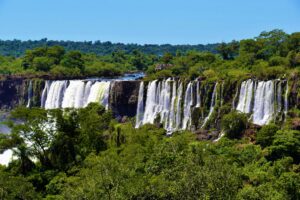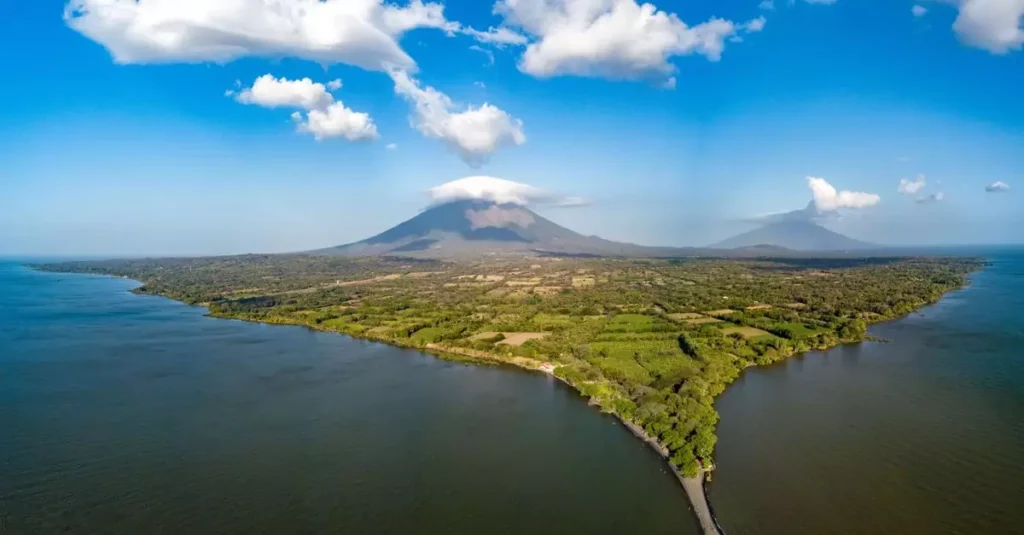
Central America, a jewel connecting two continents, boasts an incredible diversity of natural landscapes, offering unparalleled adventures for those eager to connect with the wild. From the misty heights of cloud forests to the vibrant depths of coral reefs and the dramatic silhouettes of volcanoes, this region promises an unforgettable experience. If you’re dreaming of exploring the best nature destinations in Central America, you’ll find a world brimming with biodiversity, stunning scenery, and thrilling exploration opportunities. This guide highlights some of the most spectacular locations, detailing what makes each unique and providing insights for planning your journey. Get ready to explore lush rainforests, swim in crystal-clear waters, and witness wildlife in its natural habitat.
Top 5 Best Nature Destinations in Central America
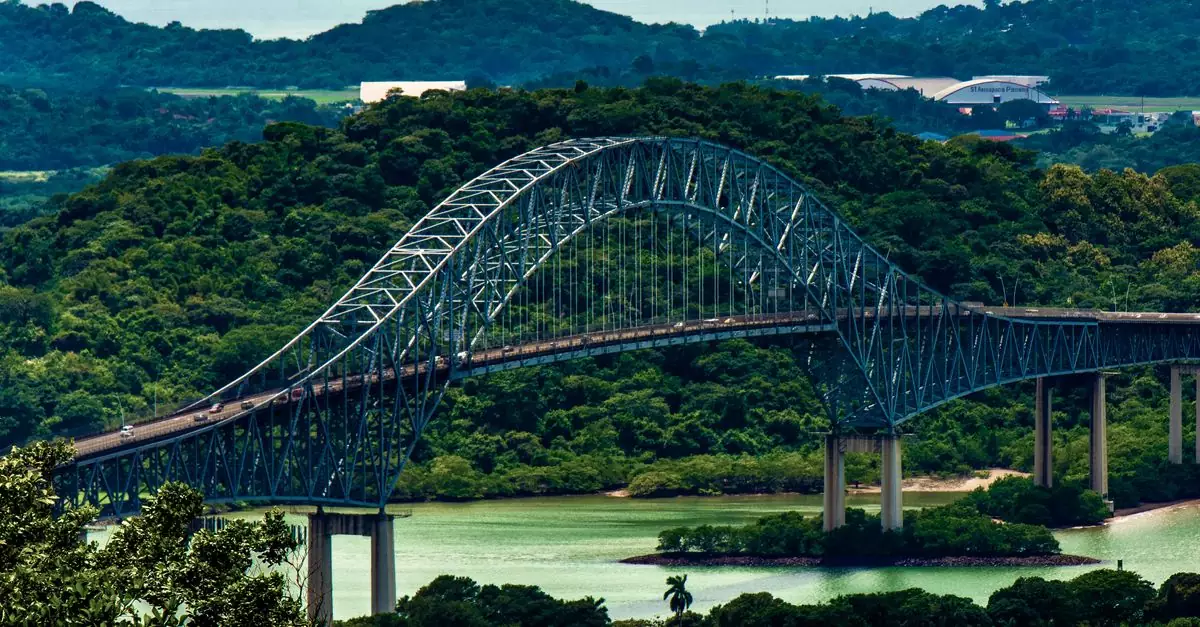
Central America, a vibrant strip linking North and South America, offers an astonishing array of natural wonders. From dense rainforests teeming with wildlife to crystal-clear waters perfect for diving, these destinations promise adventure for every nature enthusiast. Planning a trip to discover the best nature destinations in Central America means choosing between unparalleled biodiversity, dramatic volcanic landscapes, or vibrant marine ecosystems.
Semuc Champey, Guatemala: Limestone Pools and Jungle Trekking
Semuc Champey, a natural monument in Guatemala, features stunning turquoise limestone pools cascading over a natural bridge. The main attraction is the chance to swim and relax in these breathtaking pools, surrounded by lush jungle. For a panoramic view, hike to the mirador (viewpoint) above the pools.
Reaching Semuc Champey requires some effort, often involving a bumpy shuttle ride from Lanquín. This remoteness enhances its unspoiled charm. Consider visiting during the dry season, from November to May, for the clearest water and most accessible trails. Accommodations typically consist of rustic eco-lodges and hostels near the site.
Corcovado National Park, Costa Rica: Biodiversity Hotspot on the Osa Peninsula
Corcovado National Park, located on the remote Osa Peninsula, is often hailed as one of the most biodiverse places on Earth. This protected area features pristine rainforests, mangrove swamps, and miles of untouched coastline, supporting an incredible array of wildlife. Visitors can spot tapirs, scarlet macaws, jaguars, and various monkey species.
Access to Corcovado is strictly regulated to protect its delicate ecosystem. Permits are required, and most visitors enter with certified guides. The best time to visit is during the dry season (December to April), when trails are less muddy, and wildlife sightings are more frequent. Lodging options range from basic ranger stations to eco-lodges on the peninsula’s edge.
Bocas del Toro, Panama: Caribbean Islands and Coral Reefs
Bocas del Toro is an archipelago off Panama’s Caribbean coast, known for its relaxed vibe, stunning beaches, and vibrant marine life. The main island, Isla Colón, serves as a hub of activity, while smaller islands like Bastimentos and Zapatillas offer more secluded natural beauty. Snorkeling and diving are exceptional, with opportunities to see colorful coral, tropical fish, and even dolphins.
Transportation between islands is primarily by water taxi, making island hopping easy. The dry season, from February to April and again from September to November, provides the best weather for beach activities and water sports. Accommodations range from beachfront bungalows to budget-friendly hostels.
Lake Atitlán, Guatemala: Volcanic Landscapes and Indigenous Villages
Lake Atitlán, often regarded as one of the most beautiful lakes in the world, is surrounded by three majestic volcanoes in Guatemala’s highlands. The lake is dotted with indigenous Mayan villages, each with its own distinct culture and traditions, offering a rich cultural experience alongside natural beauty. Activities include hiking the surrounding volcanoes, kayaking on the lake, and visiting local markets.
Traveling around the lake is best done by lancha (public boat), connecting towns like Panajachel, San Pedro La Laguna, and Santiago Atitlán. The dry season (November to April) ensures clear skies for volcano views and pleasant hiking conditions. A variety of accommodations is available, from luxury hotels to simple guesthouses.
Utila, Honduras: World-Class Diving and Whale Shark Encounters
Utila, one of the Bay Islands of Honduras, is a diver’s paradise, particularly famous for its affordable diving courses and the chance to swim with whale sharks. The clear, warm waters of the Caribbean Sea offer excellent visibility, showcasing vibrant coral reefs and diverse marine life. The island has a laid-back atmosphere and attracts many backpackers.
Utila is best reached by ferry from La Ceiba on the mainland. The peak season for whale shark sightings typically runs from March to April and again from August to October, though they can be seen year-round. Due to its popularity with divers, accommodation options are plentiful, ranging from dive resorts to hostels.
When is the Best Time to Visit Central America’s Natural Wonders?
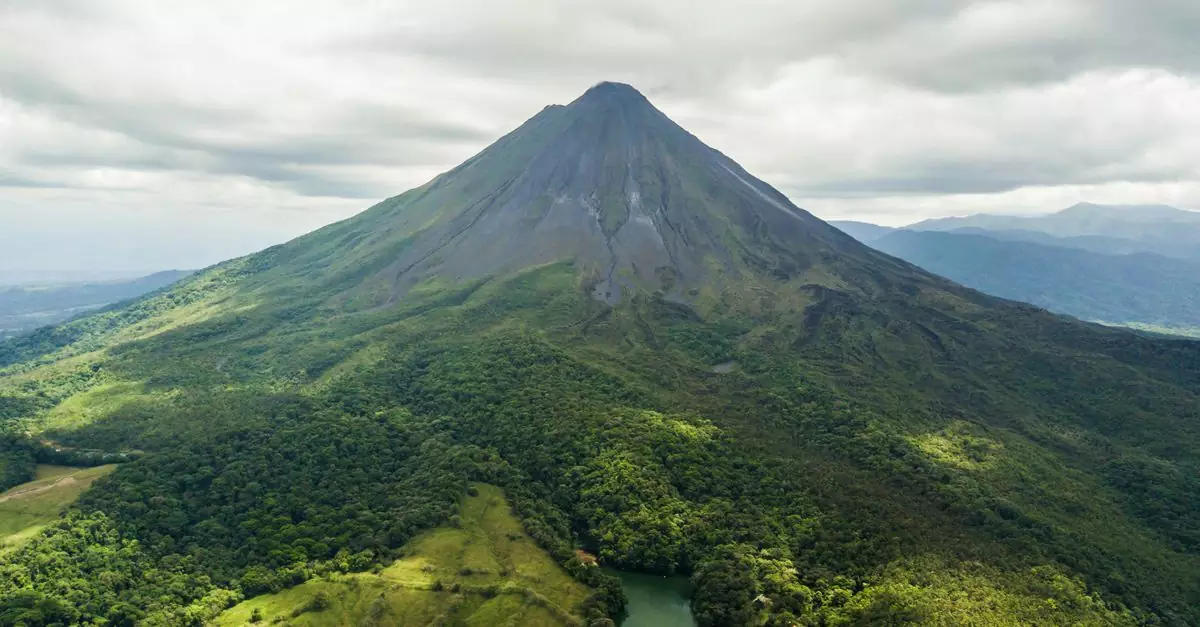
Choosing the right time to visit Central America significantly impacts your experience with its diverse landscapes. The region experiences distinct wet and dry seasons, but understanding these variations is key to planning an adventure that aligns with your interests, whether you seek sun-drenched beaches or lush rainforests.
Dry Season (December to April): Ideal for Hiking and Beach Activities
The dry season generally offers the most predictable weather across much of Central America, making it a popular choice for travelers. During these months, you can expect abundant sunshine and minimal rainfall, ideal for outdoor pursuits. This period is particularly well-suited for exploring the region’s numerous hiking trails, from Costa Rica’s cloud forests to Nicaragua’s volcanic landscapes. Beach destinations also shine, with clear skies and calm seas perfect for swimming, snorkeling, and relaxing by the ocean.
However, this prime weather means higher visitor numbers and potentially elevated prices for flights and accommodations. Popular spots can feel crowded, so booking in advance is highly recommended. For those prioritizing guaranteed sunshine and ease of travel for activities like hiking and beach hopping, the dry season is often the best choice.
Green Season (May to November): Lush Landscapes and Fewer Crowds
While often referred to as the “rainy season,” Central America’s green season is marked by lush, vibrant landscapes and a unique charm. Expect daily afternoon showers rather than constant downpours. These rains breathe life into the rainforests, creating a spectacular display of emerald hues and increasing the chances of spotting wildlife thriving in the humidity. Waterfalls are at their most powerful, and the air is fresh and clean.
This period also sees fewer tourists, leading to more affordable travel options and a more tranquil experience in many destinations. It’s an excellent time for photographers and nature enthusiasts who appreciate dramatic skies and the raw beauty of a thriving ecosystem. Packing a good rain jacket and embracing the occasional shower will reward you with a truly immersive natural experience.
Understanding Regional Microclimates for Optimal Timing
Central America’s diverse topography creates an array of microclimates, meaning the “best time” can vary significantly from one location to another. For instance, the Pacific coast of countries like El Salvador generally follows the typical dry and wet season pattern. In contrast, the Caribbean coast often experiences its driest months from February to April, with a secondary, shorter dry spell in August and September.
Mountainous regions, such as Guatemala’s highlands, can be cooler year-round and experience rain differently than coastal areas. When planning your trip, research the specific climate patterns of your chosen destinations. For example, if you plan to hike Volcán Pacaya in Guatemala, the dry season is generally preferred for clearer views and less slippery trails, while the lushness of Costa Rica’s Monteverde Cloud Forest peaks during the green season. Being aware of these nuances allows for more tailored planning, ensuring you make the most of Central America’s incredible natural beauty.
Planning Your Central American Nature Itinerary: From Volcanoes to Rainforests
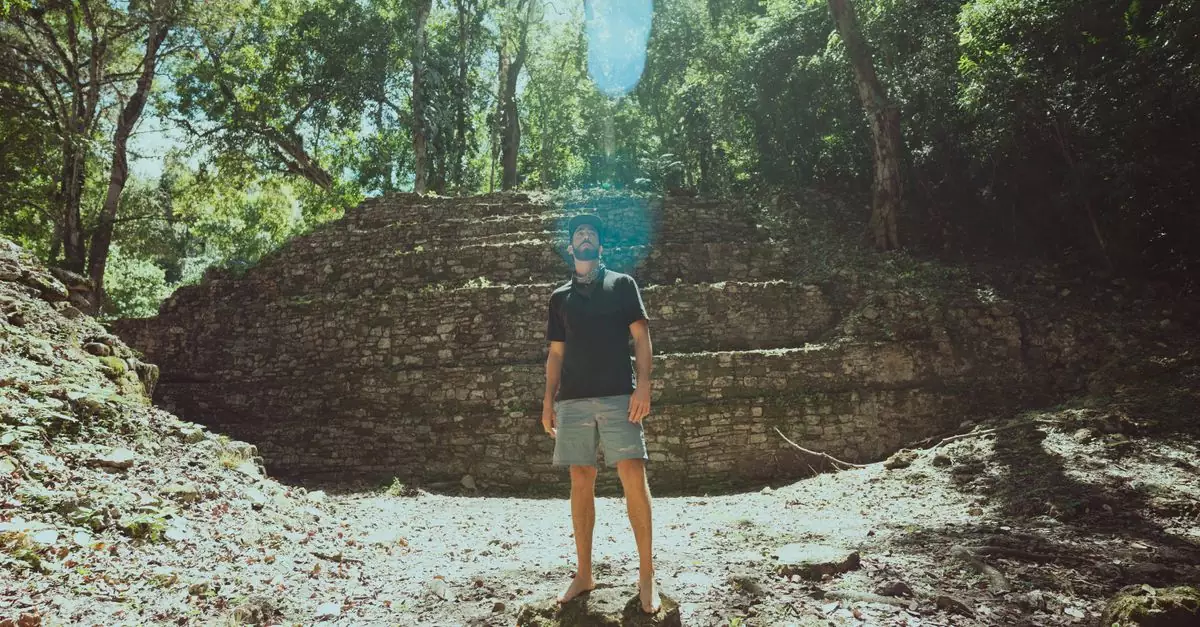
Central America offers an astounding diversity of landscapes, from misty cloud forests to vibrant coral reefs. Crafting an itinerary depends on your available time and interests, but several popular routes highlight the region’s most breathtaking environments. Consider what kind of adventure you’re seeking—whether it’s challenging hikes, underwater exploration, or wildlife spotting—to tailor your journey.
A 2-Week Adventure: Guatemala’s Highlands and Belize’s Reefs
This two-week itinerary presents a compelling contrast between Guatemala’s volcanic highlands and Belize’s Caribbean marine wonders. Start in Antigua, Guatemala, a colonial city set against the backdrop of the Fuego, Acatenango, and Agua volcanoes. Spend a few days hiking one of the volcanoes for an unforgettable sunrise experience or exploring the colorful markets and cobblestone streets. From Antigua, travel north to Semuc Champey, a series of turquoise pools atop natural limestone bridges, accessible via bumpy but rewarding roads.
After experiencing Guatemala’s lush interior, fly from Guatemala City to Belize City and take a water taxi to Caye Caulker or Ambergris Caye. These islands serve as gateways to the Belize Barrier Reef, a UNESCO World Heritage site. Dedicate your time to snorkeling or diving the Great Blue Hole, exploring diverse marine life, and enjoying the laid-back island atmosphere. This route requires efficient travel planning, often involving shuttle services and short flights to maximize your time.
A 10-Day Costa Rican Eco-Tour: Cloud Forests and Pacific Coastlines
Costa Rica is synonymous with ecotourism, and a 10-day trip can effectively cover its iconic cloud forests and Pacific coast. Begin in the Monteverde region, renowned for its dense cloud forests and abundant biodiversity. Here, you can walk among the treetops on hanging bridges, zip-line through the canopy, or search for the elusive Resplendent Quetzal. The cooler climate and mist-shrouded landscapes create a unique atmosphere.
From Monteverde, head towards the Pacific coast, with Manuel Antonio National Park being a prime destination. This park beautifully blends pristine beaches with lush rainforest, offering opportunities to spot sloths, monkeys, and iguanas in their natural habitat. The trails are well-maintained, making it accessible for most visitors. Consider staying in Quepos or within the park itself for convenient access to both wildlife and coastal activities like kayaking and surfing. Transportation within Costa Rica is generally reliable, with a network of public buses and tourist shuttles connecting major destinations.
Island Hopping Through Panama’s Bocas del Toro Archipelago
For a more laid-back, tropical adventure, Panama’s Bocas del Toro archipelago is an excellent choice. This collection of islands on the Caribbean coast features a distinct Afro-Caribbean culture, vibrant coral reefs, and lush jungle interiors. Fly into Bocas Town on Isla Colón, the main hub, and use water taxis to hop between islands like Bastimentos, Zapatillas, and Carenero.
Each island offers unique experiences. Red Frog Beach on Bastimentos is famous for its namesake frogs and stunning coastline. Starfish Beach (Playa Estrella) is known for its calm waters and abundant starfish. Snorkeling and diving are popular activities, with tours often including visits to coral gardens and shipwrecks. The pace of life here is slow, encouraging relaxation and immersion in nature. Getting to Bocas del Toro typically involves a flight from Panama City to Bocas Town, making it an accessible yet slightly more remote nature escape within the region.
Navigating Central America: Transportation for Nature Lovers
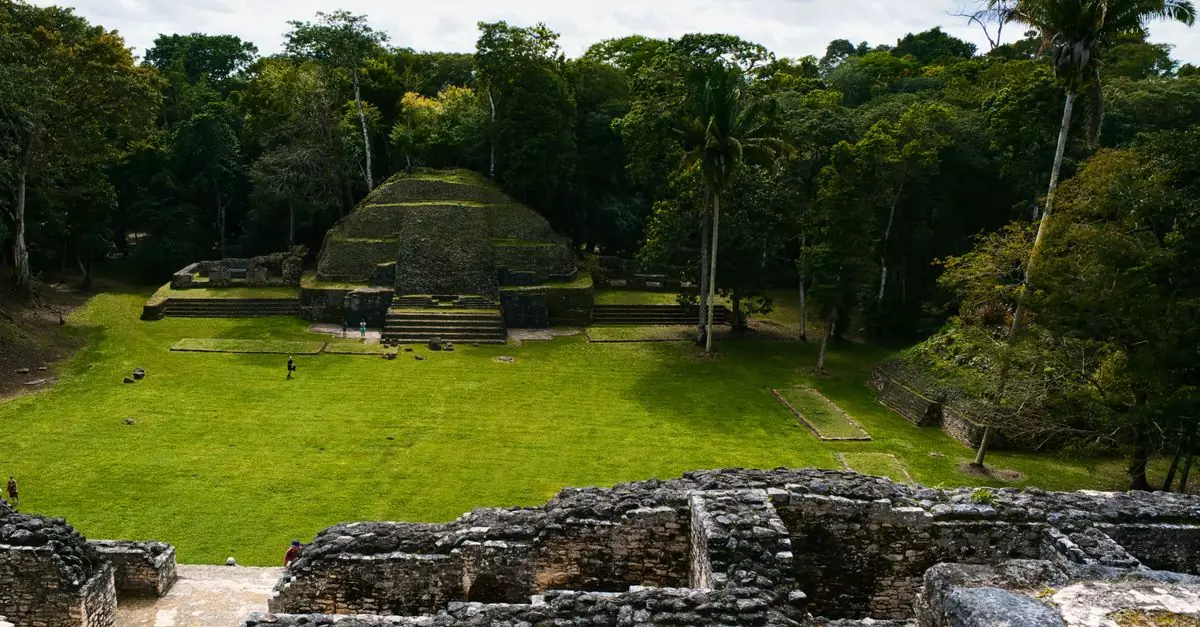
Central America’s stunning natural landscapes are accessible, but getting there and around requires some planning. Understanding your transportation options is key to maximizing your time among volcanoes, rainforests, and coastlines. Whether you’re hopping between countries or venturing into remote areas, a thoughtful approach to travel will enhance your adventure.
Getting Between Countries: Flights vs. Buses
When traveling between Central American nations, you can choose between flying and taking long-distance buses. Flights offer speed and convenience, especially for longer distances or when time is limited. Major hubs like Panama City, San José, and Mexico City (though technically in North America, it’s a common gateway) have good connections. However, flights are significantly more expensive and often have a larger environmental footprint.
For budget-conscious travelers or those with more time, overland bus travel is a viable and popular option. Companies like Tica Bus and King Quality operate extensive networks, connecting capitals and major towns across the region. These journeys can be scenic but lengthy, sometimes spanning 12-24 hours or more. Booking tickets in advance is recommended, particularly during peak seasons.
| Travel Method | Pros | Cons | Best For |
|---|---|---|---|
| Flights | Fast, convenient for long distances | Expensive, less scenic, environmental impact | Time-constrained travelers |
| Buses | Affordable, scenic, cultural experience | Time-consuming, can be less comfortable | Budget travelers, those with ample time |
Local Transport: Chicken Buses, Taxis, and Boat Travel
Once you’re within a country, local transportation options vary widely. The iconic “chicken buses” (former US school buses brightly painted and often carrying livestock or produce) are the most economical way to travel within towns and between smaller communities. They offer an authentic cultural experience, though they can be crowded, and stops are frequent.
Taxis are readily available in cities and tourist areas, but agreeing on a fare beforehand or ensuring the meter is used is crucial to avoid overcharging. Ride-sharing apps like Uber or Didi operate in some major cities, providing a more predictable pricing structure. For destinations accessible only by water, such as parts of the San Blas Islands or remote Amazonian regions, lanchas (small motorboats) are the primary mode of transport.
Renting a Car: Pros and Cons for Exploring Remote Areas
Renting a car provides the ultimate freedom to explore Central America’s natural wonders at your own pace, especially for reaching off-the-beaten-path destinations. This is particularly beneficial for accessing national parks, waterfalls, or secluded beaches that are not well-served by public transport. Having your own vehicle means you can stop whenever a breathtaking vista appears or when you spot wildlife along the roadside.
However, renting a car comes with challenges. Road conditions can be unpredictable, ranging from well-maintained highways to rough, unpaved tracks, especially after heavy rains. Navigation can be difficult in rural areas, and parking in busy towns can be a hassle. Insurance is a significant cost, and it’s essential to understand the coverage provided. For many nature-focused trips, especially those involving significant driving on unpaved roads, a 4×4 vehicle is highly recommended. Drivers should also be aware of local driving customs and potential safety concerns, particularly when driving at night.
What Are the Must-Try Local Foods in Central America’s Nature Hotspots?
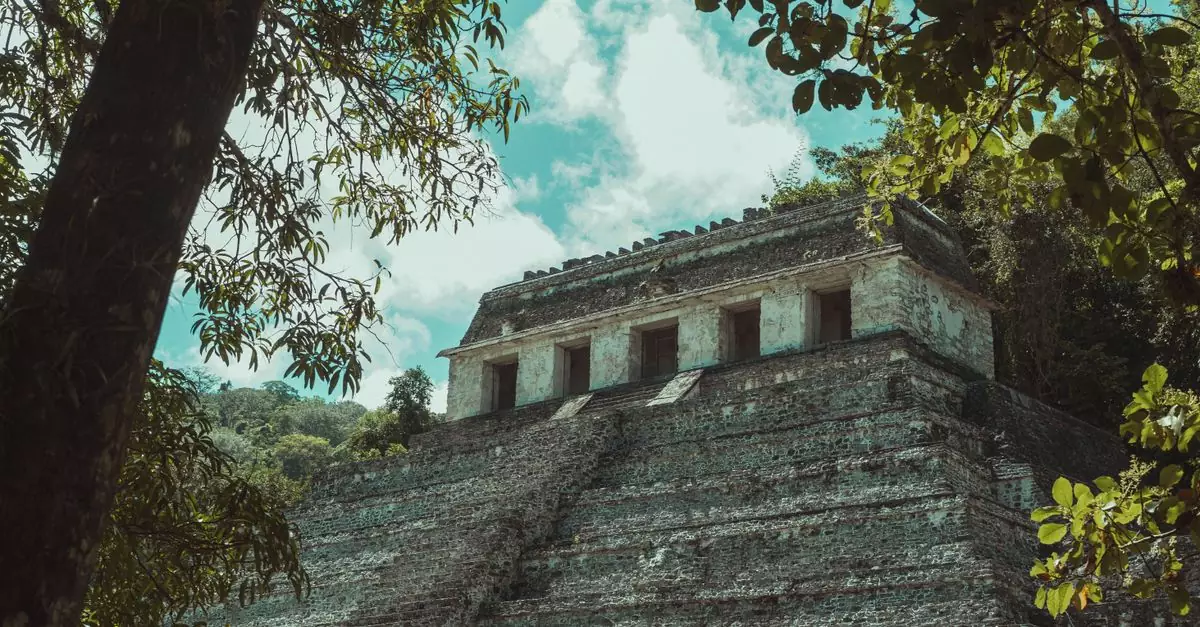
Exploring Central America’s vibrant ecosystems naturally leads to an equally rich culinary journey. The region’s diverse geography, from Pacific coastlines to cloud forests and volcanic highlands, influences a unique array of flavors. Engaging with local food is an integral part of understanding the culture and appreciating the natural bounty.
Fresh Seafood and Tropical Fruits in Coastal Regions
Along the coastlines of countries like Costa Rica and Belize, the ocean’s offerings are central to the local diet. Expect to find freshly grilled fish, often snapper or mahi-mahi, seasoned simply with lime and local herbs. Ceviche, a dish of raw fish marinated in citrus juices with onions and cilantro, is a refreshing and popular appetizer. Tropical fruits are abundant and frequently incorporated into meals and drinks. Look for opportunities to try mangoes, papayas, passion fruit, and star fruit, often blended into vibrant smoothies or served alongside savory dishes.
Traditional Staples: Gallo Pinto and Pupusas
Across much of Central America, rice and beans form the backbone of many meals, with variations distinct to each country. In Nicaragua and Costa Rica, gallo pinto is a beloved national dish, a flavorful mix of rice and beans often seasoned with onions, peppers, and a touch of Lizano sauce (in Costa Rica). This staple is commonly served for breakfast, lunch, and dinner. In El Salvador, pupusas are a must-try. These thick corn tortillas are stuffed with various fillings like cheese, beans, chicharrón (pork), or loroco (an edible flower), then griddled until golden and served with curtido, a lightly fermented cabbage slaw, and tomato sauce.
Exploring Local Markets for Authentic Flavors
To truly taste Central America, visiting local markets is essential. These bustling hubs offer a direct connection to the region’s agricultural richness and culinary traditions. You can find an incredible variety of fresh produce, exotic fruits, and local snacks. Many markets also feature small food stalls where you can sample authentic dishes prepared by local vendors. This is an excellent way to experience regional specialties and support local communities. For travelers venturing into the diverse landscapes of North America, understanding these local food traditions adds a significant layer to the adventure.
Frequently Asked Questions About Central America’s Best Nature Destinations
Is Central America safe for solo travelers exploring nature?
Central America offers diverse experiences for solo travelers interested in its natural wonders. While general safety precautions are advised, many popular nature destinations welcome independent visitors. Researching specific regions and practicing common-sense safety measures—such as avoiding isolated areas at night and informing someone of your itinerary—enhances your security. Many travelers find local communities welcoming and helpful.
What is the average budget for a nature-focused trip to Central America?
The budget for a nature-focused trip to Central America can vary significantly based on your travel style and chosen destinations. Backpackers can manage on $40-$60 per day, covering hostels, local eateries, and public transport. Mid-range travelers might spend $70-$150 daily for comfortable hotels, a mix of local and tourist restaurants, and private transfers or guided tours. Luxury travelers can expect to spend $200+ per day.
Here’s a general breakdown:
| Category | Budget Traveler (USD/day) | Mid-Range Traveler (USD/day) | Luxury Traveler (USD/day) |
|---|---|---|---|
| Accommodation | $10 – $20 | $40 – $80 | $100+ |
| Food | $15 – $25 | $30 – $50 | $70+ |
| Activities/Tours | $10 – $15 | $20 – $40 | $50+ |
| Transportation | $5 – $10 | $10 – $20 | $20+ |
What essential items should I pack for jungle treks and beach visits?
Packing smart is key for enjoying Central America’s diverse environments. For jungle treks, lightweight, quick-drying clothing is crucial, along with sturdy hiking boots, insect repellent with DEET, and a waterproof jacket. Don’t forget a reusable water bottle, sunscreen, a hat, and a basic first-aid kit. For beach visits, pack swimwear, a light cover-up, sandals, and sunglasses. A dry bag is useful for protecting electronics near water.