Canada’s extensive coastlines are dotted with islands, each offering a distinct charm and adventure. From the mist-shrouded rainforests of the Pacific Northwest to the rugged Atlantic shores and the vast Arctic wilderness, these destinations provide unforgettable escapes. If you’re dreaming of salty air, dramatic landscapes, and unique cultural experiences, exploring the best island escapes in Canada is an excellent choice. This guide will help you discover five exceptional island destinations, detailing what makes each one special, the best times to visit, how to get there, and what to pack. Prepare to uncover the magic of Canada’s islands and plan your next unforgettable journey.
Unveiling the Top 5 Best Island Escapes in Canada for 2026
Canada’s vast coastline offers a diverse array of island destinations, each presenting a unique appeal for travelers. From the rugged wilderness of the Arctic to the temperate rainforests of the Pacific, these islands provide memorable experiences. Planning a trip to one of the best island escapes in Canada requires understanding what makes each location special, from its natural beauty to its cultural offerings. This guide highlights five exceptional island destinations that promise adventure and relaxation in equal measure.
Haida Gwaii: Mystical Islands of the Pacific Northwest
Often called the “Galapagos of the North,” Haida Gwaii is an archipelago off the coast of British Columbia known for its ancient rainforests, unique wildlife, and the rich cultural heritage of the Haida Nation. Visitors come to this remote destination for its profound tranquility and connection to nature. Exploring Gwaii Haanas National Park Reserve, a UNESCO World Heritage Site, is a highlight, offering opportunities for kayaking, hiking, and encountering totem poles that tell ancient stories.
Getting to Haida Gwaii involves a flight to Sandspit or Masset, or a ferry from Prince Rupert. Accommodations range from rustic lodges to comfortable inns, so booking well in advance is essential due to limited capacity. The best time to visit is typically from May to September when the weather is milder, though rain is common year-round. Respect for the land and the Haida culture is paramount for any visitor.
Cape Breton Island: Dramatic Coastlines and Celtic Charm
Located off the eastern tip of Nova Scotia, Cape Breton Island is famous for its breathtaking Cabot Trail, a scenic highway that winds through mountains and along the rugged Atlantic coastline. This island offers a vibrant blend of stunning natural landscapes and a strong Celtic heritage, evident in its lively music scene and welcoming communities. Hiking in Cape Breton Highlands National Park, exploring historic sites like the Fortress of Louisbourg, and enjoying traditional fiddle music in local pubs are essential experiences.
Accessing Cape Breton is straightforward, with direct flights to Sydney or a drive from mainland Nova Scotia via the Canso Causeway. Accommodations vary from charming bed and breakfasts to seaside resorts. Summer and early autumn, particularly September and October for fall foliage, are the most popular times to visit. The island’s accessibility and rich cultural tapestry make it a compelling choice for those seeking a blend of adventure and heritage.
The Magdalen Islands: Quaint Villages and Red Sand Beaches
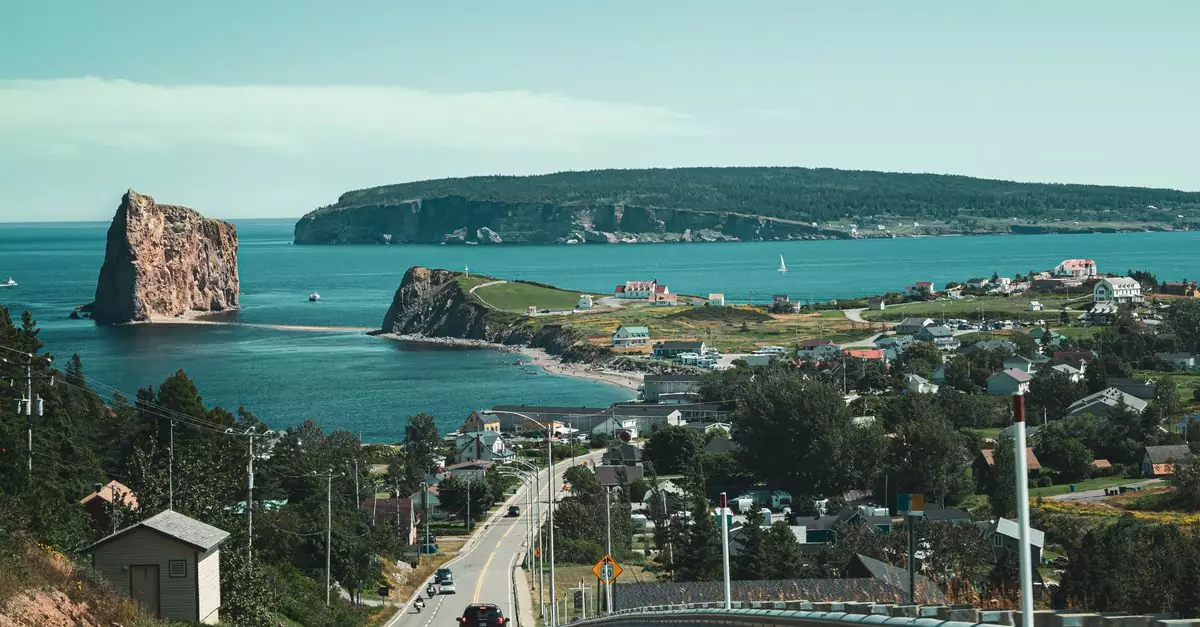
The Magdalen Islands (Îles de la Madeleine) are a stunning archipelago in the Gulf of Saint Lawrence, part of Quebec. These islands are characterized by vibrant red sandstone cliffs, expansive red sand beaches, and charming fishing villages with brightly colored houses. The landscape is ideal for cycling, exploring sea caves by kayak, and enjoying fresh seafood. The unique Acadian culture of the islands adds another layer of appeal.
Reaching the Magdalen Islands requires a ferry from Souris, Prince Edward Island, or a flight from Montreal or Quebec City. Accommodations include campgrounds, cottages, and small hotels. The summer months, from June to August, offer the warmest weather and the most active atmosphere, though shoulder seasons can be quieter and equally beautiful. Planning transportation on the islands, such as renting a car or bikes, is recommended for full exploration.
Vancouver Island: Diverse Landscapes from Rainforests to City Life
Vancouver Island, the largest island on Canada’s Pacific coast, offers an incredible diversity of experiences. From the vibrant urban center of Victoria and the surfing mecca of Tofino to the ancient rainforests of Cathedral Grove and the rugged wilderness of the Pacific Rim National Park Reserve, there’s something for every traveler. Wildlife viewing opportunities abound, including whale watching and spotting Roosevelt elk.
The island is easily accessible via ferry from mainland British Columbia to Victoria or Nanaimo, or through flights into Victoria International Airport or Nanaimo Airport. Accommodation options are plentiful, ranging from luxury hotels in Victoria to rustic cabins and campgrounds on the west coast. The island’s temperate climate makes it a year-round destination, though summer offers the most predictable weather. Its accessibility and varied environments make it one of the most popular island destinations in Canada.
Baffin Island: Arctic Wilderness and Inuit Culture
For an unparalleled adventure into the Arctic, Baffin Island in Nunavut is an extraordinary choice. It’s Canada’s largest island and a place of immense natural beauty, featuring dramatic fjords, towering glaciers, and the unique ecosystem of the Arctic tundra. Visitors can experience the rich culture of the Inuit people, witness the Northern Lights, and embark on expeditions to explore its wild landscapes. Activities include dog sledding, ice climbing, and visiting ancient Thule sites.
Travel to Baffin Island, primarily to Iqaluit, requires flights from Ottawa or Montreal, as it is a remote destination. Accommodations are limited and generally more expensive, often consisting of hotels and guesthouses. The best time to visit depends on the desired experience: summer (June-August) offers long daylight hours for outdoor activities and wildlife viewing, while winter (February-April) is ideal for seeing the Northern Lights and experiencing traditional winter activities. This destination is for the intrepid traveler seeking a truly unique and immersive Arctic experience.
Planning Your Perfect Canadian Island Getaway: When to Go
Choosing the right time to visit Canada’s diverse islands significantly impacts your experience, from wildlife viewing opportunities to the types of activities you can enjoy. Each region offers distinct seasonal charms, making a little planning essential for the best island escapes in Canada. Consider what you hope to see and do when deciding on your travel dates.
Best Months for Pacific Coast Island Hopping (Haida Gwaii, Vancouver Island)
The Pacific coast, including the wild beauty of Haida Gwaii and the diverse landscapes of Vancouver Island, is best explored during the shoulder seasons of late spring and early fall. From May to June and September to October, you’ll find milder weather, fewer crowds, and excellent opportunities for whale watching. Summer, from July to August, offers the warmest temperatures and longest daylight hours, making it ideal for kayaking and hiking, but it also brings peak tourist numbers and higher prices.
Winter on the Pacific coast can be wet and stormy, though it offers a dramatic, rugged beauty for those seeking solitude and storm-watching. However, ferry schedules may be reduced, and some accommodations and tours might be closed. For general island hopping, aiming for late spring or early autumn provides a balance of good weather and manageable visitor numbers.
Ideal Summer Travel for Atlantic Islands (Cape Breton, Magdalen Islands)
Canada’s Atlantic islands, such as Cape Breton Island in Nova Scotia and the Magdalen Islands in Quebec, truly come alive during the summer months, from June through September. This is when the weather is warmest, the ocean is most inviting for swimming and boating, and the vibrant local culture is on full display with festivals and events. The iconic Cabot Trail on Cape Breton is most accessible and enjoyable under clear summer skies.
The Magdalen Islands, with their distinctive red sandstone cliffs and sandy beaches, are a summer paradise for beach lovers and outdoor enthusiasts. However, like most popular destinations, summer is also the busiest and most expensive time to visit. Booking accommodations and ferry tickets well in advance is crucial.
The shoulder months of June and September can offer a more relaxed experience with pleasant temperatures, though the water may be cooler. October can bring stunning fall foliage, particularly to Cape Breton, but the weather becomes increasingly unpredictable.
Timing Your Arctic Adventure on Baffin Island
Visiting Baffin Island in the Canadian Arctic offers a vastly different experience depending on the season. For those seeking the ethereal glow of the Northern Lights, late August through April provides the best chances, with the darkest skies offering the most spectacular displays. Winter (November to March) is characterized by extreme cold and limited daylight but offers opportunities for dog sledding and experiencing Inuit culture in its element.
Summer, from June to August, is the most accessible time for tourism on Baffin Island. Daylight hours are nearly 24 hours long, and temperatures are more moderate, making it suitable for hiking, kayaking, and wildlife viewing, including opportunities to see polar bears and whales. However, access can still be challenging, with flights being the primary mode of transport, and costs remain high year-round due to the remoteness. Planning for Baffin Island requires careful consideration of logistics and weather, as conditions can change rapidly.
Getting to and Around Canada’s Island Escapes
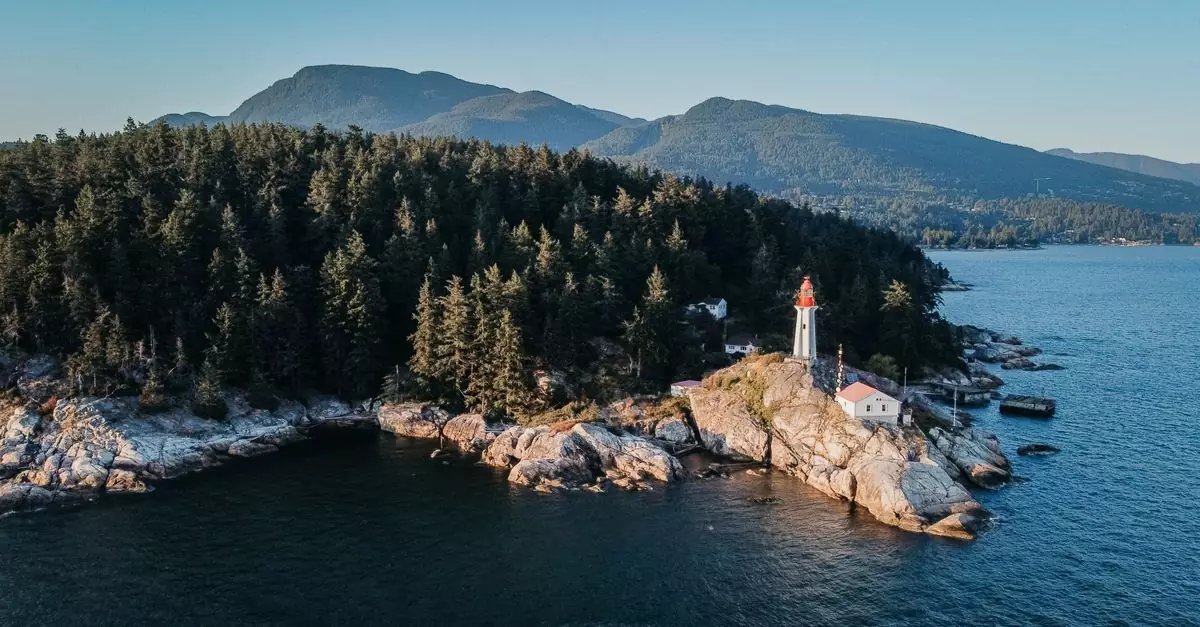
Reaching Canada’s diverse island destinations involves a mix of flights and ferry services, each offering unique logistical considerations and travel experiences. Planning your journey in advance is crucial, especially for remote locations or during peak travel seasons. Understanding the transportation options for each island will significantly shape your trip.
Ferry Schedules and Flights to Vancouver Island and Cape Breton
Vancouver Island, a large and accessible destination, is primarily reached via BC Ferries from mainland British Columbia. Major routes operate from Tsawwassen (near Vancouver) to Swartz Bay (near Victoria) and Horseshoe Bay to Nanaimo. These ferry crossings are frequent and accommodate both foot passengers and vehicles. For those prioritizing speed or arriving from further afield, direct flights are available to Victoria International Airport (YYJ) and Nanaimo Airport (YCD).
Cape Breton Island in Nova Scotia is connected to the mainland by the Canso Causeway. Driving is a common method, but flying into Sydney/J.A. Douglas McCurdy Airport (YQG) is also an option for visitors coming from other parts of North America. Alternatively, ferries operate seasonally between Newfoundland and North Sydney, Nova Scotia, providing a scenic, albeit longer, route. Booking ferry tickets, especially with a vehicle during summer, is highly recommended.
Navigating Haida Gwaii: Flights and Local Transport Options
Haida Gwaii, an archipelago off the coast of British Columbia, requires more deliberate travel planning. The primary gateway is Sandspit Airport (YZP) on Moresby Island, with flights typically connecting through Vancouver. Alternatively, a ferry service runs from Prince Rupert on the mainland to Skidegate Landing on Graham Island. This ferry journey is a significant undertaking, often requiring an overnight stay in Prince Rupert.
Once on Haida Gwaii, a car is essential for independent exploration. Rental vehicles are available in Sandspit and Masset, but booking well in advance is critical, as availability is limited. Local bus services are minimal, so consider ride-sharing or organized tours for specific excursions. The islands are connected by a short ferry route between Alliford Bay (Moresby Island) and Skidegate Landing (Graham Island).
Reaching the Magdalen Islands: Ferry vs. Air Travel
The Magdalen Islands (Îles de la Madeleine) in Quebec’s Gulf of St. Lawrence offer two main access points. Air Canada offers flights to the Magdalen Islands Airport (YGR) from Montreal and Quebec City, providing the quickest route. This is often the preferred method for those with limited time.
For a more immersive, scenic journey, the CTMA ferry operates from Souris, Prince Edward Island, to Cap-aux-Meules. This ferry trip takes approximately five hours and is a popular choice for travelers who wish to bring their vehicles or enjoy the maritime views. Ferries run seasonally, typically from May to October, and advance reservations are strongly advised, especially for vehicle transport. Within the islands, a car is highly recommended for navigating the various islands connected by bridges and causeways.
Accessing Baffin Island: Flights to Iqaluit and Arctic Travel Tips
Baffin Island, the largest island in Canada and home to Iqaluit, the capital of Nunavut, presents the most remote island escape. Access is almost exclusively by air. Air Canada and Canadian North operate flights to Iqaluit International Airport (YFB), with connections typically through Ottawa or Montreal. These flights can be expensive and weather-dependent, so flexibility in your itinerary is key.
Upon arrival in Iqaluit, local taxis are available for transport within the city. For excursions beyond Iqaluit, such as to nearby natural attractions or communities, hiring a local guide with a suitable vehicle is often necessary. Due to the rugged terrain and extreme weather conditions, independent travel outside of Iqaluit is generally not recommended without significant preparation and local knowledge. Packing appropriately for Arctic conditions, regardless of the season, is paramount for safety and comfort.
What to Pack for Your Canadian Island Adventure

Preparing for a trip to Canada’s diverse islands requires thoughtful packing, as each destination presents unique environmental challenges and activity opportunities. From the temperate rainforests of the Pacific coast to the rugged shores of the Atlantic and the stark beauty of the Arctic, your gear needs to be versatile and reliable. Considering the weather, intended activities, and remoteness of your chosen island escape will guide your packing strategy.
Essential Gear for Coastal Exploration on Vancouver Island
Vancouver Island, with its temperate rainforests and dramatic coastline, calls for practical gear that can handle moisture and varied terrain. Waterproof and windproof outer layers are essential, as is a good-quality rain jacket and waterproof pants. For hiking trails that can be muddy or slick, sturdy, broken-in hiking boots are necessary. Consider bringing insect repellent, especially during warmer months, as mosquitoes and black flies can be prevalent in forested areas. A daypack for carrying water, snacks, and extra layers is also a must for coastal hikes and exploring charming towns like Tofino or Ucluelet.
Layering for Variable Weather on Cape Breton and the Magdalen Islands
The Maritime provinces, including Nova Scotia’s Cape Breton Island and Quebec’s Magdalen Islands, are known for their changeable weather. Packing in layers is the most effective approach. Start with moisture-wicking base layers, add insulating mid-layers like fleece or down vests, and top with a waterproof and windproof outer shell. Even in summer, evenings can be cool and breezy, so a warm hat and gloves are advisable. For exploring the picturesque fishing villages and scenic drives, comfortable walking shoes are sufficient, but if you plan on hiking the Cabot Trail or cycling the Magdalen Islands, more supportive footwear will be beneficial.
Arctic Essentials for Baffin Island Exploration
Visiting Baffin Island in Nunavut requires preparation for extreme conditions. Temperatures can be frigid year-round, and the Arctic climate is unforgiving. Essential items include heavy-duty, insulated parkas and snow pants, thermal base layers made of wool or synthetic materials, and insulated, waterproof boots designed for extreme cold. Thick wool socks, insulated gloves or mittens, and a warm hat that covers the ears are critical for preventing frostbite. Given the remoteness and limited services, bringing a comprehensive first-aid kit, sun protection (even in winter, due to snow glare), and a reliable camera to capture the stunning Arctic landscapes are also highly recommended. Planning for potential flight delays due to weather is also a logistical consideration.
Footwear for Hiking and Beachcombing Across Canada’s Islands
Choosing the right footwear is paramount for enjoying any of Canada’s best island escapes. For rugged terrain and longer hikes, such as those found on Vancouver Island or in Cape Breton Highlands National Park, a supportive hiking boot with good ankle stability and waterproof features is ideal. If your island adventures involve more relaxed exploration, beachcombing, or short walks through coastal towns, a comfortable, water-resistant trail shoe or sturdy walking sandal might suffice. For the Magdalen Islands, where cycling is popular, comfortable athletic shoes are a good choice. Always pack footwear that is already broken in to avoid blisters. Consider bringing a pair of camp shoes or sandals for relaxing after a day of activity.
Experiencing Local Flavors and Hidden Gems on Canadian Islands
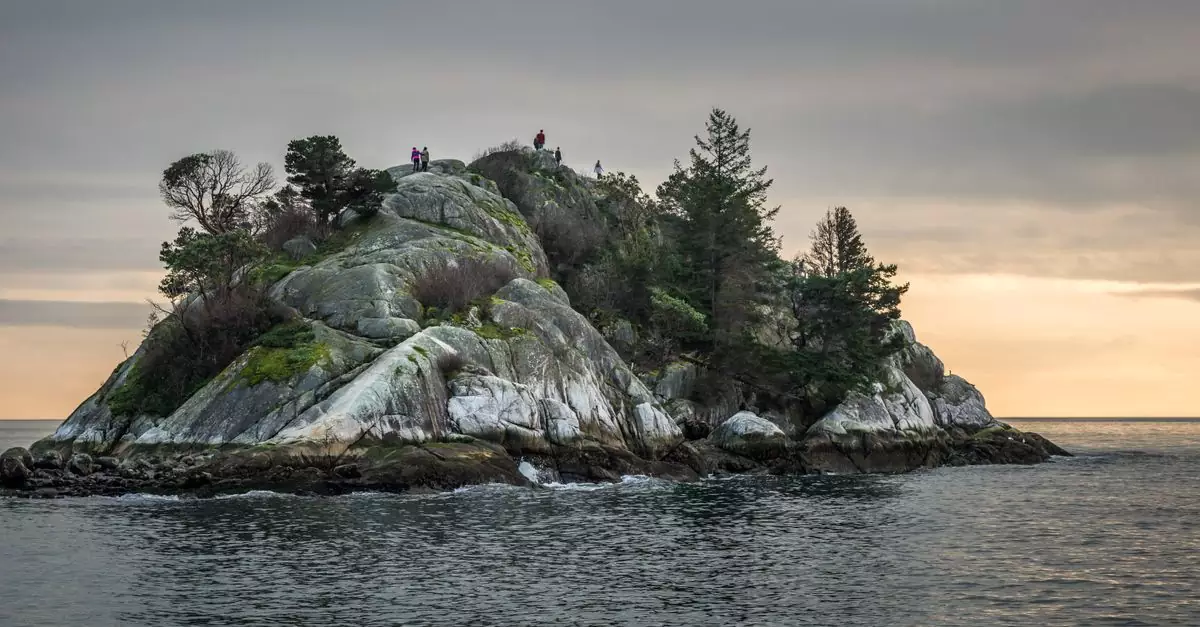
Beyond the stunning landscapes, Canada’s islands offer a rich tapestry of culinary traditions and unique local experiences. From the freshest seafood to artisanal products, engaging with the local food scene is a highlight for any traveler. Planning your visit around seasonal events or local markets can enhance these discoveries.
Must-Try Seafood Dishes in Coastal British Columbia
Islands like Vancouver Island and the Gulf Islands are renowned for their exceptional seafood. Freshly caught salmon, Dungeness crab, and oysters are staples. Many restaurants source directly from local fishermen, offering a true taste of the Pacific. Consider visiting a local fish market in communities like Tofino or Cowichan Bay for an authentic experience.
Savoring Acadian and Celtic Cuisine on Cape Breton
Cape Breton Island, Nova Scotia, boasts a vibrant food culture influenced by its Acadian and Celtic heritage. Don’t miss classic dishes like seafood chowder, lobster rolls, and traditional oatcakes. For a true taste of local life, seek out community ceilidhs where food is often shared. Driving the scenic Cabot Trail offers numerous opportunities to sample regional specialties in charming villages.
Discovering Unique Cheeses and Local Delicacies in the Magdalen Islands
The Magdalen Islands in Quebec offer a distinct culinary landscape. Famous for their artisanal cheeses, particularly those made with local milk, these islands also feature delicious smoked herring and blueberry products. Visiting a local fromagerie or farm stand provides a direct connection to these unique island flavors. The relaxed pace of island life encourages lingering over meals and savoring local ingredients.
Exploring Inuit Art and Traditional Foods on Baffin Island
Baffin Island in Nunavut offers a profound cultural immersion, including a taste of traditional Inuit cuisine. While access to certain traditional foods may vary, experiencing the local culture often involves learning about sustainable harvesting practices. Visitors can appreciate Inuit art, which often depicts the land and traditional ways of life. Engaging with local guides is essential for understanding the environment and culture.
Off-the-Beaten-Path Hikes and Photography Spots
Canada’s islands are a photographer’s and hiker’s paradise, offering diverse terrain and breathtaking vistas. Beyond the popular tourist trails, many islands hold secret spots waiting to be discovered.
- Vancouver Island: Explore the rugged coastline of Pacific Rim National Park Reserve for dramatic ocean views and old-growth forests. Hidden coves and less-trafficked trails offer excellent opportunities for wildlife spotting.
- Cape Breton Island: Hike sections of the Cabot Trail for panoramic views of the Atlantic Ocean and rolling highlands. Smaller paths leading to waterfalls or secluded beaches provide unique photographic subjects.
- Magdalen Islands: The rolling sand dunes and colorful fishing villages create a picturesque setting. Look for less-known beaches and viewpoints away from the main centers for tranquil scenes.
- Baffin Island: The stark beauty of the Arctic landscape is unparalleled. Trails around communities like Iqaluit lead to stunning vistas, but hiking requires careful planning and local knowledge due to the remote terrain.
When planning hikes, always check local conditions and consider hiring a guide for more remote areas, especially on Baffin Island. The best light for photography often occurs during the “golden hours” around sunrise and sunset, offering dramatic colors.
Frequently Asked Questions About Canada’s Best Island Escapes
Are Canada’s islands suitable for family vacations?
Yes, many Canadian islands offer fantastic experiences for families. Consider islands with accessible beaches, family-friendly resorts, and activities like whale watching or tide pooling. For instance, Prince Edward Island’s gentle shores and attractions like the Anne of Green Gables homestead are popular with younger travelers. Vancouver Island also provides a mix of natural beauty and activities suitable for various ages.
What is the average budget for an island trip in Canada?
Budgets for island escapes in Canada can vary significantly. Factors include the island’s remoteness, the time of year, and chosen accommodation style. A weekend trip to a well-serviced island like Salt Spring Island might cost CAD $500-$1000 per person, while a week-long expedition to more remote locations in Newfoundland and Labrador could range from CAD $1500-$3000 or more.
Here’s a general budget breakdown for a 3-day trip:
| Category | Budget Option (CAD) | Mid-Range Option (CAD) | Luxury Option (CAD) |
|---|---|---|---|
| Accommodation | 300 – 600 | 600 – 1200 | 1200+ |
| Transportation | 100 – 300 | 200 – 500 | 300 – 700 |
| Food & Drink | 150 – 300 | 300 – 600 | 600+ |
| Activities/Tours | 50 – 150 | 150 – 400 | 400+ |
| Total (per person) | 600 – 1350 | 1250 – 2700 | 2500+ |
Is it safe to travel to remote Canadian islands?
Canada is generally a very safe country, and its islands are no exception. However, remote locations require extra preparedness. Always check weather forecasts, inform someone of your itinerary, and carry essential supplies. Cell service can be spotty, so downloading offline maps is advisable. For those venturing into more rugged or less populated areas, understanding North American travel advisories and local conditions is key.
What are the best accommodation options on each island?
Accommodation choices depend heavily on the specific island and your travel style.
- Popular Islands (e.g., Vancouver Island, Prince Edward Island): You’ll find a wide range from hotels and motels to charming bed and breakfasts, vacation rentals, and campgrounds.
- Remote Islands (e.g., Haida Gwaii, Fogo Island): Options may be more limited, often including cozy inns, rustic cabins, and unique boutique accommodations. Fogo Island Inn is a renowned example of distinctive island lodging. Booking well in advance is crucial for these locations, especially during peak season.