Canada’s coastlines and expansive freshwater systems boast countless islands, each offering a unique blend of natural beauty and adventure. For travelers eager to immerse themselves in stunning landscapes and diverse environments, exploring the best scenic islands in Canada promises an unforgettable journey. From the mist-shrouded ancient forests of the Pacific Northwest to the dramatic coastlines of the Atlantic and the rugged wilderness of the Arctic, this guide highlights breathtaking island destinations. You’ll discover their unique attractions, optimal visiting times, logistics for getting there, and essential tips for planning your escape to these remarkable places.
Top 5 Most Breathtaking Scenic Islands in Canada
Canada’s extensive coastlines and numerous lakes are dotted with islands, each offering distinct natural beauty and experiences. For those seeking dramatic landscapes and a deep connection with nature, exploring these scenic islands in Canada provides an unforgettable adventure. From the ancient rainforests of the Pacific to the stark Arctic wilderness, these destinations showcase the country’s diverse geography.
Haida Gwaii: The ‘Galapagos of the North’
Haida Gwaii, an archipelago off British Columbia’s coast, features mist-shrouded old-growth forests, dramatic coastlines, and a rich Indigenous culture. Often referred to as the “Galapagos of the North,” its isolation has nurtured unique flora and fauna, including the Haida Gwaii black bear. Visitors can hike through ancient cedars, kayak along rugged shores, and learn about the Haida people’s deep connection to the land and sea. The Gwaii Haanas National Park Reserve protects a significant portion of the southern islands, providing opportunities for wildlife viewing, including whales, sea lions, and eagles.
Reaching Haida Gwaii typically involves a flight to Sandspit or Masset, or a ferry from Prince Rupert. Accommodations vary from cozy lodges to campgrounds, catering to different budgets. Planning is essential, especially for accessing Gwaii Haanas, which often requires booking guided tours or kayak expeditions in advance. The best time to visit is during the summer months (June to September) for milder weather and extended daylight.
Vancouver Island: Pacific Coastline Majesty
Vancouver Island, British Columbia’s largest island, showcases a stunning tapestry of towering rainforests, windswept beaches, and rugged mountains. Its diverse landscapes cater to a wide range of outdoor enthusiasts. Tofino and Ucluelet on the west coast are renowned for surf-ready waves, storm-watching opportunities, and the magnificent Pacific Rim National Park Reserve. Inland, the island offers hiking opportunities in Strathcona Provincial Park, home to Vancouver Island’s highest peak, The Golden Hinde. Victoria, the provincial capital, offers a more urban experience with its charming Inner Harbour and historic architecture.
Transportation around Vancouver Island is straightforward, with BC Ferries connecting it to mainland British Columbia and a well-maintained network of highways. Car rental is highly recommended for flexibility. Accommodations range from luxury resorts in Tofino to motels and vacation rentals in smaller towns. Spring and fall offer fewer crowds and excellent storm-watching potential, while summer is ideal for outdoor activities.
Cape Breton Island: Cabot Trail’s Coastal Charm
Located off Nova Scotia’s coast, Cape Breton Island is celebrated for the iconic Cabot Trail, a scenic highway winding through the Cape Breton Highlands National Park. This route offers breathtaking vistas of the Atlantic Ocean, dramatic cliffs, and charming fishing villages. Hiking trails abound, leading to stunning viewpoints and secluded coves. The island also boasts a vibrant Celtic culture, with traditional music and dance performances common in local pubs. The Fortress of Louisbourg National Historic Site provides a glimpse into 18th-century life.
Access to Cape Breton Island typically involves a ferry to North Sydney or driving across the Canso Causeway. Renting a car is the most practical way to experience the Cabot Trail and the island’s attractions. Accommodation options include seaside inns, bed and breakfasts, and campgrounds. The summer and early autumn months, particularly September and October for fall foliage, are the most popular times to visit.
Magdalen Islands: Quebec’s Archipelago Paradise
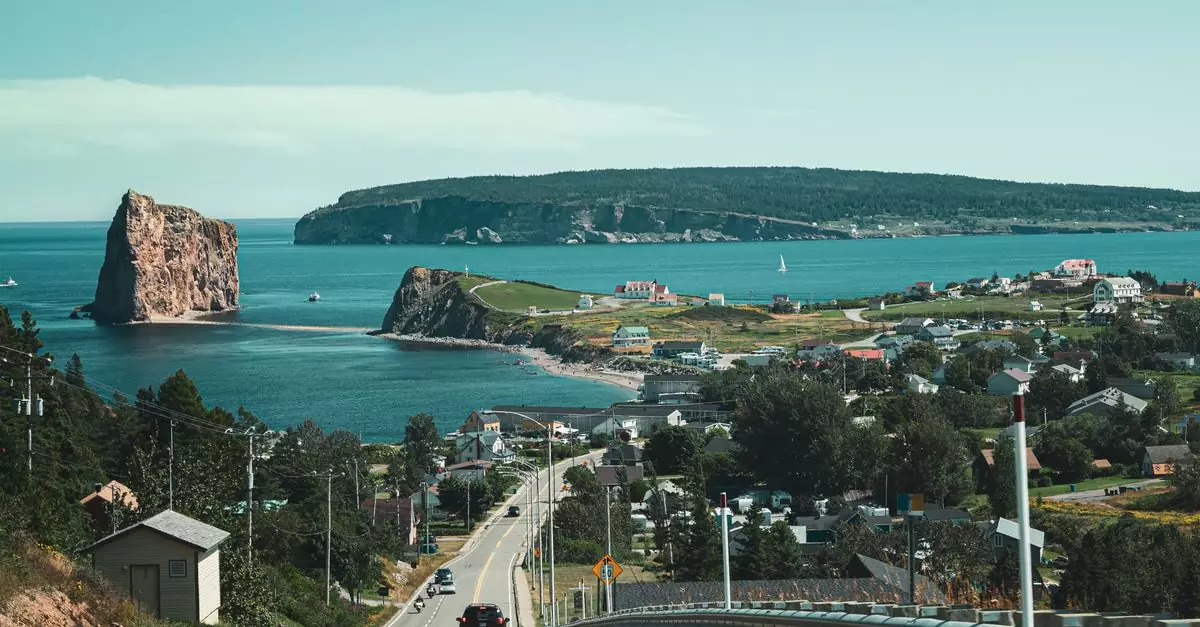
The Magdalen Islands (Îles de la Madeleine) form a picturesque archipelago in the Gulf of St. Lawrence, part of Quebec. Characterized by distinctive red sandstone cliffs, long sandy beaches, and a vibrant fishing culture, activities here include kiteboarding and windsurfing on consistent winds, exploring sea caves by kayak, and cycling along scenic coastal routes. The islands blend Acadian heritage with maritime charm, featuring colorful houses and fresh seafood.
Reaching the Magdalen Islands requires either a flight from Montreal or Quebec City, or a ferry from Souris, Prince Edward Island. While it’s possible to get around by bus, renting a car or scooter provides the most freedom to explore. Accommodations range from charming guesthouses to cottages and campgrounds. The summer season (June to August) is the most popular for its warm weather and lively atmosphere.
Baffin Island: Arctic Wilderness and Aurora Views
Baffin Island, Nunavut, is Canada’s largest island and a destination for those seeking true Arctic wilderness. It features dramatic fjords, towering glaciers, and vast tundra landscapes. Quttinirpaaq National Park, one of the world’s most remote parks, is located at the island’s northern tip. Visitors can experience Inuit culture, embark on challenging treks, or witness the awe-inspiring Northern Lights during winter. Wildlife viewing opportunities include polar bears, arctic foxes, and various marine mammals.
Travel to Baffin Island, primarily to Iqaluit, typically involves flights from Ottawa or Montreal. Due to its remote location and specialized activities, it is a more expensive destination. Accommodations are limited and often booked well in advance. Summer months offer the midnight sun and opportunities for hiking and kayaking, while winter provides the best chance to see the aurora borealis. Guided tours are highly recommended for safety and to fully appreciate the unique environment.
| Island Name | Location | Primary Activities | Best Time to Visit | Approximate Budget (per day, CAD) |
|---|---|---|---|---|
| Haida Gwaii | British Columbia | Hiking, kayaking, wildlife viewing, cultural tours | June – September | $200 – $400 |
| Vancouver Island | British Columbia | Surfing, hiking, whale watching, city exploration | May – October | $150 – $350 |
| Cape Breton Island | Nova Scotia | Scenic drives, hiking, Celtic music, history | June – October | $150 – $300 |
| Magdalen Islands | Quebec | Beaches, water sports, cycling, cultural experiences | June – August | $180 – $350 |
| Baffin Island | Nunavut | Arctic wildlife, Northern Lights, Inuit culture | Summer (activities), Winter (Aurora) | $400+ |
Planning Your Escape to Canada’s Scenic Islands: Best Time to Visit
Choosing the right time to visit Canada’s diverse islands can significantly shape your experience. From the temperate west coast to the rugged Arctic, each region offers distinct seasonal attractions. Understanding these variations helps align your travel dates with desired activities and natural beauty.
Summer (June-August): Peak Island Season
Summer is the most popular time to explore Canada’s islands, offering warm weather and long daylight hours. Most ferry services operate at full capacity, and accommodations are readily available, though booking in advance is crucial. Coastal areas like Vancouver Island and the Gulf Islands in British Columbia shine with lush greenery and abundant marine wildlife sightings. The Maritimes, including Prince Edward Island and Nova Scotia’s coastal islands, are perfect for beach activities and exploring charming seaside towns.
Expect average temperatures to range from 15°C to 25°C (59°F to 77°F) across most southern islands. Northern regions will be cooler but offer the chance to experience the midnight sun. This peak season means higher prices for flights and lodging, and popular spots can feel crowded. If your priority is warm weather, outdoor adventures, and accessing all available amenities, summer is your best bet.
Shoulder Seasons (May, September-October): Fewer Crowds, Stunning Fall Colors
Shoulder seasons present a compelling alternative for travelers seeking fewer crowds and budget-friendly options. May and September offer pleasant temperatures, often comparable to summer but with significantly fewer tourists. Autumn transforms landscapes, with vibrant fall foliage painting islands like those in Georgian Bay or parts of Newfoundland and Labrador.
Spring brings blooming wildflowers and the return of migratory birds, appealing to nature enthusiasts. While some ferry schedules may be reduced compared to peak summer, most essential services remain operational. Temperatures can range from 5°C to 15°C (41°F to 59°F), ideal for hiking and photography without the intense summer heat. Packing layers is essential, as weather can be unpredictable.
Winter (November-April): Unique Arctic Experiences on Baffin Island
Winter transforms Canada’s islands into a starkly beautiful landscape, especially in the Arctic. Baffin Island becomes the primary destination for those seeking an authentic Arctic experience. Daylight is limited, and temperatures can plummet well below freezing, often reaching -20°C to -30°C (-4°F to -22°F).
This season is ideal for witnessing the Northern Lights, dog sledding, and experiencing Inuit culture. Travel logistics are more complex, with flights being the primary mode of transport, and specialized tours often required. Accommodations are limited and can be expensive, reflecting the unique nature of Arctic travel. Visitors must be well-prepared for extreme cold, with appropriate gear and a mindset ready for rugged adventure. This is not a season for casual island hopping but for dedicated exploration of a truly unique environment.
How to Reach and Navigate Canada’s Island Gems
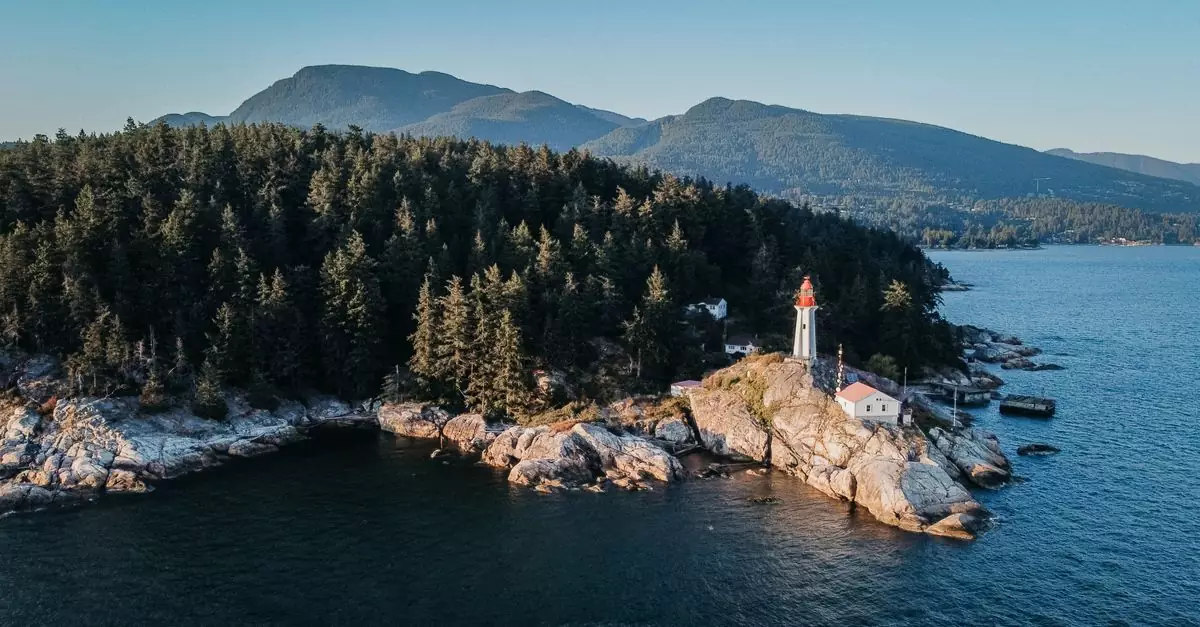
Reaching Canada’s most scenic islands often involves a multi-step journey, blending air travel with maritime transport. Understanding these logistics is key to a smooth adventure. Whether you’re aiming for the rugged coastlines of the Pacific or the windswept shores of the Atlantic, planning your transit well in advance is essential, especially during peak travel seasons.
Flying to Remote Islands: Essential Air Travel Tips
For islands accessible primarily by air, booking flights well in advance is crucial. Many smaller island communities rely on regional airlines with limited seating and schedules that can be weather-dependent. Consider flying into a larger regional airport first, then connecting to a smaller charter or scheduled flight.
- Baggage Restrictions: Be aware of strict baggage allowances on smaller aircraft, which often have weight and size limits.
- Weather Delays: Pack patience, as flights to remote islands are more susceptible to cancellations or delays due to fog, wind, or snow.
- Booking Platforms: Utilize sites that aggregate regional air carriers or check directly with airlines like Pacific Coastal Airlines for British Columbia or Air Borealis for Newfoundland and Labrador.
Ferry Services: Connecting Mainland to Island Paradises
Canada boasts an extensive network of ferry services, operated by entities like BC Ferries and Marine Atlantic. These ferries are not just transportation but often scenic journeys, offering breathtaking views of coastlines and marine life. Booking ferry tickets, especially for vehicles, is highly recommended during summer and holiday weekends.
The ferry experience can vary significantly. A BC Ferries crossing to Vancouver Island offers modern amenities and frequent sailings, while a Marine Atlantic ferry to Newfoundland might be a longer, overnight journey requiring cabin bookings. Always check ferry schedules and reservation policies before your trip.
Getting Around Once You Arrive: Car Rentals vs. Local Transport
Once you’ve reached an island, your options for getting around depend on its size and development. Larger islands like Vancouver Island or Newfoundland offer extensive road networks, making car rentals a popular choice for maximum flexibility. This allows exploration at your own pace, venturing off the beaten path to discover hidden coves and scenic viewpoints.
However, many smaller islands, particularly in British Columbia’s Gulf Islands or Nova Scotia’s Maritimes, are best navigated by foot, bicycle, or local public transport. Some communities have limited bus services, while others are compact enough that walking is the most efficient way to get around. Researching local transit options or considering bicycle rentals in advance can enhance your island experience.
| Island Type | Primary Transport | Vehicle Rental Availability | Best For |
|---|---|---|---|
| Large (e.g., Vancouver Island) | Car | High | Road trips, diverse exploration |
| Medium (e.g., Salt Spring Island) | Car, Local Bus | Moderate | Day trips, specific attractions, some flexibility |
| Small (e.g., Outer Hebrides) | Foot, Bicycle | Low | Relaxed pace, short distances, local immersion |
Crafting Your Island Itinerary: Must-See Activities and Hidden Gems
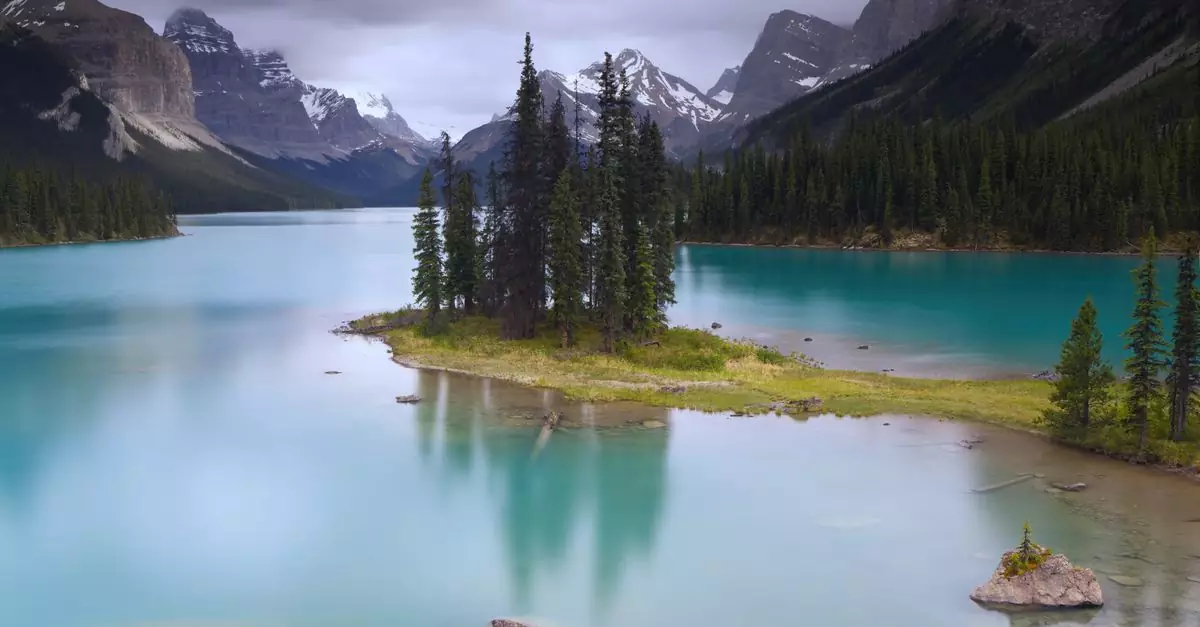
Canada offers a remarkable array of islands, each providing a unique escape. From the rugged Pacific coast to the windswept Atlantic shores and the stark beauty of the Arctic, planning an island adventure requires focusing on what truly calls to you. Whether you’re drawn to abundant wildlife, challenging hikes, iconic drives, unique geological formations, or breathtaking natural phenomena, these destinations offer the framework for an unforgettable trip.
Wildlife Spotting on Haida Gwaii: Whales, Bears, and Eagles
Haida Gwaii, an archipelago off British Columbia’s northern coast, is often called the “Galapagos of the North” for its rich biodiversity and unique subspecies. This is a prime location for witnessing humpback whales, grey whales, and orcas on boat tours that depart from Queen Charlotte City or Port Clements. Keep an eye on the shore for the Haida Gwaii black bear, a distinct subspecies. Bald eagles are common, soaring overhead and perched in ancient cedar trees. For the best wildlife viewing opportunities, consider visiting during spring and summer (May to September), when migratory animals are most active. Access typically involves flying into Sandspit Airport (YZP) or Masset Airport (ZMT), then utilizing local ferries and car rentals for exploration.
Hiking the West Coast Trail on Vancouver Island
For serious trekkers, the West Coast Trail on Vancouver Island offers one of North America’s most renowned and challenging multi-day hikes. This 75-kilometer (47-mile) trail winds through dense rainforest, across rugged coastline, and over numerous ladders and suspension bridges. Hikers should be prepared for muddy conditions, steep ascents and descents, and the need for self-sufficiency. Reservations are mandatory and open in early January each year, with permits selling out quickly due to the trail’s popularity and environmental regulations. The season generally runs from May 1 to September 30, with July and August offering the most stable weather, though rain is always a possibility. Most hikers start at Bamfield and finish at Port Renfrew, requiring advance booking for necessary boat transportation to trailheads.
Driving the Iconic Cabot Trail on Cape Breton
Nova Scotia’s Cape Breton Island is home to the Cabot Trail, a spectacular scenic highway hugging the dramatic coastline. This 300-kilometer (185-mile) loop offers stunning vistas of the Atlantic Ocean, rolling highlands, and charming fishing villages. Allow at least two to three days to fully appreciate the viewpoints, hiking trails within Cape Breton Highlands National Park, and local culture. Driving counter-clockwise from Baddeck is often recommended to position your vehicle on the ocean side of the road for better views. The peak season for this drive is late summer and fall, particularly from mid-September to mid-October, when autumn foliage adds vibrant color to the landscape. Be aware that sections of the park road can close temporarily due to weather, especially outside the main summer season.
Exploring Red Sand Beaches of the Magdalen Islands
Off the coast of Quebec, the Magdalen Islands (Îles de la Madeleine) are famous for unique red sandstone cliffs and vibrant red sand beaches. This archipelago features a distinct maritime culture and a relaxed pace of life. Visitors can enjoy kayaking along the coast, exploring sea caves, cycling between islands, and sampling local seafood like scallops and lobster. The summer months (June to September) provide the warmest weather and best conditions for beach activities and water sports. Getting to the islands requires either a ferry from Prince Edward Island or a flight to the local airport. Renting a car or scooter is highly recommended for navigating the islands and reaching more secluded beaches.
Kayaking Among Icebergs on Baffin Island
For a truly remote and awe-inspiring experience, consider Baffin Island in Nunavut. While much of the island is characterized by stark Arctic tundra, coastal areas near communities like Pond Inlet offer opportunities to witness massive icebergs calved from glaciers. Kayaking tours, often guided by local Inuit experts, provide a safe and intimate way to observe these frozen giants. The best time for iceberg viewing is typically late July and August, when the sea ice has broken up enough for boat and kayak access, and the days are long. Travel to Baffin Island is primarily by air, usually through Iqaluit, the territorial capital, or via charter flights. Due to the extreme environment and logistical challenges, Arctic travel requires careful planning, a significant budget, and a focus on safety.
Where to Stay: Accommodation Options on Canada’s Scenic Islands
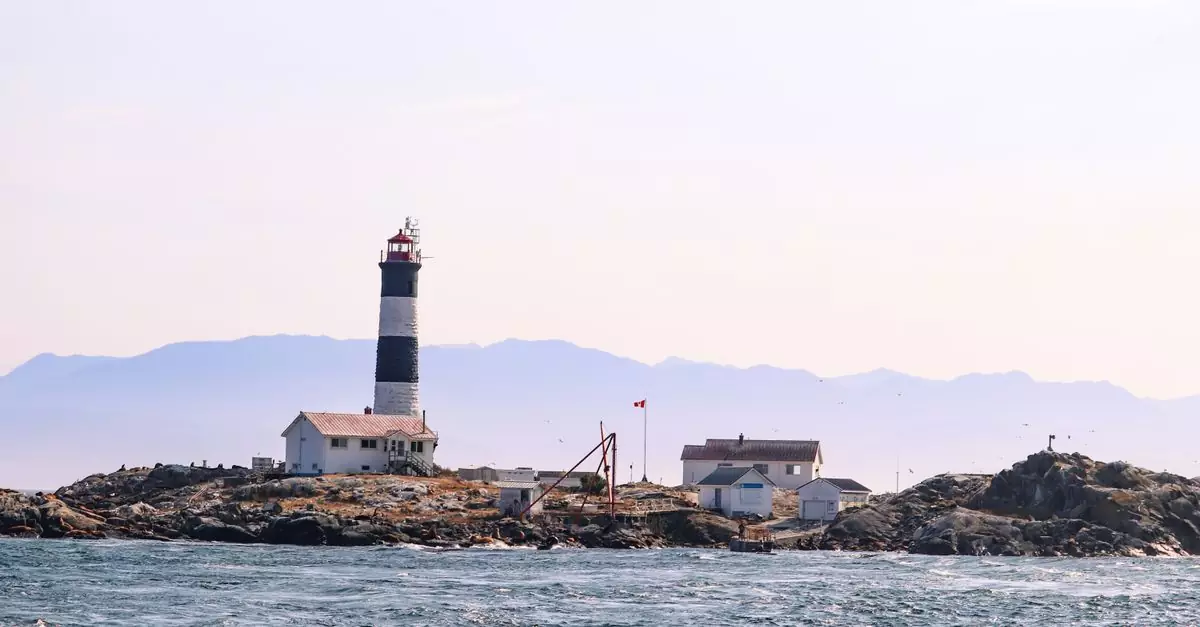
Choosing the right place to stay significantly shapes your experience on Canada’s stunning islands. From rustic retreats to luxurious seaside havens, options cater to every traveler’s preference and budget. Consider the island’s accessibility and the atmosphere you’re seeking when making your selection.
Cozy Cabins and Lodges for Nature Lovers
For those dreaming of waking up to the sound of waves or rustling ancient forests, a cozy cabin or lodge offers an immersive nature experience. Many islands, particularly in British Columbia and the Maritimes, feature charming, often rustic accommodations nestled among trees or overlooking the water. These spots are perfect for disconnecting, with amenities ranging from basic wood-burning stoves to fully equipped kitchens.
Expect options like those on Vancouver Island, where secluded cabins offer direct access to hiking trails and quiet beaches. In the Gulf Islands, smaller family-run lodges often provide a more intimate setting. Booking in advance is crucial, especially during peak summer months, as these popular, nature-centric stays fill up quickly.
Boutique Hotels with Ocean Views
If comfort and convenience are paramount, but you still crave breathtaking scenery, boutique hotels are an excellent choice. These establishments often boast prime waterfront locations, offering rooms and suites with private balconies or patios framing panoramic ocean vistas. Many feature on-site restaurants showcasing local cuisine, spa services, and personalized attention from staff.
Consider destinations like Prince Edward Island, known for charming coastal inns and hotels in towns such as Cavendish or Charlottetown. In Nova Scotia, waterfront hotels in Peggy’s Cove or Lunenburg provide a blend of historical ambiance and modern luxury. These hotels offer a comfortable base for day trips and a relaxing retreat after a day of sightseeing.
Camping Under the Stars: Island Campground Guide
For budget-conscious travelers or true adventurers, camping provides an unparalleled connection to the natural beauty of Canada’s islands. Many provincial and national parks, as well as private campgrounds, offer designated sites. These can range from basic tent pads with shared facilities to sites equipped with RV hookups.
Islands like Haida Gwaii in British Columbia offer remote camping experiences for those willing to venture further afield, while closer options exist for weekend getaways. Campgrounds on the Magdalen Islands in Quebec provide stunning coastal settings. It’s essential to check reservation requirements, fire bans, and bear safety protocols for the specific region you plan to visit. Packing essentials like insect repellent and appropriate gear for variable weather is highly recommended.
Unique Stays: From Yurts to Remote Eco-Lodges
Beyond traditional hotels and campgrounds, Canada’s scenic islands increasingly offer unique accommodation experiences. Yurts, geodesic domes, and converted lighthouse keeper’s cottages provide memorable stays that blend comfort with an adventurous spirit. Many of these are designed with sustainability in mind, operating as eco-lodges that minimize their environmental impact.
Locations such as Fogo Island in Newfoundland and Labrador are renowned for their innovative and architecturally significant accommodations that offer deep cultural immersion. On the west coast, some operators provide glamping experiences in yurts or safari tents on secluded beaches. These unique options often come with a higher price point but deliver an unforgettable island lodging experience.
Frequently Asked Questions About Visiting Canada’s Scenic Islands
What are the best scenic islands in Canada for photography?
For photographers, the best scenic islands in Canada often boast dramatic coastlines, abundant wildlife, and unique cultural elements. Haida Gwaii in British Columbia is renowned for its ancient rainforests, totem poles, and rugged shores, offering unparalleled opportunities to capture the raw beauty of the Pacific Northwest. Consider visiting during the shoulder seasons (spring and fall) for softer light and fewer crowds. Cape Breton Island in Nova Scotia, with its iconic Cabot Trail, provides breathtaking ocean vistas, rolling hills, and charming fishing villages that are a photographer’s dream.
Are Canada’s scenic islands suitable for family vacations?
Many of Canada’s islands offer fantastic family vacation experiences. Vancouver Island provides a range of activities from whale watching tours and exploring tide pools in Tofino to visiting the Royal BC Museum in Victoria. Prince Edward Island is famous for its gentle beaches, red sand cliffs, and family-friendly attractions like the Anne of Green Gables heritage site, making it a popular choice for families. The infrastructure on these larger islands generally supports family needs, with various accommodation options and accessible activities.
What should I pack for a trip to Canada’s coastal islands?
Packing for a trip to Canada’s coastal islands requires preparation for variable weather. Layers are essential. Include waterproof and windproof outerwear, such as a good-quality rain jacket and pants, even in summer. Comfortable, sturdy walking shoes or hiking boots are a must for exploring. Don’t forget insect repellent, especially during warmer months, and sunscreen and a hat for sunny days. Binoculars can enhance wildlife viewing opportunities on islands like those in British Columbia’s Gulf Islands.
Here’s a quick packing checklist:
- Waterproof and windproof jacket
- Warm layers (fleece, sweaters)
- Comfortable walking shoes/hiking boots
- Water shoes or sandals
- Insect repellent
- Sunscreen and hat
- Binoculars
- Camera and extra batteries
- Reusable water bottle
What are the essential safety precautions for remote island travel?
When visiting more remote islands, such as those in the Canadian Arctic or less developed parts of British Columbia’s coast, safety is paramount. Always inform someone of your travel plans, including your expected return time. Check weather forecasts diligently, as conditions can change rapidly at sea and impact travel. Ensure you have adequate supplies of food, water, and any necessary medications, as access to amenities can be limited. For boat travel, familiarize yourself with navigation and be aware of local tides and currents. Understanding the local environment, including potential wildlife encounters, is crucial for a safe adventure.