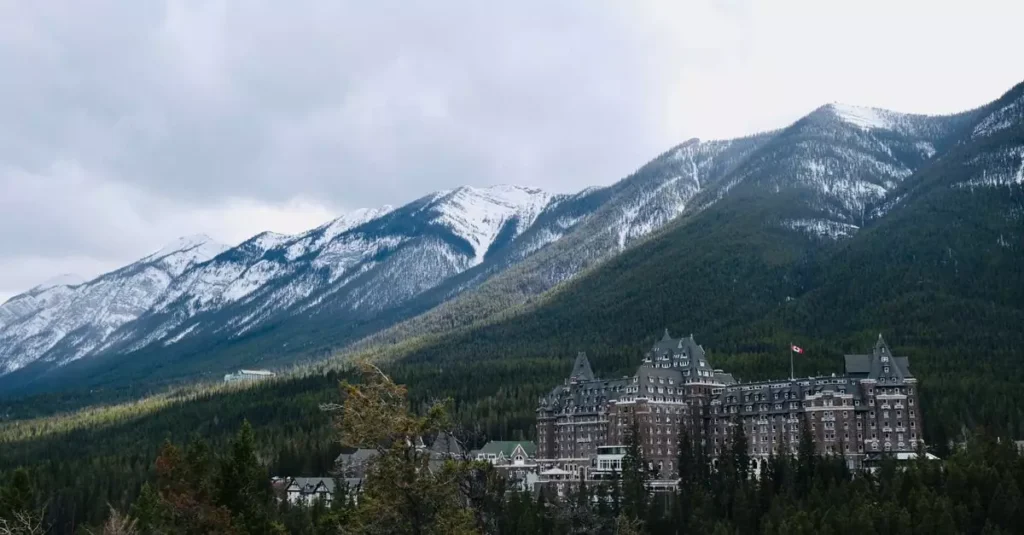
Canada transforms into a breathtaking winter wonderland, offering diverse experiences for those seeking an unforgettable snowy adventure. From the Olympic-class slopes of British Columbia to the historic charm of Quebec City, planning your trip to one of the best Canada winter escapes involves exploring destinations that cater to every type of traveler. This guide will help you navigate the possibilities, highlighting world-renowned ski resorts alongside unique activities like dog sledding in the Yukon and serene coastal storm watching.
You’ll discover top destinations for skiing and snowboarding, uncover hidden gems for winter activities beyond the slopes, and find inspiration for cozy coastal retreats and vibrant city breaks in Eastern Canada. Whether you dream of carving powder, immersing yourself in festive traditions, or simply enjoying the crisp winter air, this exploration will equip you to plan your perfect Canadian winter getaway.
Top 5 Canada Winter Escapes for Skiing and Snowboarding
Canada offers some of the most exhilarating skiing and snowboarding experiences in North America. From vast mountain ranges to charming villages, these destinations promise unforgettable snowy adventures. Planning your trip involves considering the unique offerings of each resort, including terrain, snow quality, family-friendly amenities, and après-ski culture.
Whistler Blackcomb: Olympic-Class Slopes in British Columbia
Whistler Blackcomb, consistently ranked among the top ski resorts globally, is a true icon of Canadian winter sports. With over 8,100 acres of skiable terrain across two majestic mountains, connected by the record-breaking PEAK 2 PEAK Gondola, the sheer scale is impressive. Beginners can find gentle learning areas, while advanced skiers and snowboarders will relish the challenging bowls, glades, and steep chutes. The resort also hosted events during the 2010 Winter Olympics, showcasing its world-class facilities.
Beyond the slopes, the vibrant village of Whistler offers a lively après-ski scene, diverse dining options, and a range of shops and accommodations. Getting there is straightforward, with regular shuttle services and rental car options from Vancouver International Airport (YVR), approximately a two-hour drive away. The Sea-to-Sky Highway provides stunning coastal views en route, though winter conditions can sometimes affect travel times.
- Best for: All skill levels, especially intermediate to expert skiers and snowboarders; those seeking a comprehensive resort experience.
- Season: Typically mid-November to late May.
- Getting there: Shuttle services or rental car from Vancouver (YVR).
Banff Sunshine Village: Skiing Amongst the Canadian Rockies
Nestled within Banff National Park, Banff Sunshine Village offers a unique skiing experience high in the Canadian Rockies. Its most famous feature, the Delirium Dive, is an extreme off-piste area requiring avalanche gear, appealing to the most adventurous riders. Sunshine also provides ample groomed runs and breathtaking alpine scenery for all levels. The resort is renowned for its consistent, dry powder snow, often receiving over 30 feet annually, and its extended season, which frequently runs into June thanks to its high elevation.
The advantage of skiing at Sunshine is the unparalleled natural beauty. Views of jagged peaks and turquoise lakes (frozen in winter) are constant companions. Staying in the town of Banff provides a charming base with various hotels, restaurants, and hot springs, though it requires a daily bus or car ride to the ski hill. Access to the ski area involves a scenic gondola ride from the parking lot, adding to the sense of adventure.
- Best for: Advanced skiers and snowboarders, powder hounds, those who appreciate stunning natural landscapes.
- Season: Mid-November to early June.
- Getting there: Ski shuttle from Banff townsite or Calgary; driving is also an option.
Mont Tremblant: Quebec’s Premier Ski Resort Experience
Mont Tremblant, located in Quebec’s Laurentian Mountains, is often considered the pinnacle of Eastern Canadian skiing. Its charming, European-inspired pedestrian village at the base of the mountain creates a picturesque setting for a winter getaway. The resort features 102 trails catering to a wide range of abilities, with a notable number of challenging black-diamond runs and glades for experts. Its snowmaking capabilities are among the best in the East, ensuring reliable conditions throughout the season.
The village itself is a major draw, with colorful buildings, boutique shops, and a lively atmosphere filled with restaurants and bars. It’s compact and walkable, making it easy to enjoy après-ski festivities. Mont Tremblant is easily accessible from Montreal, about a 90-minute drive, with shuttle services available for those without a car.
- Best for: Families, intermediates, those seeking a charming village atmosphere and lively après-ski.
- Season: Typically late November to early April.
- Getting there: Driving or shuttle bus from Montreal.
Big White Ski Resort: Family-Friendly Powder in the Okanagan
Big White Ski Resort, situated in British Columbia’s Okanagan Valley, lives up to its name with vast expanses of fluffy, dry powder snow. It’s particularly celebrated for its family-friendly atmosphere, earning numerous awards for its ski school and childcare facilities. The resort boasts the highest snowfall in the Okanagan region, averaging over 25 feet of light, dry powder annually. Its unique “ice-coast” trees, often coated in rime ice, create a magical landscape for skiers and snowboarders to navigate.
The village at Big White is designed for convenience, with most accommodations, shops, and restaurants located slope-side, minimizing the need for transportation once you arrive. This setup is particularly easy for families with young children. The resort also offers a variety of non-skiing activities, including tubing, ice skating, and sleigh rides. It’s accessible via Kelowna International Airport (YLW), with shuttle services available.
- Best for: Families, beginners and intermediates, those who enjoy light powder and a convenient village experience.
- Season: Typically late November to mid-April.
- Getting there: Shuttle service from Kelowna (YLW).
Big 3 Ski Resorts in the Canadian Rockies: A Comparative Overview
| Resort | Location | Skiable Terrain (Acres) | Avg. Annual Snowfall (ft) | Best For | Notes |
|---|---|---|---|---|---|
| Whistler Blackcomb | British Columbia | 8,171 | 460 | All levels, extensive terrain | Olympic legacy, vibrant village, long season |
| Banff Sunshine Village | Alberta | 3,358 | 360 | Advanced, high-alpine powder | Highest base elevation, extended season, stunning Rockies scenery |
| Mont Tremblant | Quebec | 753 | 150 | Families, intermediates, village vibe | European-style village, best in Eastern Canada, reliable snowmaking |
| Big White Ski Resort | British Columbia | 2,765 | 300 | Families, powder, slope-side village | Highest snowfall in Okanagan, family-focused, unique ice-covered trees |
These destinations represent some of the best Canada winter escapes, each offering a distinct yet equally compelling snowy adventure.
Beyond the Slopes: Unique Winter Activities in Canadian Mountain Towns
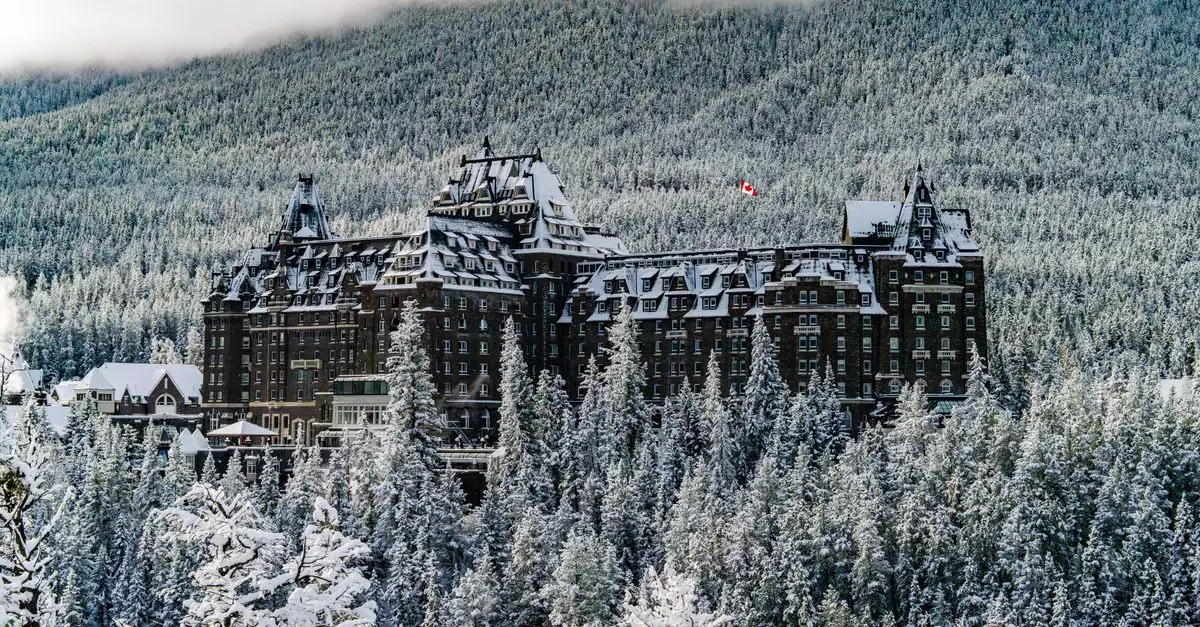
While skiing and snowboarding dominate the Canadian winter landscape, many towns offer a wealth of unique experiences for those seeking adventure beyond the ski resorts. These destinations provide opportunities to connect with nature, embrace local traditions, and create unforgettable memories in the crisp winter air.
Ice Skating on Lake Louise: A Frozen Fairytale
Imagine gliding across a perfectly smooth, frozen lake, surrounded by the majestic Canadian Rockies. Lake Louise, near Banff, transforms into a spectacular natural ice rink during the winter months. The Fairmont Chateau Lake Louise often maintains a cleared skating path, offering a magical setting for an afternoon on the ice.
The experience is particularly enchanting at night when the ice is illuminated, and the stars are visible above. Renting skates is readily available at the Chateau or through local outfitters. Dress warmly, as temperatures can drop significantly, and consider packing a thermos of hot chocolate to enjoy between laps. This is one of the most iconic best Canada winter escapes for a reason.
Dog Sledding Adventures in Whitehorse, Yukon
For a truly authentic winter adventure, head north to Whitehorse, Yukon. Dog sledding is a time-honored mode of transportation and an exhilarating way to experience the vast, snowy wilderness. Numerous operators offer guided tours, ranging from short introductory runs to multi-day expeditions.
You’ll learn to mush your own team of energetic huskies, guided by experienced mushers who share their knowledge of the trails and the history of this Arctic tradition. The crisp air, the rhythmic panting of the dogs, and the silent, snow-covered landscape create an immersive and unforgettable journey. It’s a chance to connect with the raw beauty of the North.
Snowshoeing Trails in Jasper National Park
Jasper National Park, a UNESCO World Heritage site, offers a serene winter wonderland for snowshoers. Miles of trails become accessible with snowshoes, allowing you to venture into peaceful forests and along frozen lakes. The Maligne Canyon Ice Walk is a popular guided tour, where you can explore the frozen waterfalls and ice formations within the canyon.
For a self-guided experience, trails around Pyramid Lake or the Valley of the Five Lakes offer stunning scenery and varying levels of difficulty. Snowshoeing provides a quiet way to observe wildlife, such as elk and deer, active during the winter months. Remember to check trail conditions and avalanche reports before heading out, and consider purchasing a Parks Canada Discovery Pass for entry.
Exploring Banff’s Hot Springs in Freezing Temperatures
After a day of winter activities, there’s nothing quite like soaking in naturally heated thermal waters. Banff Upper Hot Springs offers a revitalizing experience, with its mineral-rich waters providing warmth and relaxation against the backdrop of snow-capped mountains. Open year-round, the hot springs are a welcome respite from the cold.
The outdoor pool allows you to enjoy the winter air while staying comfortably warm in the water. It’s a popular spot, so visiting during off-peak hours or weekdays can provide a more tranquil experience. Pack your swimsuit and a towel, though rentals are usually available. This is a classic element of any trip to the Canadian Rockies, making it one of the best Canada winter escapes.
Cozy Coastal Charms: Winter Getaways on Canada’s Pacific Edge
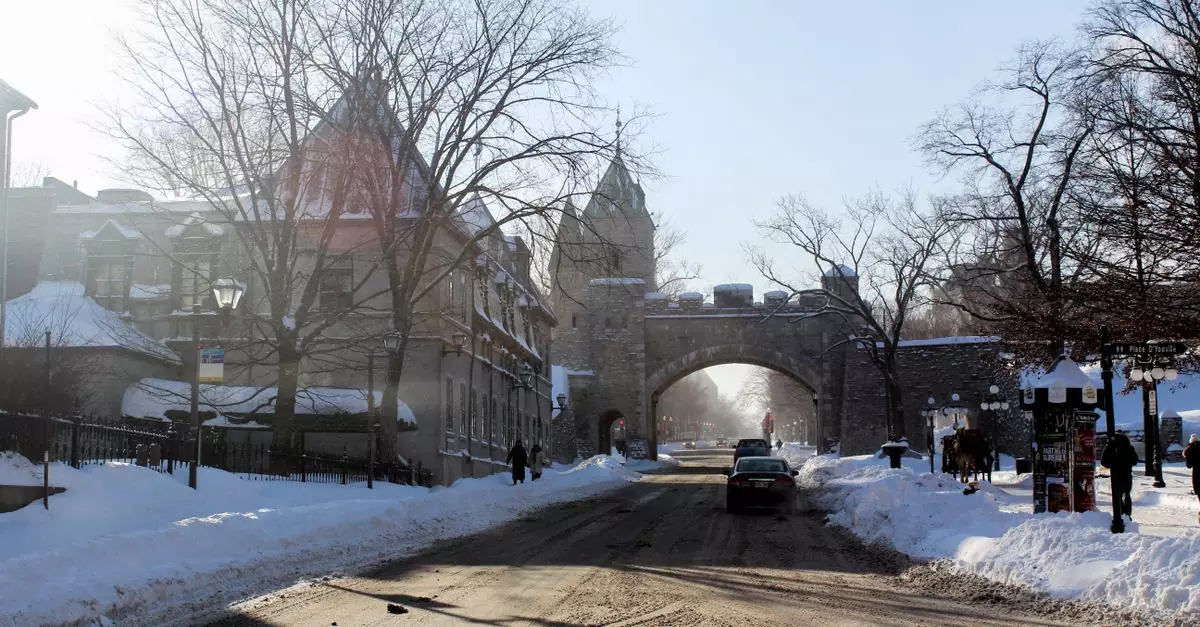
Winter on Canada’s Pacific coast offers a different kind of magic, trading deep freeze for dramatic storms, cozy firesides, and lush, rain-kissed rainforests. These coastal escapes provide a welcome respite for those seeking a milder, yet still invigorating, Canadian winter experience. Unlike the snow-laden interior, these destinations embrace the elements with a unique blend of rugged nature and charming town life.
Vancouver Island’s Tofino: Storm Watching and Rainforest Hikes
For an unforgettable adventure, Tofino on Vancouver Island’s west coast is a premier destination for witnessing the raw power of Pacific storms. The winter months, typically from November to February, bring colossal waves crashing onto the shore, creating a spectacular natural display. Cozying up in a beachfront lodge with a good book while the wind howls outside is a quintessential Tofino winter experience.
Beyond storm watching, the temperate rainforests surrounding Tofino remain vibrant and accessible. Trails like the one through the ancient Big Trees offer a chance to hike amidst towering cedars and moss-draped branches, even in the rain. Waterproof gear is essential, but the misty, serene atmosphere of the forest in winter is truly special.
Getting to Tofino:
- By Car: Accessible via Highway 4 from Nanaimo. The drive is scenic but can be challenging in winter conditions.
- By Air: Daily flights operate from Vancouver to Tofino-Long Beach Airport (YAZ).
Accommodations range from luxurious resorts to rustic cabins, many offering stunning ocean views and fireplaces. Booking in advance is recommended, especially for popular storm-watching weekends.
Victoria’s Festive Lights and Inner Harbour Charm
Victoria, the capital of British Columbia, offers a more urban and refined winter escape. While it doesn’t typically see heavy snowfall, the city embraces the season with beautiful holiday decorations and a vibrant cultural scene. The Inner Harbour transforms into a festive wonderland, with lights illuminating the historic Empress Hotel and the Parliament Buildings.
Winter is an excellent time to visit Victoria’s world-renowned Butchart Gardens, which often features a spectacular Festival of Lights display. Exploring the city’s charming streets, browsing independent boutiques, and enjoying afternoon tea at the Empress are classic Victoria activities that are even more appealing in the cooler months. The Royal BC Museum provides an excellent indoor option for a rainy day.
Victoria Winter Highlights:
- Festival of Lights: Usually runs from late November through early January.
- Cozy Cafes: Numerous independent coffee shops offer warm beverages and local treats.
- Museums and Galleries: A wealth of cultural attractions to escape the weather.
Transportation within Victoria is easy, with many attractions within walking distance of the Inner Harbour. The city is well-served by public transit and ride-sharing services.
Exploring the Gulf Islands in Their Winter Quietude
For a tranquil and less-trafficked winter getaway, Canada’s Gulf Islands, nestled between Vancouver Island and the mainland, offer a peaceful retreat. Islands like Salt Spring, Pender, and Galiano shed their summer crowds, revealing a slower pace of life and a chance to connect with nature. The mild coastal climate means that even in winter, outdoor activities are often possible.
Wineries on islands like Salt Spring are open year-round, offering tastings of their cool-climate wines. Kayaking or paddleboarding in the sheltered waters can still be enjoyable on clear, calm days, though appropriate gear and safety precautions are a must. Hiking trails on these islands offer beautiful ocean vistas and forest walks without the summer heat.
Gulf Islands Winter Appeal:
- Reduced Crowds: Enjoy a more intimate experience with the islands.
- Artisan Studios: Many local artists and craftspeople welcome visitors to their studios.
- Farm-to-Table Dining: Sample fresh, local produce at island restaurants.
Access to the Gulf Islands is primarily via BC Ferries, with sailings from Tsawwassen (mainland) and Swartz Bay (Vancouver Island). Ferry schedules are reduced in winter, so planning your travel is crucial. Some smaller islands may have limited services during the off-season.
Eastern Canada’s Winter Wonderland: From Quebec City to Halifax
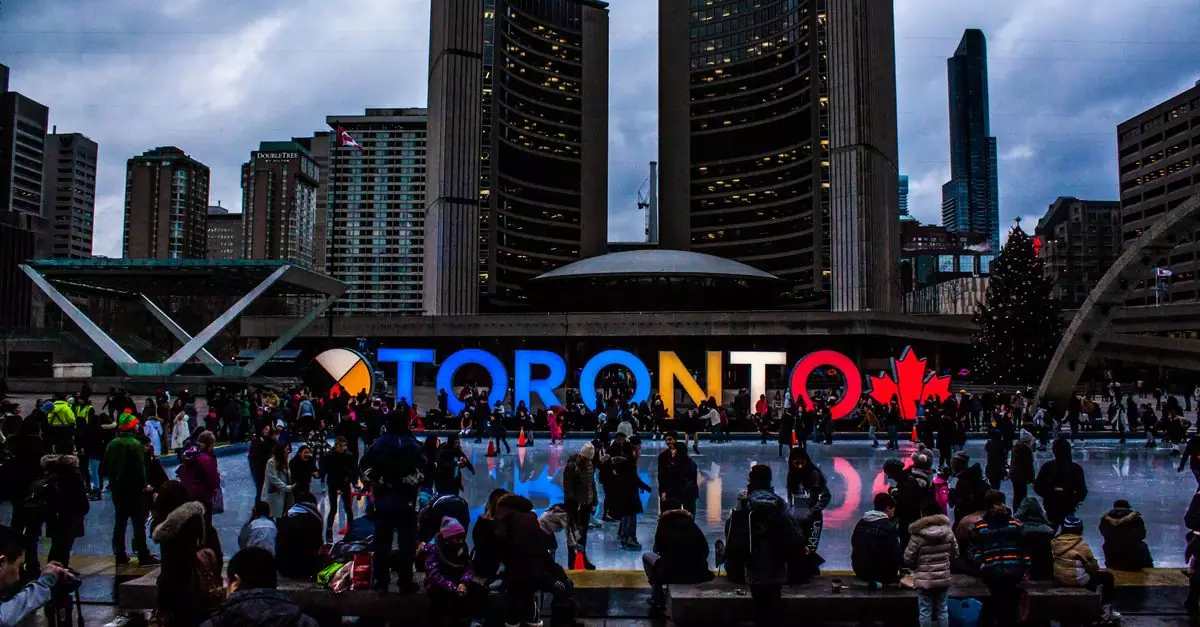
Eastern Canada offers distinct charm during the winter months, transforming familiar landscapes into picturesque scenes of snow and ice. This region provides a range of experiences, from the historic fortifications of Quebec City to the rugged coastlines of Nova Scotia, making it a compelling choice for those seeking the best Canada winter escapes. The crisp air, festive atmosphere, and unique cultural offerings create memorable snowy adventures.
Quebec City’s Winter Carnival and Old World Charm
Quebec City truly embodies the spirit of a winter wonderland, especially during its world-renowned Winter Carnival. Held annually in late January and early February, this festival transforms the city into a bustling hub of snow-based activities. Visitors can witness ice canoe races on the frozen St. Lawrence River, marvel at intricately carved ice sculptures, and enjoy parades featuring the beloved Bonhomme Carnaval mascot.
Beyond the carnival, Quebec City’s historic Old Town, a UNESCO World Heritage site, offers a European-inspired ambiance. Walking its cobblestone streets, dusted with snow, feels like stepping back in time. The iconic Fairmont Le Château Frontenac stands majestically against the winter sky, and charming boutiques and cafés provide warm respite. For travelers looking for a fairytale winter experience, Quebec City is an exceptional destination.
Consider visiting just outside the main carnival dates to experience the city’s quieter winter beauty. January and March offer fewer crowds while still providing ample snow for activities like skating at Place d’Youville or exploring the Plains of Abraham.
Montreal’s Underground City and Culinary Delights
Montreal presents a unique urban winter experience, largely thanks to its RÉSO, an extensive underground pedestrian network. This “underground city” connects metro stations, shopping centers, hotels, and offices, allowing residents and visitors to navigate much of the downtown core without braving the elements. It’s a practical and surprisingly vibrant space, especially appealing during the coldest months.
When you do venture above ground, Montreal’s culinary scene shines in winter. Cozy bistros, renowned restaurants, and lively markets offer hearty and delicious fare. From poutine to smoked meat, the city’s food offerings are a perfect antidote to a chilly day. Keep an eye out for outdoor winter markets and ice skating rinks that pop up in various neighborhoods, adding to the city’s festive atmosphere.
Montreal’s cultural calendar remains active in winter, with numerous festivals, concerts, and museum exhibitions. The city’s blend of European flair and North American energy makes it a dynamic choice for winter travel.
Nova Scotia’s Coastal Drives and Lighthouses in Winter
Nova Scotia offers a more rugged and serene winter escape, where the dramatic coastline takes center stage against a backdrop of snow. While some seasonal attractions may close, the province’s natural beauty remains breathtaking. Driving along scenic routes, such as the Lighthouse Route, offers stunning views of frozen coves and ice-kissed shores.
Visiting lighthouses like Peggy’s Cove in winter provides a unique perspective. The powerful Atlantic waves crashing against the rocks, framed by a dusting of snow, create a dramatic and unforgettable scene. It’s a chance to experience the raw power of nature in a quieter, more introspective setting.
Accommodation options in smaller coastal towns might be more limited in winter, so booking in advance is advisable. Embrace the slower pace and enjoy fresh seafood at local pubs and restaurants that remain open year-round. The crisp, salty air and expansive ocean views offer a refreshing contrast to the bustling city experiences found elsewhere in Eastern Canada.
What’s the Best Time to Plan Your Canada Winter Escape?
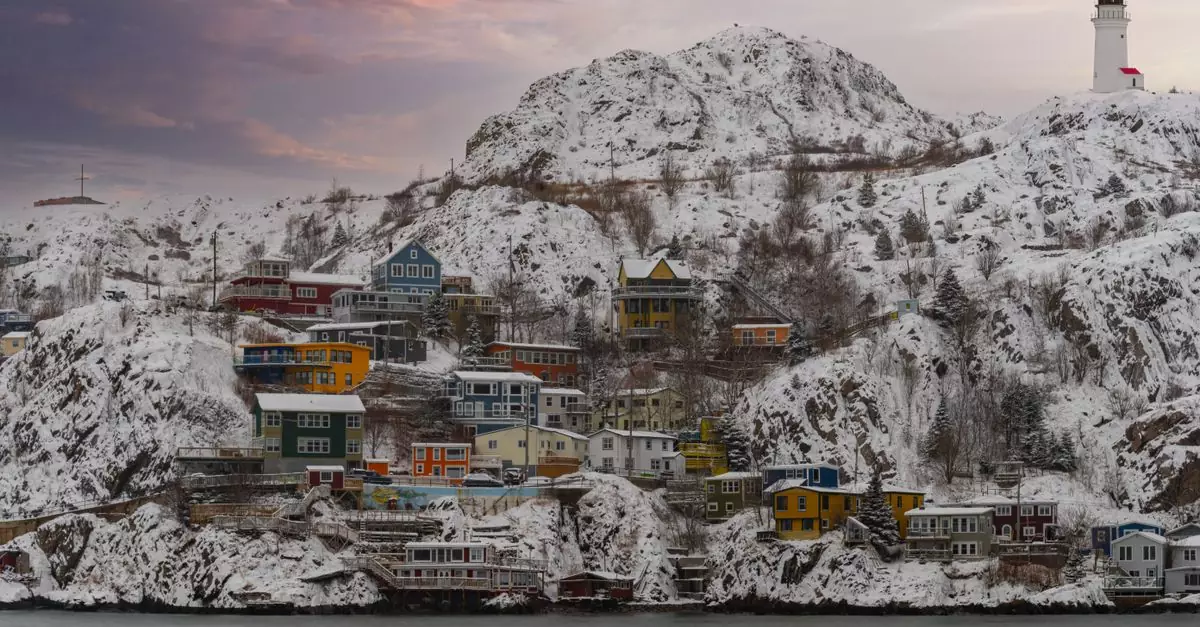
Choosing the right timing for your Canadian winter adventure can significantly enhance your experience, from the quality of snow for outdoor activities to the festive atmosphere. Each month offers a distinct flavor of winter, catering to different preferences and priorities.
December: Early Season Snow and Holiday Cheer
December marks the official start of winter in Canada, bringing the first substantial snowfalls in many popular destinations. This month is particularly appealing for those seeking a quintessential holiday season experience. Cities like Quebec City and Montreal often transform into winter wonderlands, complete with Christmas markets, ice skating rinks, and festive decorations.
For early ski season enthusiasts, resorts in the Canadian Rockies, such as those near Banff and Lake Louise, begin to open their slopes. While conditions might not be at their absolute peak, you can often find good skiing and snowboarding with fewer crowds than later in the season. It’s a great time to enjoy the crisp air and the promise of a snowy adventure.
January & February: Peak Winter Sports Conditions
January and February are widely considered the prime months for winter sports in Canada. The snow base is typically well-established across the country, offering excellent conditions for skiing, snowboarding, snowshoeing, and ice climbing. Temperatures are at their coldest, which is ideal for maintaining pristine snow quality and creating stunning frozen landscapes.
Major ski resorts in British Columbia’s Whistler Blackcomb and the Alberta Rockies are in full swing, attracting winter sports enthusiasts from around the globe. For those interested in experiencing extreme cold and dramatic snowy scenery, destinations further north, like Whitehorse in the Yukon, offer opportunities for dog sledding and viewing the Northern Lights. This period is also ideal for ice fishing on frozen lakes and exploring snow-covered national parks.
March: Spring Skiing and Longer Daylight Hours
March offers a unique blend of winter activities and the first hints of spring. While still very much winter in much of the country, particularly in the mountains, the days begin to lengthen, providing more daylight for outdoor pursuits. This extended daylight is a welcome change for skiers and snowboarders, allowing for more time on the slopes.
Spring skiing in places like Whistler or Tremblant can be a fantastic experience, with softer snow in the afternoons and often warmer temperatures. It’s a good time to find better deals on accommodations and flights as the peak holiday crowds have dispersed. For those who prefer less extreme cold, March can be a more comfortable month to enjoy Canada’s winter beauty, though it’s wise to check local conditions as they can vary significantly.
Frequently Asked Questions About Canada Winter Escapes
What should I pack for a Canadian winter trip?
Packing for a Canadian winter escape requires focusing on staying warm and dry. Essential items include a heavy, waterproof, and windproof winter coat, insulated waterproof boots with good grip, warm gloves or mittens, a wool or fleece hat that covers your ears, and a scarf or neck gaiter. Layering is key; bring thermal base layers, sweaters, and fleece jackets. Don’t forget warm socks (wool is best) and consider bringing lip balm and moisturizer to combat dry winter air.
How do I get around during a Canadian winter?
Transportation options vary depending on your chosen destination. Major cities like Montreal and Toronto have extensive public transit systems, including subways and buses, which are generally reliable even in winter. For inter-city travel, trains and buses are common. Renting a car is an option, but be prepared for winter driving conditions; ensure the vehicle has winter tires and familiarize yourself with local road regulations. Many smaller towns and ski resorts are best accessed by shuttle services or organized tours.
| Transportation Mode | Typical Use Case | Considerations |
|---|---|---|
| Public Transit | City exploration, short trips | Can be affected by severe weather, check schedules |
| Inter-city Trains | Travel between major cities | Comfortable, scenic, but can be slower |
| Buses | Inter-city and regional travel | Often more budget-friendly, can be less direct |
| Rental Car | Flexible exploration, remote areas | Requires winter driving experience, parking fees |
| Shuttles/Tours | Airport transfers, resort access | Convenient, pre-booked, less flexibility |
Are Canadian winter destinations safe for solo travelers?
Canada is generally considered a safe country for solo travelers, including during winter. Most popular tourist areas maintain good safety standards. However, as with any travel, it’s wise to exercise common sense precautions. Stick to well-lit and populated areas, especially at night. Inform someone of your itinerary. Be aware of your surroundings and trust your instincts. For remote winter activities like hiking or skiing, consider going with a guide or joining a group for safety.
What are some budget-friendly winter escape options in Canada?
Several Canadian winter destinations offer more affordable experiences. Consider smaller towns outside major tourist hubs, where accommodation and dining costs are typically lower. Many provincial parks provide beautiful winter landscapes for snowshoeing or cross-country skiing with minimal entry fees. Cities like Winnipeg or Halifax can offer cultural experiences and winter activities at a more accessible price point than larger, more popular cities like Vancouver or Whistler. Look for package deals on accommodations and activities, especially during the shoulder seasons within winter (early December or late March).