
Mexico’s vast coastline is a treasure trove of culinary delights, offering a vibrant spectrum of flavors distinct from its inland counterparts. Here, the freshest catches meet centuries of tradition, creating dishes that are both invigorating and deeply satisfying. If you’re dreaming of sun-drenched beaches and incredible meals, exploring the best Mexican coastal foods is essential.
In this guide, we’ll journey from the Pacific shores of Baja California to the Caribbean waters of the Yucatán Peninsula. Discover the unique ingredients and preparation methods that define this remarkable cuisine, learn about regional specialties like Baja’s famous fish tacos and the Yucatán’s Tikin Xic, and uncover must-try dishes that showcase the ocean’s bounty. Prepare to tantalize your taste buds and plan your next delicious adventure.
Discovering the Best Mexican Coastal Foods: A Flavorful Overview

Mexican coastal cuisine is a vibrant tapestry woven from the bounty of the Pacific Ocean and the Gulf of Mexico, enriched with centuries of culinary tradition. It contrasts sharply with the richer, land-based dishes found inland, focusing instead on fresh, bright flavors that highlight the ocean’s treasures. Understanding what makes these dishes unique is key to appreciating the diverse culinary landscape along Mexico’s extensive coastline.
What makes Mexican coastal cuisine unique?
The defining characteristic of Mexican coastal food is its emphasis on incredibly fresh seafood and a lighter, more zesty flavor profile. Unlike interior Mexican cooking, which often features slow-cooked meats and complex moles, coastal dishes typically rely on quick cooking methods like grilling, ceviche preparation, or frying to preserve the delicate textures and tastes of fish and shellfish. The use of citrus, chiles, and fresh herbs balances the richness of seafood, creating dishes that are both refreshing and satisfying. This cooking style is deeply influenced by the readily available ingredients and the warmer climate, promoting meals that are light and invigorating.
Key ingredients defining the best Mexican coastal foods
Several core ingredients form the backbone of Mexico’s coastal dishes. Freshly caught fish, such as snapper, sea bass, and grouper, are paramount, alongside various shellfish like shrimp, oysters, scallops, and octopus. Tropical fruits, particularly limes and oranges, provide essential acidity for marinades and ceviches. A spectrum of chiles, from mild jalapeño to smoky chipotle and fiery habanero, adds layers of heat and flavor. Cilantro, onions, garlic, and tomatoes are staples, forming the base for salsas and garnishes. Coconut milk appears in dishes from regions like Guerrero and the Yucatán Peninsula, lending a creamy sweetness.
Regional variations in seafood preparation
Mexico’s vast coastline presents remarkable diversity in seafood preparation. Along the Pacific coast, from Baja California to Oaxaca, you’ll find an abundance of fish tacos, particularly the famous pescado estilo Baja (Battered Fish Tacos), where crispy fried fish is topped with shredded cabbage and a creamy, tangy sauce. Ceviche, marinated raw fish cured in lime juice, is ubiquitous but prepared with regional twists; in Nayarit, it might be mixed with olive oil and soy sauce, while in Guerrero, it often features a rich, tomato-based sauce.
Moving to the Gulf coast and the Caribbean side of the Yucatán Peninsula, the flavors shift. Here, you’ll encounter dishes like pescado a la Veracruzana, a whole fish poached in a sauce of tomatoes, olives, capers, and mild chiles, showcasing Spanish influence. In the Yucatán, seafood is often infused with achiote paste and sour orange, as seen in Pescado Tikin Xic, fish marinated in annatto seed paste and grilled in banana leaves. The use of ingredients like habanero peppers and achiote is a hallmark of this region’s unique culinary identity. These regional differences mean that a culinary journey across Mexico’s coast offers a constantly evolving gastronomic experience.
Baja California’s Seafood Delights: From Fish Tacos to Ceviche
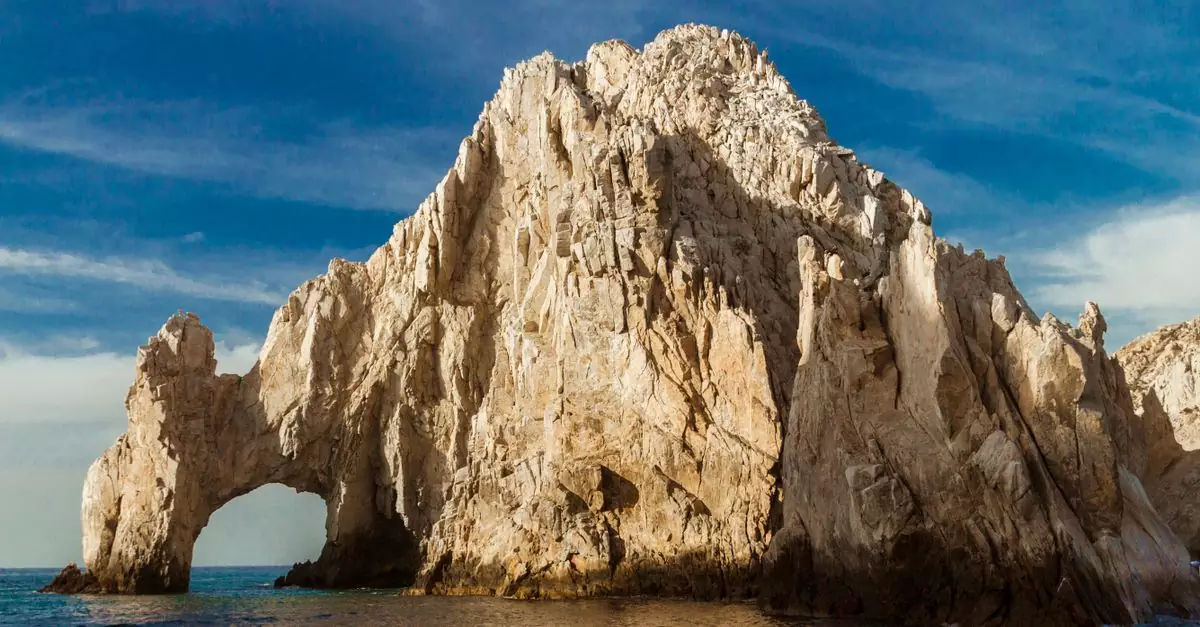
Baja California, a peninsula along Mexico’s Pacific coast, is a paradise for seafood lovers. Its long coastline, influenced by both the Pacific Ocean and the Sea of Cortez, yields an incredible bounty of fresh fish and shellfish. Here, coastal cuisine is celebrated for its simplicity and vibrant flavors, deeply intertwined with its maritime heritage.
Tijuana’s Iconic Fish Taco Stands
Tijuana is synonymous with the fish taco, a dish that has transcended its humble origins to become a global phenomenon. The city’s vibrant street food scene is dominated by countless taquerías serving these battered and fried fish creations. Typically made with flaky white fish like basa or rocio, the fish is coated in a light, crispy batter and fried to perfection, served in warm corn tortillas.
What elevates Tijuana’s fish tacos is the array of fresh toppings. Expect generous dollops of creamy coleslaw, a squeeze of lime, and a variety of salsas, from mild pico de gallo to fiery habanero. Many stands also offer a creamy white sauce, a secret ingredient that adds a rich, tangy dimension. For an authentic experience, seek out stands in areas like the Zona Norte or along Avenida Revolución, where locals gather for a quick and delicious meal. Visiting these stands is a quintessential part of experiencing the best Mexican coastal foods.
Ensenada’s Fresh Ceviche and Aguachile
Further south, Ensenada, a major port city, offers a refined take on seafood, particularly its ceviche and aguachile. Unlike the cooked fish in tacos, ceviche features raw fish “cooked” in the acidity of lime juice, mixed with diced onions, tomatoes, cilantro, and sometimes avocado. The freshness of the seafood here is unparalleled, often caught just hours before being served.
Aguachile, a spicier cousin to ceviche, involves shrimp or fish marinated in lime juice, chilies, garlic, and cilantro. The bright green marinade delivers a zesty punch that awakens the palate. Ensenada’s waterfront restaurants and bustling fish markets provide the perfect setting to sample these dishes. Consider visiting the Mercado Negro (Black Market) for an immersive culinary experience, where you can choose your seafood and have it prepared on the spot.
Exploring Lobster Dishes in Puerto Nuevo
For a truly unique Baja culinary tradition, a visit to Puerto Nuevo is essential. This small village, located about an hour south of Ensenada, is famous for its lobster. Here, the local specialty is the langosta estilo Puerto Nuevo, a whole spiny lobster that is butterflied, deep-fried until golden brown and incredibly tender, and served with large flour tortillas, beans, rice, and salsa.
Dining in Puerto Nuevo is as much about the atmosphere as the food. Restaurants line the coast, offering stunning ocean views. The simplicity of the preparation allows the natural sweetness of the lobster to shine through. Dipping the succulent lobster meat into warm, handmade tortillas is a ritual that defines this charming fishing village. It’s a must-try for anyone seeking the best Mexican coastal foods with a distinct regional flair.
Pacific Coast Flavors: Nayarit, Jalisco, and Guerrero’s Specialties

The Pacific coast of Mexico offers a vibrant tapestry of seafood dishes, each region boasting its unique preparation and ingredients. From the smoky grilled fish of Nayarit to the zesty ceviches found further south, this stretch of coastline is a haven for seafood lovers. Exploring these culinary traditions provides a delicious window into the local culture and the bounty of the Pacific Ocean.
Pescado Zarandeado in Nayarit
Nayarit is known for Pescado Zarandeado, a whole fish, typically red snapper or sea bass, butterflied and grilled over mesquite wood. The fish is marinated in a flavorful blend of achiote paste, citrus juices, and spices, giving it a distinctive reddish hue and smoky, tangy taste. This dish is a staple in coastal towns like Rincón de Guayabitos and San Blas.
For the best experience, seek out beachside palapas where the fish is grilled fresh to order. The aroma of the mesquite smoke mingling with the sea air is intoxicating. It’s often served with rice, beans, and warm corn tortillas, making for a satisfying and authentic meal. While available year-round, the dry season from November to May generally offers calmer seas and pleasant weather for outdoor dining.
Mariscos Estilo Nayarit in Puerto Vallarta
While Puerto Vallarta is technically in Jalisco, its culinary scene is heavily influenced by Nayarit, making Mariscos Estilo Nayarit a prominent feature. This encompasses a wide array of seafood preparations, often referring to dishes like Aguachile and Ceviche made with an extra kick. Aguachile features thinly sliced raw shrimp or fish “cooked” in lime juice with chilies, cilantro, and onion.
In Puerto Vallarta, you’ll find variations that might include cucumber, avocado, or even a touch of orange juice for sweetness. Many restaurants along the Malecón offer these refreshing dishes. Consider trying a Vuelve a la Vida (come back to life) cocktail, a potent mix of shrimp, octopus, oysters, and sometimes fish in a tomato-based broth, believed to be a hangover cure. Visiting during the spring and early summer months often means peak season for shrimp.
Tlayudas de Mariscos on the Oaxaca Coast
The Oaxacan coast, particularly around Huatulco and Puerto Escondido, presents a unique take on a regional favorite: Tlayudas de Mariscos. Traditionally, tlayudas are large, thin corn tortillas toasted and topped with various ingredients. On the coast, the toppings transform into a seafood feast.
Expect a base of asiento (unrefined pork lard) or refried beans, piled high with grilled octopus, shrimp, fish, or a combination of seafood. Avocado, salsa, and sometimes Oaxacan cheese add richness and flavor. These substantial dishes are often found at bustling street markets and casual eateries. For a truly local experience, look for vendors who specialize in seafood tlayudas. The best time to visit the Oaxacan coast for ideal weather and culinary events is typically between November and April.
Yucatán Peninsula’s Caribbean Seafood: Cochinita Pibil and Beyond

The Yucatán Peninsula offers a distinct culinary landscape, blending Mayan traditions with Caribbean influences. While cochinita pibil, a slow-roasted pork dish, is a regional icon, the coastal areas shine with an abundance of fresh seafood prepared with unique local flavors. This region’s approach to cooking often incorporates citrus, achiote, and habanero peppers, creating vibrant and memorable dishes.
Ceviche de pescado y camarón in Cancún
Cancún’s vibrant restaurant scene presents countless opportunities to sample fresh ceviche. Here, it’s typically made with a bright marinade of lime juice, finely chopped onion, cilantro, and tomato, often featuring local fish like huachinango (red snapper) or succulent shrimp. Many establishments serve it with crisp tostadas, providing a delightful textural contrast. For an authentic experience, seek out smaller, local eateries away from the main tourist strips, where the quality is often exceptional and prices more reasonable.
A key differentiator in Cancún’s ceviche is the optional addition of chile habanero, offering a potent kick that beautifully complements the fresh seafood. Travelers should be mindful of spice levels, though most places can adjust the heat. Enjoying a plate of ceviche with a cold cerveza or a refreshing agua fresca is a quintessential Cancún experience, especially on a warm afternoon.
Marquesitas with seafood fillings in Playa del Carmen
While traditionally a sweet dessert, Playa del Carmen has seen innovative adaptations of the marquesita. This crispy, rolled crepe, typically filled with Edam cheese and Nutella, is now sometimes offered with savory seafood fillings. Imagine the crunch of the marquesita giving way to a warm, flavorful mix of seasoned shrimp or shredded fish, perhaps with a hint of lime and cilantro.
This culinary fusion is a testament to the region’s creative spirit. The contrast between the sweet dough and savory filling creates a unique taste sensation. While not as widespread as traditional seafood dishes, finding a marquesita vendor experimenting with these fillings can be a delightful surprise for adventurous eaters. Look for vendors in the bustling areas of Playa del Carmen, particularly along Fifth Avenue or near the beach.
Discovering Tikin Xic fish in Isla Mujeres
Isla Mujeres is a must-visit for seafood lovers, and Pescado Tikin Xic is its signature dish. This preparation involves marinating a whole fish, often red snapper, in a paste of achiote (annatto seed) and sour orange juice, then wrapping it in banana leaves and grilling it over charcoal. The achiote imparts a distinctive reddish-orange hue and a subtly earthy, peppery flavor, while the sour orange provides a bright tang.
The smoky char from the grill, combined with the aromatic banana leaves, infuses the fish with incredible depth. Many beachside restaurants on Isla Mujeres specialize in Tikin Xic, offering a relaxed atmosphere where you can dine with your feet in the sand. The preparation is straightforward yet intensely flavorful, highlighting the freshness of the catch. It’s a dish that truly embodies the spirit of the Yucatán coast.
To reach Isla Mujeres, you’ll typically take a ferry from Cancún. The journey itself offers beautiful views of the turquoise Caribbean Sea. Once on the island, you can rent a golf cart to easily navigate various restaurants and beaches, making it simple to find the best Pescado Tikin Xic. The island is a popular day trip destination, but staying overnight allows for a more relaxed culinary exploration.
Must-try Coastal Mexican Dishes for Every Traveler

Mexico’s extensive coastline offers a vibrant tapestry of flavors, showcasing the freshest seafood and distinct regional specialties. From the Pacific’s bountiful catches to the Caribbean’s tropical influences, these dishes define the best Mexican coastal foods. Planning a trip means anticipating these culinary highlights, whether you’re lounging on a beach in Puerto Vallarta or navigating the markets of Cancún.
Top 10 Best Mexican Coastal Foods You Can’t Miss
When exploring Mexico’s shores, a few iconic dishes stand out for their flavor and freshness. These staples define a true coastal culinary adventure.
- Ceviche: This isn’t just raw fish; it’s a meticulously prepared dish where fish or seafood is “cooked” in citrus juices, typically lime, then mixed with finely diced onions, tomatoes, cilantro, and chili peppers. Variations abound, with shrimp (camarones), fish, octopus (pulpo), and mixed seafood being popular choices. It’s a refreshing starter, especially on a warm day.
- Aguachile: Similar to ceviche but typically spicier and more intense. The seafood is marinated in a vibrant green sauce made from lime juice, jalapeños or serranos, garlic, and cilantro. It’s often served with avocado and red onion. Sinaloa is particularly famous for its aguachile.
- Tostadas de Mariscos: Crispy fried tortillas topped generously with a variety of seafood preparations. Common toppings include shredded fish, shrimp salad, octopus, or a mix, often adorned with avocado, salsa, and a squeeze of lime.
- Pescado a la Talla: A whole grilled fish, typically red snapper or sea bass, marinated and grilled with a unique split preparation. One side is often seasoned with adobo or chili, while the other is simply grilled, offering a delightful contrast in flavors. It’s a specialty of the Guerrero coast, particularly Ixtapa and Zihuatanejo.
- Camarones al Mojo de Ajo: Shrimp sautéed in copious amounts of garlic and butter or oil. Simple yet incredibly flavorful, this dish highlights the natural sweetness of the shrimp. It’s a staple across many coastal regions.
- Chiles Rellenos de Mariscos: While chiles rellenos are common inland, coastal versions often feature a stuffing of shrimp, crab, or other seafood, coated in a light egg batter and fried, typically served with a mild tomato-based sauce.
- Sopa de Mariscos: A hearty seafood soup brimming with various fish, shrimp, mussels, clams, and sometimes crab. It’s a flavorful broth, often seasoned with chili and herbs, offering a warming and satisfying meal.
- Tikin Xic: A Yucatecan specialty, this refers to fish (often grouper or red snapper) marinated in achiote paste and sour orange juice, then wrapped in banana leaves and grilled or baked. The achiote imparts a distinctive earthy flavor and reddish-orange hue.
- Pulpo a las Brasas: Grilled octopus, often marinated and then cooked over charcoal. The grilling process gives it a smoky flavor and a tender, slightly chewy texture that is highly prized.
- Arroz a la Tumbada: A rich and flavorful rice dish from Veracruz, cooked with a variety of seafood, tomatoes, and mild chilies. It’s considered a Veracruz version of paella.
Vegetarian and Vegan Coastal Mexican Options
While seafood dominates coastal menus, travelers seeking vegetarian or vegan options will find delicious possibilities. Many dishes can be adapted or are naturally plant-based.
- Sopa de Verduras: A simple yet satisfying vegetable soup, often featuring local produce.
- Tacos de Vegetales: Many taquerias offer vegetable tacos, which can include grilled mushrooms, nopales (cactus paddles), zucchini, corn, and beans. Confirm preparation methods for vegan requests.
- Enchiladas Verdes or Rojas: While often made with chicken, enchiladas can be prepared with cheese and vegetable fillings, served with a flavorful salsa verde or roja. Ensure the sauce is free of lard or chicken broth for vegan diners.
- Guacamole and Salsas: Universally vegan, these staples accompany many meals. Enjoy them with totopos (corn chips).
- Frijoles: Refried beans are often made with lard, but many restaurants offer vegetarian or vegan versions using oil. Ask specifically.
When dining, it’s best to communicate dietary needs clearly. Many establishments are accommodating and can prepare dishes without animal products.
Kid-Friendly Seafood Dishes Along the Coast
Introducing children to new foods can be an adventure, and Mexico’s coast offers milder, familiar options alongside the more adventurous fare.
- Fish Tacos (Battered or Grilled): Many places offer simple fish tacos, often with mild white fish, prepared either lightly battered and fried or grilled. Serve with minimal toppings like lettuce and a mild salsa.
- Shrimp Skewers (Brochetas de Camarón): Grilled shrimp skewers are often a hit with kids. They are simple, flavorful, and easy to eat.
- Fried Fish Fillets (Pescado Frito): A simple portion of breaded and fried fish fillet can be a safe bet, much like fish and chips.
- Rice and Beans (Arroz y Frijoles): A universal kid-pleaser, these staple sides are readily available and can accompany any main dish.
- Quesadillas: Cheese quesadillas are a classic, providing a good way to introduce children to new flavors.
When ordering, ask for dishes prepared with less spice or fewer complex ingredients. Many restaurants are accustomed to catering to families and can adjust preparations. The accessibility of these dishes makes enjoying the best Mexican coastal foods a family affair.
Frequently Asked Questions About Mexican Coastal Foods
What is the best time of year to enjoy fresh seafood in Mexico?
The peak season for fresh seafood in Mexico generally aligns with the drier months, from November through May. During this period, many fish and shellfish are more abundant, and the calmer seas make for easier fishing. However, specific regional catches vary. For instance, lobster season in Baja California Sur typically runs from October to March. Always consider local fishing regulations and seasonal availability, which can fluctuate due to weather patterns and conservation efforts.
How can I find authentic, non-touristy coastal food spots?
To discover truly authentic coastal cuisine, venture beyond the main tourist strips. Look for busy palapas (open-air restaurants) or small, family-run eateries where locals are dining. Asking your hotel staff for recommendations off the beaten path can yield great results, as can seeking out markets where fishermen bring in their daily catch. Online reviews from locals, rather than just tourists, can also offer clues to hidden gems. Exploring neighborhoods slightly away from the beach is often key to finding these culinary treasures.
What are common seafood scams to avoid when dining on the coast?
While most dining experiences in Mexico are positive, be aware of a few potential seafood scams. One common issue is overcharging for “market price” dishes, especially fish. Always ask for the price before ordering if it’s not clearly listed. Another tactic is substituting a cheaper fish for a more expensive one; if you’re familiar with the taste and texture of specific local seafood, you can often tell. Be cautious of overly aggressive sales pitches or restaurants that seem to rely solely on high-pressure sales tactics. Stick to establishments with clear menus and fair pricing.