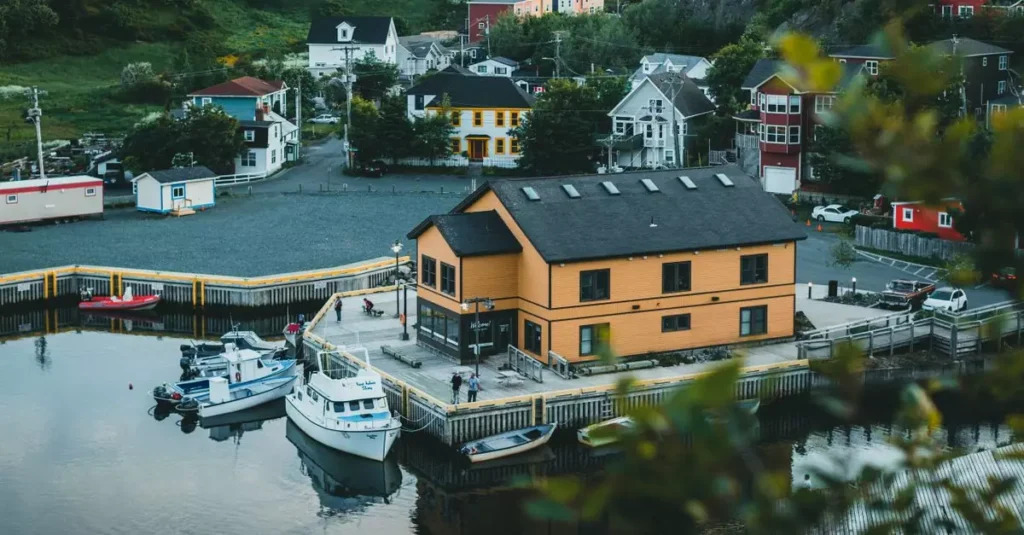
Beyond the vibrant energy of St. John’s, the true soul of Newfoundland and Labrador resides in its picturesque Newfoundland small towns. These coastal communities provide a unique glimpse into the island’s rich heritage, stunning natural beauty, and a way of life that emphasizes genuine connection. If you’re seeking an authentic travel experience away from the typical tourist paths, this guide will help you uncover the charm and allure of these captivating villages.
You’ll discover the unique cultural traditions found in these hamlets, the breathtaking coastal landscapes that define them, and the peaceful atmosphere that makes them ideal for a restorative escape. We’ll also highlight some of the most enchanting towns to visit, offering practical tips for planning your road trip, including the best routes, transportation options, seasonal considerations, and must-try local foods. Prepare to be captivated by the warmth of Newfoundland’s people and the rugged beauty of its shores.
Why Choose Newfoundland’s Quaint Villages for Your Next Escape?

When planning a trip to Newfoundland and Labrador, the vibrant capital of St. John’s often takes center stage. However, the true heart of this island province beats in its countless small coastal communities. These charming villages offer a more intimate encounter with the island’s rich culture, stunning landscapes, and a pace of life that encourages genuine connection. Opting for these smaller locales provides an authentic experience far removed from the usual tourist trail.
Experiencing Authentic Newfoundland Culture Beyond St. John’s
Newfoundland’s small towns are living museums of its unique heritage. Here, you can witness traditions firsthand, from lively kitchen parties filled with traditional music and storytelling to everyday interactions that showcase the famed Newfoundland hospitality. Unlike the more curated experiences in larger cities, life in these hamlets unfolds organically. Engage with local fishermen, visit community craft shops, and listen to stories passed down through generations. This direct immersion offers profound insight into what makes Newfoundland culture so distinct.
Many of these communities are accessible via scenic drives along the Trans-Canada Highway or localized coastal routes. Planning your route in advance is essential, as public transportation options between smaller villages are limited. Renting a car is highly recommended for the flexibility to stop and soak in the breathtaking scenery, which often includes dramatic cliffs, rolling hills, and the ever-present Atlantic Ocean.
The Allure of Coastal Living in Newfoundland’s Hamlets
The defining characteristic of many Newfoundland small towns is their intimate relationship with the sea. Perched on rugged coastlines, these villages provide unparalleled views and a constant soundtrack of crashing waves. Waking up to the sight of fishing boats heading out to sea or watching icebergs drift by in spring nourishes the soul. The crisp air carries the scent of salt and pine, while sunsets over the water are often spectacular.
These coastal hamlets are not just picturesque; they are active fishing communities. Witnessing the daily rhythm of life tied to the ocean offers a fascinating glimpse into a resilient way of living. Many towns provide boat tours, allowing visitors to see puffins, whales, and the dramatic coastline from the water. For those seeking tranquility, the sound of the ocean and the vast, open horizons of Newfoundland’s coast are incredibly restorative.
Finding Peace and Quiet in Newfoundland’s Undiscovered Gems
For travelers seeking respite from the bustle of modern life, Newfoundland’s smaller settlements offer an unmatched sense of peace. Here, time seems to slow down, allowing for mindful observation and genuine relaxation. The unhurried pace encourages visitors to disconnect from digital distractions and reconnect with nature. The lack of large crowds means you can often enjoy breathtaking vistas and charming streets almost entirely to yourself.
These communities are ideal for those who appreciate quiet contemplation, scenic walks, and the simple beauty of natural landscapes. Whether it’s a quiet afternoon spent reading by the sea or a leisurely stroll through a village where friendly waves are common, the tranquility is palpable. Exploring these lesser-known spots provides a chance to discover hidden coves, unique geological formations, and a profound sense of calm that is increasingly rare in our busy world. For a broader perspective on the island’s geography, exploring resources on North America can provide context to its vastness.
Top Small Towns in Newfoundland to Explore

Newfoundland and Labrador is a province rich with picturesque coastal villages and unique cultural experiences. For travelers seeking authentic encounters and stunning scenery, exploring its charming small towns offers a deeper connection to the island’s spirit. These communities, often found along dramatic coastlines, reveal traditional ways of life, a thriving arts scene, and some of the most breathtaking natural wonders in North America.
Trinity: A Historic Gem on the Bonavista Peninsula
Trinity, located on the Bonavista Peninsula, is a meticulously preserved historic town that transports visitors back in time. Its well-maintained saltbox houses, narrow streets, and picturesque harbor evoke a strong sense of the region’s maritime past. The town played a significant role in Newfoundland’s fishing industry and early European settlement, evident in its numerous heritage sites.
The Trinity Historical Society manages several key attractions, including the Ryan Premises National Historic Site, which showcases the history of the fishing and merchant class. As you walk through the town, you’ll hear the waves, smell the salt air, and see colorful fishing boats bobbing in the harbor. The nearby Skerwink Trail offers spectacular coastal views and is a must-do for hikers.
Logistics for Trinity:
- Best Time to Visit: July and August offer the warmest weather and longest daylight hours. The shoulder seasons (June and September) are quieter with fewer crowds.
- Getting There: Trinity is accessible by car from St. John’s (approximately a 3-hour drive).
- Accommodation: Options range from charming bed and breakfasts to cozy inns. Booking in advance is recommended during peak season.
Fogo Island: Unique Art, Culture, and Dramatic Landscapes
Fogo Island stands apart with its striking contemporary architecture, deeply rooted traditions, and rugged, otherworldly landscapes. This remote island, located off the northeast coast, has gained international recognition for its innovative arts community, particularly the Fogo Island Inn, a marvel of modern design offering unparalleled views of the North Atlantic.
Beyond the renowned inn, Fogo Island is home to seven distinct communities, each with its own character and history. Visitors can experience the island’s artistic spirit at the numerous artist studios and workshops scattered across the area. The dramatic coastline, characterized by vast expanses of rock, crashing waves, and unique geological formations, provides a stunning backdrop for exploration.
Fogo Island Highlights:
- Art & Culture: Visit the Fogo Island Inn’s studios, explore local craft shops, and engage with the island’s vibrant arts scene.
- Nature: Hike the island’s trails, witness breathtaking sunsets, and look out for whales and icebergs during migration seasons.
- Getting Around: A car is essential for navigating the island’s various communities.
Twillingate: The Iceberg Capital of the World
Twillingate, often hailed as the “Iceberg Capital of the World,” offers an unparalleled opportunity to witness these majestic natural wonders. From late May to early July, massive icebergs calve from Greenland’s glaciers and drift south along the coast, creating an unforgettable spectacle. The town’s elevated vantage points provide prime viewing locations.
The town itself is a classic Newfoundland fishing community with a friendly atmosphere and stunning coastal scenery. Boat tours are the most popular way to get up close to the icebergs and often provide sightings of whales and seabirds. Beyond iceberg season, Twillingate remains a beautiful destination for its scenic drives, hiking trails, and the opportunity to experience local culture.
Experiencing Twillingate:
- Iceberg Season: Late May to early July is prime time, but sightings can occur earlier or later.
- Activities: Iceberg boat tours, whale watching excursions, hiking the Spillar’s Cove Trail, and visiting the Long Point Lighthouse.
- Budget Considerations: Boat tours can be a significant expense, but accommodation and dining options are often reasonably priced.
Change Islands: Remote Beauty and Traditional Ways of Life
For a truly off-the-beaten-path experience, the Change Islands offer a serene escape and a window into traditional Newfoundland life. Accessible by ferry from Farewell, these islands are characterized by their quiet harbors, colorful houses, and a palpable sense of community. The pace of life here is slow, allowing visitors to unwind and connect with their surroundings.
The islands are known for their rich history of boat building and traditional crafts, particularly the intricate art of “Newfoundland hooked rugs.” Visitors can meet local artisans and learn about these heritage skills. The natural beauty of the Change Islands is understated but profound, with opportunities for coastal walks and observing local wildlife. This destination appeals to travelers seeking tranquility and an authentic glimpse into island living.
Planning Your Road Trip Through Newfoundland’s Small Towns

Embarking on a journey to discover the charm of Newfoundland’s small towns requires thoughtful planning, particularly regarding the island’s expansive coastline and unique travel rhythms. A road trip offers unparalleled freedom to explore, but efficient routes, reliable transportation, and timing are essential for a rewarding experience.
Best Routes for Exploring Newfoundland’s Coastal Drives
Newfoundland’s coastline is a tapestry of dramatic cliffs, picturesque fishing villages, and welcoming communities, with several routes offering exceptional scenic drives. The Viking Trail (Route 430) on the Great Northern Peninsula is a must for its rugged beauty and access to L’Anse aux Meadows, a UNESCO World Heritage site. For a taste of the island’s Irish heritage, explore the Discovery Trail along the Bonavista Peninsula, passing through towns like Trinity and Bonavista. The Irish Loop, south of St. John’s, provides stunning coastal vistas and opportunities to spot whales and puffins.
Consider a circular route starting and ending in St. John’s, incorporating segments of these major drives. For instance, head north along the Discovery Trail, then west toward the Viking Trail, and return south via the Trans-Canada Highway, weaving in coastal detours as time allows. Many of these routes are well-maintained, but be prepared for winding roads and varying conditions, especially outside of peak summer.
Getting Around: Car Rentals and Ferry Schedules
A rental car is nearly essential for exploring Newfoundland’s small towns at your own pace. Book your vehicle well in advance, especially if traveling during the summer months, as availability can be limited. Keep in mind that Newfoundland is a large island, and distances between towns can be significant. Factor in fuel costs and the availability of gas stations, which can be sparse in more remote areas.
If you are arriving from mainland North America, you will need to take a ferry. Marine Atlantic operates ferry services from North Sydney, Nova Scotia, to Port aux Basques and Argentia, Newfoundland. It is crucial to book your ferry crossing and vehicle space well ahead of time, especially for popular travel dates. Ferry schedules can be affected by weather, so always check for updates.
| Departure Port | Arrival Port | Duration (approx.) | Frequency (Summer) | Booking Advice |
|---|---|---|---|---|
| North Sydney, NS | Port aux Basques, NL | 7-8 hours | Daily | Book 3-6 months in advance for vehicle space |
| North Sydney, NS | Argentia, NL | 16-18 hours | 3-4 times/week | Book 3-6 months in advance for vehicle space |
When is the Ideal Time to Visit Newfoundland’s Small Towns?
The best time to visit Newfoundland’s small towns generally falls between June and September, when the weather is mildest and most outdoor activities are available. July and August offer the warmest temperatures and are peak season for whale watching and puffin viewing. This period also sees the most festivals and community events.
However, traveling in the shoulder seasons of late May to early June and September to early October can provide a more tranquil experience with fewer crowds and potentially lower accommodation prices. Be aware that spring can still bring unpredictable weather, including late snowfalls in some regions, while autumn can see cooler temperatures and earlier sunsets. Regardless of when you visit, packing layers is essential, as Newfoundland weather can change rapidly.
What Are the Must-Try Local Foods in Newfoundland Small Towns?

Exploring Newfoundland’s charming small towns offers a culinary journey as rich and diverse as its landscape. Local food is a cornerstone of the island’s culture, deeply tied to its history and the bounty of the sea and land. From hearty, traditional meals to the freshest catches, your taste buds are in for a treat.
Savoring Fresh Seafood: Cod, Lobster, and More
Given its island geography, it’s no surprise that seafood reigns supreme in Newfoundland. The waters surrounding the province teem with an incredible variety of fish and shellfish, and small towns often boast the freshest, most expertly prepared versions. Salt cod, a staple for centuries, is prepared in numerous ways, from pan-fried with scrunchions (fried pork fat) to being the base of savory fish cakes.
Lobster season, typically from April to July, brings an abundance of sweet, succulent lobster. Many coastal communities host lobster suppers, where you can enjoy whole boiled lobsters, often served with melted butter and traditional sides. Keep an eye out for other local catches like scallops, mussels, and haddock, all prepared with a simple, fresh approach that lets the natural flavors shine. Dining in these communities often means eating fish that was likely caught that very morning.
Experiencing Traditional Newfoundland Jiggs Dinner
No culinary exploration of Newfoundland is complete without experiencing a Jiggs Dinner. This traditional Sunday meal is a hearty, one-pot wonder that embodies the island’s resourcefulness and community spirit. It typically features salted beef or corned beef, boiled with root vegetables like potatoes, carrots, turnips, and cabbage.
The preparation is as important as the ingredients. The salted meat is boiled first, then the vegetables are added in stages to ensure they cook perfectly. Often, a side of gravy made from the cooking liquid and a dollop of butter is served alongside. Many local restaurants and bed and breakfasts in Newfoundland small towns will offer Jiggs Dinner, especially on Sundays, providing an authentic taste of island home cooking. It’s a comforting and filling meal, perfect after a day of sightseeing.
Sampling Local Delicacies: Toutons and Brewis
Beyond the more well-known dishes, Newfoundland’s small towns offer unique local delicacies worth seeking out. Toutons are a must-try. These are essentially fried dough, often made from leftover bread dough, pan-fried until golden brown and slightly crispy. They are typically served warm for breakfast, often with molasses or syrup, and are a beloved comfort food.
Brewis is another traditional dish, historically a way to make dried salted cod last. It involves rehydrating salted cod and then layering it with hard bread (a hard, ship’s biscuit) and often salted pork fat or scrunchions. While it might sound simple, the combination of textures and the rich, savory flavor is uniquely Newfoundland. You might find variations of these dishes served in local diners or at community events, offering a genuine taste of the island’s culinary heritage.
Unique Activities and Hidden Gems in Newfoundland’s Villages

Newfoundland’s coastal villages offer a wealth of unique experiences, from observing marine life to immersing yourself in local artistry. These destinations provide a deeper connection to the island’s rugged beauty and rich cultural heritage. Planning your visit around specific activities can enhance your journey through these charming Newfoundland small towns.
Whale Watching Tours from Twillingate
Twillingate, known as the “Iceberg Capital of the World,” also boasts exceptional opportunities for whale watching. From late spring through early fall, humpback, minke, and fin whales frequent the waters just offshore. Several local operators offer boat tours that depart from the town’s harbor, providing close-up views of these magnificent creatures.
Many tours also include opportunities to spot puffins and other seabirds. It’s advisable to book your tour in advance, especially during peak season (July and August), as spots can fill quickly. Dress in warm layers, as the ocean breeze can be chilly even on sunny days.
Hiking the Skerwink Trail near Trinity
The Skerwink Trail, located near the historic town of Trinity, is a must-do for hikers. This moderate 5.3-kilometer loop offers breathtaking coastal vistas, dramatic cliffs, and stunning ocean panoramas. The trail is well-maintained and features boardwalks and bridges, making it accessible for most fitness levels.
The trail’s name comes from the “skerwink,” a type of seabird, and you’re likely to see a variety of marine and bird life during your hike. Allow at least two to three hours to complete the trail, giving you ample time to stop and appreciate the scenery. The best time to visit is during the summer months for clear views and milder weather.
Exploring the Fogo Island Inn and Artist Studios
Fogo Island Inn is more than just a luxurious accommodation; it’s a community-focused enterprise that has revitalized its namesake island. Visitors can arrange tours of the Inn to appreciate its unique architecture and commitment to local culture. The Inn also supports numerous artist studios scattered across the island, which are open for exploration.
These studios showcase the work of local painters, sculptors, and craftspeople. Visiting them offers a chance to meet the artists and purchase authentic Newfoundland art. Getting to Fogo Island involves a ferry crossing from Farewell, and it’s recommended to book accommodations and ferry tickets well in advance.
Discovering Local Artisan Shops and Craft Stores
Throughout Newfoundland’s small towns, you’ll find an abundance of artisan shops and craft stores brimming with unique, handmade goods. These shops are perfect places to find souvenirs that truly reflect the local culture and creativity. Look for items such as hand-knitted wool sweaters, pottery, local jams and preserves, and handcrafted jewelry.
Towns like Bonavista, Port Rexton, and Change Islands have notable selections of these shops. Engaging with the artisans and shopkeepers provides insight into their craft and the inspiration behind their work. Supporting these local businesses directly contributes to the economic well-being of these close-knit communities.
Frequently Asked Questions About Visiting Newfoundland Small Towns
What is the best way to get to Newfoundland’s small towns?
Reaching the charming small towns scattered across Newfoundland requires a multi-modal approach. Most visitors fly into Deer Lake Regional Airport (YDF) or St. John’s International Airport (YYT). From there, renting a car is highly recommended for flexibility, as public transportation between these often remote coastal villages is limited. This allows you to experience the scenic drives and stop at viewpoints at your own pace. Ferries also connect mainland North America to Newfoundland, primarily from North Sydney, Nova Scotia, to Port aux Basques.
| Arrival Airport | Typical Flight Time (from Toronto) | Car Rental Availability |
|---|---|---|
| Deer Lake (YDF) | ~4 hours | Good |
| St. John’s (YYT) | ~4.5 hours | Excellent |
Are Newfoundland small towns family-friendly?
Yes, Newfoundland’s small towns are generally very family-friendly. The pace of life is slower, and locals are known for their welcoming nature. Many coastal villages offer safe, scenic environments for children to explore. Activities like whale watching tours, exploring tide pools, and short, accessible hikes are popular with families. You’ll find a strong sense of community that extends to visitors, making it a comfortable destination for those traveling with children.
What should I pack for a trip to Newfoundland’s coastal villages?
Packing for Newfoundland’s coastal villages requires preparation for variable weather, even in summer. Layers are key. Bring a waterproof and windproof jacket, as conditions can change rapidly. Comfortable walking shoes are essential for exploring rugged coastlines and village streets. Don’t forget warm sweaters or fleeces, long pants, and perhaps a hat and gloves, especially for early morning or evening excursions. Insect repellent is also advisable, particularly during the warmer months.