Colombia’s vibrant culture, stunning landscapes, and diverse experiences make it an increasingly popular travel destination. Whether you’re drawn to the colonial charm of its coastal cities, the lush greenery of its coffee region, or the ancient mysteries of its archaeological sites, this South American gem offers something for every traveler. While planning a trip can feel overwhelming with so many incredible options, understanding the best Colombia destinations for your interests will help you craft an unforgettable itinerary.
This guide explores top spots for culture enthusiasts, adventure seekers, and nature lovers. You’ll find essential information on when to visit each region, how to get around efficiently, and authentic culinary delights beyond the usual tourist fare. Prepare to uncover the magic of Colombia and discover the perfect places to explore in 2026.
Top Colombia Destinations for Culture & History Buffs
For travelers drawn to the echoes of the past and the vibrant pulse of local artistry, Colombia offers a rich tapestry of experiences. From ancient archaeological sites to beautifully preserved colonial cities and bustling artistic hubs, these destinations provide deep dives into the nation’s multifaceted heritage. Understanding the best Colombia destinations for cultural immersion is key to planning an unforgettable journey.
Exploring the Colonial Charm of Cartagena’s Walled City
Cartagena’s historic walled city is a UNESCO World Heritage site that transports visitors back to the Spanish colonial era. Its colorful buildings, ornate balconies, and cobblestone streets create an atmosphere unlike any other in South America. Walking through these ancient ramparts, you can almost hear the tales of pirates and conquistadors.
The city’s history is palpable, from the formidable Castillo de San Felipe de Barajas, which defended the port, to charming plazas like Plaza Santo Domingo, where street artists and vendors add to the lively ambiance. Exploring the Getsemaní neighborhood, just outside the walls, reveals a bohemian side with vibrant street art and trendy cafes.
Traveler Tips for Cartagena:
- Best Time to Visit: December to April offers dry, sunny weather, though it’s also peak tourist season. Shoulder seasons (May-June, September-November) can provide a balance of pleasant weather and fewer crowds.
- Getting Around: The walled city is best explored on foot. Taxis are readily available for longer distances.
- Accommodation: Options range from luxury boutique hotels within historic buildings to charming guesthouses.
- Budget: Cartagena can be pricier than other Colombian cities, especially within the walled city.
Discovering Pre-Columbian Treasures in San Agustín Archaeological Park
For those fascinated by ancient civilizations, San Agustín Archaeological Park in the Huila department is a must-visit. This UNESCO World Heritage site is home to the largest collection of religious monuments and megalithic sculptures in South America. The mysterious stone figures, carved by an unknown pre-Columbian culture, stand sentinel across rolling hills, their origins and purpose still debated by archaeologists.
The park is divided into several sites, including the Main Park, La Chaquira, El Tablón, and La Pelota. Each offers a unique perspective on the artistry and spiritual beliefs of the people who inhabited this region centuries ago. The journey to San Agustín is scenic, winding through the Colombian countryside.
Logistics for San Agustín:
- Getting There: The nearest major airport is in Neiva (NEI), followed by a bus or private transfer to San Agustín town (approximately 3-4 hours).
- Exploring the Park: Hiring a local guide is highly recommended to understand the significance of the statues and navigate the extensive grounds. Horseback riding tours are also popular for accessing more remote sites.
- When to Go: The dry season (June to September) is generally preferred for easier travel, though the landscape remains lush year-round.
- Budget Considerations: Entrance fees to the park are reasonable, and local accommodations and food offer good value.
Immersing in the Artistic Heart of Bogotá’s La Candelaria Neighborhood
Bogotá’s La Candelaria is the city’s historic center and a vibrant hub for art, culture, and history. Its narrow, cobblestone streets are lined with colonial architecture, many transformed into museums, galleries, theaters, and colorful street art murals. The neighborhood buzzes with creative energy, from street performers to the aroma of freshly brewed Colombian coffee wafting from cafes.
Key cultural attractions include the Botero Museum, showcasing the works of Colombia’s most famous artist, Fernando Botero, alongside pieces from his personal collection. The Gold Museum (Museo del Oro) houses an unparalleled collection of pre-Hispanic gold artifacts, offering a glimpse into the region’s rich past. Exploring the Plaza de Bolívar, the city’s main square, provides a sense of Bogotá’s historical and political significance.
Navigating La Candelaria:
- Getting Around: This neighborhood is highly walkable. For longer distances within Bogotá, the TransMilenio bus system is efficient, or taxis and ride-sharing apps are available.
- Safety: Like any major city, it’s advisable to be aware of your surroundings, especially at night. Stick to well-lit areas and be mindful of your belongings.
- Art Tours: Many companies offer guided street art tours, an excellent way to discover hidden murals and understand their social and political context.
- Accommodation: La Candelaria offers a wide range of hostels, boutique hotels, and guesthouses, catering to various budgets.
Adventure & Nature: Unforgettable Colombian Escapes
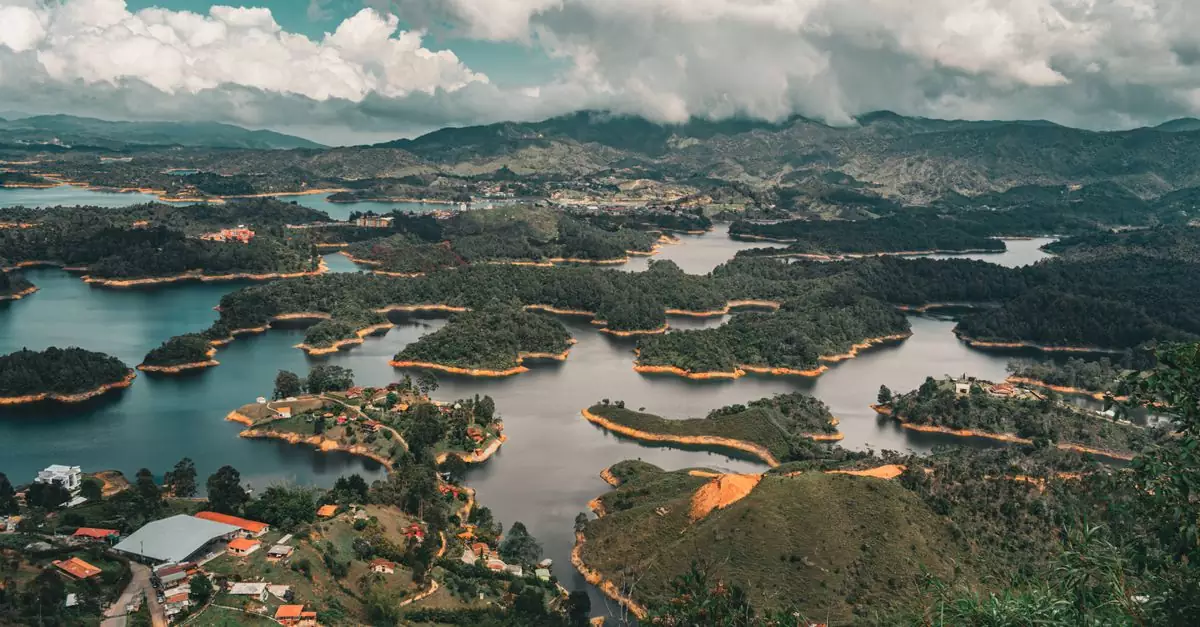
Colombia’s dramatic landscapes offer a playground for outdoor enthusiasts, from ancient trekking routes to vibrant coastal parks. These destinations promise immersive experiences for those seeking to connect with nature and history.
Trekking to the Lost City (Ciudad Perdida) from Santa Marta
Embarking on the trek to the Lost City, or Ciudad Perdida, is a quintessential Colombian adventure. This ancient indigenous city, predating Machu Picchu, is accessible only by a multi-day hike through dense jungle. The trails can be challenging, often muddy and steep, requiring good physical condition.
Most tours depart from Santa Marta, a coastal city that serves as the gateway to the Sierra Nevada de Santa Marta mountains. Travelers typically choose between 4-day or 5-day expeditions, each including meals and accommodation in basic jungle camps. It’s crucial to book with a reputable tour operator, as they handle logistics, guides, and permits.
The journey involves river crossings, ascents up thousands of stone steps, and nights spent listening to the sounds of the rainforest. Reaching the stone terraces of the Lost City, shrouded in mist, is a rewarding experience that connects you with pre-Columbian history. Pack light, bring insect repellent, and prepare for a physically demanding but fulfilling trip.
Exploring the Coffee Region’s Lush Landscapes and Haciendas
The Eje Cafetero, or Coffee Region, is a UNESCO World Heritage site renowned for its rolling green hills, vibrant fincas (coffee farms), and charming towns like Salento and Filandia. This region offers a gentler pace and a chance to immerse yourself in coffee production culture. Visitors can tour working coffee plantations, learning about the bean-to-cup process and enjoying freshly brewed coffee.
Beyond coffee, the area boasts stunning natural beauty. The Cocora Valley, near Salento, is famous for its towering wax palms, Colombia’s national tree, set against a backdrop of mist-covered mountains. Hiking or horseback riding through the valley provides breathtaking views. The towns themselves are picturesque, with colorful architecture and a relaxed atmosphere.
Getting around the Coffee Region is relatively easy. Jeep Willys, iconic open-air vehicles, are a common and scenic way to travel between towns and attractions. Accommodation ranges from cozy guesthouses in town to luxurious stays at restored coffee haciendas, offering a unique glimpse into the region’s heritage. This area is ideal for travelers interested in culture, scenic landscapes, and a taste of rural Colombian life.
Marveling at the Unique Ecosystems of Tayrona National Natural Park
Tayrona National Natural Park, situated on the Caribbean coast near Santa Marta, is a sanctuary of biodiversity where the jungle meets the sea. Its pristine beaches, clear turquoise waters, and lush tropical rainforest create a stunning environment. The park is home to diverse wildlife, including monkeys, iguanas, and numerous bird species.
Accessing Tayrona involves a combination of bus or taxi from Santa Marta to the park entrance, followed by hiking trails that lead to its famous beaches like Cabo San Juan and La Piscina. Some trails can be steep and humid, so comfortable walking shoes and plenty of water are essential. Boat transport is also available to certain areas within the park, offering a quicker way to reach specific beaches.
Visitors can choose to stay overnight within the park in eco-habs, hammocks, or campsites, allowing for extended immersion in its natural beauty. It’s advisable to book accommodations in advance, especially during peak seasons. Remember to respect the park’s rules, such as not bringing single-use plastics, to help preserve its delicate ecosystems. Tayrona offers a tropical paradise experience, perfect for beach lovers and nature enthusiasts.
Best Time to Visit Colombia’s Diverse Regions
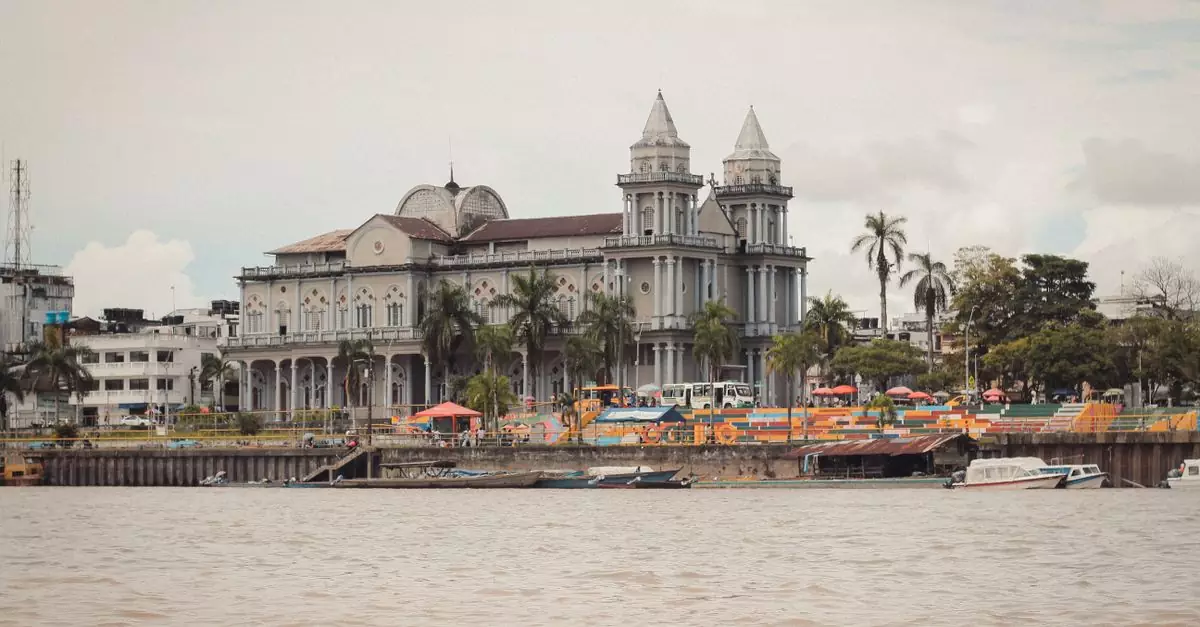
Colombia’s varied geography means its weather patterns differ significantly across the country. Understanding these regional climates is key to planning your trip and enjoying the best of the best Colombia destinations. While there isn’t one single “best” time for the entire country, you can optimize your visit by considering the dry and rainy seasons specific to the regions you plan to explore.
Navigating Colombia’s Weather: Dry Seasons vs. Rainy Seasons
Colombia generally experiences two main seasons: dry and rainy. However, the timing and intensity of these seasons vary depending on altitude and proximity to the coast. The dry seasons, typically December to March and July to August, offer more sunshine and are popular for travel. The rainy seasons, April to June and September to November, can bring heavier downpours, especially in mountainous areas, but often result in lush landscapes and fewer crowds. Always check the specific forecast for your chosen destinations, as microclimates are common. For a broader understanding of regional variations across the continent, consider this overview of South America’s diverse climates.
When to Experience the Caribbean Coast’s Sunshine
The Caribbean coast, home to vibrant cities like Cartagena and Santa Marta, enjoys a tropical climate year-round. The driest and sunniest months are typically December through April. During this period, expect high temperatures and minimal rainfall, making it ideal for beach activities, exploring colonial architecture, and island hopping to places like the Rosario Islands. May and June can see increased humidity and occasional showers, while September and October are often the wettest months. Visiting outside the peak dry season can offer lower prices and fewer tourists, provided you’re prepared for potential rain.
Optimal Months for Exploring the Andes and Coffee Zone
The Andean region, including cities like Medellín and Bogotá, and the picturesque Coffee Zone (Eje Cafetero), experiences a more temperate climate influenced by altitude. The driest periods are generally December to March and July to August. These months offer pleasant temperatures for hiking, visiting coffee fincas, and exploring charming towns like Salento. The shoulder months of April-May and October-November can be wetter, with frequent afternoon showers. Bogotá, being at a high altitude, remains cool year-round, but its dry spells are the most reliable for sightseeing.
Here’s a quick look at typical weather patterns by region:
| Region | Dry Season Months | Rainy Season Months | Typical Conditions |
|---|---|---|---|
| Caribbean Coast | December – April | May – November | Hot, humid; rain more frequent Sep-Oct |
| Andes/Coffee Zone | Dec – Mar & Jul – Aug | Apr – Jun & Sep – Nov | Mild to cool; frequent afternoon showers possible |
| Amazon Rainforest | Varies; generally drier | Varies; generally wetter | Hot, humid year-round; river levels fluctuate |
Getting Around Colombia: Transportation Options for Travelers
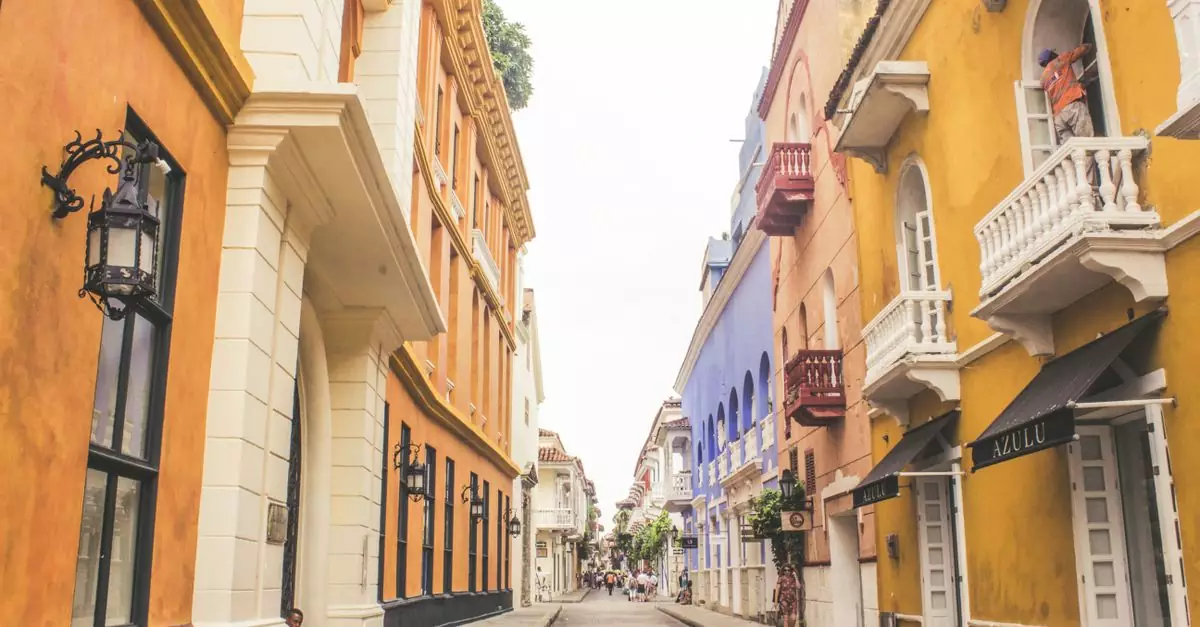
Navigating Colombia offers diverse experiences, from high-speed flights connecting bustling metropolises to scenic bus journeys winding through Andean landscapes. Understanding these options is key to unlocking the best Colombia destinations and crafting an efficient itinerary.
Domestic Flights: Connecting Major Colombian Cities Quickly
For travelers aiming to cover significant distances or maximize time in popular spots like Bogotá, Medellín, or Cartagena, domestic flights are the most efficient choice. Airlines such as Avianca, LATAM Colombia, and Wingo operate frequent routes. Booking in advance, especially during peak travel seasons, can secure better fares.
Consider flying between major hubs to save valuable travel days. For instance, a flight from Bogotá to the Caribbean coast can be as short as 1.5 hours, compared to a 20-hour bus ride, making multi-city trips far more feasible.
Bus Travel in Colombia: Scenic Routes and Budget-Friendly Options
Bus travel remains a cornerstone of transportation for many exploring Colombia, offering a more immersive and budget-conscious way to see the country. Long-distance buses are generally comfortable, with various service classes available, including executive and luxury options that provide more legroom and amenities. Companies like Expreso Bolivariano, Flota La Macarena, and Cootranstol are well-regarded.
The journeys can be long but often incredibly scenic, passing through coffee regions, cloud forests, and coastal plains. For example, the route from Salento to Medellín showcases some of the most picturesque parts of the Eje Cafetero (Coffee Axis). It’s advisable to book tickets at reputable bus terminals or through online platforms a day or two in advance, particularly for popular routes.
| Route Example | Approximate Travel Time | Estimated Cost (USD) | Notes |
|---|---|---|---|
| Bogotá to Salento | 7-9 hours | $20 – $35 | Scenic route through coffee country |
| Medellín to Cartagena | 18-22 hours | $40 – $60 | Long journey, consider overnight travel |
| Cali to Popayán | 3-4 hours | $10 – $20 | Direct route, good for accessing southern Colombia |
Navigating Local Transport in Cities like Medellín and Cali
Within major cities, public transportation systems are generally robust and affordable. Medellín boasts an integrated metro system, including cable cars (Metrocable) that offer stunning aerial views of the city and access to hillside neighborhoods—a must-do for any visitor to Medellín.
In Cali, while a metro system exists, local buses and busetas (minibuses) are more prevalent for getting around. Taxis and ride-sharing apps like Uber and Didi are widely available and offer a convenient, though slightly more expensive, way to travel. For short distances, especially in historic centers like Cartagena’s walled city, walking is often the best way to experience the atmosphere. Always agree on a fare with taxi drivers before starting your journey if the meter is not used.
Experiencing Authentic Colombian Cuisine Beyond the Tourist Trail
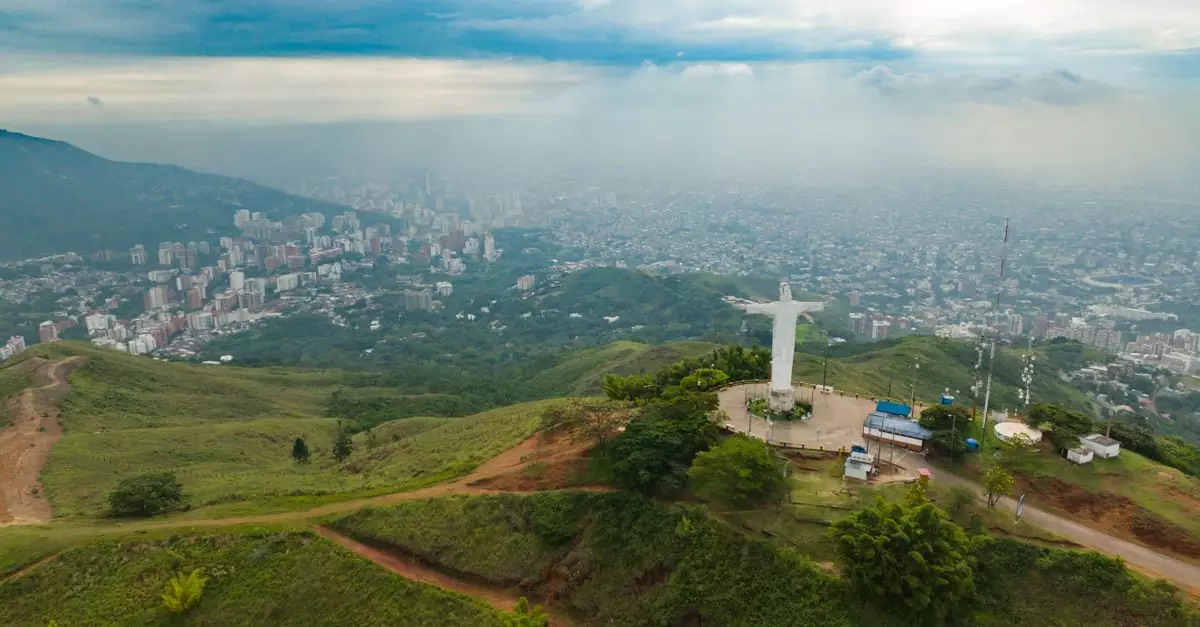
Colombia’s culinary landscape is as diverse and vibrant as its geography, offering a delicious journey for every traveler. Moving beyond the typical tourist menus reveals a world of unique flavors, from hearty regional specialties to exotic fruits and world-class coffee. Embracing local food experiences is key to understanding the country’s rich culture.
Must-Try Dishes in Medellín: Bandeja Paisa and More
In Medellín, the capital of Antioquia, the undisputed king of local cuisine is the Bandeja Paisa. This colossal platter showcases the region’s agricultural bounty and hearty appetites. It typically includes white rice, red beans, ground beef, chicharrón (fried pork belly), chorizo, fried egg, arepa (corn cake), plantain, and a small avocado. It’s a substantial meal, often best shared or enjoyed for an early lunch to fuel a day of city exploration.
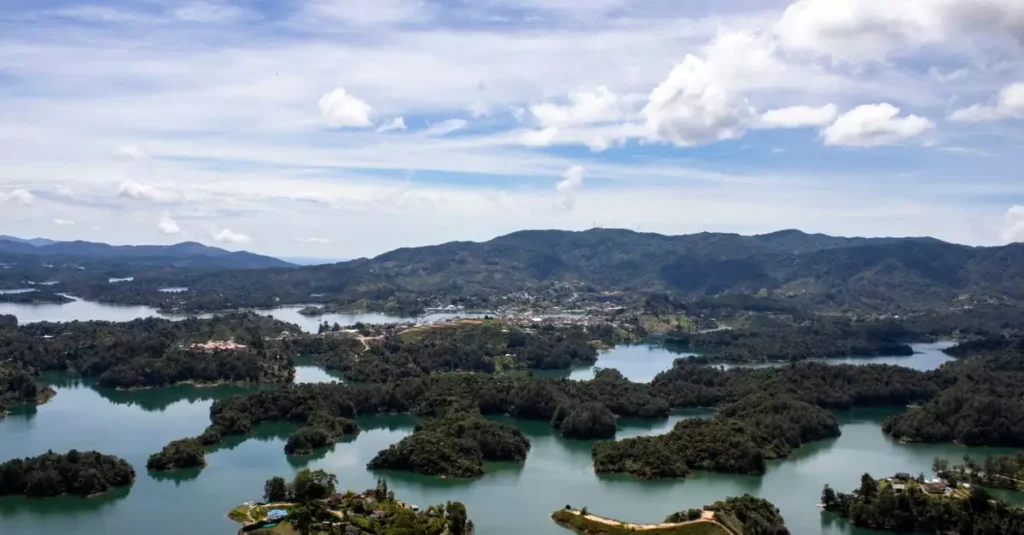
Beyond the Bandeja Paisa, Medellín offers other delights. Look for Ajiaco Antioqueño, a rich chicken soup with potatoes and corn, distinct from its Bogotá counterpart. For a lighter option, try Trucha (trout), often served grilled or fried, especially in restaurants near the Guatapé dam. Many local eateries, or comedores, offer affordable set lunches that provide an authentic taste of Paisa cooking without breaking the bank. Timing your meal for lunch, when these set menus are most common, is advisable.
Savoring Fresh Seafood on Colombia’s Pacific Coast
Colombia’s Pacific coast, a region less visited but incredibly rewarding, presents a stark contrast to the inland flavors. Here, the ocean dictates the menu, with an emphasis on incredibly fresh seafood prepared with local ingredients. Cities like Buenaventura and Nuquí are gateways to this culinary experience, though amenities can be more rustic.
The signature dish is Sancocho de Pescado, a flavorful fish stew often made with coconut milk, plantain, yuca, and a medley of aromatic herbs. Another highlight is Arroz con Camarones, a rice dish brimming with plump, locally caught shrimp. For a truly unique taste, seek out Ceviche de Concha Negra, made from black clams, which offers a briny, intense flavor unlike any other ceviche. Due to the remote nature of some coastal towns, fresh seafood is the most readily available and safest option. Transportation to these areas often involves flights to regional airports followed by boat or bus travel.
Discovering Exotic Fruits and Local Coffee Experiences
Colombia is a biodiversity hotspot, wonderfully reflected in its incredible array of exotic fruits. Traveling through any local market, such as Medellín’s Mercado Minorista or Bogotá’s Paloquemao, is an adventure for the senses. Fruits like lulo (a tangy citrus-like fruit), guanábana (soursop, with a creamy, sweet-tart flavor), maracuyá (passion fruit), and pitahaya (dragon fruit) are abundant and refreshing. Many vendors offer freshly squeezed juices or batidos (fruit smoothies), perfect for cooling down.
Of course, no discussion of Colombian flavors is complete without mentioning its world-renowned coffee. While many tourists might stick to hotel breakfasts, seeking out local coffee shops, particularly in the Coffee Axis region (including towns like Salento and Filandia), offers a deeper appreciation. Small, independent cafés often source beans directly from nearby farms, allowing you to taste distinct regional profiles. Consider a coffee farm tour to understand cultivation and processing, significantly impacting the final cup. Many tours are available for day trips from larger towns. For those exploring South America, Colombia’s coffee stands out for its quality and variety.
Frequently Asked Questions About Planning Your Colombia Trip
Is Colombia Safe for Tourists in 2026?
Colombia has made significant strides in improving safety for travelers. While it’s wise to stay informed about current conditions, most tourist areas are considered safe. Exercise common sense, be aware of your surroundings, and avoid displaying excessive wealth. Stick to well-trafficked areas, especially at night, and research specific safety advice for each destination you plan to visit. Many travelers find Colombia to be a welcoming and secure country.
What is a realistic budget for a 10-day trip to Colombia?
A realistic budget for a 10-day trip to Colombia can vary significantly based on your travel style. Budget travelers can aim for around $50-$70 USD per day, covering hostels, local eateries, and public transport. Mid-range travelers might spend $80-$150 USD per day for comfortable hotels, a mix of local and tourist restaurants, and occasional private transport. Luxury travelers could easily spend $200+ USD daily.
Here’s a general breakdown for a mid-range 10-day trip:
| Category | Estimated Cost (USD) | Notes |
|---|---|---|
| Accommodation | $400 – $700 | Mid-range hotels, boutique guesthouses |
| Food | $200 – $350 | Mix of local restaurants and cafes |
| Transportation | $150 – $250 | Domestic flights, buses, taxis |
| Activities/Tours | $200 – $400 | Entrance fees, guided tours, excursions |
| Miscellaneous | $100 – $200 | Souvenirs, tips, unexpected expenses |
| Total (10 Days) | $1,050 – $1,900 | Excludes international flights |
What are some essential items to pack for Colombia?
Packing for Colombia requires considering its diverse climates, from Caribbean coastlines to Andean highlands. Lightweight, breathable clothing is key for warmer regions. For cooler mountain areas, bring layers, including a light jacket or fleece. Comfortable walking shoes are a must, as you’ll likely do a lot of exploring on foot.
Don’t forget:
- Sun protection: Sunscreen, a hat, and sunglasses are crucial, even on cloudy days.
- Insect repellent: Especially important for coastal and jungle areas.
- Rain gear: A lightweight, packable rain jacket or poncho is useful, particularly in the afternoons.
- Adapter: Colombia uses Type A and Type B outlets, with a voltage of 110V.
- Swimsuit: For beaches, hot springs, or hotel pools.
- A small backpack: Handy for day trips and carrying essentials.
Are there specific neighborhoods to avoid in major cities?
While Colombia is generally safe for tourists, some neighborhoods in major cities are best avoided, particularly after dark. This is standard advice for many large urban centers worldwide. In Bogotá, areas far from the main tourist zones in La Candelaria, or certain peripheral districts, might not be advisable. In Medellín, while areas like El Poblado are very tourist-friendly, venturing into less developed neighborhoods without local guidance is not recommended.
Always ask your hotel or hostel staff for current advice on safe areas to visit and any specific neighborhoods to be cautious of. Researching local safety advisories before your trip can also provide valuable insights into navigating cities confidently.