The allure of the unknown draws many to explore destinations steeped in mystery and wonder. If you’re an intrepid traveler seeking experiences beyond the ordinary, uncovering the world’s best mysterious travel destinations should be high on your list. These places whisper secrets of history, present landscapes that defy easy explanation, and hold ancient legends that invite you to piece together their stories.
This article will guide you through some of the most enigmatic locales, from vast, silent geoglyphs etched into desert sands to mist-shrouded ruins perched high in the mountains. You’ll discover not only where these captivating places are but also what makes them intriguing, offering insights into their history, the theories surrounding them, and practical advice for planning your expedition into the heart of mystery. Prepare to embark on a journey that promises discovery, awe, and a profound connection with the world’s enduring enigmas.
Why Seek Out Mysterious Travel Destinations?
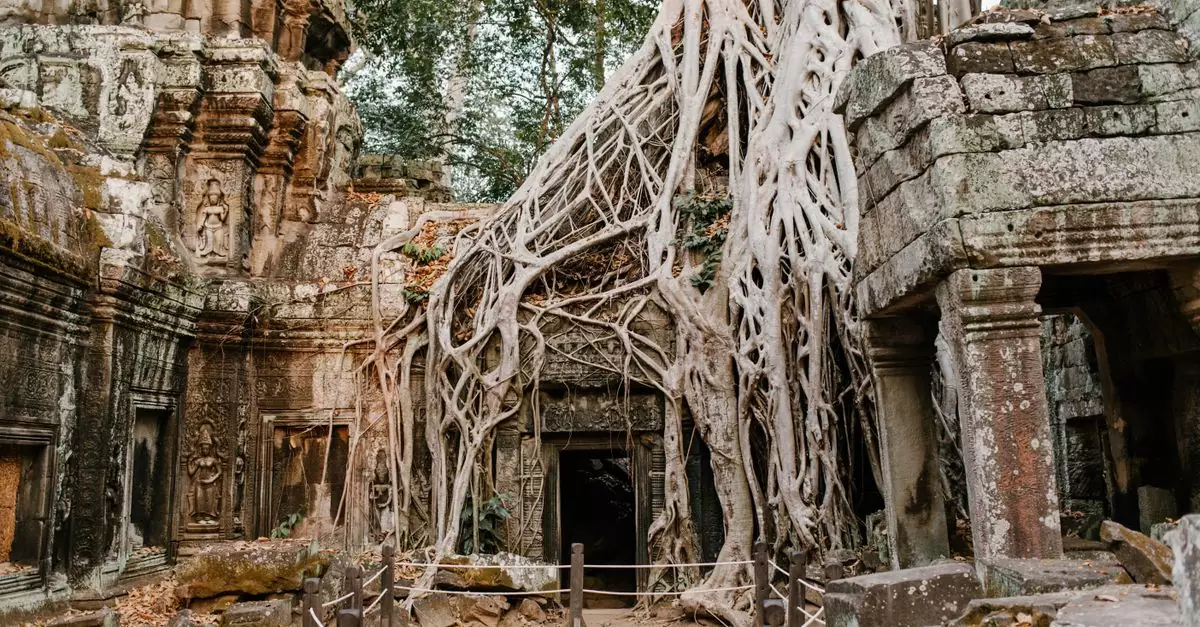
The Allure of the Unknown in Travel
For many travelers, the most compelling journeys lead to places shrouded in mystery. The draw isn’t just about seeing something new; it’s about experiencing the profound sense of wonder that arises from encountering the unexplained or historically enigmatic. These destinations offer a departure from the predictable, inviting a deeper engagement with the world and its hidden narratives. Seeking out these less-trodden paths provides a unique opportunity to connect with history, culture, and nature in ways that curated tours often miss.
Defining ‘Mysterious’ for the Modern Traveler
When we refer to the best mysterious travel destinations, we mean locations with inherent intrigue, whether due to ancient legends, geological anomalies, or histories that spark endless questions. Consider remote archaeological sites with unanswered mysteries, natural phenomena that defy easy explanation, or regions with unique cultural practices that remain largely unstudied. These places encourage personal interpretation and a spirit of inquiry, moving beyond the typical tourist checklist. For instance, the vastness of South America holds countless wonders, from the Nazca Lines to lost cities whispered about in local folklore.
The Thrill of Discovery Beyond the Tourist Trail
Modern explorers often seek experiences that feel uniquely their own, rather than shared with throngs of tourists. Mysterious destinations naturally lend themselves to this desire for authentic discovery. They often require more effort to reach, involving intricate logistics or a willingness to embrace unpredictable travel conditions. However, this effort is richly rewarded with a sense of accomplishment and a deeper appreciation for the place. Instead of merely observing, you become part of the narrative, piecing together clues and forming your understanding. This hands-on engagement with the unknown defines the appeal of venturing off the beaten path into the world’s most intriguing locales.
South America’s Most Enigmatic Landscapes: A Journey into Mystery
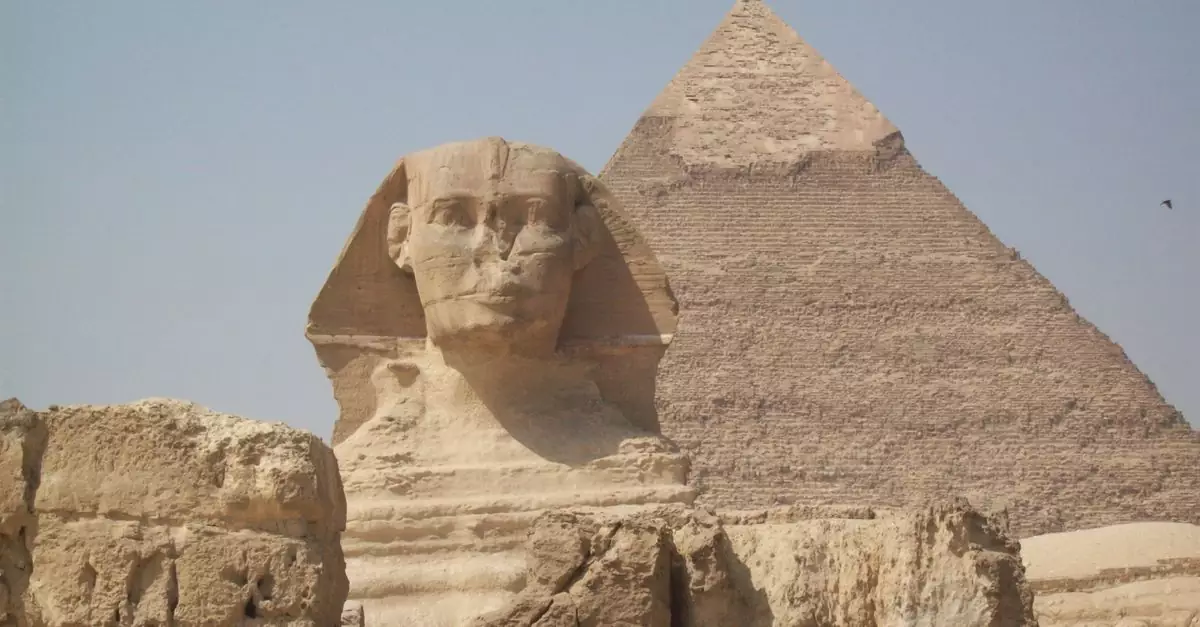
South America is a continent steeped in ancient history and natural wonders, offering a wealth of destinations that spark curiosity. For the intrepid explorer seeking the truly unexplained, the continent’s diverse landscapes hold secrets waiting to be uncovered. From vast desert etchings to mist-shrouded ruins, these locations offer a glimpse into the enigmatic past and the enduring mysteries of human civilization and nature.
Exploring the Nazca Lines: Ancient Geoglyphs in Peru
The arid plains of the Nazca Desert in southern Peru are home to an astonishing collection of geoglyphs, massive designs etched into the earth by the ancient Nazca culture between 500 BCE and 500 CE. These intricate figures, depicting animals, plants, and geometric shapes, are best appreciated from the air. Their purpose remains a subject of intense speculation, with theories ranging from astronomical calendars to ritualistic pathways.
To witness these best mysterious travel destinations firsthand, consider a flight tour from the nearby town of Nazca. The dry climate offers good visibility for most of the year, though the shoulder seasons of April-May and September-October provide more comfortable temperatures. Flights typically last 30-45 minutes and offer unparalleled views of the Condor, Hummingbird, Spider, and Monkey figures, among others. Local buses connect Nazca to Lima and Arequipa, making it accessible for those venturing through South America.
The Lost City of the Incas: Machu Picchu’s Enduring Secrets
Perched high in the Andes Mountains, Machu Picchu is perhaps the most famous Inca citadel, a UNESCO World Heritage site that continues to captivate visitors. Believed to have been built in the 15th century and later abandoned, its precise function and reasons for desertion are still debated by archaeologists. The sophisticated stonework, astronomical alignments, and breathtaking setting contribute to its aura of mystery.
Accessing Machu Picchu typically involves a train journey from Cusco or Ollantaytambo to Aguas Calientes, the town at the base of the mountain. From there, buses shuttle visitors up to the ruins. Booking tickets well in advance is crucial, especially for the popular Inca Trail trek, which requires permits months ahead. The dry season, from May to October, is the most popular time to visit, offering clear skies and less rain, though it also means larger crowds.
Journey to the Mysterious Easter Island (Rapa Nui)
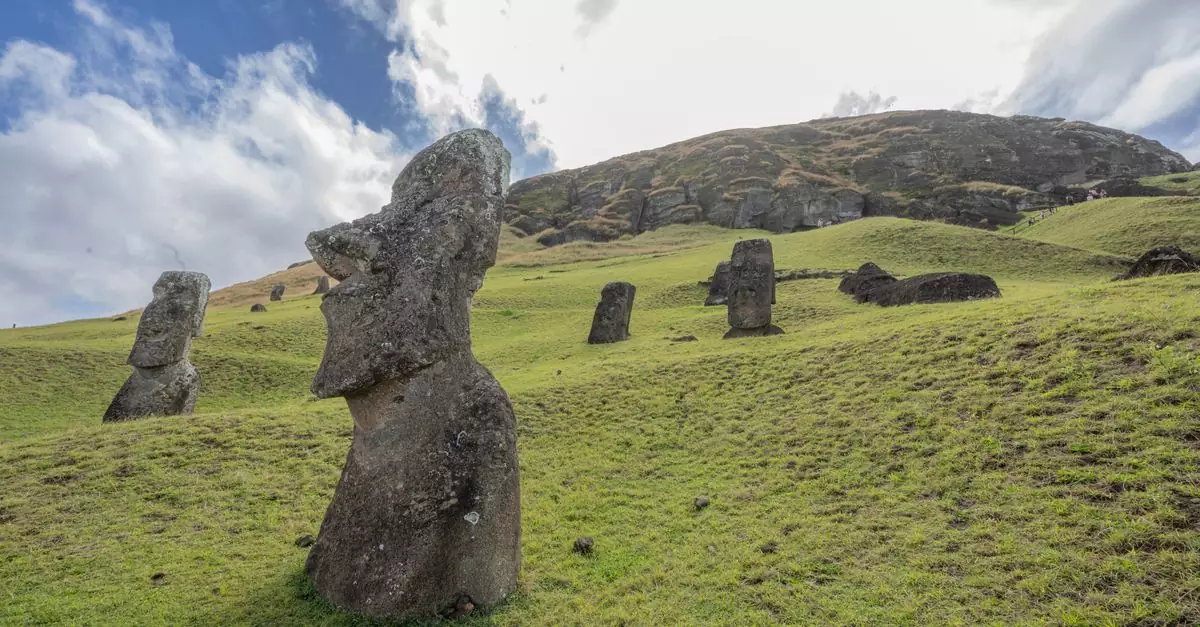
Though geographically distant from the South American mainland, Easter Island, or Rapa Nui, is politically part of Chile and a truly enigmatic destination. The island is renowned for its nearly 1,000 monumental statues, known as moai, created by the early Rapa Nui people. These colossal figures, carved from volcanic rock, stand sentinel across the island, with their origins and the methods of transport and erection still debated. The island’s history also includes evidence of societal collapse and environmental change, adding to its profound mystery.
Reaching Easter Island involves a flight from Santiago, Chile, or a less frequent route from Tahiti. The island is small enough to explore by rental car, bicycle, or guided tour. Accommodations range from hostels to boutique hotels in the main settlement of Hanga Roa. The climate is subtropical, with pleasant temperatures year-round, though the rainy season runs from May to August.
The Unexplained Phenomena of Lake Titicaca
Straddling the border of Peru and Bolivia, Lake Titicaca is the highest navigable lake in the world and a place steeped in legend and mystery. The Uros people, who live on floating islands made entirely of totora reeds, maintain a unique way of life that has fascinated visitors for centuries. Beyond the living cultures, the lake’s depths are said to hold ancient ruins and secrets, with local folklore speaking of submerged cities and mystical beings.
Visitors can access the lake from Puno in Peru or Copacabana in Bolivia. Boat tours are the primary way to experience the lake, visiting the Uros islands and the more traditional islands of Taquile and Amantani. For those interested in deeper mysteries, exploring the lake’s archaeological sites and hearing local legends adds a unique dimension to the visit. The dry season (May to October) offers sunny days and cool nights, making it the most comfortable time for travel.
| Destination | Primary Mystery | Best Time to Visit | Accessibility | Estimated Budget (USD) |
|---|---|---|---|---|
| Nazca Lines, Peru | Purpose and creation of ancient geoglyphs | April-May, Sept-Oct | Flights from Nazca; bus from Lima/Arequipa | $100-200 (flight included) |
| Machu Picchu, Peru | Original purpose and abandonment of the Inca city | May-October | Train from Cusco/Ollantaytambo; bus from Aguas Calientes | $400-800 (including transport & entry) |
| Easter Island | Construction and transport of moai statues | Year-round, less rain May-Aug | Flights from Santiago, Chile | $1500-3000+ (flights are costly) |
| Lake Titicaca | Submerged ruins, unique cultures, local folklore | May-October | Boat tours from Puno (Peru) or Copacabana (Bolivia) | $150-300 (tours & lodging) |
Beyond the Obvious: Lesser-Known Enigmatic Spots
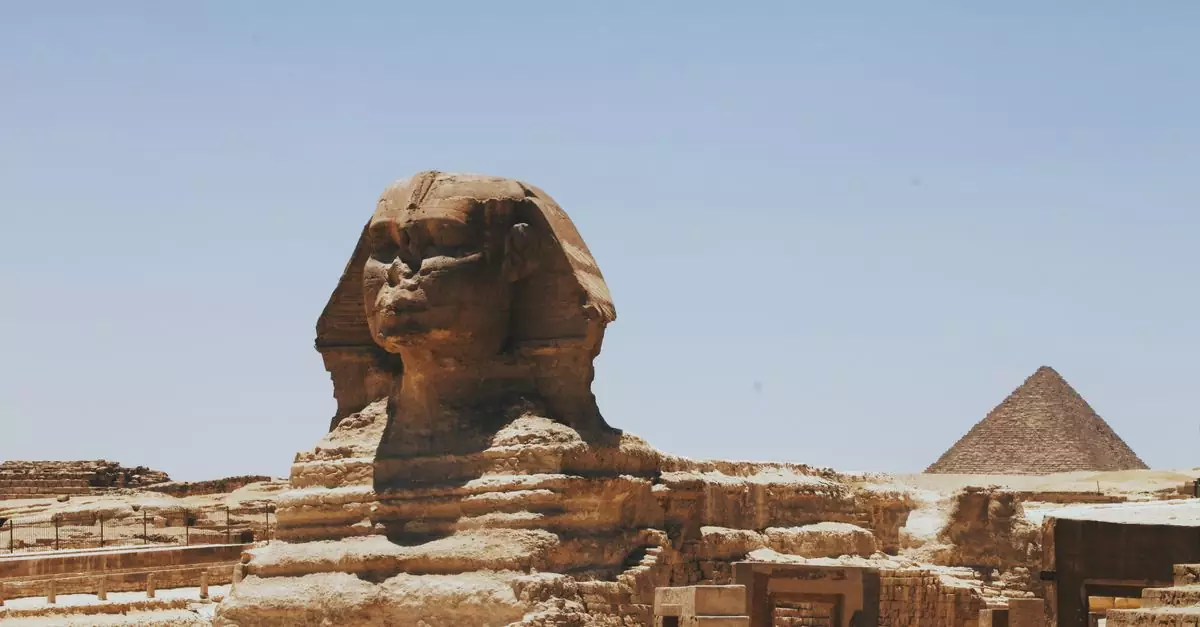
While iconic landmarks draw crowds, the truly intrepid explorer seeks destinations shrouded in mystery and less-trodden paths. Patagonia, the vast southern reaches of South America, offers a compelling start for those intrigued by the unusual. This region, known for its dramatic landscapes, also harbors geological and natural wonders that spark curiosity.
The Petrified Forests of Sarmiento, Patagonia
Deep within the Patagonian steppe, near Sarmiento in Argentina, lie ancient petrified forests. These are not mere fossilized trees but entire landscapes preserved for millennia, providing a stark glimpse into prehistoric eras. The sheer scale and preservation of these ancient woodlands are astonishing, with fossilized trunks, branches, and even leaves visible.
Visiting these forests requires some planning. Access is often via guided tours from Sarmiento, as the terrain can be challenging. The best time to visit is during the Patagonian summer (December to February) when the weather is more predictable, though winds can still be a factor. Bring sturdy hiking boots and plenty of water, as amenities are scarce.
The Surreal Landscapes of the Salar de Uyuni Salt Flats
Bolivia’s Salar de Uyuni is arguably one of the most visually arresting and enigmatic places on Earth. This immense salt flat, the world’s largest, transforms dramatically with the seasons. During the dry season (May to November), it’s a vast, blindingly white expanse that plays tricks on the eyes, offering endless photographic opportunities.
However, from December to April, a thin layer of water covers the flats, creating a mirror effect that merges the sky and ground into a seamless, ethereal panorama. This surreal environment is best experienced on a multi-day tour from Uyuni, which typically includes visits to colorful lagoons, geysers, and hot springs in the surrounding Eduardo Avaroa Andean Fauna National Reserve.
Logistics for Salar de Uyuni:
- Transportation: Most tours depart from Uyuni, accessible by bus or train from La Paz. 4×4 vehicles are essential for navigating the flats.
- Accommodation: Tours often include basic overnight stays in salt hotels or rustic refuges.
- Budget: Tours vary in length and comfort, but expect to budget around $150-$300 USD per person for a 3-day/2-night trip.
- Altitude: Uyuni is situated at a high altitude (over 11,000 feet), so acclimatization is crucial.
Discovering the ‘Devil’s Throat’ at Iguazu Falls
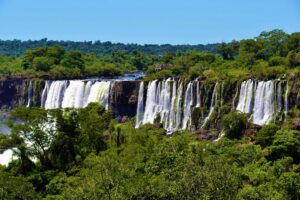
While Iguazu Falls is a well-known natural wonder, the sheer power and scale of its ‘Devil’s Throat’ (Garganta del Diablo) remain profoundly awe-inspiring and can feel like stepping into a primal force of nature. This U-shaped chasm is where the majority of the Iguazu River plunges over a cliff, creating a deafening roar and a perpetual cloud of mist.
The falls straddle the border between Brazil and Argentina, with distinct perspectives from each side. The Argentinian side offers more extensive trails that take you closer to the cataracts, including walkways that lead directly over the upper falls. Boat tours, while thrilling, can bring you right to the base of some of the smaller falls, offering a truly immersive, albeit wet, experience.
Exploring the Whispering Caves of San Lorenzo, Argentina
Hidden within the Yungas cloud forests of northern Argentina, near the town of San Lorenzo, lie a series of caves rumored to hold ancient secrets. These caves, often referred to as the “Whispering Caves,” focus less on dramatic geological formations and more on the atmosphere and local lore surrounding them. The dense, humid jungle environment itself adds to the sense of mystery.
Access to these caves can be challenging and often requires local guides familiar with the terrain and dense vegetation. The “whispering” effect is attributed to wind currents passing through the cave systems, creating an eerie soundscape. This destination is for those who appreciate a raw, untamed natural environment and enjoy uncovering hidden places. It contrasts with the vastness of the salt flats or the raw power of Iguazu Falls, offering a more intimate encounter with nature’s subtle enigmas.
Planning Your Expedition to Mysterious South American Sites
Embarking on a journey to uncover the world’s best mysterious travel destinations often leads intrepid explorers to the captivating continent of South America. This vast region, brimming with ancient ruins, hidden natural wonders, and enigmatic cultural sites, demands careful preparation. Understanding the nuances of travel here, from the best times to visit to navigating remote terrain, is crucial for a successful and enriching adventure.
Best Times to Visit for Optimal Exploration
Timing your visit to South America’s mysterious locales can significantly impact your experience. The continent’s diverse geography means weather patterns vary dramatically by region. For many remote areas, the dry season offers the most accessible and pleasant conditions.
Consider these general guidelines:
- Andes Region (e.g., Machu Picchu, Lake Titicaca): The dry season typically runs from May to October. This period offers sunny days and cooler nights, ideal for trekking and sightseeing without the heavy rains that can disrupt travel.
- Amazon Rainforest: While accessible year-round, the dry season (roughly June to November) sees lower water levels, making some areas more accessible by foot and potentially revealing more wildlife. The wet season offers a different perspective with higher rivers, enabling boat exploration of flooded forests.
- Patagonia: This southern tip of South America experiences its peak season during its summer months, from December to February. However, this is also when crowds are largest. Shoulder seasons (October-November and March-April) offer fewer visitors and stunning autumnal colors, though weather can be more unpredictable.
When planning, always check specific regional weather forecasts closer to your departure date.
Navigating Remote Regions: Transportation Options
Reaching and moving between South America’s most intriguing sites often requires a multi-modal approach. While major cities are well-connected by air, venturing into less-traveled territories demands flexibility and patience.
Here’s a breakdown of common transportation methods:
- Flights: For covering vast distances, especially between countries or to remote airports, flying is often the most efficient option. Major airlines connect cities across South America.
- Buses: Long-distance bus travel is a staple for many travelers in South America. Companies offer varying levels of comfort, from basic local buses to more luxurious overnight services with reclining seats. They are an economical way to see the landscape unfold.
- Boats: Essential for navigating the Amazon basin and reaching remote islands, boats range from local river ferries to organized tours.
- Taxis and Ride-Sharing: Available in most urban centers for local transport.
- Rental Cars: While an option, driving in remote or mountainous regions can be challenging due to road conditions and navigation. It’s often best suited for experienced drivers comfortable with varied terrain.
- Tours and Private Transfers: For accessing highly remote or difficult-to-reach locations, organized tours or private transfers often provide the most reliable and safest way to travel, especially when dealing with unpaved roads or complex logistics.
It’s wise to book flights and popular bus routes in advance, particularly during peak travel seasons.
Essential Packing List for Unpredictable Climates
Packing for mysterious destinations in South America requires a versatile approach, as you might encounter everything from scorching sun to chilly mountain air and sudden downpours. Layers are your best friend.
Key items to include:
- Moisture-wicking base layers: To manage sweat in warmer climates or during physical activity.
- Insulating mid-layers: Fleece jackets or down vests for cooler evenings and higher altitudes.
- Waterproof and windproof outer shell: Essential for protection against rain and wind, especially in Patagonia or the Andes.
- Comfortable, broken-in hiking boots: Crucial for exploring uneven terrain and ancient ruins.
- Quick-drying pants and shirts: Versatile for various conditions.
- Sun protection: High SPF sunscreen, a wide-brimmed hat, and sunglasses are vital, even on cloudy days.
- Insect repellent: Particularly important for Amazonian regions and coastal areas.
- Reusable water bottle: Staying hydrated is key, and many places offer filtered water refills.
- First-aid kit: Including personal medications, blister treatment, and basic wound care.
Don’t forget a good quality backpack or daypack for carrying essentials during excursions.
Understanding Local Customs and Etiquette
Respecting local customs is paramount when visiting any new destination, and South America’s diverse cultures are no exception. While attitudes can vary between countries and regions, a few general principles apply.
- Greetings: A handshake is common, and a light kiss on the cheek is often exchanged between women and between men and women in social settings. Using “Buenos días,” “Buenas tardes,” or “Buenas noches” (Good morning, afternoon, evening) is always appreciated.
- Patience and Politeness: Life often moves at a different pace. Be patient, especially with transportation or service. Politeness and a smile go a long way.
- Dress Code: While major cities are cosmopolitan, dressing modestly is advisable when visiting rural areas or religious sites. Showing respect for local traditions can enhance your interactions.
- Photography: Always ask for permission before taking photos of people, especially indigenous communities. Be mindful of sensitive sites.
- Bargaining: In markets, polite bargaining is often expected, but do so respectfully and with a good sense of humor. Avoid aggressive negotiation.
Learning a few basic Spanish or Portuguese phrases can greatly enhance your ability to connect with locals and navigate daily interactions more smoothly.
What Are the Safest Ways to Explore These Mysterious Destinations?
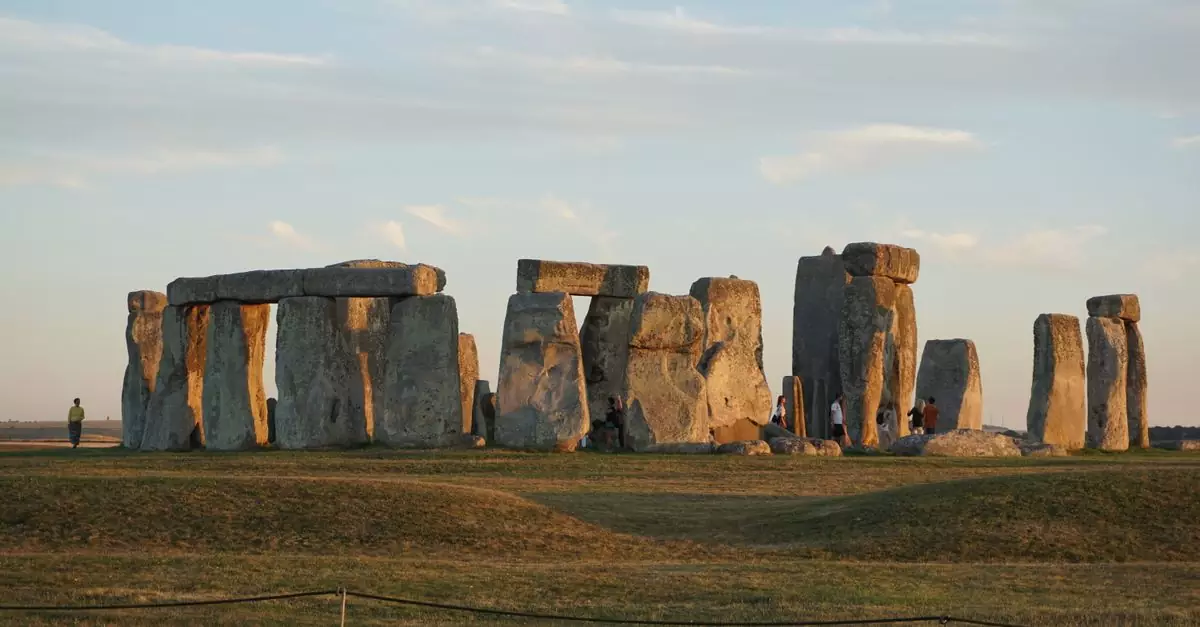
Venturing into the world’s lesser-known and mysterious travel destinations demands careful planning and a commitment to safety. While the allure of the unknown is strong, prioritizing security ensures you can fully immerse yourself in the experience without undue risk. This involves a multi-faceted approach, from understanding the challenges of remote locations to making informed choices about how you travel.
Assessing Risks at Remote Archaeological Sites
Many mysterious travel destinations are rich in archaeological wonders, but these sites often lie in remote or underdeveloped areas. Before visiting, research the specific risks associated with your chosen location. This might include unstable terrain, lack of emergency services, or unpredictable weather. For instance, exploring ancient ruins in the dense jungles of South America requires awareness of venomous wildlife and the need for sturdy footwear.
Always check with local authorities or reputable guidebooks for current safety advisories. Understanding the geological stability of ruins, especially those that are partially excavated or unmaintained, is crucial. Avoid touching or climbing on fragile structures, as this can cause damage and pose a personal safety hazard.
Choosing Reputable Tour Operators for Guided Expeditions
For many intrepid explorers, joining a guided expedition is the safest and most practical way to access remote and mysterious locales. Selecting the right tour operator is paramount. Look for companies with a proven track record, positive reviews, and clear safety protocols. They should employ experienced local guides who possess in-depth knowledge of the terrain, culture, and potential hazards.
A good tour operator will also provide essential equipment, emergency communication devices, and comprehensive first-aid training for their staff. They manage logistics like transportation and permits, alleviating much of the burden and risk for travelers. Always confirm what is included in the tour package, especially regarding medical support and evacuation plans.
Solo Travel Considerations for Isolated Locations
While solo travel can be incredibly rewarding, it presents unique challenges when visiting mysterious and isolated destinations. If you choose to go alone, inform a trusted contact of your detailed itinerary, including expected check-in times. Carry a reliable satellite communication device, as mobile phone service will likely be nonexistent.
Pack a comprehensive first-aid kit and know how to use its contents. Familiarize yourself with basic survival skills relevant to the environment. Joining small, organized group activities or hiring local guides for specific excursions can provide a safety net without sacrificing independence. Always trust your instincts; if a situation feels unsafe, it is best to disengage and seek a more secure alternative.
Health Precautions for Jungle and High-Altitude Environments
Mysterious travel destinations often involve challenging environments like dense jungles or high-altitude plateaus, each with specific health risks. Before your trip, consult a travel doctor to discuss necessary vaccinations and prophylactic medications, such as anti-malarials for jungle regions. Ensure your travel insurance covers medical emergencies and evacuation from remote areas.
For high-altitude destinations, acclimatization is key to preventing altitude sickness. This means ascending gradually, staying hydrated, and avoiding strenuous activity upon arrival. In humid jungle environments, protection against insect bites is vital to prevent diseases like dengue fever or Zika virus. Pack insect repellent with DEET, wear long sleeves and pants, and consider permethrin-treated clothing.
Frequently Asked Questions About Mysterious Travel Destinations
What makes a destination ‘mysterious’ for travelers?
A destination earns its ‘mysterious’ label through a combination of factors. These often include limited accessibility, a history shrouded in legend or unexplained phenomena, unique geological formations, or cultures that remain largely untouched by mainstream tourism. Places like the Nazca Lines in Peru or the ancient ruins of Göbekli Tepe in Turkey, for instance, spark curiosity due to their age and the unanswered questions surrounding their creation and purpose. The allure lies in the unknown and the opportunity for personal discovery.
Are these mysterious destinations suitable for families?
Suitability for families depends heavily on the specific destination and the age of the children. Some mysterious locations, like parts of the Scottish Highlands with their folklore and castles, can engage older children. However, many of the best mysterious travel destinations involve rugged terrain, remote travel, and limited amenities, which might be challenging for very young children. Thorough research into local infrastructure, safety, and activity suitability is crucial before planning a family trip to such locations.
What kind of budget should I expect for remote travel?
Budgeting for remote travel requires careful planning, as costs can vary significantly. Destinations that are difficult to reach or have limited tourist facilities often incur higher expenses for transportation and accommodation. For example, reaching a remote village in South America might involve multiple flights, long bus journeys, and stays in basic guesthouses, all of which add up. Conversely, some mysterious sites might be accessible via well-trodden paths in more developed regions, potentially offering more budget-friendly options.
Here’s a general breakdown to consider:
| Expense Category | Estimated Range (USD) | Notes |
|---|---|---|
| Transportation | $300 – $2000+ | Flights, local transport, permits |
| Accommodation | $50 – $250 per night | Varies from basic hostels to remote lodges |
| Food | $30 – $100 per day | Dependent on local availability and dining style |
| Activities/Tours | $50 – $500+ | Guided expeditions, entrance fees |
| Miscellaneous/Contingency | $200 – $1000+ | Souvenirs, unexpected costs, travel insurance |
How can I capture the essence of these mysterious places through photography?
Capturing the essence of mysterious places through photography involves more than just snapping pictures. Focus on conveying the atmosphere and the unanswered questions the location evokes. Consider using natural light to highlight textures and scale, especially during dawn or dusk for dramatic effect. Wide-angle lenses can emphasize the vastness of landscapes, while close-ups can draw attention to intricate details of ancient ruins or unique natural formations. Researching the history and legends of a place beforehand can inspire specific shots that tell a story and hint at the enigma.