Planning a trip to South America in 2026 with a focus on deeper immersion? Slow travel offers a profound way to connect with the continent’s diverse cultures and breathtaking landscapes, moving beyond rushed sightseeing to truly savor each experience. This approach prioritizes meaningful engagement, allowing you to understand local rhythms, build genuine connections, and discover hidden gems often missed by hurried itineraries.
In this guide, we’ll explore the best slow travel destinations in South America that are perfect for an unhurried adventure. You’ll discover vibrant cities like Buenos Aires and Medellín, learn about lesser-known regions ideal for extended stays such as Colombia’s Coffee Region and Brazil’s Chapada Diamantina, and find practical tips for crafting your own immersive itinerary. Get ready to redefine your South American journey with a pace that allows for true discovery and lasting memories.
Embrace Slow Travel: What It Means for Your South American Adventure
Defining Slow Travel: Deeper Immersion vs. Rushed Sightseeing
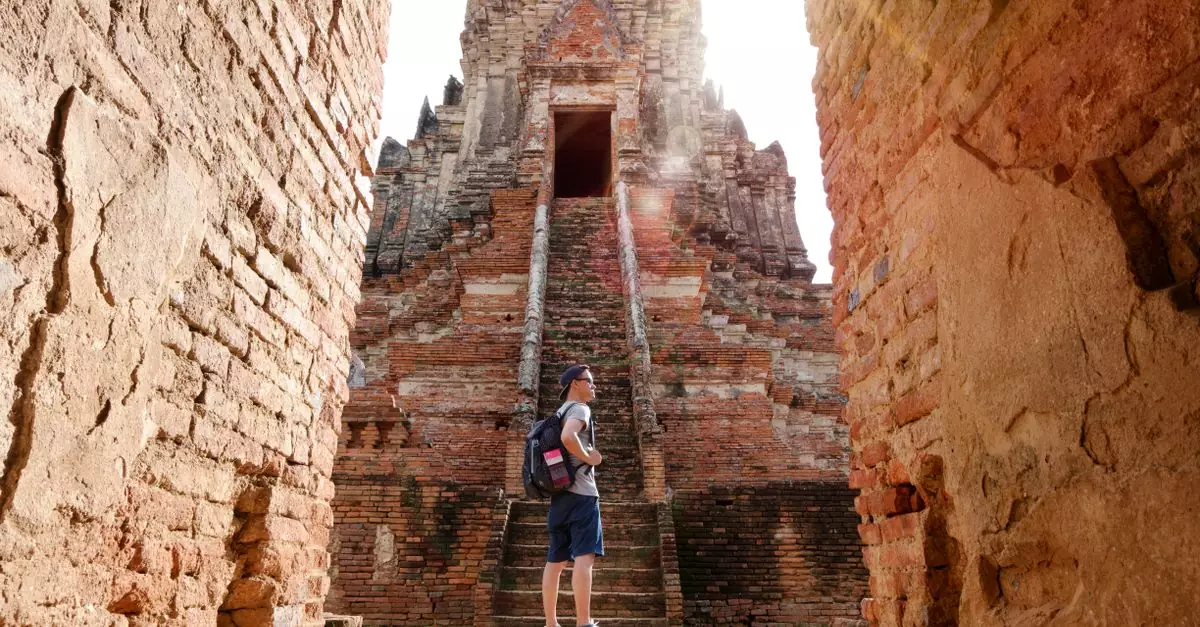
Slow travel is more than just a leisurely pace; it’s a philosophy centered on deeper immersion and meaningful connection with a destination. Instead of ticking off a checklist of famous landmarks, slow travelers prioritize understanding local life, engaging with communities, and savoring experiences. This approach encourages spending more time in fewer places, allowing for spontaneous discoveries and a richer appreciation of a region’s culture, history, and natural beauty. It contrasts sharply with typical tourism, which often involves rapid transit between major attractions, leading to a superficial understanding.
Why South America is Ideal for Unhurried Exploration
The sheer diversity of South America makes it an exceptional canvas for slow travel. From the ancient ruins of the Andes to the vibrant Amazon rainforest and the windswept plains of Patagonia, the continent offers a vast array of landscapes and cultures. Its extensive public transportation networks, while sometimes requiring patience, connect remote villages and bustling cities, facilitating extended stays. Many regions boast a rich tapestry of indigenous traditions, colonial history, and modern artistic expression, all of which reward deeper investigation. Embracing a slower pace here allows travelers to absorb the continent’s profound cultural heritage and breathtaking natural wonders. Planning a trip to South America with this mindset opens up authentic encounters often missed by those on a tighter schedule.
Benefits of Slow Travel for Authentic Cultural Connection
Adopting a slow travel approach in South America unlocks unparalleled opportunities for authentic cultural connection. By lingering in a town, you gain insight into daily rhythms, from morning market visits to evening gatherings. This extended presence fosters genuine interactions with locals, moving beyond transactional tourist encounters to build relationships and gain a nuanced perspective on their way of life. You might find yourself invited to a family meal, learning a few phrases of a local dialect, or understanding the significance of traditional crafts firsthand. Such experiences foster deeper empathy and appreciation for the human element of travel, transforming a simple vacation into a profoundly enriching journey. This method is particularly rewarding in regions like the Sacred Valley in Peru or the coffee regions of Colombia, where cultural traditions are deeply interwoven with daily life.
Top South American Cities for Unforgettable Slow Travel
Choosing a destination for slow travel means prioritizing immersion over ticking off a checklist. It’s about lingering in cafes, getting lost on purpose, and truly understanding a place’s rhythm. South America offers a rich tapestry of cities that lend themselves beautifully to this unhurried approach.
Buenos Aires, Argentina: Tango, Cafes, and European Charm
Buenos Aires, often called the “Paris of South America,” invites visitors to slow down and savor its sophisticated atmosphere. This sprawling metropolis delights those who appreciate architectural grandeur, vibrant street life, and a deep-seated cafe culture. Spend your mornings at a traditional café, people-watching over a café con leche and medialunas. Dedicate afternoons to wandering through distinct neighborhoods like the colorful La Boca or the elegant Recoleta.
Evenings in Buenos Aires are best spent immersing yourself in the passion of tango. Whether you attend a professional show or try a beginner’s class, the dance is central to the city’s identity. For those seeking the best slow travel destinations, Buenos Aires offers endless opportunities for unhurried exploration. Consider visiting during the shoulder seasons of spring (September-November) or autumn (March-May) for pleasant weather and fewer crowds.
Getting Around: Buenos Aires has an extensive public transportation system, including the Subte (subway) and numerous bus routes. Walking is often the most rewarding method for exploring individual neighborhoods.
Medellín, Colombia: The City of Eternal Spring’s Artistic Heartbeat
Medellín has transformed into a hub of innovation and culture, earning its nickname “The City of Eternal Spring” for its consistently pleasant climate. This vibrant city encourages slow exploration through its dynamic arts scene, lush botanical gardens, and friendly locals. Ride the Metrocable up to Comuna 13 to witness its incredible street art transformation and enjoy panoramic city views—a testament to the city’s resilience and creativity.
Beyond Comuna 13, explore the verdant Jardín Botánico or spend hours in the Museo de Antioquia, home to a significant collection of Fernando Botero’s work. Medellín’s burgeoning culinary scene rewards leisurely dining, with countless restaurants offering traditional Colombian fare and international cuisine. It’s a city that reveals its layers gradually, making it one of the best slow travel destinations for cultural immersion.
Local Insight: Embrace the local pace by enjoying a tinto (black coffee) at a neighborhood cafe and striking up conversations with residents. The city’s transformation makes it a fascinating case study for urban renewal and community spirit.
Cusco, Peru: Gateway to the Sacred Valley’s Ancient Rhythms
While often a jumping-off point for Machu Picchu, Cusco itself is a destination worthy of deep exploration. This ancient Inca capital, set high in the Andes, boasts a captivating blend of indigenous and colonial history. Allow ample time to acclimatize to the altitude while wandering its cobblestone streets, discovering hidden plazas, and marveling at the impressive Inca stonework that forms the foundation of many colonial buildings.
Dedicate days to exploring Cusco’s numerous ruins, such as Sacsayhuamán, or delve into local markets like San Blas. The surrounding Sacred Valley offers further opportunities for slow travel, with charming towns like Ollantaytambo and Pisac providing glimpses into traditional Andean life. Experiencing Cusco slowly means appreciating its spiritual energy and historical depth.
Logistics: Acclimatization is key. Plan to spend at least two to three days in Cusco before undertaking strenuous activities. Stay hydrated and consider coca tea to help with altitude sickness.
Valparaíso, Chile: Bohemian Hills and Coastal Breezes
Valparaíso, a UNESCO World Heritage site, is a riot of color, art, and bohemian spirit clinging to steep hillsides overlooking the Pacific Ocean. This port city is a visual feast, with its labyrinthine cerros (hills) adorned with vibrant murals and quirky architecture. The best way to experience Valparaíso is by foot, using its historic ascensores (funiculars) to navigate the steep inclines.
Spend your days getting lost in the winding alleys of Cerro Alegre and Cerro Concepción, discovering hidden cafes, artisan shops, and breathtaking viewpoints. The city’s gritty charm and artistic soul make it a unique destination for those seeking a more authentic, unhurried travel experience. Its proximity to Santiago also makes it an accessible yet distinct South American escape.
Traveler Tip: Wear comfortable shoes suitable for climbing steep, uneven streets. Evenings can be cool due to the coastal location, so pack layers. For a broader perspective on the continent’s diverse offerings, consider exploring other destinations in South America.
Lesser-Known Regions Perfect for Extended Stays

For travelers seeking a deeper connection with South America beyond the well-trodden paths, several regions offer immersive experiences ideal for slow travel. These destinations encourage longer stays, allowing for genuine cultural exchange and a thorough appreciation of their unique environments. They are perfect for those who prefer to linger, learn, and live like a local rather than rush between sights.
The Coffee Region (Eje Cafetero), Colombia: From Bean to Cup Immersion
Colombia’s Eje Cafetero, or Coffee Region, is a verdant landscape of rolling hills and sprawling coffee plantations. Towns like Salento and Filandia provide charming bases for exploring this UNESCO World Heritage site. A slow travel approach here means dedicating time to understanding the coffee-making process, from harvesting beans on a family-run finca to participating in cupping sessions. Beyond coffee, the region boasts the dramatic Cocora Valley, home to the towering wax palm, Colombia’s national tree.
- Logistics: Flights typically arrive in Pereira (PEI), Armenia (AXM), or Manizales (MZL). Local buses and shared taxis connect towns and fincas.
- Accommodation: Options range from cozy guesthouses on coffee farms to boutique hotels in colonial towns.
- Best Time to Visit: The dry seasons (December to February and July to August) offer pleasant weather for hiking and outdoor activities.
Chapada Diamantina National Park, Brazil: Hiking and Waterfall Wonders
In the heart of Bahia, Brazil, Chapada Diamantina National Park presents a rugged plateau dotted with mesas, caves, and an astonishing number of waterfalls. This vast natural park is a haven for hikers and nature lovers who appreciate unhurried exploration. Towns like Lençóis and Vale do Capão serve as gateways, offering a glimpse into a more relaxed pace of life. Spending weeks here allows trekkers to tackle multi-day hikes, discover hidden swimming holes, and connect with the raw beauty of the Brazilian cerrado.
- Getting There: The closest airport is Lençóis (LEC), though flights can be infrequent. Salvador (SSA) is a common arrival point, followed by a bus journey of several hours.
- Activities: Hiking to Fumaça Falls, exploring the Poço Encantado (Enchanted Well), and multi-day treks like the Pati Valley trail are highlights.
- Budgeting: While Brazil can be moderately expensive, Chapada Diamantina offers affordable guesthouses and local eateries, making extended stays feasible.
The Atacama Desert, Chile: Stargazing and Unique Landscapes
The Atacama Desert in northern Chile is renowned as one of the driest places on Earth, offering an otherworldly landscape of salt flats, geysers, and stark volcanic peaks. San Pedro de Atacama is the primary tourist hub, but its popularity means it’s essential to embrace a slower pace to truly appreciate the region’s wonders. Beyond daytime excursions to Valle de la Luna (Moon Valley) and El Tatio geysers, the desert’s clear skies make it a premier stargazing destination. Dedicating time allows for multiple nighttime tours and a chance to witness the Milky Way in unparalleled clarity.
- Access: Fly into Calama (CJC) and take a bus or shuttle to San Pedro de Atacama (approx. 1.5 hours).
- Considerations: The altitude can affect some travelers; acclimatization is recommended. Booking accommodations and popular tours in advance is advisable.
- Unique Experience: Consider a stay at an astronomical lodge for an immersive stargazing experience.
Patagonia’s El Chaltén, Argentina: A Hiker’s Slow Travel Paradise
Often called Argentina’s trekking capital, El Chaltén lies at the base of the iconic Fitz Roy massif in Los Glaciares National Park. This small, purpose-built town is designed for hikers, with a network of trails radiating directly from its center. For slow travel enthusiasts, El Chaltén is a dream. It encourages days spent on the trails, returning to town for hearty meals and rest, with no need for constant transfers or packed itineraries. Longer stays allow for tackling more challenging routes, enjoying rest days with panoramic views, and soaking in the rugged Patagonian atmosphere.
- Travel: Access is typically via El Calafate (FTE) airport, followed by a 3-hour bus journey to El Chaltén.
- Pace Yourself: Trails range from easy day hikes to multi-day expeditions. Plan your routes based on your fitness and desired time spent outdoors.
- Seasonality: The prime season is from November to March, offering longer daylight hours and generally stable weather, though Patagonian conditions can change rapidly.
Crafting Your Slow Travel Itinerary: Balancing Relaxation and Discovery
Embarking on a slow travel journey through South America requires a thoughtful approach to itinerary planning. It’s about immersing yourself in a place, not just ticking off sights. This means dedicating more time to fewer locations, allowing for spontaneous discoveries and deeper cultural connections. For 2026, consider how to weave in authentic experiences that resonate long after you return home.
Sample 2-Week Slow Travel Itinerary: Northern Argentina
Northern Argentina offers a rich tapestry of landscapes and cultures, perfect for a slower pace. This itinerary focuses on the provinces of Salta and Jujuy, known for their dramatic mountains, indigenous heritage, and vibrant local life.
Week 1: Salta and its Surroundings
- Days 1-3: Salta City. Arrive in Salta, often called “Salta la Linda” (Salta the Beautiful). Spend these days acclimatizing, visiting the MAAM (Museum of High Altitude Archaeology), exploring the colonial architecture, and enjoying the city’s lively peñas (folk music venues). Consider a day trip to the nearby wine region of Cafayate.
- Days 4-7: Cafayate. Drive south to Cafayate, a renowned wine-producing town nestled in the Calchaquí Valleys. Dedicate time to visiting bodegas for wine tastings, particularly of the Torrontés varietal. Explore the Quebrada de las Conchas, a stunning geological formation with uniquely shaped rock formations like the Amphitheater and Devil’s Throat.
Week 2: Jujuy’s Andean Wonders
- Days 8-10: Purmamarca and Tilcara. Head north into Jujuy province. Purmamarca is famous for its Hill of Seven Colors. From here, explore the Pucará de Tilcara, an ancient pre-Inca fortress, and the surrounding Quebrada de Humahuaca, a UNESCO World Heritage site.
- Days 11-14: Iruya and return to Salta. For a truly off-the-beaten-path experience, consider a challenging but rewarding trip to Iruya, a remote village perched precariously on a mountainside, accessible by a bumpy bus ride. Spend your final day returning to Salta, perhaps picking up last-minute souvenirs or enjoying a final regional meal.
Sample 3-Week Slow Travel Itinerary: Colombian Andes
Colombia’s Andean region provides diverse experiences, from coffee fincas to colonial towns and lush mountain scenery. A three-week journey allows for deeper exploration of its cultural heartland.
Week 1: Coffee Region Charm
- Days 1-4: Salento. Arrive in Armenia or Pereira and head to Salento, a picturesque town in the heart of the coffee axis. Hike in the Cocora Valley, home to the towering wax palms, Colombia’s national tree. Visit a coffee finca for a tour and tasting, learning about the bean-to-cup process.
- Days 5-7: Filandia. Experience the quieter charm of Filandia, another beautiful coffee town. Enjoy its artisan shops, panoramic viewpoints, and the colorful architecture.
Week 2: Colonial History and Mountain Air
- Days 8-11: Jardín. Travel to Jardín, a vibrant and well-preserved colonial town surrounded by emerald hills. Take a cable car for stunning views, hike to waterfalls, and soak in the lively atmosphere of the main plaza, a hub for local life.
- Days 12-14: Guatapé and El Peñol. Journey towards Medellín, stopping at Guatapé. Climb the 740 steps of El Peñol for breathtaking views of the surrounding lakes and islands. Explore the colorful zocalos (decorative baseboards) adorning the town’s buildings.
Week 3: Medellín and Surroundings
- Days 15-18: Medellín. Spend time in the “City of Eternal Spring.” Explore its innovative public transport system, visit Comuna 13 for its vibrant street art and transformation story, and ride the Metrocable for panoramic city views.
- Days 19-21: Day trips or further exploration. Consider day trips to nearby natural parks or revisit a favorite spot in the coffee region before departing from Medellín.
Pacing Your Journey: How Many Days Per Location?
The essence of slow travel is unhurried exploration. Instead of trying to see multiple cities in a week, aim for a minimum of three to four days in each base location. This allows time for acclimatization, deeper exploration beyond the main tourist trails, and the flexibility to respond to local recommendations or simply relax. For truly immersive experiences, consider a week or more in a single region, using it as a hub for day trips and local excursions. This approach is particularly beneficial when traveling with family or seeking significant cultural exchange.
Integrating Local Experiences: Cooking Classes and Homestays
To truly embrace slow travel, actively seek out opportunities for genuine connection. Participating in a local cooking class offers a delicious insight into regional cuisine and traditions. Imagine learning to prepare empanadas in Argentina or bandeja paisa in Colombia. Similarly, opting for homestays, where available, provides an unparalleled window into daily life, family customs, and local perspectives. These experiences move beyond sightseeing and foster meaningful interactions that define a fulfilling slow travel adventure.
Navigating South America: Transportation and Accommodation for Slow Travelers
Embracing slow travel in South America means immersing yourself in the rhythm of local life, which often requires a thoughtful approach to getting around and finding a comfortable base. Understanding the regional transport networks and accommodation options is key to a fulfilling extended stay.
Choosing Between Buses, Flights, and Local Transport
For longer distances between cities and countries, overnight buses are often the most economical and widely used option. Companies like Cruz del Sur in Peru or Pluma in Argentina offer comfortable, sometimes cama (bed) class services that can rival short flights for convenience, saving on a night’s accommodation. However, for vast distances or time constraints, budget airlines such as LATAM or Sky Airline provide quicker transit, though they add to the overall cost and carbon footprint.
Within cities and towns, local buses, colectivos (shared taxis), and mototaxis are essential for daily movement. Negotiating fares for taxis is generally recommended, especially in tourist areas. Walking is also a fantastic way to discover hidden corners, provided the neighborhood is safe and walkable.
| Transport Mode | Pros | Cons | Best For |
|---|---|---|---|
| Overnight Buses | Economical, extensive network, saves on lodging | Can be slow, less comfortable than flights | Long-distance travel between cities/countries |
| Budget Flights | Fast, efficient for vast distances | More expensive, baggage fees, airport transfers | Covering large distances quickly |
| Local Buses | Very affordable, authentic experience | Can be crowded, confusing routes | Daily commutes within cities |
| Taxis/Colectivos | Convenient, door-to-door service | Can be costly, requires negotiation | Shorter trips, group travel |
| Walking | Free, immersive, health benefits | Limited by distance and safety | Urban exploration, short distances |
Best Neighborhoods for Long-Term Stays and Local Feel
When settling in for an extended period, choosing the right neighborhood transforms a trip from a visit into a temporary home. Look for areas that are residential yet have easy access to amenities like local markets, cafes, and public transport. In Buenos Aires, for instance, neighborhoods like Palermo Soho or Villa Crespo offer a vibrant atmosphere with local shops and fewer tourist crowds than the city center. In Medellín, El Poblado is popular, but for a more authentic experience, consider Laureles or Sabaneta, which boast a strong local community feel and excellent value.
Consider areas slightly outside the main tourist hubs. These often provide a more genuine glimpse into daily life, with more affordable dining and shopping options. Researching local expat forums or asking for recommendations from long-term travelers can offer invaluable insights into the best pockets of a city.
Finding Authentic Accommodation: Hostels, Guesthouses, and Rentals
For slow travelers, the type of accommodation significantly impacts the experience. Hostels are not just for backpackers; many offer private rooms and communal spaces that foster social interaction and provide local knowledge from staff and fellow travelers. Look for hostels with kitchens, as this can be a significant cost-saver for longer stays.
Guesthouses (hospedajes or pensiones) offer a more private and often family-run experience, providing a warm and personal touch. These can be found in smaller towns and cities throughout South America. For longer stays, consider renting an apartment or room through platforms like Airbnb or local rental agencies. This offers the most independence and a true sense of living like a local, complete with your own kitchen and living space.
Budgeting for Extended Stays: Average Daily Costs
South America offers a range of price points, making it accessible for various budgets. A conservative daily budget for a slow traveler, covering basic accommodation, local food, and transport, can range from $30 to $60 USD per day in many countries. This estimate can fluctuate significantly based on the destination and your travel style.
Major cities like Buenos Aires or Santiago will generally be more expensive than smaller towns or less-visited regions. Eating at local markets and street food stalls, utilizing public transport, and opting for hostel dorms or budget guesthouses will help keep daily expenses down.
| Country/Region | Estimated Daily Budget (USD) | Notes |
|---|---|---|
| Andean Countries | $30 – $50 | Bolivia, Ecuador, Peru (outside major tourist hubs) |
| Southern Cone | $40 – $70 | Argentina, Chile, Uruguay (can be higher in major cities) |
| Brazil | $40 – $65 | Varies greatly by region; cities are more expensive |
| Colombia | $35 – $55 | Generally affordable, especially outside Bogotá and Medellín |
These figures are averages and can be adjusted based on personal spending habits. Prioritizing experiences over material purchases, cooking some of your own meals, and leveraging free activities like hiking or exploring city parks are excellent ways to manage your budget effectively over an extended period.
Frequently Asked Questions About Slow Travel in South America
What is the best time of year for slow travel in South America?
The ideal time for slow travel in South America depends heavily on the specific region you plan to visit. Generally, the shoulder seasons—spring (September to November) and autumn (March to May)—offer pleasant weather across many popular destinations and fewer crowds. However, for extensive journeys, consider the diverse climates:
- Andes Region (Peru, Bolivia, Ecuador): The dry season, from May to October, is best for trekking and mountain exploration.
- Patagonia (Chile, Argentina): Summer (December to February) provides the warmest weather for hiking and sightseeing.
- Amazon Rainforest (Brazil, Peru, Ecuador, Colombia): The dry season (June to November) is often preferred for wildlife viewing and easier navigation.
- Coastal Areas (Brazil, Colombia): Year-round warmth makes these regions accessible, though the rainy season can impact some activities.
Is slow travel more budget-friendly in South America?
Yes, embracing slow travel principles can significantly enhance your budget in South America. By spending more time in fewer locations, you can:
- Secure better accommodation rates: Longer stays often come with discounts.
- Utilize local transport: Opting for overnight buses or regional flights instead of frequent internal flights saves money.
- Cook more meals: Renting apartments with kitchens allows you to prepare food, reducing dining-out expenses.
- Gain deeper local insights: This allows you to find more affordable, authentic experiences away from tourist traps.
While some popular destinations like Patagonia can be expensive, areas like Colombia, Ecuador, and parts of Peru and Bolivia offer excellent value for money, especially when traveling slowly.
What are essential items to pack for a slow travel trip?
Packing for a slow travel adventure in South America requires versatility due to varying climates and activities. Focus on layers and multi-use items:
- Comfortable walking shoes: Essential for exploring cities and trails.
- Breathable, quick-drying clothing: Layers are key for adapting to temperature changes. Include long-sleeved shirts and pants for sun and insect protection.
- Waterproof and windproof jacket: Crucial for unpredictable mountain and coastal weather.
- Reusable water bottle: Staying hydrated is vital, and reducing plastic waste is encouraged.
- Universal travel adapter: To keep your devices charged.
- Small backpack or daypack: For daily excursions.
- Basic first-aid kit: Including any personal medications.
- Sunscreen and insect repellent: High SPF sunscreen is a must, even on cloudy days.
Consider packing light, as you’ll likely be moving between different climates and altitudes.
How can I stay safe while traveling slowly in South America?
Safety while traveling slowly in South America is achievable with awareness and preparation. Adopting a slower pace often allows for better situational understanding.
- Research your destinations: Understand local customs and any specific safety concerns for the areas you’ll be visiting. Resources like nationalgeographic.com/travel/destination/south-america can provide valuable context.
- Be mindful of your belongings: Especially in crowded markets or on public transportation. Use money belts and keep valuables secure.
- Learn basic Spanish or Portuguese phrases: This can greatly assist in communication and navigating situations.
- Trust your instincts: If a situation feels unsafe, remove yourself from it.
- Inform someone of your plans: Let friends or family know your general itinerary and check in regularly.
- Avoid displaying expensive items: This includes jewelry, cameras, and electronics, particularly in urban areas.
Many travelers find that by moving slower and engaging more with local communities, they build trust and gain a greater sense of security.